
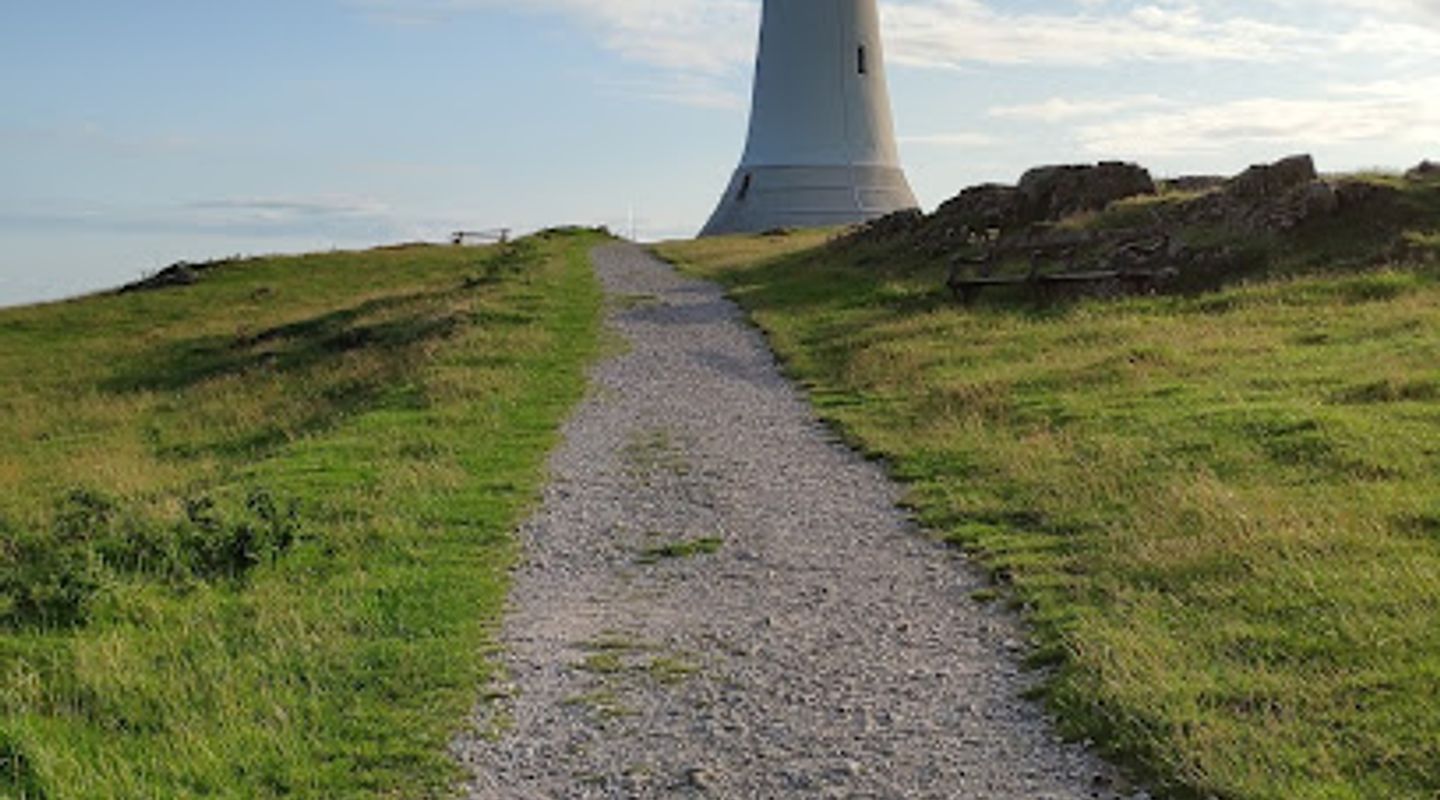
Sir John Barrow Monument, Down Travel Guide
A striking 100-foot limestone tower on Hoad Hill offering panoramic views and honoring Ulverston’s famed explorer Sir John Barrow.
The Sir John Barrow Monument, perched atop Hoad Hill in Ulverston, is a striking 100-foot limestone tower built in 1850 to honor Sir John Barrow, a notable local statesman and explorer. Modeled on the Eddystone Lighthouse, this Grade II* listed landmark offers panoramic views of Ulverston, Morecambe Bay, and the Lake District. Visitors can climb its 112-step spiral staircase to the glazed lantern chamber and explore informative displays about Barrow’s life and legacy.
A brief summary to Sir John Barrow Monument
- Hoad Hill, Ulverston, LA12 7LD, GB
- Click to display
- Click to display
- Duration: 0.5 to 2 hours
- Free
-
 Outdoor
- Mobile reception: 4 out of 5

Know before you go
Hi, I'm Eve. Here are a few practical things to know before exploring Sir John Barrow Monument.
- Climb the 112-step spiral staircase to reach the lantern chamber for unparalleled 360-degree views of Ulverston and Morecambe Bay.
- Visit on Sundays or Bank Holidays between April and October when the monument is open and the flag is flying.
- Wear sturdy footwear and be prepared for narrow, steep steps and potentially windy conditions at the summit.
- Explore the informative panels inside the monument to learn about Sir John Barrow’s life and the monument’s history.
Do you manage this location?
Take control to get all the benefits, like improved information, better appearance, and stronger visibility across AI-powered discovery. Learn more about listing your business on Evendo
Activate your presenceOther nearby places you may find interesting
The closest places of the same kind, if this one is not quite what you had in mind.

Explore Sir John Barrow Monument on the Map
A handpicked selection of must-see spots near Sir John Barrow Monument, mapped for you.
Getting There
-
Bus
Local bus services connect Ulverston town center to stops within a 1.5 km walk of Hoad Hill. Buses run approximately every 30 minutes during the day. A single fare costs around £3–£5 GBP. From the bus stop, expect a moderate 20-minute uphill walk on footpaths to the monument.
-
Car
Driving to Hoad Hill is straightforward via local roads from Ulverston town center, with parking available near the base of the hill. Parking is free but limited, especially on weekends and holidays. The uphill walk to the monument takes about 10–15 minutes.
-
Walking
For those staying in Ulverston, a scenic 30–40 minute walk through town and along footpaths leads to Hoad Hill. The terrain includes moderate inclines and uneven surfaces, so suitable footwear is recommended.
For the on-the-go comforts that matter to you
-
 Information Boards
-
 Seating Areas
-
 Trash Bins
Discover more about Sir John Barrow Monument
A Tower Built to Celebrate a Local Luminary
The Sir John Barrow Monument stands proudly on the summit of Hoad Hill, rising 100 feet above the town of Ulverston. Constructed in 1850 through public subscription, it commemorates Sir John Barrow (1764–1848), a native of Ulverston who became a distinguished statesman, geographer, and founding member of the Royal Geographical Society. Barrow served as Second Secretary to the Admiralty for over four decades and undertook significant diplomatic and exploratory missions, including Arctic expeditions. The monument was designed to resemble a lighthouse, inspired specifically by John Smeaton's 1759 Eddystone Lighthouse, although it never functioned as one.Architectural Features and Historical Significance
Built from locally quarried limestone from Birkrigg Common, the tower is hollow with an internal spiral staircase of 112 narrow steps leading to the lantern chamber. Originally open, the lantern chamber is now fully glazed and protected by a copper roof added during extensive restoration. The monument is sometimes affectionately called "the pepper pot" and is one of the most prominent landmarks in Cumbria, visible for miles around. It is a Grade II* listed building, highlighting its architectural and historic importance.Restoration and Preservation Efforts
By the early 2000s, the monument required urgent repair and was closed to the public. A major restoration project began in 2009, funded primarily by a Heritage Lottery Fund grant along with local fundraising efforts by the Friends of the Sir John Barrow Monument. Repairs included structural conservation, installation of a lightning conductor, improved footpaths, and new interpretive signage inside the tower detailing Barrow’s life and the monument’s history. The monument was officially reopened in August 2010 and continues to be maintained by Ulverston Town Council.Visitor Experience and Surrounding Landscape
Visitors who climb the spiral staircase are rewarded with spectacular 360-degree views from the lantern chamber, encompassing the Furness Peninsula, Morecambe Bay, and the southern Lake District mountains. The ascent is moderately challenging but offers a unique perspective on the region’s natural beauty and the town below. The monument’s elevated position on Hoad Hill, which rises approximately 450 feet, also makes it a popular spot for hiking and photography. The surrounding landscape includes walking paths and open green spaces, making it a tranquil outdoor destination.Community and Cultural Importance
Beyond its role as a historical monument, the Sir John Barrow Monument serves as a symbol of Ulverston’s heritage and pride. It has hosted community events such as the Sir John Barrow Music Festival, blending cultural activities with the monument’s unique atmosphere. The site embodies local respect for Barrow’s achievements and continues to inspire residents and visitors alike.Access and Practical Information
The monument is normally open to the public on Sundays and Bank Holidays from April to October when the flag is flying. There are no public restrooms directly at the monument, and the climb may be physically demanding for some due to the narrow staircase. Visitors are advised to wear suitable footwear and prepare for potentially windy conditions at the summit. Informative panels inside provide detailed insights into Barrow’s life and the monument’s history, enriching the visitor experience.More to explore near Sir John Barrow Monument













Your all‑in‑one travel companion app
Explore expert travel guides, compare and book tours, experiences, hotels, and more—all from the palm of your hand. Download now for seamless trip planning wherever your wanderlust takes you.


Explore More of Down
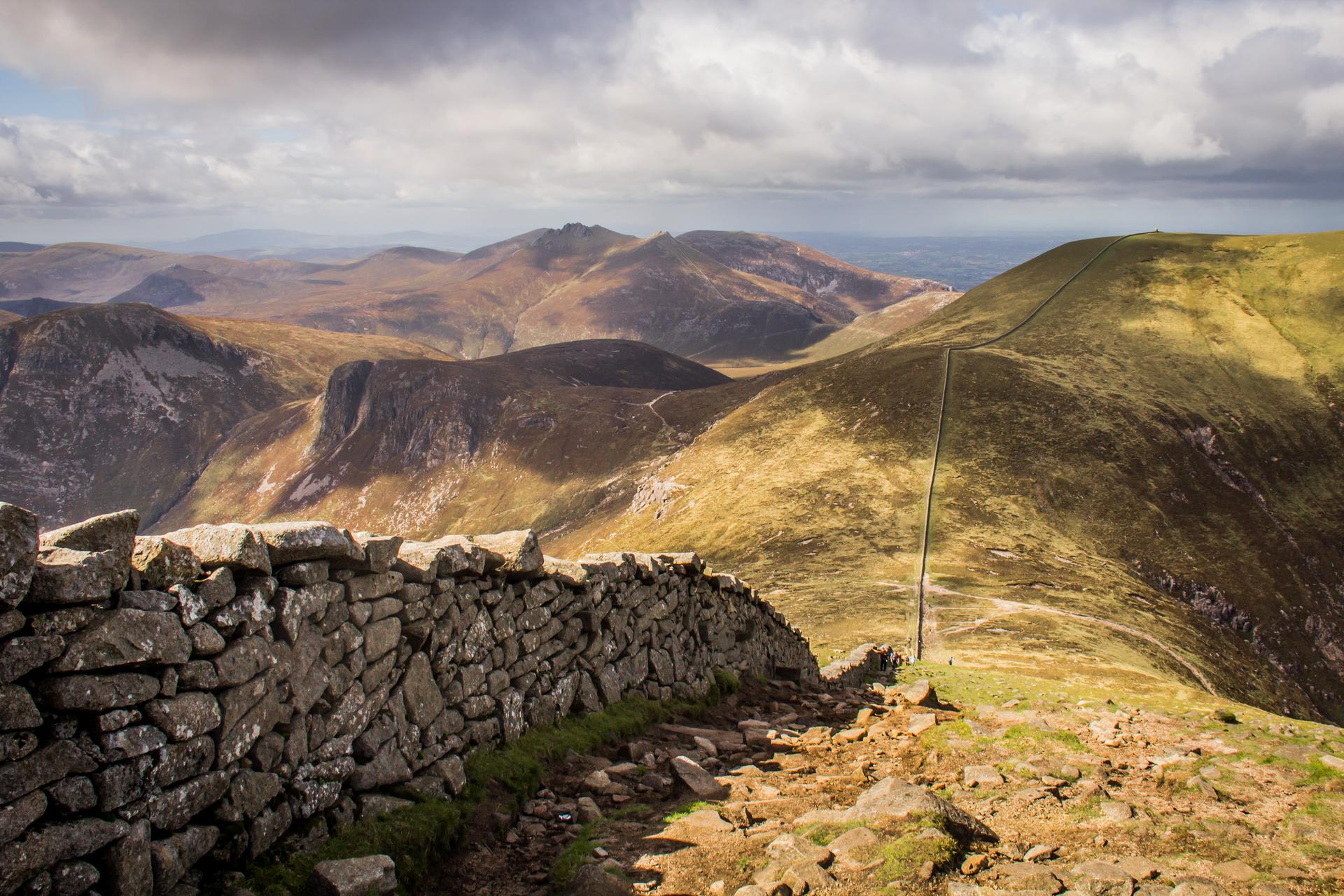
Looking beyond Sir John Barrow Monument? Discover Down for broader travel guides, local hot-spots, and regional highlights.
Explore Down
Explore Holker Hall & Gardens: historic grandeur, enchanting landscapes, and family-friendly charm in Cumbria’s scenic Cartmel Peninsula.

Explore England’s Lake District on the Cumbria Way, a 70-mile trail from Ulverston to Carlisle through stunning fells, lakes, and historic villages.
