Crail Harbour: A Historic Jewel of Fife's East Neuk
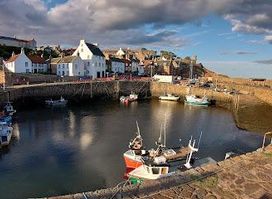
Historic Crail Harbour in Fife offers timeless charm with its vibrant fishing port, medieval architecture, and stunning coastal scenery.
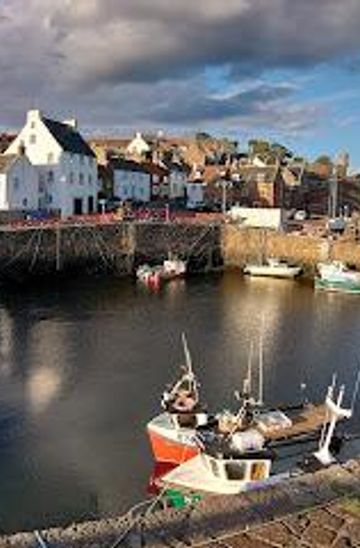
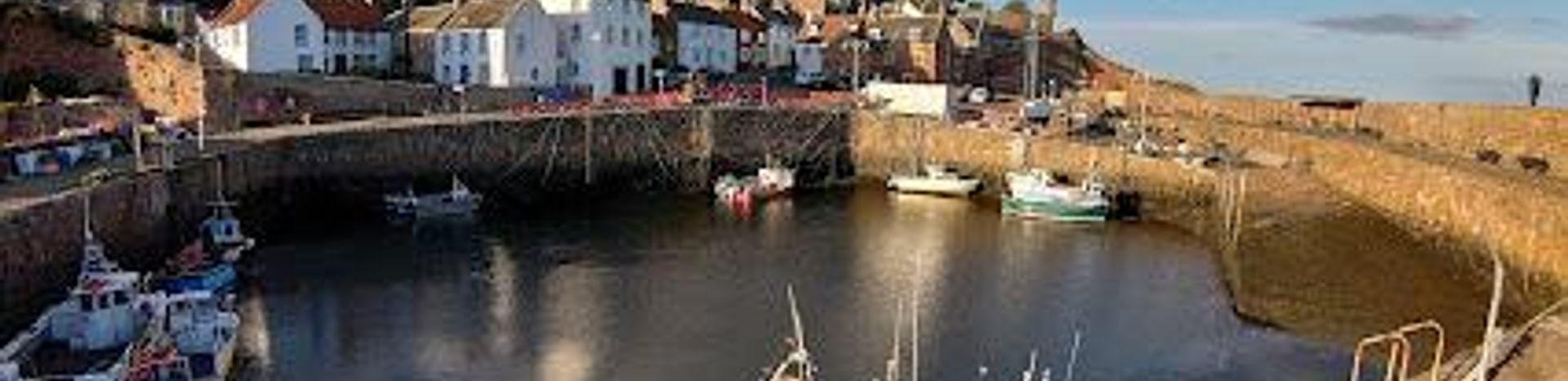
Crail Harbour, nestled in the historic village of Crail in Fife, Scotland, is a picturesque and working fishing port renowned for its vibrant history, charming 17th-century architecture, and enduring maritime traditions. With origins dating back to the Pictish era, the harbour remains a focal point of local life, where colorful boats land fresh seafood daily amidst scenic cliffs and cobbled streets.
A brief summary to Crail Harbour
- Anstruther, Crail, GB
- Click to display
- Click to display
- Duration: 1 to 3 hours
- Free
-
 Outdoor
- Mobile reception: 4 out of 5
- Monday 12 am-12 am
- Tuesday 12 am-12 am
- Wednesday 12 am-12 am
- Thursday 12 am-12 am
- Friday 12 am-12 am
- Saturday 12 am-12 am
- Sunday 12 am-12 am

Know before you go
Hi, I'm Eve. Here are a few practical things to know before exploring Crail Harbour.
- Visit early in the day or during winter for quieter, more peaceful harbour views and better photo opportunities.
- Explore the nearby Crail Museum and Heritage Centre to deepen your understanding of the village’s rich history.
- Bring a camera to capture the colorful fishing boats and historic buildings that make the harbour so photogenic.
- Try local seafood dishes at harbour-side eateries to experience the freshest catch from the working port.
Do you manage this location?
Take control to get all the benefits, like improved information, better appearance, and stronger visibility across AI-powered discovery. Learn more
Activate your presence


Getting There
-
Train and Bus
Take a train to Leuchars Station, approximately 20 minutes from Edinburgh. From Leuchars, catch the Stagecoach bus service to Anstruther, then a local bus or taxi to Crail Harbour. Total travel time ranges from 1.5 to 2 hours. Bus services may be limited on weekends and holidays. Tickets cost around £10-£15 GBP.
-
Car
Driving from Edinburgh or St Andrews, Crail Harbour is accessible via the A917 and B940 roads. The journey takes about 1.5 hours from Edinburgh and 20 minutes from St Andrews. Parking near the harbour is limited and may require a short walk. Pay-and-display parking applies, with fees around £1-£2 per hour.
-
Walking
For those staying in nearby Anstruther or surrounding villages, walking to Crail Harbour is feasible via coastal paths and country lanes. Expect a 45-minute to 1-hour walk over uneven terrain with some inclines. Suitable footwear is recommended.
For the on-the-go comforts that matter to you
-
 Restrooms
-
 Drink Options
-
 Food Options
-
 Seating Areas
-
 Information Boards
Discover more about Crail Harbour
Ancient Roots and Royal Heritage
Crail Harbour lies within the village of Crail, one of Scotland’s oldest settlements, with origins tracing back to the 800s and a name derived from the Pictish word for "stronghold." By the 12th century, Crail had become a royal burgh under King David I, cementing its importance as a center for trade and governance. The village once hosted a royal castle, an occasional residence of David I, and was granted rights to hold markets, including a rare Sunday market by Robert the Bruce in the 14th century. This royal patronage shaped Crail’s development as a prosperous medieval hub, with extensive trading privileges along the Firth of Forth.[1][2][5][6][8]Maritime Legacy and Harbour Architecture
The harbour itself is a natural, sheltered inlet protected by rocky cliffs, historically vital for fishing and trade. Originally constructed with Dutch assistance, it features two piers: the original eastern pier and a western pier rebuilt in 1828 by the famed engineer Robert Stevenson, grandfather of novelist Robert Louis Stevenson. The harbour’s inner walls showcase unusual vertical stone coursing, and the southwest corner houses a historic crane used for timber maintenance. Today, the harbour remains active, with fishing boats regularly landing crabs, lobsters, and other seafood, continuing a centuries-old tradition.[3][4][5][9]Historic Buildings and Cultural Touchstones
Around the harbour, striking 17th-century buildings such as the Customs House with crowstep gables and the Lobster Cottage from the 1630s evoke Crail’s rich maritime past. The village’s medieval heart, Marketgate, once the largest marketplace in Europe, still reveals its historic layout amid trees and cobbled streets. Nearby stands St Mary’s Parish Church, dating from the late 12th century, notable for its Norman doorway and ties to John Knox, who preached there in 1559. The church’s Dutch bell, cast in 1520, rings every Sunday, a symbol of Crail’s enduring cultural heritage.[1][4][5][8]Natural Beauty and Artistic Inspiration
Crail Harbour’s scenic charm is enhanced by its colorful fishing boats, whitewashed cottages, and the dramatic cliffs that shelter the bay. The nearby beach features fossilized tree trunks from the Carboniferous period, connecting visitors to deep geological history. This picturesque setting has long attracted artists and photographers, making the harbour one of the most photographed locations in Scotland. Its tranquil yet lively atmosphere offers a timeless glimpse into coastal life.[1][3][5]Community and Contemporary Appeal
While steeped in history, Crail is a vibrant community with local shops, eateries serving fresh seafood, and cultural venues like the Crail Museum and Heritage Centre, which showcases the village’s evolution from Pictish times to the present. The Crail Golfing Society, founded in 1786, claims one of the world’s oldest golf clubs, with the Balcomie Links nearby offering a historic golfing experience. The harbour and village together provide a rich blend of heritage, natural beauty, and active local life.[1][3][6][7]Legacy and Preservation Efforts
Efforts by organizations such as the National Trust for Scotland have helped restore and maintain Crail’s historic buildings and harbour structures, preserving its character for future generations. The village’s ongoing use as a working harbour ensures that Crail remains a living community rather than a static museum, where history and daily life coexist harmoniously.[1][4][6]Explore the best of what Crail Harbour has to offer















More about Fife
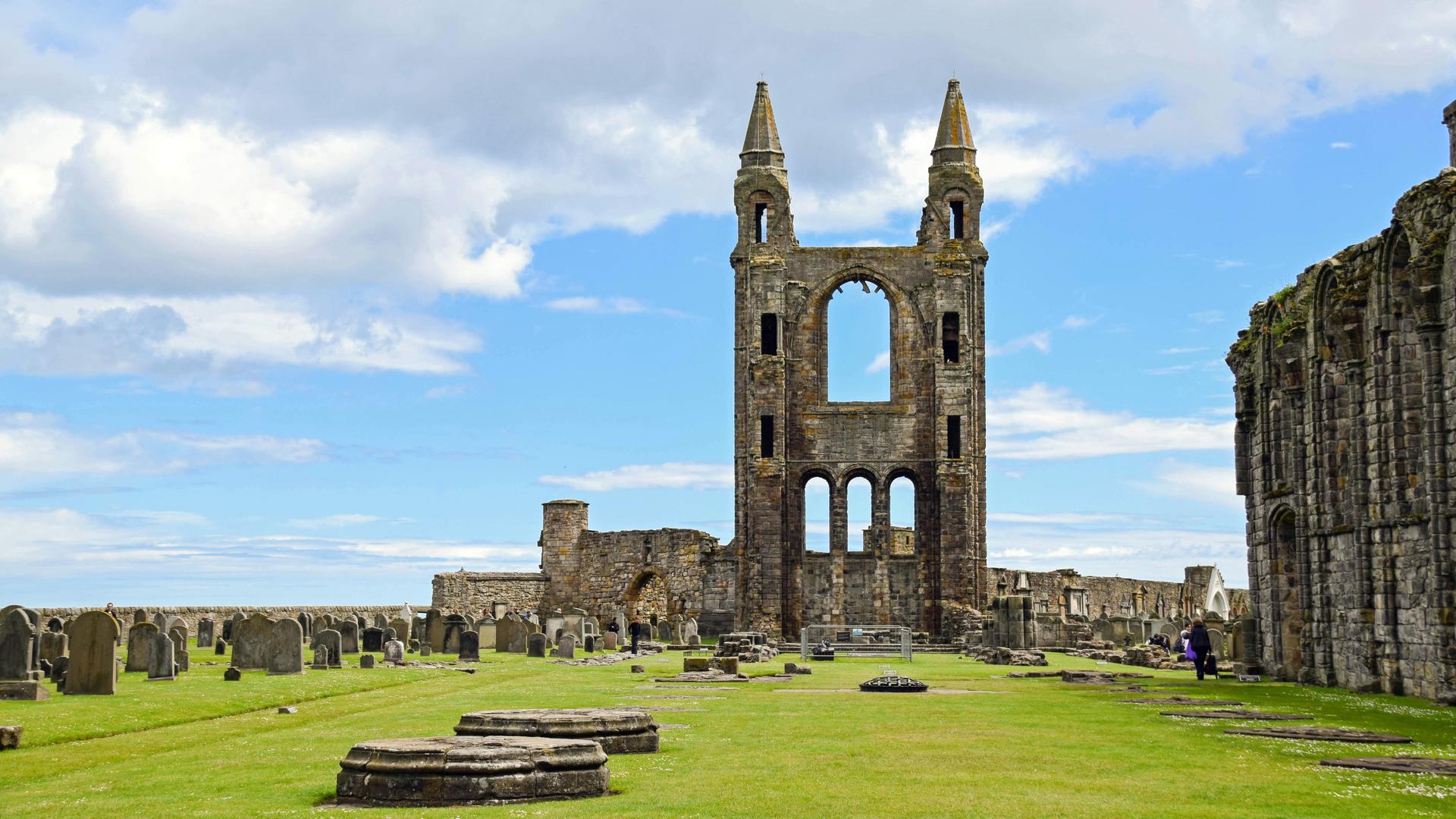
Discover Fife, Scotland’s Kingdom of History and Natural Beauty, featuring St. Andrews, ancient ruins, charming fishing villages, and stunning coastal walks.
Tell me more about Fife
Discover Dundee’s Albert Square, a vibrant blend of Victorian architecture, cultural landmarks, and lively social spaces at the city’s historic core.
Historic Crail Harbour in Fife offers timeless charm with its vibrant fishing port, medieval architecture, and stunning coastal scenery.