
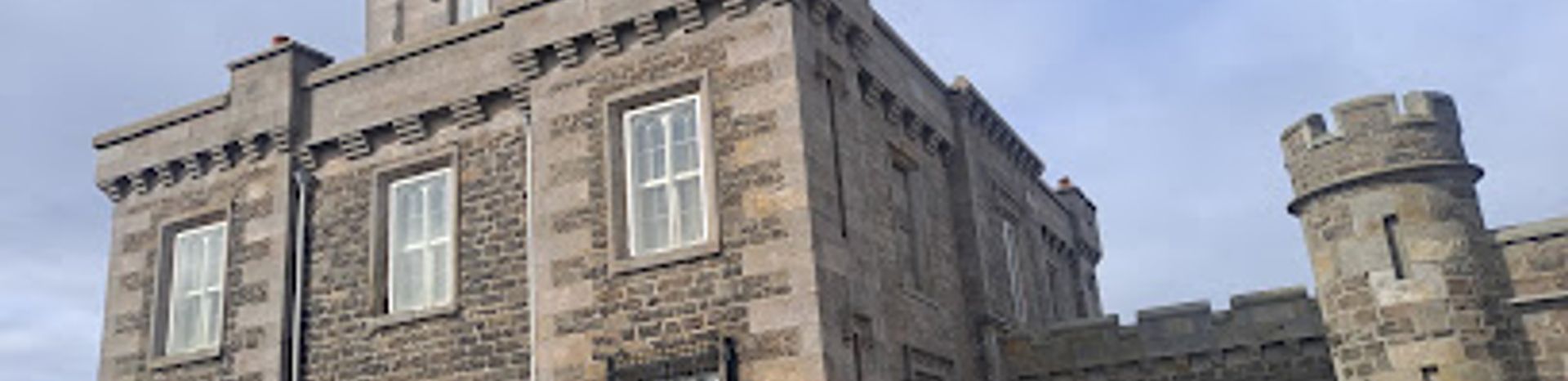
Isle of May National Nature Reserve
A captivating island sanctuary where seabirds, seals, and centuries of history converge in a stunning coastal landscape.
The Isle of May National Nature Reserve, located in the Firth of Forth off the coast of Anstruther, Scotland, is a small but ecologically rich island renowned for its spectacular seabird colonies and large grey seal population. Managed by NatureScot, this reserve offers visitors a unique experience of wildlife, history, and rugged coastal landscapes, with well-marked paths, a visitor centre, and opportunities to witness puffins, guillemots, razorbills, and seals in their natural habitat.
A brief summary to Isle of May National Nature Reserve
- Anstruther, GB
- +441334654038
- Visit website
- Duration: 3 to 5 hours
- Mid ranged
-
 Outdoor
- Mobile reception: 3 out of 5
Local tips
- Visit between May and July for the best chance to see the spectacular seabird breeding colonies, including puffins.
- Wear sturdy shoes and bring warm, waterproof clothing as weather can change quickly on the island.
- Take advantage of guided tours to gain deeper insights into the island’s wildlife and history.
- Respect wildlife by keeping to marked paths and maintaining a safe distance from nesting birds and seals.
- Plan your visit in advance, as the island is closed from October to March to protect wildlife during sensitive periods.

For the on-the-go comforts that matter to you
- Restrooms
- Drink Options
- Food Options
- Seating Areas
- Information Boards
- Visitor Center
Getting There
-
Ferry from Anstruther
Regular ferry services operate from Anstruther to the Isle of May between April and September. The round trip lasts about 5 hours, including time on the island. Boats have partial disabled access, seating, toilets, and refreshments. Booking in advance is recommended. Prices range from approximately £25 to £35 per adult.
-
Boat Trips from North Berwick
Seasonal boat trips depart from North Berwick, offering 4-hour round trips including island exploration. Travel is on open rigid inflatable boats (RIBs), with waterproofs provided. Trips may be guided or unguided depending on timing. Prices typically range from £30 to £40 per adult.
-
Boat Excursions from Dunbar
Fast boat trips from Dunbar include visits to the Isle of May and nearby Bass Rock. Trips last around 5 hours, including 3 hours on the island with a guide. These trips are weather dependent and usually operate in spring and summer. Prices range from £40 to £50 per adult.
-
Walking on the Island
Once on the Isle of May, explore a network of well-marked paths. Terrain varies from easy, level tracks to steeper, rougher trails near cliffs. Suitable footwear is essential, and some routes may be challenging for those with limited mobility.
Isle of May National Nature Reserve location weather suitability
-
 Any Weather
-
 Rain / Wet Weather
-
 Clear Skies
-
 Windy Conditions
-
 Mild Temperatures
Discover more about Isle of May National Nature Reserve
A Sanctuary for Seabirds and Seals
The Isle of May is a tiny island, approximately 1.5 km long and 0.5 km wide, nestled at the mouth of the Firth of Forth. Despite its modest size, it supports one of Scotland's most impressive natural spectacles. Each spring and summer, the island's cliffs become a bustling city for over a quarter of a million seabirds, including puffins, guillemots, razorbills, kittiwakes, and arctic terns. Visitors can follow cliff-top paths that provide dramatic views of these bird colonies, where the cacophony of calls and the sight of colorful puffin bills create an unforgettable wildlife experience.Rich Layers of History and Culture
Beyond its natural wonders, the Isle of May has a deep and varied history. It has been a place of spiritual significance since the 9th century, with early Christian churches established by monks. Over the centuries, the island also served as a haven for smugglers and a beacon for mariners navigating the Firth of Forth. Archaeological remains, including prehistoric burial sites, add to the island’s cultural tapestry, making it a place where nature and human heritage intertwine.Visitor Facilities and Experiences
The reserve features a small visitor centre nestled on a slope overlooking the main harbour, offering natural history displays and sheltered viewing areas with large windows. Outside, information panels detail the island’s wildlife and history. Well-maintained paths vary from level and surfaced to steeper, rougher trails near cliffs, catering to different levels of mobility. Seasonal guided tours enrich the visitor experience, revealing insights into the island’s ecology and stories. The best time to visit for seabird watching is from May to July, while autumn brings the largest breeding colony of Atlantic grey seals in eastern Britain.Wildlife Highlights Throughout the Year
Spring marks the arrival of seabirds gathering to breed, with courtship displays and the soft cooing of eider ducks near pathways. Summer is the peak breeding season when birds rear their young, filling the island with life and sound. Autumn shifts the focus to grey seals, which come ashore to breed on the island’s rocky coasts. The island also serves as a critical stopover for migrating birds, with over 250 species recorded during migration seasons.Geological and Botanical Features
The island’s landscape is shaped by volcanic basalt rock formations, with steep gullies, monumental rock stacks, stone arches, and caves along the cliffs. A thin layer of soil supports wildflowers such as buttercups, daisies, ragwort, and silverweed, attracting various butterflies and moths, including rare species. The island’s unique lichen species add to its botanical interest, enhancing the sense of a wild, vibrant ecosystem.Conservation and Management
Managed by NatureScot, the Isle of May is one of Scotland’s National Nature Reserves, protected for its outstanding natural heritage. Access is controlled to minimize disturbance, with visitor numbers limited during sensitive breeding seasons. The island is closed to visitors from October to March to protect seal pups and other wildlife. Conservation efforts include monitoring seabird populations and maintaining habitats, ensuring the island remains a sanctuary for wildlife and a place of wonder for future generations.Iconic landmarks you can’t miss

Holy Trinity Church
22.6 km
Explore the breathtaking beauty and rich history of Holy Trinity Church in St Andrews, a peaceful haven for visitors and locals alike.

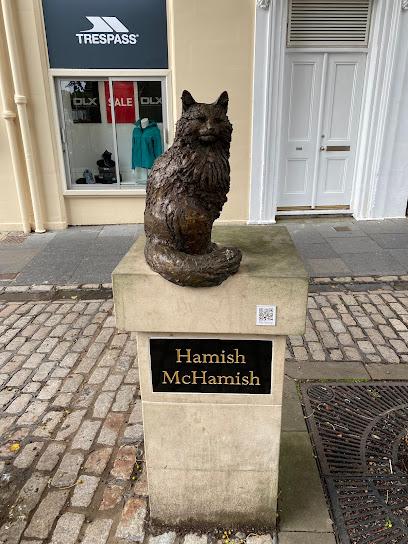
Statue of Hamish McHamish
22.6 km
Discover the heart of St Andrews at the Statue of Hamish McHamish, a charming tribute to the town's beloved canine and a symbol of local culture.
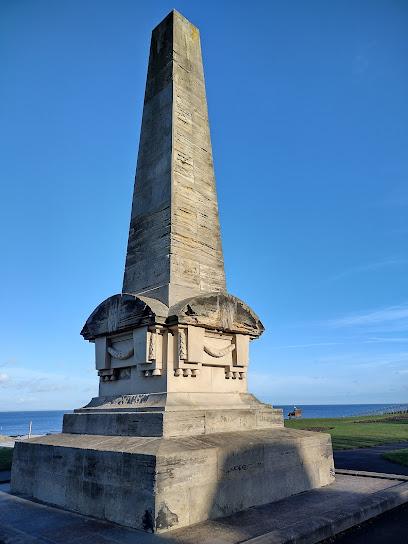
Martyrs' Monument
23.1 km
A towering tribute to St Andrews’ Protestant martyrs, standing proudly as a beacon of faith, sacrifice, and Scottish Reformation history.
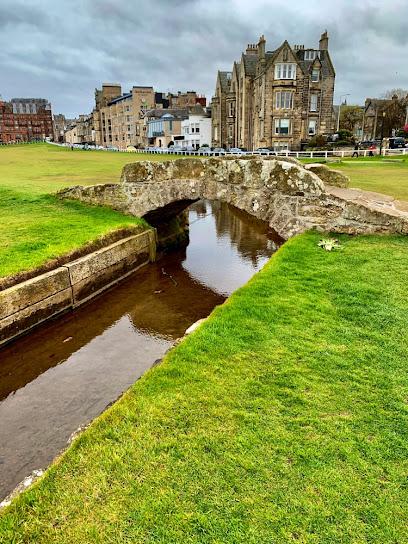
Swilcan Bridge
23.3 km
A centuries-old stone arch bridging golf’s past and present on the legendary Old Course at St Andrews.
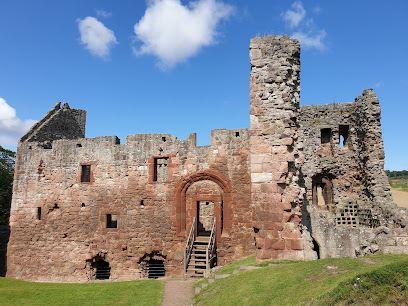
Hailes Castle
24.8 km
Discover the medieval charm of Hailes Castle, a historical landmark in East Lothian, showcasing Scotland's rich heritage and stunning landscapes.
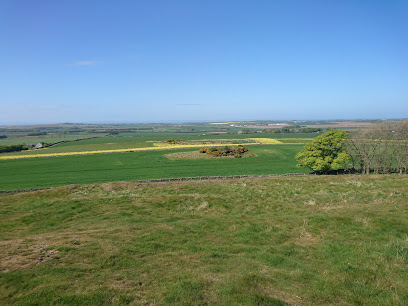
Chesters Hill Fort
25.6 km
Explore the ancient remnants of Chesters Hill Fort in East Lothian, a captivating historical landmark that reveals Scotland's rich heritage amidst stunning landscapes.
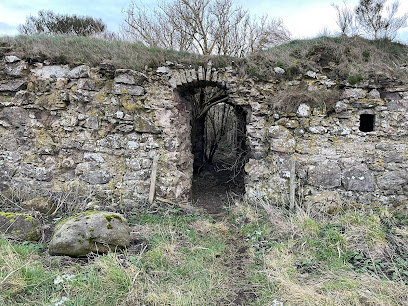
Barnes Castle
26.0 km
Discover the enchanting Barnes Castle in Haddington, a historic gem surrounded by stunning landscapes and rich Scottish heritage.
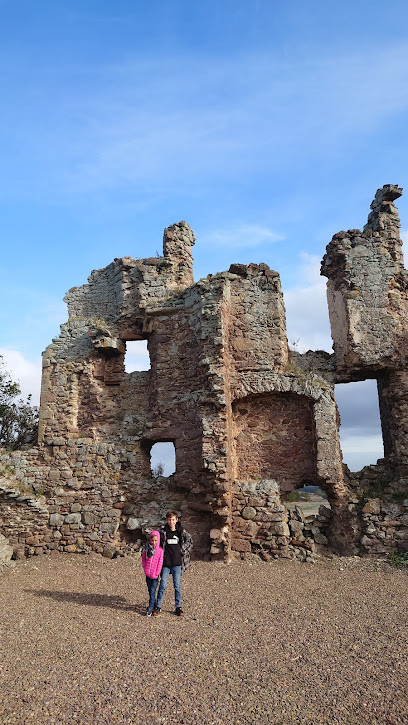
Garleton Castle
26.8 km
Explore the rich heritage and breathtaking views at Garleton Castle, a hidden gem in North Berwick, Scotland, perfect for history buffs and nature lovers alike.
Hopetoun Monument
27.6 km
A towering tribute on Byres Hill offering historic charm and sweeping panoramic views across East Lothian and beyond.
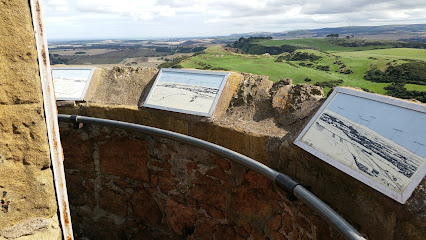
Amisfield Walled Garden
27.9 km
Explore the breathtaking beauty of Amisfield Walled Garden in Haddington, a historic gem filled with vibrant flowers and serene landscapes.
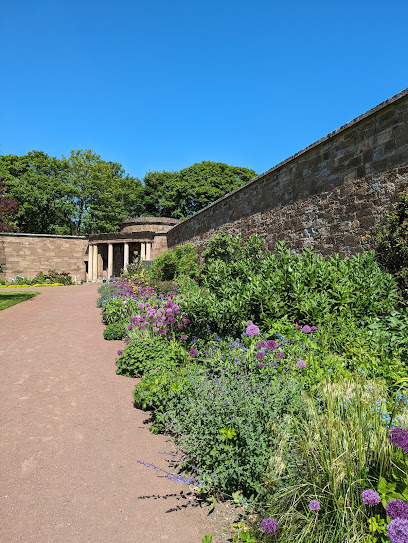
St Martin's Kirk
28.7 km
Explore the evocative 12th-century Romanesque ruins of St Martin's Kirk, a cornerstone of Haddington's medieval spiritual heritage and Reformation history.
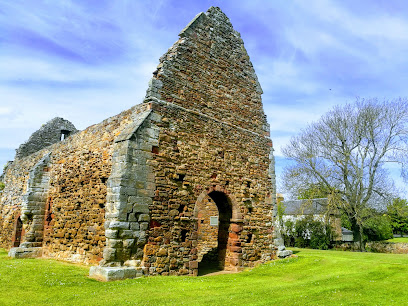
Nungate Bridge
28.9 km
Discover the historical charm of Nungate Bridge in Haddington, a stunning architectural landmark that showcases Scotland's rich heritage.
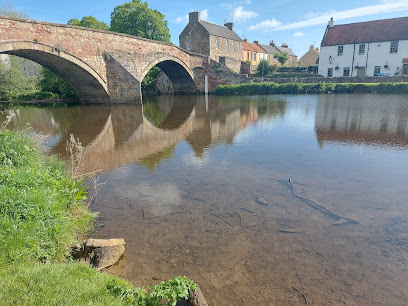
Gosford House
28.9 km
Discover the elegance of Gosford House, a stunning stately home in East Lothian, showcasing exquisite architecture and beautiful gardens amidst rich Scottish history.

Dairsie Castle
29.3 km
Discover the timeless beauty and rich history of Dairsie Castle, a stunning Scottish landmark nestled in the heart of Fife.
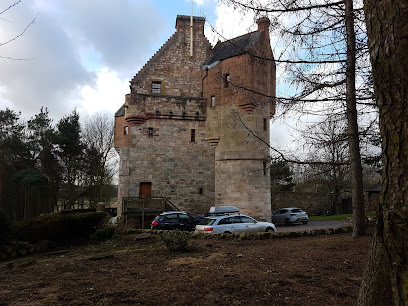
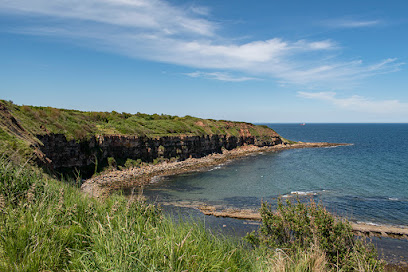
Cove Harbour
30.5 km
Experience the serene beauty of Cove Harbour, where rugged cliffs meet tranquil waters along Scotland's stunning coastline.
Unmissable attractions to see

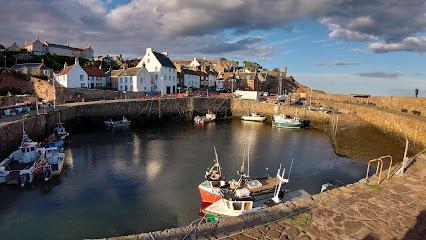
Crail Harbour
9.1 km
Historic Crail Harbour in Fife offers timeless charm with its vibrant fishing port, medieval architecture, and stunning coastal scenery.
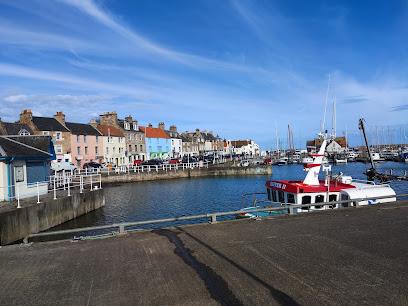
Anstruther Harbour
9.7 km
Historic fishing harbour turned vibrant marina, offering scenic walks, fresh seafood, and wildlife boat trips in picturesque Fife.
St Fillan's Cave
11.0 km
Discover the sacred sandstone cave of St Fillan in Pittenweem, where history, spirituality, and coastal beauty intertwine in a timeless Scottish sanctuary.
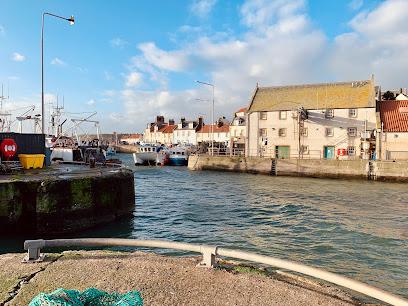
Pittenweem Harbour
11.0 km
Historic and bustling fishing harbour in Fife’s East Neuk, blending maritime heritage with vibrant coastal charm.
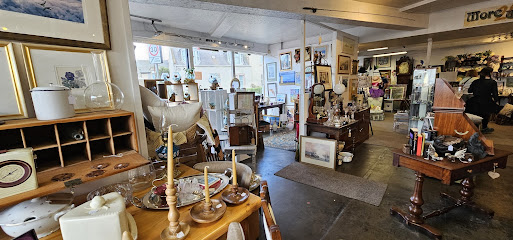
The Pop In
11.1 km
Discover unique antiques, vintage finds, and local art in the cozy charm of Pittenweem’s beloved Pop In shop.
Kingsbarns Distillery
12.5 km
Discover the heritage and craft of Lowland single malt whisky at Kingsbarns Distillery, where tradition meets the scenic beauty of Fife’s countryside.

Fife Coastal Path
12.8 km
Explore 117 miles of stunning coastline, charming fishing villages, historic sites, and breathtaking views along Scotland’s Fife Coastal Path.
Scotland's Secret Bunker
12.9 km
Explore Scotland’s Cold War secret: a vast underground bunker near St Andrews that housed the nation’s emergency government in nuclear crisis.
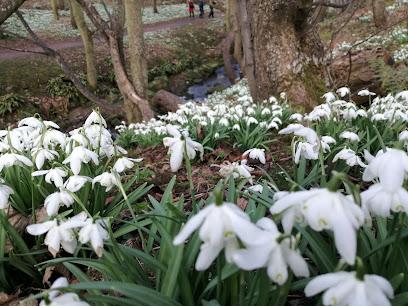
Cambo Gardens
13.0 km
Discover Cambo Gardens, a Georgian walled garden near Kingsbarns with woodland walks, a charming café, and scenic coastal trails.
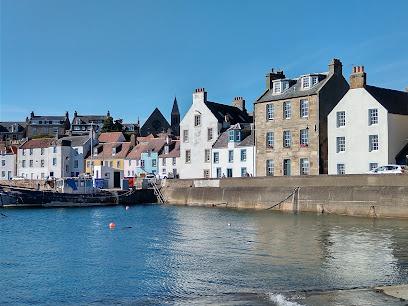
St. Monans Harbour
13.0 km
Discover the charm of St. Monans Harbour, a serene marina in Anstruther, perfect for relaxation, fresh seafood, and stunning coastal views.
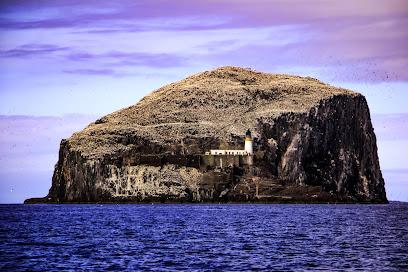
Bass Rock
13.1 km
A dramatic volcanic island home to the world’s largest northern gannet colony and rich Scottish heritage in the Firth of Forth.
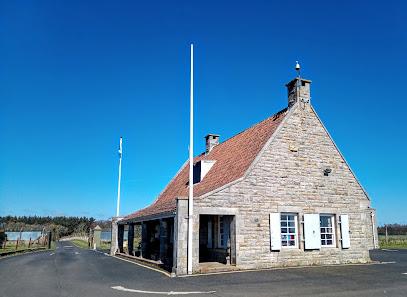
Kingsbarns Golf Links
13.7 km
Experience the breathtaking sea views and rich heritage of Kingsbarns Golf Links, a modern classic on Scotland’s storied coastline.
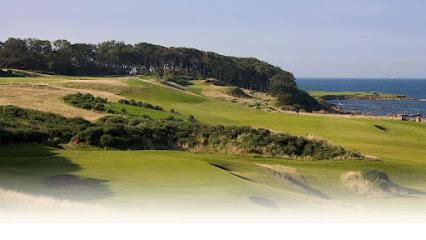
Newark Castle
13.7 km
Explore Newark Castle’s Renaissance grandeur and turbulent history on the scenic banks of the Firth of Clyde in Port Glasgow.
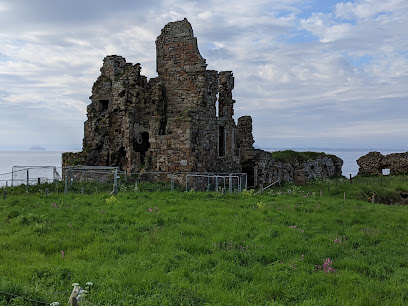
Kingsbarns
14.2 km
Experience world-class Scottish links golf with breathtaking coastal views and rich heritage at Kingsbarns Golf Links near St Andrews.
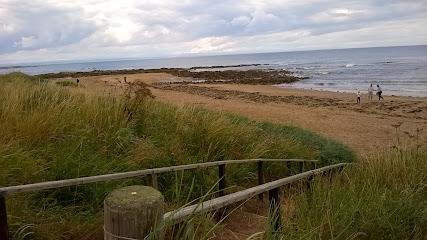
Kellie Castle
14.7 km
Discover Kellie Castle’s enchanting blend of medieval heritage, Victorian artistry, and fragrant gardens in the heart of Fife.
Essential places to dine

The Rockies Restaurant
9.9 km
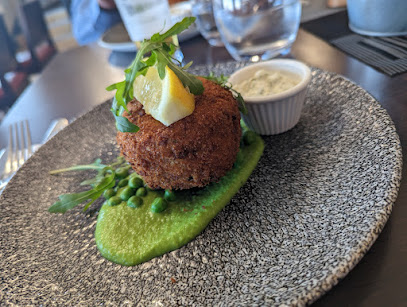
Coastal charm and fresh local flavors combine at The Rockies Restaurant, a beloved dining spot in scenic Anstruther.
The Dory Bistro & Gallery
10.9 km
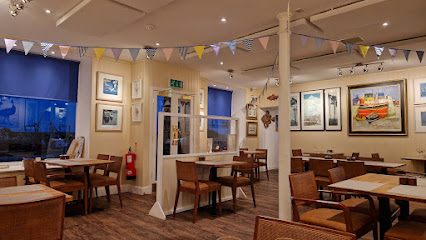
Fresh seafood delights meet vibrant local art in a charming harbour-side bistro in Pittenweem’s historic fishing village.
Craig Millar @ 16 West End
13.2 km
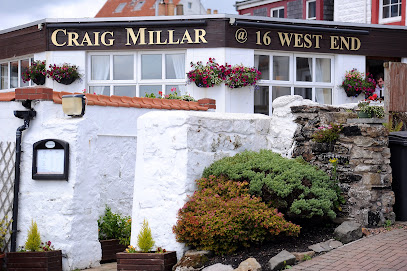
Award-winning seafood dining with stunning harbour views in the charming fishing village of St Monans, Fife.
The Lobster Shack
17.0 km
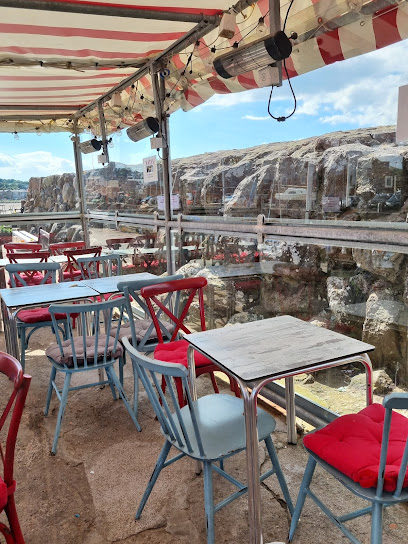
Rustic seafood shack on North Berwick Harbour serving fresh lobster, crab, and fish with stunning sea views in a casual, seasonal setting.
The Rocketeer Restaurant
17.0 km
Fresh seafood and stunning coastal views combine at The Rocketeer, North Berwick’s beloved seaside restaurant.
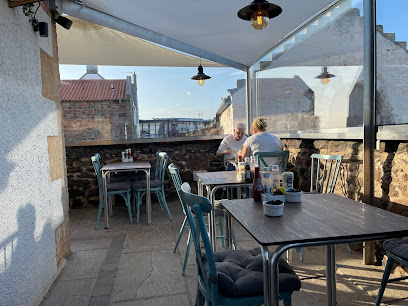
Cucina Amore
17.2 km
Experience authentic Italian warmth and fresh coastal flavours in the heart of North Berwick at Cucina Amore.
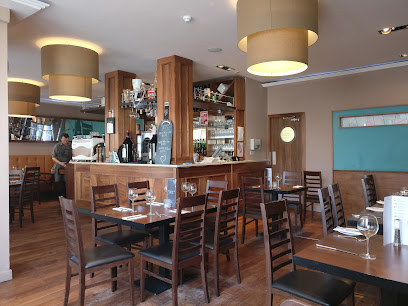
Zitto Italian Winebar & Trattoria
17.2 km
Authentic Italian tapas, wood-fired pizzas, and a curated wine selection in the heart of North Berwick’s vibrant dining scene.
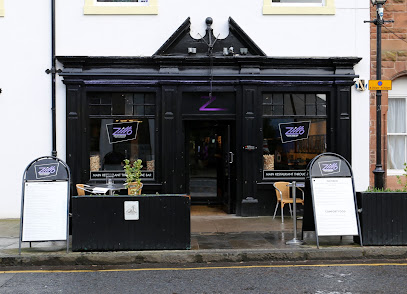
The Grange Restaurant & Steakhouse
17.3 km
A beloved steakhouse on North Berwick’s High Street, serving quality British cuisine in a warm, relaxed atmosphere with attentive service.
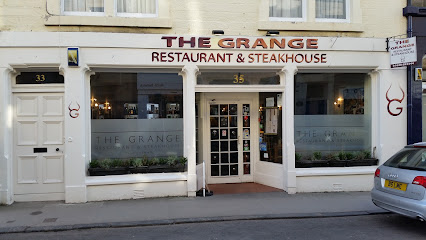
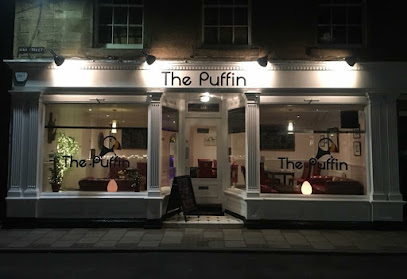
The Puffin
17.4 km
Cozy bistro and wine bar in North Berwick blending Scottish seafood and French flavors in a charming coastal setting.
The Black Agnes Gastropub
20.4 km
A welcoming Scottish gastropub in Dunbar serving hearty, fresh seafood and classic pub dishes with a modern, friendly atmosphere.
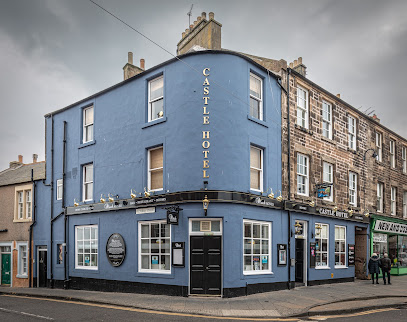
The Castle Inn
20.8 km
Charming historic inn in Dirleton offering cozy rooms, excellent homecooked Scottish fare, and warm hospitality near Dirleton Castle.

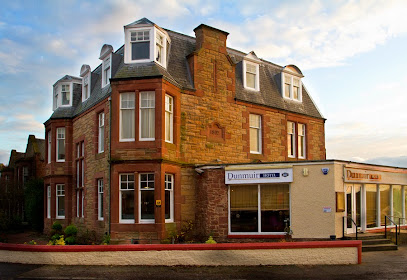
Dunmuir Hotel 1902 Bar & Restaurant - Dunbar
21.1 km
Charming Dunbar hotel blending modern comfort, warm hospitality, and excellent dining in a peaceful seaside setting.
The Bothy St Andrews
22.6 km
Cozy Scottish dining in historic Church Square with fresh local flavors, quirky charm, and intimate private spaces.
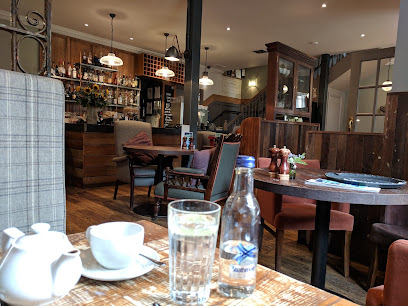
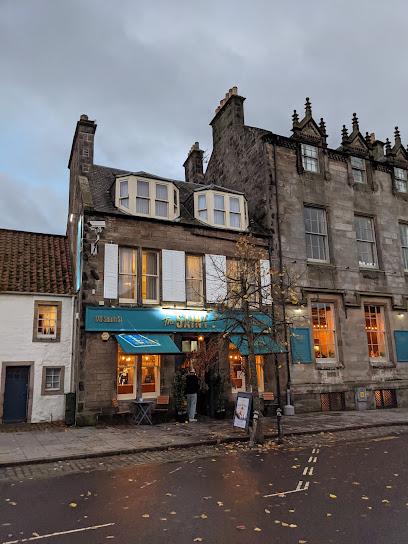
The Saint Bar & Kitchen
22.7 km
Cozy Scottish gastropub in St Andrews serving fresh local dishes, craft cocktails, and an award-winning sticky toffee pudding in a stylish, welcoming setting.
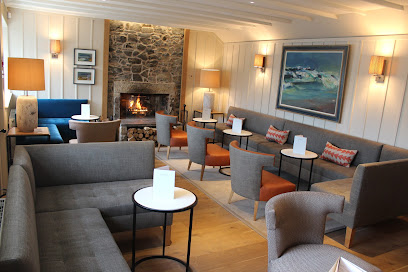
The Peat Inn Restaurant with Rooms
22.7 km
Michelin-starred dining and elegant rooms in a historic Fife coaching inn surrounded by tranquil gardens and countryside charm.
Markets, malls and hidden boutiques

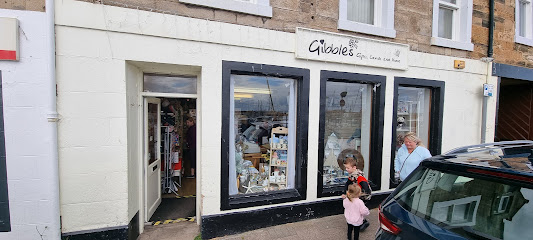
Gibbles Gifts Cards & Home
9.6 km
Discover unique Scottish gifts, cards, and stylish home accessories in the heart of Anstruther’s charming East Neuk coast.
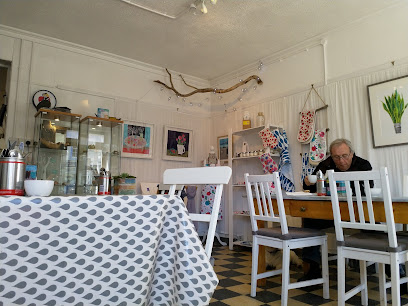
Funky Scottish
11.1 km
Discover Scottish art, gifts, and coffee in a vibrant, creative space at Funky Scottish in the heart of Pittenweem.
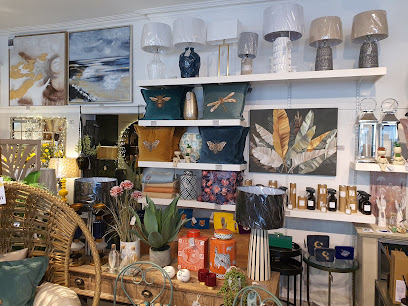
Time & Tide
17.3 km
Discover sophisticated homewares and unique gifts in a charming coastal boutique at Time & Tide, North Berwick’s stylish destination for interior inspiration.
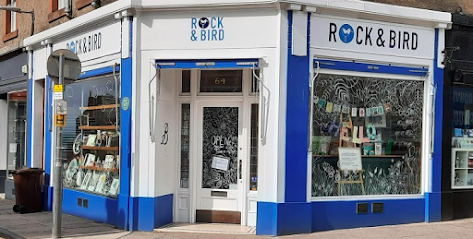
Rock & Bird
17.3 km
Discover unique art supplies, creative gifts, and local craftsmanship in the heart of North Berwick at Rock & Bird.
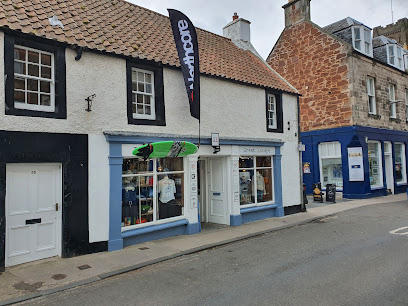
Great Escape
17.3 km
Your go-to outdoor clothing and equipment shop in North Berwick, offering expert advice and quality gear for every adventure.
SO & CO Accessories
17.3 km
Discover stylish, contemporary accessories and unique gifts in a charming boutique on North Berwick’s High Street.

NØRDEN
17.3 km
Discover Nordic-inspired homewares and lifestyle treasures in North Berwick’s family-owned concept store, NØRDEN.
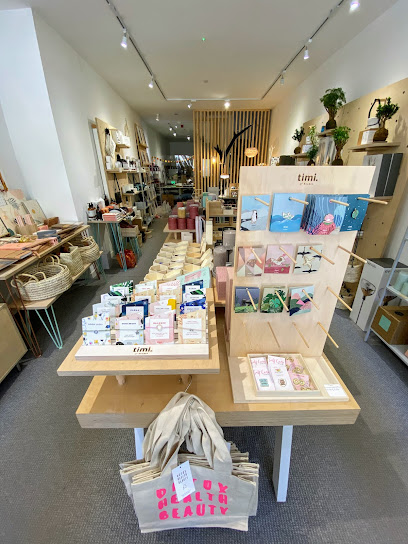
Whynot?
17.4 km
Explore Whynot? in North Berwick, where exquisite delicatessen treats meet a vibrant arts and crafts atmosphere.
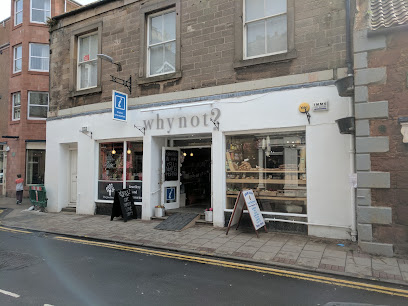
Madame Butterfly
17.4 km
Explore Madame Butterfly in North Berwick for unique gifts and local craftsmanship that capture the spirit of Scotland.
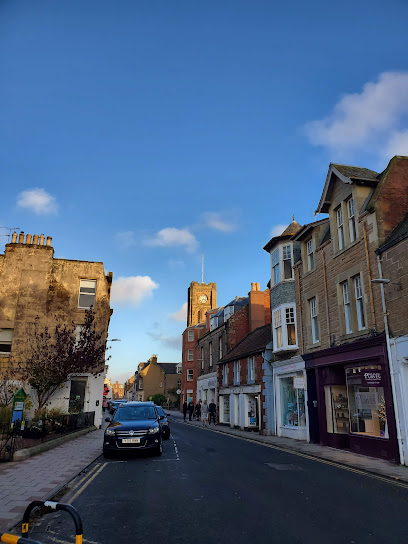
Fenton Barns Farm Shop & Cafe
22.5 km
Discover local flavors at Fenton Barns Farm Shop & Cafe, where fresh produce and homemade treats await in the heart of East Lothian.
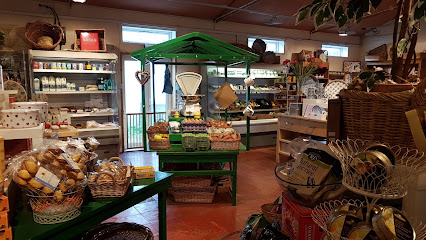
Bonkers Gift Shop St Andrews
22.6 km
Discover quirky gifts and charming treasures at Bonkers Gift Shop, a vibrant and unique shopping destination in the heart of historic St Andrews.
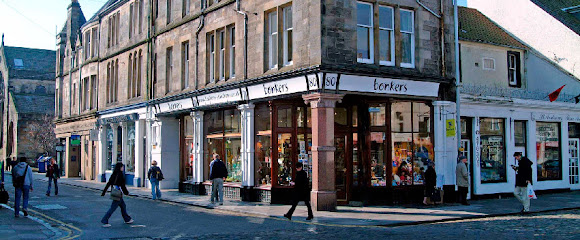
The Scottish Shop
22.6 km
Discover authentic Highland clothing and Scottish gifts with exceptional service in the heart of historic St Andrews.
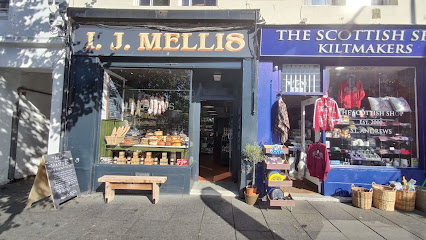
Ostara by Pretty Things
22.7 km
Discover sustainable fashion and unique Scottish style at Ostara by Pretty Things, a charming boutique in the heart of St Andrews.

Taste of Scotland Gifts and Souvenirs
22.7 km
Discover authentic Scottish gifts and souvenirs with exceptional service in the heart of St Andrews’ historic Market Street.
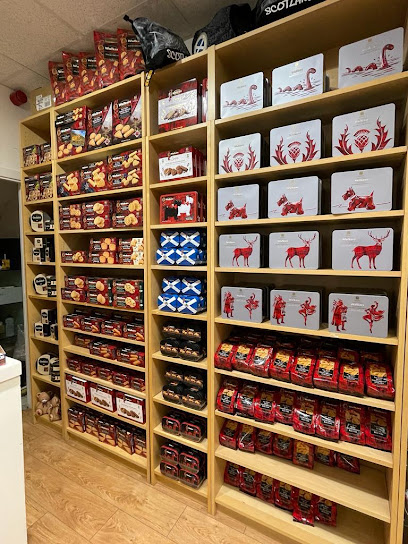
The Gift Gallery
22.8 km
Discover unique gifts and charming keepsakes at The Gift Gallery, nestled in the heart of historic St Andrews.

Essential bars & hidden hideouts

The Ship Inn
16.0 km
Charming seaside pub and hotel with stunning bay views, fresh local seafood, and warm Scottish hospitality in the heart of Elie’s coastal village.
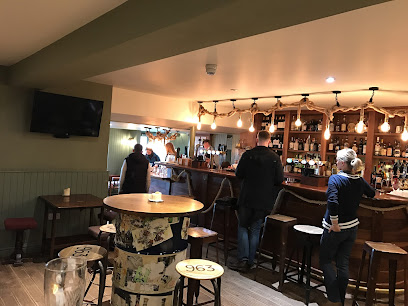
The Auld Hoose
17.2 km
A lively North Berwick pub famed for craft drinks, massive portions, and a welcoming rock ’n’ roll vibe in a cozy, dog-friendly setting.
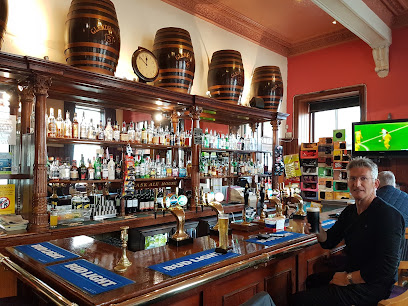
The Bear & Bull
20.6 km
A friendly, dog-welcoming bar and café on Dunbar’s High Street, offering quality food, drinks, and a warm local atmosphere.
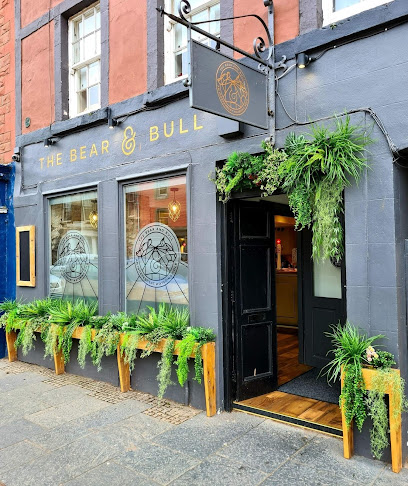
The Jigger Inn
23.6 km
Historic 19th-century pub beside St Andrews’ Old Course, famed for golf heritage, cozy fires, hearty Scottish fare, and exclusive Jigger Ale.
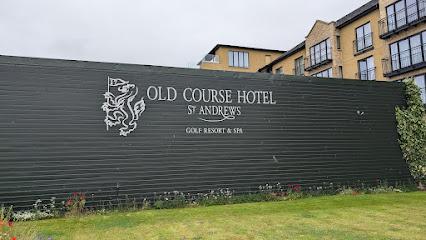
The New Pheasant
28.9 km
Experience warm Scottish hospitality and hearty local fare at The New Pheasant, a cozy pub nestled in the heart of historic Haddington.
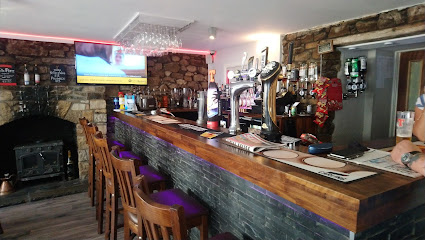
Mercat
29.0 km
Experience authentic Scottish hospitality and lively local charm at Mercat Pub, the heart of Haddington’s social scene.
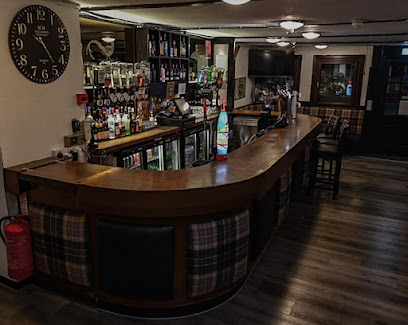
The Plough Tavern
29.1 km
A welcoming Scottish pub and hotel in Haddington offering hearty traditional fare, local ales, and cozy accommodation in a historic setting.
Thorntree Inn
34.4 km
Coastal charm and warm hospitality meet at Thorntree Inn, Cockenzie’s welcoming local pub with stunning sea views and a relaxed vibe.
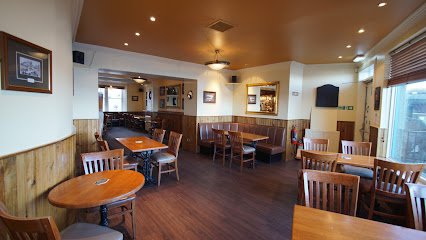
Man I' The Rock
35.4 km
A cozy, traditional pub in Dysart offering genuine Scottish hospitality and a welcoming local atmosphere.
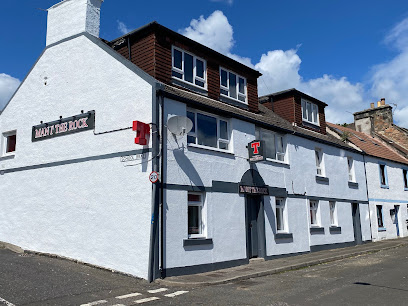
The Elby Inn
35.8 km
Experience the heart of Scottish hospitality at The Elby Inn, a cozy pub in Markinch offering local ales and hearty meals.
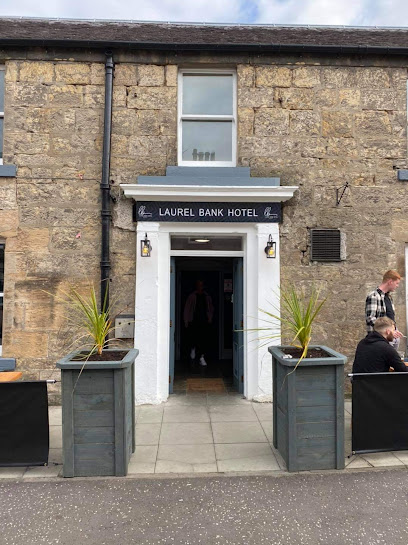
Whispers Lounge Bar
36.3 km
A cozy, family-run pub offering hearty meals and local drinks in the heart of Tranent’s historic High Street.

Fife Arms Pub
36.4 km
A traditional Scottish pub in Kirkcaldy offering hearty fare, local drinks, and a lively community atmosphere in a welcoming setting.
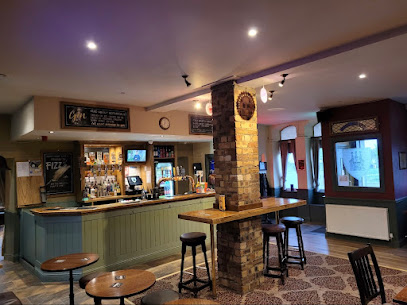
The Anchor Bar
36.8 km
A lively pub and restaurant in Broughty Ferry offering great food, drinks, live music, and a warm community atmosphere.
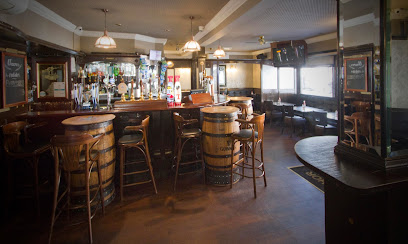
Fisherman's Tavern
36.8 km
Historic coastal pub and hotel in Broughty Ferry offering traditional ales, hearty fare, live events, and a warm, welcoming atmosphere.
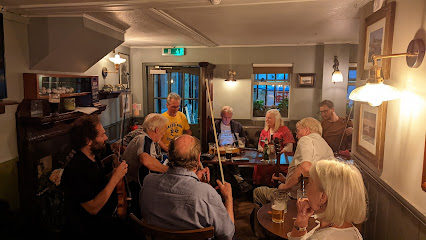
The Royal Arch Bar & Bistro
36.9 km
A cosy and authentic bar & bistro in Broughty Ferry, Dundee, famed for its steak pie, friendly service, and traditional Scottish pub charm.
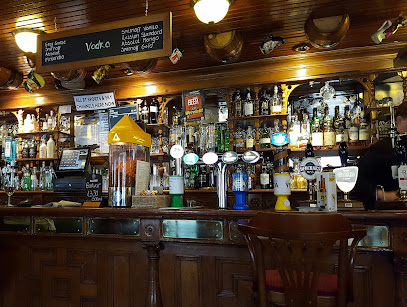
Nightclubs & after hour spots

Truth
27.2 km
Experience vibrant nightlife with great music, friendly service, and a welcoming atmosphere at Truth nightclub in Leven, Fife.

Republic Bar Club
38.3 km
Experience Kirkcaldy’s vibrant nightlife at Republic Bar Club, where great drinks, friendly vibes, and lively weekends come together.

The Schofies Residence 1
39.6 km
A lively nightclub nestled in Glenrothes, offering a vibrant social scene and memorable nights in Scotland’s welcoming town.

Decades Bar & Nightclub
39.7 km
Step back in time with Decades Bar & Nightclub, Dundee’s vibrant retro hotspot playing the best hits from the 70s, 80s, and 90s.

Rewind dundee
39.8 km
Experience Dundee’s vibrant retro club nights and live local music at Rewind, a welcoming hub of nostalgia and nightlife energy.

Underground
39.8 km
Dundee’s vibrant nightclub and live music venue where dancing, live bands, and late-night fun come alive every weekend.

OUT Nightclub
39.9 km
A lively Dundee nightclub known for quality music, vibrant atmosphere, and a central spot on Seagate’s nightlife strip.
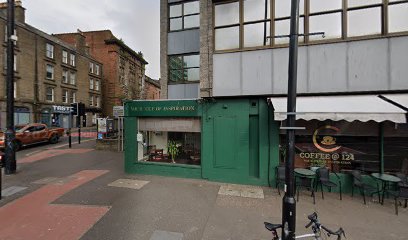
Pout Bar and Nightclub
39.9 km
Dundee's vibrant gay nightclub offering great music, welcoming vibes, and late-night dancing in the heart of the city.
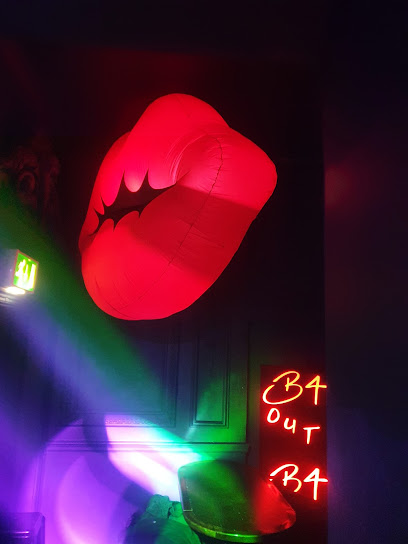
Fat Sams
40.1 km
Experience Dundee’s vibrant nightlife at Fat Sam's, a legendary club blending live music, themed rooms, and nostalgic beats in a lively urban setting.

AURA Nightclub
40.1 km
Dundee’s vibrant AURA Nightclub pulses with chart hits, themed parties, and a welcoming atmosphere for unforgettable nights out.

Club Tropicana & Venga
40.1 km
Step into Dundee’s ultimate 80s nightclub for nostalgic beats, vibrant dance floors, and unforgettable retro nights at Club Tropicana & Venga.

Private Eyes
40.1 km
Experience Dundee’s vibrant nightlife with live pole dance shows, VIP lounges, and a lively atmosphere at Private Eyes nightclub.
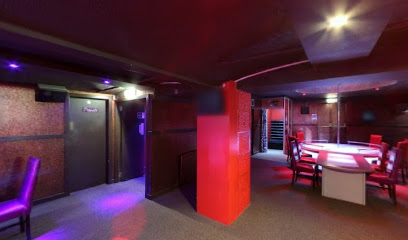
Dundemo
40.1 km
Dundemo nightclub pulses with energy in Dundee’s historic Lower Ward, blending vibrant nightlife with the city’s rich cultural heritage.
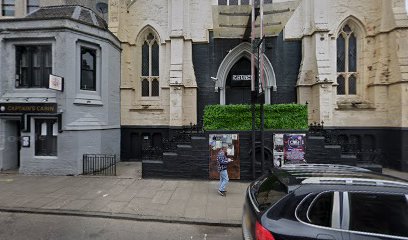
Afro Beats
40.2 km
Experience Dundee’s vibrant nightlife with pulsating Afrobeats, stylish vibes, and unforgettable late-night energy at Afro Beats nightclub.
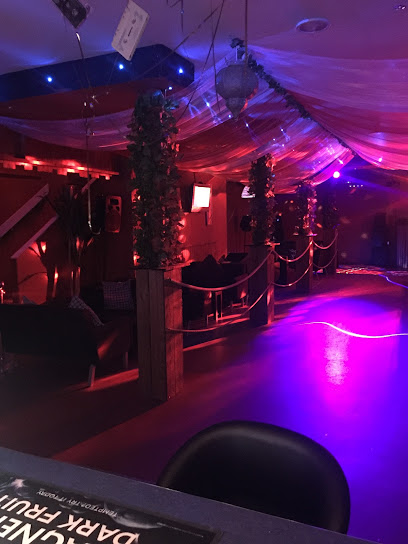
De Vitos Nightclub
41.5 km
Dive into the electrifying nightlife of Arbroath at De Vitos Nightclub, where unforgettable dance parties and vibrant music await you!

For the vibe & atmosphere seeker
- Relaxing
- Tranquil
- Scenic
- Unique
- Fun-filled
For the design and aesthetic lover
- Rustic Designs
- Natural
For the architecture buff
- Historic
- Viewpoints
- Parks & Gardens
- Heritage Neighborhoods
For the view chaser and sunset hunter
- Iconic Views
- Panoramas
- Waterfront
- Sunrise Spots
- Sunset Spots
For the social media creator & influencer
- Instagrammable
- Photo Spots
- Selfie Spots
- Aesthetic Corners
For the eco-conscious traveler
- Sustainable
- Eco-Friendly
- Protected Area
- Public-Transport Accessible
- Leave-No-Trace Critical
- Locally Managed
- Wildlife Habitat
For the kind of experience you’re after
- Cultural Heritage
- Nature Escape
- Day Trip
- Weekend Getaway
- Photowalk
- Myth & Legends
For how adventurous you want the journey to be
- Easy Access
- Requires Hike
- Seasonal Only
Location Audience
- Family Friendly
- Senior Friendly
- Child Friendly
- Teen Friendly
- Solo Friendly
- Couple Friendly
- Vegetarian Friendly
- Vegan Friendly


