Newark Castle Travel Guide
Free Guide: Explore Newark Castle’s Renaissance grandeur and turbulent history on the scenic banks of the Firth of Clyde in Port Glasgow.


A brief summary of Newark Castle
Explore Newark Castle’s Renaissance grandeur and turbulent history on the scenic banks of the Firth of Clyde in Port Glasgow.
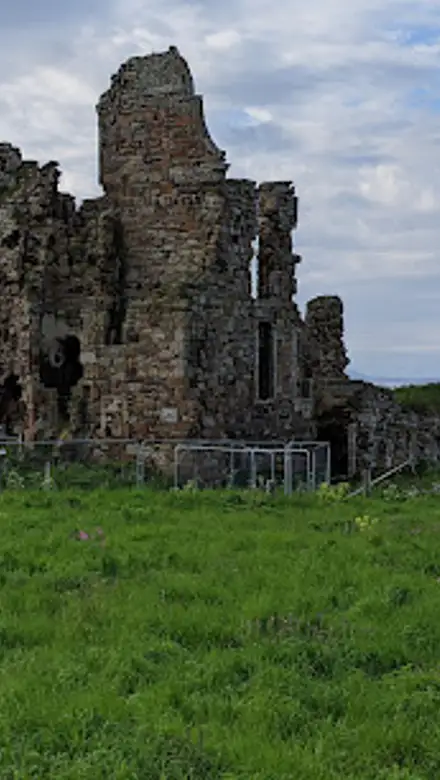
Newark Castle, located in Port Glasgow on the south shore of the Firth of Clyde, is a striking 15th-century Renaissance castle built by Sir George Maxwell in 1478 and expanded in the late 16th century. Known for its elegant architecture, rich and turbulent history, and spectacular river views, it offers visitors a well-preserved glimpse into Scotland’s past with accessible ground floors, historic interiors, and rooftop panoramas.
On-site amenities
 Restrooms
 Seating areas
 Information boards
 Visitor centre
Opening hours
- Every dayOpen 24 hours
Opening hours as listed on the venue’s Google Business Profile. Hours can change for services and special events, so check with the venue before you go.
- Address
- UK
- Website
Getting there
Car
Train and Bus
Walking
Discover more about Newark Castle
A Storied Renaissance Residence on the Clyde
Newark Castle stands as a fine example of late medieval and Renaissance architecture on the banks of the Firth of Clyde in Port Glasgow. Originally constructed by Sir George Maxwell in 1478 following his acquisition of the barony of Finlaystone, the castle’s earliest parts include a tall tower house and gatehouse, notable for their defensive inverted keyhole gun holes. These structures reflect the martial necessities of the time while serving as a noble residence. The Maxwell family retained ownership until the late 17th century, shaping much of the castle's character.
Architectural Elegance and Expansion
In the 1580s, Sir Patrick Maxwell undertook a significant remodel, adding a three-storey Renaissance mansion range that linked the original tower and gatehouse. This addition, completed by 1599, featured crow-stepped gables, projecting angle turrets, cable moldings, and pedimented windows and doorways, all executed in warm red sandstone. The refined architecture contrasts with Sir Patrick’s notorious reputation for violence, including murders and domestic abuse, which casts a dark shadow over the castle’s history.
Interior Layout and Visitor Experience
The castle’s interior is a labyrinth of rooms connected by spiral and back staircases, revealing the domestic life of a powerful Scottish family. The ground floor, accessible to visitors with limited mobility, includes the kitchen, wine cellar, and bakehouse, while the upper floors house the great hall, gallery, and gatehouse. Informative displays throughout the castle provide context about its historical function and inhabitants. The rooftop offers breathtaking panoramic views of Port Glasgow and the River Clyde, rewarding those who climb the 63-step spiral staircase.
Historical Significance and Surroundings
Newark Castle played a central role in the development of Port Glasgow, with the Maxwell family’s land sales in the 17th century facilitating the growth of the port. The castle was once hidden behind shipyards but has since re-emerged as a cherished landmark. Its setting by the river estuary provides a serene backdrop, contrasting with the industrial heritage of the area. Nearby, the ruins of other castles and coastal paths enrich the historical landscape.
Preservation and Accessibility
Today, Newark Castle is managed to balance preservation with public access. While upper floors are reached by steep and spiral stairs, limiting access for some, the ground floor remains welcoming to visitors with mobility challenges. The site includes parking and toilets, though the latter are located on the first floor and are not adapted. Low light levels and uneven steps require caution. The castle’s well-maintained grounds and informative signage enhance the visitor experience.
A Living Link to Scotland’s Past
Newark Castle embodies the complex tapestry of Scottish history, from Renaissance artistry to turbulent family dramas. Its walls have witnessed royal visits, violent episodes, and the rise of Port Glasgow as a maritime hub. Visitors today can immerse themselves in this rich heritage while enjoying the castle’s striking architecture and stunning riverside views, making Newark Castle a compelling destination for history enthusiasts and cultural explorers alike.
Evendo Review Centre
 Google
Guest reviews
Best time to go
Quietest: Jan, Feb & Dec · before 8am or from 8pm
Busy times are Evendo estimates for a typical year, to help you plan. Actual crowds vary with events, school holidays and the weather.
Explore Newark Castle on the map
A handpicked selection of must-see spots near Newark Castle, mapped for you.
Get your free copy of our complete guide to Newark Castle, delivered straight to you.
Everything on this page, from opening hours and how to get there to Eve’s tips and the best time to go, in one PDF you can read offline, print or share.
Already have an account? Sign in
Your Newark Castle guide is ready.
We'll send it to · Not you? Sign out

Getting your guide ready…
We are putting together a fresh copy of the Newark Castle guide. This can take up to a minute.
This can take a few moments. If your browser asks, choose Allow so the download can start. You'll find the guide in your Downloads folder.
Nothing happened? Download it again
Sorry, the guide is taking longer than usual. Please try again in a minute, or get it by email instead.
Other nearby places you may find interesting
The closest places of the same kind, if this one is not quite what you had in mind.
-
-
-
-
-


Swipe for more places
More to explore near Newark Castle

 Best experiences near Newark Castle
 Best hotels near Newark Castle
 Best landmarks near Newark Castle
 Best attractions near Newark Castle
 Best shops near Newark Castle
 Best restaurants near Newark Castle
 Best bars near Newark Castle
Do you manage this location?
Take control to get all the benefits, like improved information, better appearance, and stronger visibility across AI-powered discovery.
Explore more
Explore more of Fife
Discover Fife, Scotland’s Kingdom of History and Natural Beauty, featuring St. Andrews, ancient ruins, charming fishing villages, and stunning coastal walks.
Explore Fife
Explore more of United Kingdom
Discover the United Kingdom: A blend of rich history, stunning landscapes, and vibrant cities, offering a unique travel experience for every visitor.
Explore United Kingdom