Background

Pittenweem Harbour: Historic Fishing Port of Fife's East Neuk

Historic and bustling fishing harbour in Fife’s East Neuk, blending maritime heritage with vibrant coastal charm.

4.6

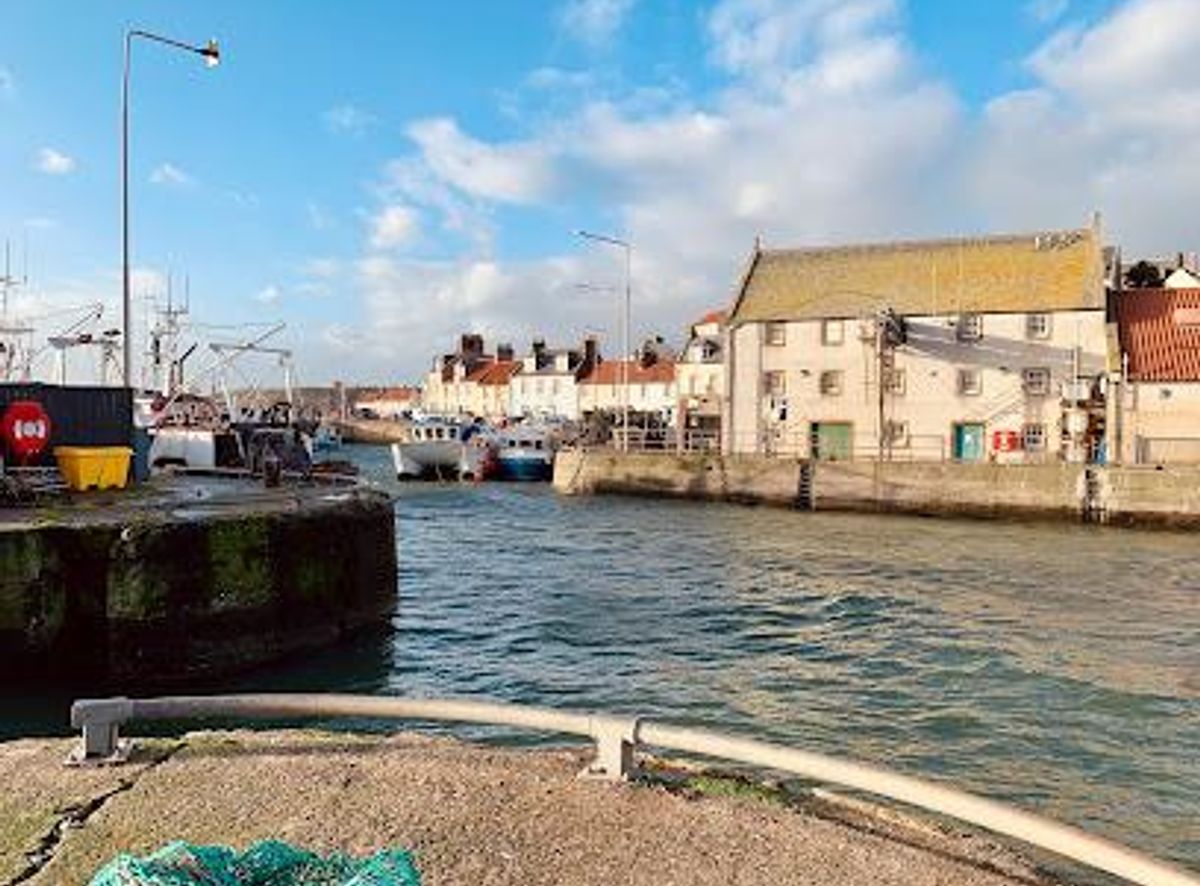
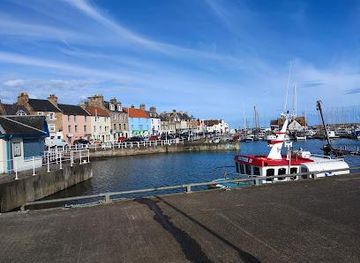
Pittenweem Harbour is a vibrant, historic fishing port located in the charming East Neuk of Fife, Scotland. Dating back to medieval times, it remains one of Scotland’s most active fishing harbours, known for its bustling fish market, scenic piers, and traditional coastal village atmosphere. The harbour features two enclosed basins accommodating vessels up to 27.5 meters, surrounded by picturesque houses and historic sites including St Fillan’s Cave and remnants of a medieval priory.

A brief summary to Pittenweem Harbour

  • Pittenweem, Harbour Master, Anstruther, Pittenweem, KY10 2ND, GB
  • +443451555555x460556
  • Duration: 1 to 3 hours
  • Free
  • Environment icon Outdoor
  • Mobile reception: 4 out of 5
  • Monday 12 am-12 am
  • Tuesday 12 am-12 am
  • Wednesday 12 am-12 am
  • Thursday 12 am-12 am
  • Friday 12 am-12 am
  • Saturday 12 am-12 am
  • Sunday 12 am-12 am

Local tips

  • Visit early on weekday mornings to experience the lively fish market and see the fishing fleet in action.
  • Explore St Fillan’s Cave for a glimpse into the village’s early Christian history and unique cultural past.
  • Take a walk around the piers and skerries for panoramic views of the harbour and the Firth of Forth coastline.
  • Attend the Pittenweem Arts Festival in early August to enjoy exhibitions, performances, and workshops.
  • Look out for traditional Fife architecture with crow-step gables around the harbour for great photo opportunities.
widget icon

Getting There

  • Bus

    Regular bus services connect Pittenweem with nearby towns such as Anstruther and St Andrews, with journey times typically between 20 to 40 minutes. Buses run several times daily but may have reduced frequency on weekends. Tickets cost approximately £3-£6 one way.

  • Car

    Driving to Pittenweem Harbour from central Fife takes around 25 to 40 minutes via the A917 and local roads. Parking is available along the harbour front, but spaces can fill quickly during peak times. No parking charges apply.

  • Train and Taxi

    The nearest train station is Leuchars, about 15 km away. From there, a taxi ride to Pittenweem Harbour takes approximately 20 minutes and costs around £25-£35. Train services connect to Edinburgh and Dundee.

Pittenweem Harbour location weather suitability

  • Weather icon Any Weather
  • Weather icon Clear Skies
  • Weather icon Rain / Wet Weather
  • Weather icon Windy Conditions
  • Weather icon Mild Temperatures

Unlock the Best of Pittenweem Harbour

Buy tickets

    No tickets available

Book tours with entry

    No tours available

Book tours without entry

    No tours available

Discover more about Pittenweem Harbour

Ancient Origins and Maritime Heritage

Pittenweem Harbour’s history stretches back to at least 1228, making it one of Scotland’s oldest harbours. The name "Pittenweem" combines Pictish and Gaelic roots meaning "Place of the Caves," a reference to St Fillan’s Cave, an early Christian site dating from the 7th century. The harbour’s development was closely tied to the Augustinian priory established by monks from the Isle of May in the 13th century. The village gained Royal Burgh status in 1541 under King James V, granting trading privileges that transformed Pittenweem from a quiet fishing village into a bustling commercial port.

Harbour Architecture and Expansion

The harbour’s distinctive layout was shaped over centuries with the construction of its piers: the east pier around 1600, the west pier in 1724, and the south pier in the 19th century. These stone-built piers create two fully enclosed basins capable of sheltering vessels up to 27.5 meters long. The harbour was further expanded in the late 1700s by Sir John Anstruther, who invested in a waggonway connecting coal mines and salt pans to the port, prioritizing his vessels’ access. Despite storms battering the piers over time, ongoing repairs have preserved the harbour’s historic character.

Fishing Industry and Market Life

Today, Pittenweem is home to one of Scotland’s largest fishing fleets, with around 30 boats operating from the port. Historically focused on whitefish, the harbour’s catch has shifted toward shellfish such as crab, lobster, and langoustines, which supply continental European markets. The daily fish market held on weekday mornings is a lively scene where fresh seafood is auctioned, continuing a centuries-old tradition. The harbour’s working atmosphere is complemented by fishermen mending nets and preparing boats, creating an authentic coastal experience.

Village Character and Cultural Highlights

The harbour is surrounded by traditional Fife houses featuring red pantile or grey slate roofs with distinctive crow-step gables, many restored by the National Trust for Scotland. Nearby, visitors can explore historic sites such as St Fillan’s Cave, used as a chapel and later a smuggling den and prison during 17th-century witch trials. The Pittenweem Fishermen’s Memorial honors the community’s maritime heritage. The village hosts the annual Pittenweem Arts Festival, bringing together local artists for exhibitions and events, enriching the cultural fabric of this fishing community.

Scenic Walks and Natural Features

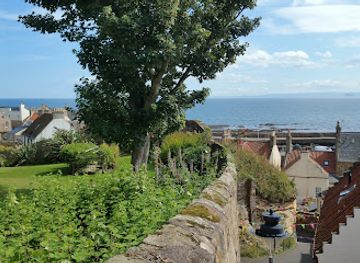
Walks around the harbour reveal picturesque views of colourful fishing boats, rocky skerries used as natural piers, and the Firth of Forth’s coastal beauty. The old boat harbour on the west side offers a different perspective, with posts for tying boats and bays for launching. The harbour’s setting invites visitors to enjoy both the working port’s energy and the tranquillity of its seaside environment.

Enduring Legacy and Visitor Appeal

Pittenweem Harbour remains a vital part of Scotland’s maritime life, blending centuries of history with ongoing commercial fishing activity. Its combination of historic architecture, lively fish market, cultural events, and scenic coastal charm make it a unique destination that captures the spirit of the East Neuk coast. Visitors can immerse themselves in the rhythms of harbour life while appreciating the village’s rich heritage and natural beauty.

Busiest months of the year

Busiest hours of the day

Popular Experiences near Pittenweem Harbour

Popular Hotels near Pittenweem Harbour

Select Currency