

Scotland's Secret Bunker: The Cold War Command Centre Beneath St Andrews
Explore Scotland’s Cold War secret: a vast underground bunker near St Andrews that housed the nation’s emergency government in nuclear crisis.
Scotland's Secret Bunker near St Andrews is a vast underground Cold War relic built in 1951 to serve as Scotland's emergency government HQ in the event of nuclear war. Hidden beneath a nondescript farmhouse, this 24,000 sq ft bunker lies 100 feet underground, fortified with thick concrete and tungsten steel. Now a museum, it offers a unique glimpse into Cold War history with preserved control rooms, dormitories, a broadcasting studio, and exhibitions on nuclear disarmament.
A brief summary to Scotland's Secret Bunker
- Scotland's Secret Bunker, St Andrews, KY16 8QH, GB
- +441333310301
- Visit website
- Duration: 1.5 to 3 hours
- Mid ranged
-
 Indoor
- Mobile reception: 4 out of 5
Local tips
- Purchase the audio guide for a richer experience, as it provides detailed insights into each room and Cold War context.
- Be prepared for narrow stairs and underground corridors; check accessibility options if mobility is a concern.
- Visit between February and October when the bunker is open to the public; it is closed in winter months.
- Allow at least 2 hours to fully explore the extensive underground complex and exhibitions.
- The on-site café offers refreshments but can be pricey and busy; consider bringing snacks if preferred.

For the on-the-go comforts that matter to you
- Restrooms
- Drink Options
- Food Options
- Seating Areas
- Information Boards
- Visitor Center
Getting There
-
Car
Driving from St Andrews town centre to Scotland's Secret Bunker takes approximately 15-20 minutes via local roads. Parking is available on-site but limited, so plan accordingly. There is no charge for parking.
-
Bus
Local bus services connect St Andrews to nearby villages; however, there is no direct public transport to the bunker. Visitors can take a bus to a nearby stop and then a taxi for the last 3 km. Bus fares range from £3 to £6 depending on the route.
-
Taxi
Taxi rides from St Andrews to the bunker typically take 15 minutes and cost around £15-£20 one way. Booking in advance is recommended, especially on weekends and holidays.
Scotland's Secret Bunker location weather suitability
-
 Any Weather
-
 Rain / Wet Weather
-
 Mild Temperatures
Discover more about Scotland's Secret Bunker
Concealed Fortress of the Cold War Era
Nestled just six miles from St Andrews, Scotland's Secret Bunker was constructed starting in 1951 and became operational in 1953. Built in response to the escalating Cold War tensions and the threat of nuclear war with the Soviet Union, the bunker was designed to be the seat of the Scottish government should catastrophe strike. Disguised as a typical Scottish farmhouse, the entrance leads down 100 feet underground to a labyrinthine complex spanning approximately 24,000 square feet—roughly the size of two football pitches. The structure is encased in 10 to 15 feet of reinforced concrete, strengthened with tungsten steel rods, and designed to withstand the shockwaves of a nuclear blast up to three miles away.A Hub of Government and Military Operations
This two-level bunker housed around 300 personnel, including the Secretary of State, Minister of State for Scotland, military liaison staff, and essential civil servants. It contained dormitories, a canteen, a medical room, and a chapel, reflecting the need for long-term habitation underground. The heart of the bunker was the Nuclear Command Control Centre, where government departments such as transport, agriculture, fisheries, and social security coordinated responses. The Minister of State’s private office overlooked the control room, allowing for direct oversight of critical wartime decisions. Communication was paramount; the bunker featured a BBC-staffed broadcasting studio to maintain emergency broadcasts, ensuring vital information could reach the public even during nuclear conflict.Preserved Time Capsule and Educational Experience
Decommissioned in 1993 after the Cold War's end, the bunker was opened to the public as a museum in 1994. Visitors can explore original rooms left largely intact, including the RAF operations room with its iconic ‘tote boards’ tracking aircraft and defense systems, the Royal Observer Corps operations room, and the plant room housing original machinery for power and ventilation. Exhibits include Cold War relics such as radar equipment and official paperwork, alongside a dedicated exhibition on the Scottish Campaign for Nuclear Disarmament, offering sobering insights into the era’s geopolitical tensions.Atmosphere and Visitor Engagement
The bunker’s authentic environment evokes the tense atmosphere of a world on the brink of nuclear war. Ambient sounds like Morse code chatter and period broadcasts enhance the immersive experience. While some visitors find the underground setting claustrophobic, the site also features a café and a small souvenir shop. The museum is praised for its detailed preservation and educational value, though some note that interactive elements could be expanded to engage younger audiences further.Architectural and Historical Significance
Scotland's Secret Bunker stands as a rare and well-preserved example of Cold War military architecture and civil defense planning. Its construction involved strict secrecy, with contractors bound by the Official Secrets Act. The bunker’s robust design and strategic purpose highlight the gravity of Cold War fears and the lengths governments went to prepare for nuclear conflict. Today, it serves as a poignant reminder of that tense period in history and the ongoing discussions about nuclear disarmament and peace.Legacy and Cultural Impact
Beyond its military and governmental functions, the bunker has become a cultural landmark, symbolizing Scotland’s role in Cold War history. It has hosted unique events, such as a wedding in its chapel, and continues to attract visitors interested in military history, nuclear politics, and underground architecture. The site’s transformation from a secret command centre to a public museum allows reflection on the past while educating new generations about the enduring risks of nuclear weapons.Iconic landmarks you can’t miss

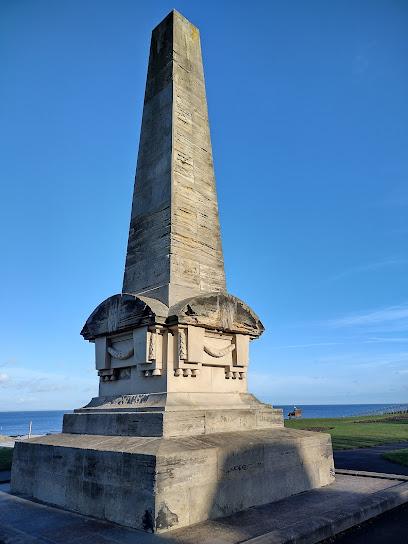
Martyrs' Monument
10.3 km
A towering tribute to St Andrews’ Protestant martyrs, standing proudly as a beacon of faith, sacrifice, and Scottish Reformation history.
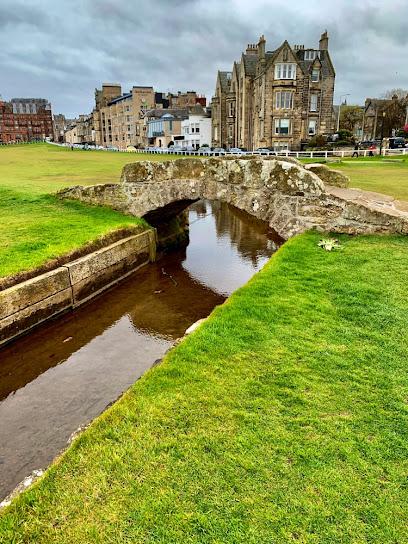
Swilcan Bridge
10.5 km
A centuries-old stone arch bridging golf’s past and present on the legendary Old Course at St Andrews.
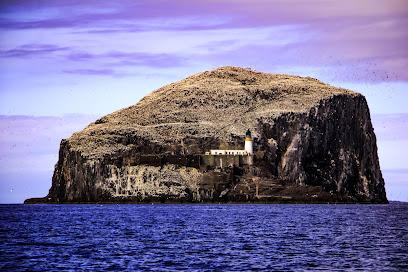
Bass Rock
21.8 km
Discover the breathtaking beauty of Bass Rock, a wildlife haven and historic landmark in Scotland's Firth of Forth, perfect for nature lovers and adventurers alike.
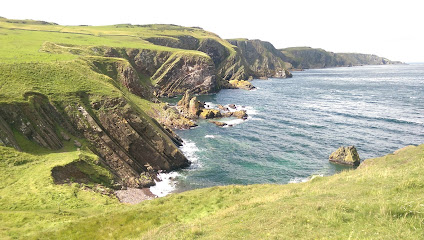
Scottish Seabird Centre
23.3 km
Explore the breathtaking Scottish Seabird Centre in North Berwick, a haven for wildlife enthusiasts and a gateway to stunning coastal adventures.
North Berwick Harbour
23.3 km
Explore North Berwick Harbour - A coastal paradise with stunning views, rich history, and vibrant marine life awaits your discovery.
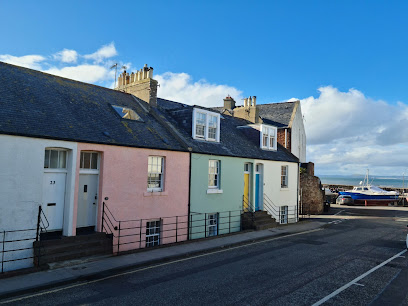
Lodge Grounds
23.7 km
Discover the serene Lodge Grounds in North Berwick, a beautiful park and garden perfect for relaxation, family outings, and stunning Scottish landscapes.
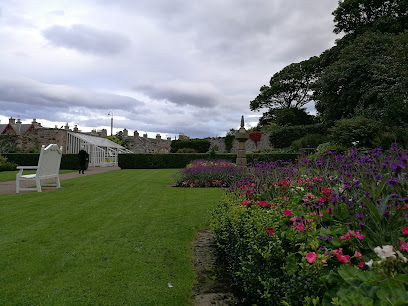
Broughty Castle Museum
23.9 km
Explore Broughty Castle Museum, a historic gem showcasing Dundee's maritime heritage with stunning views and engaging exhibits.

Tantallon Castle
24.0 km
Experience the historical grandeur of Tantallon Castle, a stunning 14th-century fortress offering breathtaking coastal views and a glimpse into Scotland's past.
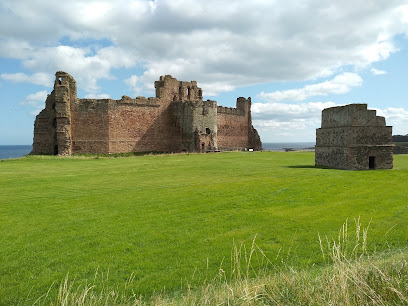
North Berwick Law
24.7 km
Discover North Berwick Law, a majestic mountain peak in Scotland known for breathtaking views, rich history, and rewarding hiking experiences.
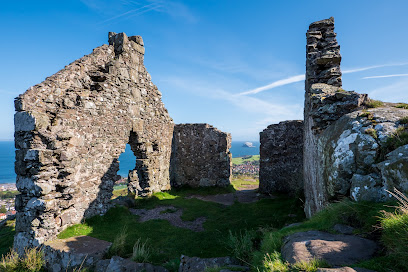
Dirleton Castle & Gardens
25.4 km
Discover the majestic ruins and lush gardens of Dirleton Castle, a historical gem in the heart of East Lothian that showcases Scotland's medieval legacy.

Claypotts Castle
25.8 km
Explore the historic charm of Claypotts Castle, a 16th-century treasure in Dundee, Scotland, surrounded by gorgeous gardens and rich history.
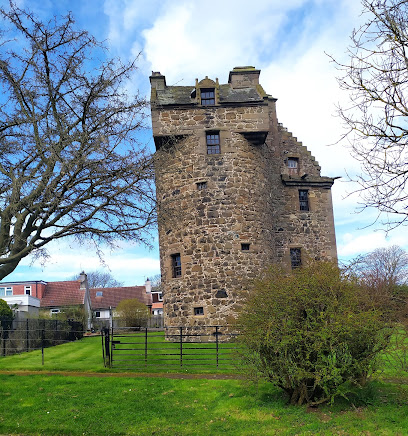
Barry Mill
26.3 km
Explore Barry Mill: A historic watermill museum nestled in the scenic village of Barry, showcasing Scotland's rich industrial heritage.
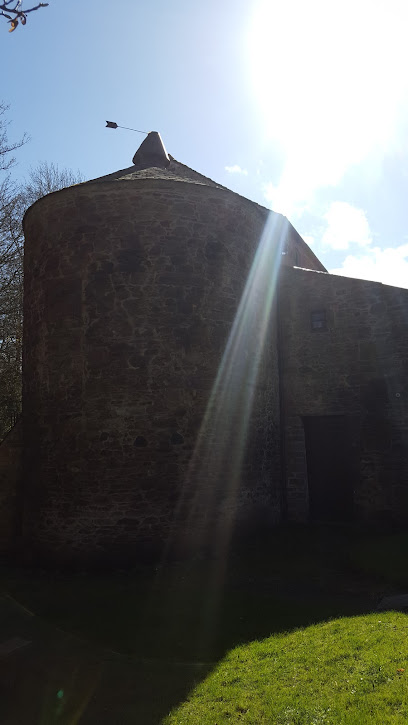
Dundee Maritime Trail
26.5 km
Discover Dundee's illustrious maritime history along the scenic Dundee Maritime Trail, where culture and heritage meet stunning waterfront views.
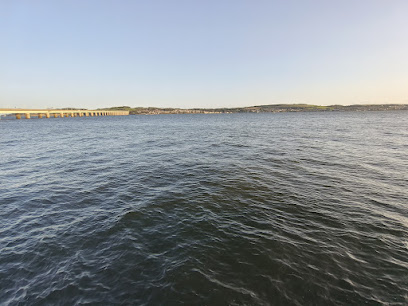
RRS Discovery
26.6 km
Discover the RRS Discovery, a historic vessel in Dundee embodying maritime exploration and the spirit of adventure.
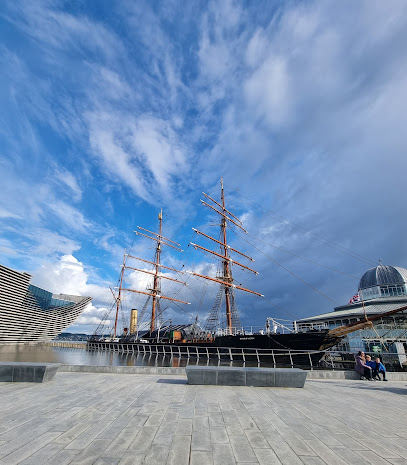
Discovery Point and RRS Discovery
26.6 km
Explore the rich maritime history of Scotland at Discovery Point and step aboard the RRS Discovery, an iconic ship of exploration.
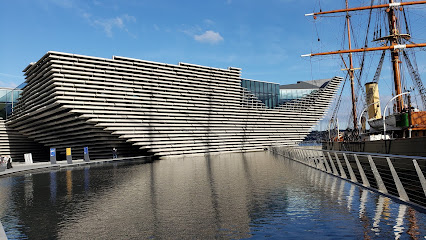
Unmissable attractions to see

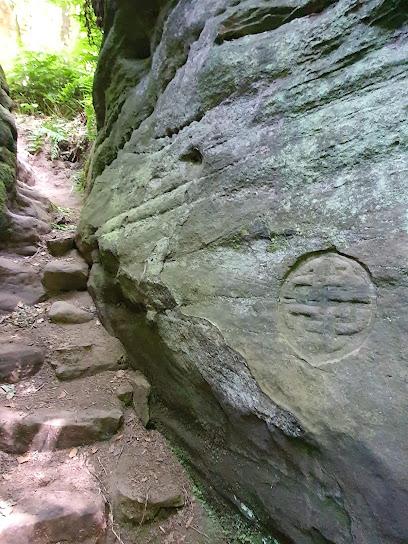
Dunino Den
3.4 km
Ancient Druidic sanctuary where 6,000 years of sacred ritual echo through wooded stone.
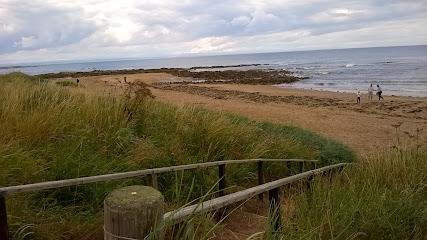
Kingsbarns
3.9 km
Experience world-class Scottish links golf with breathtaking coastal views and rich heritage at Kingsbarns Golf Links near St Andrews.
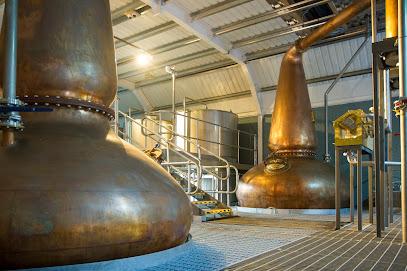
Kingsbarns Distillery
3.9 km
Discover the heritage and craft of Lowland single malt whisky at Kingsbarns Distillery, where tradition meets the scenic beauty of Fife’s countryside.
Cambo Gardens
4.2 km
Discover Cambo Gardens, a Georgian walled garden near Kingsbarns with woodland walks, a charming café, and scenic coastal trails.
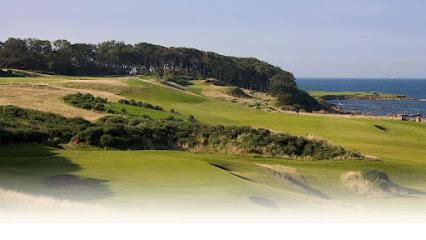
Kingsbarns Golf Links
4.5 km
Experience the breathtaking sea views and rich heritage of Kingsbarns Golf Links, a modern classic on Scotland’s storied coastline.
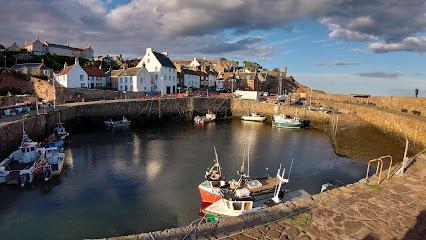
Crail Harbour
4.6 km
Historic Crail Harbour in Fife offers timeless charm with its vibrant fishing port, medieval architecture, and stunning coastal scenery.
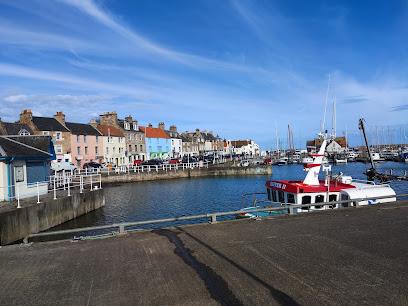
Anstruther Harbour
5.3 km
Historic fishing harbour turned vibrant marina, offering scenic walks, fresh seafood, and wildlife boat trips in picturesque Fife.
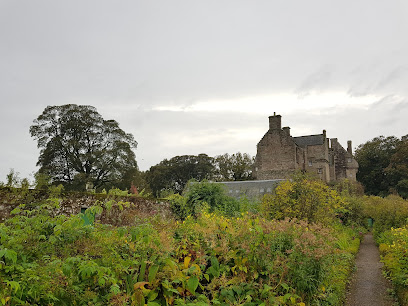
Kellie Castle
6.0 km
Discover Kellie Castle’s enchanting blend of medieval heritage, Victorian artistry, and fragrant gardens in the heart of Fife.
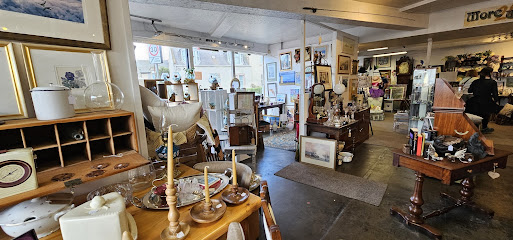
The Pop In
6.6 km
Discover unique antiques, vintage finds, and local art in the cozy charm of Pittenweem’s beloved Pop In shop.
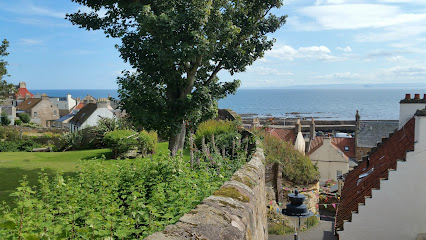
St Fillan's Cave
6.6 km
Discover the sacred sandstone cave of St Fillan in Pittenweem, where history, spirituality, and coastal beauty intertwine in a timeless Scottish sanctuary.
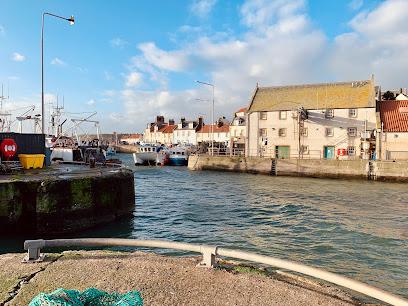
Pittenweem Harbour
6.7 km
Historic and bustling fishing harbour in Fife’s East Neuk, blending maritime heritage with vibrant coastal charm.
Fife Coastal Path
8.2 km
Explore 117 miles of stunning coastline, charming fishing villages, historic sites, and breathtaking views along Scotland’s Fife Coastal Path.
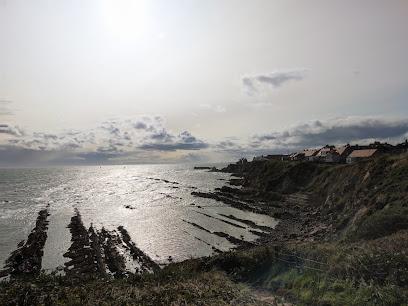
St. Monans Harbour
8.5 km
Discover the charm of St. Monans Harbour, a serene marina in Anstruther, perfect for relaxation, fresh seafood, and stunning coastal views.
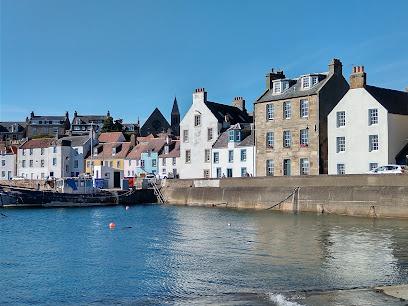
East Sands
9.0 km
A sheltered sandy beach with vibrant watersports, family leisure facilities, and stunning coastal views in historic St Andrews.
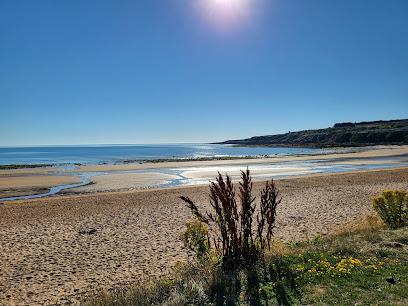
Newark Castle
9.2 km
Explore Newark Castle’s Renaissance grandeur and turbulent history on the scenic banks of the Firth of Clyde in Port Glasgow.
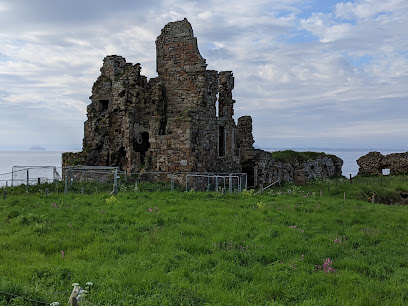
Essential places to dine

The Rockies Restaurant
5.7 km
Coastal charm and fresh local flavors combine at The Rockies Restaurant, a beloved dining spot in scenic Anstruther.
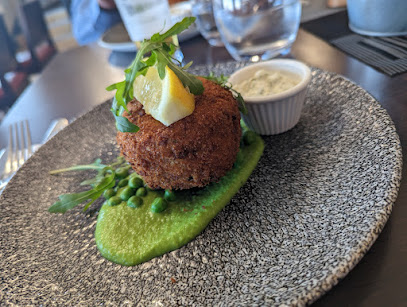
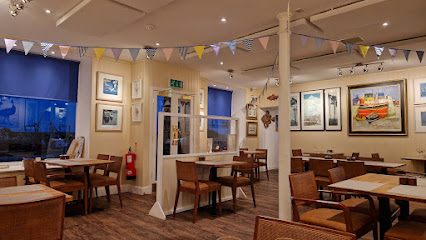
The Dory Bistro & Gallery
6.7 km
Fresh seafood delights meet vibrant local art in a charming harbour-side bistro in Pittenweem’s historic fishing village.
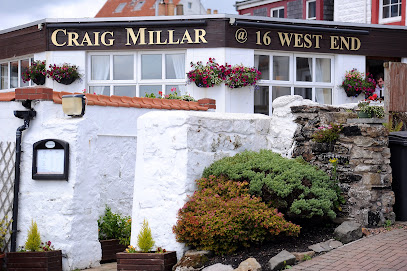
Craig Millar @ 16 West End
8.5 km
Award-winning seafood dining with stunning harbour views in the charming fishing village of St Monans, Fife.
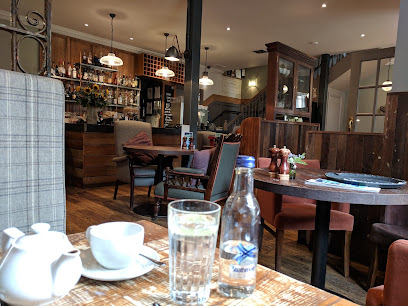
The Bothy St Andrews
9.8 km
Cozy Scottish dining in historic Church Square with fresh local flavors, quirky charm, and intimate private spaces.
The Saint Bar & Kitchen
9.8 km
Cozy Scottish gastropub in St Andrews serving fresh local dishes, craft cocktails, and an award-winning sticky toffee pudding in a stylish, welcoming setting.
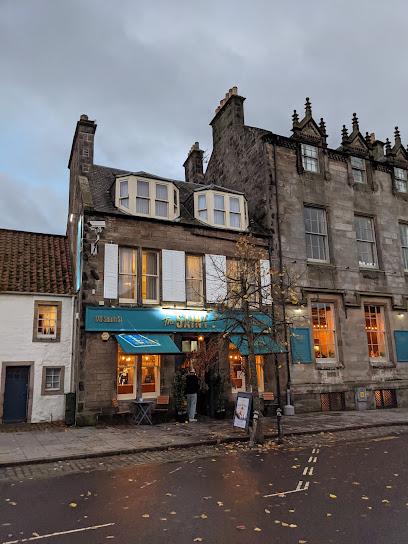
The Peat Inn Restaurant with Rooms
11.5 km
Michelin-starred dining and elegant rooms in a historic Fife coaching inn surrounded by tranquil gardens and countryside charm.
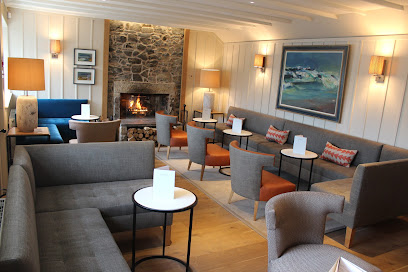
The Crusoe
16.4 km
A historic beachfront boutique hotel in Lower Largo offering stunning sea views, fresh seafood, and warm Scottish hospitality.
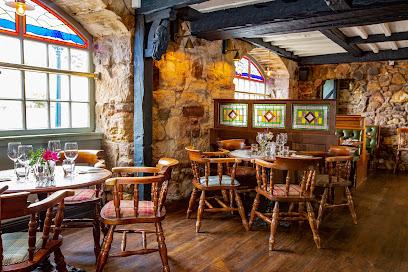
The Boudingait
20.2 km
Discover The Boudingait in Cupar: where traditional pub charm meets gourmet dining with locally sourced ingredients.
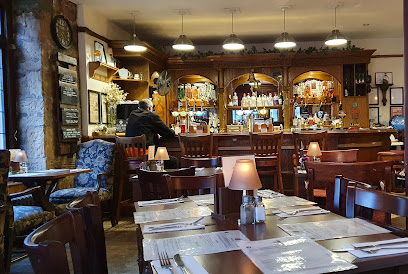
The Lobster Shack
23.3 km
Rustic seafood shack on North Berwick Harbour serving fresh lobster, crab, and fish with stunning sea views in a casual, seasonal setting.
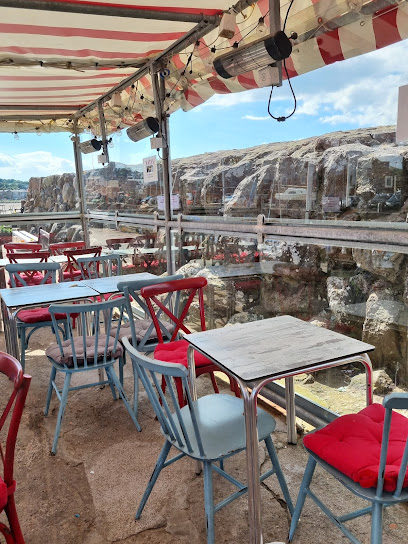
The Rocketeer Restaurant
23.4 km
Fresh seafood and stunning coastal views combine at The Rocketeer, North Berwick’s beloved seaside restaurant.
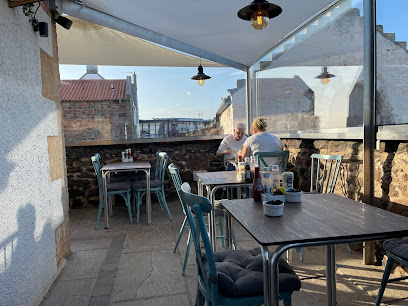
Cucina Amore
23.5 km
Experience authentic Italian warmth and fresh coastal flavours in the heart of North Berwick at Cucina Amore.
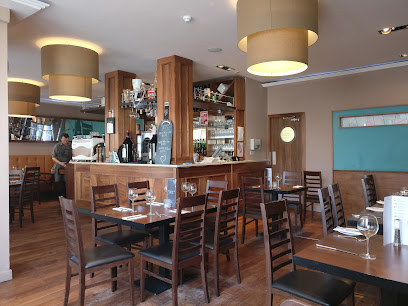
Zitto Italian Winebar & Trattoria
23.6 km
Authentic Italian tapas, wood-fired pizzas, and a curated wine selection in the heart of North Berwick’s vibrant dining scene.
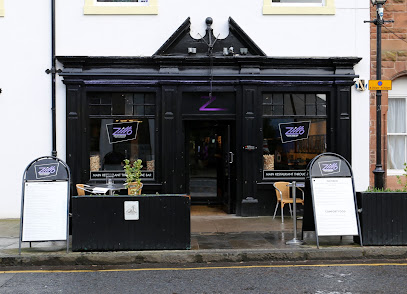
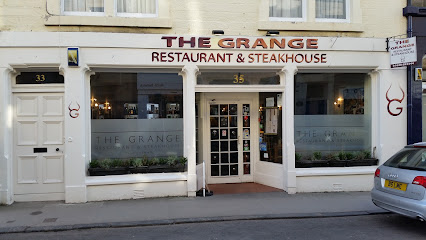
The Grange Restaurant & Steakhouse
23.6 km
A beloved steakhouse on North Berwick’s High Street, serving quality British cuisine in a warm, relaxed atmosphere with attentive service.
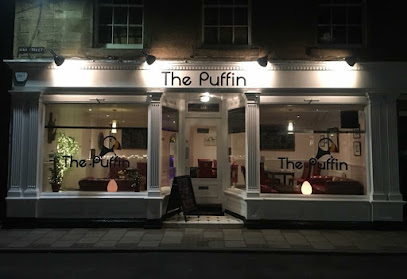
The Puffin
23.6 km
Cozy bistro and wine bar in North Berwick blending Scottish seafood and French flavors in a charming coastal setting.
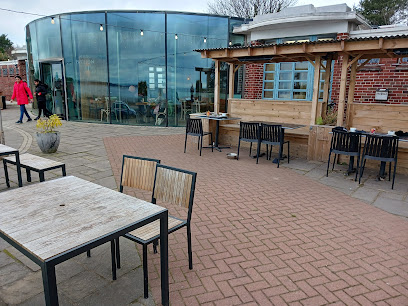
Urban Beach - The Glass Pavilion
24.0 km
Seaside dining with stunning River Tay views, fresh seafood, and a relaxed atmosphere in charming Broughty Ferry.
Markets, malls and hidden boutiques

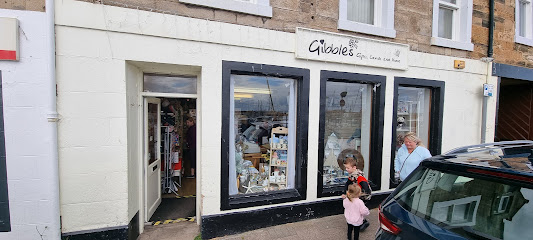
Gibbles Gifts Cards & Home
5.4 km
Discover unique Scottish gifts, cards, and stylish home accessories in the heart of Anstruther’s charming East Neuk coast.
Funky Scottish
6.7 km
Discover Scottish art, gifts, and coffee in a vibrant, creative space at Funky Scottish in the heart of Pittenweem.
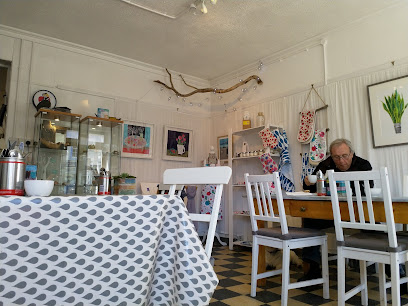
Bonkers Gift Shop St Andrews
9.8 km
Discover quirky gifts and charming treasures at Bonkers Gift Shop, a vibrant and unique shopping destination in the heart of historic St Andrews.
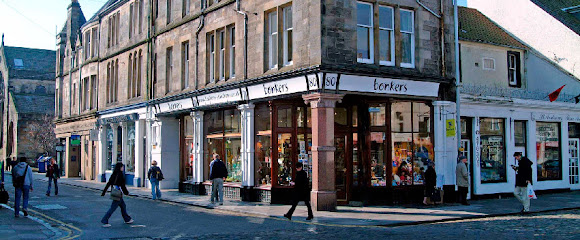
The Scottish Shop
9.8 km
Discover authentic Highland clothing and Scottish gifts with exceptional service in the heart of historic St Andrews.
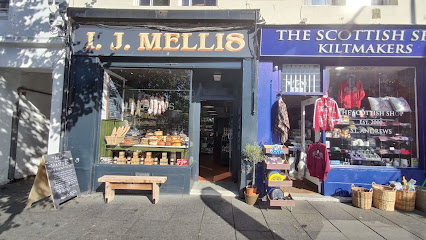
Ostara by Pretty Things
9.8 km
Discover sustainable fashion and unique Scottish style at Ostara by Pretty Things, a charming boutique in the heart of St Andrews.
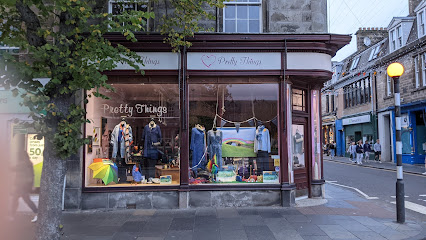
Taste of Scotland Gifts and Souvenirs
9.9 km
Discover authentic Scottish gifts and souvenirs with exceptional service in the heart of St Andrews’ historic Market Street.
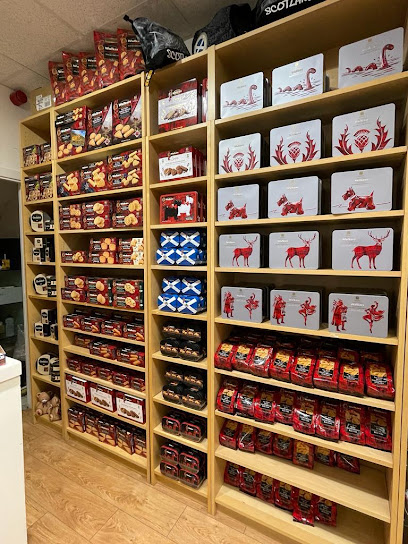
The Gift Gallery
9.9 km
Discover unique gifts and charming keepsakes at The Gift Gallery, nestled in the heart of historic St Andrews.
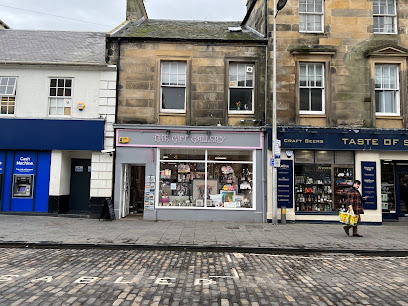
The Original Factory Shop (Cupar)
20.1 km
Discover unbeatable bargains on clothing, beauty, and home essentials at Cupar’s premier discount store, The Original Factory Shop.
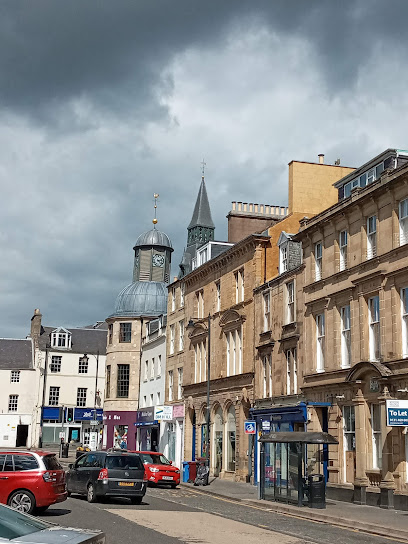
Hidden Gem Gifts
20.2 km
Discover unique, locally crafted gifts in a cozy boutique nestled in Cupar’s historic Bonnygate street.
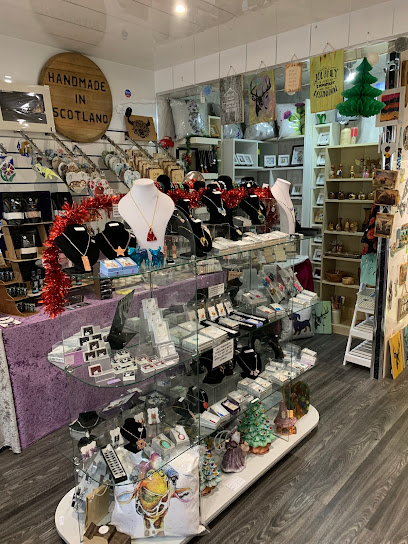
Jenna May’s Vintage
20.4 km
Discover unique vintage treasures and handcrafted gifts in the heart of Leven’s charming Commercial Road.
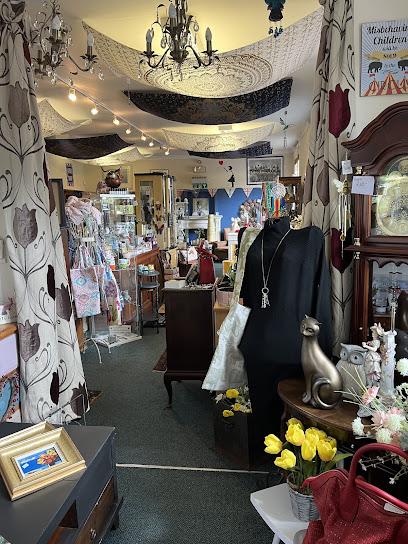
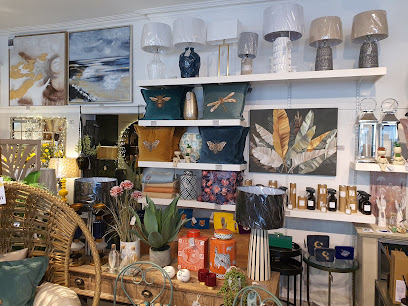
Time & Tide
23.6 km
Discover sophisticated homewares and unique gifts in a charming coastal boutique at Time & Tide, North Berwick’s stylish destination for interior inspiration.
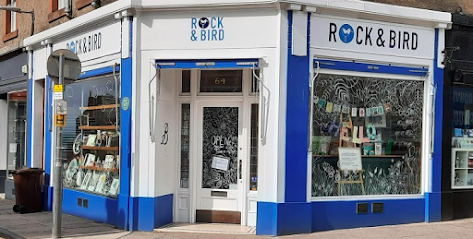
Rock & Bird
23.6 km
Discover unique art supplies, creative gifts, and local craftsmanship in the heart of North Berwick at Rock & Bird.
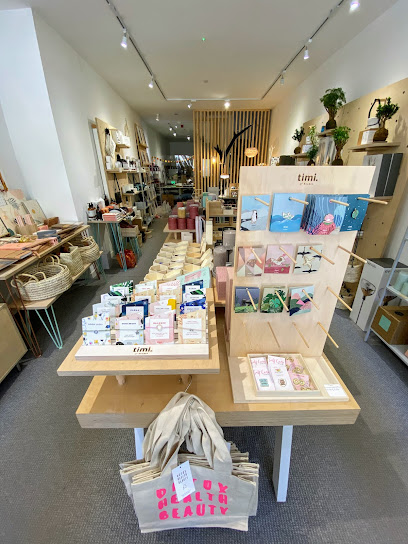
NØRDEN
23.6 km
Discover Nordic-inspired homewares and lifestyle treasures in North Berwick’s family-owned concept store, NØRDEN.
Great Escape
23.6 km
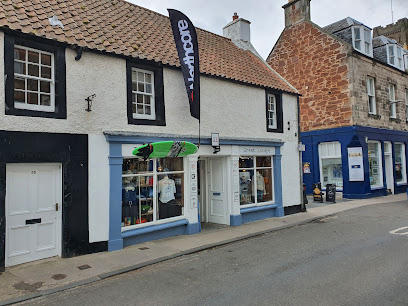
Your go-to outdoor clothing and equipment shop in North Berwick, offering expert advice and quality gear for every adventure.
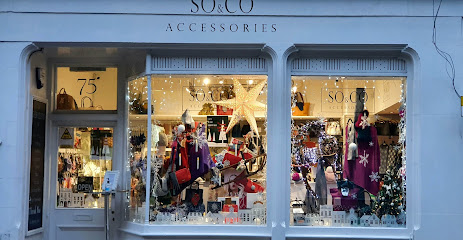
SO & CO Accessories
23.6 km
Discover stylish, contemporary accessories and unique gifts in a charming boutique on North Berwick’s High Street.
Essential bars & hidden hideouts

The Ship Inn
11.7 km
Charming seaside pub and hotel with stunning bay views, fresh local seafood, and warm Scottish hospitality in the heart of Elie’s coastal village.
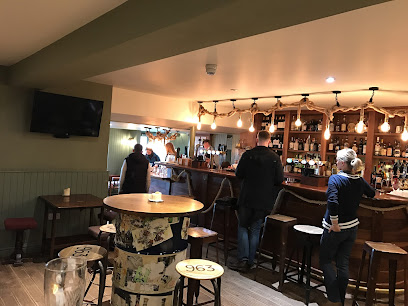
The Auld Hoose
23.5 km
A lively North Berwick pub famed for craft drinks, massive portions, and a welcoming rock ’n’ roll vibe in a cozy, dog-friendly setting.
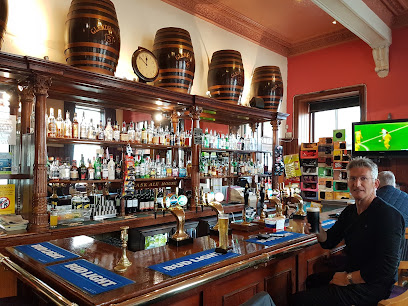
The Anchor Bar
24.3 km
A lively pub and restaurant in Broughty Ferry offering great food, drinks, live music, and a warm community atmosphere.
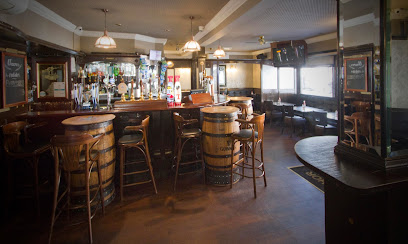
Fisherman's Tavern
24.3 km
Historic coastal pub and hotel in Broughty Ferry offering traditional ales, hearty fare, live events, and a warm, welcoming atmosphere.
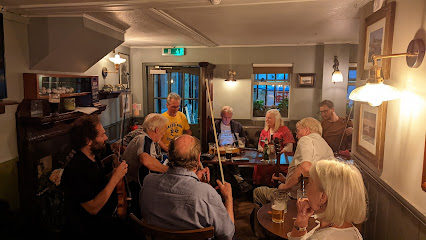
The Royal Arch Bar & Bistro
24.3 km
A cosy and authentic bar & bistro in Broughty Ferry, Dundee, famed for its steak pie, friendly service, and traditional Scottish pub charm.
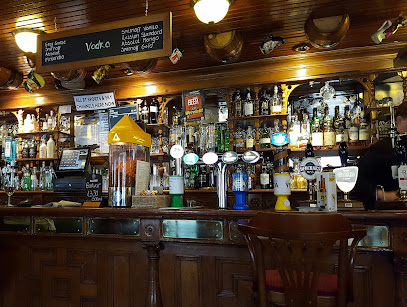
The Gunners Bar
24.5 km
Experience traditional Scottish hospitality and local charm at The Gunners Bar, a cozy and friendly pub in Broughty Ferry, Dundee.
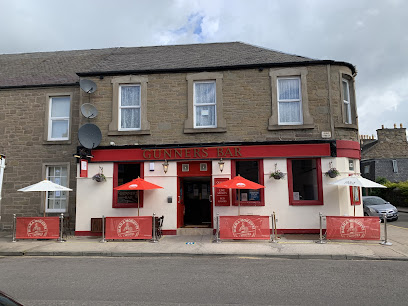
Occidental Bar
24.8 km
Experience warm Scottish hospitality and vibrant pub culture at Occidental Bar, a cozy local gem in Broughty Ferry, Dundee.
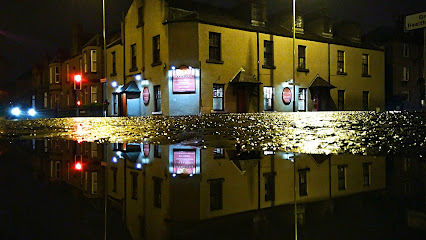
Nether Inn
26.9 km
Lively and welcoming pub in Dundee’s city centre, famed for sports, live music, and great value shared plates in a vibrant student atmosphere.
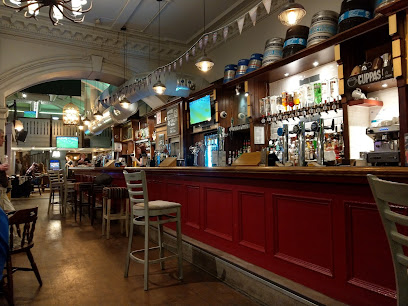
The Bank Bar Dundee
26.9 km
Traditional Dundee pub in a former bank, serving award-winning ales, home-cooked food, and vibrant live music showcasing local talent.
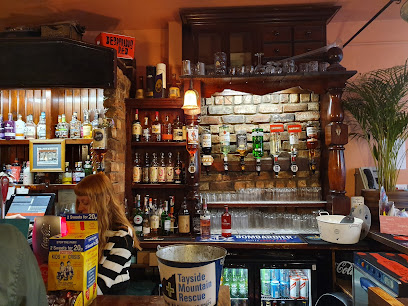
Draffens
26.9 km
Discover Dundee’s hidden gem—a cozy cocktail laboratory blending history, creativity, and intimate nightlife in Couttie's Wynd.
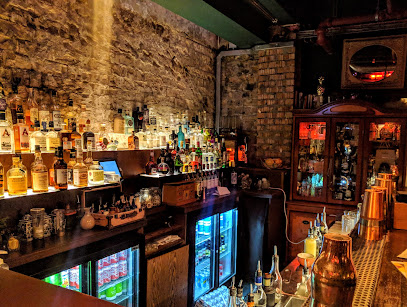
The Salty Dog
26.9 km
A lively Dundee pub offering local brews, diverse menus, and vibrant entertainment in a welcoming, inclusive atmosphere.
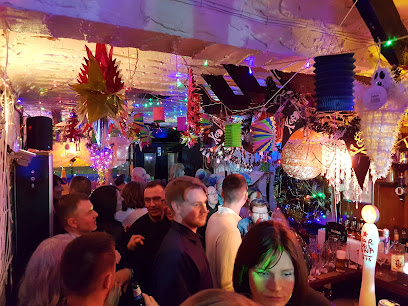
The Pillars Bar & Lounge
26.9 km
Historic Dundee pub blending traditional charm with friendly locals, quality ales, and a cozy, welcoming atmosphere.
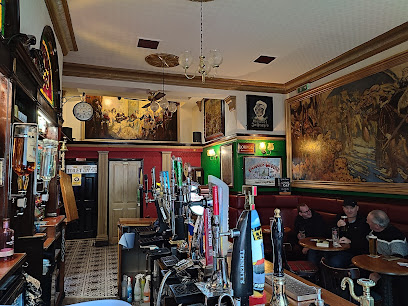
Trades House
26.9 km
Historic Dundee pub with carved interiors, lively sports screens, and a welcoming beer garden in the heart of the city.
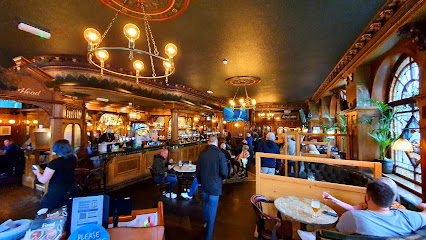
The Phoenix
26.9 km
One of Dundee’s oldest pubs, The Phoenix offers authentic Scottish ales, hearty food, and a warm, timeless atmosphere in the city centre.
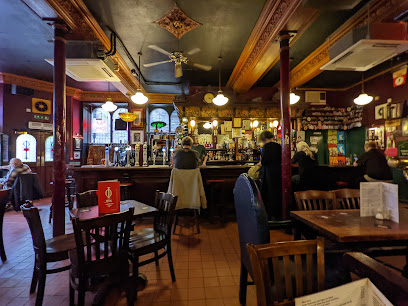
Tickety Boo's
27.0 km
A vibrant traditional pub in Dundee blending historic charm with hearty food, live music, and a welcoming atmosphere.
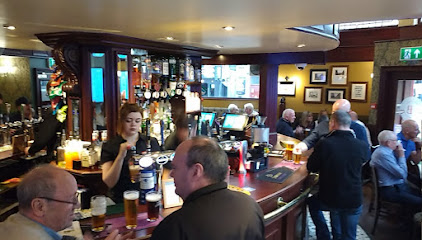
Nightclubs & after hour spots

Truth
20.3 km
Experience vibrant nightlife with great music, friendly service, and a welcoming atmosphere at Truth nightclub in Leven, Fife.
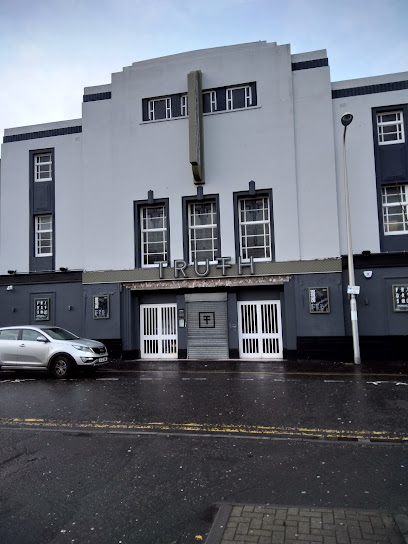
Decades Bar & Nightclub
26.8 km
Step back in time with Decades Bar & Nightclub, Dundee’s vibrant retro hotspot playing the best hits from the 70s, 80s, and 90s.

Rewind dundee
27.0 km
Experience Dundee’s vibrant retro club nights and live local music at Rewind, a welcoming hub of nostalgia and nightlife energy.

Underground
27.0 km
Dundee’s vibrant nightclub and live music venue where dancing, live bands, and late-night fun come alive every weekend.
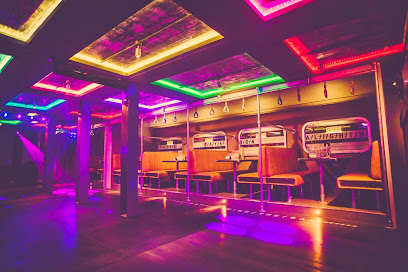
OUT Nightclub
27.1 km
A lively Dundee nightclub known for quality music, vibrant atmosphere, and a central spot on Seagate’s nightlife strip.
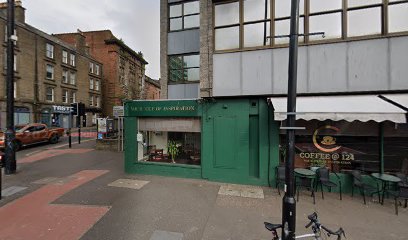
Pout Bar and Nightclub
27.1 km
Dundee's vibrant gay nightclub offering great music, welcoming vibes, and late-night dancing in the heart of the city.
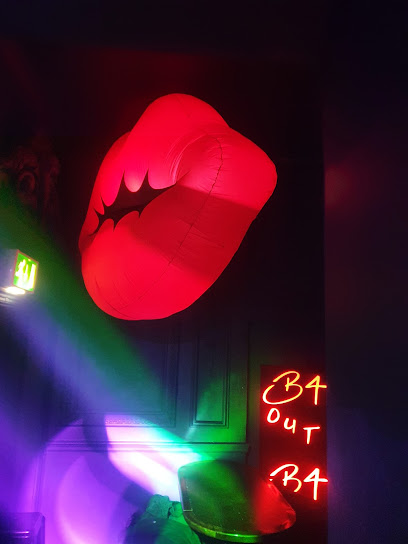
Fat Sams
27.2 km
Experience Dundee’s vibrant nightlife at Fat Sam's, a legendary club blending live music, themed rooms, and nostalgic beats in a lively urban setting.

AURA Nightclub
27.2 km
Dundee’s vibrant AURA Nightclub pulses with chart hits, themed parties, and a welcoming atmosphere for unforgettable nights out.

Club Tropicana & Venga
27.2 km
Step into Dundee’s ultimate 80s nightclub for nostalgic beats, vibrant dance floors, and unforgettable retro nights at Club Tropicana & Venga.
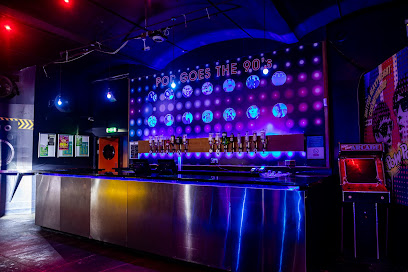
Private Eyes
27.3 km
Experience Dundee’s vibrant nightlife with live pole dance shows, VIP lounges, and a lively atmosphere at Private Eyes nightclub.
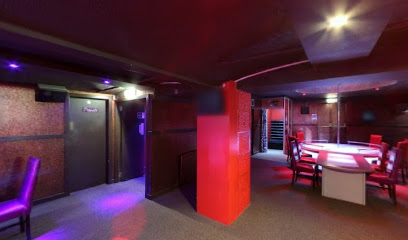
Afro Beats
27.3 km
Experience Dundee’s vibrant nightlife with pulsating Afrobeats, stylish vibes, and unforgettable late-night energy at Afro Beats nightclub.
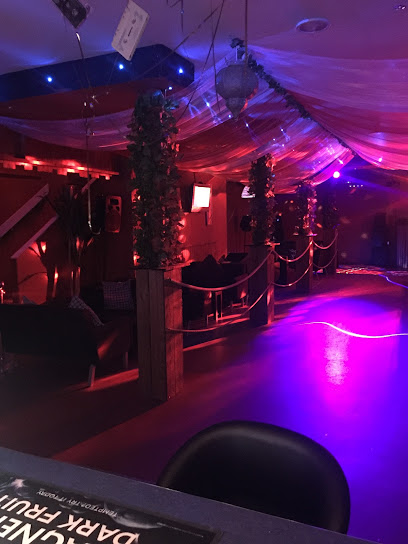
The Schofies Residence 1
31.8 km
A lively nightclub nestled in Glenrothes, offering a vibrant social scene and memorable nights in Scotland’s welcoming town.

De Vitos Nightclub
32.7 km
Dive into the electrifying nightlife of Arbroath at De Vitos Nightclub, where unforgettable dance parties and vibrant music await you!

Republic Bar Club
33.7 km
Experience Kirkcaldy’s vibrant nightlife at Republic Bar Club, where great drinks, friendly vibes, and lively weekends come together.
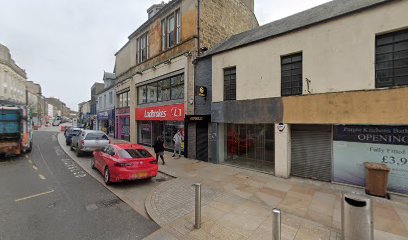
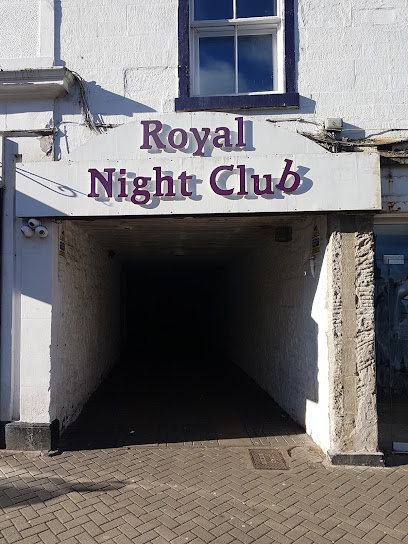
Royal Night Club
43.2 km
Vibrant nightlife and lively DJ nights in the heart of Forfar’s historic Royal Hotel, complete with rooftop terrace and buzzing bar scene.
For the vibe & atmosphere seeker
- Tranquil
- Scenic
- Unique
- Educational
For the design and aesthetic lover
- Minimalist Designs
- Vintage Styles
For the architecture buff
- Historic
- Landmarks
- Heritage Neighborhoods
For the view chaser and sunset hunter
- Iconic Views
For the social media creator & influencer
- Instagrammable
- Photo Spots
- Architectural Shots
For the eco-conscious traveler
- Public-Transport Accessible
- Locally Managed
For the kind of experience you’re after
- Cultural Heritage
- Photowalk
- Day Trip
- Weekend Getaway
For how adventurous you want the journey to be
- Easy Access
Location Audience
- Family Friendly
- Senior Friendly
- Teen Friendly
- Couple Friendly
- Solo Friendly


