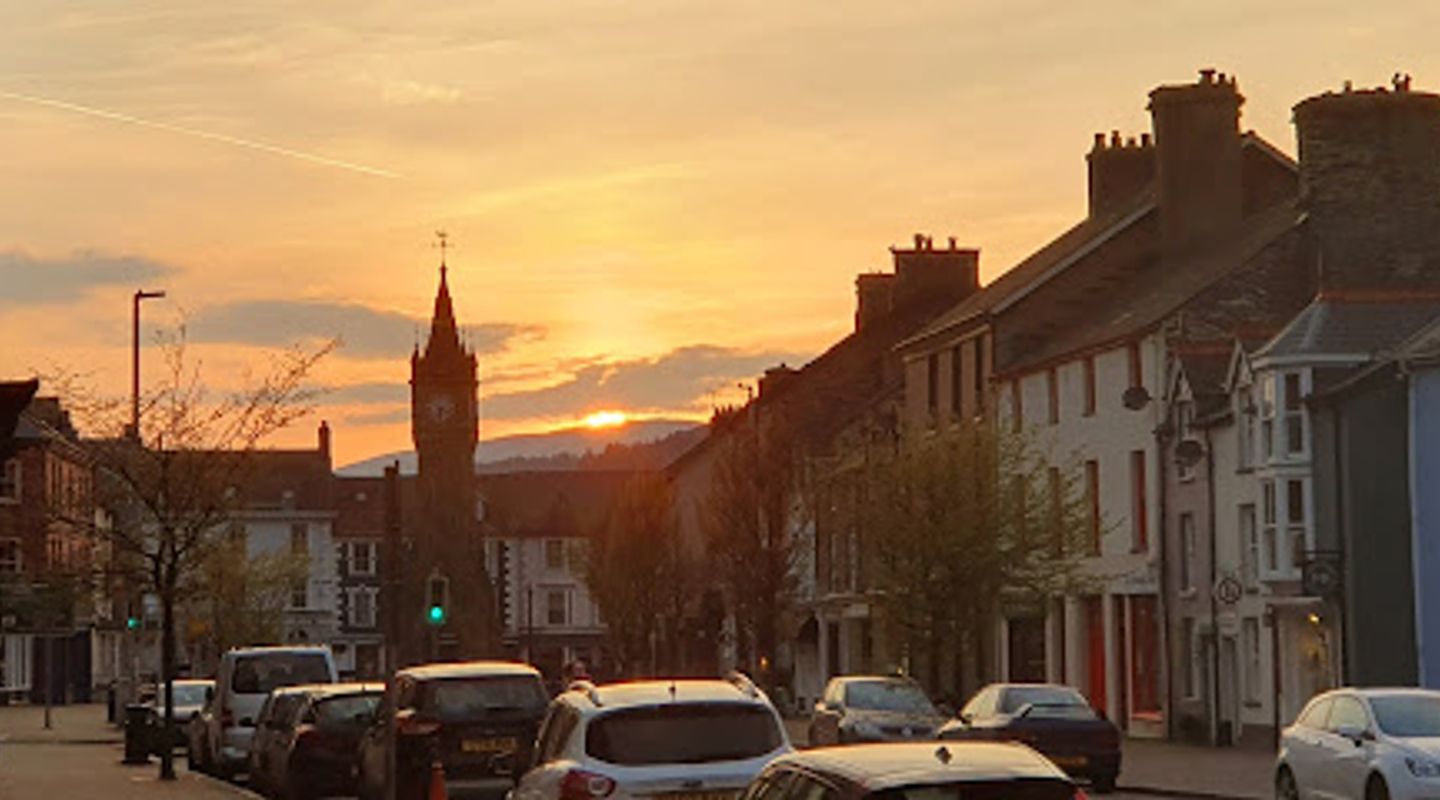
River Dyfi, Dyfed Travel Guide
Discover the River Dyfi’s pristine waters, rich wildlife, and cultural heritage within Wales’s UNESCO Biosphere Reserve.
The River Dyfi, also known as the River Dovey, is a 48-kilometre-long river in Mid Wales, flowing from the Cambrian Mountains to Cardigan Bay. Its wide estuary forms the border between Gwynedd and Ceredigion counties and is part of the UNESCO Dyfi Biosphere Reserve, celebrated for its rich biodiversity, rare habitats, and cultural heritage. The river valley offers scenic landscapes, wildlife habitats, and links to Welsh legends, making it a captivating natural and cultural destination.
A brief summary to River Dyfi
- GB
- Duration: 1 to 4 hours
- Free
-
 Outdoor
- Mobile reception: 4 out of 5

Know before you go
Hi, I'm Eve. Here are a few practical things to know before exploring River Dyfi.
- Visit the Dyfi Osprey Observatory to observe majestic birds of prey in their natural habitat.
- Explore the Cors Fochno raised peat bog via the circular boardwalk for unique flora and fauna.
- Take a walk along the Wales Coast Path for stunning views of the Dyfi estuary and Cardigan Bay.
- Learn about local history and renewable energy innovations at the Centre for Alternative Technology near Machynlleth.
Do you manage this location?
Take control to get all the benefits, like improved information, better appearance, and stronger visibility across AI-powered discovery. Learn more about listing your business on Evendo
Activate your presenceOther nearby places you may find interesting
The closest places of the same kind, if this one is not quite what you had in mind.

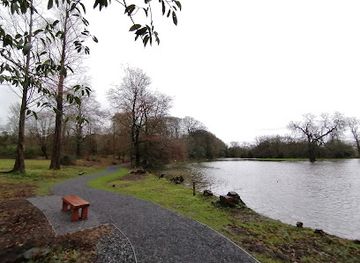
Explore River Dyfi on the Map
A handpicked selection of must-see spots near River Dyfi, mapped for you.
Getting There
-
Train
Travelers can reach the Dyfi area via the Cambrian Line, with train stations at Machynlleth, Aberystwyth, and Aberdyfi. Trains run regularly with journey times ranging from 1 to 2 hours from major Welsh cities. The stations provide access to the river valley and estuary, though onward local transport may be needed.
-
Bus
Local bus services connect towns along the Dyfi Valley, including Machynlleth and Aberdyfi, with routes operating several times daily. Buses are suitable for travelers without cars but may have limited frequency on weekends and holidays.
-
Cycling
The National Cycle Network Route 8 runs north-south through the Dyfi Valley, offering a scenic and sustainable way to explore the river and surrounding landscapes. Cyclists should be prepared for varied terrain and carry necessary gear.
-
Car
Driving to the Dyfi region offers flexibility, with several parking areas near key points such as Ynyslas dunes and Cors Fochno. Roads can be narrow and winding, and some may be affected by flooding during heavy rain. Parking fees vary locally.
For the on-the-go comforts that matter to you
-
 Restrooms
-
 Drink Options
-
 Food Options
-
 Seating Areas
-
 Information Boards
-
 Visitor Center
-
 Trash Bins
Discover more about River Dyfi
Geography and Natural Setting of the River Dyfi
The River Dyfi rises at Creiglyn Dyfi, a small lake nestled below the Aran Fawddwy peak in the Cambrian Mountains, at approximately 580 meters above sea level. From there, it flows southwards through towns such as Dinas Mawddwy and Machynlleth before reaching its broad estuary at Aberdyfi, where it empties into Cardigan Bay. The river stretches about 48 kilometres (30 miles) and serves as a natural boundary between the Welsh counties of Gwynedd and Ceredigion. Its lower reaches have historically marked the division between North and South Wales.The Dyfi's catchment area includes tributaries such as the Afon Leri, Afon Clettwr, and South and North Dulas, contributing to its diverse aquatic ecosystem. The river is known for its relatively pristine waters, supporting populations of salmon and migratory sea trout. Its flood-prone lower catchment can affect local roads during heavy rainfall, emphasizing the dynamic natural environment surrounding the river.UNESCO Dyfi Biosphere Reserve and Ecological Importance
The Dyfi estuary and surrounding valley form the core of the UNESCO-designated Dyfi Biosphere Reserve, a recognition of the area's outstanding natural value and sustainable land use. This biosphere encompasses coastal dunes at Ynyslas, the raised peat bog of Cors Fochno (Borth Bog), and ancient woodlands like Coed Cwm Einion. These habitats support a rich array of orchids, mosses, liverworts, insects, and wildlife including otters and dippers.The estuary is part of the Pen Llŷn a’r Sarnau Special Area of Conservation, protecting marine habitats and species. The saltmarshes at Ynyslas and Ynyshir are notable for their seasonal blooms of sea pink and marsh samphire, creating vibrant natural displays. Visitors can explore these areas via guided walks, boardwalks, and the Wales Coast Path, which skirts the estuary's edges.Cultural Heritage and Local Legends
The Dyfi Valley is steeped in Welsh culture and history, with Machynlleth nearby being the site of Owain Glyndŵr’s first Welsh parliament in 1404. The region maintains a strong Welsh-speaking community, with bilingual signage and a rich tradition of local storytelling.One poignant local legend is that of Lleucu Llwyd, sometimes called the ‘Welsh Juliet,’ whose tragic love story has been passed down through generations. The landscape itself, from the sunken forests revealed at low tide along Cardigan Bay to the ancient bridges crossing the river, evokes a deep connection to Wales’s past.Recreational and Scenic Highlights
The Dyfi Valley offers a variety of scenic experiences, from the rugged Aran mountains at its headwaters to the sandy beaches and dunes at its estuary. The nearby Cadair Idris mountain and the Pennant valley provide dramatic landscapes for hiking and nature observation.The river and its tributaries pass through wooded valleys and historic industrial sites like the Dyfi Furnace, which recalls the area's mining heritage. Wildlife enthusiasts can visit the Dyfi Osprey Observatory to watch magnificent birds of prey in their natural habitat.Environmental Stewardship and Sustainable Tourism
As part of the UNESCO Biosphere network, the Dyfi area promotes sustainable livelihoods balancing farming, fishing, and tourism with conservation. The Centre for Alternative Technology near Machynlleth exemplifies local innovation in renewable energy and environmental education.Visitors are encouraged to respect the delicate ecosystems by following Leave-No-Trace principles and supporting local businesses that prioritize ecological stewardship. The biosphere’s blend of natural beauty and cultural richness makes it a model for sustainable tourism in Wales.Accessibility and Visitor Experience
The Dyfi River region is accessible via train stations on the Cambrian Line at Machynlleth, Aberystwyth, and Aberdyfi. The north-south National Cycle Network Route 8 also passes through the area, offering active travel options. The Wales Coast Path provides a scenic walking route along the estuary.Facilities such as visitor centers, guided walks, and information boards enhance the experience, while the rural setting offers tranquil and scenic views year-round. The area’s mild climate and varied landscapes make it suitable for visits in all seasons, with special appeal to nature lovers, cultural heritage enthusiasts, and those seeking peaceful escapes.












Your all‑in‑one travel companion app
Explore expert travel guides, compare and book tours, experiences, hotels, and more—all from the palm of your hand. Download now for seamless trip planning wherever your wanderlust takes you.


Explore More of Dyfed
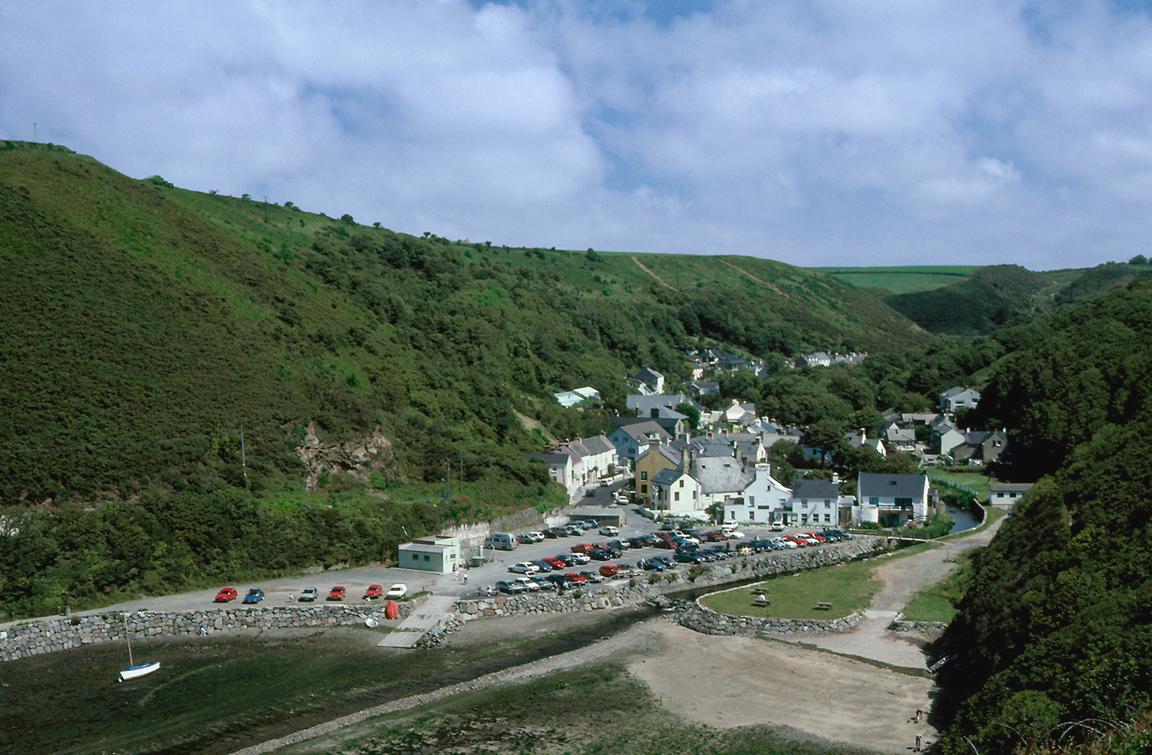
Looking beyond River Dyfi? Discover Dyfed for broader travel guides, local hot-spots, and regional highlights.
Explore Dyfed
A scenic Welsh seaside escape with sandy shores, historic charm, and vibrant coastal life along Cardigan Bay.
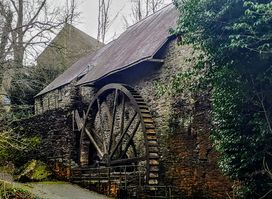
Explore Dyfi Furnace, a beautifully preserved 18th-century charcoal blast furnace nestled in tranquil Welsh woodlands, showcasing industrial heritage and natural charm.