
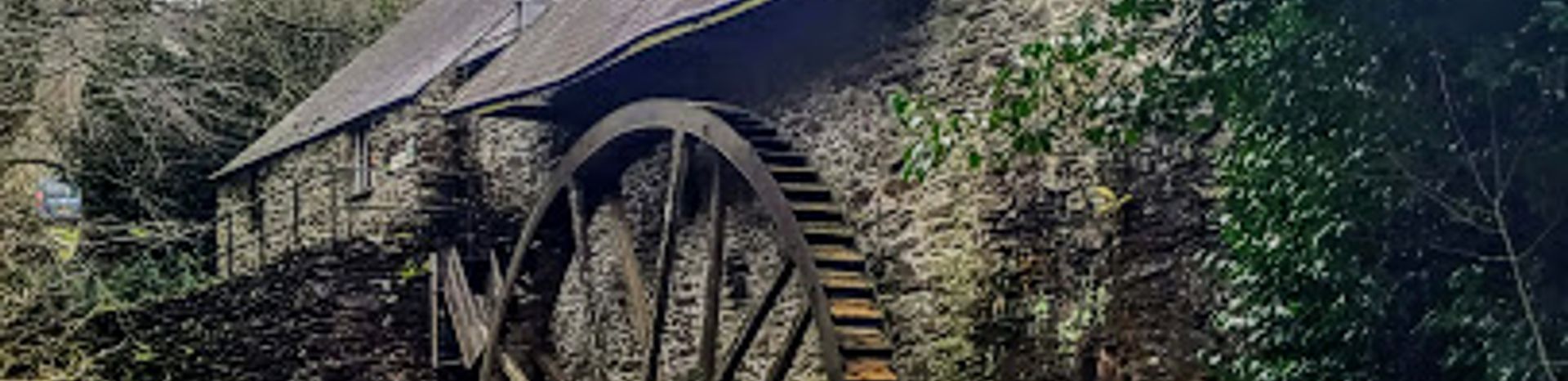
Dyfi Furnace: Wales' Historic Charcoal Blast Furnace
Explore Dyfi Furnace, a beautifully preserved 18th-century charcoal blast furnace nestled in tranquil Welsh woodlands, showcasing industrial heritage and natural charm.
Dyfi Furnace, located near Machynlleth in Wales, is a remarkably preserved mid-18th-century charcoal-fired blast furnace once used for smelting iron ore. Built around 1755, it harnessed water power from the River Einion and charcoal from local woodlands to produce pig iron. After ceasing operation around 1810, it was converted into a sawmill. Today, the site offers a glimpse into Welsh industrial heritage amidst a tranquil rural setting.
A brief summary to Dyfi Furnace
- A487, Machynlleth, GB
- Duration: 0.5 to 2 hours
- Free
-
 Outdoor
- Mobile reception: 4 out of 5
Local tips
- Visit during daylight hours year-round to fully appreciate the furnace and restored waterwheel.
- Wear comfortable shoes as the terrain is easy but involves some outdoor walking.
- Bring binoculars or a camera to spot bats and enjoy the surrounding natural scenery.
- Combine your visit with nearby attractions in Machynlleth for a full day of cultural exploration.

For the on-the-go comforts that matter to you
- Restrooms
- Seating Areas
- Information Boards
Getting There
-
Car
Driving from Machynlleth, the Dyfi Furnace is approximately a 15-minute drive via the A487. Parking is available near the site with about 12 spaces, but no dedicated disabled parking. Expect minor traffic on this main route.
-
Train and Walk
Take the train to Dovey Junction, about 3.2 km from Dyfi Furnace. From there, a 40-minute walk along gentle terrain leads to the site. The path is accessible but involves rural footpaths.
-
Bicycle
Cyclists can use National Cycle Network Route 82, covering approximately 6.4 km from Machynlleth to Dyfi Furnace. The route is mostly flat and suitable for intermediate riders.
Dyfi Furnace location weather suitability
-
 Any Weather
-
 Clear Skies
-
 Mild Temperatures
-
 Rain / Wet Weather
Discover more about Dyfi Furnace
Origins and Industrial Significance
Dyfi Furnace was constructed circa 1755 as a charcoal-fired blast furnace for smelting iron ore, a process vital to the Industrial Revolution in Wales. Its location was carefully chosen downstream of the River Einion waterfall to utilize water power for driving a large waterwheel, which operated bellows to intensify the furnace’s heat. This furnace was part of a larger industrial landscape, including earlier 16th-century lead works and a Royal Silver Mill during the Civil War era. The furnace’s iron ore was primarily imported from Cumbria, while local woodlands supplied charcoal fuel, essential for reaching the high temperatures needed for smelting.Architectural and Mechanical Features
The furnace complex includes a sturdy building made from local Silurian shale and grey-white mortar, a charcoal barn located about 20 meters away, and the ironmaster’s house. The waterwheel, restored and visible today, was integral in powering the bellows. Charcoal, produced locally and supplemented by shipments from nearby coastal towns, fueled the furnace, with a single mature tree capable of producing enough charcoal to smelt two tons of iron. The furnace’s design reflects the ingenuity of 18th-century industrial engineering, combining natural resources and mechanical power in a rural Welsh setting.Operational History and Later Uses
Dyfi Furnace operated for roughly fifty years before closing around 1810. Financial difficulties led to changes in ownership, including transfers to notable ironmasters from the West Midlands. After its closure as a furnace, the site was repurposed as a sawmill powered by the waterwheel, and later as agricultural storage. The furnace’s historical significance was recognized in the late 20th century when restoration efforts preserved the structure and its machinery, allowing visitors to experience a rare example of charcoal blast furnace technology.Natural Setting and Wildlife
Set in a serene rural landscape, Dyfi Furnace is surrounded by rich woodlands that historically provided charcoal fuel. The nearby River Einion’s waterfall adds to the picturesque environment. The building now serves as a habitat for bats, highlighting its role in local wildlife conservation. This blend of industrial heritage and natural tranquility offers visitors a unique atmosphere where history and nature coexist.Visitor Experience and Preservation
Managed by Cadw, the Welsh Government’s historic environment service, Dyfi Furnace is open year-round during daylight hours. Visitors can explore the well-preserved furnace, the restored waterwheel, and the surrounding grounds. Informative signage helps contextualize the site’s industrial past. The nearby hamlet of Furnace derives its name from this landmark, underscoring its local cultural importance. The site is accessible with relatively easy terrain and provides a peaceful setting for history enthusiasts and nature lovers alike.Legacy and Cultural Importance
Dyfi Furnace stands as one of the best-preserved charcoal blast furnaces in Britain and a testament to Wales’ industrial heritage beyond coal and slate. It reflects the region’s historical role in metalworking and the broader economic networks of the 18th century. Its preservation allows insight into early industrial processes and the adaptation of rural landscapes for manufacturing. As a Grade II* listed site, it continues to educate and inspire visitors about the ingenuity and challenges of early industrial Wales.Iconic landmarks you can’t miss

Cerig y Penrhyn
7.4 km
Explore the enchanting Cerig y Penrhyn, a historical landmark in Wales that showcases the region's rich cultural heritage and stunning natural beauty.

Brynellen
8.1 km
Explore Bryn Celli Ddu, a 5,000-year-old Neolithic passage tomb on Anglesey, famed for its ancient burial chamber and summer solstice alignment.
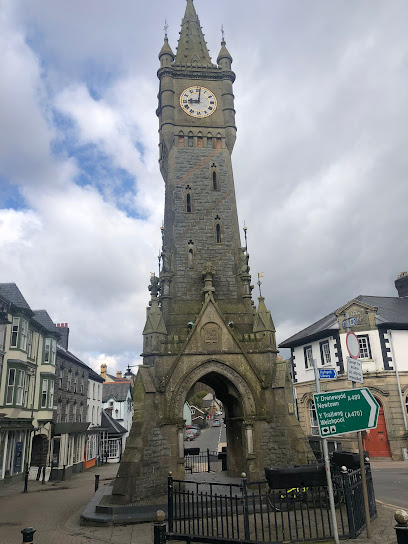
Machynlleth Town Clock
8.3 km
Historic Machynlleth Town Clock, a Victorian landmark symbolizing community pride and Welsh heritage in the heart of Penrallt Street.
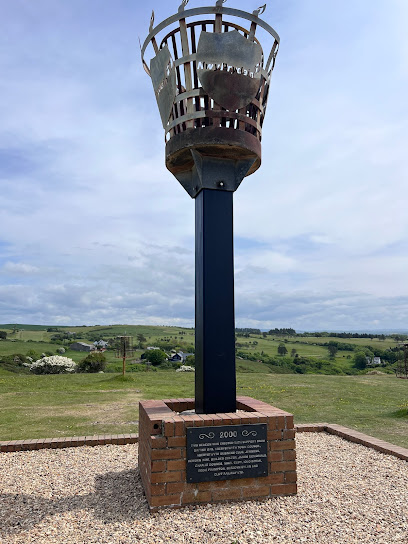
Nwy Prydain Beacon
15.9 km
Historic beacon atop Constitution Hill offering panoramic coastal views and a glimpse into Aberystwyth’s industrial heritage.
Castle Hotel
17.2 km
Historic charm and cozy comfort converge at Aberystwyth’s Castle Hotel, a welcoming coastal retreat with unique drinks and friendly hospitality.
Castell Carndochan
39.0 km
Explore the evocative ruins of Carndochan Castle, a remote 13th-century Welsh fortress nestled in the rugged mountains of Gwynedd.
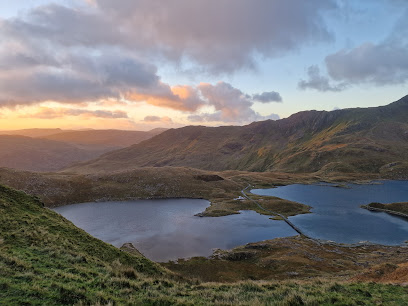
Eryri National Park (Snowdonia)
40.4 km
Explore the breathtaking landscapes and rich heritage of Eryri National Park, a true gem in the heart of North Wales.
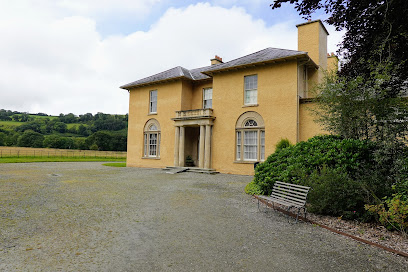
Llanerchaeron
40.5 km
Explore Llanerchaeron, an exquisite Georgian villa in Aberaeron, showcasing stunning architecture, beautiful gardens, and rich history in a serene setting.
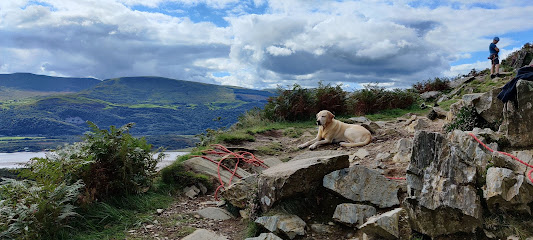
Snowdonia Adventure Activities
41.4 km
Discover outdoor adventure in Snowdonia with thrilling activities surrounded by stunning landscapes, perfect for all adventure enthusiasts.
Amis Réunis
42.9 km
Explore the unique charm of Amis Réunis in Portmeirion: a captivating blend of art, architecture, and breathtaking gardens that enchants every visitor.
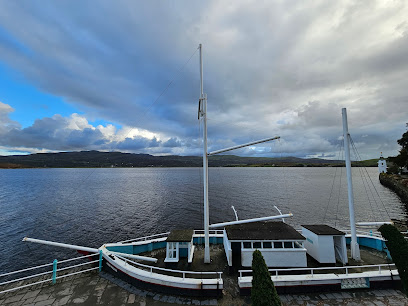
Portmeirion North Wales
43.0 km
Experience the whimsical charm of Portmeirion, North Wales - a unique village blending stunning architecture and breathtaking gardens.
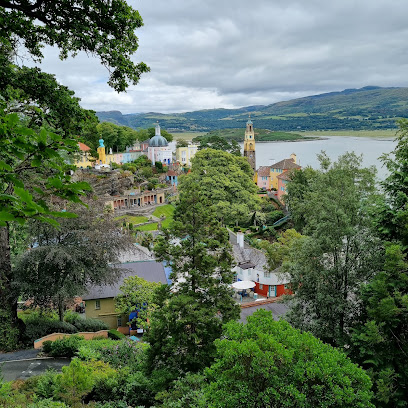
The Village
43.1 km
Explore the magical Portmeirion village, a unique blend of colorful architecture, stunning gardens, and breathtaking coastal views in North Wales.
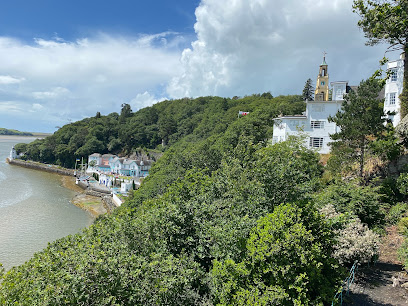
Ynys Cyngar
43.4 km
Historic maritime landmark on the Glaslyn estuary, offering scenic coastal views and a glimpse into North Wales’ slate and shipping heritage.
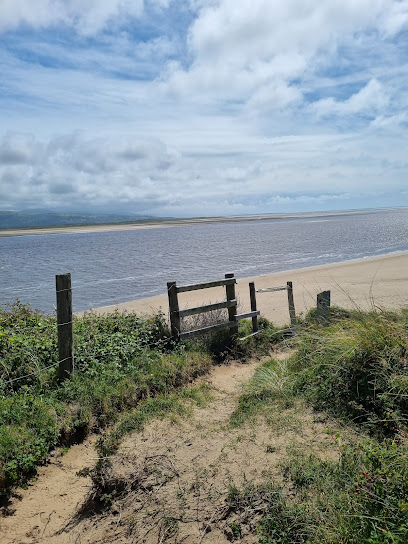
Tomen y Mur
43.5 km
Discover the rich history and breathtaking landscapes of Tomen y Mur, a must-visit historical landmark in the heart of Snowdonia.
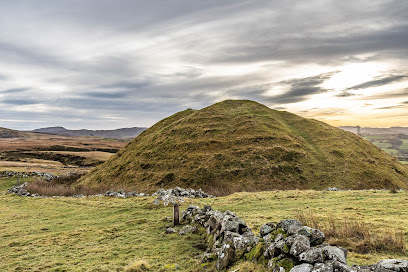
Gwaith Powdwr North Wales Wildlife Trust Nature Reserve
44.2 km
Immerse yourself in the serene beauty of Gwaith Powdwr Nature Reserve, a haven for wildlife and a historical gem in North Wales.
Unmissable attractions to see

Dyfi Osprey Project
3.7 km
Discover Wales’ iconic ospreys at Cors Dyfi Nature Reserve’s immersive wildlife centre and observatory.
Cors Dyfi
3.8 km
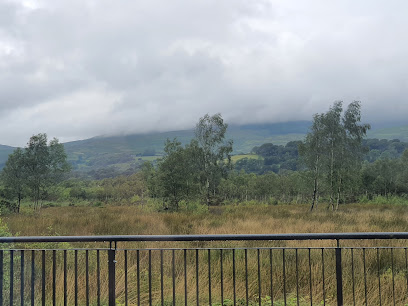
Explore diverse wetlands and witness ospreys, beavers, and rich wildlife at Cors Dyfi, a vibrant nature reserve in the heart of Wales’ Dyfi Biosphere.
River Dyfi
3.9 km
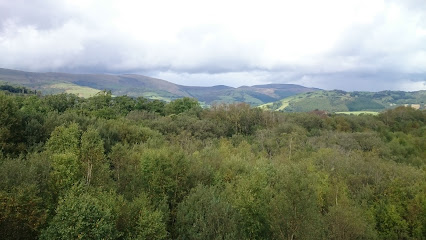
Discover the River Dyfi’s pristine waters, rich wildlife, and cultural heritage within Wales’s UNESCO Biosphere Reserve.
Ynyslas National Nature Reserve
7.5 km
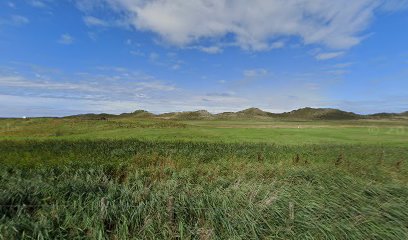
Discover vast sand dunes, rich wildlife, and tranquil coastal beauty at Ynyslas National Nature Reserve in Mid Wales.
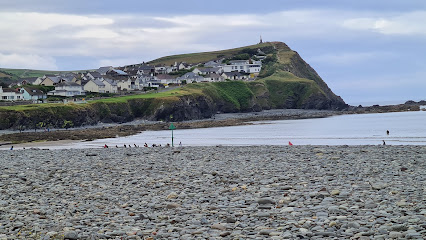
Ynyslas Sand Dunes
7.8 km
Wales's largest sand dunes meet pristine beach and rare orchids at this protected coastal sanctuary.
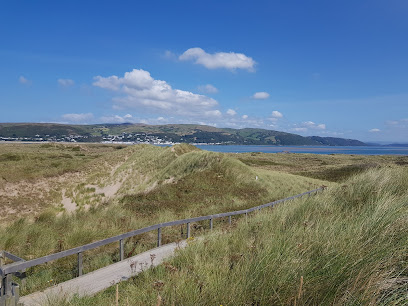
The Emporium Antiques Centre
8.3 km
Discover a charming Aladdin’s cave of antiques and vintage treasures in the heart of Machynlleth at The Emporium Antiques Centre.
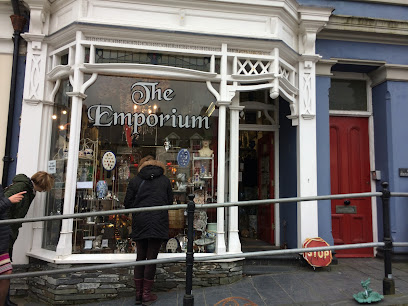
It's A Gift
9.8 km
Discover unique souvenirs and charming gifts at It's A Gift, Borth’s friendly and inviting local gift shop.
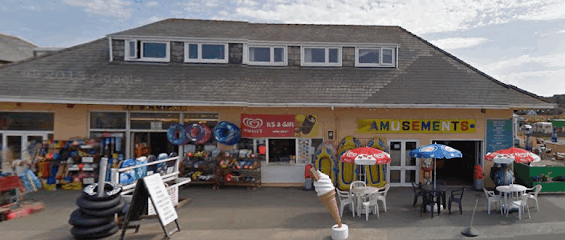
Talyllyn Railway - Tywyn Wharf Railway Station
11.2 km
Historic gateway to Wales’ oldest preserved narrow-gauge railway, blending heritage, scenic journeys, and a charming museum experience.
Centre for Alternative Technology
11.5 km
Explore pioneering sustainable living and green innovation in the heart of Mid Wales’ stunning Dyfi Biosphere at the Centre for Alternative Technology.
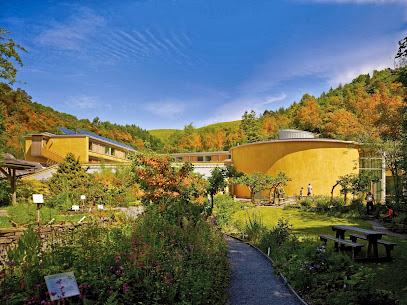
Glaslyn Nature Reserve
14.1 km
Experience the wild beauty and tranquil upland vistas of Glaslyn, the Cambrian Mountains’ largest nature reserve and a haven for heather moorland and rare wildlife.
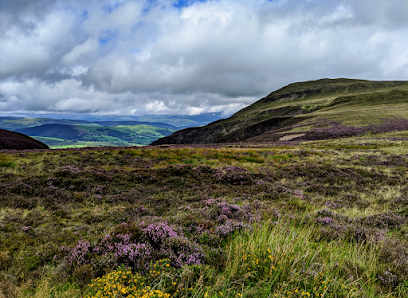
Bwlch Nant yr Arian Forest Visitor Centre
14.2 km
A hilltop forest retreat near Aberystwyth with stunning views, waymarked trails, and daily red kite feeding.
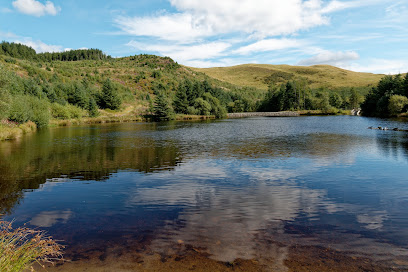
King Arthur's Labyrinth
14.3 km
Dive into Wales’ legendary underground world where myths, dragons, and King Arthur come alive in a magical cave adventure.
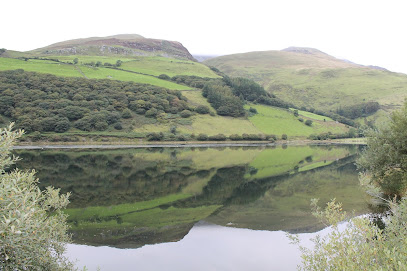
Corris Craft Centre
14.3 km
Discover handcrafted treasures and creative workshops in a scenic Welsh craft hub near Corris Caverns and King Arthur’s Labyrinth.
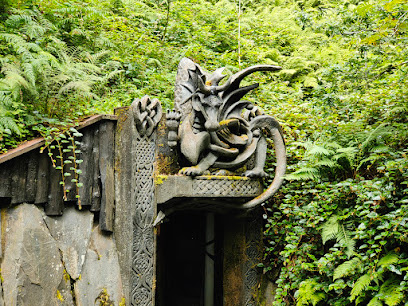
Corris Mine Explorers
14.3 km
Explore the authentic Victorian slate mine tunnels beneath Southern Snowdonia with expert guides and discover Wales’ rich mining heritage.
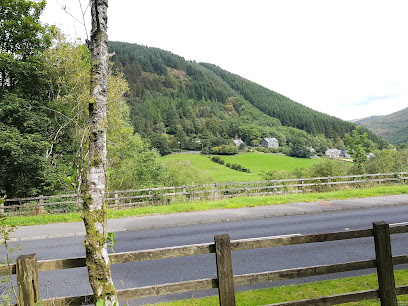
Corris Steam Railway Museum and Railway
14.4 km
Experience authentic steam train journeys and explore Wales’s rich slate railway heritage in the scenic Dyfi Valley at Corris Steam Railway Museum.
Essential places to dine

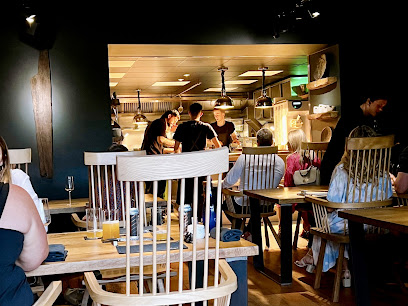
Ynyshir Restaurant and Rooms
0.8 km
Experience Wales’ premier two-Michelin-starred culinary adventure with immersive dining and luxurious rooms in a serene countryside setting.
Riverside Hotel Pennal
5.4 km
Charming riverside hotel and restaurant in Pennal offering warm Welsh hospitality, cozy rooms, and delicious local cuisine near Snowdonia National Park.
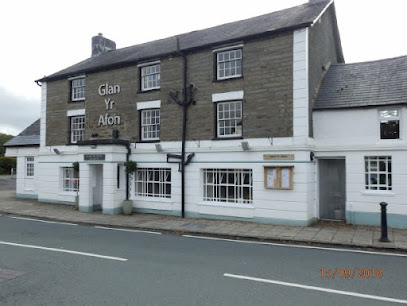
Y Llew Coch - Mach (The Red Lion Machynlleth Town)
8.3 km
Experience Michelin-quality dining and lively music in the heart of Machynlleth’s welcoming Red Lion pub.
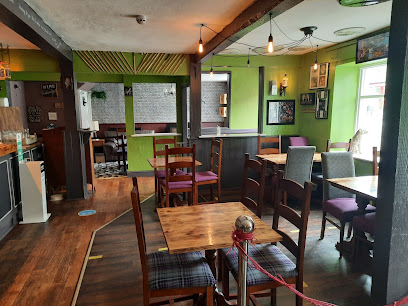
Gwen Restaurant and Wine Bar
8.3 km
An intimate 8-seat fine dining experience in Machynlleth, blending bold flavors and local ingredients with expert wine pairings.
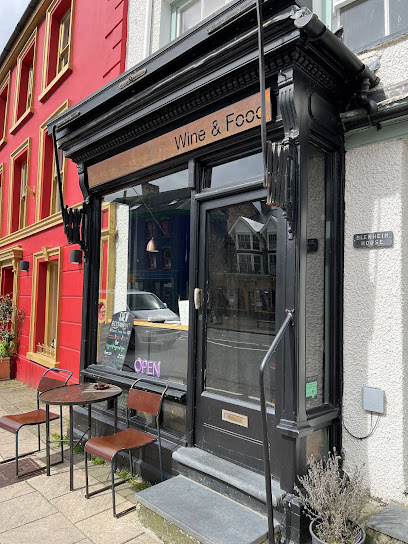
Salt Marsh Kitchen
11.2 km
Experience the fresh, seasonal flavors of Welsh seafood in a cozy, refined bistro setting at Salt Marsh Kitchen in Tywyn.
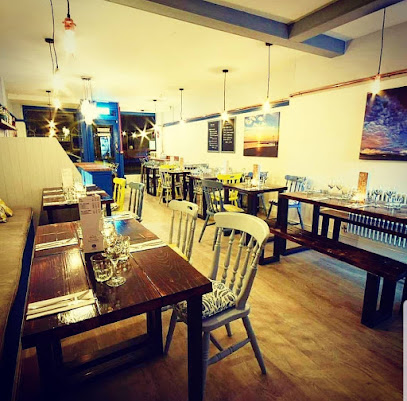
Proper Gander
11.3 km
Family-run Modern European seafood restaurant in Tywyn with a warm atmosphere and seasonal Welsh dishes on the Cambrian Coast.
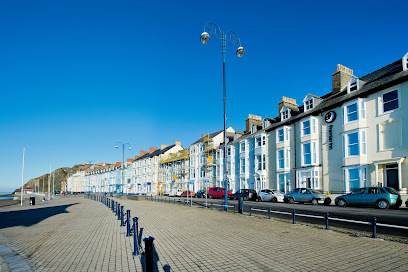
Premier Inn Aberystwyth hotel
16.6 km
Comfortable seafront hotel with modern rooms, friendly service, and great breakfast near Aberystwyth’s main attractions.
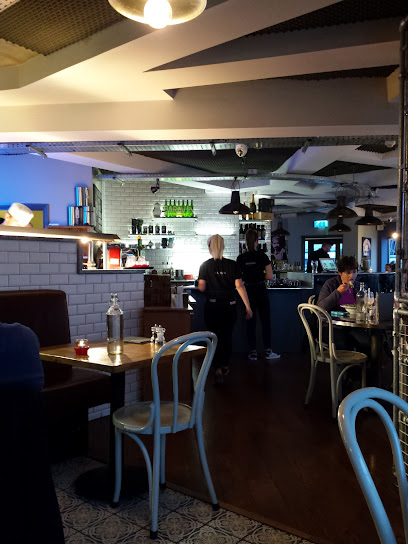
Baravin
16.7 km
Casual coastal dining with fresh seafood, craft drinks, and stunning views of Cardigan Bay in the heart of Aberystwyth.
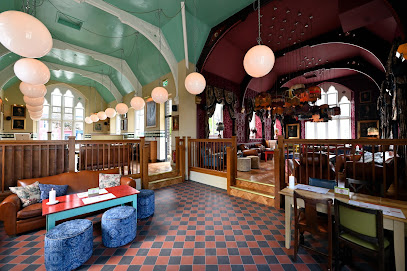
Athro Lounge
16.9 km
Modern British dining with vegan and gluten-free options in a stylish, historic setting—Aberystwyth’s welcoming social lounge.
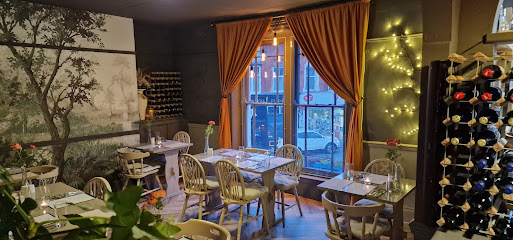
The Fanny Talbot
21.7 km
Award-winning gastropub blending modern British cuisine with coastal Welsh charm and comfortable accommodation.
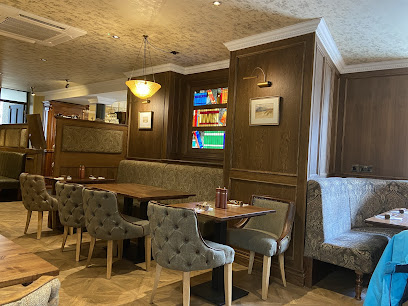
Cross Foxes - Bar Grill Rooms
23.0 km
Discover Cross Foxes - Bar Grill Rooms: A delightful culinary experience nestled in Snowdonia's breathtaking landscape.
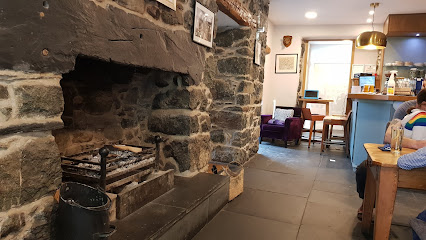
Torrent Walk Hotel
23.0 km
Cozy pub and hotel in Dolgellau offering hearty Welsh cuisine, friendly service, and a welcoming atmosphere near Snowdonia National Park.
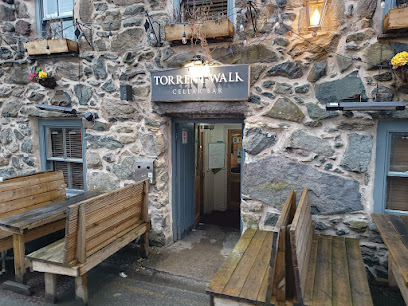
The Brigands Inn
24.8 km
Historic Welsh inn with cozy rooms, acclaimed dining, and stunning mountain views near Snowdonia’s southern edge.
The Aleppo Merchant Inn Ltd
27.7 km
A warm, family-run pub and inn in Carno offering hearty local fare, cozy rooms, and a lively Welsh village atmosphere.
Nineteen.57
28.0 km
Experience family-friendly dining at Nineteen.57 in Islawrffordd Caravan Park – great food, welcoming atmosphere, and delightful drinks await!
Markets, malls and hidden boutiques

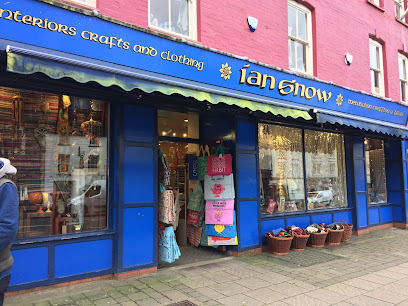
Ian Snow
8.3 km
Discover ethically sourced vintage Indian furniture and bohemian homewares in a charming family-run shop in the heart of Machynlleth.
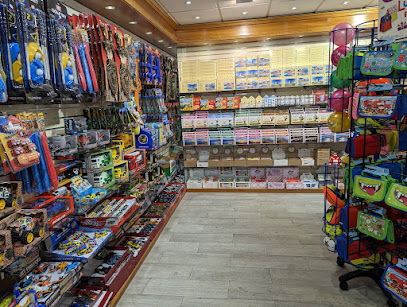
Ambassadors
16.7 km
Explore Ambassadors in Aberystwyth for unique gifts and local crafts that capture the essence of this charming coastal town.
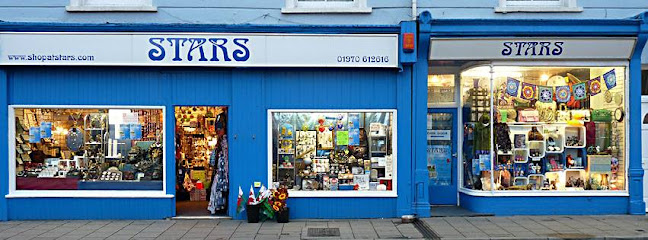
Stars
16.7 km
Discover unique gifts, handcrafted jewelry, and local charm at Stars, Aberystwyth’s beloved gift shop on Terrace Road.
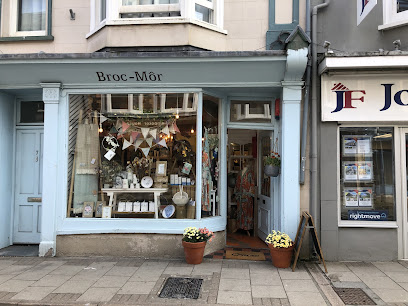
Broc-Môr
16.8 km
Discover unique Welsh gifts and local artisan treasures at Broc-Môr, Aberystwyth’s charming boutique gift shop.
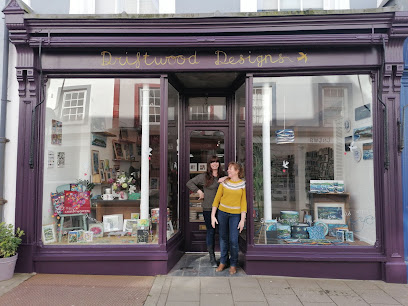
Driftwood Designs
17.0 km
Welsh-designed gifts and art celebrating coastal beauty and creative storytelling from Aberystwyth.
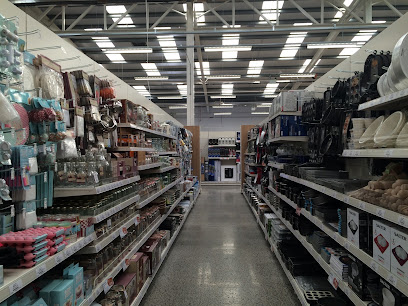
Charlies Stores Ltd Aberystwyth (Parc-y-Llyn)
17.2 km
Spacious and friendly, Charlies Stores Ltd at Parc-y-Llyn is Aberystwyth’s premier destination for home, garden, clothing, and seasonal shopping under one roof.
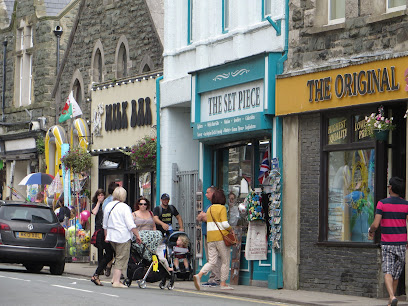
The Set Piece
21.9 km
A charming gift shop in Barmouth offering unique local crafts and souvenirs just steps from the beach.
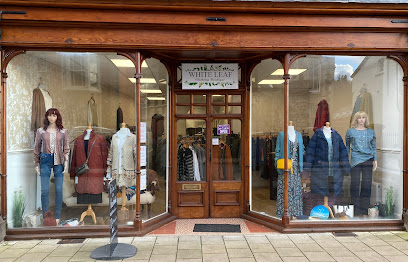
White Leaf Clothing Boutique
28.9 km
Discover stylish, quality women's and men's apparel with personalized service at White Leaf Clothing Boutique in the heart of Llanidloes.
Anrhegaron | Welsh Gifts
35.4 km
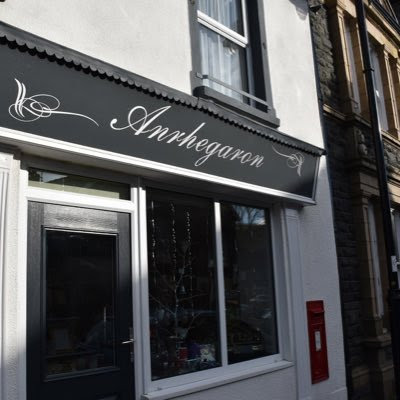
Discover authentic Welsh craftsmanship and unique gifts at Anrhegaron, a charming boutique in Tregaron’s historic market square.
Wool & Gifts Harlech
37.4 km
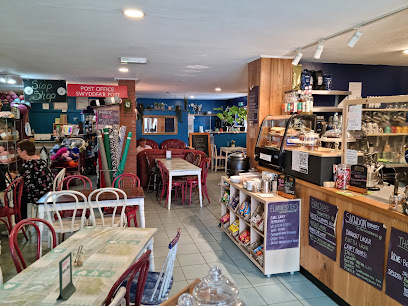
Discover authentic Welsh wool crafts and charming gifts in the heart of historic Harlech’s Castle Square.
Seasons & Reasons
37.4 km
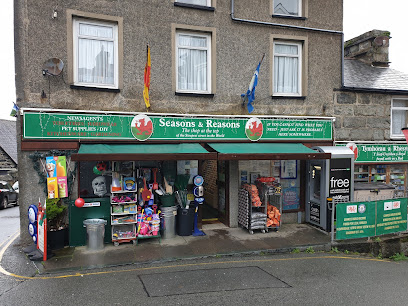
Discover the charm of Harlech at Seasons & Reasons, your ultimate DIY store for home improvement and creative projects.
Pwts
37.4 km
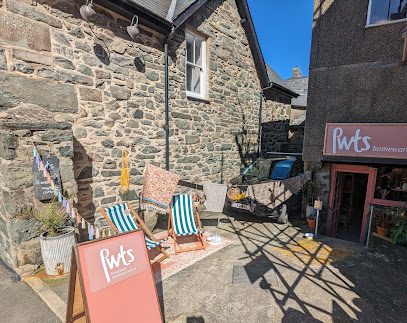
Discover unique Welsh gifts and homewares at Pwts, a charming independent shop near Harlech Castle offering artisan treasures and local craftsmanship.
Castle Gift Shop
37.4 km
Discover authentic Welsh gifts and souvenirs at this charming family-run shop opposite historic Harlech Castle.
Hill Walking Outdoor Wear Ltd
39.4 km
Expert outdoor outfitter near Elan Valley, stocking premium hiking brands with personalized Welsh weather guidance.
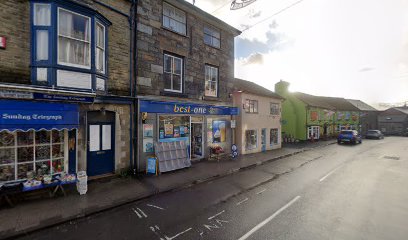
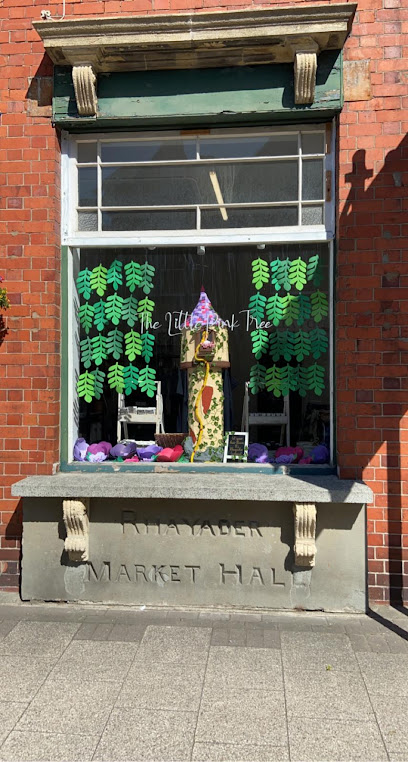
The Little Pink Tree
39.4 km
Discover unique treasures and handcrafted gifts at The Little Pink Tree, a charming gift shop in Rhayader, Wales.
Essential bars & hidden hideouts

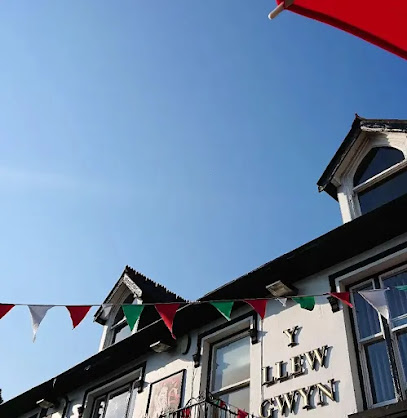
Y Llew Gwyn
6.7 km
A welcoming traditional Welsh pub overlooking Talybont’s village green, famed for its cozy atmosphere, quality ales, and hearty homemade food.
Cambrian Coast Bar & Grill
8.1 km
Fresh coastal flavors and warm hospitality meet at Cambrian Coast Bar & Grill, your gateway to seaside relaxation in Borth.
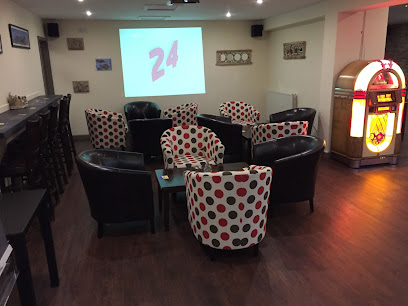
The Libertine
16.7 km
A captivating cocktail bar in Aberystwyth blending mystic charm with expert mixology and a relaxed, inviting atmosphere.
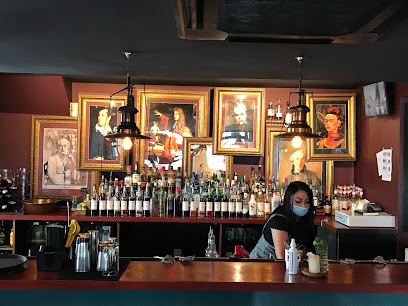
Yr Hen Lew Du
17.0 km
A charming and relaxed Welsh pub in Aberystwyth, serving hearty home-cooked meals with a warm, quirky atmosphere and bilingual menus.
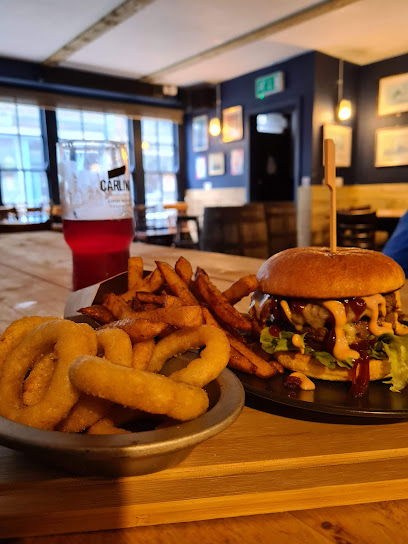
Hendre Hall Pub / Bar
17.5 km
Cozy Welsh pub in scenic Llwyngwril offering local ales, hearty meals, live music, and warm hospitality by the coast.
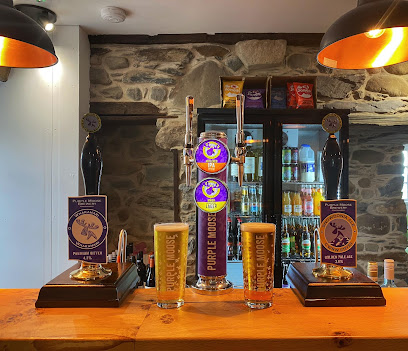
The Last Inn
21.5 km
A cosy, rustic pub in Barmouth serving excellent real ales, hearty local dishes, and warm Welsh hospitality daily from noon to late evening.
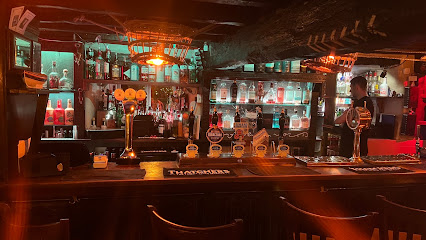
Yr Unicorn
23.0 km
Experience authentic Welsh hospitality, local ales, and lively music at Yr Unicorn, Dolgellau’s beloved traditional pub in the heart of town.
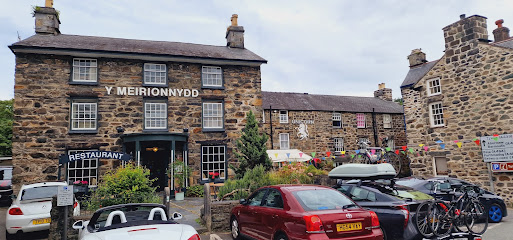
Y Llew Coch - The Red Lion
26.2 km
A historic Welsh inn in Dinas Mawddwy offering cozy fires, local ales, hearty meals, and charming B&B stays amid Snowdonia’s scenic beauty.
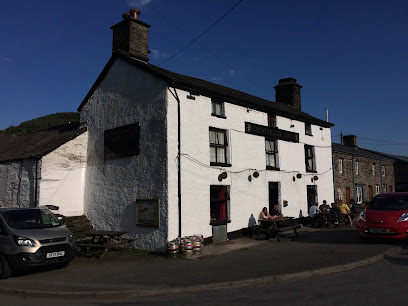
Tybrith
27.5 km
A cozy, rustic pub in Carno offering authentic Welsh hospitality and local ales in a warm, welcoming atmosphere.
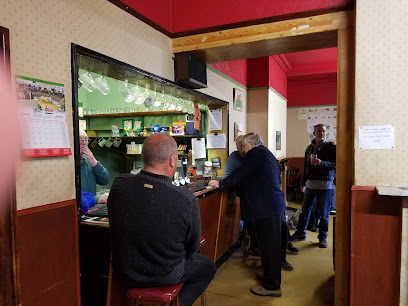
The Ysgethin Inn
28.2 km
A cozy Welsh pub offering authentic cuisine, local ales, and warm hospitality in the heart of Tal-y-bont.
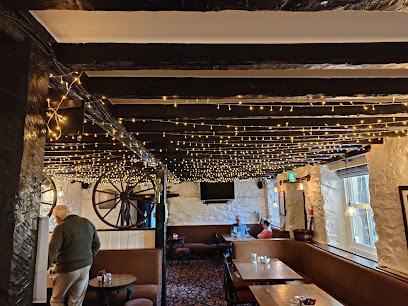
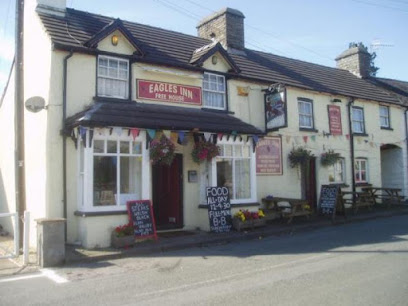
The Eagles Inn
39.2 km
A historic Welsh pub and inn in Rhayader offering hearty food, friendly service, and a scenic beer garden with mountain views.
Prince of Wales
39.3 km
A welcoming, dog-friendly pub in Aberaeron serving classic home-cooked dishes in a cozy, friendly atmosphere with a beer garden.
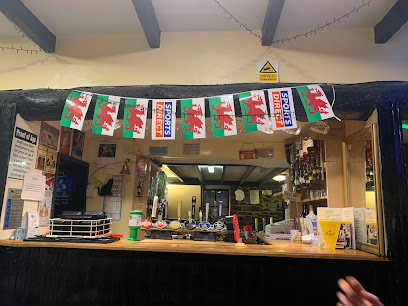
The Castle
39.4 km
A friendly, historic pub in Rhayader offering hearty meals, live sports, and a pioneering vegetarian menu in a lively, welcoming setting.
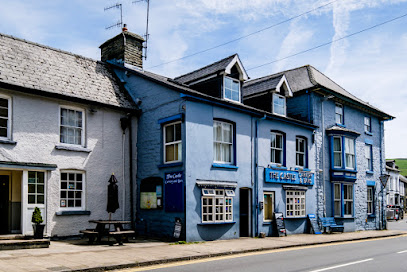
Cadwgan Inn
39.4 km
Experience authentic Welsh pub culture in a cozy, old-fashioned setting with a warm fire and friendly locals in Aberaeron’s Cadwgan Inn.
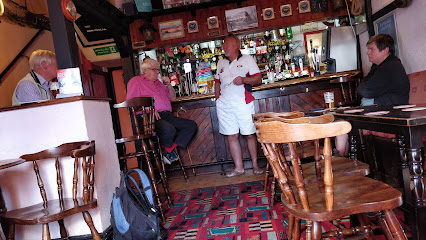
Gwernydd Arms
41.0 km
A welcoming traditional pub in New Mills, offering hearty meals, local ales, and a tranquil patio in the heart of Powys countryside.
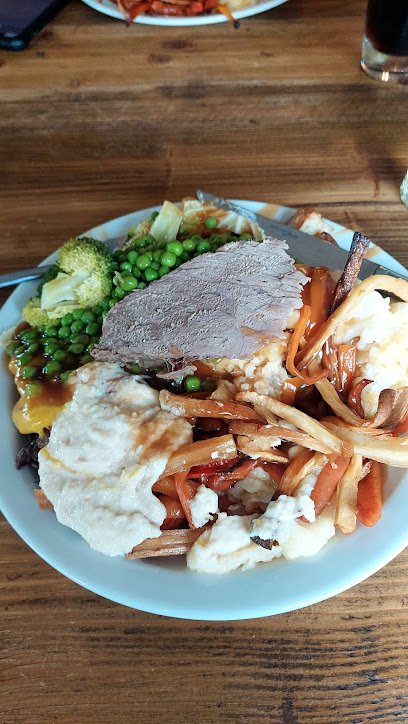
Nightclubs & after hour spots

Pier Pressure
16.9 km
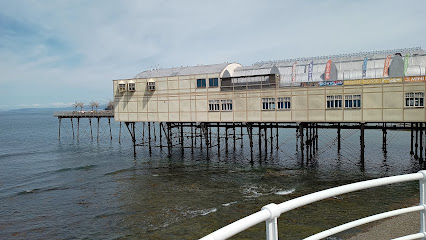
Experience Aberystwyth’s vibrant nightlife at Pier Pressure, a lively nightclub set on the historic Royal Pier by scenic Cardigan Bay.
Yokoswnb
17.0 km
A vibrant, budget-friendly nightclub and bar in Aberystwyth, popular with students for its lively atmosphere and central location.
The Club Barmouth
21.9 km
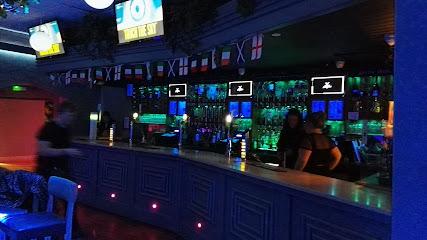
Experience vibrant Saturday nights at The Club Barmouth, where stylish vibes meet lively music by the scenic Welsh coast.
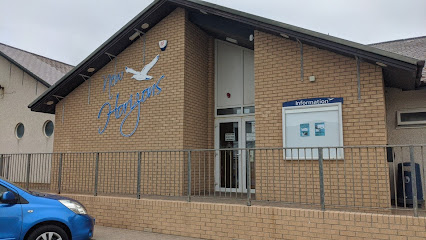
New Horizons
26.9 km
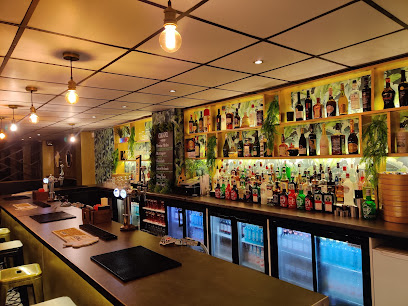
Experience vibrant nightlife and lively music at New Horizons, Dyffryn Ardudwy’s welcoming nightclub with spaces for all ages.
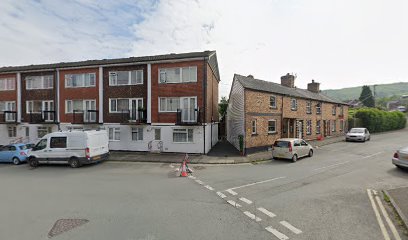
Basement Sessions
29.0 km
Dive into the lively nightlife of Llanidloes at Basement Sessions, where eclectic music and vibrant energy create memorable experiences.
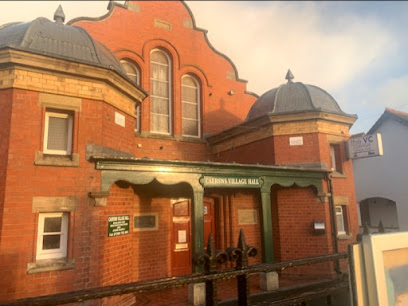
Caersws Village Club
34.7 km
A vibrant village club in Caersws offering lively events, warm community spirit, and a welcoming atmosphere in the heart of rural Wales.
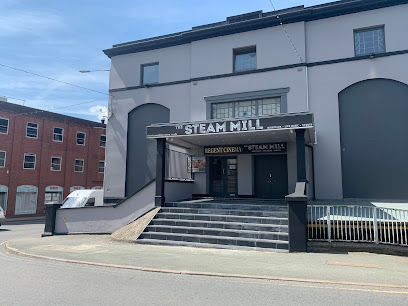
The Steam Mill
42.3 km
Discover The Steam Mill, Newtown's premier events venue, blending modern amenities with local culture for unforgettable experiences.
The Monty Club
42.3 km
A welcoming social and sports club in Newtown with ample space for pool, snooker, darts, and vibrant community events.
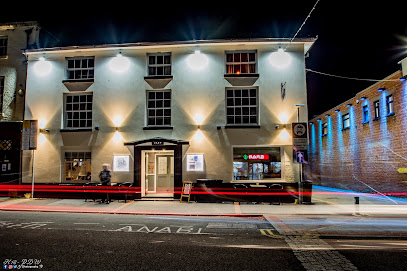
The Cove
48.6 km
Experience the vibrant nightlife at The Cove in Hafan Y Mor, North Wales, where music, dancing, and unforgettable memories await.

The Crown
53.7 km
Discover Montgomery's beloved pub, The Crown, where local brews and hearty meals create unforgettable moments in a cozy atmosphere.
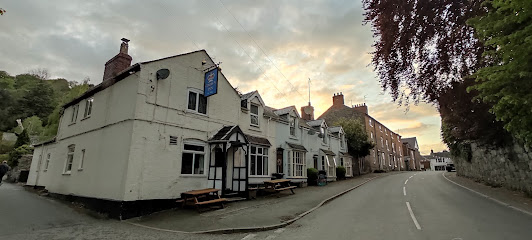
Jac’s Mansion
56.8 km
Experience welcoming, vibrant LGBTQ+ nightlife at Jac’s Mansion, Builth Wells’ iconic gay nightclub with a lively, inclusive atmosphere.
The Cliff Hotel & Spa
69.0 km
Discover unparalleled relaxation and coastal beauty at The Cliff Hotel & Spa, where luxury meets adventure in Cardigan, Wales.
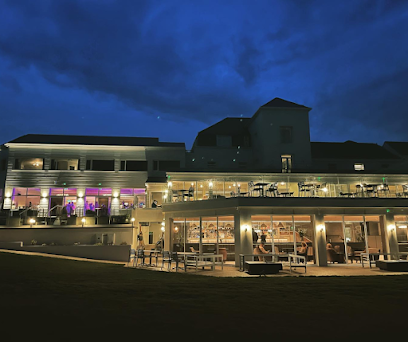
Bar 45
70.5 km
Discover the vibrant atmosphere of Bar 45 in Cardigan, where local ales, cocktails, and live music create unforgettable experiences.
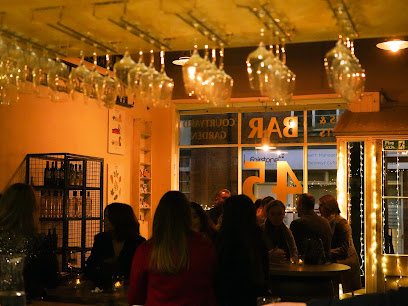
Bar Bach
70.6 km
Experience the heart of Caernarfon at Bar Bach, where local culture meets a cozy atmosphere and a delightful drink selection.
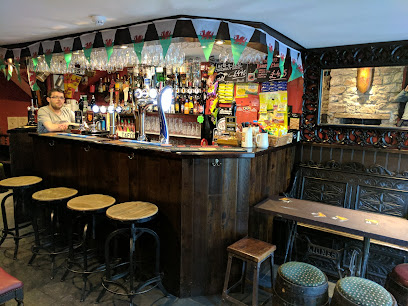
Palace Vaults
70.6 km
A lively historic pub opposite Caernarfon Castle offering cozy vibes, live music, hearty meals, and a welcoming atmosphere for locals and visitors alike.
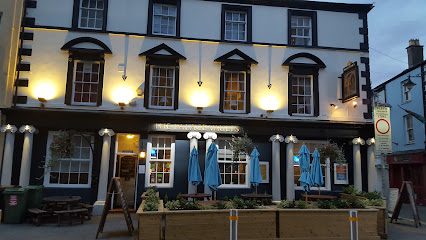
For the vibe & atmosphere seeker
- Tranquil
- Scenic
- Unique
- Relaxing
For the design and aesthetic lover
- Rustic Designs
- Vintage Styles
For the architecture buff
- Historic
- Industrial
- Heritage Neighborhoods
For the view chaser and sunset hunter
- Iconic Views
- Panoramas
For the social media creator & influencer
- Instagrammable
- Photo Spots
- Selfie Spots
For the eco-conscious traveler
- Protected Area
- Public-Transport Accessible
- Locally Managed
- Wildlife Habitat
For the kind of experience you’re after
- Cultural Heritage
- Nature Escape
- Day Trip
- Photowalk
For how adventurous you want the journey to be
- Easy Access
Location Audience
- Family Friendly
- Senior Friendly
- Child Friendly
- Solo Friendly
- Couple Friendly
- Vegetarian Friendly
- Vegan Friendly


