

Saint Govan's Chapel, Dyfed Travel Guide
Discover the mystical cliffside chapel where legend, history, and stunning Pembrokeshire coastlines converge.
Saint Govan's Chapel is a small 13th-century chapel built into the limestone cliffs of Pembrokeshire, Wales, near Bosherston. This remarkable site is steeped in legend, believed to be the hermitage of Saint Govan, a 6th-century Irish monk who hid from pirates in a cleft in the rock. Visitors descend 52 worn steps to reach the chapel, where the saint is said to be buried beneath the altar. The chapel overlooks the sea and is surrounded by rich folklore, including tales of a magical bell and a healing well nearby.
A brief summary to Saint Govan's Chapel
- Bosherston, St. Govan's Head, SA71 5DR, GB
- Click to display
- Duration: 0.5 to 2 hours
- Free
-
 Outdoor
- Mobile reception: 4 out of 5

Know before you go
Hi, I'm Eve. Here are a few practical things to know before exploring Saint Govan's Chapel.
- Wear sturdy footwear for the descent and ascent of the 52 limestone steps leading to the chapel.
- Visit during low tide to appreciate the surrounding coastal views and explore nearby rock formations safely.
- Respect the site’s occasional closures due to military training in the Castlemartin Range.
- Look closely inside the chapel for the rib-shaped rock crevice said to have sheltered Saint Govan.
- Bring a camera for stunning coastal panoramas but maintain silence to preserve the chapel’s tranquil atmosphere.
Do you manage this location?
Take control to get all the benefits, like improved information, better appearance, and stronger visibility across AI-powered discovery. Learn more about listing your business on Evendo
Activate your presenceOther nearby places you may find interesting
The closest places of the same kind, if this one is not quite what you had in mind.
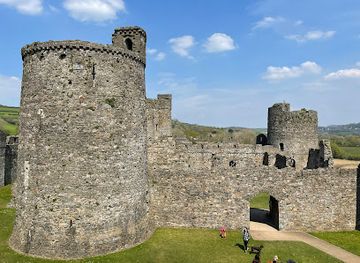
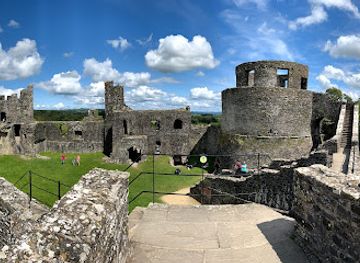
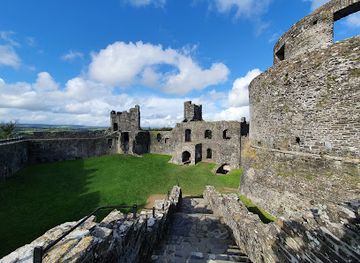
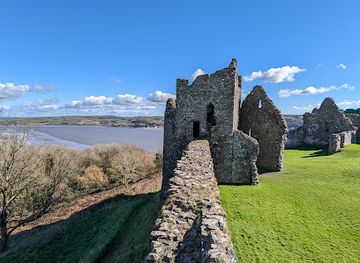
Explore Saint Govan's Chapel on the Map
A handpicked selection of must-see spots near Saint Govan's Chapel, mapped for you.
Getting There
-
Car
Driving from Pembroke Dock or Tenby takes approximately 25 to 35 minutes. Limited parking is available near St Govan's Head; expect a short walk over uneven paths to the chapel. No parking fees apply.
-
Bus
Local bus services connect Tenby and Pembroke Dock to Bosherston village, a 3 km walk from the chapel. Bus frequency is moderate, with 4 to 6 services daily. Walking routes involve some steep terrain.
-
Walking
For hiking enthusiasts, the Pembrokeshire Coast Path passes near St Govan's Head. Approaching the chapel involves descending 52 limestone steps and uneven ground. Recommended for those with good mobility; not wheelchair accessible.
For the on-the-go comforts that matter to you
-
 Restrooms
-
 Seating Areas
-
 Information Boards
Discover more about Saint Govan's Chapel
Origins Rooted in Mystery and Faith
Saint Govan's Chapel stands as a testament to centuries of spiritual devotion and local legend. Though the existing stone structure dates largely from the 13th century, the site’s sacred significance likely extends back to the 6th century, when Saint Govan, an Irish monk, is said to have taken refuge here. According to legend, pursued by pirates, he escaped by slipping into a fissure in the cliff that miraculously opened to shelter him. This cleft, still visible today, bears the imprint of his ribs, a physical reminder of the saint’s miraculous concealment. The chapel was later constructed enveloping this cleft, with the altar positioned above it, believed to be the saint’s final resting place.A Chapel Carved into the Cliffs
The chapel itself is a modest yet evocative structure, measuring approximately 20 by 12 feet, built from local limestone with a vaulted slate roof likely added in modern times. Its interior is simple, featuring low stone benches along the walls and a bare stone altar. A small bell-cote at the west end once housed a bell said to have been used by Saint Govan to warn of pirate attacks. The entrance is reached by descending a steep set of 52 limestone steps carved into the cliff face, worn smooth by centuries of pilgrims and visitors. Legend holds that the number of steps varies depending on whether you count going down or coming back up, adding to the chapel’s mystical allure.Legends of the Bell and Healing Waters
Among the chapel’s many legends is the story of Saint Govan’s bell, reputed to have a perfect tone used to warn locals of pirate raids. Pirates eventually stole the bell, but angels retrieved it and encased it in a large stone known as Bell Rock near the shore. It is said that when tapped, this stone resonates with a sound far stronger than the original bell. Nearby lies a holy well, once famed for its healing powers and a place where pilgrims made wishes. Though the well is now dry, the red clay soil around the chapel is still believed to possess curative properties, maintaining the site’s reputation as a place of spiritual and physical solace.A Site of Pilgrimage and Cultural Heritage
Saint Govan's Chapel has long been a pilgrimage destination, drawing visitors seeking healing and spiritual connection. Its remote and rugged location on the southernmost tip of Pembrokeshire, within the Castlemartin Military Training Area, adds to its sense of seclusion and reverence. The chapel is occasionally inaccessible due to military activity, underscoring its unique setting amid a living landscape. The surrounding area offers stunning coastal views and a palpable sense of history, where the natural environment and human faith intertwine.Preservation and Modern Significance
The chapel is a Grade I listed building, recognized for its architectural and historical importance. It underwent restoration in the 1980s to preserve its structure and heritage. Today, Saint Govan's Chapel continues to inspire visitors with its blend of natural beauty, ancient craftsmanship, and enduring legends. It also gained contemporary cultural recognition as a filming location for the BBC series "His Dark Materials," further cementing its place in popular imagination.Exploring the Surrounding Landscape
Beneath the chapel lies Ogof Gofan, an extensive cave system with cathedral-like chambers accessible only by abseiling, reflecting the deep geological and archaeological significance of the site. The cliffs and coastal paths around Saint Govan's Head provide adventurous hiking opportunities and spectacular panoramas, making the chapel not only a spiritual landmark but also a highlight for nature lovers and explorers.












Your all‑in‑one travel companion app
Explore expert travel guides, compare and book tours, experiences, hotels, and more—all from the palm of your hand. Download now for seamless trip planning wherever your wanderlust takes you.


Explore More of Dyfed
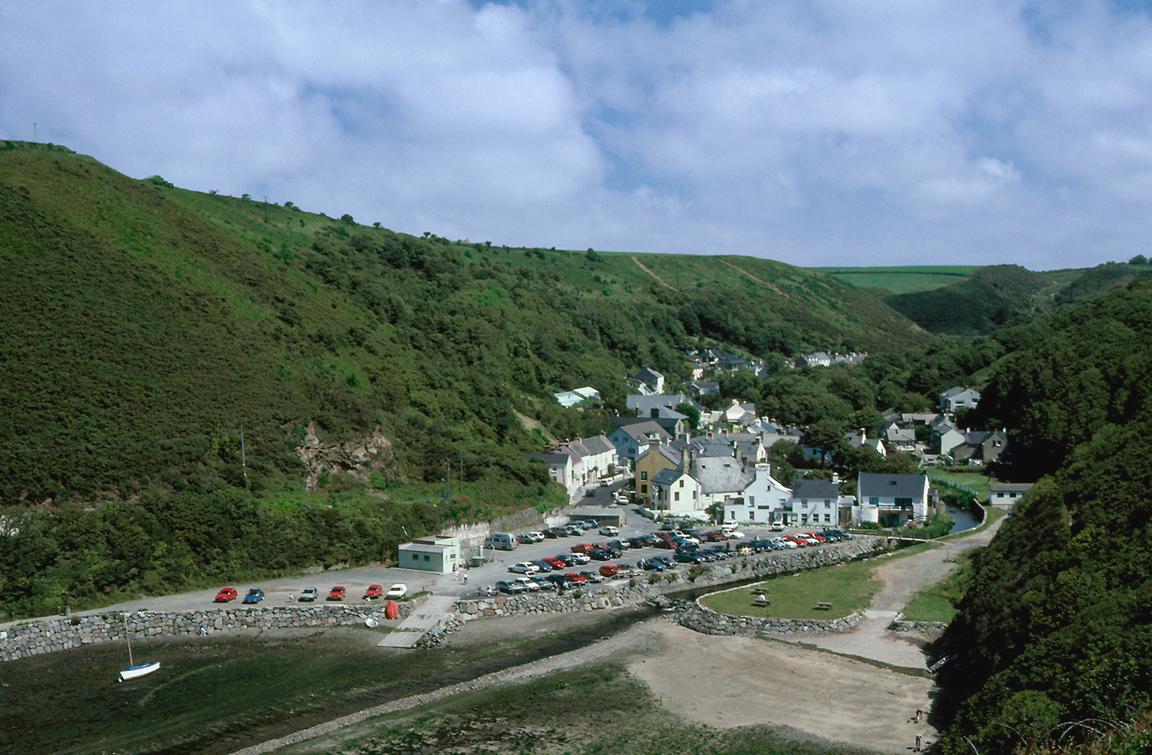
Looking beyond Saint Govan's Chapel? Discover Dyfed for broader travel guides, local hot-spots, and regional highlights.
Explore Dyfed
Britain’s only coastal national park, offering 186 miles of rugged cliffs, sandy beaches, wildlife, and outdoor adventures in stunning West Wales.
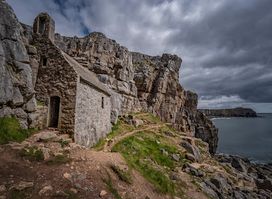
A mystical 13th-century cliffside chapel steeped in legend, offering stunning coastal views and a journey into Wales’ spiritual past.
