
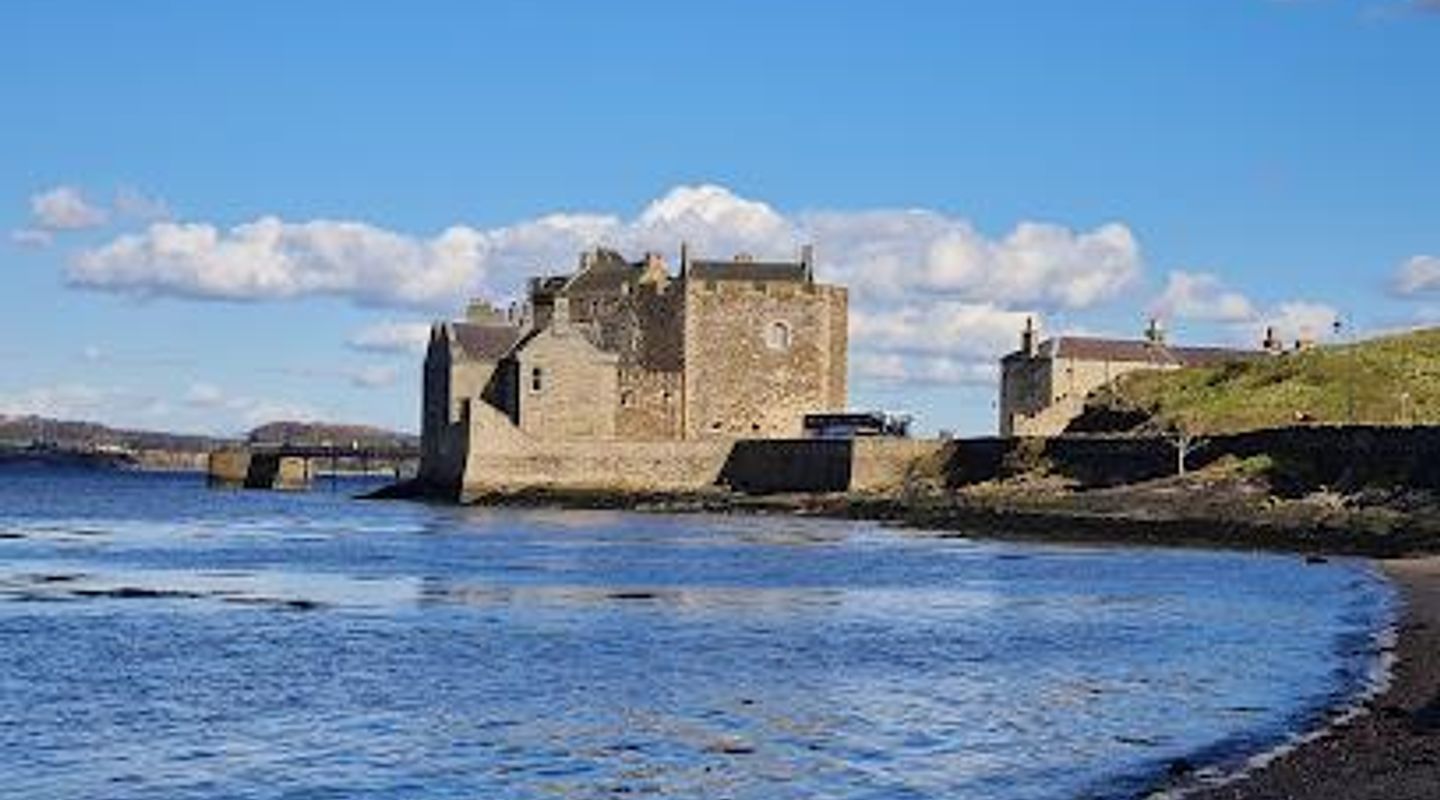
Blackness Castle, Edinburgh Travel Guide
Explore Blackness Castle, the iconic 15th-century ‘ship that never sailed’ fortress with stunning Firth of Forth views and rich Scottish history.
Blackness Castle, perched on the southern shore of the Firth of Forth near Linlithgow, is a striking 15th-century fortress known as 'the ship that never sailed' for its unique ship-like silhouette. Originally built by Sir George Crichton in the 1440s, it evolved into a formidable artillery fortress under King James V. With panoramic views, rich history as a royal garrison and prison, and its fame as an Outlander filming location, it offers a captivating glimpse into Scotland’s turbulent past.
A brief summary to Blackness Castle
- Linlithgow, Blackness, EH49 7NH, GB
- Click to display
- Click to display
- Duration: 1 to 2 hours
- Mid ranged
-
 Outdoor
- Mobile reception: 4 out of 5
- Monday 10 am-4 pm
- Tuesday 10 am-4 pm
- Wednesday 10 am-4 pm
- Thursday 10 am-4 pm
- Friday 10 am-4 pm
- Saturday 10 am-4 pm
- Sunday 10 am-4 pm

Know before you go
Hi, I'm Eve. Here are a few practical things to know before exploring Blackness Castle.
- Wear sturdy, comfortable shoes as the castle’s paths and stairs are uneven and can be slippery when wet.
- Bring layers and waterproof clothing to prepare for the exposed sea breeze and variable Scottish weather.
- Visit early in the day or during spring and autumn mornings for fewer crowds and softer light for photography.
- Take time to climb the towers and curtain walls for panoramic views of the Firth of Forth and its iconic bridges.
- Fans of the TV series Outlander should explore the castle’s courtyard and interiors that featured as Fort William.
Do you manage this location?
Take control to get all the benefits, like improved information, better appearance, and stronger visibility across AI-powered discovery. Learn more about listing your business on Evendo
Activate your presenceOther nearby places you may find interesting
The closest places of the same kind, if this one is not quite what you had in mind.
Explore Blackness Castle on the Map
A handpicked selection of must-see spots near Blackness Castle, mapped for you.
Unlock the Best of Blackness Castle
Buy tickets
-
No tickets available
Book tours with entry


Getting There
-
Train and Bus Combination
Travelers can take a train from Edinburgh Waverley to Linlithgow station, approximately a 20-25 minute journey. From Linlithgow, local bus services or a taxi can reach Blackness village in about 15-20 minutes. This option offers a scenic route but requires coordination with bus schedules. Train fares typically range from £5 to £10 one-way.
-
Car Travel
Driving from Edinburgh to Blackness Castle takes about 30-40 minutes via the M9 and A904. Parking is available near the castle but can be limited during peak times. There is no parking fee. This option offers flexibility but be prepared for narrow village roads and limited parking spaces.
-
Guided Tour Bus
Several guided tour operators from Edinburgh include Blackness Castle in their itineraries. These tours typically last 6-8 hours and include transportation, entrance fees, and a guide. Prices range from £40 to £70 per person, depending on the provider and inclusions.
For the on-the-go comforts that matter to you
-
 Restrooms
-
 Seating Areas
-
 Picnic Areas
-
 Information Boards
-
 Visitor Center
Discover more about Blackness Castle
A Storied Fortress on Scotland’s Firth of Forth
Blackness Castle stands dramatically on a rocky promontory jutting into the Firth of Forth, near the village of Blackness and the royal burgh of Linlithgow. Constructed in the 1440s by Sir George Crichton, a powerful Scottish noble and admiral, the castle was originally a lordly residence and the main port serving Linlithgow, one of the Scottish monarch’s principal residences. The Crichton family’s influence waned when King James II took possession in 1453, after which the castle became crown property and a royal fortress.Architectural Evolution and Military Significance
Between 1537 and 1543, under King James V and the expert guidance of Sir James Hamilton of Finnart, Blackness Castle was transformed into one of Scotland’s most advanced artillery fortifications. Its design features a massive 'ship-like' form, with thick walls, gunholes, a labyrinthine entrance including a caponier, and defensive elements like murder holes, all intended to repel attackers. Despite these formidable defenses, the castle was besieged and captured by Oliver Cromwell’s forces in 1650 during the Wars of the Three Kingdoms, suffering heavy bombardment.Roles Through the Centuries
Beyond its military function, Blackness Castle served as a state prison for notable captives such as Cardinal Beaton and the 6th Earl of Angus. In the late 17th century, it housed Covenanters—religious dissenters opposing royal interference. Various modifications were made, including the addition of a bakehouse and new stair towers. The castle’s strategic importance declined over time, but it remained a symbol of Scotland’s turbulent history.Visitor Experience and Cultural Significance
Today, Blackness Castle is managed by Historic Environment Scotland and is open to visitors who can explore its well-preserved towers, ramparts, and central courtyard. The castle’s unique position offers sweeping panoramic views of the Firth of Forth, including the iconic rail and road bridges. It is also famed as the filming location for the TV series Outlander, where it stood in as Fort William, adding a layer of popular culture appeal.Access and Facilities
The castle grounds include a visitor centre with informative exhibits about its history and significance. While the terrain is uneven with cobbles and rock surfaces, making some areas challenging for mobility-impaired visitors, there are picnic areas and benches on the lawn. Food and drink are not available on site, so visitors are encouraged to bring their own refreshments.Legacy and Atmosphere
Blackness Castle retains a raw and authentic atmosphere, evoking the life of a medieval fortress and prison. Its nickname, 'the ship that never sailed,' reflects its distinctive silhouette and maritime setting. Walking its walls and staircases, visitors can sense the echoes of Scotland’s past conflicts, royal intrigues, and the lives of those who guarded and were imprisoned within its stone walls.












Your all‑in‑one travel companion app
Explore expert travel guides, compare and book tours, experiences, hotels, and more—all from the palm of your hand. Download now for seamless trip planning wherever your wanderlust takes you.


Explore More of Edinburgh
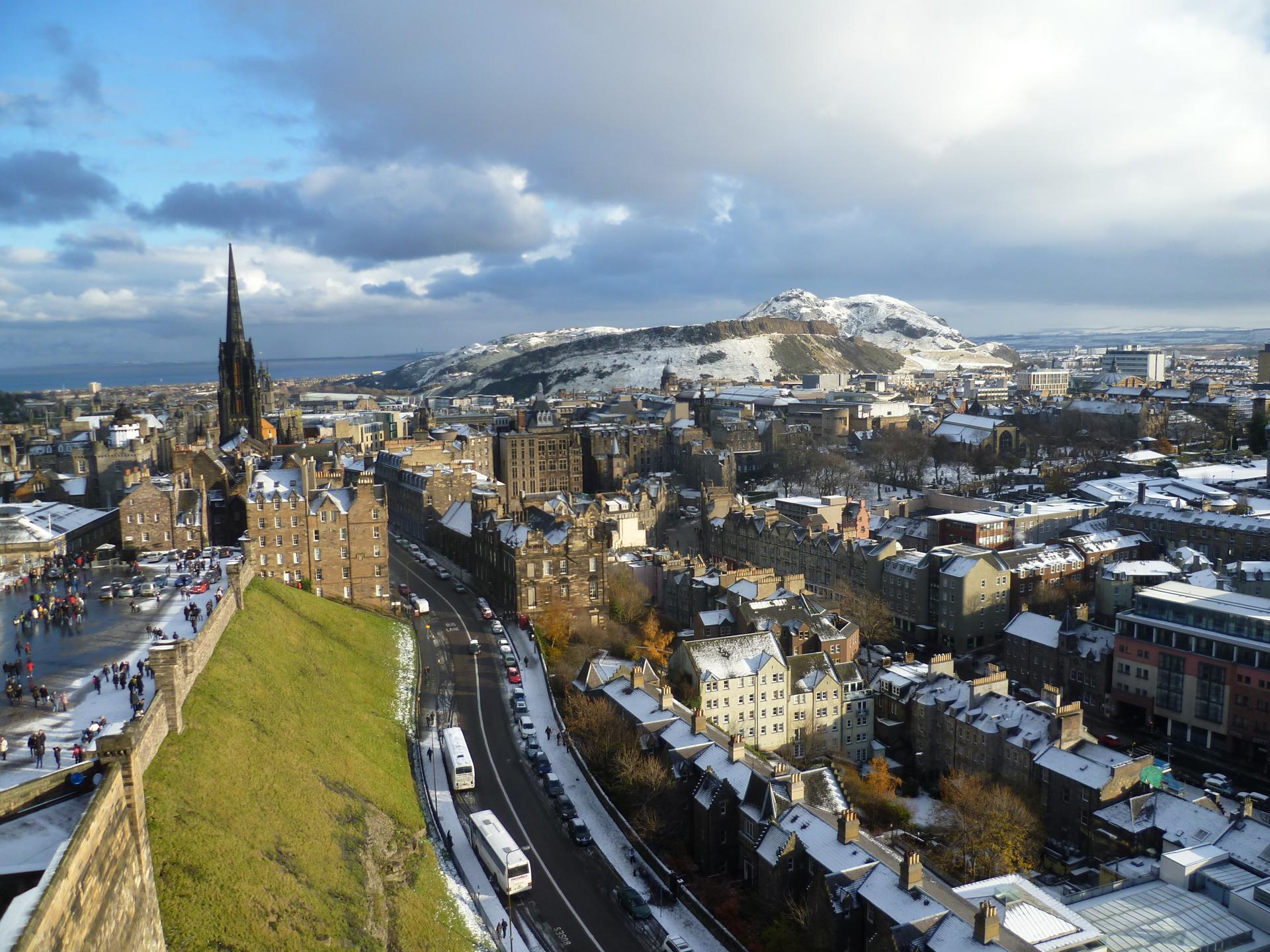
Looking beyond Blackness Castle? Discover Edinburgh for broader travel guides, local hot-spots, and regional highlights.
Explore Edinburgh
Discover the world’s smallest working lighthouse and Scotland’s tiniest museum with stunning views of the iconic Forth Bridges.
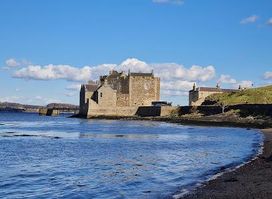
Explore the formidable 15th-century Blackness Castle, the iconic 'ship that never sailed,' with breathtaking views over the Firth of Forth and rich Scottish history.
