

St Michael's Parish Church, Linlithgow: A Medieval Scottish Landmark
Discover centuries of Scottish history and royal heritage at St Michael's Parish Church, a stunning medieval landmark beside Linlithgow Palace.
St Michael's Parish Church in Linlithgow, consecrated in 1242, is a magnificent medieval church renowned for its royal connections, stunning architecture, and rich history. Situated beside Linlithgow Palace, it features a striking crown steeple symbolizing Christ’s kingship and has witnessed pivotal moments in Scottish history, including the baptism of Mary Queen of Scots.
A brief summary to St Michael's Parish Church
- Kirkgate, Linlithgow, EH49 7AL, GB
- +441506842188
- Visit website
- Duration: 0.5 to 2 hours
- Free
-
 Outdoor
- Mobile reception: 4 out of 5
- Monday 10:30 am-1 pm
- Tuesday 10:30 am-1 pm
- Wednesday 10:30 am-1 pm
- Thursday 10:30 am-1 pm
- Friday 10:30 am-1 pm
- Saturday 10:30 am-1 pm
Local tips
- Visit during opening hours from May to September for extended access between 10am and 4pm.
- Look for the iconic aluminium crown steeple, restored in 2024 with its bright golden bronze alloy finish.
- Explore the stained glass window commemorating the church’s 750th anniversary, a highlight of its artistic heritage.
- Take time to appreciate the church’s connection to Mary Queen of Scots, baptized here shortly after her birth.

For the on-the-go comforts that matter to you
- Restrooms
- Seating Areas
- Information Boards
Getting There
-
Train and Walk
Take a train to Linlithgow Station from Edinburgh or Glasgow, with journeys lasting approximately 20-30 minutes. From the station, enjoy a 15-minute walk along town streets to reach the church. The route is accessible and well-signposted, with no entry fees.
-
Bus Service
Local buses run regularly to Linlithgow town center from nearby towns, with travel times ranging from 30 to 60 minutes depending on origin. The church is a short walk from central bus stops. Check local schedules for frequency; fares typically range from £2 to £5.
-
Car Travel
Driving to St Michael’s Parish Church is straightforward via the A803 or M9 motorways. Parking is available in nearby public car parks within a 5-10 minute walk. Parking fees vary, generally around £1-£3 per hour. Note that the church itself has limited parking.
St Michael's Parish Church location weather suitability
-
 Any Weather
-
 Rain / Wet Weather
-
 Clear Skies
-
 Mild Temperatures
Discover more about St Michael's Parish Church
Medieval Origins and Royal Connections
St Michael's Parish Church stands on a site with a Christian presence dating back to at least the 12th century, with the first documented mention in 1138 when King David I gifted it to St Andrews Cathedral. The church was officially consecrated on 22 May 1242 by Bishop David de Bernham. Over centuries, it has been closely linked to Scottish royalty, most notably Mary Queen of Scots, who was born at nearby Linlithgow Palace in 1542 and baptized within the church. The church's history is intertwined with the royal House of Stewart, reflecting its importance as a spiritual and cultural landmark in Scotland.Architectural Evolution and Restoration
Most of the current structure dates from the 15th century, with significant restorations in the 19th and 20th centuries. The church originally featured a magnificent stone crown atop its tower, symbolizing its royal patronage, which was removed in 1821 due to structural concerns. In 1964, a modern anodised aluminium crown was installed, known as the “Crown of Thorns,” representing the church’s enduring witness to Christ’s kingship. The spire underwent restoration in 2024, restoring its bright golden appearance with a new bronze alloy cladding, making it visible for miles around. Inside, the church contains a blend of medieval and modern features, including a notable oak roof bearing the arms of George Crichton and a stained glass window commemorating the church’s 750th anniversary.Historical Turmoil and Religious Significance
The church has endured periods of conflict and transformation, including use as a garrison storehouse by Edward I’s troops in 1301 and suffering damage during English attacks and Scottish civil unrest. The Protestant Reformation brought dramatic changes in 1559, with the destruction of many religious sculptures and stained glass windows. Oliver Cromwell’s troops stabled horses in the nave in 1646, further impacting the church’s fabric. Despite these challenges, St Michael’s has remained a vital place of worship and community gathering, adapting through centuries of religious and political change.Artistic and Cultural Highlights
St Michael’s features artistic elements such as the statue of St Michael at the southwest corner of the nave, which survived Reformation iconoclasm, and a carving of Queen Elizabeth II added to the Queen’s Pulpit in 2003. The church organ, originally installed in 1877, was enlarged in 1977 and includes parts from Queen Ethelburga’s College. The 750th anniversary window by Crear McCartney adds vibrant color and commemorates the church’s long-standing heritage. The crown steeple itself is an iconic visual symbol, blending historical reverence with modern craftsmanship.Visitor Experience and Atmosphere
Visitors to St Michael’s Parish Church experience a serene and historic atmosphere enriched by its architectural grandeur and royal heritage. The church’s location beside Linlithgow Palace enhances its scenic and cultural appeal. Its interior offers a contemplative space with a mix of medieval stonework, intricate wood carvings, and stained glass art. The church is open year-round, with seasonal visiting hours, allowing exploration of its history and beauty in a tranquil setting.Community Role and Continuing Legacy
Beyond its historical and architectural significance, St Michael’s remains an active parish church serving the local community. It hosts regular services and special events, continuing a tradition of worship that spans centuries. The modern additions and restorations reflect a commitment to preserving the church’s legacy while adapting to contemporary needs. St Michael’s stands as a testament to Scotland’s rich ecclesiastical history and enduring cultural identity.Iconic landmarks you can’t miss

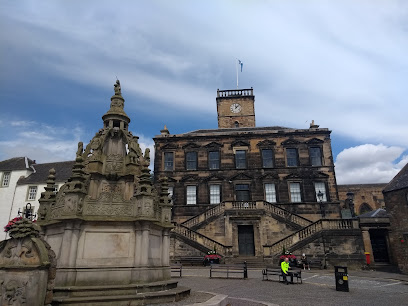
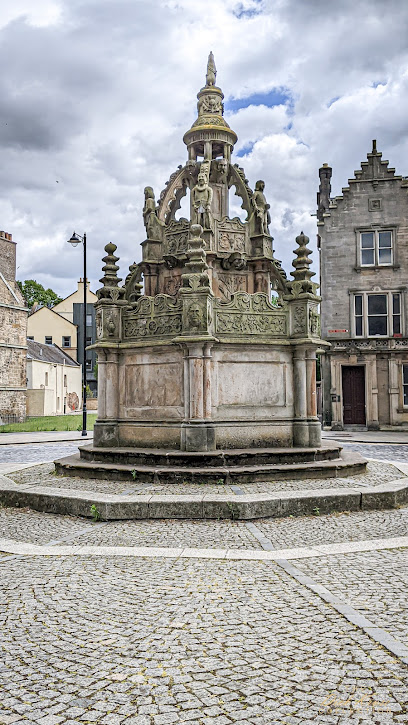
The Cross Well
0.1 km
Discover Linlithgow’s iconic crown-shaped Cross Well, a historic monument and vibrant town centre gathering spot steeped in royal heritage.
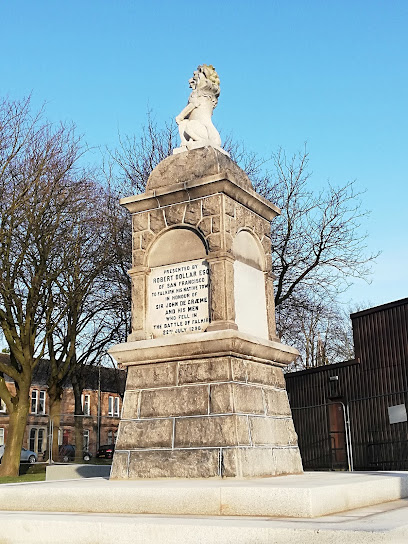
Sir John de Graeme Memorial Fountain
11.2 km
A tranquil memorial fountain in Falkirk honoring Sir John de Graeme, a valiant knight who fell at the Battle of Falkirk in 1298.
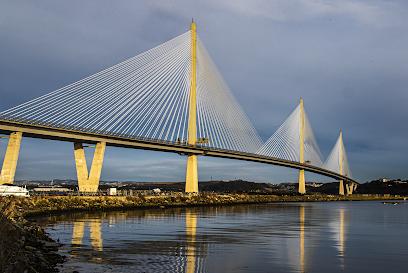
The Queensferry Crossing
11.9 km
Discover the world’s longest three-tower cable-stayed bridge, a modern marvel spanning Scotland’s iconic Firth of Forth.
Forth Rd Bridge
12.5 km
A monumental suspension bridge connecting Edinburgh and Fife, offering stunning views and a rich history spanning over six centuries.
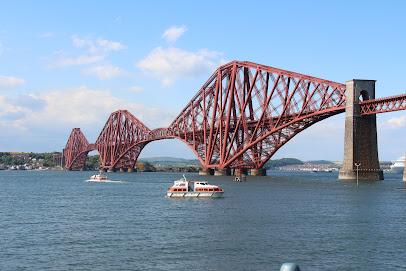
Forth Bridge
13.4 km
A towering red steel cantilever marvel, the Forth Bridge is Scotland’s iconic railway landmark and a UNESCO World Heritage Site.
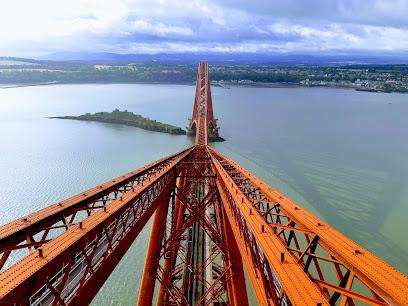
Hawes Pier, Queensferry
13.5 km
Historic ferry pier where centuries of Scottish maritime heritage meet modern tourism beneath the iconic Forth Rail Bridge.
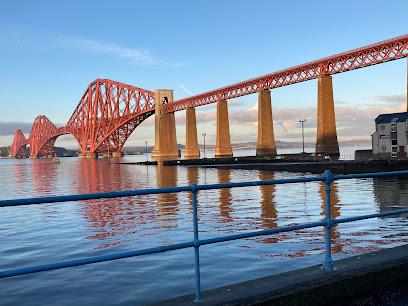
Maid of the Forth
13.5 km
Explore the breathtaking Firth of Forth with Maid of the Forth's scenic boat tours, perfect for families, couples, and nature lovers.
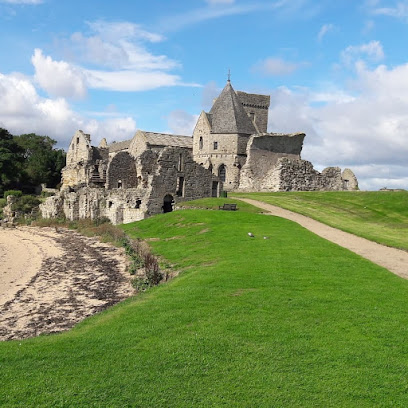
Linhouse Glen
14.5 km
Discover the serene landscapes of Linhouse Glen, a stunning nature reserve in Livingston perfect for hiking, birdwatching, and family outings.
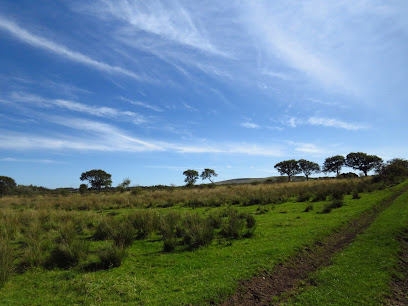
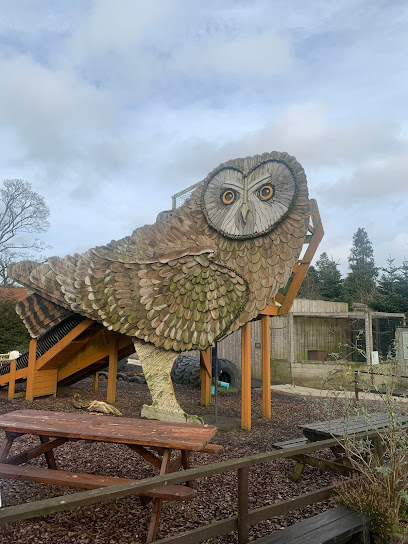
Scottish Owl Centre
14.6 km
Explore the Scottish Owl Centre in Polkemmet Country Park, where you can encounter diverse owl species and learn about wildlife conservation in a serene natural setting.
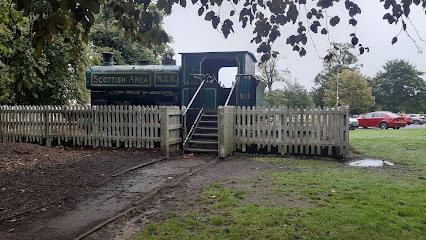
Polkemmet Country Park
14.6 km
Discover the tranquil beauty and recreational offerings of Polkemmet Country Park, a perfect escape for nature lovers in West Lothian.
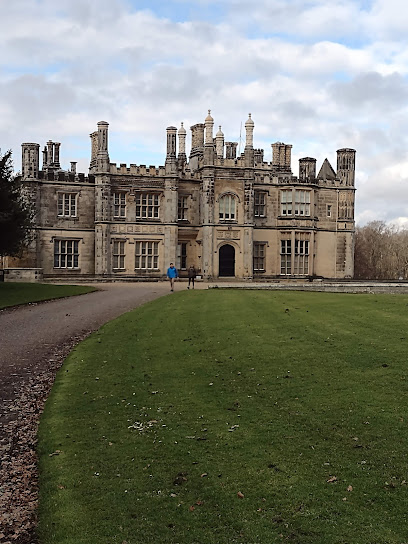
Dalmeny House
16.6 km
Experience the enchanting blend of history and nature at Dalmeny House, a stunning Scottish estate near Edinburgh with breathtaking views.
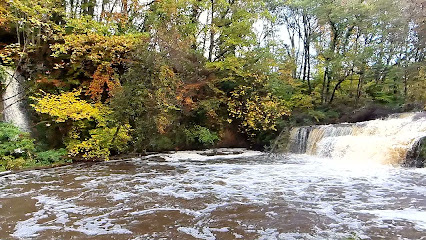
Linn Mill
17.4 km
Explore the serene hiking trails of Linn Mill in Alloa, a perfect escape for nature lovers and outdoor enthusiasts seeking tranquility in the woods.
Clackmannan Tower
17.5 km
Explore Clackmannan Tower, Scotland's historic castle offering breathtaking views and a deep dive into medieval heritage.
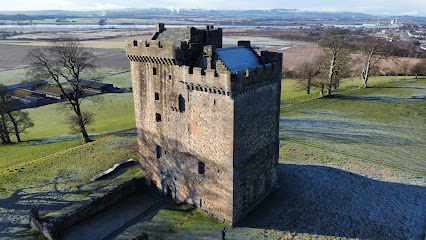
Torwood Castle
18.0 km
Explore the historic Torwood Castle in Larbert, Scotland, where medieval architecture meets stunning natural landscapes.
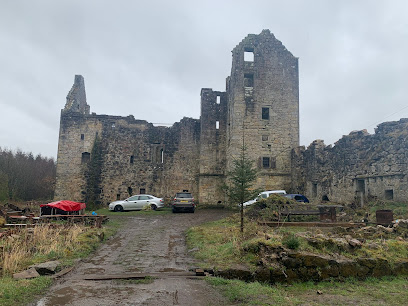
Eagle Rock
18.2 km
Explore Eagle Rock in Edinburgh: A breathtaking historical landmark with stunning views and rich Scottish heritage.
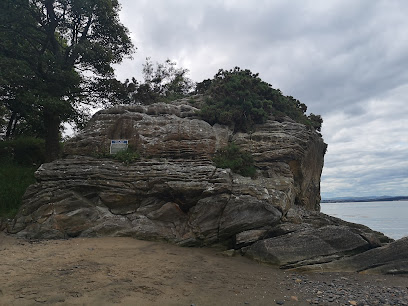
Unmissable attractions to see

Linlithgow Palace
0.1 km
Explore Linlithgow Palace, the historic birthplace of Mary, Queen of Scots, and immerse yourself in Scotland's regal past amidst stunning architecture and serene landscapes.
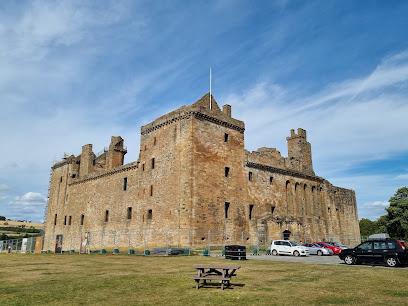
Linlithgow Museum
0.2 km
Explore Linlithgow’s royal heritage and vibrant local history in this accessible, free-entry museum at the heart of the town.
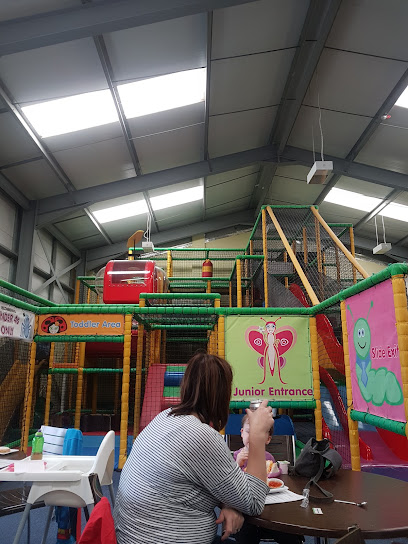
Play Bugs
1.7 km
A vibrant indoor playground in Linlithgow offering multi-level soft play fun for children with a relaxing café for parents.
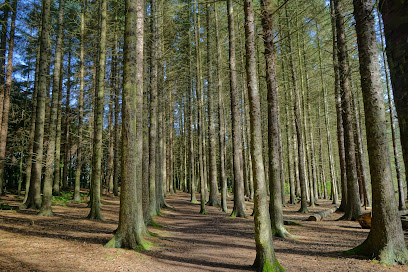
Beecraigs Country Park
2.5 km
Explore 370 hectares of woodland, wildlife, and adventure in West Lothian’s largest country park near historic Linlithgow.
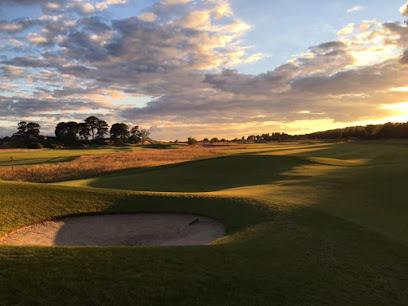
Kingsfield Golf & Leisure
3.0 km
A well-maintained 9-hole golf course with expert coaching, a welcoming café, and excellent facilities in scenic Linlithgow.
Kinneil Estate
3.8 km
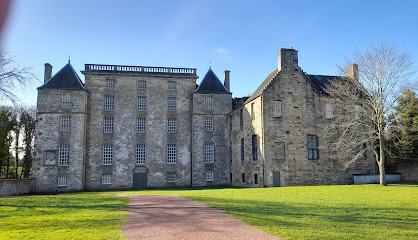
Explore Kinneil Estate’s rich tapestry of Roman ruins, Renaissance grandeur, and steam engine innovation in historic Bo'ness.
Avon Aqueduct
3.8 km
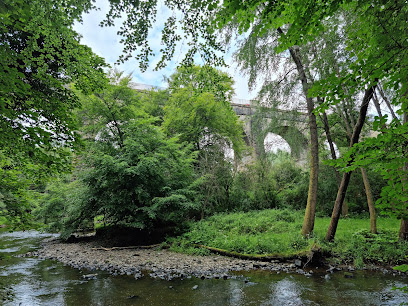
Scotland’s longest aqueduct spanning the River Avon, blending historic engineering with stunning natural views and tranquil canal walks.
Muiravonside Country Park
4.0 km
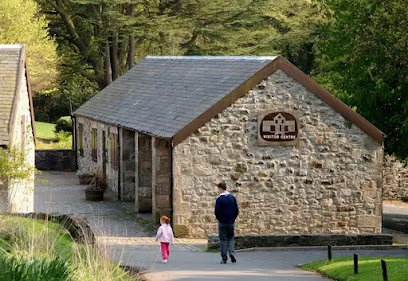
Explore 170 acres of woodland, farm animals, play trails, and art in Falkirk’s scenic Muiravonside Country Park.
Bo'ness Motor Museum
4.5 km
Discover classic cars, iconic movie vehicles, and family-friendly fun at Bo'ness Motor Museum, open weekends in scenic Bo'ness, Scotland.
The Scottish Korean War Memorial
4.7 km
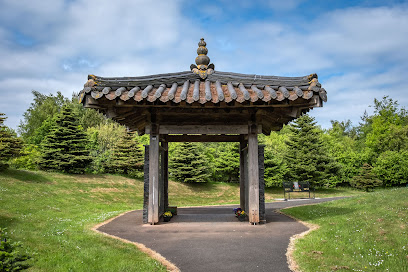
A serene Scottish tribute blending native trees and Korean symbolism to honor the fallen of the Korean War.
House of the Binns
5.0 km
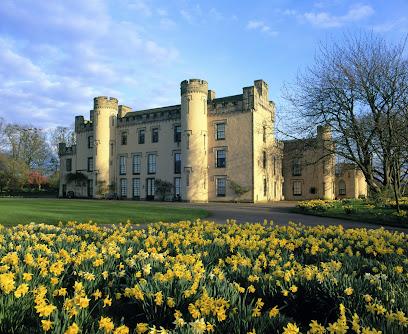
Explore a historic 17th-century Scottish laird’s house with stunning parkland, peacocks, and panoramic views over the River Forth.
Binny Craig
5.6 km
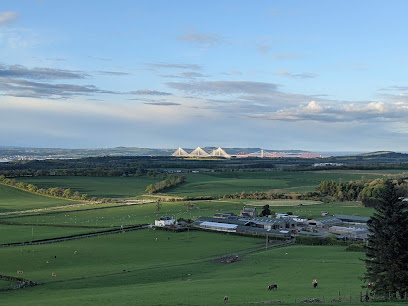
A striking geological landmark offering panoramic views over West Lothian and Edinburgh’s iconic skyline.
Torphichen Preceptory Historic Scotland
5.8 km
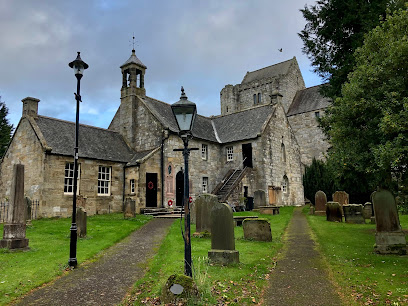
Explore the evocative medieval headquarters of Scotland’s Knights Hospitaller, rich in history, architecture, and legend.
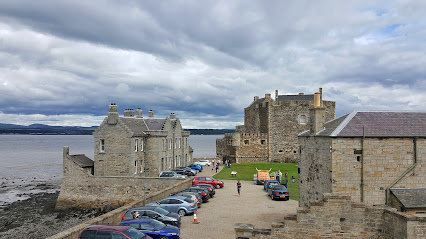
Blackness Castle
6.1 km
Explore Blackness Castle, the 'ship that never sailed,' a 15th-century fortress with rich history and stunning views over the Firth of Forth.
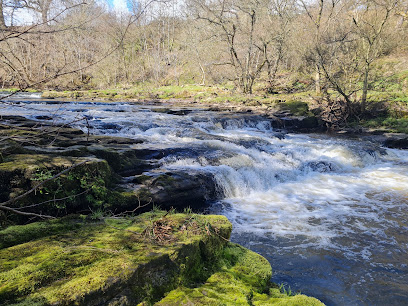
Avon Falls
6.5 km
Discover the tranquil beauty of Avon Falls and its historic aqueduct amidst Falkirk’s scenic woodland and country park.
Essential places to dine

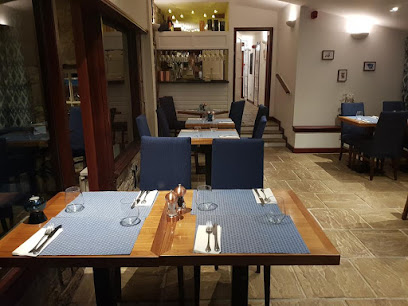
Mason Belles Kitchen
0.2 km
A boutique family-run restaurant in Linlithgow, serving relaxed contemporary Scottish food with a creative twist in a charming hidden setting.
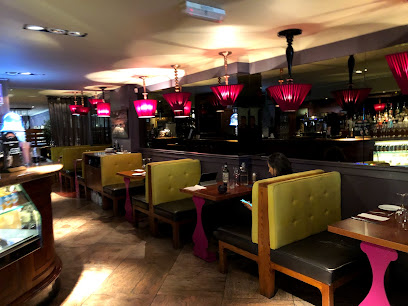
Bar Leo
0.2 km
Contemporary Italian dining on Linlithgow's High Street, blending classical recipes with modern flair.
Champany Inn
3.0 km
Charming historic inn near Linlithgow, famed for exceptional steaks, boutique rooms, and warm Scottish hospitality.
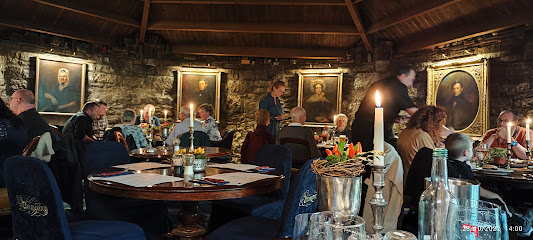
Chenzo's Restaurant
7.9 km
Experience authentic Italian cuisine with warm hospitality in the heart of Uphall at Chenzo's Restaurant.
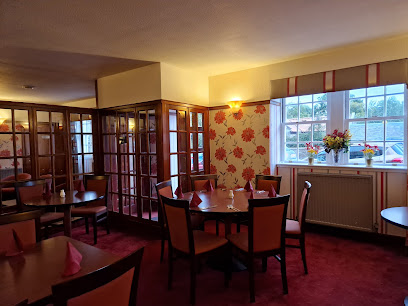
The Oatridge Hotel & Restaurant
8.0 km
Charming 19th-century coach house with cozy rooms, lively bar, and hearty dining near Edinburgh Airport in the heart of Uphall.

Volunteer Arms Lounge Bistro
8.1 km
Honest home cooking, genuine hospitality, and fair prices in a welcoming Uphall bistro.
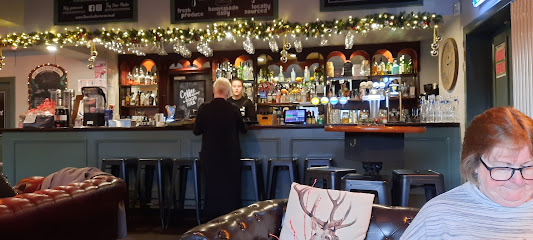
Deer Park Beefeater
8.4 km
Classic British grill dining with hearty steaks and a welcoming atmosphere beside Livingston’s M8 junction.
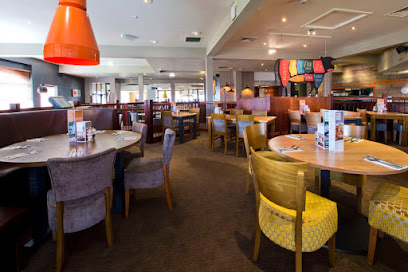
Hopetoun Bar & Bistro
8.7 km
Family-run award-winning bistro in Bathgate serving hearty Scottish classics in a lively, welcoming atmosphere with attentive service.
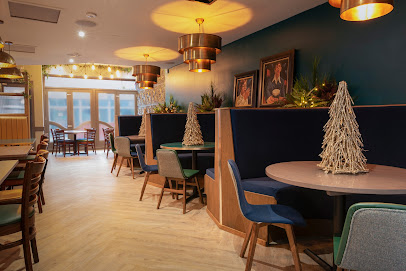
Sabannga Thai Restaurant
9.1 km
Authentic Northern Thai flavours in a peaceful Uphall Station setting, with family recipes and inclusive dining options.
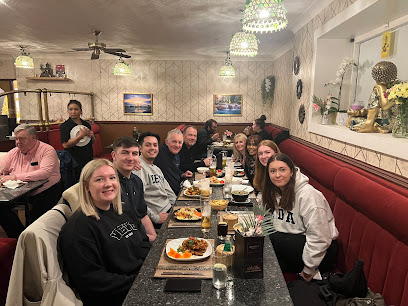
Saltire
9.1 km
A lively Livingston pub with flame-grilled food, live sports, and a relaxed beer garden – perfect for casual meals and drinks with friends.
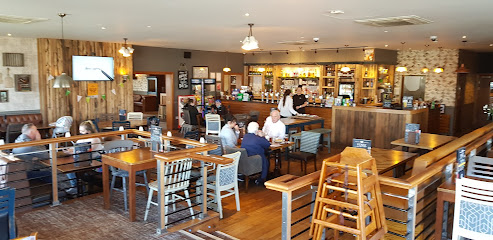
Toby Carvery Bathgate Farm
9.2 km
Traditional British carvery in Bathgate serving hearty roasts, breakfasts, and family-friendly meals in a welcoming setting.
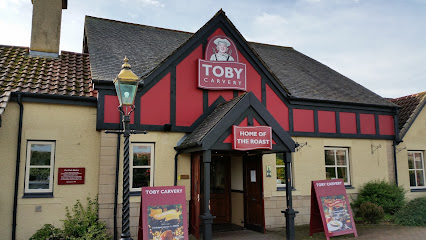
Premier Inn Livingston (Bathgate) hotel
9.2 km
Modern comfort and friendly service at Premier Inn Livingston (Bathgate), your convenient gateway to West Lothian and Scotland’s vibrant cities.
Aroma Restaurant & Bar
9.5 km
Authentic Indian cuisine crafted with premium ingredients in casual Broxburn setting
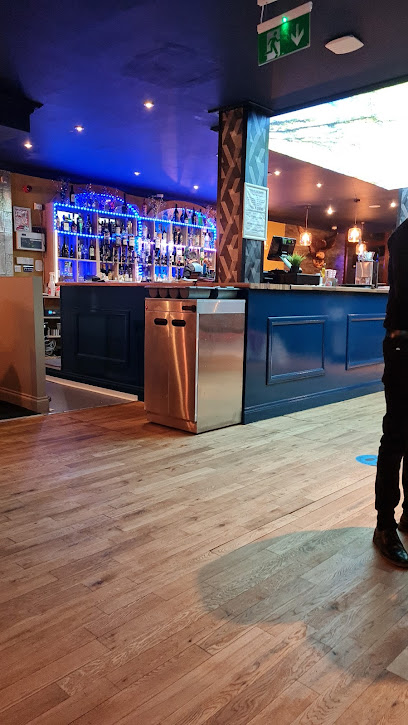
BAYLEAF (Indian) Restaurant Livingston
10.3 km
Authentic Indian flavours, elegant dining, and warm hospitality in Livingston – a top choice for curry lovers and families alike.
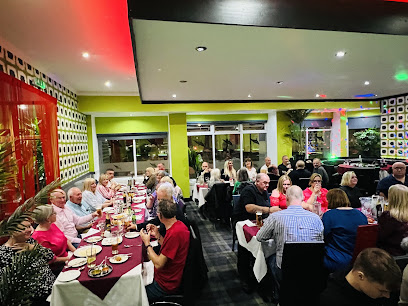
The Livingston Inn
11.0 km
Historic Scottish coaching inn in Livingston Village offering traditional pub fare, cozy rooms, and a welcoming atmosphere steeped in heritage.
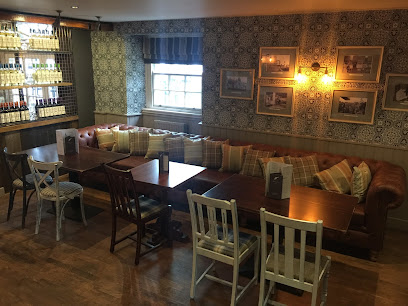
Markets, malls and hidden boutiques

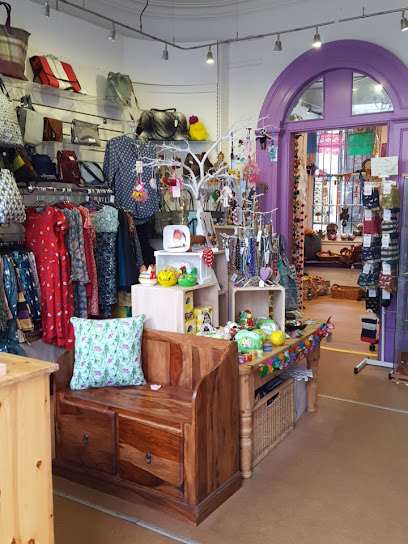
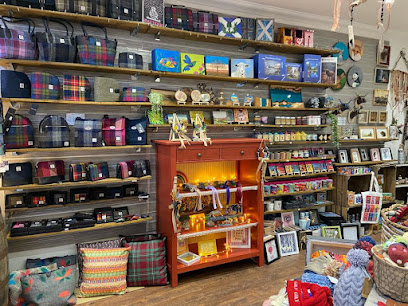
Fair Tradewinds
0.3 km
Discover unique fair trade gifts and sustainable fashion at Fair Tradewinds in Linlithgow’s historic High Street.
Shoppittstar
8.3 km
Explore Shoppittstar in Livingston for unique gifts and local treasures that capture the essence of your travels.
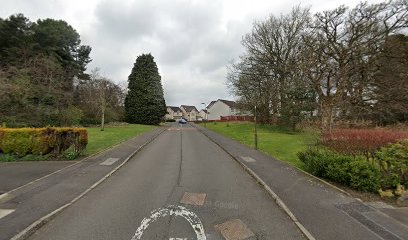
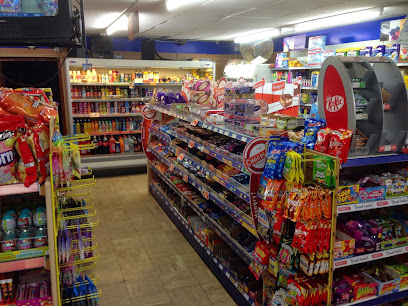
First Shop
8.8 km
Discover convenience and local charm at First Shop in Livingston, where friendly service meets quality products for all your travel needs.
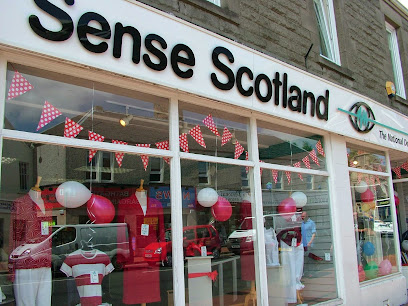
Sense Scotland
9.0 km
Discover unique vintage finds and support a vital Scottish charity at Sense Scotland’s Bathgate shop, a hub of community and sustainability.
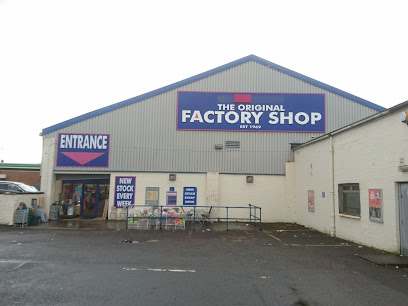
The Original Factory Shop (Bathgate)
9.2 km
Discover unbeatable deals on clothing, beauty, and home essentials at The Original Factory Shop in Bathgate, your go-to discount retailer.
Your Factory Outlet
9.8 km
Discover quality fashion and a bright shopping atmosphere at Your Factory Outlet, Livingston’s accessible clothing destination.
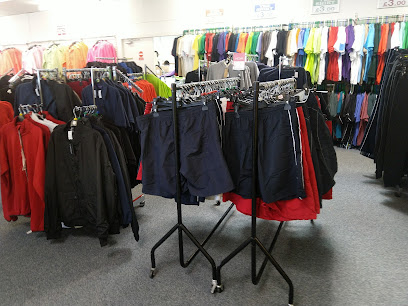
Whiteflower Mercantile Fancy Dress
10.0 km
Discover a world of creative costumes at Whiteflower Mercantile Fancy Dress in Livingston, the perfect stop for unique dress-up experiences.
La Vida
10.1 km
Discover unique, colorful fashion and personal styling at La Vida Boutique in Cairneyhill, where individuality meets affordable style.
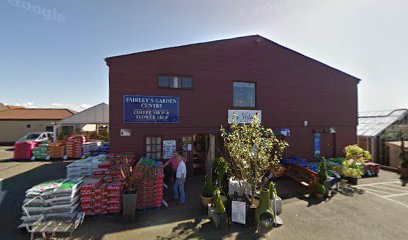
Craigshill Shopping Mall
11.1 km
A vibrant community shopping centre in Livingston offering diverse stores and essential services for everyday needs.
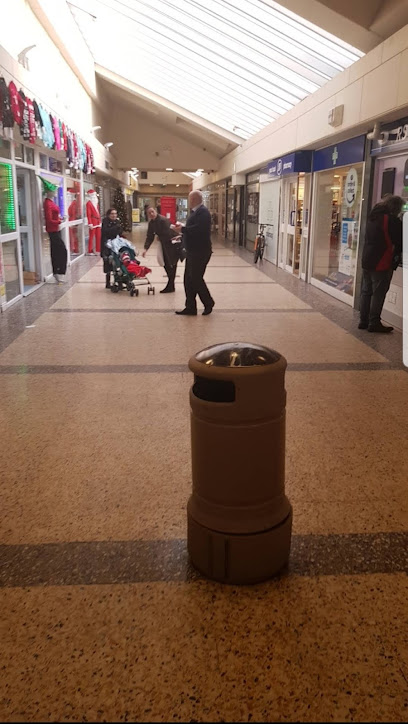
The Fashion Love Boutique
11.1 km
Discover stylish clothing and friendly service at Livingston’s Fashion Love Boutique, your go-to spot for great fashion finds in The Mall.
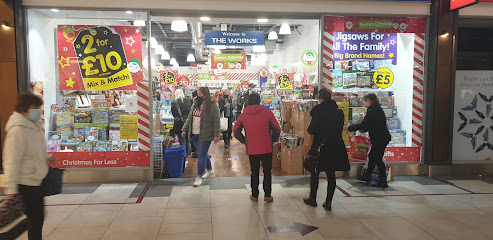
The Works
11.6 km
Affordable creativity and family-friendly shopping meet at The Works in Livingston Designer Outlet.
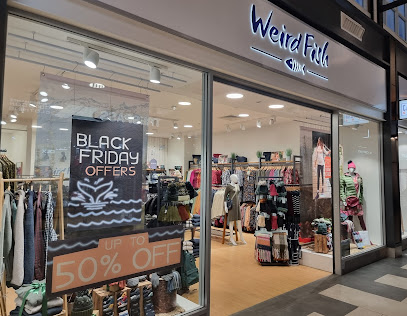
Weird Fish Livingstone Store
11.7 km
Discover durable, stylish casual wear at Weird Fish Livingston, nestled in Scotland’s largest designer outlet with accessible shopping and great prices.
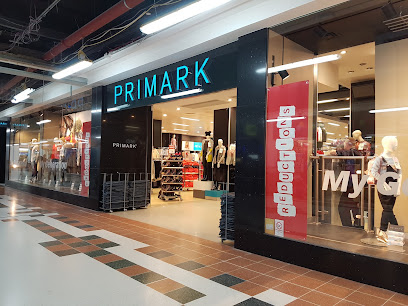
Primark
11.8 km
Discover budget-friendly fashion and homeware across three floors at Primark Livingston, located in the heart of The Centre shopping complex.
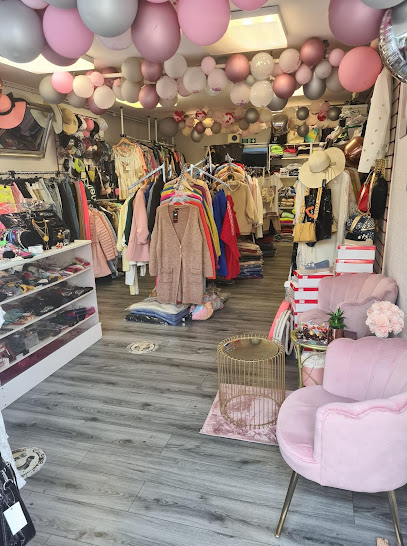
Whimsic Alley
11.8 km
A whimsical gift shop in Falkirk filled with magical treasures, fantasy novelties, and storybook charm for fans of all things enchanted.
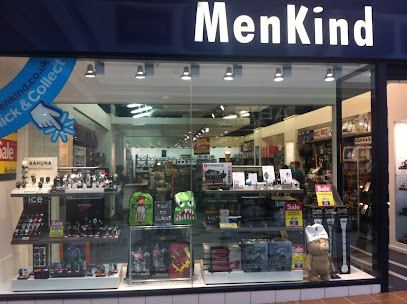
Menkind
11.8 km
Discover unique gadgets, pop culture collectibles, and wellness gifts tailored for men at Menkind Livingston, Scotland’s premier men’s gift shop.
Essential bars & hidden hideouts

The Willow Tree
0.7 km
A historic Linlithgow pub reborn as The Willow Tree, blending tradition, local legend, and lively hospitality in a welcoming setting.
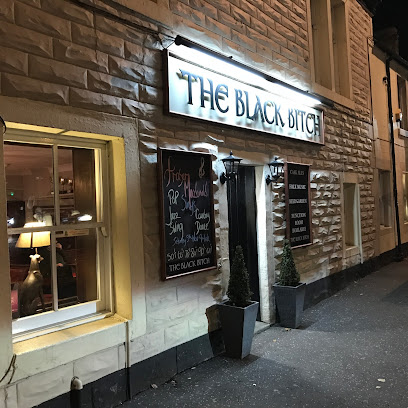
Torphichen Inn
6.0 km
A welcoming Scottish pub in Torphichen offering hearty food, live music, and a warm village atmosphere.
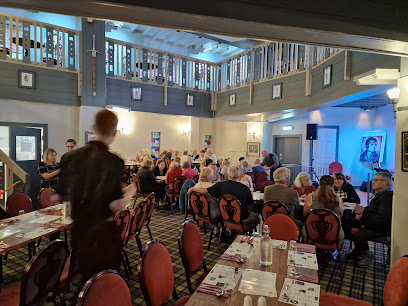
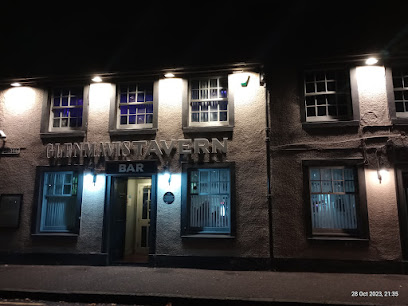
The Glenmavis Tavern
8.5 km
A welcoming Bathgate pub known for friendly service, quality Guinness, lively entertainment, and a vibrant community atmosphere.
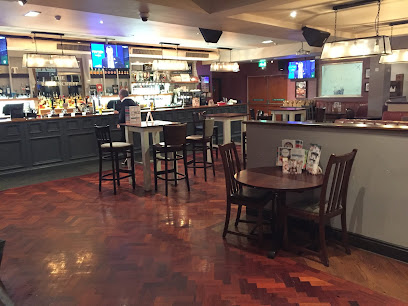
The Ballencrieff
8.7 km
A modern, welcoming pub in Bathgate offering fresh food, live music, sports, and a lively atmosphere for all ages and occasions.
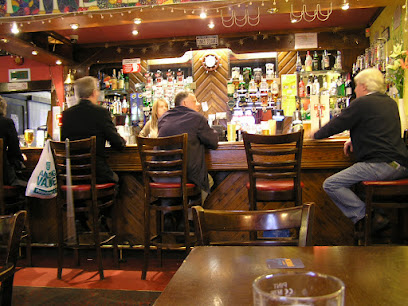
The Livery Lounge
8.8 km
A casual and lively lounge in Bathgate offering affordable drinks, karaoke nights, and a welcoming local atmosphere.
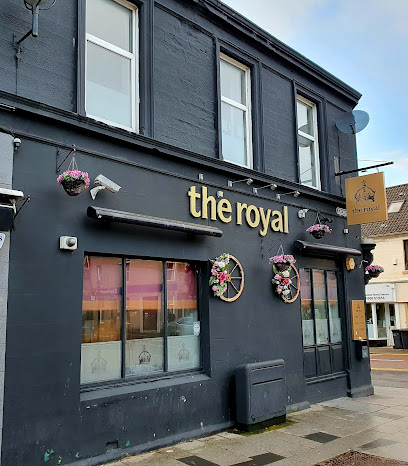
New Royal Bar
8.8 km
A lively and friendly Bathgate pub offering great atmosphere, karaoke fun, and affordable drinks in a welcoming community setting.
Nineteentwelve
8.9 km
A welcoming modern bar and eatery in Bathgate known for great food, attentive service, and a lively yet relaxed atmosphere.
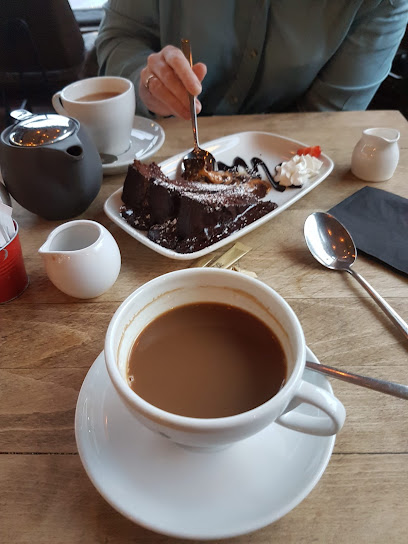
Cafebar 1912
8.9 km
A vibrant café, bar, and restaurant in Bathgate offering casual dining, cocktails, and a welcoming atmosphere from morning till late.
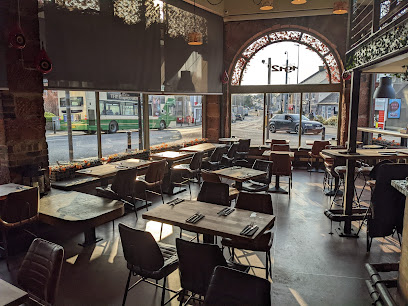
Midnight Breakfast Club
9.0 km
Cozy Bathgate bar and live music venue with affordable drinks, friendly vibes, and a strong local music scene.
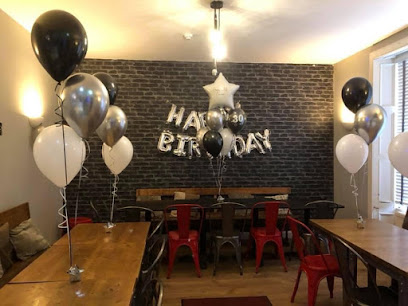
DreadnoughtRock Nightclub & Live Music Venue
9.0 km
Bathgate’s iconic rock venue offering live music, a lively nightclub, and a welcoming atmosphere for night owls and music lovers.
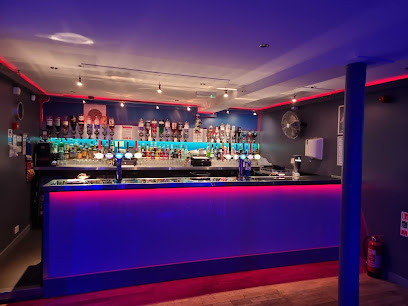
Cawburn Sports Bar
10.0 km
Lively sports bar in Pumpherston offering live games, snooker, pool, and a welcoming atmosphere for locals and visitors alike.
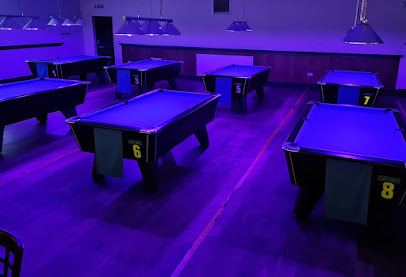
Regal Bar
10.8 km
A welcoming and traditional pub in Armadale offering cozy charm, local drinks, and a friendly atmosphere for regulars and visitors alike.
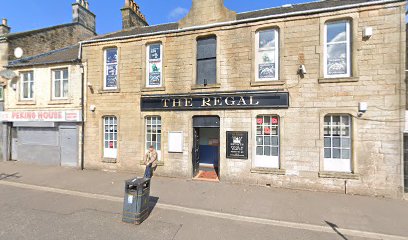
Coppies Bar
11.0 km
A lively and friendly sports bar in Armadale offering great drinks, community spirit, and regular entertainment in a welcoming Scottish pub setting.
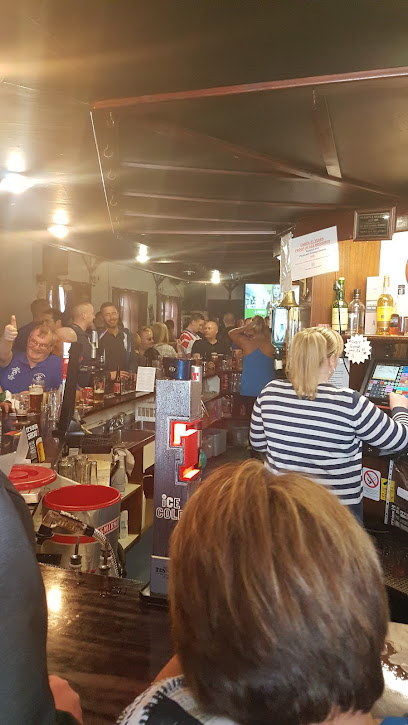
The Tower Bar
11.1 km
A historic and lively pub in Livingston offering great drinks, a beer garden, sports bar, and dog-friendly vibes in a welcoming community setting.
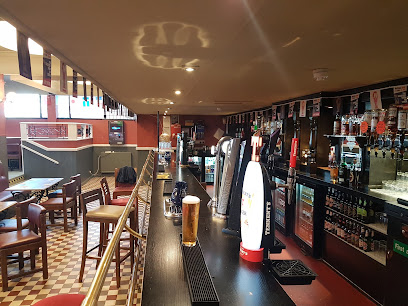
The NewYearField - JD Wetherspoon
11.8 km
A spacious, family-friendly JD Wetherspoon pub in Livingston Designer Outlet, offering great beers, casual dining, and a relaxed atmosphere.
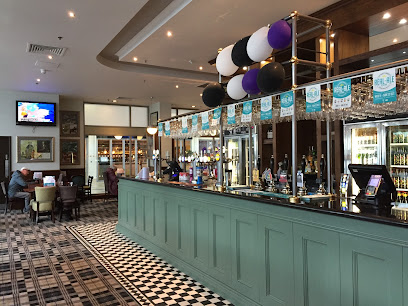
Nightclubs & after hour spots

The Twig Nightclub
8.6 km
Bathgate’s oldest nightclub offering lively, affordable, and historic nightlife experiences every Saturday night.
West Lothian Casting Agency
9.5 km
Discover the vibrant adult entertainment scene at West Lothian Casting Agency, where immersive performances and themed events await every visitor.
XOXO
11.7 km
Central Scotland’s largest nightclub offering vibrant nightlife, pool hall fun, and private event spaces in the heart of Falkirk.
City Nightclub
11.7 km
Experience Falkirk’s vibrant nightlife at City Nightclub, the town’s energetic weekend hotspot for music, dancing, and late-night fun.
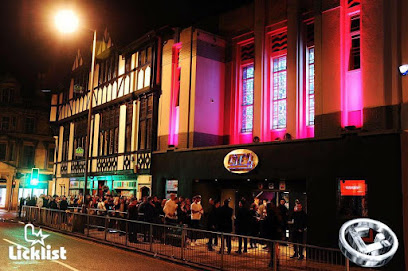
Hustlers Pool Hall
13.0 km
Affordable, lively pool hall and sports bar in Rosyth offering fun games, friendly vibes, and great social atmosphere for all ages.
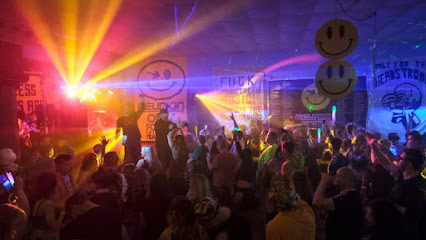
LIFE
13.3 km
Experience vibrant nightlife and late-night fun at LIFE, Dunfermline’s energetic nightclub with a welcoming atmosphere and great music.
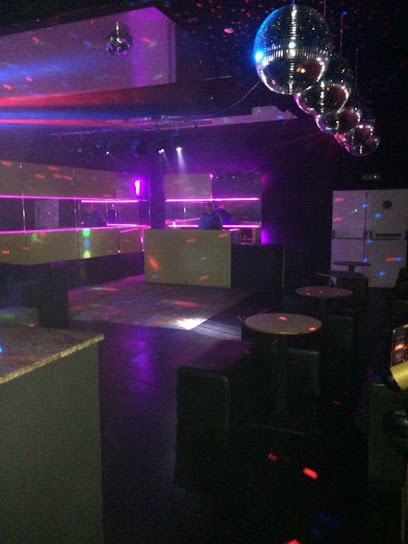
PDT Please Don’t Tell
24.6 km
Edinburgh’s intimate speakeasy-style nightclub offering expertly crafted cocktails and a cozy, conversation-friendly atmosphere.
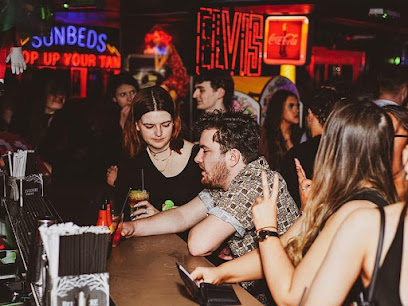
Lulu Bar and Nightclub
24.8 km
Edinburgh's George Street gem: chic cocktails, thumping beats, and dance floors that ignite the night in upscale style.
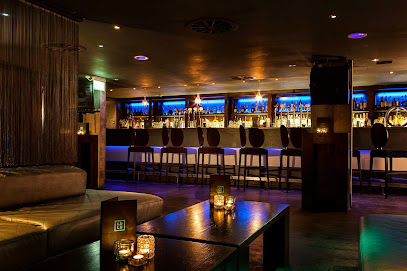
Club Tropicana
24.8 km
Experience Edinburgh’s vibrant retro nightlife with classic disco hits and lively dance floors at Club Tropicana on Lothian Road.
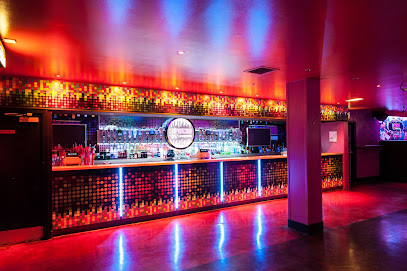
The Shack Retro Bar & Club
25.0 km
Edinburgh's retro dance den blasting 60s-90s hits amid quirky decor and sweaty dance floors—pure nostalgic escapism on Rose Street.
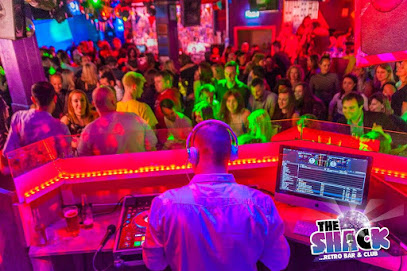
Opal Lounge
25.2 km
A stylish live music bar and nightclub in Edinburgh’s New Town, perfect for celebrations and vibrant nightlife.
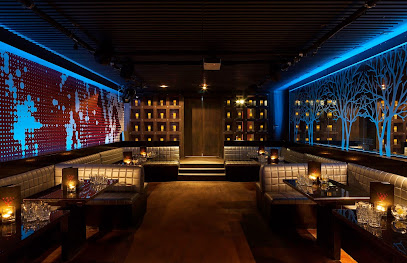
Garibaldi's
25.2 km
Edinburgh's tiniest nightclub packs the biggest late-night punch on Hanover Street, with killer margaritas and a dance floor that never quits till 3am.
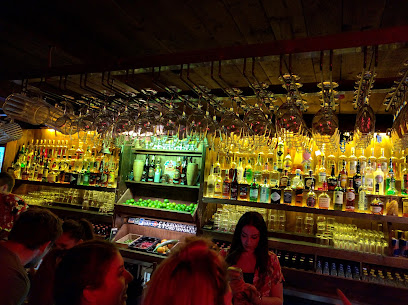
El Barrio Latino
25.3 km
Edinburgh's sizzling Latin nightclub where salsa beats pulse through New Town nights, drawing dancers to its vibrant Hanover Street heart until the early hours.
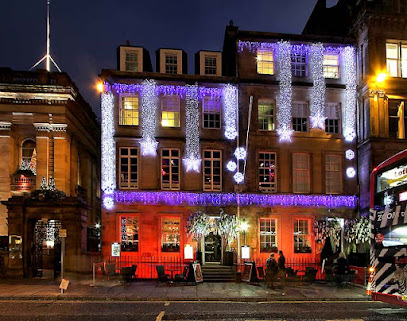
Shanghai Nightclub
25.3 km
Edinburgh's Oriental nightlife den: Asian decor, themed beats, VIP vibes, and non-stop energy on George Street.
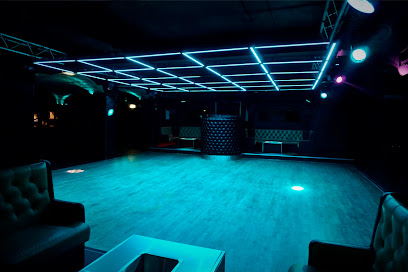
Why Not Nightclub
25.3 km
Edinburgh's multi-award-winning late-night haven with LED immersion, garden vibes, and non-stop beats on George Street.
For the vibe & atmosphere seeker
- Tranquil
- Scenic
- Historic
- Unique
For the design and aesthetic lover
- Vintage Styles
- Rustic Designs
For the architecture buff
- Historic
- Landmarks
- Sacred Sites
For the view chaser and sunset hunter
- Iconic Views
- Sunset Spots
For the social media creator & influencer
- Instagrammable
- Photo Spots
- Architectural Shots
For the eco-conscious traveler
- Public-Transport Accessible
- Locally Managed
For the kind of experience you’re after
- Cultural Heritage
- Spiritual / Energy Spot
- Day Trip
- Photowalk
For how adventurous you want the journey to be
- Easy Access
Location Audience
- Family Friendly
- Senior Friendly
- Child Friendly
- Wheelchair Access
- Solo Friendly
- Couple Friendly


