Avon Aqueduct Travel Guide
Free Guide: Scotland's grandest aqueduct: cast iron, twelve arches, and two centuries of history spanning the River Avon.


A brief summary of Avon Aqueduct
Scotland's grandest aqueduct: cast iron, twelve arches, and two centuries of history spanning the River Avon.
A magnificent 19th-century engineering marvel spanning the River Avon near Linlithgow, Scotland. This navigable aqueduct carries the Union Canal across a 247-metre cast-iron trough supported by twelve graceful arches, standing 25.9 metres high. Designed by Scottish engineer Hugh Baird with guidance from Thomas Telford, it represents the second-largest aqueduct in Britain and the largest in Scotland. The structure combines industrial heritage with scenic beauty, offering visitors a chance to walk the historic towpath and experience a crucial link in Scotland's transport history.
On-site amenities
 Seating areas
 Information boards
 Trash bins
Opening hours
- Every dayOpen 24 hours
Opening hours as listed on the venue’s Google Business Profile. Hours can change for services and special events, so check with the venue before you go.
- Address
- Linlithgow EH49 6AJ
- Phone
- Website
Getting there
Car
Bus
Train
Walking
Discover more about Avon Aqueduct
A Monument to Industrial Innovation
The Avon Aqueduct stands as one of Britain's most impressive feats of 19th-century engineering, a testament to the ambition and skill of Scottish engineers during the height of the Industrial Revolution. Completed between 1819 and 1821, this navigable aqueduct was designed by Hugh Baird, a talented Scottish engineer who sought advice from Thomas Telford, the renowned designer of the Pontcysyllte Aqueduct in Wales. The structure measures 247 metres in length, 25.9 metres in height, and 7.2 metres in width, making it the second-longest aqueduct in Britain and the largest in Scotland. Its twelve graceful arches span the River Avon valley with remarkable precision, each arch supporting the weight of the cast-iron trough that carries the Union Canal across the landscape.
The Union Canal and Its Strategic Purpose
The Avon Aqueduct was built as part of the Edinburgh and Glasgow Union Canal, an ambitious 32-mile waterway designed to link Edinburgh with the Forth and Clyde Canal at Falkirk. The canal was conceived with practical economic goals in mind: to transport coal from Scottish coalmines and lime for building materials into Edinburgh, reducing costs and supporting industrial growth. The engineering approach was remarkably elegant—the canal follows the natural contours of the land throughout its entire length, requiring locks only at its junction with the Forth and Clyde Canal. This design minimised construction complexity while maximising efficiency, a principle that influenced the entire project's success.
Cast Iron and Architectural Elegance
The aqueduct's most distinctive feature is its cast-iron trough, which carries the canal water across the valley in a contained channel. This innovative use of cast iron, inspired by Telford's earlier work, allowed for a lighter structure than traditional masonry while maintaining exceptional strength and durability. The twelve arches feature characteristic hollow spandrels—a design choice that reduced weight without compromising structural integrity. Flanking the water channel on both sides are cobbled towpaths, which allowed canal workers to guide boats across the aqueduct and now provide walkers with a unique vantage point overlooking the River Avon below.
From Commercial Artery to Leisure Route
The canal's commercial life was relatively short-lived. By the mid-19th century, the rapidly expanding railway network began to displace canal transport. The North British and Caledonian Railway Company purchased the canal to eliminate competition, and the waterway was officially closed in 1965. However, the aqueduct's story did not end there. Towards the end of the 20th century, restoration efforts began, recognising the structure's historical and cultural significance. The canal was reopened in 2002 for leisure purposes, transforming it from a commercial transport route into a cherished recreational corridor. Today, the aqueduct serves walkers, cyclists, and canal enthusiasts rather than coal barges and lime boats.
A Living Landscape of History
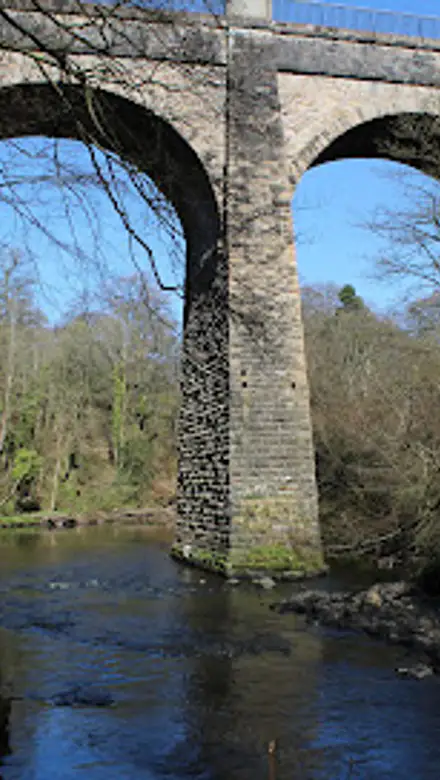
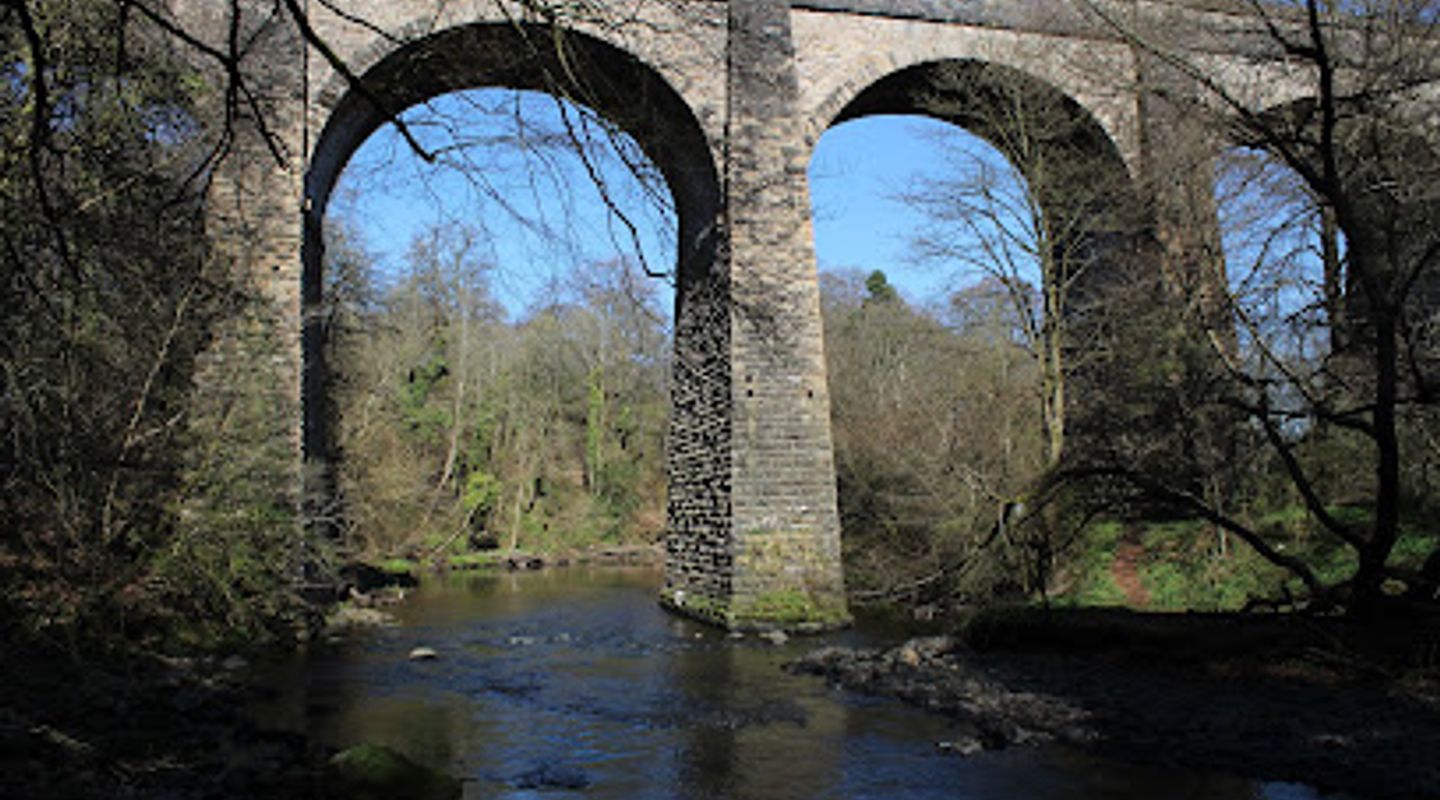
Visiting the Avon Aqueduct offers more than a glimpse of industrial heritage—it provides an immersive experience in Scotland's transport evolution. The towpaths that line the canal offer ideal walking routes with panoramic views down into the River Avon valley, allowing visitors to appreciate both the engineering achievement and the natural landscape it traverses. The structure's scale becomes apparent only when viewed from below, where the twelve arches rise dramatically above the river. The aqueduct represents a pivotal moment when human ingenuity harnessed new materials and techniques to reshape the Scottish landscape, creating infrastructure that has endured for over two centuries.
Evendo Review Centre
 Google
Guest reviews
Best time to go
Quietest: Jan, Feb & Dec · before 6am or at 9pm
Busy times are Evendo estimates for a typical year, to help you plan. Actual crowds vary with events, school holidays and the weather.
Explore Avon Aqueduct on the map
A handpicked selection of must-see spots near Avon Aqueduct, mapped for you.
Get your free copy of our complete guide to Avon Aqueduct, delivered straight to you.
Everything on this page, from opening hours and how to get there to Eve’s tips and the best time to go, in one PDF you can read offline, print or share.
Already have an account? Sign in
Your Avon Aqueduct guide is ready.
We'll send it to · Not you? Sign out

Getting your guide ready…
We are putting together a fresh copy of the Avon Aqueduct guide. This can take up to a minute.
This can take a few moments. If your browser asks, choose Allow so the download can start. You'll find the guide in your Downloads folder.
Nothing happened? Download it again
Sorry, the guide is taking longer than usual. Please try again in a minute, or get it by email instead.
Other nearby places you may find interesting
The closest places of the same kind, if this one is not quite what you had in mind.
-
-
-
-
-


Swipe for more places
More to explore near Avon Aqueduct

 Best experiences near Avon Aqueduct
 Best hotels near Avon Aqueduct
 Best landmarks near Avon Aqueduct
 Best attractions near Avon Aqueduct
 Best shops near Avon Aqueduct
 Best restaurants near Avon Aqueduct
 Best bars near Avon Aqueduct
Do you manage this location?
Take control to get all the benefits, like improved information, better appearance, and stronger visibility across AI-powered discovery.
Explore more

Explore more of West Lothian
Unveil the charm of West Lothian: a perfect blend of history, nature, and culture in the heart of Scotland.
Explore West Lothian
Explore more of United Kingdom
Discover the United Kingdom: A blend of rich history, stunning landscapes, and vibrant cities, offering a unique travel experience for every visitor.
Explore United Kingdom