Linlithgow Palace, Edinburgh Travel Guide
Explore the evocative ruins of Linlithgow Palace, birthplace of Mary, Queen of Scots, set beside a serene loch with rich royal history.
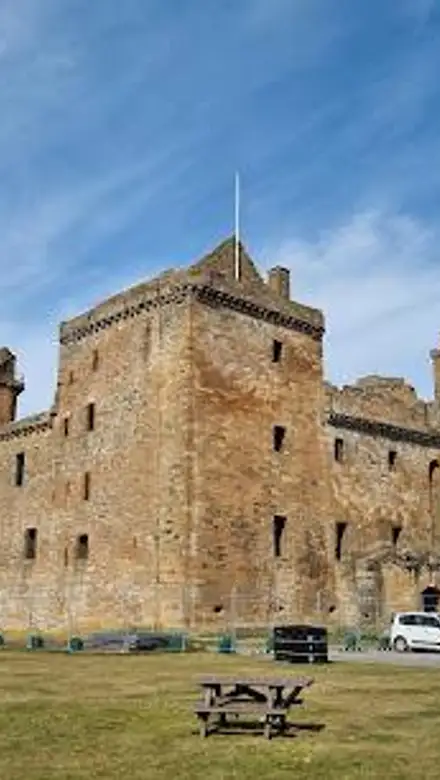
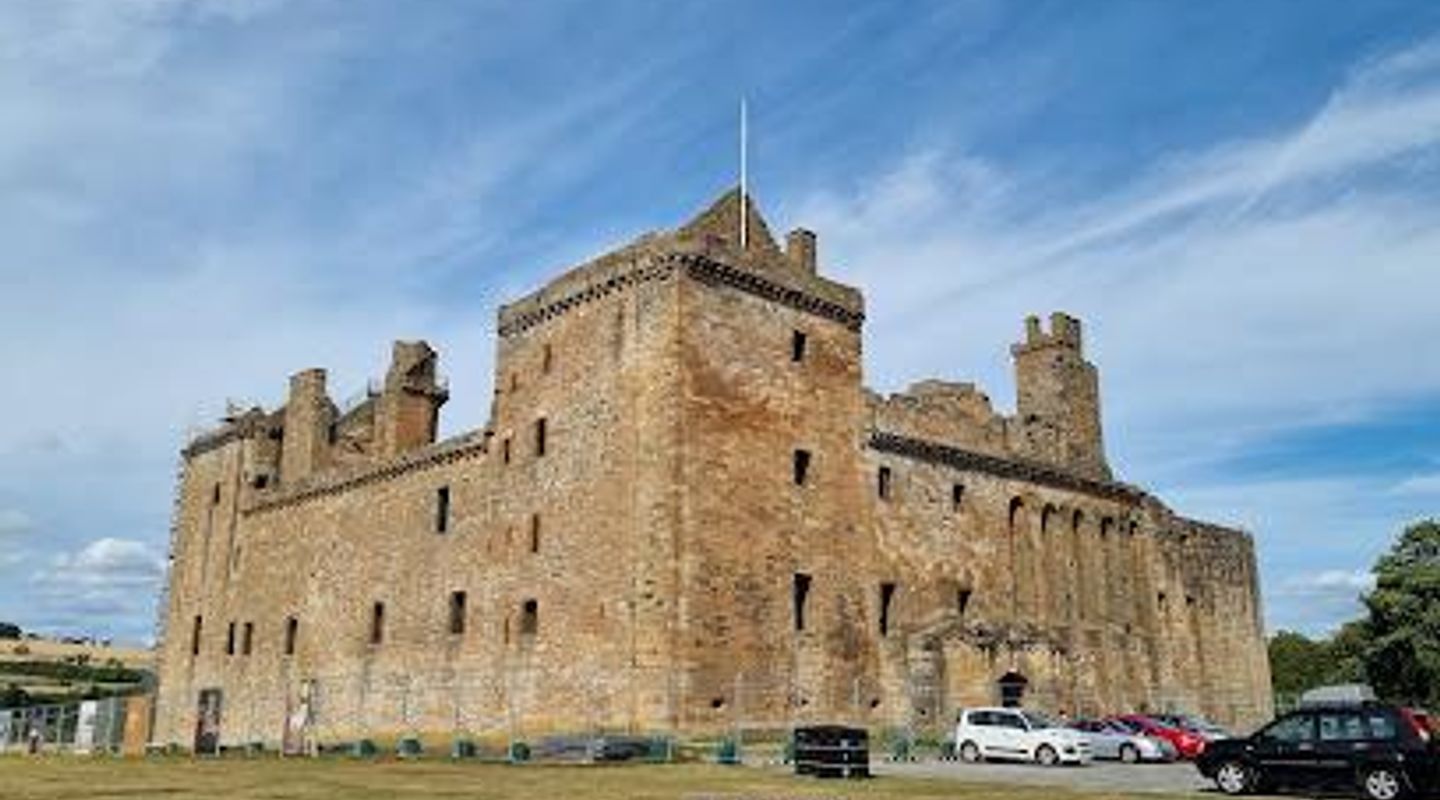
Linlithgow Palace, located in Kirkgate, Linlithgow, is a magnificent 15th-century royal ruin set beside a tranquil loch. Birthplace of Mary, Queen of Scots, it offers visitors a glimpse into Scotland’s regal past with its grand Great Hall, stone fountain, and panoramic views from Queen Margaret’s Bower. The palace grounds and nearby loch provide a scenic and historic setting for exploration and reflection.
A brief summary to Linlithgow Palace
- Kirkgate, Linlithgow, EH49 7AL, GB
- Click to display
- Click to display
- Duration: 1 to 3 hours
- Mid ranged
-
 Outdoor
- Mobile reception: 4 out of 5
- Monday 10 am-4 pm
- Tuesday 10 am-4 pm
- Wednesday 10 am-4 pm
- Thursday 10 am-4 pm
- Friday 10 am-4 pm
- Saturday 10 am-4 pm
- Sunday 10 am-4 pm

Know before you go
Hi, I'm Eve. Here are a few practical things to know before exploring Linlithgow Palace.
- Book tickets online in advance to secure entry and enjoy discounts, especially during peak seasons.
- Wear sturdy shoes due to uneven stone slabs and cobbled surfaces throughout the palace grounds.
- Visit Queen Margaret’s Bower for panoramic views over Linlithgow Loch and the surrounding countryside.
- Check the Historic Environment Scotland website for current closures, as some rooms like the King’s Bed Chamber may be inaccessible.
- Dogs are welcome in the palace grounds, so bring your pet along for a scenic walk.
Do you manage this location?
Take control to get all the benefits, like improved information, better appearance, and stronger visibility across AI-powered discovery. Learn more about listing your business on Evendo
Activate your presenceOther nearby places you may find interesting
The closest places of the same kind, if this one is not quite what you had in mind.
Explore Linlithgow Palace on the Map
A handpicked selection of must-see spots near Linlithgow Palace, mapped for you.
Unlock the Best of Linlithgow Palace
Buy tickets
-
No tickets available
Book tours with entry


Getting There
-
Train
Take a direct train from Edinburgh Waverley to Linlithgow station, approximately 30 minutes. From the station, it is a 10-15 minute walk to Linlithgow Palace. Trains run frequently throughout the day. Tickets cost around £6-£10 one way.
-
Car
Drive to Linlithgow Palace via the M9 motorway. Parking is available but has height and width restrictions unsuitable for large vehicles or campervans. Parking fees may apply. Journey time from Edinburgh is about 30-40 minutes depending on traffic.
-
Bus
Local bus services connect Linlithgow with nearby towns including Edinburgh and Falkirk. Bus travel times vary from 40 to 60 minutes. Check local timetables for frequency and routes. Walking from bus stops to the palace takes 10-15 minutes.
For the on-the-go comforts that matter to you
-
 Restrooms
-
 Food Options
-
 Drink Options
-
 Seating Areas
-
 Information Boards
-
 Visitor Center
-
 Trash Bins
Discover more about Linlithgow Palace
A Storied Royal Residence in Ruins
Linlithgow Palace stands as a striking ruin of a once-grand royal residence, primarily built during the 15th and 16th centuries. It was a favored home of the Stewart monarchs, including James V and Mary, Queen of Scots, both born here. Though roofless today, the palace’s extensive stone walls and intricate architecture reveal its former splendor. Visitors can explore the large central courtyard, featuring an elaborate stone fountain, which legend claims once flowed with wine.Architectural Grandeur and Historic Features
The palace is built around a square courtyard with numerous rooms and corridors to wander through. Highlights include the impressive Great Hall, the royal chapel, and the basement kitchens. Although the King’s Bed Chamber and Court Kitchen are currently closed to visitors, much of the palace remains accessible, including the first floor areas for more mobile guests. The palace’s stonework, cobbled surfaces, and medieval design elements offer a tangible connection to Scotland’s royal heritage.Scenic Surroundings and Panoramic Views
Set beside the peaceful Linlithgow Loch and surrounded by extensive parkland known as the peel, the palace offers stunning vistas. Queen Margaret’s Bower, a turreted lookout, provides breathtaking views over the loch and surrounding countryside. The grounds are ideal for leisurely walks, picnics, and photography, with the loch’s calm waters reflecting the palace’s historic silhouette.Visitor Experience and Accessibility
Linlithgow Palace is managed by Historic Environment Scotland and includes facilities such as a visitor centre, shop, and accessible ticket office. While the uneven stone slabs and cobbles may challenge some visitors with mobility issues, accessible parking and some level access points are available. Dogs are welcome in the palace grounds, and there are nearby cafes and eateries in Linlithgow town centre for refreshments.Seasonal Opening and Admission Details
The palace is open daily from April to September, 9:30am to 5pm, and from October to March, 10am to 4pm, with last entry 45 minutes before closing. Admission fees apply, with discounts for concessions, families, and Historic Scotland members. An included audio guide enriches the visit by narrating the palace’s royal history and stories. Visitors are advised to book tickets online in advance, especially during peak seasons.Historical Significance and Cultural Legacy
Beyond its architectural beauty, Linlithgow Palace holds deep cultural significance as a symbol of Scotland’s royal past. It witnessed pivotal historical events and was occupied during conflicts, including by Edward I of England. Today, the palace’s evocative ruins and surrounding landscape continue to inspire visitors, historians, and artists alike, preserving the legacy of Scotland’s monarchy in a dramatic and accessible setting.












Your all‑in‑one travel companion app
Explore expert travel guides, compare and book tours, experiences, hotels, and more—all from the palm of your hand. Download now for seamless trip planning wherever your wanderlust takes you.


Explore More of Edinburgh
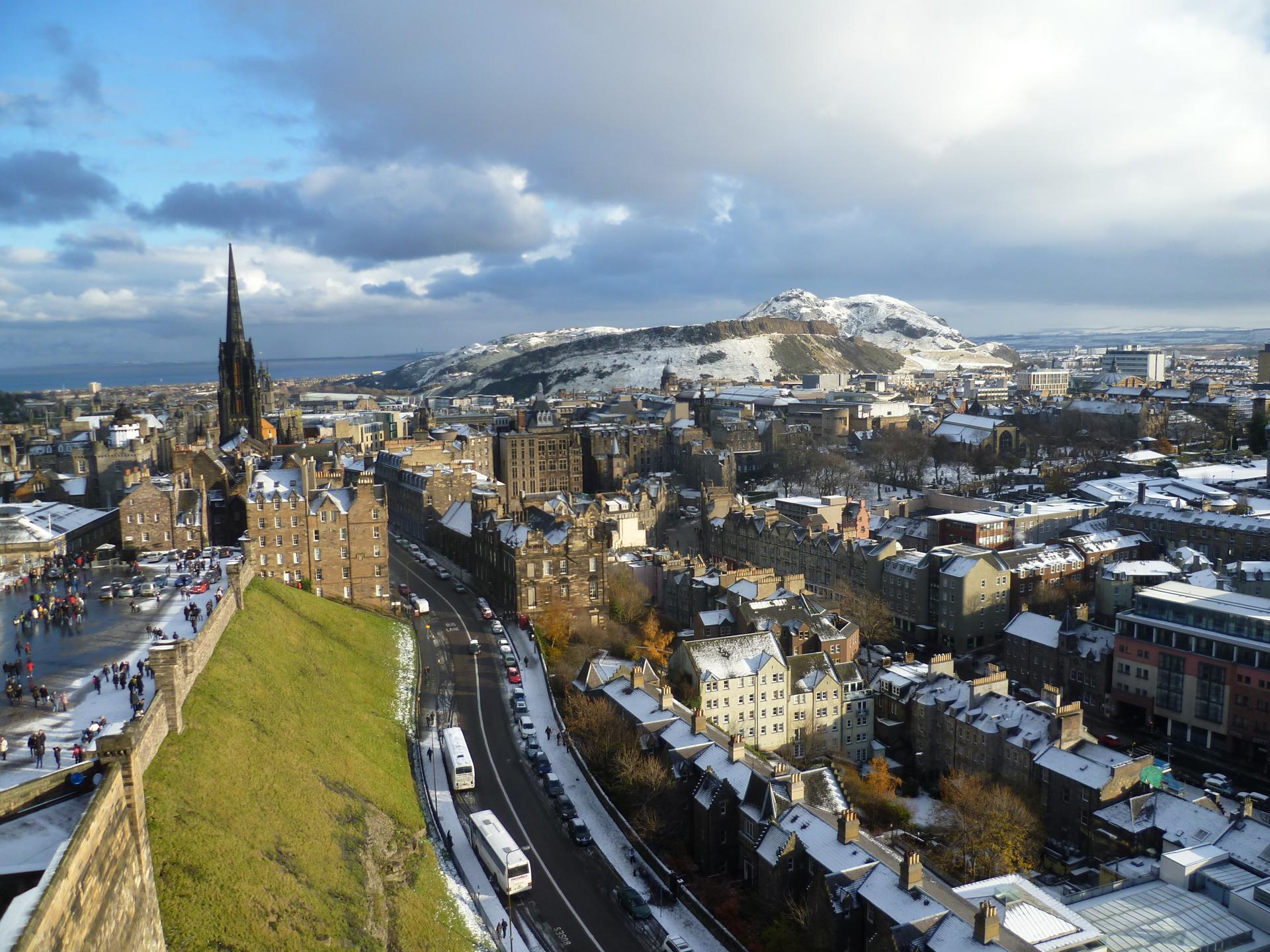
Looking beyond Linlithgow Palace? Discover Edinburgh for broader travel guides, local hot-spots, and regional highlights.
Explore Edinburgh
A well-maintained 9-hole golf course with expert coaching, a welcoming café, and excellent facilities in scenic Linlithgow.

Discover centuries of Scottish history and royal heritage at St Michael's Parish Church, a stunning medieval landmark beside Linlithgow Palace.