

Edinburgh, United Kingdom Travel Guide
Edinburgh blends a medieval Old Town, Georgian New Town, castle history, literary culture and dramatic Arthur’s Seat views in Scotland’s capital.
Old Stone, Living Capital
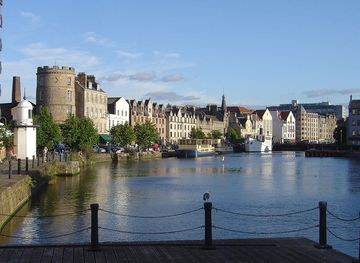
Edinburgh rises across a series of hills between the Firth of Forth and the Pentland Hills, its historic centre divided between the tightly woven medieval Old Town and the measured Georgian New Town. Above the city, Edinburgh Castle occupies the volcanic Castle Rock, while the Royal Mile descends towards the Palace of Holyroodhouse through closes, courtyards, churches and centuries-old buildings. The result is a capital whose past is not confined to museums: it forms the streetscape, silhouettes the skyline and shapes everyday life.Culture Between Two Towns
The Old Town carries royal, religious and civic history, while the New Town’s broad streets and elegant terraces reflect Edinburgh’s eighteenth-century ambitions as an Enlightenment city. Around them are distinct urban quarters: independent shops and cafés cluster along Stockbridge’s streets; Leith combines maritime history with contemporary restaurants and galleries; and the West End leads towards Haymarket and the Water of Leith. Edinburgh’s literary heritage is celebrated through writers including Robert Burns, Sir Walter Scott and Robert Louis Stevenson, while theatres, galleries and music venues give the city a strong cultural rhythm.Hills, Gardens and Open Horizons
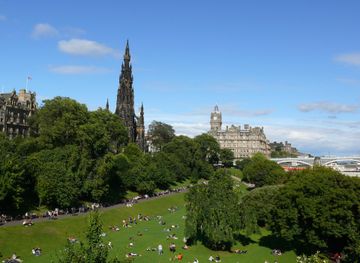
Green spaces interrupt the stone architecture at Princes Street Gardens, the Royal Botanic Garden and Holyrood Park. A climb up Arthur’s Seat provides a broad view over rooftops, castle ramparts and the estuary, while Calton Hill offers one of the city’s most recognisable perspectives close to the centre. During the Edinburgh Festival season, performances occupy theatres, concert halls, courtyards and temporary venues across the capital, adding a concentrated layer of artistic energy to an already historically dense city.
Know before you go
Hi, I'm Eve. Here are a few practical things to know before exploring Edinburgh.
- Allow extra time for steep slopes, cobbled closes and uneven paving in the Old Town, particularly around the Royal Mile and Castle Rock.
- Use the airport tram or frequent buses for central connections, while Edinburgh Waverley and Haymarket stations are convenient for rail arrivals.
- Walk from the Castle through the Old Town to Holyroodhouse, then continue into Holyrood Park if weather and daylight permit.
- Book accommodation and cultural events well ahead for August, when the Edinburgh Festival Fringe and other major festivals fill the city.
- Look beyond the Royal Mile for local atmosphere in Stockbridge, Leith, Bruntsfield and the West End, each with a different character.

Explore Edinburgh: Things to Do, Places to Eat, Hotels & More
Handpicked recommendations for top attractions, local dining, accommodations, and more

Best attractions in Edinburgh
Top-rated picks
Best Attractions

The Chocolatarium
Edinburgh’s interactive chocolate micro-factory where you craft, taste, and discover over 40 artisan chocolates in a historic Old Town setting.

Glenkinchie Distillery
Discover the delicate floral notes and rich heritage of Scotland’s iconic Lowland whisky at Glenkinchie Distillery near Edinburgh.
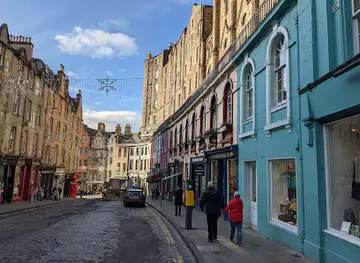
Wee Ecosse - visites guidées en français à Edimbourg
Discover Edinburgh’s rich history and culture through engaging French-language guided walking tours in the heart of the Old Town.

Escape Edinburgh
Dive into immersive, cleverly crafted escape rooms at Escape Edinburgh, where teamwork and mystery meet in the city’s vibrant heart.

Best landmarks in Edinburgh
Top-rated picks
Best Landmarks
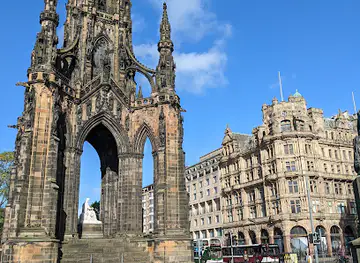
Scott Monument
Climb 287 steps to Scotland's greatest literary tribute and Edinburgh's most iconic skyline views.

Surgeons' Hall Museums
Explore Edinburgh’s historic Surgeons' Hall Museums, where medical history, pathology, and surgical innovation come vividly to life in a landmark setting.

National Monument of Scotland
Edinburgh's iconic unfinished Parthenon—a monument to ambition, sacrifice, and Scottish identity perched atop Calton Hill.

Greyfriars Bobby Statue
Edinburgh’s iconic statue honoring the loyal Skye Terrier who guarded his master’s grave for 14 years, symbolizing devotion and Scottish heritage.

Best restaurants in Edinburgh
Top-rated picks
Best Restaurants

Makars Mash Bar
Scotland's beloved mash bar where premium Scottish meats meet nine distinctive potato creations.

The Kitchin
Experience Michelin-starred Scottish cuisine with a French twist in the historic heart of Leith’s waterfront at The Kitchin.

Locanda de Gusti
Authentic Neapolitan seafood and Italian flavours served in a cozy, homely setting on Edinburgh’s Dalry Road.
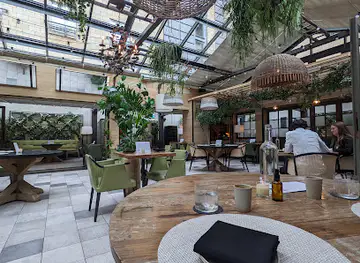
Aizle
Discover Edinburgh’s acclaimed modern European tasting menu with seasonal Scottish ingredients in a bright, relaxed Garden Room setting.

Best bars in Edinburgh
Top-rated picks
Best Bars
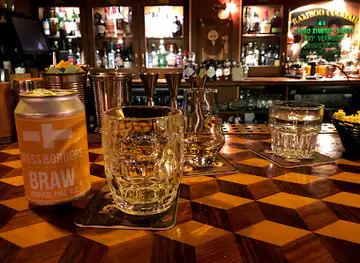
Panda & Sons
Step into Edinburgh’s secret speakeasy beneath a vintage barbershop for theatrical cocktails and timeless 1920s charm.

The Cocktail Geeks
Edinburgh’s immersive themed cocktail bar blending expert mixology with playful, rotating pop-culture experiences.

Bramble Bar
Discover Edinburgh’s cozy speakeasy offering expertly crafted cocktails in a lively, intimate underground setting on Queen Street.
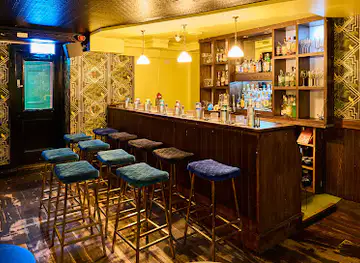
The Raging Bull
Edinburgh’s quirky cocktail bar famed for creative Espresso Martinis, lively masterclasses, and a vibrant atmosphere on Lothian Road.

Best nightclubs in Edinburgh
Top-rated picks
Best Nightclubs

La Belle Angele
Edinburgh's underground heartbeat: a 600-capacity haven for live gigs and club nights in the shadowy Cowgate, where music ignites the night.

Frankenstein
Electrifying Gothic pub where Frankenstein's monster awakens hourly amid pizzas, chilling cocktails, and Old Town vibes—Edinburgh's spookiest nightlife haunt.

Sneaky Pete's
Intimate live music and club nights in Edinburgh’s Old Town, where emerging talent meets vibrant nightlife.

PDT Please Don’t Tell
Edinburgh’s intimate speakeasy-style nightclub offering expertly crafted cocktails and a cozy, conversation-friendly atmosphere.

Best shops in Edinburgh
Top-rated picks
Best Shops

One World Shop
Edinburgh’s oldest fair trade shop offering ethical gifts and vegan treats beneath historic St John's Church on Princes Street.

The Wyrd Shop
Discover Edinburgh’s charming esoteric boutique offering tarot, crystals, and mystical treasures with warm, expert service near the Royal Mile.

I.J. Mellis Cheesemonger Victoria Street
Discover Edinburgh’s iconic artisan cheese shop offering expertly matured farmhouse cheeses and local delicacies on historic Victoria Street.

Armstrongs Vintage
Edinburgh's iconic vintage emporium in Grassmarket, brimming with bohemian dresses, chunky knits, and timeless treasures from decades past.

Explore Edinburgh on the Map
A handpicked selection of must-see spots in Edinburgh, mapped for you.
Edinburgh Essentials
-
Edinburgh Airport is the principal air gateway, west of the city and connected with the centre by tram and bus services. Edinburgh Waverley, in the heart of the city between the Old and New Towns, is the main railway station, with Haymarket providing another central rail stop. Regular trains connect Edinburgh with Glasgow, London and other British cities, while long-distance coaches use the city’s main bus station on St Andrew Square. Road approaches include the M8 from Glasgow and the A1 from the south, although driving into the historic centre can be less convenient than arriving by rail or coach.
-
Central Edinburgh is highly walkable, but the Old Town’s steep gradients, steps and cobbles require comfortable shoes. Lothian Buses cover the city extensively, and the tram links Edinburgh Airport with the city centre and continues towards Newhaven; current routes and fares should be checked before travelling. Taxis and private-hire cars are widely available, while cycling can work well on quieter routes and paths but requires care on busy or steep streets. Holyrood Park, Leith and the outer neighbourhoods are easier to reach by bus than on foot, and central parking is limited and often expensive.
-
The currency is the pound sterling, with the international code GBP. Scottish banknotes are legal currency in Scotland, although some businesses elsewhere in the United Kingdom may be unfamiliar with particular Scottish issues, so carrying a small amount of Bank of England notes can sometimes be practical. Contactless cards and mobile payments are widely accepted in shops, cafés, restaurants and public transport, but smaller independent businesses, market stalls and some taxis may prefer cash or have minimum card transactions. ATMs are available throughout the centre; check with the card issuer about overseas fees and exchange rates.
-
Edinburgh is generally straightforward to explore, but normal urban precautions remain sensible. Keep phones, wallets and bags secure in crowded streets, on public transport and around major festival venues, where congestion can be considerable. Take care on wet cobbles, dark stairways and steep streets, and use a licensed taxi or established private-hire service after a late night. Arthur’s Seat and Holyrood Park require attention to weather, footwear and visibility, as exposed paths can become slippery and windy. Visitors attending large events should arrange a meeting point, since mobile reception and movement through crowded areas can be inconsistent.
-
For immediate police, fire or medical emergencies in Edinburgh, call 999 or 112; both numbers connect to the UK emergency services. State that you are in Edinburgh and give the precise street, building or landmark, as the city’s closes and multi-level streets can make locations difficult to identify. For urgent but non-life-threatening medical advice, NHS 24 can be reached by calling 111. Pharmacies can advise on minor ailments, while travel insurance details and any regular medication should be kept accessible. Do not rely solely on a mobile data connection when navigating in remote or exposed parts of Holyrood Park.
-
Do stand on the right-hand side of escalators, let passengers leave buses and trains before boarding, and respect queues, particularly during festival season. Tipping in restaurants is discretionary but often offered for good service; check whether a service charge has already been included. Dress respectfully inside churches and other religious buildings, and do not climb on monuments or historic structures. Avoid blocking narrow pavements and closes for photographs. Edinburgh welcomes visitors, but local residents live throughout the centre, so keep noise down late at night and follow signs concerning private access, conservation areas and park safety.
-
The city’s geography rewards combining districts rather than staying solely on the Royal Mile: pair the Old Town with Holyrood, the New Town with Stockbridge, or Leith with the Water of Leith walkway. Princes Street Gardens and Calton Hill offer central pauses without the crowds of the castle approach, while the National Museum of Scotland provides useful context on Scottish history and is well placed for an Old Town walk. Weather can change quickly, so a waterproof outer layer is more useful than relying on a fixed forecast. During August, pre-plan routes because temporary venues and queues alter ordinary city movement.
When is the best time to visit Edinburgh?
Useful Local Phrases for Edinburgh
You don't need to speak the language perfectly. Even learning a few simple words can make conversations warmer—and locals usually appreciate the effort.
— Eve

Here are the phrases I use most often in Edinburgh. Try a few—you'll be surprised how far they go! 😊
❤️
-
- HelloHullo
[həˈləʊ] - GoodbyeCheerio
[tʃɪəˈriːəʊ] - YesAye
[aɪ] - NoNaw
[nɔː] - Please/You're welcomePlease/Ye're welcome
[pliːz/jər ˈwɛlkəm] - Thank youCheers
[tʃɪəz] - Excuse me/SorryPardon/Sorry
[ˈpɑːdən/ˈsɒri] - How are you?Hoo are ye?
[huː ər jə] - Fine. And you?Awricht. An' you?
[ˈɛːraɪt. ən juː] - Do you speak English?Dae ye speak Scots?
[deɪ jə spiːk skɒts] - I don't understandAh dinnae ken
[ə dɪnɪ ken]
- HelloHullo
-
- I'd like to see the menu, pleaseI'd like tae see the menu, please
[aɪd laɪk tə siː ðə ˈmɛnjuː pliːz] - I don't eat meatAh dinnae eat meat
[ə dɪnɪt iːt miːt] - Cheers!Slàinte!
[ʃlɑːntʃə] - I would like to pay, pleaseI wid like tae pay, please
[aɪ wʊd laɪk tə peɪ pliːz]
- I'd like to see the menu, pleaseI'd like tae see the menu, please
-
- Help!Help!
[hɛlp] - Go away!Gae awa!
[ɡeɪ əˈweɪ] - Call the Police!Ca' the Polis!
[kɔː ðə ˈpɒlɪs] - Call a doctor!Ca' a doctor!
[kɔː ə ˈdɒktər] - I'm lostAh'm tint
[əm tɪnt] - I'm illAh'm no weel
[əm nəʊ wiːl]
- Help!Help!
-
- I'd like to buy...I'd like tae buy...
[aɪd laɪk tə baɪ] - I'm just lookingAh'm juist haein a keek
[əm dʒʌst hɛɪn ə kiːk] - How much is it?Hoo muckle is it?
[huː ˈmʌkəl ɪz ɪt] - That's too expensiveThat's ower pricey
[ðats aʊər ˈpraɪsi] - Can you lower the price?Can ye gie's a guid price?
[kæn jiː ɡiːz ə gʊd praɪs]
- I'd like to buy...I'd like tae buy...
-
- What time is it?Fit time is it?
[fɪt taɪm ɪz ɪt] - It's one o'clockIt's yin o'clock
[ɪts jɪn əˈklɒk] - Half past (10)Hauf past (10)
[hɑf pæst (10)] - MorningMornin
[ˈmɔrnɪn] - AfternoonEfternuin
[ˈɛftərnun] - EveningEenin
[ˈiːnɪn] - YesterdayYestreen
[ˈjɛstrin] - TodayThe day
[ðə deɪ] - TomorrowThe morn
[ðə mɔrn] - 1One
[wʌn] - 2Twa
[twɑː] - 3Three
[θriː] - 4Fower
[ˈfaʊər] - 5Fife
[faɪv] - 6Sax
[saks] - 7Seiven
[ˈsɛvən] - 8Aucht
[ɔːxt] - 9Nin
[nɪn] - 10Ten
[tɛn]
- What time is it?Fit time is it?
-
- Where's a/the...?Whaur's a/the...?
[ʍaʊrz ə/ðə] - What's the address?Fit's the address?
[fɪts ðə ˈædrɪs] - Can you show me (on the map)?Can ye shaw me (oan the map)?
[kæn jiː ʃɔ miː (ɒn ðə mæp)] - When's the next (bus)?Whit time's the next (bus)?
[ʍɪt taɪmz ðə nɛkst (bʌs)] - A ticket (to ....)A tikkit (tae ....)
[ə ˈtɪkɪt (tʰe ....)]
- Where's a/the...?Whaur's a/the...?
History of Edinburgh
-
The volcanic crags around Edinburgh provided defensible locations long before the modern city emerged. Castle Rock was associated with the Brittonic stronghold of Din Eidyn, while nearby areas formed part of the wider kingdom of Northumbria before becoming connected with the Scottish kingdom. The early settlement developed around its natural heights and routes across the surrounding landscape. Although the surviving medieval city is later in date, Edinburgh’s topography explains its historic form: the castle occupied the dominant western rock, and a settlement grew along the ridge that became the Old Town. Archaeological evidence from the wider area records prehistoric activity, but the precise development of the earliest settlement remains less certain than the medieval history visible in the city today.
-
Edinburgh became an important royal centre during the Middle Ages and was established as a royal burgh under David I in the twelfth century. Its position near the castle and the royal residence at Holyrood encouraged trade, administration and religious foundations. The Old Town grew along a narrow ridge, with the principal route later known as the Royal Mile connecting Edinburgh Castle to Holyrood Abbey and the royal palace. Dense tenements, closes and lanes reflected the limited space within the medieval settlement. St Giles’ Cathedral, markets and civic institutions helped make Edinburgh a political and commercial centre, while the surrounding burghs and port of Leith supported its economic life.
-
The sixteenth century brought religious and political upheaval. Scotland’s Reformation in 1560 transformed the role of churches and religious institutions, and St Giles’ became a major centre of the reformed Kirk. Edinburgh also stood close to the struggles surrounding Mary, Queen of Scots, whose reign, marriage to Lord Darnley and abdication were bound to events in and around the capital. The palace at Holyroodhouse witnessed royal ceremonies and political crises, while Edinburgh Castle remained strategically important. Conflict connected with the Scottish Reformation, the Wars of the Three Kingdoms and later constitutional struggles repeatedly placed the city within national political history.
-
The 1707 Acts of Union altered Edinburgh’s political position by transferring the Scottish Parliament’s legislative role to Westminster, although the city remained Scotland’s administrative and cultural capital. During the eighteenth century, Edinburgh became associated with the Scottish Enlightenment, when figures such as David Hume and Adam Smith contributed to debates in philosophy, economics, medicine and science. The Old Town became increasingly crowded, and civic leaders promoted expansion to the north. The New Town, begun in the 1760s, introduced ordered streets, spacious squares and neoclassical architecture. Its planned form expressed commercial confidence and an aspiration to create a healthier, more rational urban environment.
-
Nineteenth-century Edinburgh expanded beyond the original Old and New Towns as industry, transport and population growth reshaped the capital. Railways connected the city more closely with the rest of Britain, and the opening and development of stations around Waverley helped consolidate its role as a regional centre. Public institutions, schools, galleries and monuments reinforced civic identity, including the Scott Monument, built in memory of Sir Walter Scott. The New Town extended westwards, while districts such as Stockbridge, Marchmont and Bruntsfield took on their recognisable residential character. Victorian improvements also brought new gardens, infrastructure and public buildings, even as overcrowding and poverty remained serious problems in parts of the Old Town.
-
Edinburgh’s modern identity combines historic importance with revived national institutions and an international cultural programme. The establishment of the devolved Scottish Parliament in 1999 restored a permanent parliamentary presence to the city, with the parliament building opening at Holyrood in 2004. Conservation has protected the architectural character of the Old and New Towns, jointly recognised as a UNESCO World Heritage Site, while regeneration has reshaped former industrial and dockland areas such as Leith. Since the mid-twentieth century, the Edinburgh International Festival and Edinburgh Festival Fringe have made the city a major centre for theatre, music and performance, particularly each August.
Cities near Edinburgh
The closest cities to Edinburgh, if you have time for more than one stop.



Your all‑in‑one travel companion app
Explore expert travel guides, compare and book tours, experiences, hotels, and more—all from the palm of your hand. Download now for seamless trip planning wherever your wanderlust takes you.


Edinburgh in Photos
Browse through our photo collection highlighting the charm and character of the destination.


Edinburgh: Medieval Streets Beneath a Volcanic Skyline
<h3>Old Stone, Living Capital</h3> Edinburgh rises across a series of hills between the Firth of Forth and the Pentland Hills, its historic centre divided between the tightly woven medieval Old Town and the measured Georgian New Town. Above the city, Edinburgh Castle occupies the volcanic Castle Rock, while the Royal Mile descends towards the Palace of Holyroodhouse through closes, courtyards, churches and centuries-old buildings. The result is a capital whose past is not confined to museums: it forms the streetscape, silhouettes the skyline and shapes everyday life. <h3>Culture Between Two Towns</h3> The Old Town carries royal, religious and civic history, while the New Town’s broad streets and elegant terraces reflect Edinburgh’s eighteenth-century ambitions as an Enlightenment city. Around them are distinct urban quarters: independent shops and cafés cluster along Stockbridge’s streets; Leith combines maritime history with contemporary restaurants and galleries; and the West End leads towards Haymarket and the Water of Leith. Edinburgh’s literary heritage is celebrated through writers including Robert Burns, Sir Walter Scott and Robert Louis Stevenson, while theatres, galleries and music venues give the city a strong cultural rhythm. <h3>Hills, Gardens and Open Horizons</h3> Green spaces interrupt the stone architecture at Princes Street Gardens, the Royal Botanic Garden and Holyrood Park. A climb up Arthur’s Seat provides a broad view over rooftops, castle ramparts and the estuary, while Calton Hill offers one of the city’s most recognisable perspectives close to the centre. During the Edinburgh Festival season, performances occupy theatres, concert halls, courtyards and temporary venues across the capital, adding a concentrated layer of artistic energy to an already historically dense city.
Explore More of United Kingdom

Looking beyond Edinburgh? Discover United Kingdom for broader travel guides, local hot-spots, and regional highlights.
Explore United Kingdom