
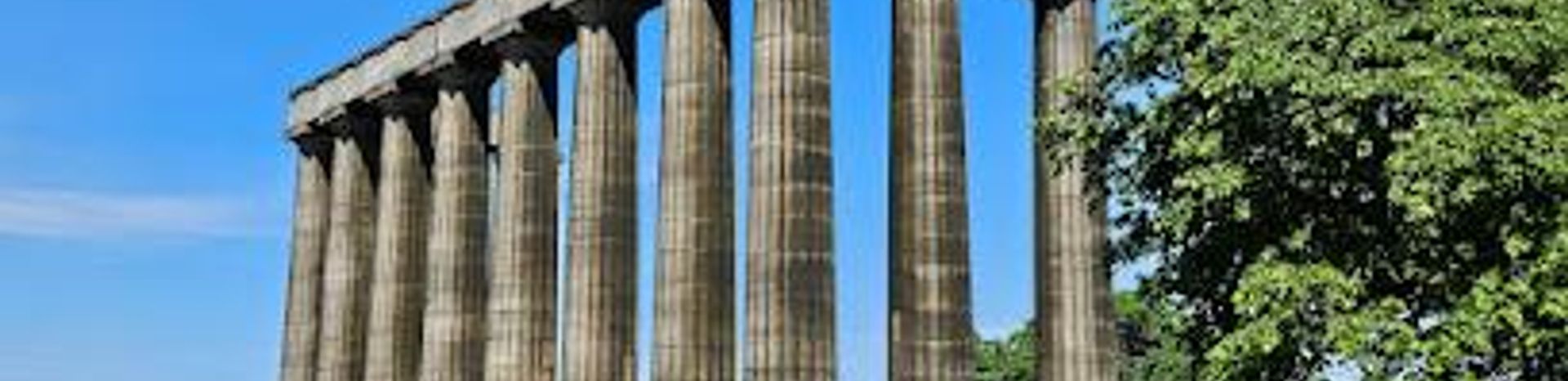
National Monument of Scotland
Edinburgh's iconic unfinished Parthenon—a monument to ambition, sacrifice, and Scottish identity perched atop Calton Hill.
Perched dramatically atop Calton Hill in central Edinburgh, the National Monument of Scotland stands as an iconic yet unfinished Parthenon replica, designed to honour Scottish soldiers and sailors who died in the Napoleonic Wars. Built between 1826 and 1829, this neoclassical structure—featuring twelve towering columns and intricate stonework—remains one of Edinburgh's most recognisable landmarks. Despite its incomplete state, earning it the nickname 'Scotland's Folly,' the monument offers breathtaking panoramic views of the city, the Firth of Forth, and surrounding landmarks including Edinburgh Castle and Arthur's Seat. Free to visit and easily accessible from the city centre, it embodies the architectural ambition of the 'Athens of the North' and serves as a powerful symbol of Scottish identity and historical memory.
A brief summary to National Monument of Scotland
- Calton Hill, Edinburgh, Edinburgh, GB
- Visit website
- Duration: 0.5 to 2 hours
- Free
-
 Outdoor
- Mobile reception: 4 out of 5
Local tips
- Visit at sunrise or sunset for the most spectacular views of Edinburgh, the Firth of Forth, and surrounding landmarks. The light at these times creates particularly photogenic conditions and a contemplative atmosphere.
- The path up Calton Hill is paved but steep; wear comfortable walking shoes and allow extra time if you have mobility concerns. The effort is rewarded with unobstructed panoramic vistas from the monument's platform.
- Explore the other monuments on Calton Hill—the Nelson Monument, Dugald Stewart Monument, Political Martyrs' Monument, and Robert Burns Monument—to experience a comprehensive open-air museum of Scottish history and neoclassical architecture.
- The site is free to visit and accessible year-round. Calton Hill can be windswept and exposed, so bring a jacket regardless of season. Mobile reception is generally reliable on the hill.
- Bring a camera; the monument and surrounding cityscape offer exceptional photographic opportunities. The unfinished columns create striking compositions, especially when framed against the Edinburgh skyline or sky.

For the on-the-go comforts that matter to you
- Seating Areas
- Trash Bins
- Information Boards
Getting There
-
Walking from City Centre
From Edinburgh's city centre, Calton Hill is within easy walking distance. Head east along Princes Street toward the New Town, then follow signs for Calton Hill or Leith Street. The walk from Princes Street to the base of Calton Hill takes approximately 10–15 minutes. From there, a paved but steep path leads to the summit, adding another 5–10 minutes depending on fitness level. This is the most accessible and popular route for visitors arriving on foot from central Edinburgh.
-
Local Bus Services
Multiple bus routes serve the area around Calton Hill. Services 4, 5, 7, 14, 19, 33, 34, and 45 stop near the base of the hill on Leith Street or Broughton Street. Journey times from the city centre are typically 5–10 minutes depending on traffic and your starting point. Single fares cost approximately £1.80–£2.00. Buses run regularly throughout the day, with reduced frequency in the evening and on Sundays.
-
Hop-On Hop-Off Tourist Bus
City Sightseeing Edinburgh operates hop-on hop-off bus tours that include stops near Calton Hill. These tours typically cost around £25 per adult and offer flexibility to explore the monument and surrounding area at your own pace. Tours run throughout the day with varying frequency depending on season. This option combines transport with guided commentary about Edinburgh's landmarks.
-
Taxi or Ride-Share
Taxis and ride-share services (such as Uber) are readily available throughout Edinburgh. A journey from the city centre to Calton Hill typically costs £6–£12 and takes 5–15 minutes depending on traffic. This option is convenient if you are carrying heavy luggage or prefer direct transport, though parking near the summit is limited and the final approach must be made on foot.
National Monument of Scotland location weather suitability
-
 Any Weather
-
 Clear Skies
-
 Windy Conditions
Discover more about National Monument of Scotland
A Monument Born from National Pride and Ambition
The National Monument of Scotland emerged from a vision conceived by the Highland Society of Scotland in 1816, following the Napoleonic Wars. The idea was to create a distinctly Scottish memorial to honour the soldiers and sailors who had fallen in service to the nation—a declaration of Scottish identity within the broader British Empire. The inscription on the monument reads: 'A Memorial of the Past and Incentive to the Future Heroism of the Men of Scotland,' capturing the dual purpose of remembrance and inspiration. This ambition reflected a broader cultural moment in Edinburgh, where the Scottish Enlightenment had established the city as a centre of intellectual achievement, earning it the epithet 'Athens of the North.' The decision to model the monument on the ancient Parthenon was not arbitrary; it was a deliberate assertion that Edinburgh could rival Athens itself, and that Scotland deserved to express its own national character through classical grandeur. The project gained crucial momentum when Thomas Bruce, the 7th Earl of Elgin, championed the Parthenon design. Elgin, who had controversially removed sculptures from the original Parthenon in Athens, saw the Edinburgh monument as an opportunity to link his name with classical glory and rehabilitate his reputation. In January 1822, an appeal was launched to raise £42,000 to 'erect a facsimile of the Parthenon.' The proposal attracted prominent supporters including Sir Walter Scott, Henry Cockburn, and Francis Jeffrey. On 27 August 1822, during a visit by King George IV, the foundation stone—weighing six tons—was laid with great ceremony. The Duke of Hamilton led a grand procession of masonic lodges, royal commissioners, and dignitaries from Parliament Square to the summit of Calton Hill, escorted by the Scots Greys and the 3rd Dragoons. Yet despite this auspicious beginning, the King himself showed little enthusiasm, reportedly preferring to go shooting with Scottish noblemen rather than championing the monument.Architects of Vision and the Design That Captured Imaginations
The monument was designed by two of the early nineteenth century's most eminent architects: Charles Robert Cockerell and William Henry Playfair. Cockerell, who had extensively studied the original Parthenon in Athens and possessed accurate drawings of it, was instrumental in advising on the siting and design. Playfair, renowned for his neoclassical contributions to Edinburgh's architectural landscape, served as site architect. Their collaboration produced a design of exceptional quality and ambition. The original plans included not merely the iconic columns and entablature visible today, but also extensive underground catacombs beneath the structure—a 'Scottish Valhalla' intended as a burial place for significant national figures. The monument was also conceived to incorporate a church, reflecting the initial proposal that a national religious building might attract parliamentary funding of £10,000 through the Church Act of 1818. This multifaceted purpose—memorial, mausoleum, and place of worship—underscored the monument's intended significance as a comprehensive expression of Scottish national identity. Construction began in 1826, and the workmanship was of the finest quality. The raw material was Craigleith stone, quarried locally and transported with extraordinary effort; moving some of the larger stones up Calton Hill required twelve horses and seventy men. The lintels that topped the columns were so massive that they demanded this same extraordinary labour. By 1829, however, the project came to an abrupt halt. Despite initial fundraising efforts, only £16,000 had been collected, with the possibility of a further £10,000 from Parliament. The promised financial support never materialised, and with funds exhausted after only twelve columns had been erected, construction ceased. The result—a partial stylobate, twelve columns, and an architrave—remains frozen in time, a testament to ambition interrupted.The Unfinished Monument and Its Contested Legacy
The incompletion of the National Monument became a source of profound embarrassment and political division. The project had become entangled in partisan struggles between Whigs and Tories, each seeking to control its direction and meaning. Within the climate of economic hardship and shifting political priorities, the Parthenon appeared increasingly irrelevant. What was designed to unite the nation became divisive; many came to view it as 'unscottish,' a monument to overreach and failed ambition. The structure acquired a series of unflattering nicknames: 'Scotland's Folly,' 'Edinburgh's Disgrace,' 'the Pride and Poverty of Scotland,' and 'Edinburgh's Folly.' The resident architect famously described it as 'the pride and poverty of us Scots,' a phrase that captured the paradox of exceptional craftsmanship coupled with incomplete realisation. Over nearly two centuries, numerous proposals have been made to complete or repurpose the monument. In 1901, it was suggested as a memorial to Queen Victoria. In 1907, ideas emerged to finish it as a commemoration of the Act of Union or to transform it into the Scottish National Gallery. That same year, another proposal suggested converting it into a Scottish Parliament building. In 1918, architect George Washington Browne proposed extending the monument and adding sculpture to create a memorial to those who fell in the First World War. None of these schemes came to fruition. The monument remains exactly as it has stood since the scaffolding came down in 1829—incomplete, iconic, and enduringly symbolic of Scotland's complex relationship with its own aspirations.A Landmark of Undiminished Presence and Panoramic Splendour
Despite its unfinished state, the National Monument commands the summit of Calton Hill with undeniable presence and majesty. The twelve columns, rising from the paved stylobate, create a striking silhouette visible from miles across Edinburgh. The monument can be seen poking dramatically above the cityscape, a visual anchor that defines the eastern skyline. From the steps and platform of the structure, visitors are rewarded with breathtaking panoramic views of Edinburgh and beyond. On clear days, the vista encompasses Edinburgh Castle to the west, Arthur's Seat to the south, and the Firth of Forth stretching northward to the horizon. The view is particularly spectacular at sunset, when vibrant colours reflect across the water and bathe the city in golden light. Sunrise visits are equally rewarding, offering serene and luminous perspectives that have made Calton Hill renowned among photographers and early risers seeking to capture Edinburgh at its most beautiful. Calton Hill itself is a windswept, open space that has long served as a site for quiet contemplation and public celebration. The hill hosts numerous other monuments and historic structures, including the Dugald Stewart Monument, the Nelson Monument, the Political Martyrs' Monument, the Robert Burns Monument, the Old Royal High School, and the City Observatory. Together, these buildings create an open-air museum of Scottish history and neoclassical architecture. The entire area, including the National Monument, is part of the Old and New Towns of Edinburgh UNESCO World Heritage Site, recognising its outstanding universal value. Calton Hill is a popular destination for both tourists and locals, who visit to experience the monument's architectural grandeur, to enjoy the expansive views, and to reflect on the complex history it embodies.Architectural Significance and Edinburgh's Classical Identity
The National Monument is far more than an incomplete building; it is a cornerstone of Edinburgh's reputation as the 'Athens of the North.' Its neoclassical design, modelled on the Parthenon, embodies the intellectual and cultural aspirations of the Scottish Enlightenment. The monument represents work by two of the early nineteenth century's most eminent architects and stands as a building of very high quality and workmanship, despite its unfinished state. The architectural style and the monument's prominent position on Calton Hill have made it an enduring symbol of Edinburgh's cultural identity and Scotland's place within the broader British and European context. The monument's incompletion, rather than diminishing its significance, has added a layer of poignancy and complexity to its meaning. It stands as a reminder of the gap between vision and realisation, between ambition and circumstance, and between the Scotland that sought to express its individuality and the constraints—financial, political, and social—that shaped its destiny.Iconic landmarks you can’t miss

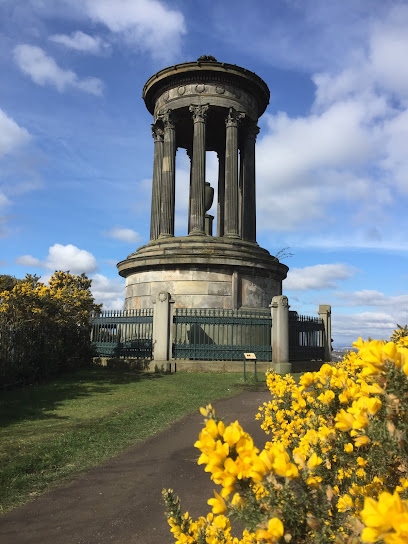
Dugald Stewart Monument
0.2 km
A neoclassical tribute to philosopher Dugald Stewart, offering iconic views over Edinburgh from historic Calton Hill.
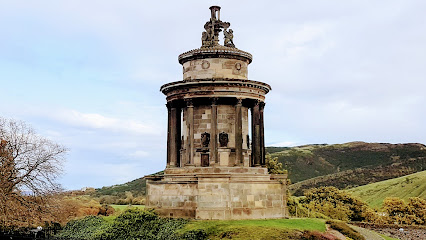
Burns Monument
0.3 km
Edinburgh's classical tribute to Scotland's national poet, a Neo-Greek temple with commanding city views.
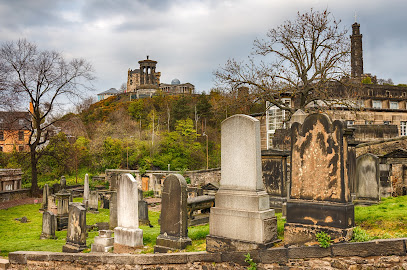
Martyrs of Reform Monument
0.3 km
A towering 27m obelisk in Edinburgh honoring five radical reformists who shaped Britain’s fight for democratic rights in the 18th century.
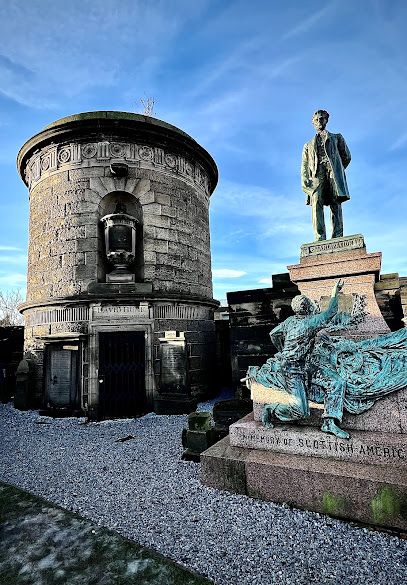
Scottish-American Soldiers Monument
0.3 km
A unique Edinburgh memorial honoring Scottish soldiers who fought in the American Civil War, symbolizing liberty and transatlantic heritage.
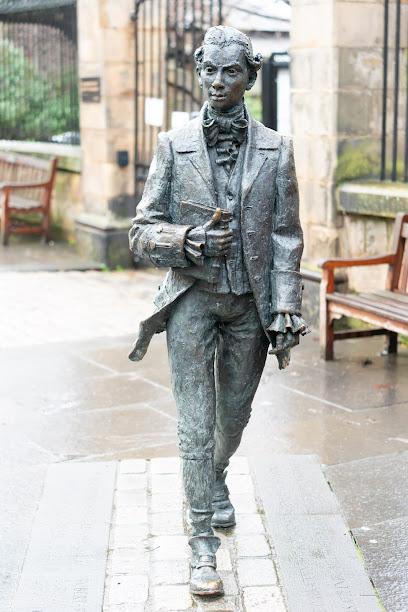
Robert Fergusson Statue
0.4 km
Celebrate the vibrant spirit of Scottish poetry with the Robert Fergusson Statue, a joyful tribute on Edinburgh’s historic Canongate.
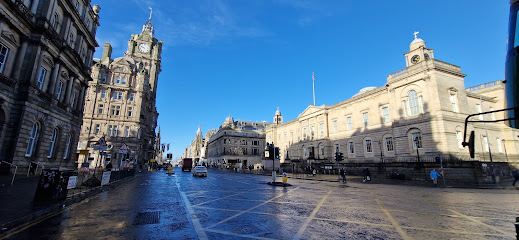
The Centre of Edinburgh
0.4 km
Historic Georgian landmark transformed into a modern, sustainable office hub in the heart of Edinburgh’s vibrant city centre.
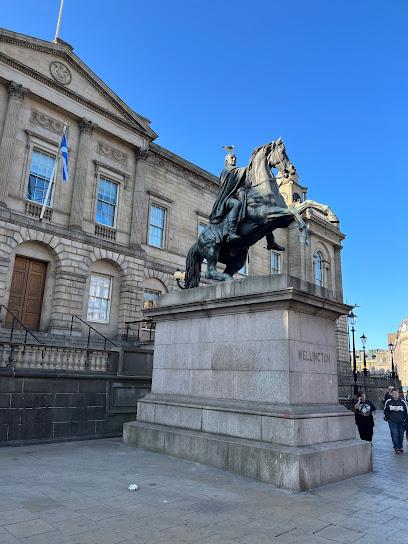
Duke of Wellington Equestrian statue
0.5 km
Historic bronze statue of the Duke of Wellington on horseback, a commanding symbol of British military triumph in the heart of Edinburgh.
Edinburgh UNESCO City of Literature Trust
0.5 km
Explore the literary heart of Edinburgh at the UNESCO City of Literature Trust, a treasure trove of exhibitions and literary heritage.
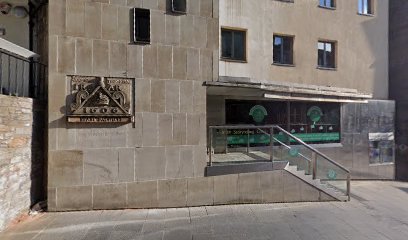
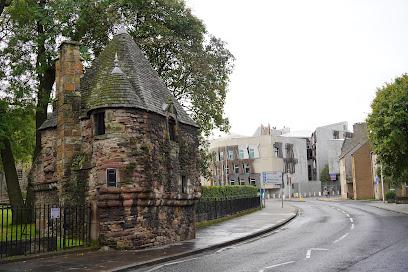
Queen Mary's Bath House
0.5 km
A rare 16th-century Tudor pavilion near Holyrood Palace, steeped in royal mystery and linked to Mary, Queen of Scots.
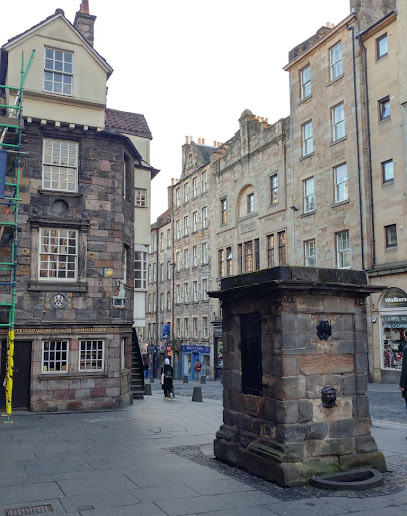
Wellhead at John Knox House
0.5 km
Discover the medieval charm and Reformation history embodied by the Wellhead at John Knox House on Edinburgh’s iconic Royal Mile.
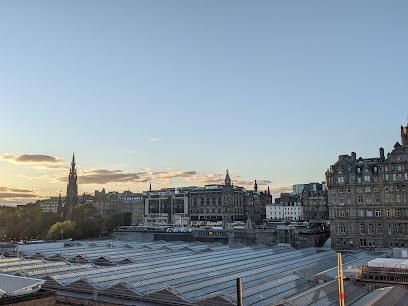
North Bridge
0.5 km
Historic North Bridge links Edinburgh’s Old and New Towns with stunning views and rich cultural heritage.
Earl of Hopetoun Statue
0.6 km
A distinguished bronze statue honoring John Hope, 4th Earl of Hopetoun, set amidst the elegant Georgian surroundings of Edinburgh’s St Andrew Square.
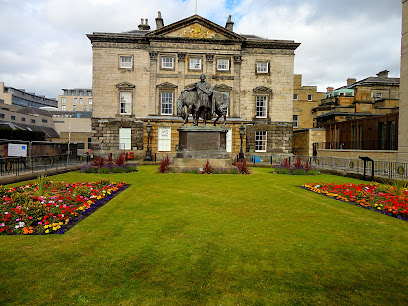
Dynamic Earth
0.6 km
Explore the captivating journey of our planet at Dynamic Earth, Edinburgh's premier science museum with interactive exhibits and stunning visuals.
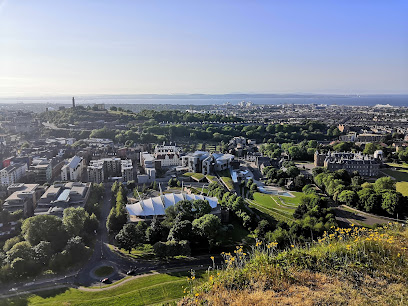
Royal Mile
0.6 km
Discover the rich history and vibrant culture of Edinburgh along the Royal Mile, where every step unveils a story waiting to be told.
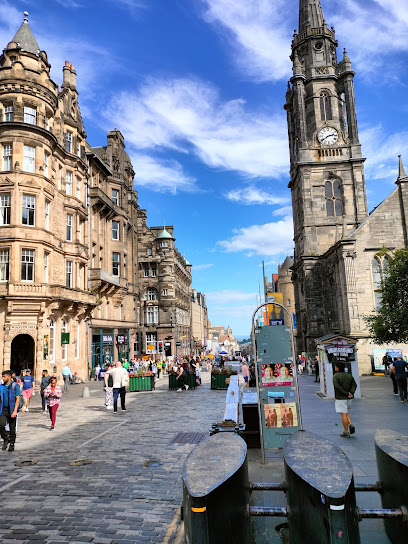
Museum Context
0.6 km
Explore a unique selection of Scottish gifts and homewares at Museum Context, Edinburgh's premier souvenir shop celebrating local artisans.
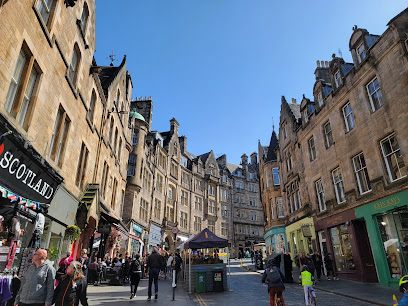
Unmissable attractions to see

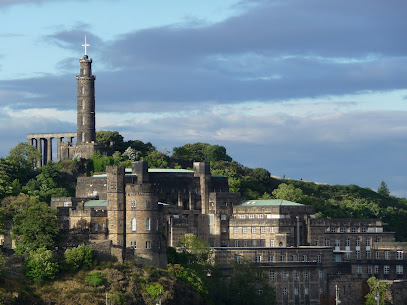
Nelson Monument
0.1 km
Discover the Nelson Monument on Calton Hill, a stunning tribute to Admiral Lord Nelson with panoramic views and rich maritime history in Edinburgh.
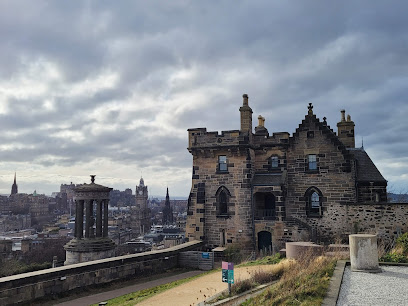
Playfair Monument
0.1 km
Elegant Greek Doric memorial on Calton Hill honoring John Playfair, a pillar of Edinburgh’s Enlightenment and uncle to architect William Playfair.
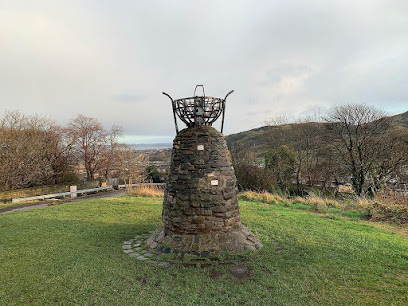
Monument to the Scottish Parliament
0.1 km
Explore Scotland’s bold and modern seat of democracy, where architecture and politics intertwine in Edinburgh’s historic heart.
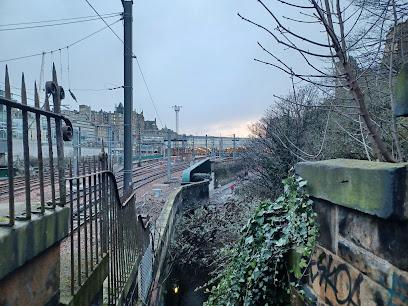
Jacob's Ladder
0.2 km
Historic and steep, Jacob's Ladder links Edinburgh’s Old and New Towns with stunning views and a glowing nighttime presence.
Steps to Calton Hill
0.2 km
Ascend the iconic steps to Calton Hill for breathtaking views, historic monuments, and a serene escape in the heart of Edinburgh.
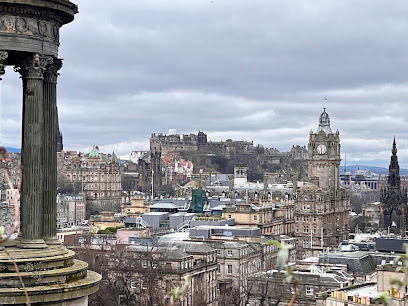
Heart of Scotland Tours
0.3 km
Explore Scotland’s iconic sights and hidden gems with intimate, expertly guided small-group tours departing from Edinburgh’s Waterloo Place.
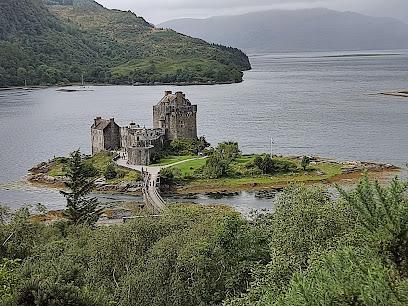
Regent Rd
0.3 km
Tranquil urban park and historic street offering stunning views and cultural landmarks in the heart of Edinburgh.
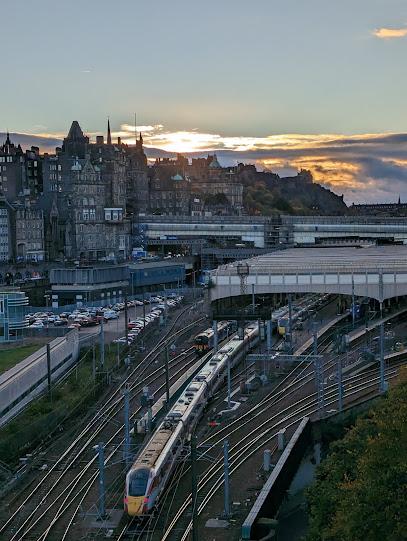
Old Calton Cemetery
0.3 km
Historic resting place on Calton Hill with notable monuments and panoramic views of Edinburgh’s rich heritage.
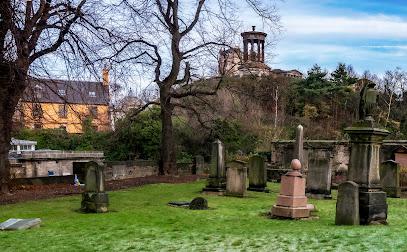
Dunbars Close
0.3 km
Discover Dunbars Close, Edinburgh’s secret garden oasis offering peaceful charm and historic ambiance on the Royal Mile.
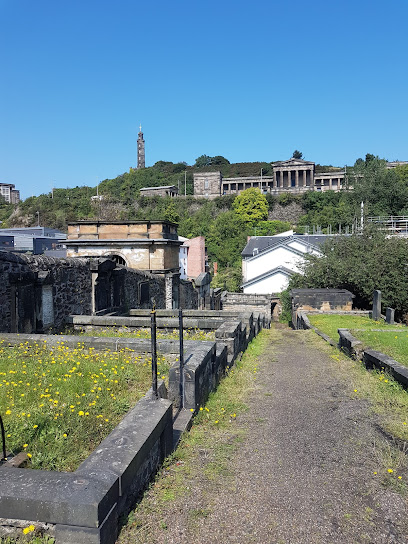
Waterloo Pl
0.4 km
Waterloo Place: historic gateway bridging Edinburgh’s Old and New Towns with Georgian elegance and sweeping city views.
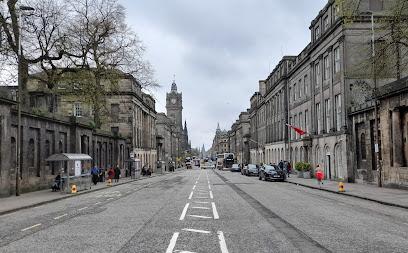
Canongate Kirk
0.4 km
Historic Canongate Kirk, a royal parish church with unique Dutch gable and serene blue interior, nestled on Edinburgh’s iconic Royal Mile.
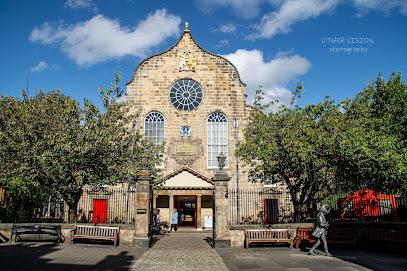
The People's Story Museum
0.4 km
Discover Edinburgh’s working-class heritage through immersive exhibits and personal stories in a historic 16th-century landmark on the Royal Mile.
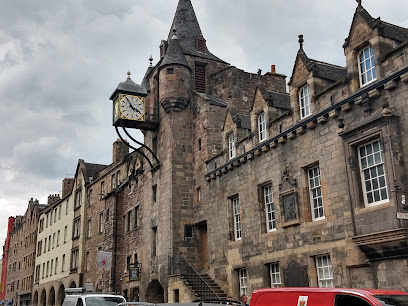
London Road Gardens
0.4 km
A tranquil historic garden in Edinburgh’s New Town, blending natural beauty with neoclassical heritage and peaceful urban retreat.
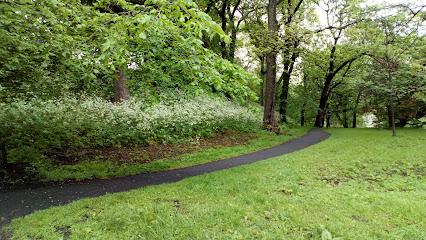
The Fudge House of Edinburgh
0.4 km
Historic Royal Mile sweet shop offering rich, creamy Scottish fudge in a charming, welcoming setting with a wide variety of flavors.
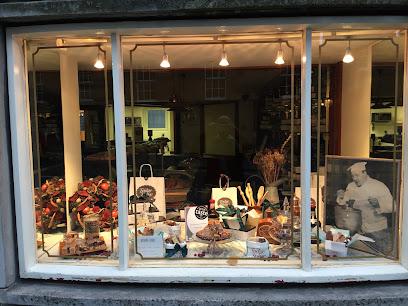
The Edinburgh Gin Distillery at The Arches
0.4 km
Discover Edinburgh’s premier gin destination with immersive tours, bespoke blends, and stunning city views at The Arches.
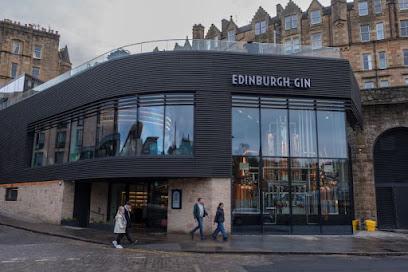
Essential places to dine

The Lookout by Gardener's Cottage
0.1 km
Suspended fine dining with panoramic Edinburgh views from an architectural marvel atop Calton Hill.
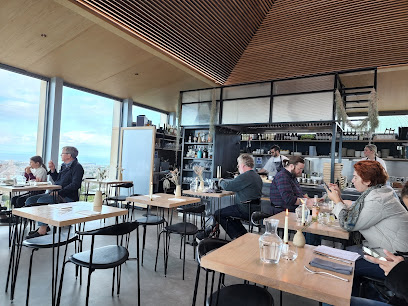
Howies Restaurant
0.2 km
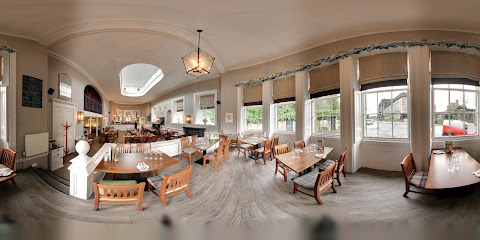
Experience authentic Scottish cuisine in a stunning Georgian dining hall at Howies Waterloo Place, Edinburgh’s beloved local gem.
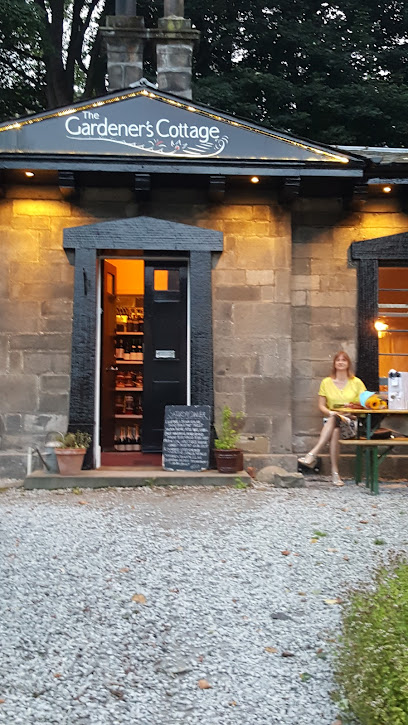
The Gardener's Cottage
0.3 km
An intimate Edinburgh dining gem blending seasonal Scottish produce with rustic charm in a historic garden cottage setting.
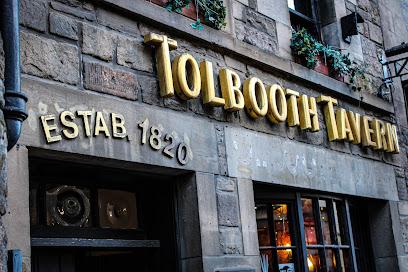
Tolbooth Tavern
0.4 km
Historic Royal Mile pub blending 400 years of Scottish history with authentic cuisine and warm hospitality.
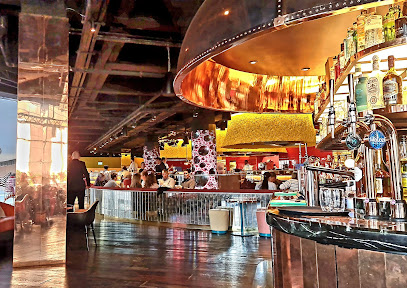
Duck & Waffle
0.4 km
Experience Edinburgh’s vibrant St James Quarter hotspot where modern British cuisine meets playful indulgence and stylish atmosphere.
The Botanist Edinburgh
0.4 km
A lush botanical-themed bar and restaurant in Edinburgh’s New Town, offering creative cocktails, hearty British fare, and live music in a vibrant garden setting.
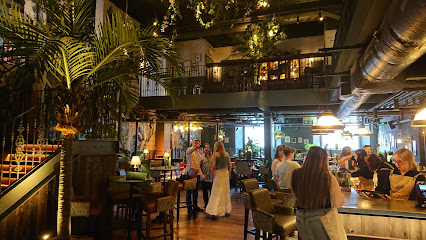
Down The Hatch Edinburgh
0.4 km
Bold Canadian comfort food and lively vibes meet in the heart of Edinburgh’s Antigua Street for a truly unforgettable dining experience.
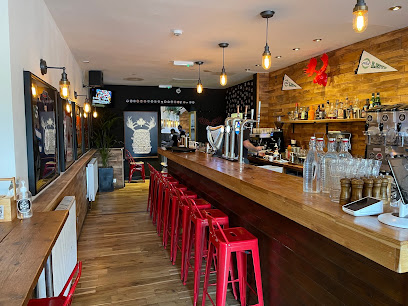
La Garrigue
0.4 km
Experience authentic Languedoc French cuisine in Edinburgh’s charming Old Town bistro with rustic flavours and vibrant ambiance.
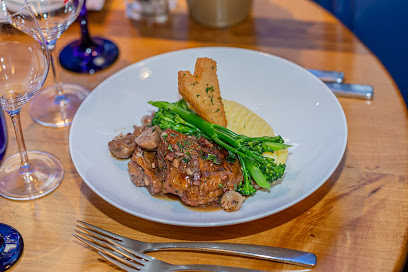
Wedgwood The Restaurant
0.4 km
Fine dining on Edinburgh’s Royal Mile with seasonal Scottish cuisine and foraged ingredients in a cozy, unpretentious setting.
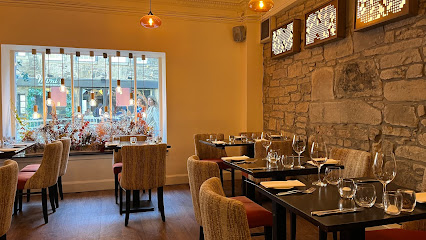
Taisteal
0.5 km
A Michelin-mentioned Edinburgh gem where Scottish ingredients meet global flavours in a warm, intimate setting.
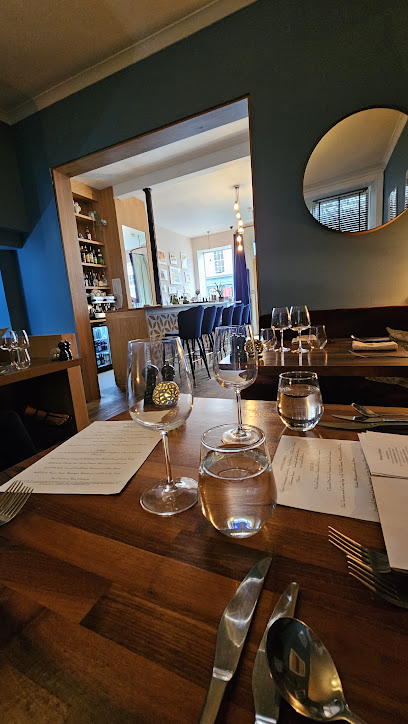
The Nether Bow Port Cafe & Bistro
0.5 km
Cozy bistro on Edinburgh’s Royal Mile serving diverse breakfast and lunch options in a warm, welcoming atmosphere.
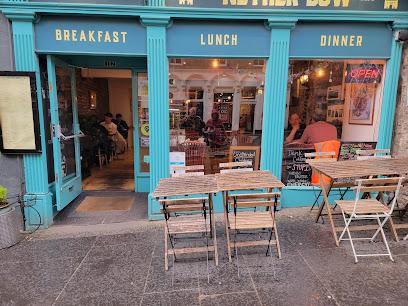
Monteiths
0.5 km
Experience contemporary Scottish dining and crafted cocktails in a stylish, intimate setting on Edinburgh’s historic Royal Mile.
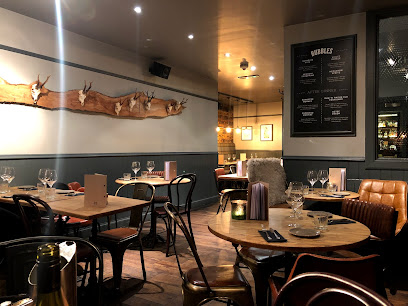
Number One
0.5 km
Experience modern Scottish fine dining with seasonal flair and impeccable service in the iconic Balmoral Hotel, Edinburgh.
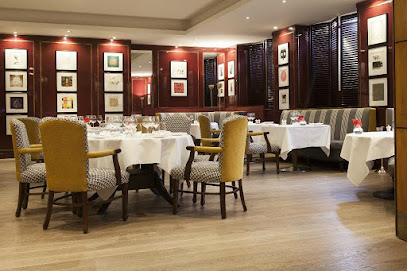
Tattu Edinburgh
0.6 km
Experience modern Chinese cuisine in a stunning setting blending Edinburgh’s historic charm with contemporary elegance.
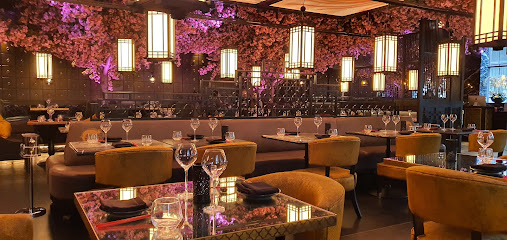
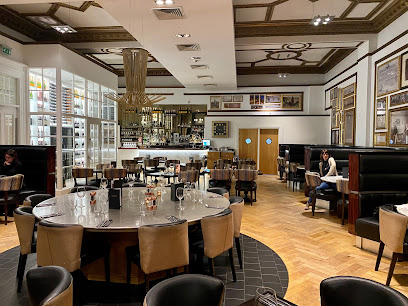
Twenty Princes Street
0.6 km
Experience refined Scottish cuisine with stunning city views at Twenty Princes Street, a stylish dining destination in Edinburgh’s heart.
Markets, malls and hidden boutiques

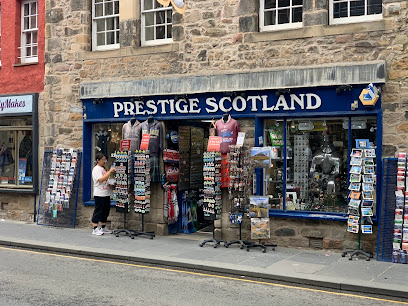
Prestige Scotland Kilt Maker & Souvenir Shop
0.4 km
Authentic Scottish kilts and Highland dress on Edinburgh's historic Royal Mile.
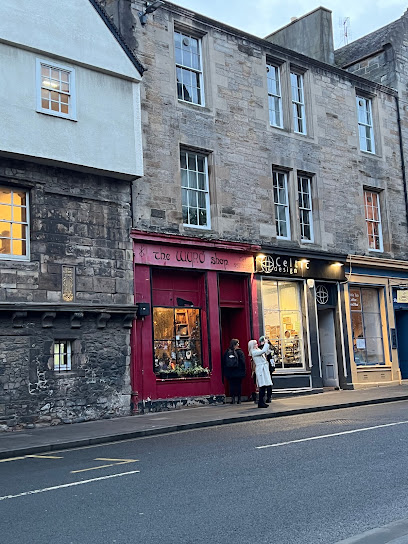
The Wyrd Shop
0.4 km
Edinburgh's esoteric gem on Canongate: crystals, tarot, pagan jewelry, and magickal handmade treasures in a cozy witchy haven.
Ragamuffin
0.5 km
Discover unique, beautifully crafted women's knitwear in a charming boutique on Edinburgh’s historic Royal Mile.
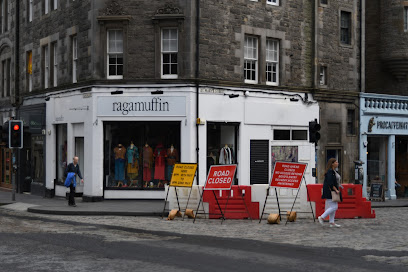
Holyrood Gift Shop
0.5 km
Discover authentic Scottish crafts and souvenirs in the heart of Edinburgh’s historic Royal Mile at Holyrood Gift Shop.

Pure Scottish
0.5 km
Authentic Scottish gifts and crafts in the heart of Edinburgh’s historic North Bridge district.

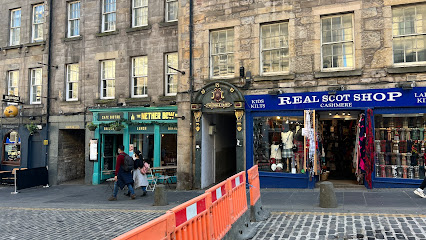
Real Scot Shop
0.5 km
Authentic Scottish gifts and crafts in the heart of Edinburgh’s historic High Street, where heritage meets quality and friendly service.
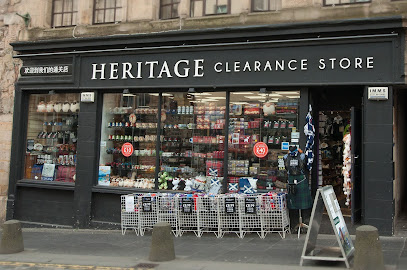
Heritage Clearance Store
0.5 km
Discover authentic Scottish heritage treasures and unbeatable bargains in the heart of Edinburgh’s historic High Street.
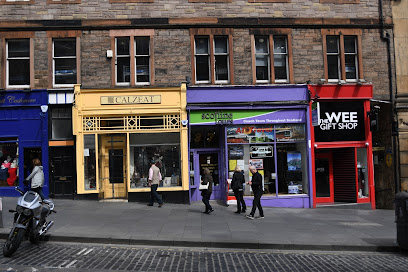
The Wee Gift Shop
0.5 km
Award-winning Scottish gift shop celebrating local talent, sustainability, and authentic cultural heritage on Edinburgh's High Street.
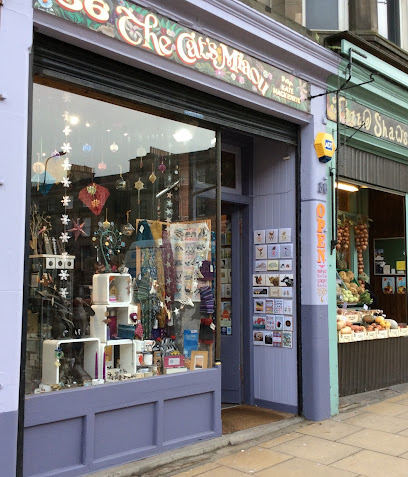
The Cats Miaou
0.5 km
A vibrant Leith gift shop bursting with quirky, pun-filled designs and ethically sourced handmade treasures in Edinburgh.
scottish experience cashmere place
0.6 km
Explore the finest cashmere souvenirs at Scottish Experience Cashmere Place, where tradition and quality meet in the heart of Edinburgh.
Anime Republic
0.6 km
Edinburgh’s vibrant anime gift shop and community hub offering collectibles, manga, and events for fans of all levels.

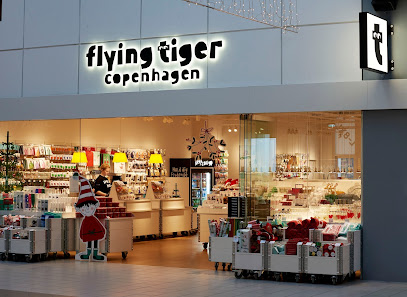
Flying Tiger Copenhagen
0.6 km
Discover quirky, affordable Danish design and everyday essentials in Edinburgh’s vibrant Waverley Mall store.
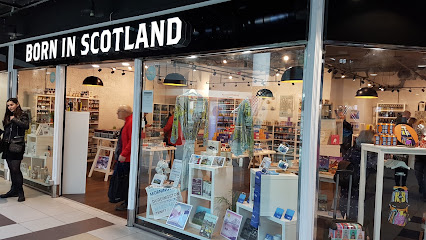
Born In Scotland - Edinburgh Waverly Mall
0.6 km
Authentic Scottish gifts blending tradition and playful modernity in Edinburgh’s Waverly Mall, perfect for meaningful keepsakes and souvenirs.
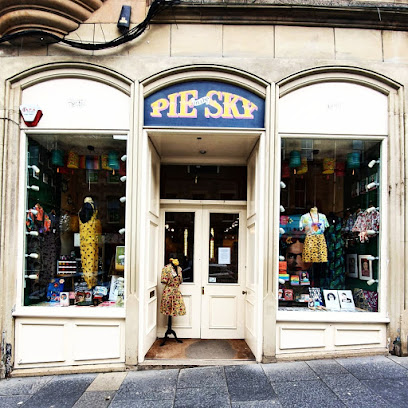
Pie In The Sky Ltd
0.6 km
Discover unique, creative clothing inspired by Scottish culture in the heart of Edinburgh’s historic Old Town.
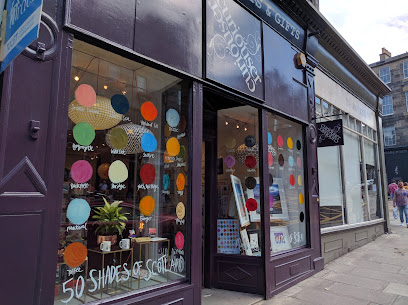
Curiouser & Curiouser
0.7 km
A design-led independent shop in Edinburgh, filled with art, cards, homewares, and unique gifts with a Scandinavian-inspired aesthetic.
Essential bars & hidden hideouts

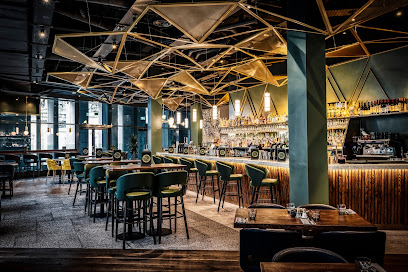
The Alchemist St James Quarter
0.4 km
Experience Edinburgh’s vibrant cocktail theatre and unique dining at The Alchemist St James Quarter, where drinks come alive with magic and flair.
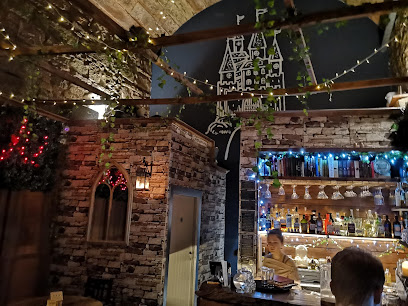
The Cocktail Geeks
0.4 km
Edinburgh's arch-hidden gem for themed cocktails, geeky immersions, and masterful mixology in a cozy, ever-changing vault.
The Street
0.4 km
Casual cocktail bar by day, energetic late-night bar and small club by night — Picardy Place’s go-to spot for social evenings and weekend parties.

The Voodoo Rooms
0.6 km
Edinburgh's clandestine Victorian lair of cocktails, cabaret, and live tunes in opulent, hidden chambers.
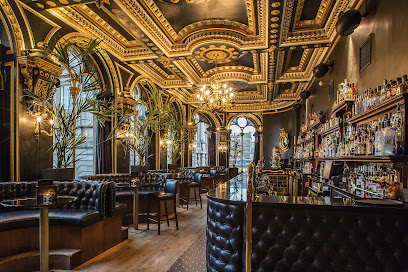
Whiski Bar & Restaurant
0.6 km
A cosy Royal Mile whisky bar with 300+ Scotch malts, hearty Scottish food and nightly live music in Edinburgh’s Old Town.
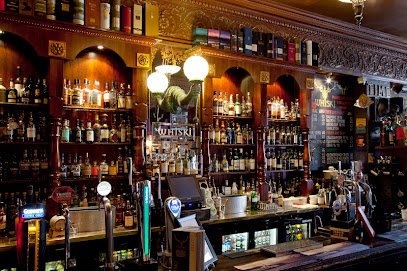
Whistlebinkies
0.6 km
Edinburgh’s legendary underground live music bar offering free entry, vibrant bands, and a cozy vaults atmosphere every night until the early hours.
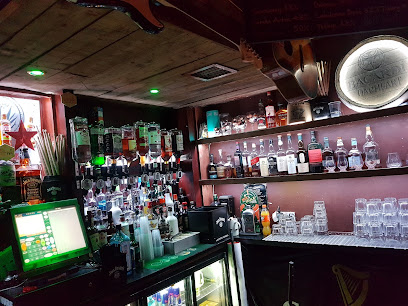
Arcade Bar Haggis & Whisky House, celebrating 20 years of serving The Best Haggis in Town!
0.6 km
Cozy Edinburgh bar serving renowned haggis and over 100 whiskies in a warm, traditional Scottish setting with hearty portions and friendly vibes.
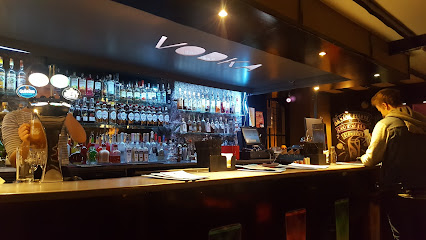
Nightcap
0.7 km
Intimate New Town speakeasy with whisky-led cocktails, reclaimed-wood warmth and attentive, bespoke service for relaxed late-night evenings.
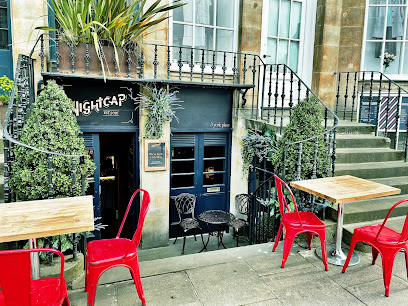
The Banshee Labyrinth
0.7 km
Discover Scotland’s most haunted pub, a labyrinth of eerie vaults and lively entertainment beneath Edinburgh’s Old Town.
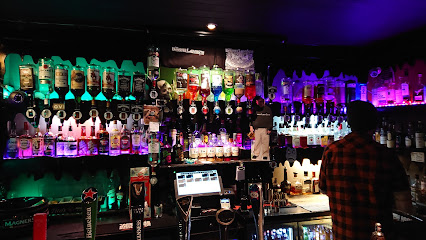
Copper Still
0.7 km
Cozy Royal Mile retreat dishing fresh Scottish eats and drams amid buskers and historic vibes – from breakfast brekkie to late-night cocktails.
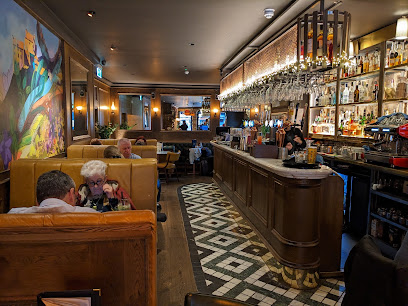
Artisan Bar
0.8 km
A classic Edinburgh pub with ornate charm, lively atmosphere, and a welcoming vibe for locals and visitors alike.
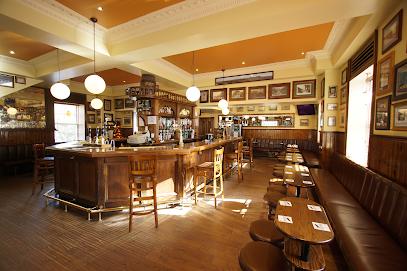
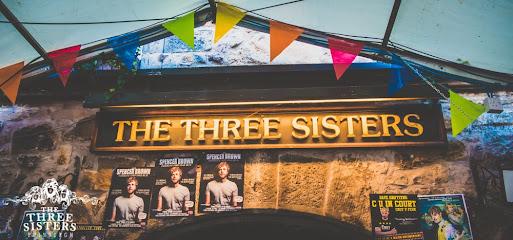
The Three Sisters
0.9 km
A legendary Edinburgh bar and live venue famed for its vibrant atmosphere, historic roots, and nonstop entertainment on Cowgate.
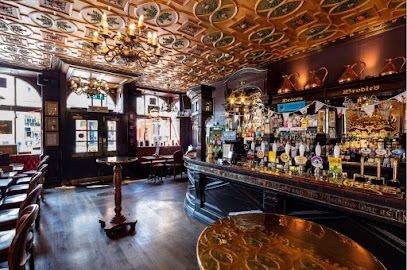
Deacon Brodies Tavern
0.9 km
Historic Royal Mile pub channeling Deacon Brodie's Jekyll-and-Hyde legacy with cask ales, hearty pies, and Old Town buzz—perfect for ale lovers and tale seekers.
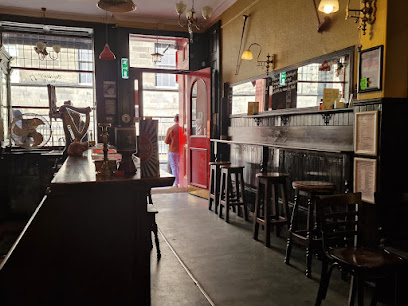
Captain's Bar
0.9 km
Historic Edinburgh pub with daily live Scottish folk music, local ales, and a warm, intimate atmosphere steeped in tradition.
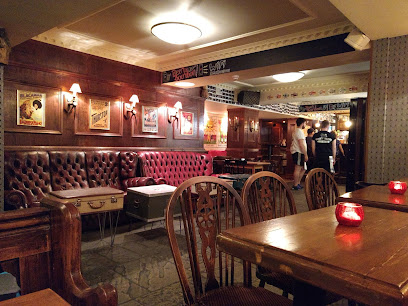
Hoot The Redeemer
0.9 km
A quirky, tarot-themed cocktail bar in Edinburgh offering inventive drinks, playful games, and a lively, intimate atmosphere.
Nightclubs & after hour spots

The Hive Nightclub & Venue
0.7 km
Edinburgh's gritty Cowgate nightclub: cheap drinks, multi-room beats, and non-stop energy until 3am in the heart of Old Town.

Cabaret Voltaire
0.7 km
Vaulted live-music rooms and a relaxed upstairs bar—Cabaret Voltaire is Edinburgh’s atmospheric hub for alternative gigs and late-night clubbing.
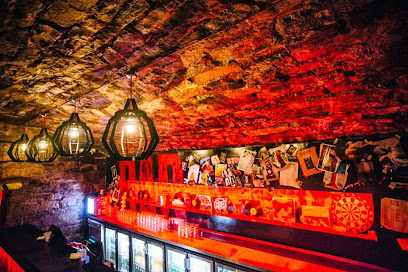
La Belle Angele
0.8 km
Edinburgh’s intimate nightclub and live music venue blending historic charm with vibrant themed nights and diverse performances.
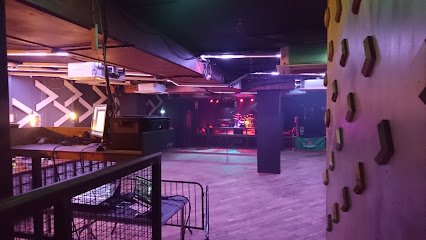
The Mash House
0.8 km
A vibrant Edinburgh nightclub and live music venue blending folk, electronic, and techno in a lively, casual setting.

Why Not Nightclub
0.9 km
Edinburgh's multi-award-winning late-night haven with LED immersion, garden vibes, and non-stop beats on George Street.
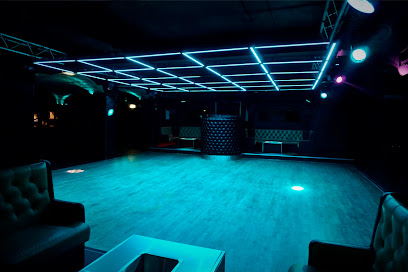
Shanghai Nightclub
0.9 km
Edinburgh's Oriental nightlife den: Asian decor, themed beats, VIP vibes, and non-stop energy on George Street.
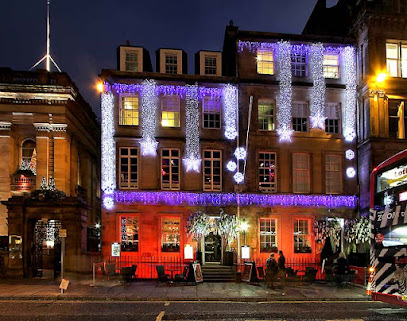
Sneaky Pete's
0.9 km
Intimate live music and club nights in Edinburgh’s Old Town, where emerging talent meets vibrant nightlife.
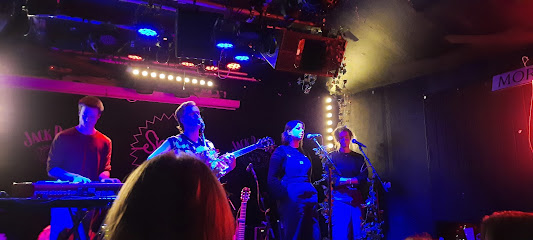
El Barrio Latino
0.9 km
Edinburgh's sizzling Latin nightclub where salsa beats pulse through New Town nights, drawing dancers to its vibrant Hanover Street heart until the early hours.
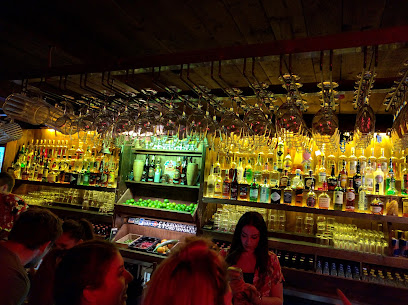
Legends
0.9 km
Edinburgh’s only 24/7 rock nightclub, Legends pulses with raw energy and live alternative music in the heart of Cowgate.
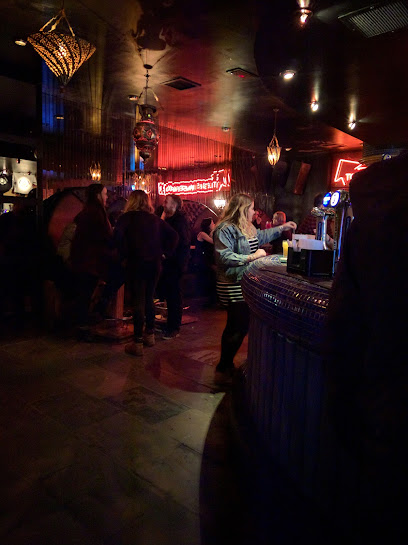
Garibaldi's
1.0 km
Edinburgh's tiniest nightclub packs the biggest late-night punch on Hanover Street, with killer margaritas and a dance floor that never quits till 3am.
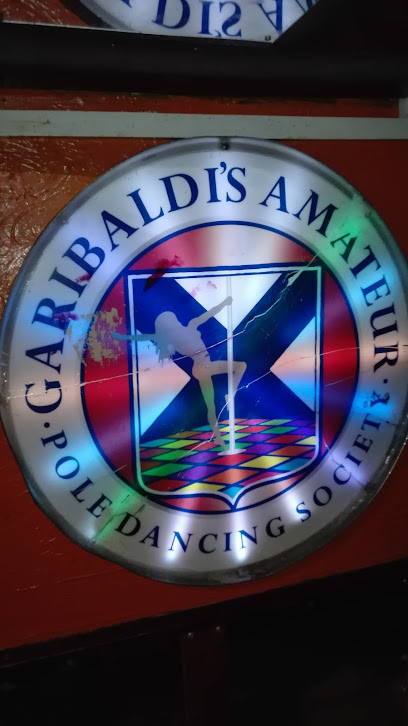
The Bongo Club
1.0 km
Edinburgh’s underground hotspot blending eclectic music, live art, and a vibrant late-night scene in the historic Old Town.

The Liquid Room
1.0 km
Edinburgh's multi-level nightlife gem: techno thumps, live gigs, and warehouse vibes on historic Victoria Street.
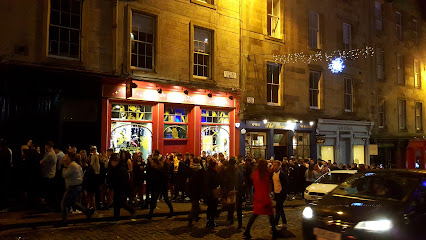
Opal Lounge
1.1 km
A stylish live music bar and nightclub in Edinburgh’s New Town, perfect for celebrations and vibrant nightlife.
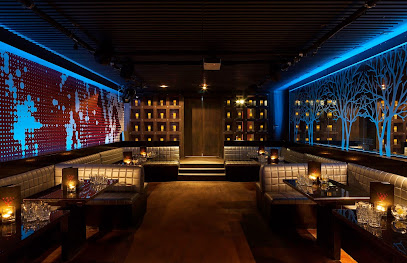
The Shack Retro Bar & Club
1.3 km
Edinburgh's retro dance den blasting 60s-90s hits amid quirky decor and sweaty dance floors—pure nostalgic escapism on Rose Street.

Lulu Bar and Nightclub
1.5 km
Edinburgh's George Street gem: chic cocktails, thumping beats, and dance floors that ignite the night in upscale style.
For the vibe & atmosphere seeker
- Scenic
- Unique
- Adventurous
- Tranquil
For the design and aesthetic lover
- Minimalist Designs
- Vintage Styles
For the architecture buff
- Historic
- Landmarks
- Viewpoints
For the view chaser and sunset hunter
- Iconic Views
- Panoramas
- Skyline
- Sunrise Spots
- Sunset Spots
For the social media creator & influencer
- Instagrammable
- Photo Spots
- Architectural Shots
For the eco-conscious traveler
- Protected Area
- Leave-No-Trace Critical
For the kind of experience you’re after
- Mindfulness
- Meditation Spot
- Myth & Legends
- Cultural Heritage
- Photowalk
- Nature Escape
- Day Trip
For how adventurous you want the journey to be
- Easy Access
- Requires Hike
Location Audience
- Family Friendly
- Senior Friendly
- Solo Friendly
- Couple Friendly
- Solo Female Friendly


