
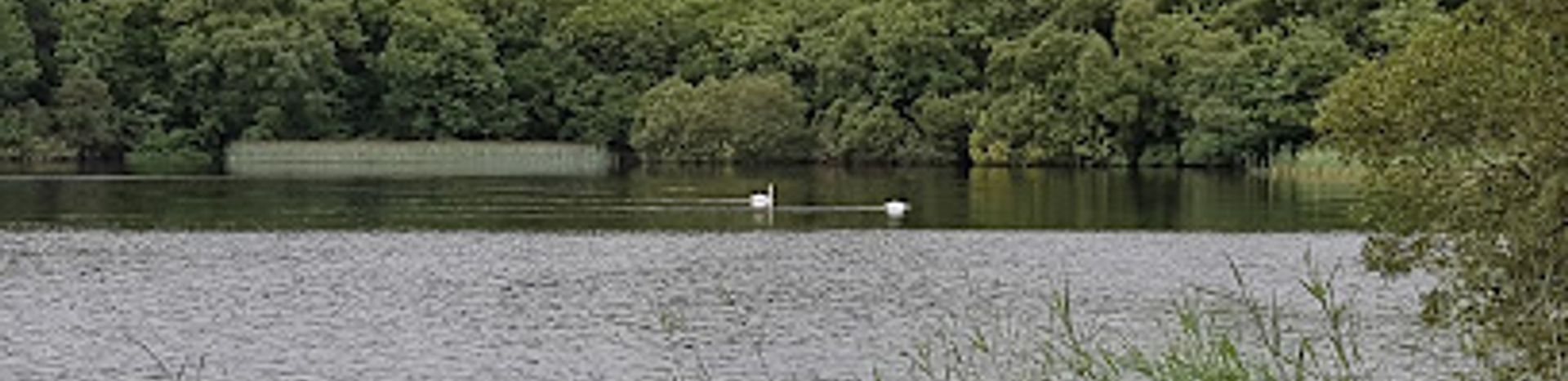
Tully Castle: A Haunting Plantation-Era Fortress on Lower Lough Erne
Explore the evocative ruins of Tully Castle, a 17th-century plantation fortress steeped in history and tragedy on the shores of Lower Lough Erne.
Tully Castle is a striking early 17th-century fortified house and bawn located on the scenic shores of Lower Lough Erne near Derrygonnelly, County Fermanagh. Built by Scottish planter Sir John Hume between 1611 and 1613, it was designed for defense amid the turbulent Plantation of Ulster. The castle witnessed a tragic massacre during the 1641 Irish Rebellion, after which it was burned and never reoccupied. Today, its evocative ruins and surrounding grounds offer a poignant glimpse into Northern Ireland’s plantation history.
A brief summary to Tully Castle
- Lough Shore Rd, Enniskillen, Derrygonnelly, BT93 6HP, GB
- Visit website
- Duration: 1 to 2.5 hours
- Free
-
 Outdoor
- Mobile reception: 4 out of 5
- Monday 12 am-12 am
- Tuesday 12 am-12 am
- Wednesday 12 am-12 am
- Thursday 12 am-12 am
- Friday 12 am-12 am
- Saturday 12 am-12 am
- Sunday 12 am-12 am
Local tips
- Visit the small visitor centre near the castle entrance for exhibitions and historical context before exploring the ruins.
- Take the scenic walking route around the castle and along the lough shore to enjoy natural views and local wildlife.
- Plan your visit during daylight hours for the best experience, as the castle grounds have uneven surfaces and limited lighting.
- Boat visitors can use the castle’s jetty on Lower Lough Erne, but be aware facilities there are minimal.
- Respect the solemn history of the site, especially the 1641 massacre, which is commemorated through interpretive panels.

For the on-the-go comforts that matter to you
- Restrooms
- Information Boards
- Visitor Center
- Seating Areas
- Picnic Areas
- Trash Bins
Getting There
-
Car
Driving from Enniskillen to Tully Castle takes approximately 25 to 35 minutes via local roads. Ample parking is available near the visitor centre. Note that some rural roads may be narrow and winding.
-
Bus
Local bus services connect Enniskillen and Derrygonnelly with infrequent schedules; expect a travel time of around 40 to 60 minutes. Check current timetables as services may be limited, especially on weekends.
-
Boat
Visitors arriving by boat can use the jetty at Tully Castle on Lower Lough Erne. This provides a scenic and unique access point, though facilities at the jetty are minimal with no water or electricity available.
-
Walking
For active visitors, walking from Derrygonnelly village to Tully Castle is a moderate 1-hour trek over mixed terrain, including paved and natural paths. Suitable footwear is recommended.
Tully Castle location weather suitability
-
 Any Weather
-
 Rain / Wet Weather
-
 Clear Skies
-
 Mild Temperatures
Discover more about Tully Castle
Origins and Strategic Design of Tully Castle
Tully Castle was constructed between 1611 and 1613 by Sir John Hume, a Scottish planter granted land during the Plantation of Ulster. Situated on the southern shore of Lower Lough Erne, the castle was built with defense as a priority, reflecting the tensions between the new Scottish settlers and the native Irish population. The fortified house features a rectangular bawn—a walled courtyard roughly 100 feet square—surrounded by high stone walls and four projecting corner towers called flankers. These towers were designed to provide musket and pistol defense, a hallmark of plantation castles of the era. The castle’s architecture blends Scottish influences with local Irish masonry techniques, a testament to the collaboration of cultures during its construction.The Tragic Events of the 1641 Irish Rebellion
Tully Castle’s history is marked by a dark episode during the Irish Rebellion of 1641. On Christmas Eve, rebel forces led by Rory Maguire, whose family had previously held the land, arrived with over 800 men. Most of the castle’s male defenders were absent, leaving Lady Mary Hume and the settlers vulnerable. After surrendering under the promise of safe conduct, the castle’s occupants—approximately 15 men and 60 women and children—were imprisoned in the vaulted cellar. The following day, these prisoners were massacred, and the castle was set ablaze. The Hume family was spared but never returned, leaving the castle a ruin. This event is one of the most infamous massacres of the rebellion and contributes to the castle’s haunting atmosphere.Preservation and Visitor Experience Today
Today, Tully Castle stands as one of the best-preserved plantation castles in Fermanagh, with the stronghouse surviving to nearly full height and parts of the bawn walls still visible. A sensitive conservation program began in the 1970s, stabilizing the ruins and revealing features such as cobbled garden paths within the bawn. Visitors can explore the castle’s footprint, including the barrel-vaulted ground floor, which once served as a kitchen and storeroom, and admire the distinctive quarter-round turret. Interpretation panels provide vivid accounts of the castle’s history, including the 1641 massacre, enhancing the visitor’s understanding of the site’s significance.Natural Setting and Surrounding Attractions
Set on a scenic headland on Lower Lough Erne, the castle is surrounded by natural beauty, including views across the lough to nearby islands such as Heron, Gay, and Inishmakill. A walking route around the castle and along the lough shore offers opportunities to enjoy the tranquil woodland and spot local wildlife, particularly wild birds that inhabit the area. Nearby facilities include a restored farmhouse visitor centre with exhibitions on the Plantation era and local history, parking, toilets, and picnic areas. The site is also accessible by boat via a jetty, making it a unique destination for waterborne visitors.Cultural Legacy and Folklore
Tully Castle’s turbulent past has left a lasting cultural imprint. The massacre of 1641 has inspired local folklore and ghost stories, contributing to a dark, brooding atmosphere that some visitors find compelling. The castle and its surrounding village site are protected as State Care Historic Monuments, preserving an important chapter of Northern Ireland’s plantation history. Nearby castles such as Monea Castle share similar origins and histories, offering further exploration of the region’s plantation heritage.Planning Your Visit and Accessibility
Admission to Tully Castle and the visitor centre is free, with the centre staffed during open hours, though it may close occasionally due to staffing or seasonal factors. The site is dog-friendly, with paved paths suitable for families, though picnics are not permitted within the formal grounds. While the castle ruins and grounds are easily accessible, visitors should be prepared for uneven surfaces typical of historic sites. The jetty provides a distinctive arrival point for those exploring by boat, though facilities there are minimal. Overall, Tully Castle offers a poignant, atmospheric experience blending history, architecture, and natural beauty.Iconic landmarks you can’t miss

Glenfarne Demesne
20.3 km
Explore the scenic trails and serene landscapes of Glenfarne Demesne in Co. Leitrim, a paradise for hiking enthusiasts and nature lovers.
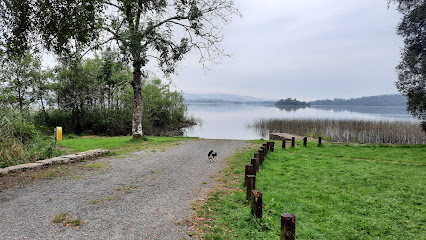
The Burren Forest
22.2 km
Explore the stunning landscapes and serene trails of The Burren Forest in Co. Cavan, a natural wonder for every nature lover and adventurer.
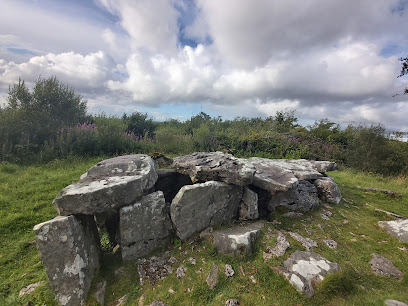
Burren SW Portal Tomb
22.2 km
Explore the ancient Burren SW Portal Tomb, a fascinating historical landmark in Co. Cavan, that reveals the mysteries of Ireland's Neolithic past.
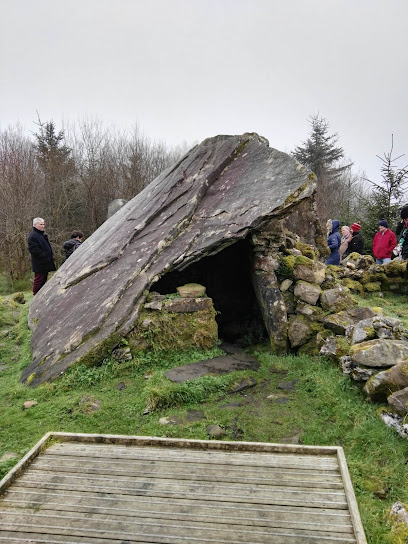
Donegal Corridor
25.3 km
Explore the scenic Donegal Corridor near Ballyshannon, where Irish neutrality secretly aided the Allies during World War II.
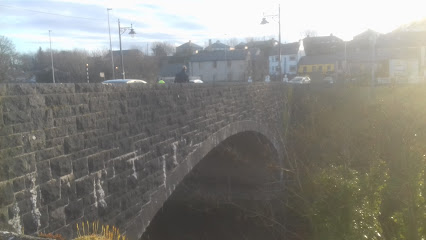
Donegal Town Walking Tours
29.0 km
Experience the charm of Donegal Town with engaging walking tours that uncover its rich history and vibrant culture, surrounded by breathtaking landscapes.
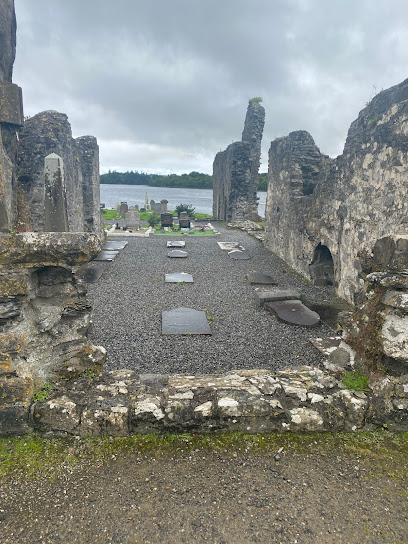
Donegal Town Tourist Information Centre
29.3 km
Explore County Donegal from the heart of Donegal Town with expert guidance at the Tourist Information Centre.
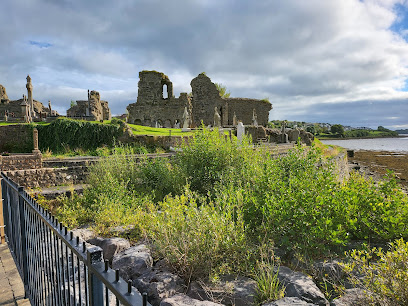
Abbey of Donegal
29.3 km
Discover the historic Abbey of Donegal, a serene landmark on the shores of Donegal Bay, offering a glimpse into Ireland's rich cultural heritage.
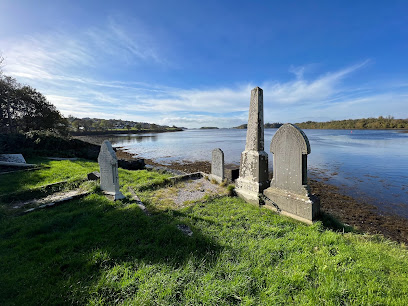
Roe Hugh O’Donnell Commemorative
29.3 km
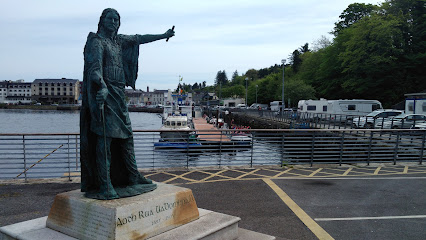
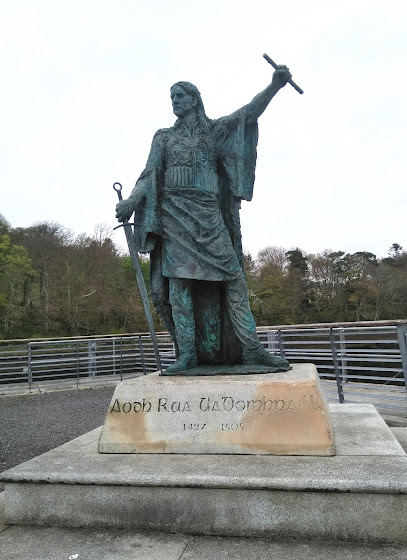
Discover Donegal's rich heritage at the Roe Hugh O’Donnell Commemorative, a stunning sculpture by the harbor, steeped in history and culture.
Donegal Bay Charters
29.3 km
Discover the breathtaking beauty of Donegal Bay with Donegal Bay Charters - an unforgettable adventure awaits in Ireland's stunning North Atlantic.
Donegal Town Centre
29.3 km
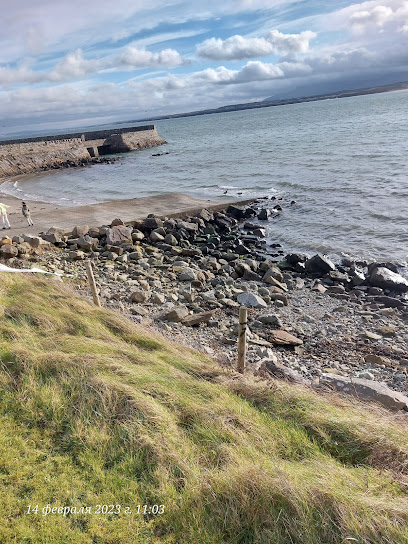
Experience the vibrant culture, rich history, and stunning landscapes in the heart of Donegal Town Centre, Ireland's hidden gem.
Lough Eske
30.8 km
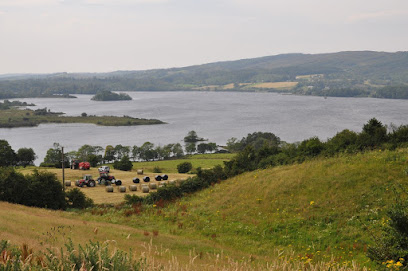
Discover the serene beauty of Lough Eske in County Donegal, where breathtaking landscapes meet rich history and outdoor adventure.
Donegal Harbour
31.2 km
Experience the breathtaking beauty and rich maritime heritage of Donegal Harbour, a serene retreat along Ireland's stunning coastline.
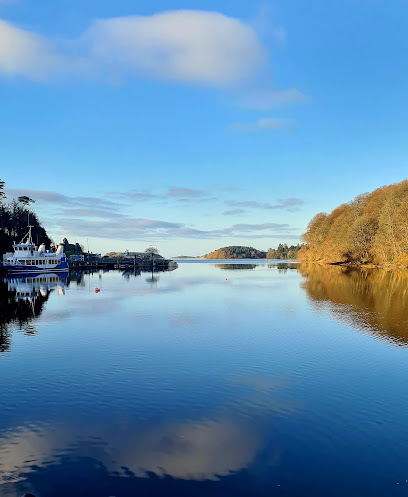
Governor's House Omagh Gaol
36.0 km
Historic Governor's House of Omagh Gaol, a unique octagonal stone residence revealing Northern Ireland's prison heritage.
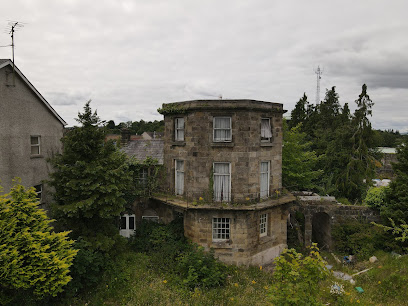
Portal Tombs of Ballyrenan
36.2 km
Explore the ancient, dual-chambered Portal Tombs of Ballyrenan, set against the stunning backdrop of the Sperrin Mountains in Northern Ireland.
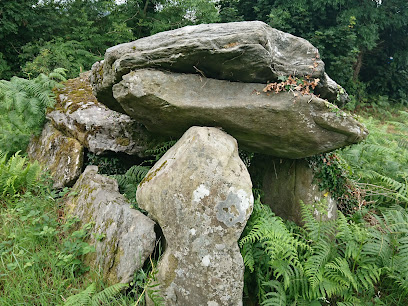
Ulster American Folk Park
37.8 km
Explore the Ulster American Folk Park, a captivating open-air museum revealing the stories of Irish emigrants and their journeys to new beginnings in America.
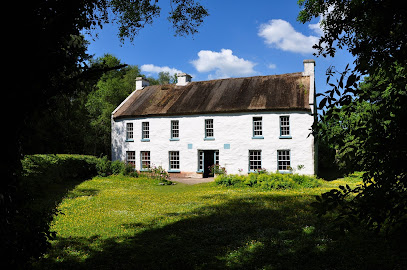
Unmissable attractions to see

Blackslee Waterfall Walk Parking
4.7 km
Access the serene Blackslee Waterfall Walk from this convenient parking spot near Enniskillen, immersing in forest trails and stunning waterfall views.
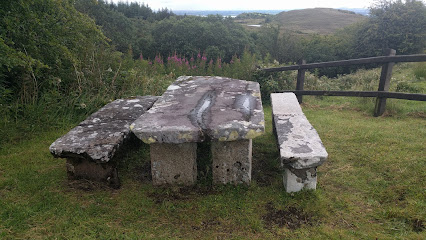
Castle Archdale Country Park
5.4 km
Explore the breathtaking landscapes and rich history of Castle Archdale Country Park, a serene escape in Enniskillen, Northern Ireland.
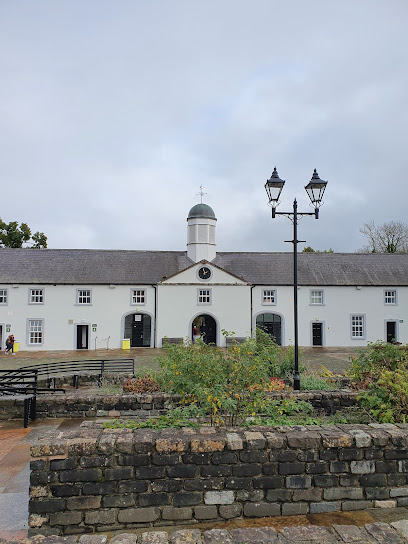
White Island Stone Figures (State Care Monument)
5.7 km
Explore White Island’s haunting monastic ruins and rare 9th-century stone figures nestled in the tranquil waters of Lower Lough Erne.
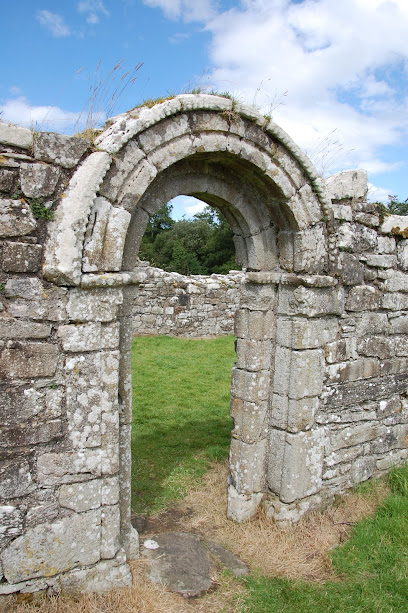
Old Castle Archdale (State Care Monument)
6.8 km
Explore Old Castle Archdale: A Historical Landmark and Tourist Attraction in the Heart of County Fermanagh, Ireland.
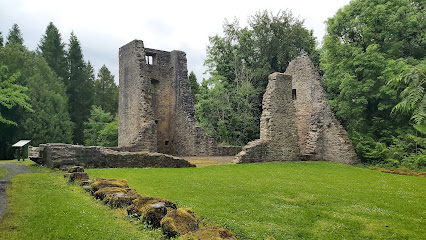
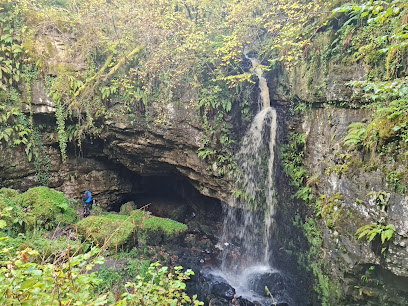
Pollnagollum Cave
13.5 km
Discover Pollnagollum Cave’s stunning waterfall entrance nestled in Belmore Forest, a scenic gem of Northern Ireland’s Fermanagh Lakelands.
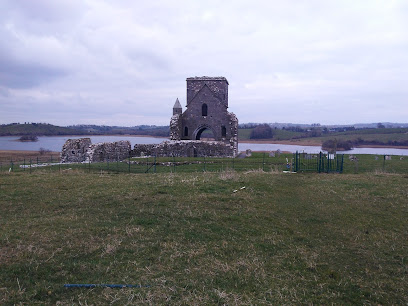
St Mary's Augustinian Priory
13.7 km
Explore the evocative ruins of St Mary's Augustinian Priory, a serene medieval monastic site on Devenish Island rich with history and spiritual heritage.
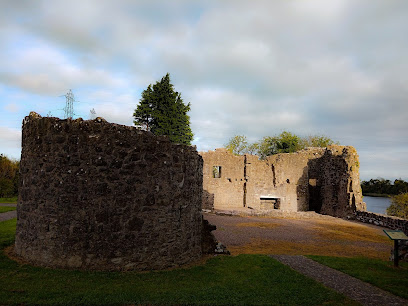
Portora Castle
14.8 km
Explore the evocative ruins of Portora Castle, a 17th-century fortified manor guarding Enniskillen’s historic river crossing with scenic riverside views.
Enniskillen Taste Experience
16.2 km
Discover Enniskillen’s culinary treasures on a guided walking tour featuring over 20 local food and drink tastings in a historic island town setting.
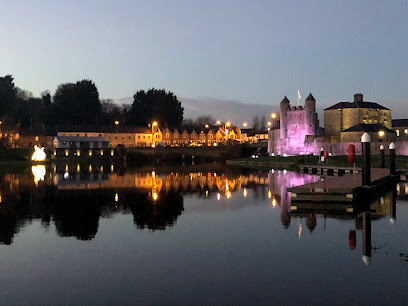
Enniskillen Castle
16.2 km
A 15th‑century fortress on the River Erne, now home to two fascinating museums and a modern heritage gateway in the heart of Enniskillen.
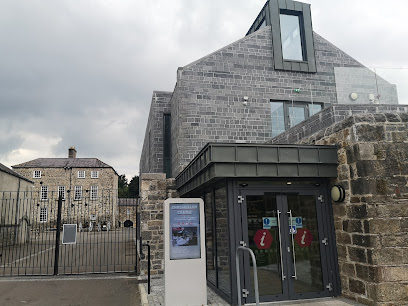
Castle Island
16.2 km
Explore Enniskillen Castle, a historic riverside fortress in Northern Ireland blending medieval heritage with rich cultural museums.
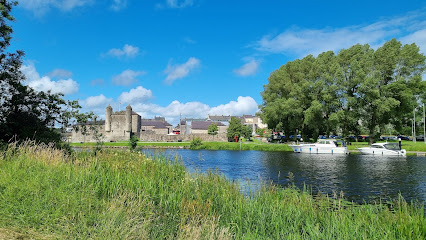
Buttermarket
16.4 km
Discover Enniskillen’s historic Buttermarket, a vibrant courtyard of artisan crafts, galleries, and a cozy café in a restored 19th-century dairy market.
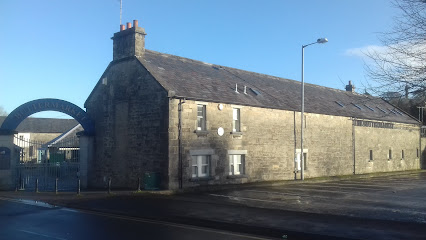
Maguire's Public House
18.5 km
A warm and lively gastropub in Belcoo offering authentic Irish hospitality, hearty fare, and perfectly poured Guinness in a welcoming community setting.
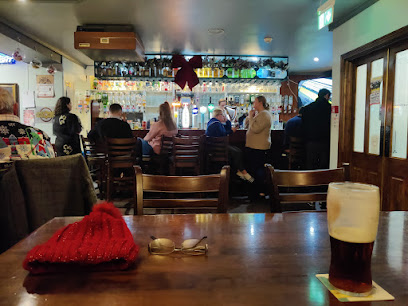
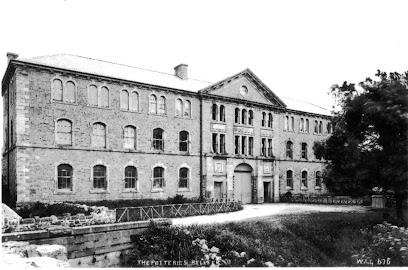
Belleek Visitor Center
18.7 km
Explore the legacy of Belleek pottery at the Visitor Center, where craftsmanship meets culture in a charming Irish village.
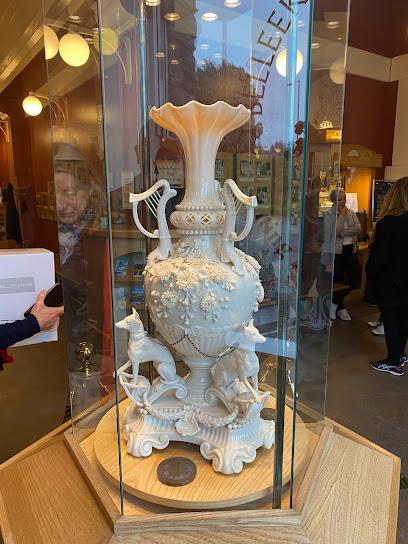
Belleek Pottery Ltd
18.8 km
Explore the rich heritage of pottery craftsmanship at Belleek Pottery Ltd, where tradition meets artistry in a charming Irish village.
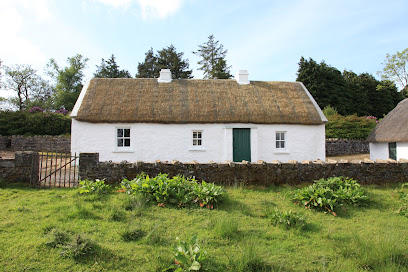
Kiltyclogher Heritage Centre
18.8 km
Explore Kiltyclogher Heritage Centre for an enriching journey into Irish culture and history in the heart of County Leitrim.
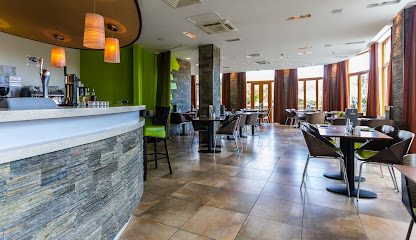
Essential places to dine

Tullana on the Green
7.2 km
Experience authentic Irish flavors and warm hospitality in the charming rural setting of Lisnarick at Tullana on the Green.
The Barn at Finn Lough
8.4 km
An intimate lakeside restaurant offering bold Irish small plates crafted from seasonal, locally sourced ingredients in a warm, rustic-chic setting.
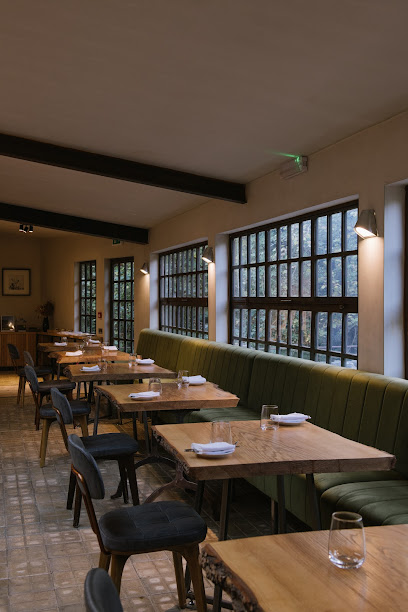
The Belleek Restaurant
8.7 km
Elegant lakeside dining with award-winning cuisine in a historic Victorian mansion near Enniskillen.
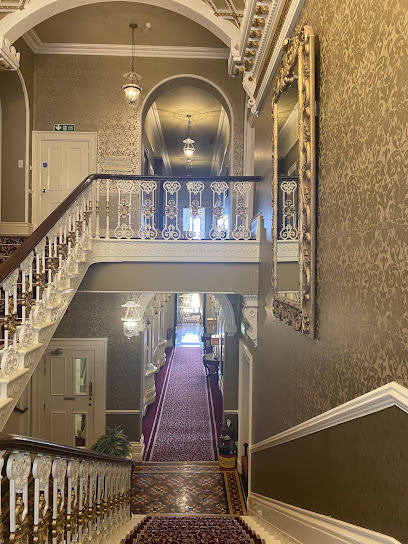
Catalina
9.8 km
Experience lakeside luxury, championship golf, and authentic Thai spa indulgence on a serene 600-acre peninsula near Enniskillen.
Molly's Bar
11.2 km
Experience hearty British pub fare and warm hospitality at Molly's Bar, Irvinestown's beloved family-style restaurant and social hub.
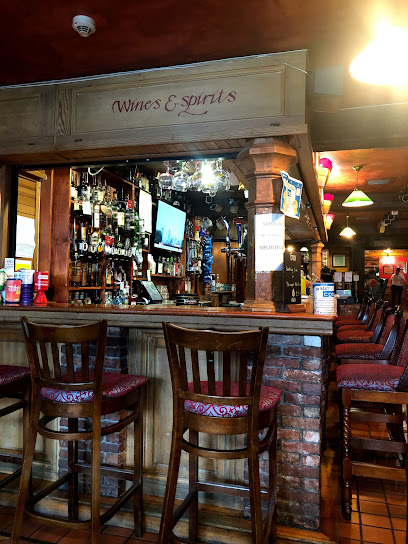
M Lounge
16.2 km
Experience vibrant dining and handcrafted cocktails in Enniskillen’s stylish M Lounge, where local flavors meet lively evenings.
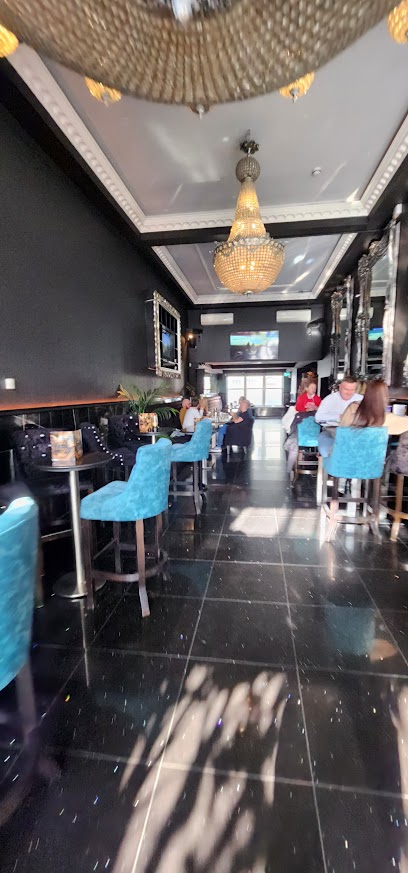
28 At The Hollow
16.4 km
Discover Enniskillen’s intimate fine dining spot blending historic charm with exquisite British and Modern European cuisine.
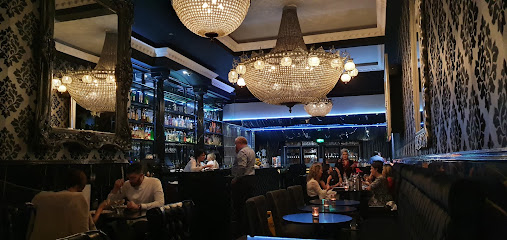
Blakes of the Hollow
16.4 km
Discover authentic Irish cuisine and vibrant culture at Blakes of the Hollow in Enniskillen – where every visit feels like coming home.
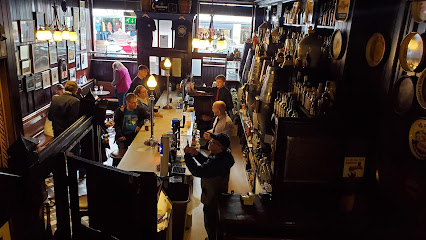
Little Wing Pizzeria
16.4 km
Authentic Naples-style pizzas crafted with passion and premium Italian ingredients in the heart of Enniskillen’s vibrant High Street.
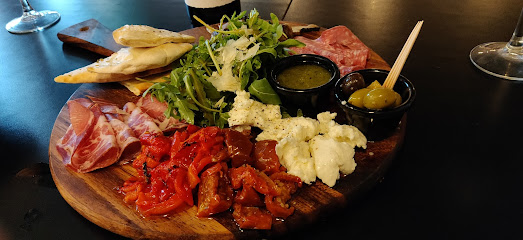
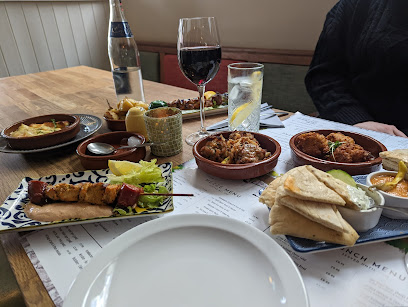
Dollakis
16.5 km
Experience the vibrant flavors of Greece with fresh ingredients and warm hospitality in the heart of Enniskillen.
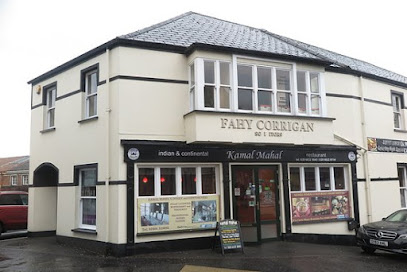
Kamal Mahal
16.5 km
Savor authentic Indian cuisine with rich spices and friendly service at Kamal Mahal, Enniskillen’s favorite takeaway spot.
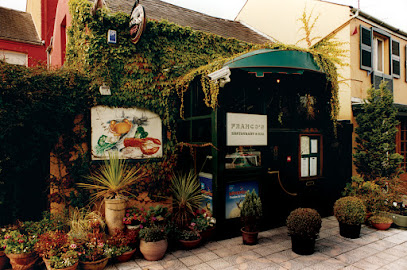
Franco's
16.6 km
Upscale Italian dining in Enniskillen with a diverse menu, cozy ambiance, and attentive service on Queen Elizabeth Road.
The Street Kitchen Enniskillen
16.6 km
A cozy 20-seat hotspot in Enniskillen serving fresh brunch and vibrant small plates in an open kitchen setting.
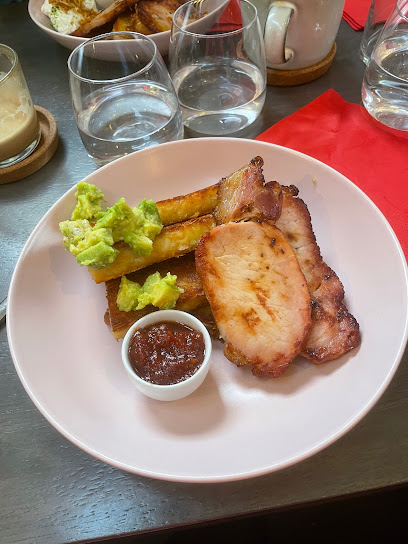
Granny Annies
16.6 km
Discover Granny Annies in Enniskillen – where great food meets friendly service in a charming atmosphere.
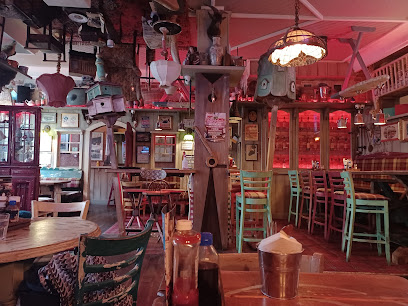
The Golden Arrow
16.6 km
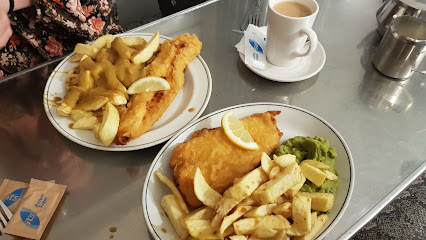
A beloved Enniskillen chippy offering tasty chips, gluten-free options, and a welcoming family-friendly atmosphere in the town center.
Markets, malls and hidden boutiques

Country House Town House
16.1 km
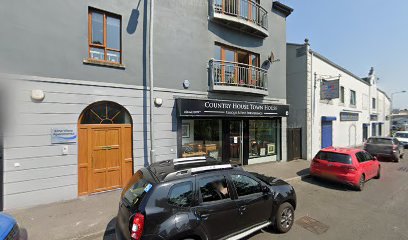
Charming homewares boutique in Enniskillen offering quality décor and exceptional customer service in a cozy setting.
Style Boutique
16.4 km
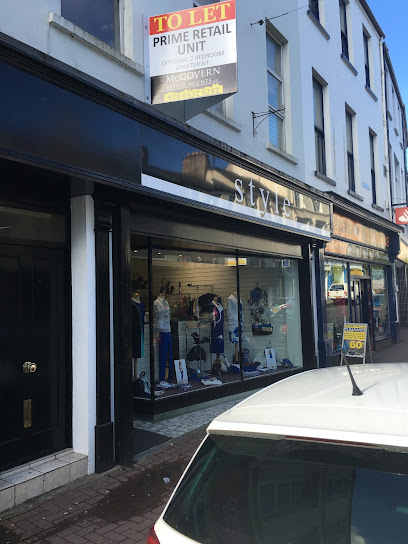
Discover timeless ladies’ fashion and personalized service at Style Boutique Enniskillen, where tradition meets modern elegance.
Vogue
16.4 km
Discover stylish, quality women's fashion and accessories at Vogue Boutique, Enniskillen’s trusted ladies' clothing destination on High Street.
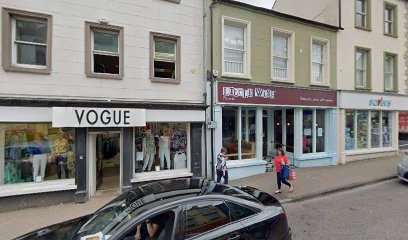
Klassy Kids Occasionwear - Communion, Christening & Boys Suits. Enniskillen, Northern Ireland
16.4 km
Elegant children’s formalwear boutique in Enniskillen specializing in Communion, Christening, and special occasion attire with personalized service.

EweMomma
16.4 km
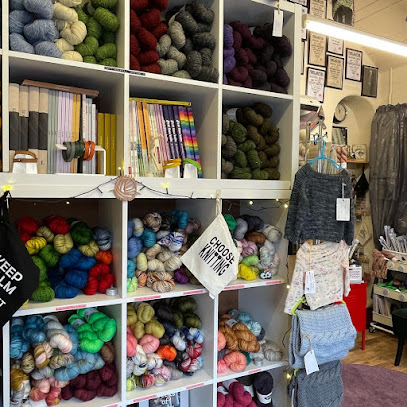
Discover hand-dyed luxury yarns and artisan knitting supplies in Enniskillen’s cozy boutique wool shop nestled in The Buttermarket.
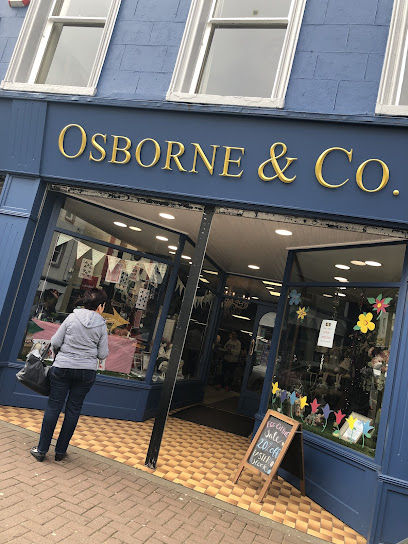
Osborne & Co.
16.5 km
Discover unique home accessories, rustic furniture, and bespoke floral creations at Osborne & Co., Enniskillen’s family-run boutique on High Street.
Graham Enniskillen
16.5 km
Elegant formal wear and expert tailoring at the heart of Enniskillen’s vibrant High Street shopping district.
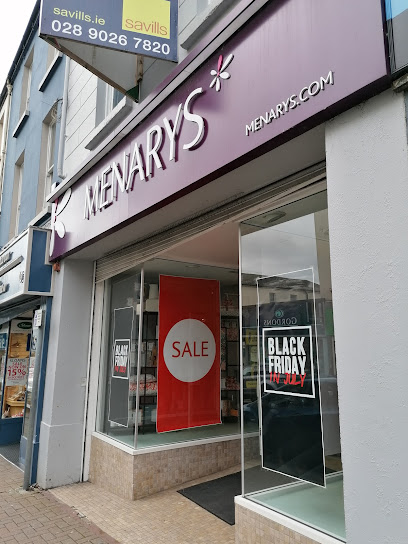
Menarys
16.5 km
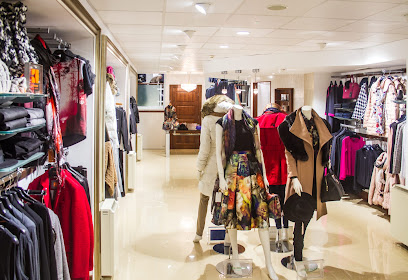
Discover Menarys Enniskillen, a historic homewares store blending tradition, quality, and community spirit on High Street since 1923.
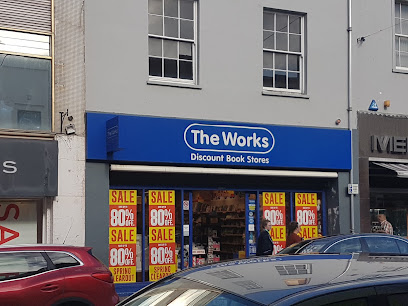
The Works
16.5 km
Discover affordable creativity and learning at The Works Enniskillen, your go-to for books, crafts, toys, and stationery on High Street.
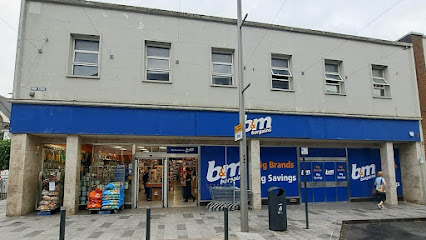
B&M Store
16.5 km
Affordable variety and convenience await at Enniskillen’s central B&M Store on High Street.
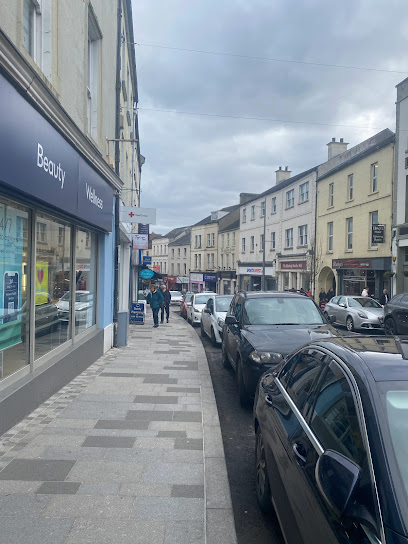
The Edinburgh Woollen Mill
16.6 km
Classic British knitwear and timeless apparel blending heritage craftsmanship with modern style in Enniskillen’s town center.
Harry & George Boutique
16.7 km
Discover contemporary women's fashion blending high street ease with stylish brands at Harry & George Boutique in Enniskillen.
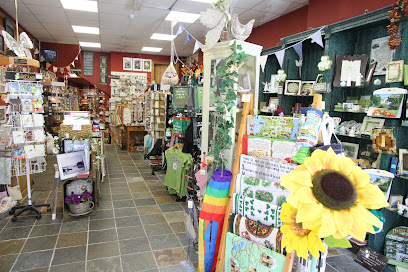
Fermanagh Cottage Industries
16.7 km
Discover handcrafted gifts, local wool, and Irish souvenirs at Enniskillen’s cherished family-run craft and gift shop.
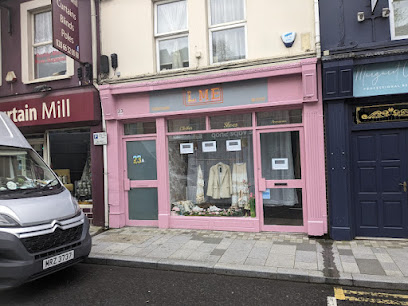
LME
16.9 km
Discover stylish footwear and fashion accessories in a welcoming Enniskillen shop that blends quality, variety, and friendly service.
Belleek Living
16.9 km
Discover elegant contemporary homeware and gifts at Belleek Living, Enniskillen’s stylish destination for modern design inspired by heritage.
Essential bars & hidden hideouts

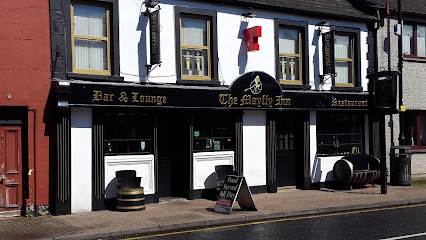
Mayfly Inn
9.0 km
Historic Irish pub and restaurant in Kesh offering hearty meals, warm hospitality, and a lively local atmosphere since 1899.
Necarne Arms
11.2 km
A lively, family-run pub in Irvinestown offering warm Irish hospitality, great Guinness, and a welcoming atmosphere for all.
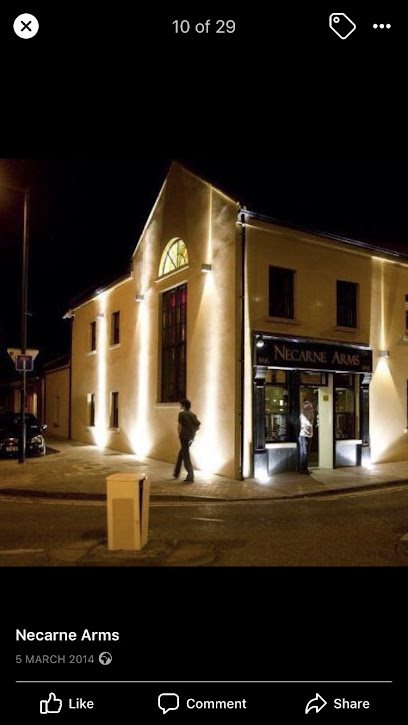
Linnet Inn
12.4 km
Experience the charm of Fermanagh’s only thatched inn with its unique cave bar, warm hearth, and lively rural hospitality.
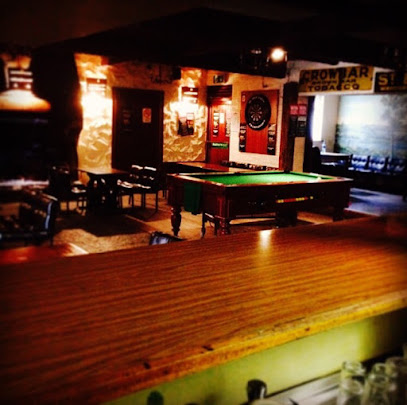
The Lough Inn
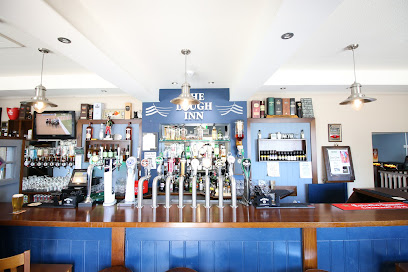
16.0 km
A cozy traditional Irish pub in Enniskillen, offering warm welcomes, quality drinks, and lively local charm.
The Cornerstone Bar
16.1 km
Cozy Irish pub in Enniskillen offering authentic local ales, traditional fare, and a warm, welcoming atmosphere from afternoon to late night.
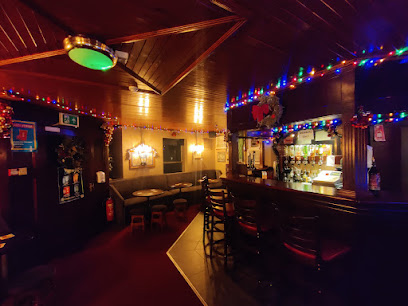
JT Ryans Bar
16.2 km
A lively and welcoming Enniskillen pub offering cozy corners, great drinks, and a true taste of local Irish hospitality.
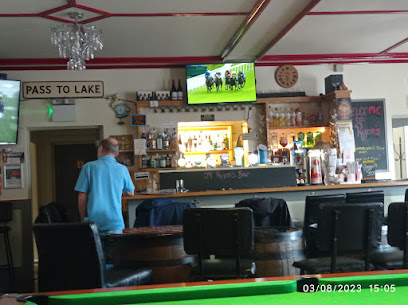
Devenish Bar
16.2 km
A lively Enniskillen bar blending live music, sports, and great drinks in a welcoming, trendy atmosphere.
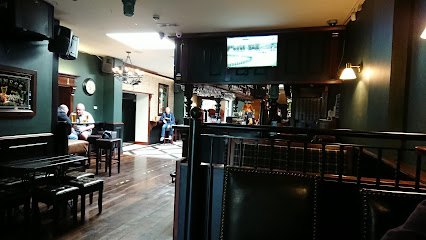
Charlie's Bar, Enniskillen
16.4 km
Discover the vibrant atmosphere of Charlie's Bar in Enniskillen, where live music, great drinks, and friendly faces come together for an unforgettable experience.
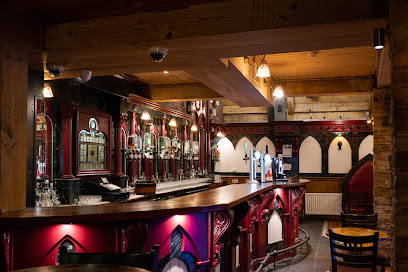
Crowe's Nest
16.5 km
Historic Irish pub in Enniskillen offering hearty fare, live music, and a lively atmosphere for locals and visitors alike.
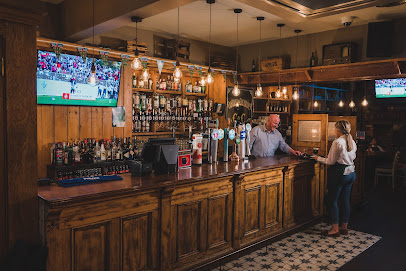
Pat's Bar
16.6 km
Historic pub and lively entertainment hub in Enniskillen’s heart, serving local flavors and crafted drinks daily.
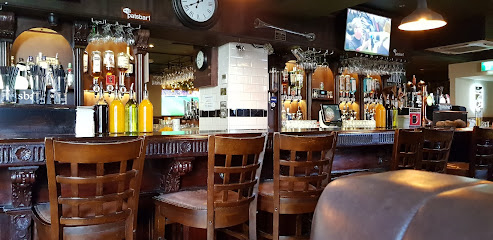
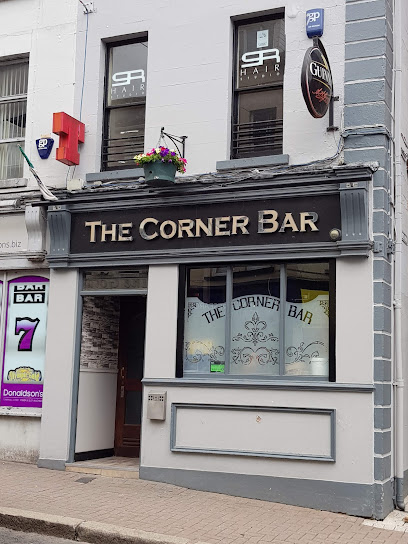
Corner Bar
16.6 km
Classic Irish pub with friendly staff, excellent beers, and a welcoming old-school atmosphere in Enniskillen’s town center.
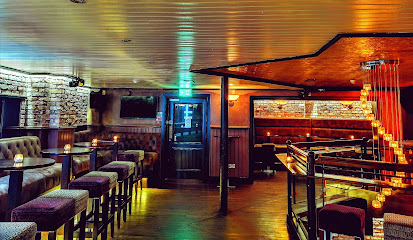
Magee's Bar
16.8 km
A vibrant Enniskillen bar blending historic charm with live music, cocktails, and lively sports in a stylish, welcoming setting.
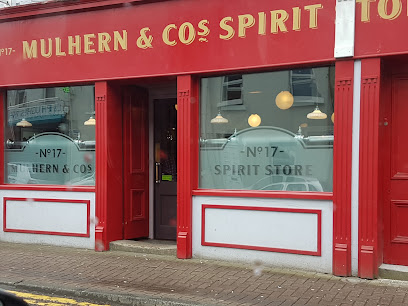
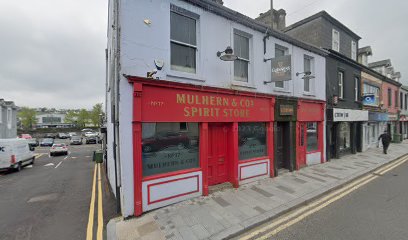
Mulhern & Cos Spirit Store
16.9 km
A traditional, friendly pub in Enniskillen offering live music, local spirits, and a cozy atmosphere in the town’s historic heart.
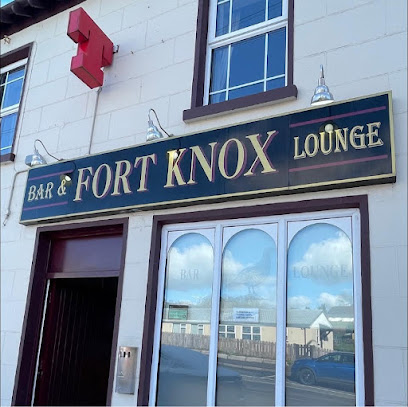
Fort Knox Bar and Lounge
17.7 km
A relaxed, modern bar and lounge in the heart of Lack village, perfect for evening drinks and casual socializing near Enniskillen.
Regal Bar & Restaurant
20.3 km
A lively and welcoming bar in Enniskillen blending traditional Irish pub culture with vibrant social energy and hearty local fare.
Nightclubs & after hour spots

Wildes Lounge
16.8 km
Stylish lounge with locally sourced cuisine, an extensive whisky room, and a cozy atmosphere in the heart of Enniskillen.
The Gasworks Club
16.9 km
Energetic nightclub with a large dance floor and beer garden, The Gasworks Club is Enniskillen’s go-to spot for lively nights and live music.
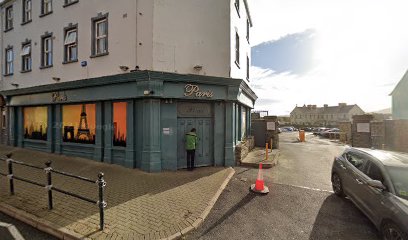
Paris
30.7 km
Discover the energetic nightlife of Bundoran, where vibrant nightclubs and stunning coastal views create unforgettable memories.
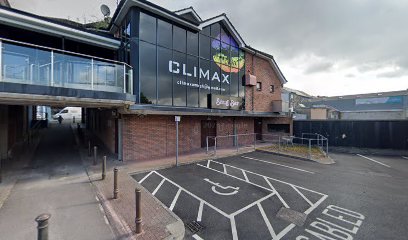
Tiger Lillys
36.1 km
Omagh’s vibrant jungle-themed nightclub offering fresh cocktails and lively nights exclusively for the 18+ crowd.
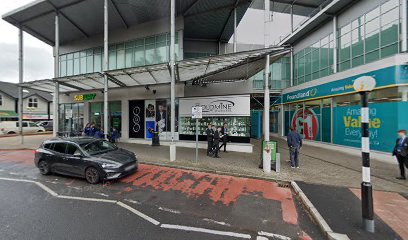
The Vault Nightclub
36.4 km
Discover the vibrant nightlife at The Vault Nightclub in Omagh, where music, dancing, and fun come together for an unforgettable experience.
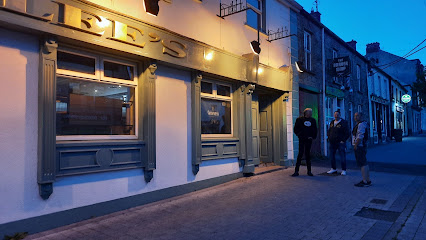
Lee's
40.6 km
Discover Lee's Pub in Co. Cavan: A lively pub and night club that embodies the spirit of Irish nightlife with friendly atmosphere and local brews.
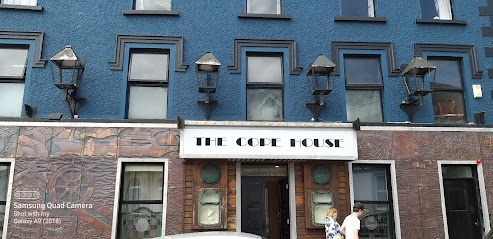
The Galleon Bar @ The Cope House
45.7 km
Experience the charm of The Galleon Bar @ The Cope House in Killybegs, where friendly service meets stunning coastal views.
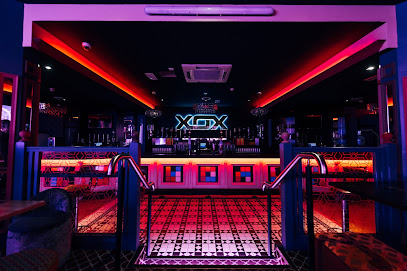
XOX Strabane
46.6 km
Experience the vibrant nightlife of Strabane at XOX, the town’s premier nightclub for late-night music, dancing, and social energy.
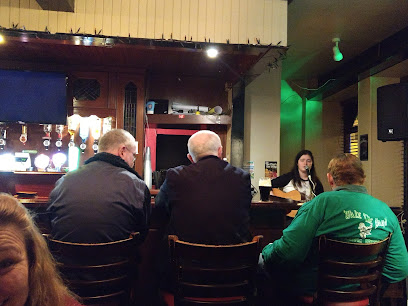
The Leitrim Bar
47.7 km
Experience the warmth of Irish hospitality at The Leitrim Bar, a beloved pub in Sligo offering local brews, hearty meals, and live music.
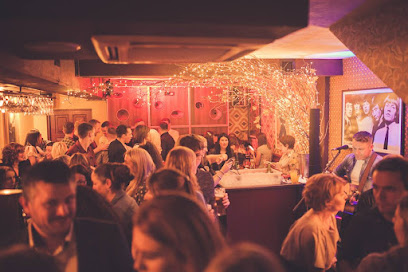
Lillie's Cocktail Bar Sligo
47.8 km
Discover the vibrant atmosphere of Lillie's Cocktail Bar in Sligo, where handcrafted cocktails and live music create unforgettable evenings.
Toffs Niteclub
47.8 km
Discover the vibrant nightlife of Sligo at Toffs Niteclub, where music, dance, and friendly faces create an unforgettable experience.
Lola Montez
47.8 km
Discover the lively nightlife at Lola Montez, Sligo's intimate night club known for great music, friendly atmosphere, and unforgettable evenings.
Cocktail Club
47.9 km
Discover the vibrant atmosphere and expertly crafted cocktails at Sligo's Cocktail Club, a must-visit for nightlife enthusiasts.
Bourbon Bar
47.9 km
Discover Bourbon Bar in Sligo, where expertly crafted cocktails and a lively atmosphere await your visit.
The Garavogue Bar
48.0 km
Experience Sligo's nightlife at The Garavogue Bar, a lively cocktail bar and live music venue offering crafted drinks and unforgettable entertainment.
For the vibe & atmosphere seeker
- Tranquil
- Scenic
- Historic
- Unique
For the design and aesthetic lover
- Rustic Designs
- Vintage Styles
For the architecture buff
- Historic
- Landmarks
For the view chaser and sunset hunter
- Iconic Views
- Waterfront
- Sunset Spots
For the social media creator & influencer
- Instagrammable
- Photo Spots
- Selfie Spots
For the eco-conscious traveler
- Protected Area
- Public-Transport Accessible
- Leave-No-Trace Critical
- Locally Managed
For the kind of experience you’re after
- Cultural Heritage
- Myth & Legends
- Photowalk
- Nature Escape
- Day Trip
For how adventurous you want the journey to be
- Easy Access
Location Audience
- Family Friendly
- Senior Friendly
- Child Friendly
- Teen Friendly
- Wheelchair Access
- Pet Friendly
- Solo Friendly
- Couple Friendly
- Solo Female Friendly


