Portora Castle Travel Guide
Free Guide: Explore the evocative ruins of Portora Castle, a 17th-century fortified manor guarding Enniskillen’s historic river crossing with scenic riverside views.


A brief summary of Portora Castle
Explore the evocative ruins of Portora Castle, a 17th-century fortified manor guarding Enniskillen’s historic river crossing with scenic riverside views.
Portora Castle is a 17th-century fortified manor ruin located on the south bank of the River Erne in Enniskillen, Northern Ireland. Built in 1613 by Sir William Cole, it guarded a key historic crossing where the river meets Lough Erne. The castle features a three-storey house enclosed by a defensive bawn with four circular towers. It played significant military roles during the 1641 and 1688 conflicts and later fell to damage caused by local schoolboys experimenting with explosives in 1859. Today, it offers scenic riverside views and a glimpse into Ulster Plantation history.
On-site amenities
 Restrooms
 Seating areas
 Trash bins
 Information boards
Opening hours
- Every dayOpen 24 hours
Opening hours as listed on the venue’s Google Business Profile. Hours can change for services and special events, so check with the venue before you go.
- Address
- Enniskillen BT74 5GH
- Website
Getting there
Car
Walking
Bus
Discover more about Portora Castle
Strategic Origins and Architectural Features
Portora Castle was constructed in 1613 by Sir William Cole, then Constable of Enniskillen, as part of a series of defensive castles built around Lough Erne during the Ulster Plantation era. The castle was designed as a three-storey fortified house spanning the width of a bawn—a walled courtyard—with four circular towers at each corner providing additional defense. The two taller towers to the north and west, approximately 30 feet high, featured splayed gun-loops for musket defense. The house itself was built in an English style, with tiled roofs, two fireplaces, and attics, but employed Irish masonry techniques, indicating early construction before large-scale English and Scottish settlement. The bawn walls were made of lime and stone, enclosing the stronghold tightly along the riverbank.
Historical Significance and Military Role
Portora Castle guarded a vital ford at the narrow point where the River Erne flows into Lower Lough Erne, a historically important crossing between Connacht and Ulster used since prehistoric times. Archaeological finds such as stone axes and Bronze Age swords attest to the area's long-standing significance. The castle served as a military outpost for Enniskillen during the 1641 Irish Rebellion and the 1688 Williamite War, withstanding sieges without major damage. The Cole family resided here until 1764 before relocating to Florence Court. The castle's strategic position allowed it to control river traffic and defend the region effectively during turbulent periods.
Decline and Ruination
By the mid-19th century, Portora Castle had fallen into disuse and disrepair. In 1859, a group of truanting boys from the nearby Portora Royal School (now Enniskillen Royal Grammar School) caused significant damage by experimenting with homemade explosives, blowing up parts of the structure and digging under its foundations. This act, combined with further deterioration caused by the great gale of 1894 and river dredging works that removed one of the flanker towers, left the castle in ruins. Excavations in the 1990s revealed limited archaeological remains, with only traces of fireplaces and some walls surviving. Despite this, the ruins remain an impressive riverside landmark.
Modern-Day Experience and Setting
Today, Portora Castle is a freely accessible open-air ruin situated beside the River Erne, offering visitors scenic views of the river and the surrounding landscape. The site is popular for short visits and riverside walks, with a nearby car park and well-marked paths leading along the river towards Enniskillen town. The castle's riverside location provides a tranquil atmosphere, enhanced by the sound of flowing water and occasional boat traffic. Its modest size makes it suitable for a brief exploration, while the historical context enriches the experience for those interested in Northern Ireland's plantation heritage.
Architectural Remnants and Visual Appeal
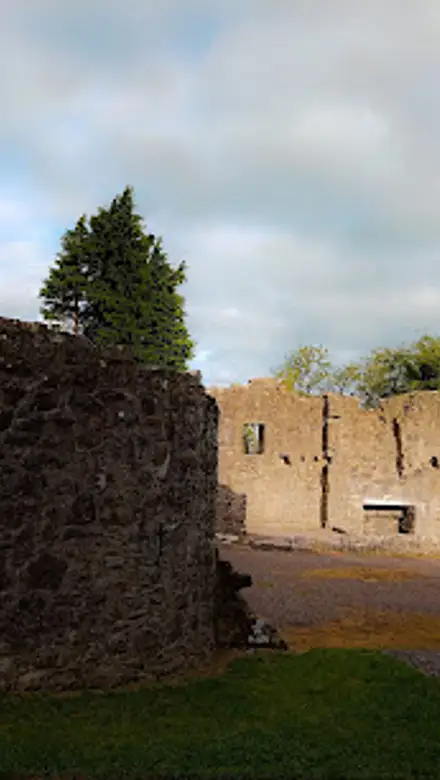
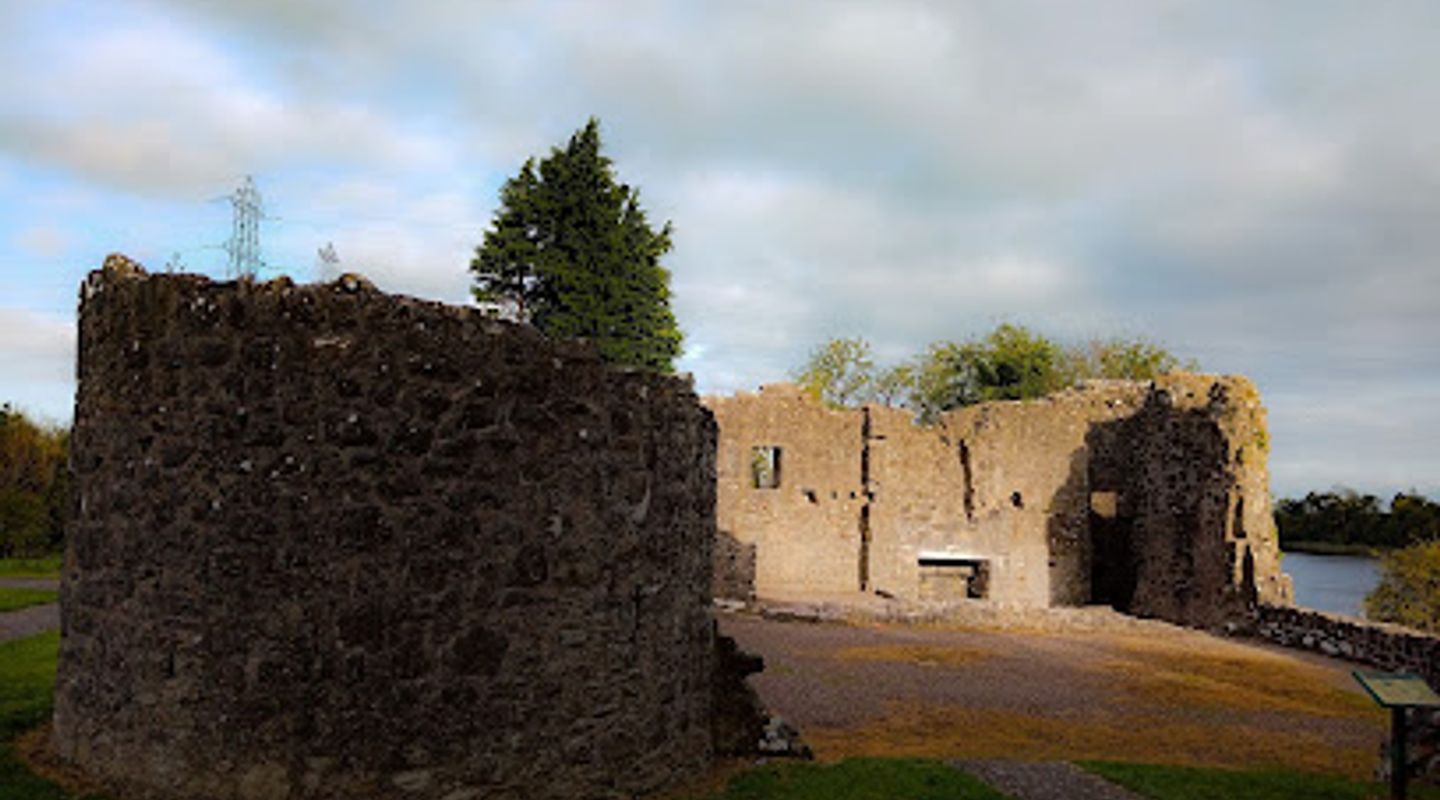
The surviving remains include three of the original four circular towers, with the south tower still standing though lower than the others. The tall towers to the northwest flank the main house ruins, where traces of fireplaces and gun loops remain visible. The castle’s random rubble masonry contrasts with the more uniform English style of the house layout, reflecting the blend of cultural influences during its construction. From the water and nearby paths, the ruins offer iconic views that capture the rugged charm of early 17th-century military architecture set against the natural beauty of Lough Erne’s waterways.
Legacy and Cultural Importance
Portora Castle stands as a testament to the complex history of the Ulster Plantation and the turbulent centuries that shaped Northern Ireland. Its role as a defensive stronghold, residence, and military outpost highlights the strategic importance of Enniskillen and the Erne waterways. The castle’s dramatic decline, hastened by youthful mischief and natural forces, adds a human dimension to its story. Now preserved as a State Care Historic Monument, it invites reflection on the region’s layered past while providing a peaceful riverside retreat for visitors.
Evendo Review Centre
 Google
Guest reviews
Best time to go
Quietest: Jan, Feb & Dec · before 6am or at 10pm
Busy times are Evendo estimates for a typical year, to help you plan. Actual crowds vary with events, school holidays and the weather.
Explore Portora Castle on the map
A handpicked selection of must-see spots near Portora Castle, mapped for you.
Get your free copy of our complete guide to Portora Castle, delivered straight to you.
Everything on this page, from opening hours and how to get there to Eve’s tips and the best time to go, in one PDF you can read offline, print or share.
Already have an account? Sign in
Your Portora Castle guide is ready.
We'll send it to · Not you? Sign out

Getting your guide ready…
We are putting together a fresh copy of the Portora Castle guide. This can take up to a minute.
This can take a few moments. If your browser asks, choose Allow so the download can start. You'll find the guide in your Downloads folder.
Nothing happened? Download it again
Sorry, the guide is taking longer than usual. Please try again in a minute, or get it by email instead.
Other nearby places you may find interesting
The closest places of the same kind, if this one is not quite what you had in mind.
-
-
-
-
-


Swipe for more places
More to explore near Portora Castle

 Best experiences near Portora Castle
 Best hotels near Portora Castle
 Best landmarks near Portora Castle
 Best attractions near Portora Castle
 Best shops near Portora Castle
 Best restaurants near Portora Castle
 Best bars near Portora Castle
Do you manage this location?
Take control to get all the benefits, like improved information, better appearance, and stronger visibility across AI-powered discovery.
Explore more
Explore more of Fermanagh
Discover Fermanagh, Northern Ireland's hidden gem, known for its enchanting lakelands, historical sites, and breathtaking natural beauty.
Explore Fermanagh
Explore more of United Kingdom
Discover the United Kingdom: A blend of rich history, stunning landscapes, and vibrant cities, offering a unique travel experience for every visitor.
Explore United Kingdom