

Enniskillen Castle Travel Guide
Free Guide: A 15th‑century fortress on the River Erne, now home to two fascinating museums and a modern heritage gateway in the heart of Enniskillen.


A brief summary of Enniskillen Castle
A 15th‑century fortress on the River Erne, now home to two fascinating museums and a modern heritage gateway in the heart of Enniskillen.
Perched on the banks of the River Erne in County Fermanagh, Enniskillen Castle is a 15th‑century fortress built by the Gaelic Maguires. Today it houses Fermanagh County Museum and The Inniskillings Museum, telling the story of the region from prehistoric crannogs to modern times. With its dramatic riverside setting, historic ramparts, and engaging galleries, it’s a must‑visit for anyone exploring the Lough Erne area.
On-site amenities
 Restrooms
 Drink options
 Drinking water
 Food options
 Seating areas
 Information boards
 Visitor centre
Opening hours
- Mon9:30 am–5 pm
- Tue9:30 am–5 pm
- Wed9:30 am–5 pm
- Thu9:30 am–5 pm
- Fri9:30 am–5 pm
- Sat11 am–5 pm
- Sun11 am–5 pm
Opening hours as listed on the venue’s Google Business Profile. Hours can change for services and special events, so check with the venue before you go.
- Address
- Enniskillen BT74 7HL
- Phone
- Website
Getting there
On foot from Enniskillen town centre
By car
By bus
By boat on Lough Erne
Discover more about Enniskillen Castle
A Fortress on the River Erne
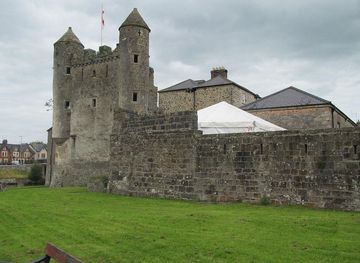
Rising from the banks of the River Erne, Enniskillen Castle has stood as a strategic stronghold for nearly 600 years. Built in the 15th century by the powerful Maguire chieftains, it guarded one of the few passes into Ulster, controlling movement across the waterways of what is now County Fermanagh. Its position on a small island at the confluence of the Upper and Lower Lough Erne made it a vital defensive point, and its thick stone walls have witnessed centuries of conflict, shifting power, and changing rule.Over time, the castle evolved from a Gaelic stronghold into an English garrison fort in the 17th century, and later formed part of a military barracks. Today, the complex is a carefully preserved heritage site, where visitors can walk through the castle keep, explore the ramparts, and enjoy panoramic views of the river and surrounding town. The castle’s imposing presence, with its towers and battlements, offers a tangible sense of its historic importance and the turbulent past of this part of Ireland.
Two Museums Under One Roof
Within the castle grounds, two distinct museums bring Fermanagh’s rich history vividly to life. Fermanagh County Museum traces the story of the region from prehistoric times to the present, with a special focus on the excavation of the Drumclay crannog, a remarkable wooden lake dwelling. Thousands of artefacts recovered from the crannog provide rare insights into daily life in early medieval Ireland, from tools and textiles to food remains and personal items.The Inniskillings Museum is dedicated to the Royal Inniskilling Fusiliers and the 5th Royal Inniskilling Dragoon Guards, two famous regiments with deep roots in the area. Uniforms, weapons, medals, and personal stories illustrate their service in conflicts around the world, from the Napoleonic Wars to the 20th‑century campaigns. Together, these museums create a layered narrative of local identity, craftsmanship, and military heritage, making the castle a true cultural gateway to County Fermanagh.
A Modern Heritage Gateway
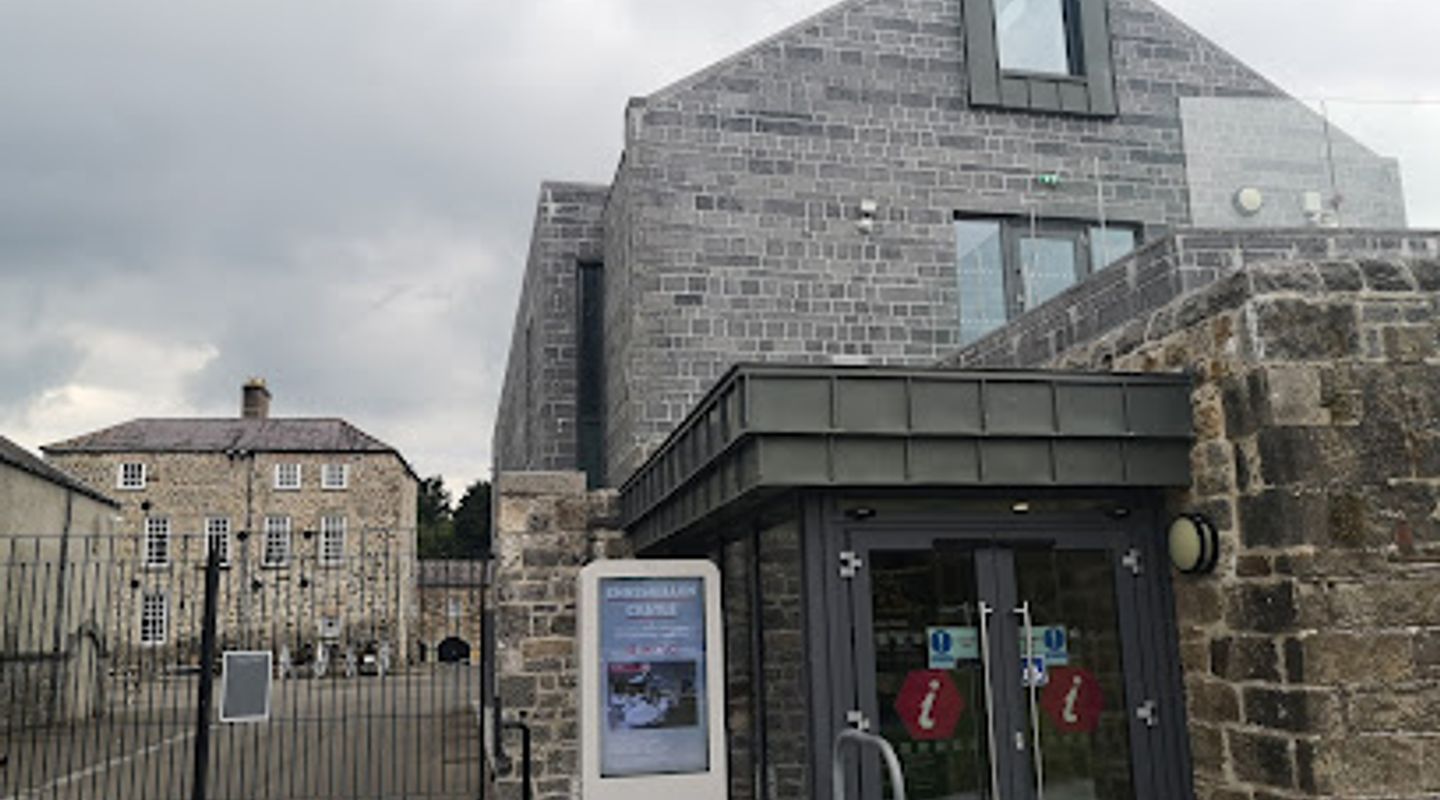
Enniskillen Castle has been transformed into a modern heritage gateway, with a striking new visitor centre that complements the historic buildings. The centre offers impressive views over Lough Erne and the castle’s redeveloped grounds and gardens, creating a welcoming space for orientation and information. Inside, visitors can access a genealogy service, plan trips around the region, and learn about local events and exhibitions.The complex also features imaginative displays celebrating Fermanagh’s traditions, including Belleek Pottery, rural hearth life, and early Christian stone carvings. Interactive elements and a dedicated ‘Cosy Corner’ for younger visitors make the site engaging for families, while behind‑the‑scenes areas give glimpses into museum conservation and restoration work. Seasonal exhibitions and events ensure there is always something new to discover, reinforcing the castle’s role as a living cultural hub rather than just a static monument.
Evendo Review Centre
 Google
Guest reviews
Best time to go
Quietest: Jan, Feb & Nov · before 11am or from 5pm
Busy times are Evendo estimates for a typical year, to help you plan. Actual crowds vary with events, school holidays and the weather.
Explore Enniskillen Castle on the map
A handpicked selection of must-see spots near Enniskillen Castle, mapped for you.
Get your free copy of our complete guide to Enniskillen Castle, delivered straight to you.
Everything on this page, from opening hours and how to get there to Eve’s tips and the best time to go, in one PDF you can read offline, print or share.
Already have an account? Sign in
Your Enniskillen Castle guide is ready.
We'll send it to · Not you? Sign out

Getting your guide ready…
We are putting together a fresh copy of the Enniskillen Castle guide. This can take up to a minute.
This can take a few moments. If your browser asks, choose Allow so the download can start. You'll find the guide in your Downloads folder.
Nothing happened? Download it again
Sorry, the guide is taking longer than usual. Please try again in a minute, or get it by email instead.
Other nearby places you may find interesting
The closest places of the same kind, if this one is not quite what you had in mind.
-
-
-
-
-


Swipe for more places
More to explore near Enniskillen Castle

 Best experiences near Enniskillen Castle
 Best hotels near Enniskillen Castle
 Best landmarks near Enniskillen Castle
 Best attractions near Enniskillen Castle
 Best shops near Enniskillen Castle
 Best restaurants near Enniskillen Castle
 Best bars near Enniskillen Castle
Do you manage this location?
Take control to get all the benefits, like improved information, better appearance, and stronger visibility across AI-powered discovery.
Explore more
Explore more of Fermanagh
Discover Fermanagh, Northern Ireland's hidden gem, known for its enchanting lakelands, historical sites, and breathtaking natural beauty.
Explore Fermanagh
Explore more of United Kingdom
Discover the United Kingdom: A blend of rich history, stunning landscapes, and vibrant cities, offering a unique travel experience for every visitor.
Explore United Kingdom
