

Giant's Causeway Travel Guide - Free Web & App
Your ultimate guide to Giant's Causeway. Discover top landmarks, proposed trips, and local tips. Free on the web or via the Evendo companion app.


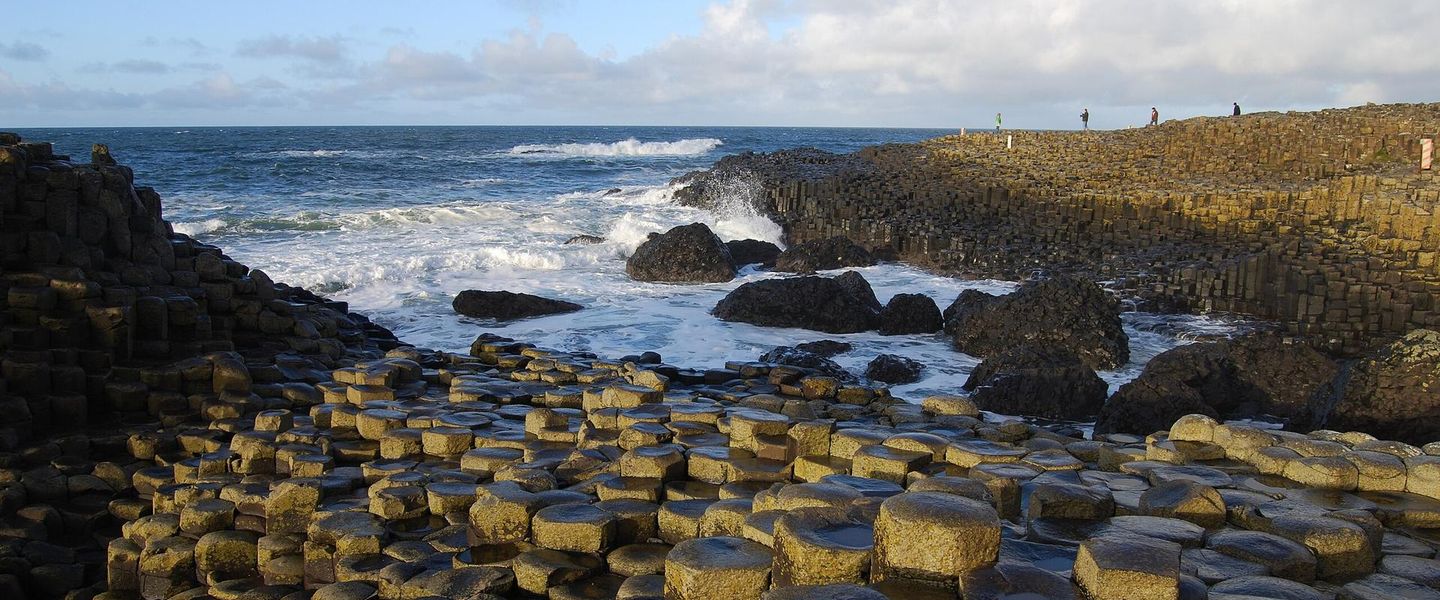


Giant's Causeway in the United Kingdom reveals hexagonal basalt columns, UNESCO heritage, coastal walks, legends and rugged scenery on Northern Ireland's coast.
Volcanic Coastline
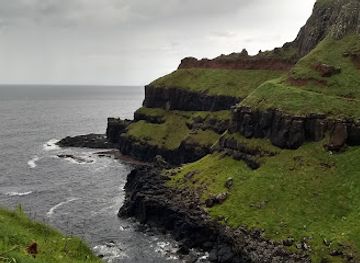
On the north coast of Northern Ireland, Giant's Causeway is a compact but extraordinary landscape of around 40,000 interlocking basalt columns descending towards the Atlantic. Most are hexagonal, although five-, seven- and eight-sided forms also occur, creating a geometric pavement shaped by ancient volcanic activity. The columns are the most celebrated feature of the Causeway Coast, but the wider setting includes dark cliffs, sea caves, headlands, wave-cut platforms and views towards Rathlin Island on clear days. Giant's Causeway is protected as a UNESCO World Heritage Site and managed by the National Trust, with paths leading from the visitor facilities towards the shore.Read more about Giant's Causeway
Legends and Local Character
Exploring the Site
When is the best time to visit Giant's Causeway?
Best: June–August · 17–19°C| Month | High (°C) | Rainfall (mm) |
|---|---|---|
| January | 9 | 79 |
| February | 9 | 70 |
| March | 10 | 65 |
| April | 11 | 54 |
| May | 13 | 49 |
| June (best) | 17 | 46 |
| July (best) | 19 | 47 |
| August (best) | 19 | 52 |
| September | 17 | 57 |
| October | 13 | 65 |
| November | 11 | 73 |
| December | 9 | 76 |
Getting to and around Giant's Causeway
How to get there
Transportation
Best attractions in Giant's Causeway
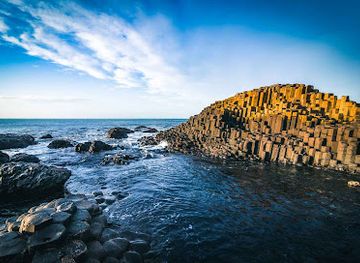
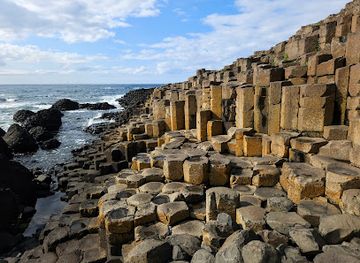
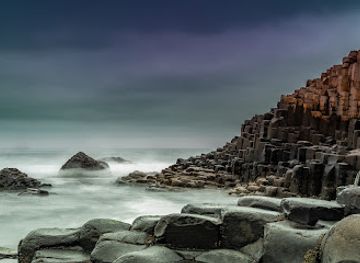
The basalt pavement at the Grand Causeway is the principal attraction, with columns descending from the cliffs towards the sea in a series of natural platforms and formations traditionally known as the Wishing Chair, the Organ and the Chimney Stacks. Cliff-top paths provide changing views over the Atlantic and along the Causeway Coast, while the descent towards Port Noffer reveals the scale and regularity of the lava columns at close range. The visitor experience also includes the surrounding headlands, sea cliffs and coastal geology rather than the columns alone. Bushmills, the nearest village, is useful for exploring the area and is home to the historic Old Bushmills Distillery, a separate heritage attraction. Beyond the immediate site, nearby Dunluce Castle and the coastal resort of Portrush can be combined with a visit, although neither lies within the Giant's Causeway World Heritage property. Rathlin Island may be visible offshore in favourable conditions.
-
Nature reserve
Giant's Causeway
Explore 40,000 ancient basalt columns on Northern Ireland’s iconic UNESCO World Heritage coastline, where geology meets legend.
-
Visitor centre
National Trust - Giant's Causeway Visitor Centre
Explore the iconic basalt columns and rich folklore of Northern Ireland’s UNESCO World Heritage Giant's Causeway with immersive exhibits and scenic coastal trails.
-
Railway services
Giant's Causeway & Bushmills Railway
Experience a scenic heritage railway journey linking Bushmills village to the iconic Giant's Causeway along Northern Ireland’s stunning coastline.
-
Tourist attraction
Shepherd's Steps
Climb or descend 162 steep stone steps along the cliffs above the Giant’s Causeway for sweeping views of the Causeway Coast and a true sense of this wild, volcanic landscape.
Explore Giant's Causeway on the map
Plan your trip on one map. See where the top attractions, landmarks, restaurants and hotels are, and book hotels and experiences in a few clicks.
Best hotels in Giant's Causeway
Best restaurants in Giant's Causeway
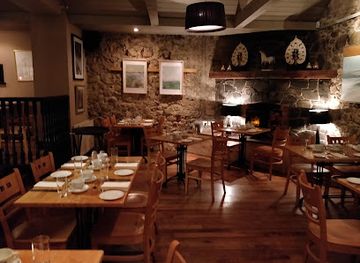
Dining is concentrated in Bushmills and the nearby coastal settlements rather than on the exposed shore itself. Visitors can find cafés, hotel dining rooms, traditional pubs and restaurants serving familiar Northern Irish and British dishes, with menus often shaped by produce from County Antrim and the surrounding coast. Seafood, Ulster specialities, baked goods and locally produced drinks may feature, although individual menus change. The Causeway Hotel, beside the visitor facilities, provides one of the closest established places to eat, while Bushmills offers a broader choice within a short journey. Portrush and Portballintrae add further cafés, pubs and restaurants, particularly for visitors touring the wider Causeway Coast. In this rural area, opening patterns and table availability can vary, so a packed snack is sensible for longer coastal walks and visitors with dietary requirements should confirm options directly rather than assuming every small outlet can cater for them.
-
 Hotel
HotelThe Causeway Hotel
Historic charm and coastal comfort steps from the Giant's Causeway, Northern Ireland’s iconic natural wonder.
-
Restaurant
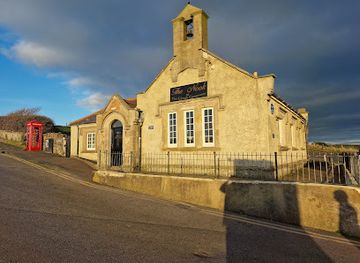
The Nook
Historic Victorian charm meets fresh local seafood at The Nook, a cozy coastal restaurant at the Giant’s Causeway gateway.
-
Hostel
Finn McCool's Giants Causeway Hostel
Boutique hostel with panoramic coastal views, just steps from the Giant's Causeway, offering budget-friendly comfort and a friendly atmosphere.
-
Restaurant
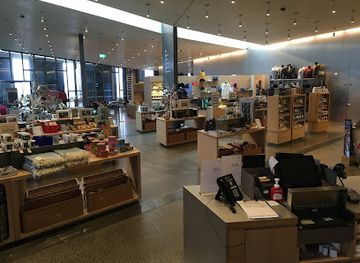
National trust cafe
Cozy café nestled in Giant's Causeway Visitor Centre, offering warm meals, local treats, and vegan options with stunning coastal views.
Best bars in Giant's Causeway
-
Restaurant
The Nook
Experience fresh, locally sourced seafood in the heart of Bushmills, just moments from the stunning Giant's Causeway.
-
Modern European
Tartine at the Distillers Arms
Discover the culinary delights of Modern European cuisine at Tartine in Bushmills, where every meal is a celebration of flavor and culture.
-
Restaurant
The Bushmills Inn Restaurant and Bar
Discover the culinary charm of The Bushmills Inn Restaurant and Bar, where traditional Irish flavors meet modern gastropub elegance.
-
Restaurant
National trust cafe
Experience a taste of Northern Ireland at the National Trust Cafe, a cozy eatery near the breathtaking Giant's Causeway.

Get your free copy of our complete guide to Giant's Causeway, delivered straight to you.
Everything on this page, from attractions and restaurants to essentials and local phrases, in one PDF you can read offline, print or share.
Already have an account? Sign in
Your Giant's Causeway guide is ready.
We'll send it to · Not you? Sign out

Getting your guide ready…
We are putting together a fresh copy of the Giant's Causeway guide. This can take up to a minute.
This can take a few moments. If your browser asks, choose Allow so the download can start. You'll find the guide in your Downloads folder.
Nothing happened? Download it again
Sorry, the guide is taking longer than usual. Please try again in a minute, or get it by email instead.
Giant's Causeway essentials
Currency and Payment
Safety
Emergency Situations
Do's and Don'ts
Local Tips
From Eve
Local phrases worth knowing
You don't need to get them perfect. A few words go a long way, and locals appreciate the effort.
Basics
| English | Local | Say it |
|---|---|---|
| Hello | Hello | [həˈloʊ] |
| Goodbye | Goodbye | [ɡʊdˈbaɪ] |
| Yes | Yes | [jɛs] |
| No | No | [noʊ] |
| Please/You're welcome | Please/You're welcome | [pliz/ jʊr ˈwɛlkəm] |
| Thank you | Thank you | [θæŋk ju] |
| Excuse me/Sorry | Excuse me/Sorry | [ɪkˈskjus mi/ˈsɔri] |
| How are you? | How are you? | [haʊ ɑr ju] |
| Fine. And you? | Fine. And you? | [faɪn. ənd ju] |
| Do you speak English? | Do you speak English? | [du ju spiːk ˈɪŋɡlɪʃ] |
| I don't understand | I don't understand | [aɪ doʊnt ˌʌndərˈstænd] |
Eating & Drinking
| English | Local | Say it |
|---|---|---|
| I'd like to see the menu, please | I'd like to see the menu, please | [aɪd laɪk tə si ðə ˈmɛnju, pliz] |
| I don't eat meat | I don't eat meat | [aɪ doʊnt iːt miːt] |
| Cheers! | Cheers! | [tʃɪrz] |
| I would like to pay, please | I would like to pay, please | [aɪ wʊd laɪk tə peɪ, pliz] |
Emergencies
| English | Local | Say it |
|---|---|---|
| Help! | Help! | [hɛlp] |
| Go away! | Go away! | [ɡoʊ əˈweɪ] |
| Call the Police! | Call the Police! | [kɔl ðə pəˈliːs] |
| Call a doctor! | Call a doctor! | [kɔl ə ˈdɑktər] |
| I'm lost | I'm lost | [aɪm lɔst] |
| I'm ill | I'm ill | [aɪm ɪl] |
Shopping
| English | Local | Say it |
|---|---|---|
| I'd like to buy... | I'd like to buy... | [aɪd laɪk tə baɪ...] |
| I'm just looking | I'm just looking | [aɪm dʒʌst ˈlʊkɪŋ] |
| How much is it? | How much is it? | [haʊ mʌtʃ ɪz ɪt] |
| That's too expensive | That's too expensive | [ðæts tu ɪkˈspɛnsɪv] |
| Can you lower the price? | Can you lower the price? | [kæn ju ˈloʊər ðə praɪs] |
Time & Numbers
| English | Local | Say it |
|---|---|---|
| What time is it? | What time is it? | [wʌt taɪm ɪz ɪt] |
| It's one o'clock | It's one o'clock | [ɪts wʌn əˈklɑk] |
| Half past (10) | Half past (10) | [hæf pæst (10)] |
| Morning | Morning | [ˈmɔrnɪŋ] |
| Afternoon | Afternoon | [ˌɑːftərˈnun] |
| Evening | Evening | [ˈiːvnɪŋ] |
| Yesterday | Yesterday | [ˈjɛstərdeɪ] |
| Today | Today | [təˈdeɪ] |
| Tomorrow | Tomorrow | [təˈmɔroʊ] |
| 1 | 1 | [wʌn] |
| 2 | 2 | [tu] |
| 3 | 3 | [θree] |
| 4 | 4 | [fɔr] |
| 5 | 5 | [faɪv] |
| 6 | 6 | [sɪks] |
| 7 | 7 | [sɛvən] |
| 8 | 8 | [eɪt] |
| 9 | 9 | [naɪn] |
| 10 | 10 | [tɛn] |
Transport & Directions
| English | Local | Say it |
|---|---|---|
| Where's a/the...? | Where's a/the...? | [wɛrz ə/ðə...?] |
| What's the address? | What's the address? | [wʌts ði əˈdrɛs] |
| Can you show me (on the map)? | Can you show me (on the map)? | [kæn ju ʃoʊ mi (ɒn ðə mæp)?] |
| When's the next (bus)? | When's the next (bus)? | [wɛnəz ðə nɛkst (bʌs)?] |
| A ticket (to ....) | A ticket (to ....) | [ə ˈtɪkɪt (tə ...)] |
History of Giant's Causeway
Formation of the Basalt Landscape
Giant's Causeway was formed around 60 million years ago during the Palaeogene period, when extensive volcanic activity affected what is now the north-east Atlantic region. As a thick lava flow cooled, it contracted and split into polygonal columns; the distinctive six-sided forms are the result of the physical behaviour of cooling basalt, not human construction. Subsequent erosion by the sea exposed and emphasised the columns, cliffs and coastal platforms visible today. The geological setting links the Causeway with comparable volcanic formations across the North Atlantic, including Staffa in Scotland, although the modern landforms have developed through local erosion and weathering.
Early Settlement and Gaelic Tradition
The north coast of Antrim was inhabited and used by Gaelic-speaking communities long before the Causeway became an international attraction. Farming, fishing, seasonal movement and maritime connections shaped life around the coast, while nearby settlements and church sites reflect the area's wider medieval history. The formation became embedded in oral tradition through stories of Fionn mac Cumhaill, the giant better known in English as Finn McCool. In the legend, the columns were the remains of a causeway built towards Scotland, offering a cultural explanation for a landscape whose geological origin was not understood scientifically at the time.
Scientific Curiosity and Recognition
The Causeway attracted increasing attention during the eighteenth century, when artists, antiquarians and natural philosophers began documenting its unusual columns. The Dublin-based Bishop Richard Pococke described the site in the 1750s, and painter Susanna Drury's widely circulated images helped bring it to a broader European audience. By the 1770s and 1780s, the formation was being discussed in scientific and artistic circles as evidence of the dramatic forces shaping the landscape. This period established Giant's Causeway as both a geological curiosity and a celebrated subject of picturesque travel.
Tourism and Coastal Access
Improved roads, railways and organised excursions during the nineteenth century made the Causeway increasingly accessible to visitors travelling through County Antrim. Tourism developed alongside the growth of Bushmills and the wider north-coast resort network, while guidebooks and illustrations strengthened the site's international reputation. The columns remained the central attraction, but the journey through the surrounding coastal landscape became part of the experience. Visitor access has continued to evolve, with modern facilities intended to manage high demand while preserving the fragile shore and its geological character.
Conservation and World Heritage
Giant's Causeway is now managed as a protected natural and cultural asset, with the National Trust responsible for much of the visitor setting and access infrastructure. It became Northern Ireland's first UNESCO World Heritage Site in 1986, recognising the international importance of its geology. Conservation involves directing visitors along established paths, limiting avoidable damage to the columns and cliffs, and balancing public access with coastal processes that cannot be controlled. The designation applies to the geological site rather than every attraction on the wider Causeway Coast, whose villages and landmarks remain part of a broader regional tourism landscape.
Giant's Causeway in Photos
Browse through our photo collection highlighting the charm and character of the destination.
Neighbouring destination travel guides
The closest destinations to Giant's Causeway, if you have time for more than one.
-

-

-

-

-


Swipe for more destinations
Explore more

Explore more of Northern Ireland
Northern Ireland combines Belfast's heritage, the Causeway Coast, Mourne Mountains, historic towns and lough landscapes in a compact corner of the United Kingdom.
Explore Northern Ireland
Explore more of United Kingdom
Discover the United Kingdom: A blend of rich history, stunning landscapes, and vibrant cities, offering a unique travel experience for every visitor.
Explore United Kingdom