

Laxey, Isle of Man Travel Guide
Discover Laxey, a picturesque village on the Isle of Man, renowned for its historic Laxey Wheel, scenic glens, coastal walks, and rich Manx culture.
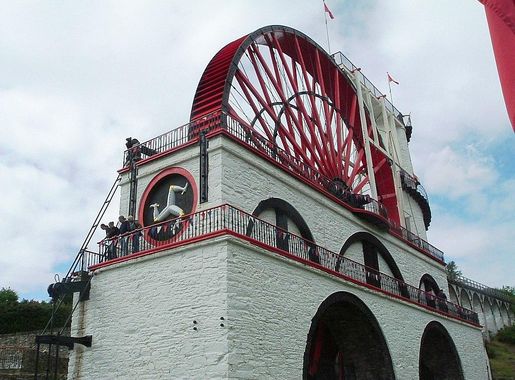
Laxey is a charming village located on the east coast of the Isle of Man. Known for its picturesque landscapes, rich history, and the world's largest working waterwheel, Laxey is a must-visit for any traveler seeking a blend of natural beauty and heritage. The village is home to the iconic Laxey Wheel, also known as Lady Isabella. This engineering marvel, built in 1854, was used to pump water from the local mines. Visitors can climb to the top for stunning views of the surrounding countryside. The Great Laxey Mine Railway offers a nostalgic ride, taking you back to the mining era of the 19th century. Laxey is also famous for its scenic glens and coastal walks. The Laxey Glen Gardens provide a peaceful retreat with beautifully landscaped gardens and a river flowing through. The coastal path from Laxey to Douglas offers breathtaking views of the Irish Sea and is perfect for hiking enthusiasts. Don't miss the opportunity to visit the Laxey Beach, a serene spot ideal for a relaxing day by the sea. The village is steeped in Manx culture, with local shops selling traditional crafts and souvenirs. The Laxey Woollen Mills is a great place to explore local craftsmanship, offering a range of handmade items. For a taste of local cuisine, visit one of the quaint cafes or pubs that serve delicious Manx dishes. Laxey is not just a destination; it's an experience that captures the essence of the Isle of Man.

Know before you go
Hi, I'm Eve. Here are a few practical things to know before exploring Laxey.
- Visit the Laxey Wheel early in the morning to avoid crowds and get the best photos.
- Wear comfortable walking shoes for the coastal paths and glen walks.
- Check the weather forecast before planning outdoor activities, as the Isle of Man weather can be unpredictable.
- Try local Manx dishes at the village pubs for an authentic culinary experience.
- Take a ride on the Great Laxey Mine Railway for a unique historical experience.
Explore Laxey: Things to Do, Places to Eat, Hotels & More
Handpicked recommendations for top attractions, local dining, accommodations, and more

Best attractions in Laxey
Top-rated picks
Best Attractions

The Great Laxey Wheel
Explore the Great Laxey Wheel, an iconic landmark embodying the industrial heritage of the Isle of Man with stunning views and rich history.

Great Laxey Mines Railway
Explore the Great Laxey Mines Railway, a fascinating museum and scenic railway in the heart of Laxey, Isle of Man, showcasing its mining heritage.

The Laxey Glen - Cafe, Bistro & Events Venue
Discover The Laxey Glen, an enchanting cafe and bistro in Laxey, Isle of Man, surrounded by beautiful gardens and delicious cuisine.

Laxey Woollen Mills
Explore Laxey Woollen Mills: A Historic Isle of Man Gem Showcasing Traditional Craftsmanship and Scenic Beauty.

Best landmarks in Laxey
Top-rated picks
Best Landmarks

The Shed
Discover the perfect blend of comfort and flavor at The Shed, a charming café in Laxey offering delicious coffee, ice cream, and a cozy atmosphere.

La Mona Lisa
Experience authentic Italian cuisine at La Mona Lisa in Laxey. Indulge in a culinary journey filled with flavor and warmth, perfect for all food lovers.

The Great Laxey Wheel
Discover the Great Laxey Wheel, a historic marvel of Victorian engineering set against the stunning backdrop of the Isle of Man's natural beauty.

Laxey Railway Station
Experience the charm and history of Laxey Railway Station, a gateway to the stunning landscapes of the Isle of Man's Manx Electric Railway.

Best restaurants in Laxey
Top-rated picks
Best Restaurants

The Shed
Discover The Shed in Laxey - where delicious coffee meets charming ambiance in this beloved café and ice cream shop.

La Mona Lisa
Experience authentic Italian cuisine at La Mona Lisa in Laxey – a hidden gem offering delicious meals in a cozy atmosphere.

Laxey Beach Cafe
Discover culinary delights at Laxey Beach Cafe with stunning views of the coastline - your perfect seaside dining experience!

Ballacregga Corn Mill Tea Room & Restaurant
Experience family-friendly dining at Ballacregga Corn Mill Tea Room & Restaurant in Laxey—where delicious meals meet scenic beauty.

Best bars in Laxey
Top-rated picks
Best Bars

The Shed
Discover The Shed in Laxey: a charming café offering delicious coffee and ice cream in a picturesque setting.

La Mona Lisa
Experience authentic Italian dining at La Mona Lisa in Laxey, Isle of Man, where exquisite flavors meet a warm, inviting ambiance.

Ballacregga Corn Mill Tea Room & Restaurant
Discover the charm of Ballacregga Corn Mill Tea Room & Restaurant – where tradition meets taste in the heart of the Isle of Man.

The Shore Hotel, Laxey
Discover the flavors of the Isle of Man at The Shore Hotel, Laxey – a cozy restaurant with stunning views and a delightful menu.

Best nightclubs in Laxey
Top-rated picks
Best Nightclubs

The Laxey Glen - Cafe, Bistro & Events Venue
Discover The Laxey Glen, where delightful dining meets lush gardens in the heart of Laxey, Isle of Man.

Laxey Sailing Club
Experience the serene beauty and vibrant community of Laxey Sailing Club on the Isle of Man, perfect for sailing, relaxation, and local culture.

The Queens Hotel
Discover the charm of Laxey at The Queens Hotel, where local beers and pub classics await in a welcoming atmosphere.

Laxey Working Men's Institute
Experience the heart of the Isle of Man at Laxey Working Men's Institute, where community and culture come together in vibrant harmony.

Best shops in Laxey
Top-rated picks
Best Shops

The Shed
Discover The Shed in Laxey, where local flavors meet a cozy atmosphere, perfect for coffee lovers and ice cream enthusiasts alike.

Ballacregga Corn Mill Tea Room & Restaurant
Discover the charm of Ballacregga Corn Mill Tea Room & Restaurant in Laxey, where family-friendly dining meets delightful local flavors.

Laxey Woollen Mills
Explore the rich textile heritage at Laxey Woollen Mills, a captivating attraction showcasing craftsmanship and local artistry in the Isle of Man.

Laxey Pit Stop
Savor the best pizza at Laxey Pit Stop, a charming takeaway in the heart of Laxey, Isle of Man, perfect for tourists and locals alike.

Explore Laxey on the Map
A handpicked selection of must-see spots in Laxey, mapped for you.
Laxey Essentials
-
Laxey is located on the eastern coast of the Isle of Man. The nearest airport is Isle of Man Airport (IOM), situated approximately 30 kilometers to the south. From the airport, you can take a taxi or a bus to reach Laxey. The journey typically takes around 40 minutes by car. Alternatively, you can take a ferry to Douglas from Liverpool or Heysham in England, and then take a short bus or taxi ride to Laxey.
-
Laxey is a small village, and many of its attractions are within walking distance. For longer trips, local buses are available and connect to nearby towns and villages. The Manx Electric Railway also runs through Laxey, providing a scenic route to Douglas and Ramsey. Taxis are readily available, and car rentals can be arranged for those who prefer to explore the island at their own pace.
-
The official currency in the Isle of Man is the British Pound (GBP). Credit and debit cards are widely accepted in hotels, restaurants, and shops. However, it is advisable to carry some cash for smaller establishments and rural areas. ATMs are available in Laxey for cash withdrawals.
-
Laxey is generally a safe destination for tourists. The crime rate is low, and violent crime is rare. However, it is always advisable to take standard precautions, such as keeping an eye on your belongings in crowded places and avoiding poorly lit areas at night. There are no specific high-crime areas targeting tourists in Laxey.
-
In case of emergency, dial 999 for immediate assistance. The local police station and medical facilities are available in Laxey. It is recommended to have travel insurance that covers medical emergencies. For minor health issues, there are pharmacies in the village where you can purchase over-the-counter medications.
-
Fashion: Do dress comfortably, appropriate for the weather, and respectfully, especially when visiting religious sites. Avoid overly revealing clothing. Religion: Do respect local customs and traditions. Public Transport: Do be respectful and give up your seat to elderly passengers. Don't eat or drink on public transport. Greetings: Do greet people with a friendly 'hello' or a handshake. Eating & Drinking: Do try local delicacies and accept food offerings graciously. Don't refuse hospitality, as it is considered impolite.
-
To experience Laxey like a local, visit the Laxey Woollen Mills to see traditional weaving and purchase unique souvenirs. Take a walk along the Laxey Beach and enjoy the scenic views. Engage with locals at The Mines Tavern, a popular pub in the village. Don't miss a ride on the Great Laxey Wheel, the largest working waterwheel in the world, offering a glimpse into the island's mining history.
When is the best time to visit Laxey?
Useful Local Phrases for Laxey
You don't need to speak the language perfectly. Even learning a few simple words can make conversations warmer—and locals usually appreciate the effort.
— Eve

Here are the phrases I use most often in Laxey. Try a few—you'll be surprised how far they go! 😊
❤️
-
- HelloHallo
[ha-lo] - GoodbyeAdeiu
[a-dee-oo] - YesJa
[ya] - NoNei
[nay] - Please/You're welcomeGura mie eu
[goo-rah mee ay-oo] - Thank youGo raadt
[go rahd] - Excuse me/SorryJeeagh doois
[jee-akh doo-iss] - How are you?Conaie oo?
[kon-ay oo] - Fine. And you?Feer vie. As oo?
[feer vee. ass oo] - Do you speak English?Vel oo goll er Engish?
[vel oo gol er en-glish] - I don't understandCha nel feme aym
[kha nel feh-meh aim]
- HelloHallo
-
- I'd like to see the menu, pleaseTa mish dy bragh yn cardjagh, cur failley
[ta mish dee brahg un kar-jakh, koor fahl-lee] - I don't eat meatCha nel mee jeet kied
[kha nel mee yeet keed] - Cheers!Slaynt!
[slaynt] - I would like to pay, pleaseTa fys aym dy phaitchey, cur failley
[ta fees aim dee fai-chey, koor fahl-lee]
- I'd like to see the menu, pleaseTa mish dy bragh yn cardjagh, cur failley
-
- Help!Gowee!
[go-wee] - Go away!Gow fondagh!
[go fon-dakh] - Call the Police!Cur y Polis!
[koor er pol-iss] - Call a doctor!Cur dorrys!
[koor dor-riss] - I'm lostTa mish currit
[ta mish koor-rit] - I'm illTa mish feayr
[ta mish fayr]
- Help!Gowee!
-
- I'd like to buy...Ta mish goll er cheau...
[ta mish gol er chow...] - I'm just lookingCha nel aym rieau
[kha nel aim ree-ow] - How much is it?Cre va shen?
[kree va shen] - That's too expensiveTa shid roois dy bragh
[ta shid roo-iss dee brahg] - Can you lower the price?Vel oo jerrey y prios?
[vel oo jeh-ree y pree-oss]
- I'd like to buy...Ta mish goll er cheau...
-
- What time is it?Cre ta'n am?
[kree tan am] - It's one o'clockTa un oor aym
[ta oon oor aim] - Half past (10)Lesh jeig
[lesh jayg] - MorningTraa-ny-moghrey
[trah-nee-moh-gray] - AfternoonTraa-ny-hoie
[trah-nee-hoy] - EveningOie vie
[oy vee] - YesterdayKione jaree
[kee-oh-neh jah-ree] - TodayJiu
[jyoo] - TomorrowMayr
[myr] - 1Un
[oon] - 2Doo
[doo] - 3Tree
[tree] - 4Kiare
[kee-ar-eh] - 5Queig
[kwey-g] - 6Shey
[shay] - 7Shiaght
[shee-akht] - 8Hoght
[ho-kht] - 9Nuy
[noo-ee] - 10Jeig
[jayg]
- What time is it?Cre ta'n am?
-
- Where's a/the...?C'raad ta'n...?
[krahd tan] - What's the address?Cre ta'n shennal?
[kree tan shen-nal] - Can you show me (on the map)?Vel oo er-yi mish (er y cairt)?
[vel oo er-yee mish (er ee kairt)] - When's the next (bus)?Quoi ta'n jeant (giarroo)?
[kwoy tan jannt (jee-a-roo)] - A ticket (to ....)Billey (da ....)
[bill-ey (da)]
- Where's a/the...?C'raad ta'n...?
History of Laxey
-
The Laxey Wheel, also known as 'Lady Isabella', is the largest working waterwheel in the world. Constructed in 1854 by engineer Robert Casement, the wheel was designed to pump water from the Laxey mines. Standing at 72 feet in diameter, it is an iconic symbol of the Isle of Man's industrial heritage. The wheel was named after the wife of Charles Hope, the island's lieutenant governor at the time.
-
The Great Laxey Mine was one of the richest lead mines in the British Isles during the 19th century. The mine was operational from the early 1800s and reached its peak production in the late 19th century. Workers extracted lead, zinc, copper, and silver from the mine, contributing significantly to the local economy. The closure of the mine in 1929 marked the end of an era, but its legacy lives on through the preserved mining heritage site.
-
Opened in 1895, the Snaefell Mountain Railway is an electric mountain railway connecting the village of Laxey with the summit of Snaefell, the highest peak on the Isle of Man. The railway offers breathtaking views of the island and is a popular tourist attraction. It was built by pioneering engineers George Noble Fell and George Henry Lightholler, showcasing early advancements in electric rail transport.
-
Established in the late 19th century, the Laxey Glen Gardens are a picturesque public park featuring a mixture of formal and natural landscapes. The gardens were developed to provide a recreational space for the growing population of Laxey and to attract tourists. The park includes a variety of flora, scenic walks, and historical structures, making it a tranquil retreat that reflects the Victorian passion for nature and leisure.
-
Founded in 1881, the Laxey Woollen Mills were established to produce high-quality Manx tweed and other wool products. The mills played a crucial role in the local economy by providing employment and preserving traditional Manx craftsmanship. Today, the woollen mills continue to operate, offering visitors a chance to see the weaving process and purchase authentic Isle of Man textiles.
-
Laxey, like much of the Isle of Man, has a rich Viking history. The name 'Laxey' is derived from the Old Norse words 'Laxa' (salmon) and 'ey' (river), indicating the area's significance as a fishing site during the Viking era. Archaeological discoveries, such as Viking burials and artifacts, have provided insight into the Norse influence on the island's culture and history. The annual Viking Festival in Laxey celebrates this heritage with reenactments, crafts, and storytelling.
Cities near Laxey
The closest cities to Laxey, if you have time for more than one stop.


Your all‑in‑one travel companion app
Explore expert travel guides, compare and book tours, experiences, hotels, and more—all from the palm of your hand. Download now for seamless trip planning wherever your wanderlust takes you.


Laxey in Photos
Browse through our photo collection highlighting the charm and character of the destination.




Laxey: A Gem in the Isle of Man
Laxey is a charming village located on the east coast of the Isle of Man. Known for its picturesque landscapes, rich history, and the world's largest working waterwheel, Laxey is a must-visit for any traveler seeking a blend of natural beauty and heritage. The village is home to the iconic Laxey Wheel, also known as Lady Isabella. This engineering marvel, built in 1854, was used to pump water from the local mines. Visitors can climb to the top for stunning views of the surrounding countryside. The Great Laxey Mine Railway offers a nostalgic ride, taking you back to the mining era of the 19th century. Laxey is also famous for its scenic glens and coastal walks. The Laxey Glen Gardens provide a peaceful retreat with beautifully landscaped gardens and a river flowing through. The coastal path from Laxey to Douglas offers breathtaking views of the Irish Sea and is perfect for hiking enthusiasts. Don't miss the opportunity to visit the Laxey Beach, a serene spot ideal for a relaxing day by the sea. The village is steeped in Manx culture, with local shops selling traditional crafts and souvenirs. The Laxey Woollen Mills is a great place to explore local craftsmanship, offering a range of handmade items. For a taste of local cuisine, visit one of the quaint cafes or pubs that serve delicious Manx dishes. Laxey is not just a destination; it's an experience that captures the essence of the Isle of Man.
Explore More of Isle of Man

Looking beyond Laxey? Discover Isle of Man for broader travel guides, local hot-spots, and regional highlights.
Explore Isle of Man