

Kirk Michael, Isle of Man Travel Guide
Discover Kirk Michael, a serene village on the Isle of Man, where history, nature, and warm community spirit blend seamlessly for an unforgettable escape.
Nestled on the scenic west coast of the Isle of Man, Kirk Michael is a charming village that offers a peaceful escape from the hustle and bustle of everyday life. Known for its picturesque landscapes and rich history, this quaint village is perfect for those looking to unwind and immerse themselves in natural beauty. Kirk Michael is home to several historic sites, including the ancient St. Michael's Church, which dates back to the 13th century. The churchyard is adorned with intricately carved Celtic crosses and Viking stones, offering a glimpse into the island's storied past. For history enthusiasts, a visit to the nearby Michael Heritage Centre is a must, providing fascinating insights into the local culture and traditions. Outdoor lovers will find plenty to enjoy in Kirk Michael. The village is surrounded by stunning coastal paths and rolling hills, making it an ideal destination for walking and cycling. The nearby Glen Wyllin campsite and beach offer opportunities for picnicking, swimming, and fishing. Don’t miss the chance to explore the magical Ballaugh Curraghs, a wetland area home to a variety of wildlife, including the famous Manx Loaghtan sheep. Kirk Michael also boasts a warm and welcoming community, with several local pubs and cafes where visitors can sample traditional Manx cuisine and enjoy a friendly chat with residents. The village's annual events, such as the Kirk Michael Carnival, bring the community together in celebration and provide a wonderful opportunity for tourists to experience local traditions firsthand.

Know before you go
Hi, I'm Eve. Here are a few practical things to know before exploring Kirk Michael.
- Visit St. Michael's Church early in the morning to avoid crowds and have a peaceful experience.
- Pack comfortable walking shoes for exploring the coastal paths and countryside trails.
- Check the local events calendar for community events like the Kirk Michael Carnival.
- Try traditional Manx dishes at local pubs for an authentic culinary experience.
- Bring binoculars if you plan to visit Ballaugh Curraghs for birdwatching and spotting wildlife.
Explore Kirk Michael: Things to Do, Places to Eat, Hotels & More
Handpicked recommendations for top attractions, local dining, accommodations, and more

Best attractions in Kirk Michael
Top-rated picks
Best Attractions

Manx Museum
Explore the Isle of Man's rich history and vibrant culture at the Manx Museum in Douglas, a fascinating destination for all tourists.

Peel Castle
Explore Peel Castle, a historical gem on the Isle of Man, featuring stunning coastal views and rich medieval heritage.

Castle Rushen
Explore Castle Rushen, a magnificent medieval fortress in Castletown, Isle of Man, steeped in history and stunning architecture.

The Great Laxey Wheel
Explore the Great Laxey Wheel, the world's largest working waterwheel, and immerse yourself in the rich mining history of the Isle of Man.

Best landmarks in Kirk Michael
Top-rated picks
Best Landmarks

Peel Castle
Discover the enchanting Peel Castle, a historical gem on the Isle of Man, where breathtaking views and rich heritage meet.

The Manx Museum
Explore the rich history and culture of the Isle of Man at the captivating Manx Museum in Douglas, a must-visit for history enthusiasts and tourists alike.

Castle Rushen
Explore the historic Castle Rushen, a remarkable medieval fortress in Castletown, showcasing the rich heritage of the Isle of Man.

The Great Laxey Wheel
Explore the Great Laxey Wheel, a stunning symbol of Victorian engineering and the largest working waterwheel in the world, set in the scenic Isle of Man.

Best restaurants in Kirk Michael
Top-rated picks
Best Restaurants

Jak's Bar & Smokehouse
Discover Jak's Bar & Smokehouse in Douglas - where flavorful grilled dishes meet vibrant atmosphere for an unforgettable dining experience.

The Barbary Coast Grill & Bar
Discover delectable dishes at The Barbary Coast Grill & Bar in Douglas, Isle of Man—where local flavors meet international cuisine.

Just Pizza & Pasta
Discover authentic Italian flavors at Just Pizza & Pasta in Douglas—where every meal feels like a slice of home!

The Hawthorn
Experience delightful dining at The Hawthorn in Greeba – where local flavors meet exceptional service amidst charming surroundings.

Best bars in Kirk Michael
Top-rated picks
Best Bars

Jak's Bar & Smokehouse
Discover the flavors of the Isle of Man at Jak's Bar & Smokehouse, where great food meets a vibrant atmosphere by the waterfront.

1886 Bar & Grill
Discover the lively 1886 Bar & Grill in Douglas for a unique dining and nightlife experience with great food, cocktails, and live entertainment.

The Cat With No Tail
Discover the charm of The Cat With No Tail pub in Douglas, offering a warm atmosphere, local flavors, and a delightful drink selection.

The Original Quids Inn
Discover the vibrant atmosphere of The Original Quids Inn, a premier live music bar in Douglas, Isle of Man, perfect for music and sports lovers.

Best nightclubs in Kirk Michael
Top-rated picks
Best Nightclubs

Rovers Return
Discover Rovers Return, a cozy pub in Douglas, Isle of Man, offering local brews, hearty fare, and a vibrant atmosphere filled with community spirit.

The Original Quids Inn
Experience the lively atmosphere of The Original Quids Inn, where live music, karaoke, and sports come together for unforgettable nights in Douglas.

The Raven
Discover the charm of The Raven pub in Ballaugh, Isle of Man - a perfect blend of local flavors, friendly atmosphere, and vibrant entertainment.

Thirsty Pigeon
Discover the vibrant atmosphere of Thirsty Pigeon, a must-visit pub in Douglas, Isle of Man, celebrated for its drinks and lively music nights.

Best shops in Kirk Michael
Top-rated picks
Best Shops

Tynwald Mills
Explore Tynwald Mills: A unique shopping experience in the heart of Ballig, Isle of Man, blending local crafts, cafés, and charm.

The Dovecote
Discover unique handcrafted gifts and delightful homemade treats at The Dovecote, the perfect café and gift shop in the heart of Kirk Michael.

Isle Of Man Goats
Experience the unique charm of Isle of Man Goats, where pastoral beauty meets delightful local produce at this enchanting farm shop.

Motors & Mowers
Explore Motors & Mowers in Kirk Michael for top-quality lawn care equipment and expert gardening advice in a charming Isle of Man setting.

Explore Kirk Michael on the Map
A handpicked selection of must-see spots in Kirk Michael, mapped for you.
Kirk Michael Essentials
-
Kirk Michael is located on the west coast of the Isle of Man. The nearest airport is Isle of Man Airport (Ronaldsway), which is about 30 kilometers away. From the airport, you can take a taxi or bus to reach Kirk Michael. Alternatively, the Isle of Man is accessible by ferry from Liverpool, Heysham, Belfast, and Dublin. The ferry arrives at Douglas, the island's capital, which is approximately 20 kilometers from Kirk Michael. From Douglas, you can take a bus or taxi to Kirk Michael.
-
Kirk Michael is a small village, and many of its attractions are within walking distance. For longer trips, buses operated by Isle of Man Transport connect Kirk Michael with other towns and villages on the island. Taxis are also available but may need to be booked in advance. Renting a car is another convenient option for exploring the Isle of Man at your own pace.
-
The official currency in the Isle of Man is the Manx pound (IMP), which is equivalent to the British pound (GBP). Both currencies are accepted on the island. Credit and debit cards are widely accepted in hotels, restaurants, and shops. ATMs are available in Kirk Michael and other nearby towns, and it is advisable to carry some cash for smaller establishments.
-
Kirk Michael is generally a safe and peaceful destination for tourists. Standard precautions are advisable, such as not leaving valuables unattended and being cautious in unfamiliar areas at night. There are no specific high-crime areas targeting tourists in Kirk Michael, but it is always good practice to stay vigilant and aware of your surroundings.
-
In case of emergency, dial 999 for immediate assistance. The Isle of Man has efficient emergency services, including police, fire, and medical support. Kirk Michael has a local health center for minor injuries and medical issues. For more serious medical emergencies, Noble's Hospital in Douglas is the main healthcare facility on the island. It is recommended to have travel insurance that covers medical emergencies.
-
Fashion: Do dress appropriately for the weather, which can be unpredictable. Layering is advisable. Avoid overly casual attire in formal settings. Religion: Do respect local customs and traditions, especially when visiting religious sites like churches. Public Transport: Do use the bus services, which are reliable and connect to various parts of the island. Don’t be loud or disruptive on public transport. Greetings: Do greet people with a smile and a simple 'Hello' or 'Good day.' A handshake is also a polite greeting. Eating & Drinking: Do try local Manx dishes and seafood. Don’t rush through meals; dining is often a leisurely activity.
-
To experience Kirk Michael like a local, visit the local pubs and cafes where you can interact with residents and enjoy traditional Manx hospitality. Attend local events and festivals, such as the Kirk Michael Parish Fair, to immerse yourself in the community spirit. Explore the beautiful coastal paths and countryside, which offer stunning views and opportunities for outdoor activities like hiking and cycling.
When is the best time to visit Kirk Michael?
Useful Local Phrases for Kirk Michael
You don't need to speak the language perfectly. Even learning a few simple words can make conversations warmer—and locals usually appreciate the effort.
— Eve

Here are the phrases I use most often in Kirk Michael. Try a few—you'll be surprised how far they go! 😊
❤️
-
- HelloShiu
[shee-oo] - GoodbyeSlane lhiat
[slan-eh lee-at] - YesYea
[yay] - NoCha nel
[cha nell] - Please/You're welcomeCur dooyt
[koo-ar doyt] - Thank youGura mie ayd
[goo-rah mee ayd] - Excuse me/SorryJeeagh dy mie
[jee-akh dee mee] - How are you?Con nee oo?
[con nee oo?] - Fine. And you?Agh nee oo?
[agh nee oo?] - Do you speak English?Vel oo loayrt Englynn?
[vel oo loy-ert eng-linn?] - I don't understandCha nel feme aym
[cha nell fay-meh aim]
- HelloShiu
-
- I'd like to see the menu, pleaseTa mish gollrish y menu, cur dooyt
[ta meesh gol-resh ee menu, koo-ar doyt] - I don't eat meatCha nel mee screeu
[cha nell mee skray-oo] - Cheers!Slaynt!
[slant] - I would like to pay, pleaseTa mish gollrish lhiasaghey, cur dooyt
[ta meesh gol-resh lee-ah-sa-gee, koo-ar doyt]
- I'd like to see the menu, pleaseTa mish gollrish y menu, cur dooyt
-
- Help!Cooney
[koo-nee] - Go away!Gow fastee
[gow fah-stee] - Call the Police!Cur magh y Phobble
[koo-er magh ee foh-bbleh] - Call a doctor!Cur magh lhiurid
[koo-er magh lee-ree] - I'm lostTa mee gollrish
[ta mee gol-resh] - I'm illTa mee scoalt
[ta mee sko-alt]
- Help!Cooney
-
- I'd like to buy...Ta mish gollrish kione...
[ta meesh gol-resh kee-on-eh...] - I'm just lookingShe lheeanagh mee
[shee yee-an-akh mee] - How much is it?Cre va shoh?
[kree va shoh?] - That's too expensiveTa shoh ro vie dy lheih
[ta shoh roh vee dee lay] - Can you lower the price?Vel oo lhiasaghey y phricc?
[vel oo lee-ah-sa-gee ee free-kk?]
- I'd like to buy...Ta mish gollrish kione...
-
- What time is it?Cre ta'n am?
[kree tahn am?] - It's one o'clockTa eh un oor
[ta eh oon oor] - Half past (10)Traa dy-yei (jees)
[trah dee-yay (jees)] - MorningFastyr
[fah-stir] - AfternoonAghin-oon
[agh-in-oon] - EveningOie
[oy] - YesterdayJeid
[jayd] - TodayJiu
[joo] - TomorrowMayrn
[myrn] - 1Un
[oon] - 2Daa
[daa] - 3Tree
[tree] - 4Kiare
[kee-ar] - 5Queig
[kwee] - 6Shey
[shay] - 7Shiaght
[shee-acht] - 8Hoght
[hoh-acht] - 9Nuy
[noo-ee] - 10Jeih
[jay]
- What time is it?Cre ta'n am?
-
- Where's a/the...?C'raad ta'n...?
[kraad tahn...?] - What's the address?Cre ta'n shennal?
[kree tahn shen-nal?] - Can you show me (on the map)?Vel oo er-lhiam (ar y harvaal)?
[vel oo er-lee-am (ar ee har-val)?] - When's the next (bus)?Quoi ta'n seosee (bas)?
[kwee tahn shoh-shee (bas)?] - A ticket (to ....)Un billey (gys ....)
[oon bill-eh (gees ....)]
- Where's a/the...?C'raad ta'n...?
History of Kirk Michael
-
Kirk Michael, a quaint village on the Isle of Man, traces its origins back to the early medieval period. It was named after the Archangel Michael, with 'Kirk' meaning church in Manx Gaelic. The village grew around the parish church, which was a central place of worship and community gathering.
-
St. Michael's Church is one of the most significant historical landmarks in Kirk Michael. Dating back to the 13th century, the churchyard is renowned for its collection of Viking crosses and carved stones. These crosses, some of which date back to the 8th century, offer a glimpse into the Norse influence on the Isle of Man during the Viking Age.
-
During the Middle Ages, Kirk Michael was under the rule of the Lords of Man. The village played a vital role in the feudal system of the island, with its church serving as a focal point for religious and administrative activities. The Lords of Man were responsible for the island's governance and protection, and their influence is still evident in the village's historical architecture.
-
In 1765, the Isle of Man underwent significant political change with the Revestment Act, which transferred the island's sovereignty from the Lords of Man to the British Crown. This act had a profound impact on Kirk Michael, as the village and its parish became subject to new laws and regulations imposed by the British government.
-
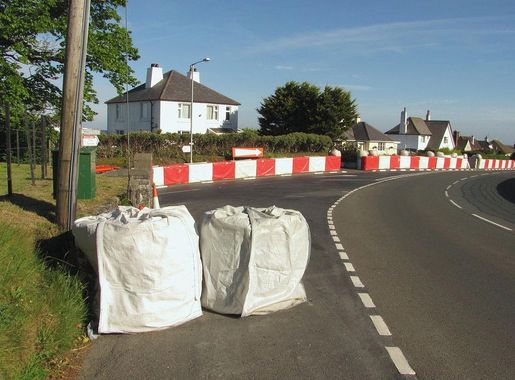
Kirk Michael holds a special place in the history of the Isle of Man TT (Tourist Trophy) races. The village is located along the famous TT Mountain Course, a motorbike racing circuit that has been in use since 1907. Each year, during the TT races, Kirk Michael becomes a bustling hub of activity as spectators gather to watch the thrilling races.
-
Kirk Michael is a stronghold of Manx culture and traditions. The village hosts numerous events and festivals that celebrate the island's rich heritage. From traditional music and dance to local crafts and cuisine, Kirk Michael offers a vibrant tapestry of Manx cultural experiences. The preservation of the Manx Gaelic language is also a significant aspect of the village's cultural identity.
-
Today, Kirk Michael is a charming blend of historical richness and modern amenities. While it retains its historical landmarks and cultural heritage, the village has also embraced modernity with contemporary shops, cafes, and community centers. The picturesque landscape, with its rolling hills and coastal views, continues to attract visitors and history enthusiasts from around the world.
Cities near Kirk Michael
The closest cities to Kirk Michael, if you have time for more than one stop.

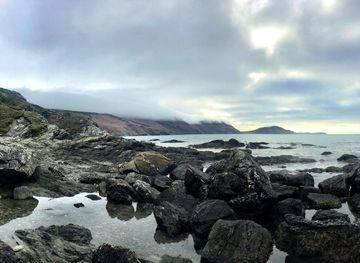

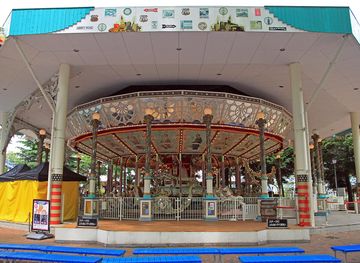


Your all‑in‑one travel companion app
Explore expert travel guides, compare and book tours, experiences, hotels, and more—all from the palm of your hand. Download now for seamless trip planning wherever your wanderlust takes you.


Kirk Michael in Photos
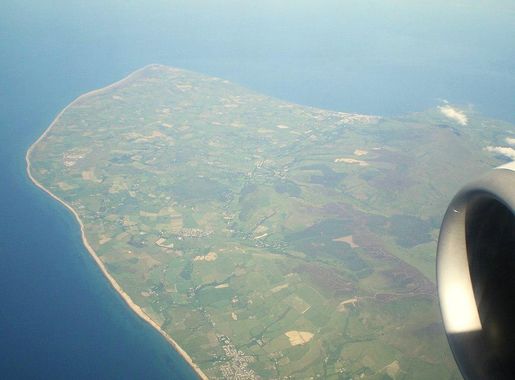
Browse through our photo collection highlighting the charm and character of the destination.



Kirk Michael: A Tranquil Retreat in the Isle of Man
Nestled on the scenic west coast of the Isle of Man, Kirk Michael is a charming village that offers a peaceful escape from the hustle and bustle of everyday life. Known for its picturesque landscapes and rich history, this quaint village is perfect for those looking to unwind and immerse themselves in natural beauty. Kirk Michael is home to several historic sites, including the ancient St. Michael's Church, which dates back to the 13th century. The churchyard is adorned with intricately carved Celtic crosses and Viking stones, offering a glimpse into the island's storied past. For history enthusiasts, a visit to the nearby Michael Heritage Centre is a must, providing fascinating insights into the local culture and traditions. Outdoor lovers will find plenty to enjoy in Kirk Michael. The village is surrounded by stunning coastal paths and rolling hills, making it an ideal destination for walking and cycling. The nearby Glen Wyllin campsite and beach offer opportunities for picnicking, swimming, and fishing. Don’t miss the chance to explore the magical Ballaugh Curraghs, a wetland area home to a variety of wildlife, including the famous Manx Loaghtan sheep. Kirk Michael also boasts a warm and welcoming community, with several local pubs and cafes where visitors can sample traditional Manx cuisine and enjoy a friendly chat with residents. The village's annual events, such as the Kirk Michael Carnival, bring the community together in celebration and provide a wonderful opportunity for tourists to experience local traditions firsthand.
Explore More of Douglas Head

Looking beyond Kirk Michael? Discover Douglas Head for broader travel guides, local hot-spots, and regional highlights.
Explore Douglas HeadExplore More of Isle of Man

Looking beyond Kirk Michael? Discover Isle of Man for broader travel guides, local hot-spots, and regional highlights.
Explore Isle of Man