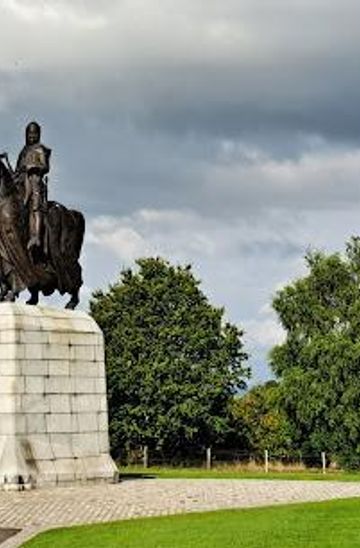
Bannockburn: Scotland’s Defining Battlefield of Independence
Explore Bannockburn, the iconic Scottish battlefield where Robert the Bruce secured independence with a legendary victory in 1314.
Bannockburn, near Stirling, is the historic site of the 1314 Battle of Bannockburn, a pivotal Scottish victory led by Robert the Bruce over English forces. This battlefield symbolizes Scotland’s struggle for independence and national identity. Today, it features a visitor centre, monuments, and preserved grounds that commemorate the fierce conflict that shaped Scottish history.
A brief summary to Bannockburn
- Stirling, Bannockburn, GB
- Duration: 1 to 3 hours
- Mid ranged
-
 Outdoor
- Mobile reception: 4 out of 5

Know before you go
Hi, I'm Eve. Here are a few practical things to know before exploring Bannockburn.
- Visit the Bannockburn Visitor Centre early to avoid crowds and fully engage with the interactive exhibits.
- Wear comfortable shoes as the battlefield site involves walking across uneven outdoor terrain.
- Combine your visit with nearby Stirling Castle to deepen your understanding of the region’s medieval history.
- Check for special events or reenactments at Bannockburn, which offer immersive historical experiences.
Do you manage this location?
Take control to get all the benefits, like improved information, better appearance, and stronger visibility across AI-powered discovery. Learn more
Activate your presence
Getting There
-
Train and Bus
From Stirling railway station, take a local bus towards Bannockburn; the journey takes about 15-20 minutes. Bus services run regularly but check schedules in advance. Tickets cost approximately £3-£5.
-
Car
Driving from central Stirling to Bannockburn takes around 10 minutes. Limited parking is available near the visitor centre, with some spaces subject to fees of around £2-£4 per hour.
-
Walking
For active visitors, walking from Stirling city centre to Bannockburn is possible in about 40-50 minutes over mostly flat terrain. Suitable for most fitness levels but involves some road crossings.
For the on-the-go comforts that matter to you
-
 Restrooms
-
 Drink Options
-
 Food Options
-
 Seating Areas
-
 Information Boards
-
 Visitor Center
Discover more about Bannockburn
The Turning Point in Scotland’s Fight for Freedom
The Battle of Bannockburn, fought on June 23-24, 1314, stands as one of the most significant military engagements in Scottish history. Led by King Robert the Bruce, the Scottish forces faced a much larger English army under King Edward II near Stirling. Despite being outnumbered, the Scots leveraged strategic terrain, including wooded areas and defensive pits, to thwart cavalry charges and break the English formations. The victory was decisive, marking a turning point in the First War of Scottish Independence and ultimately leading to Scotland’s recognition as an independent nation decades later.Historic Landscape and Battlefield Features
The battlefield is located just south of Stirling, encompassing fields where intense combat unfolded over two days. Robert the Bruce’s use of schiltrons—tight infantry formations armed with long spears—proved crucial against the English knights. The terrain’s natural defenses, such as the Bannock Burn stream and strategically placed ditches, hindered the English cavalry’s effectiveness. Today, visitors can explore the grounds where these events transpired, with a modern monument and statue of Robert the Bruce marking the likely battle site.Commemoration and Visitor Experience
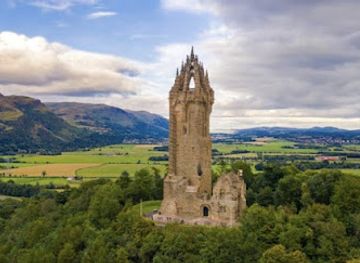
The National Trust for Scotland operates the Bannockburn Visitor Centre, offering interactive exhibitions that bring the battle’s story to life. The centre provides context about the political and military background leading to the battle, details of the combat tactics employed, and the aftermath that shaped Scotland’s future. The site also includes a monument erected in the late 19th century and a statue by Pilkington Jackson, serving as focal points for reflection on Scottish resilience and identity.Bannockburn’s Place in Scottish Cultural Memory
Beyond its military significance, Bannockburn has become a powerful symbol of Scottish nationalism and pride. The battle is commemorated in poetry, art, and public ceremonies, embodying the spirit of resistance against foreign domination. It contrasts with other historic battlefields like Culloden, representing victory and hope rather than defeat. Bannockburn’s legacy continues to inspire a sense of belonging and cultural heritage among Scots and visitors alike.Nearby Historical Connections
Close to Bannockburn lies Bannockburn House, a 17th-century mansion tied to local history and notable figures such as Bonnie Prince Charlie. The house reflects the region’s rich past beyond the medieval battlefield, including its industrial heritage linked to textile manufacturing. This adds depth to the visitor experience, connecting the landscape’s martial history with its social and economic evolution.Preservation and Educational Importance
Efforts to maintain Bannockburn as a protected heritage site ensure its stories remain accessible for future generations. The battlefield’s preservation allows for educational programs, guided tours, and cultural events that deepen understanding of Scotland’s path to sovereignty. The site’s integration into the wider Stirling area highlights its ongoing relevance as both a historical landmark and a living part of Scotland’s identity.Explore the best of what Bannockburn has to offer













More about Clackmannanshire
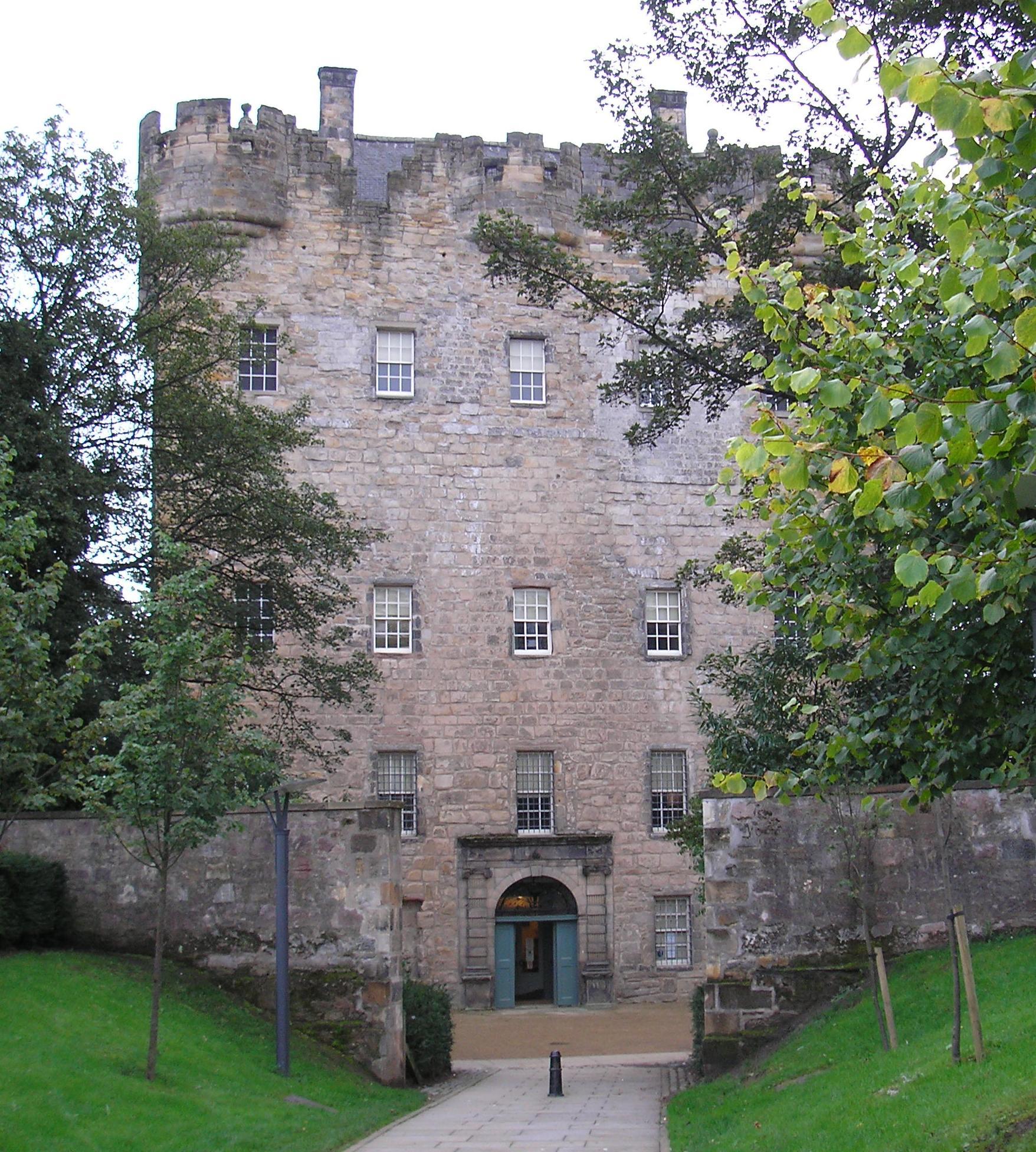
Explore Clackmannanshire: Scotland's enchanting county of castles, hills, and history, offering an authentic and serene escape into nature and culture.
Tell me more about Clackmannanshire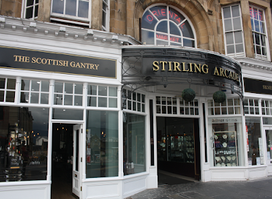
Discover Scotland’s finest whiskies, gins, and wines at The Scottish Gantry, Stirling’s premier boutique spirits shop with expert tastings and warm hospitality.
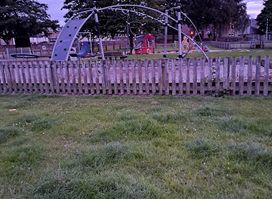
Explore the tranquility and natural beauty of Ladywell Park in Bannockburn, Stirling, a perfect escape for relaxation and recreation.