Culross, Stirlingshire Travel Guide
Discover Culross Abbey’s medieval ruins and the enchanting 17th-century village that together tell the story of Scotland’s sacred and industrial heritage.
Culross Abbey, founded in the early 13th century, is a striking Cistercian monastery ruin overlooking the historic village of Culross near Dunfermline. The abbey’s medieval stones and parish church blend with the village’s 17th-century architecture, cobbled streets, and ochre-hued buildings, offering a captivating glimpse into Scotland’s religious and industrial past.
A brief summary to Culross
- Dunfermline, Culross, GB
- Duration: 1 to 3 hours
- Budget
-
 Outdoor
- Mobile reception: 4 out of 5

Know before you go
Hi, I'm Eve. Here are a few practical things to know before exploring Culross.
- Visit the parish church inside the abbey grounds, which remains active and open for visitors.
- Explore the village’s cobbled streets and don’t miss Culross Palace with its painted ceilings and period gardens.
- Listen to local legends about secret tunnels and the blind piper to enrich your visit with folklore.
- Bring sturdy shoes for walking on uneven cobblestones and the abbey’s hillside terrain.
- Check opening times for Culross Palace and nearby attractions, especially in winter months.
Do you manage this location?
Take control to get all the benefits, like improved information, better appearance, and stronger visibility across AI-powered discovery. Learn more about listing your business on Evendo
Activate your presenceOther nearby places you may find interesting
The closest places of the same kind, if this one is not quite what you had in mind.
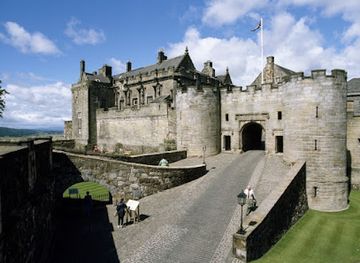
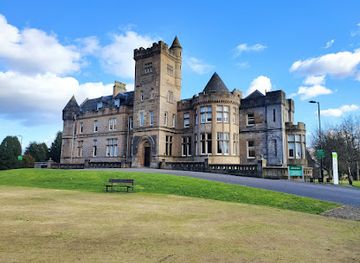
Explore Culross on the Map
A handpicked selection of must-see spots near Culross, mapped for you.
Unlock the Best of Culross
Buy tickets
-
No tickets available
Book tours with entry


Getting There
-
Train and Bus Combination
Travel by train from Edinburgh Waverley to Dunfermline Town station, a journey of approximately 50 minutes. From Dunfermline, take the Stagecoach bus service 34 or 35 towards Culross, which takes around 25 minutes. Bus services may be less frequent on weekends. Expect total travel costs around £10-£15 GBP.
-
Car
Drive from Dunfermline to Culross via the A985 and B9037 roads, approximately 15 km and 25 minutes. Parking in Culross is limited; use designated village parking areas and be prepared for narrow, cobbled streets. No parking is available directly at the abbey.
-
Walking from Culross Village Centre
From Culross village centre, walk uphill to Culross Abbey. The walk is about 10 minutes on a steep, uneven path with cobblestones. Suitable for visitors with moderate mobility; sturdy footwear recommended.
For the on-the-go comforts that matter to you
-
 Restrooms
-
 Seating Areas
-
 Information Boards
Discover more about Culross
Medieval Origins and Sacred Legacy
Culross Abbey was established in 1217 by Malcolm I, Earl of Fife, as a daughter house of Kinloss Abbey. Built on the site of an earlier Pictish church founded by Saint Serf in the 6th century, it has deep Christian roots with connections to Saint Mungo, a revered Scottish saint. The abbey was a thriving Cistercian monastery through the Middle Ages, noted for its religious community and manuscript production. The original cruciform abbey church underwent significant changes around 1500, including the demolition of its nave and the addition of a tower, reflecting evolving ecclesiastical needs.The Reformation and Parish Church Transition
The Scottish Reformation of 1560 marked the end of monastic life at Culross Abbey. However, the eastern part of the abbey church was repurposed as a parish church, a function it retains today under the Church of Scotland. While the monastic buildings fell into ruin, the parish church remains active, preserving the spiritual heritage of the site. Nearby tombs, such as the alabaster effigies in the north transept, commemorate notable local figures, linking the abbey’s sacred past with the community’s history.Village Charm and Industrial Heritage
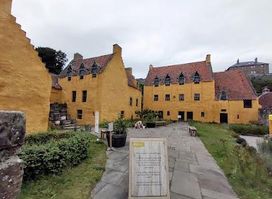
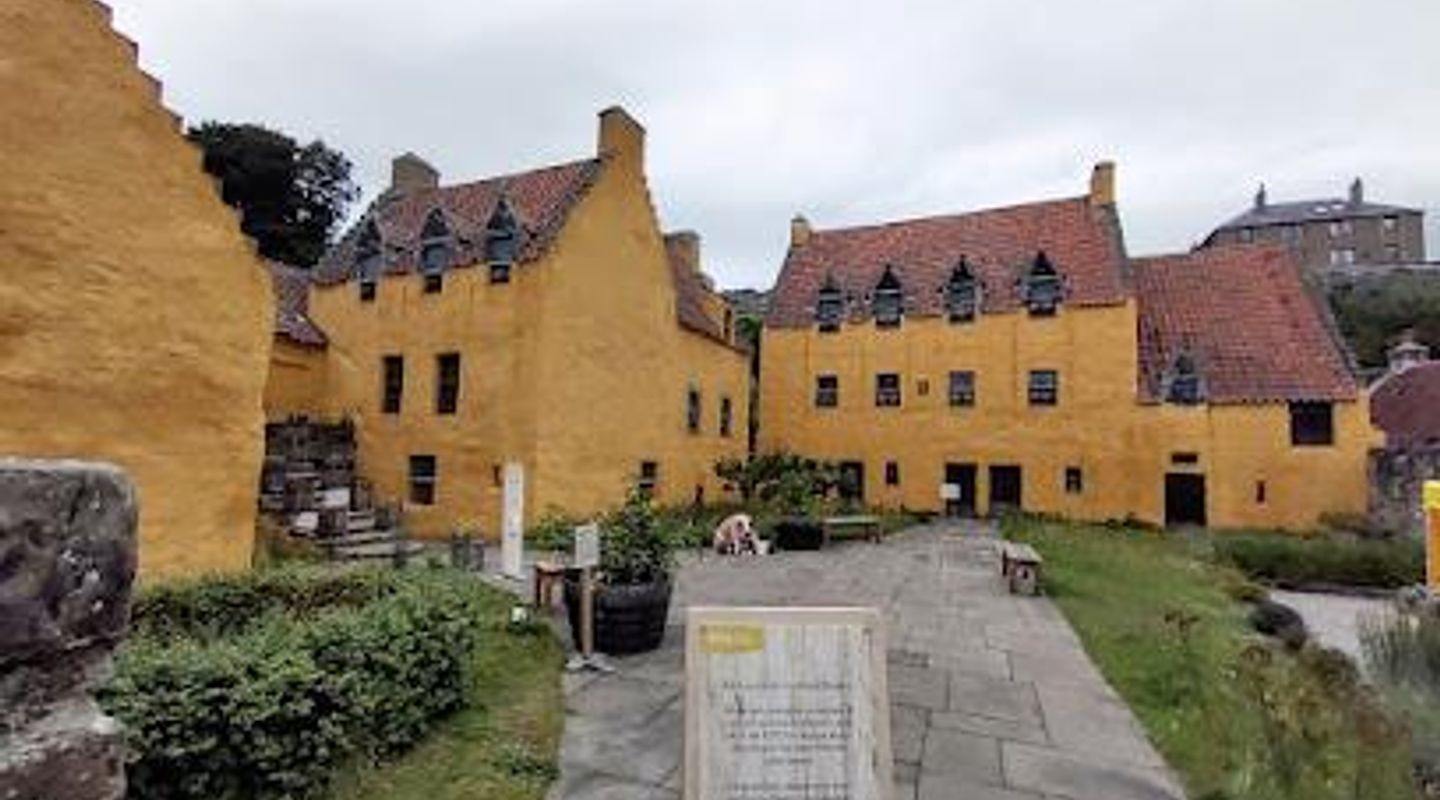
The village of Culross, situated below the abbey, is one of Scotland’s best-preserved 17th and 18th-century burghs. Its steep cobbled streets are lined with white-harled houses topped by red-tiled roofs, while the ochre-colored Culross Palace showcases ornate painted ceilings and period furnishings from the era of Sir George Bruce, a pioneering industrialist. Once a bustling port and center for coal and salt industries, Culross’s heritage is vividly alive in its architecture and gardens.Legends and Local Lore
Culross Abbey is steeped in folklore, including tales of a secret tunnel beneath the ruins where a man sits in a golden chair, awaiting discovery. One famous story tells of a blind piper who ventured into this tunnel with his dog, playing his pipes to mark his path; the dog escaped but the piper vanished, adding a mystical aura to the site. These stories enrich the visitor experience, blending history with myth.Exploration and Visitor Experience
Visitors can explore the evocative ruins of the abbey, with its broken pillars and floating doorways set on a hillside offering panoramic views of the surrounding landscape. The parish church welcomes visitors to step inside and connect with centuries of worship. Nearby, the village’s historic landmarks, including the Mercat Cross and Townhouse, invite further discovery of Culross’s civic and social past. The area is managed with care to preserve its unique character and heritage.Preservation and Cultural Significance
Culross Abbey and village are protected and maintained by Historic Scotland and the National Trust for Scotland, ensuring the survival of this remarkable medieval and early modern heritage site. The abbey’s ruins, parish church, and the village’s historic buildings collectively offer an immersive journey through Scotland’s religious, industrial, and social history, making Culross a treasured cultural landmark.












Your all‑in‑one travel companion app
Explore expert travel guides, compare and book tours, experiences, hotels, and more—all from the palm of your hand. Download now for seamless trip planning wherever your wanderlust takes you.


Explore More of Stirlingshire
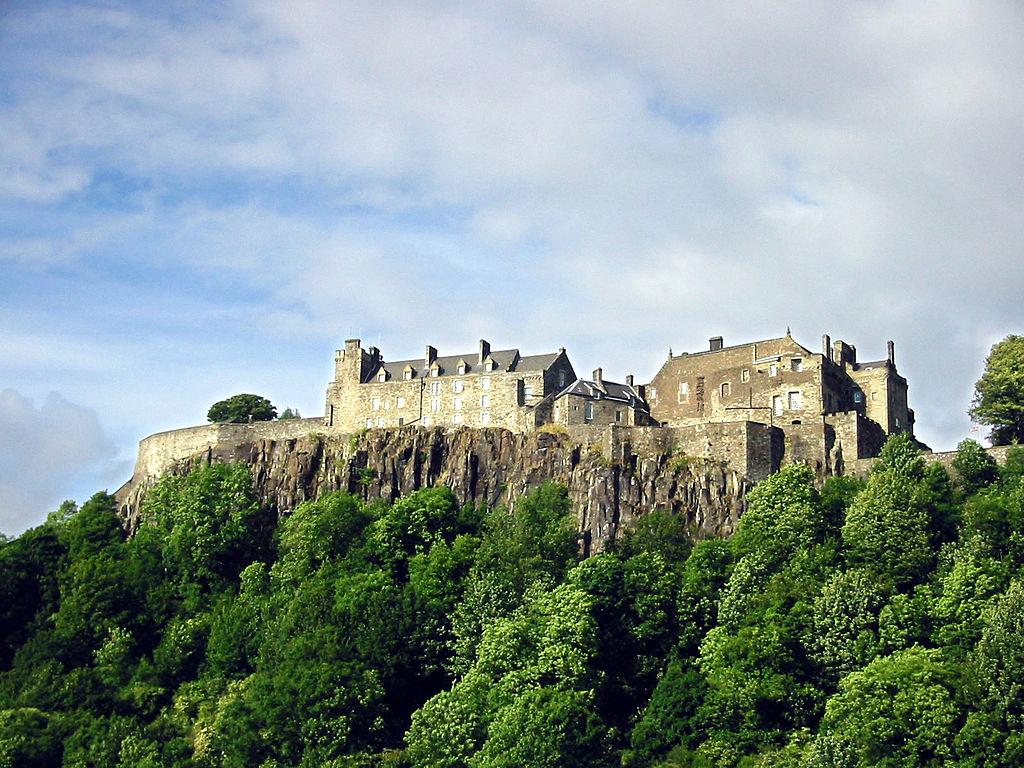
Looking beyond Culross? Discover Stirlingshire for broader travel guides, local hot-spots, and regional highlights.
Explore Stirlingshire