
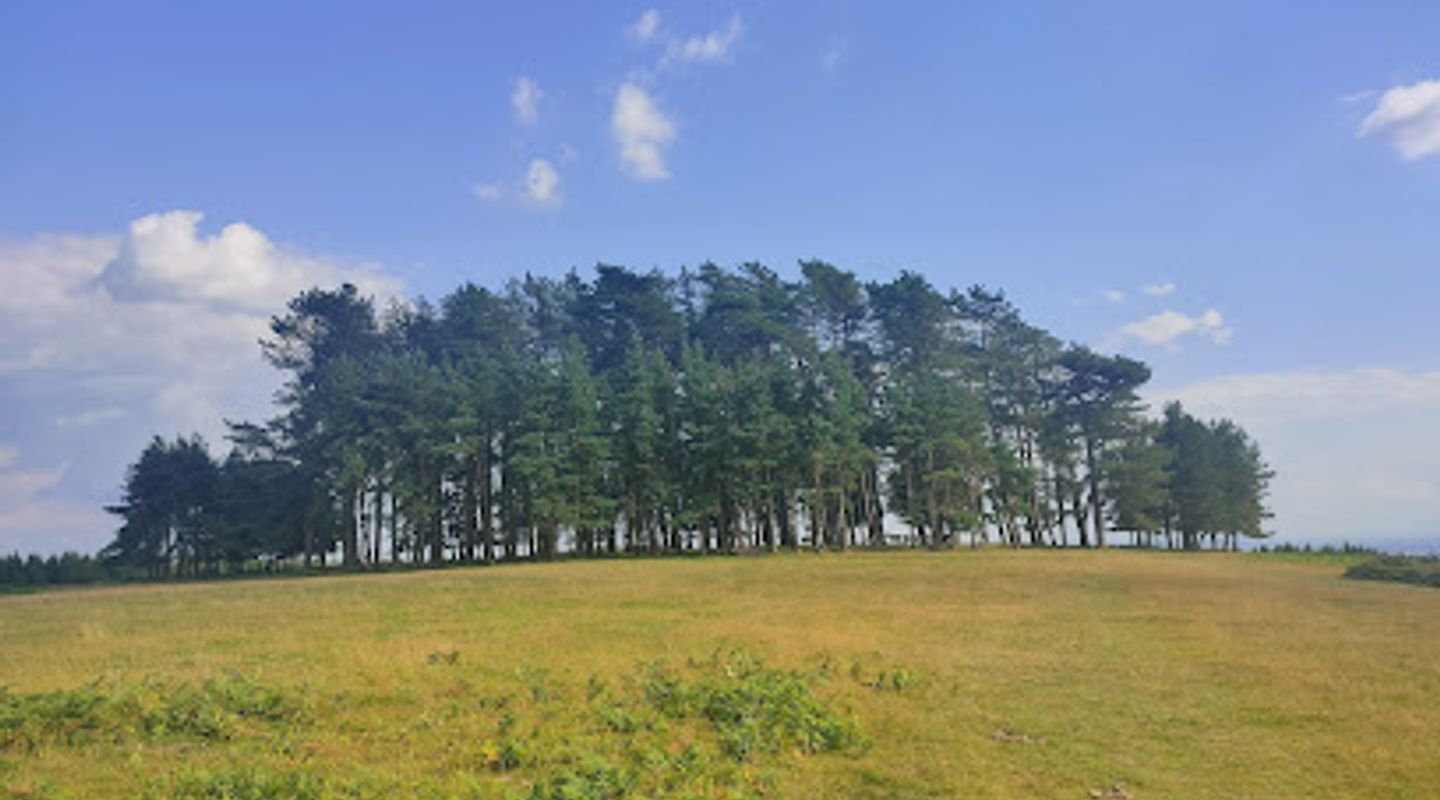
May Hill, Gloucestershire Travel Guide
A historic hill crowned with iconic pine trees, offering panoramic views and rich cultural heritage in Gloucestershire.
May Hill is a distinctive hill rising to 296 metres near Longhope, Gloucestershire, crowned by a famous clump of pine trees visible for miles. This natural landmark offers panoramic views across up to 12 counties, rich historical associations including Iron Age earthworks, and a tranquil setting managed partly by the National Trust. It is a popular spot for walking, nature appreciation, and seasonal celebrations.
A brief summary to May Hill
- Longhope, GB
- Duration: 1 to 3 hours
- Free
-
 Outdoor
- Mobile reception: 2 out of 5

Know before you go
Hi, I'm Eve. Here are a few practical things to know before exploring May Hill.
- Visit early morning during Summer Solstice for a memorable sunrise celebration.
- Wear sturdy footwear as paths can be steep and muddy after rain.
- Keep dogs on leads to protect grazing animals and wildlife habitats.
- Bring a camera to capture panoramic views spanning up to 12 counties on clear days.
Do you manage this location?
Take control to get all the benefits, like improved information, better appearance, and stronger visibility across AI-powered discovery. Learn more about listing your business on Evendo
Activate your presenceOther nearby places you may find interesting
The closest places of the same kind, if this one is not quite what you had in mind.
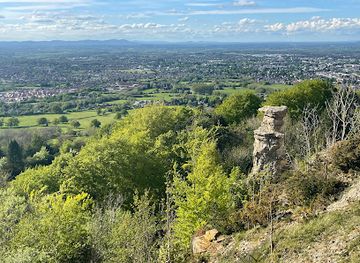
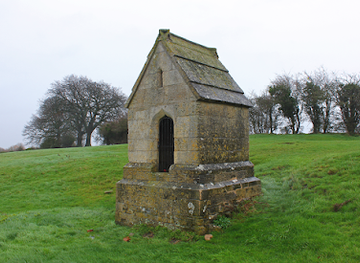
Explore May Hill on the Map
A handpicked selection of must-see spots near May Hill, mapped for you.
Getting There
-
Car
Driving from Gloucester takes approximately 30–40 minutes via the A40 and minor roads. Parking is available near the summit but can be limited during peak times. No parking fees apply.
-
Public Transport
Bus services connect Gloucester and Ross-on-Wye to Longhope village, about 3 km from May Hill. From Longhope, a 40-minute walk on well-marked footpaths leads to the summit. Bus fares typically range from £4 to £7 one-way.
-
Walking
For walkers, several public footpaths including parts of the Gloucestershire Way and Wysis Way provide access. Expect moderate to steep terrain with some uneven and muddy sections, requiring good footwear and moderate fitness. Walking time from Longhope is around 40 minutes.
For the on-the-go comforts that matter to you
-
 Restrooms
-
 Seating Areas
-
 Information Boards
Discover more about May Hill
A Landmark with Ancient Roots and Historical Mystique
May Hill stands as a prominent natural feature on the western edge of Gloucestershire, reaching 296 metres (971 feet) high. Its near-circular mound and iconic crown of pine trees make it easily recognizable from afar. The hill is steeped in history, with a circular trench about 100 metres in diameter believed to be an Iron Age earthwork. Within this trench lies a mound thought to be a round barrow, hinting at ancient ceremonial or burial significance.Local lore enriches May Hill’s heritage, including tales that Prince Rupert and his Cavaliers sought shelter under the summit trees during the 1643 siege of Gloucester. The hill’s summit trees have been documented since at least the late 18th century, debunking myths that they were planted solely for Queen Victoria’s Golden Jubilee in 1887. Historically, the trees served as beacons for ships navigating the nearby River Severn, underscoring May Hill’s role as a natural guidepost.A Natural Haven with Expansive Vistas
The summit area features open grassland, bracken, gorse, and pockets of boggy terrain, creating a diverse habitat that supports local wildlife. From the top, visitors enjoy sweeping panoramic views encompassing the Malvern Hills, Cotswold Hills, Severn Vale, Forest of Dean, Herefordshire, and even the Black Mountains on clear days. The hill’s northern slopes extend into Herefordshire, while the summit itself lies within Gloucestershire.May Hill Common, covering 30 hectares, is managed by the National Trust and grazed by ponies, pigs, and sheep to maintain its ecological balance. Conservation efforts include supporting biodiversity through traditional grazing and habitat preservation.A Cultural and Spiritual Gathering Place
Beyond its natural and historical significance, May Hill holds a special place in local culture and spirituality. It hosts annual May Day and Summer Solstice celebrations, drawing visitors for sunrise events that celebrate seasonal change. The hill has inspired poets such as Edward Thomas, Robert Frost, and Ivor Gurney, who captured its evocative presence in their works.The summit features benches dedicated to notable local figures, including Winifred Foley, a chronicler of the Forest of Dean. May Hill’s distinctive silhouette has appeared in films, TV shows, and music videos, embedding it in popular culture.Access and Experience for Visitors
May Hill is accessible via several public footpaths, including parts of the Gloucestershire Way and Wysis Way, offering varied walking experiences through the surrounding countryside. The terrain includes moderate to steep slopes with some rough and muddy sections after rain, providing a rewarding challenge for walkers and nature lovers.Dogs are welcome but must be kept on leads to protect grazing animals and wildlife. The hill’s open landscape invites kite flying, picnicking, and quiet reflection amidst its tranquil surroundings.Conservation and Stewardship
While much of May Hill is owned by the National Trust, the summit woodland is vested in Longhope Parish Council as trustee of The May Hill Trust. This shared stewardship ensures the protection of its natural beauty and historical features for future generations.Visitors are encouraged to respect the environment by adhering to Leave-No-Trace principles, supporting ongoing conservation efforts that maintain May Hill as a cherished landmark and nature reserve.Distinctive Features and Visitor Highlights
The clump of pine trees atop May Hill is not only a visual icon but also a symbol of resilience, with stories suggesting that 99 trees survive because others failed to thrive. The hill’s prominence and unique shape have made it a beacon in local folklore and navigation.For photographers and artists, May Hill offers iconic views and atmospheric light, especially at sunrise and sunset. Its blend of natural, historical, and cultural elements creates a multifaceted destination for exploration and inspiration.












Your all‑in‑one travel companion app
Explore expert travel guides, compare and book tours, experiences, hotels, and more—all from the palm of your hand. Download now for seamless trip planning wherever your wanderlust takes you.


Explore More of Gloucestershire
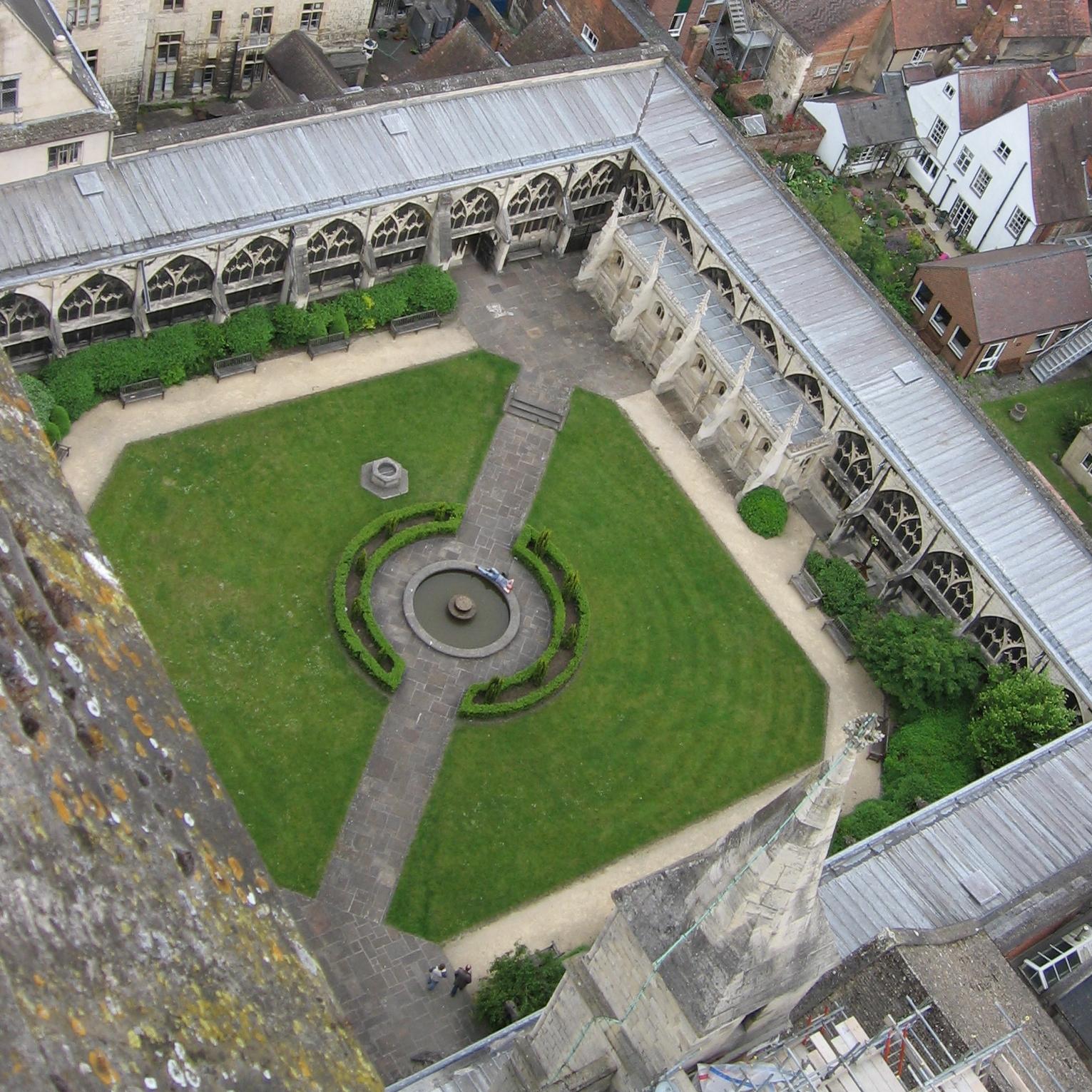
Looking beyond May Hill? Discover Gloucestershire for broader travel guides, local hot-spots, and regional highlights.
Explore Gloucestershire
Explore 200 years of Britain's inland waterways heritage at Gloucester’s historic docks with interactive exhibits and scenic canal cruises.
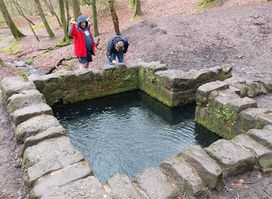
Discover the serene and historic St. Anthony's Well, a sacred spring famed for healing waters and ancient woodland mystique in Gloucestershire.
