St. Anthony's Well Travel Guide
Free Guide: Discover the serene and historic St. Anthony's Well, a sacred spring famed for healing waters and ancient woodland mystique in Gloucestershire.


A brief summary of St. Anthony's Well
Discover the serene and historic St. Anthony's Well, a sacred spring famed for healing waters and ancient woodland mystique in Gloucestershire.
St. Anthony's Well, nestled near Littledean in Mitcheldean, Gloucestershire, is a historic sacred spring famed for its healing waters. Known since at least the 17th century, this Grade II listed site features a large stone basin fed by a natural spring, historically believed to cure skin ailments and other disorders. Surrounded by tranquil woodland, the well invites visitors to experience a unique blend of natural beauty, folklore, and spiritual heritage.
On-site amenities
 Information boards
 Seating areas
 Trash bins
Opening hours
- Every dayOpen 24 hours
Opening hours as listed on the venue’s Google Business Profile. Hours can change for services and special events, so check with the venue before you go.
- Address
- Littledean, Mitcheldean GL14 3LQ
Getting there
Bus
Car
Walking
Discover more about St. Anthony's Well
Origins and Historical Significance
St. Anthony's Well is one of the most remarkable holy wells in the Forest of Dean, with references dating back to 1669. Though its precise origins remain unclear, the well's enduring presence suggests a long-standing sacred importance. Its name honors St. Anthony, a 4th-century Egyptian saint known for his purity and steadfastness. The well was likely associated with local religious practices and possibly linked to Flaxley Abbey, founded in the 12th century, though no direct evidence confirms this connection.
Healing Traditions and Folklore
The well’s waters have been historically celebrated for their reputed healing properties, particularly for skin conditions such as itch, mange, and even leprosy. Accounts from the 18th and 19th centuries describe ritual bathing in the spring as a cure, often involving repeated visits timed with natural cycles, such as nine visits at sunrise in May. These traditions reflect a deep cultural belief in the well’s restorative powers, combining natural purity with spiritual ritual.
Architectural Features and Setting
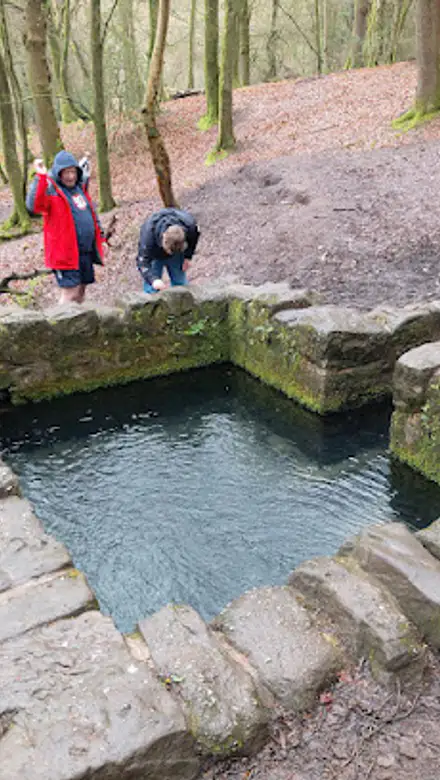
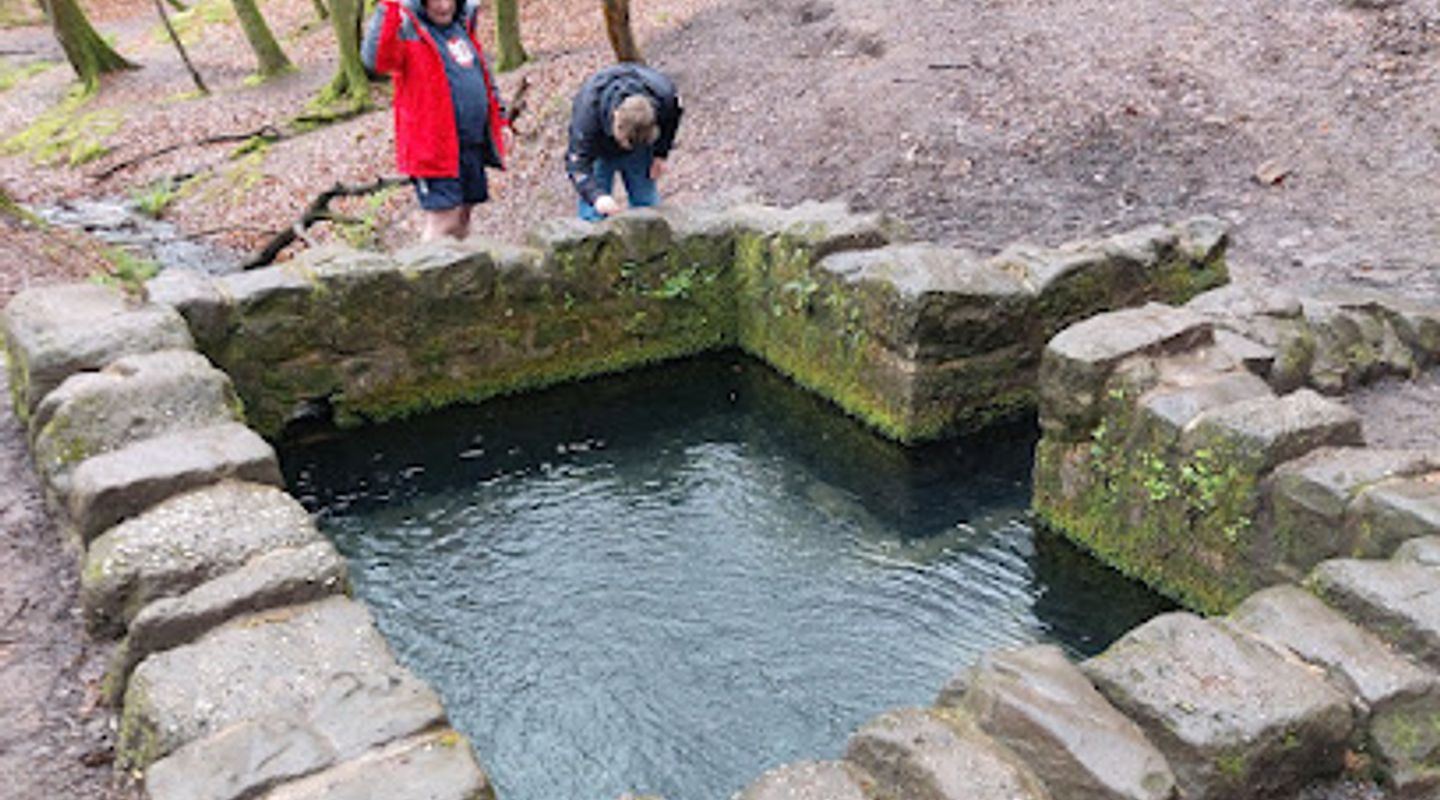
The spring emerges at the foot of a steep bank into a stone-slab-covered dip, flowing into a substantial rectangular stone basin measuring approximately 11.5 by 8 feet and about 5 feet deep, typically holding around 3 feet of crystal-clear water. Worn stone steps lead down into the basin, designed to facilitate bathing. The structure’s moss-covered stones and serene woodland setting enhance its mystical atmosphere, inviting quiet reflection and connection with nature.
Modern Conservation and Cultural Role
Recently restored and maintained by local groups, including the Friends of the Forest of Dean, the well remains a protected Grade II listed site. It continues to attract visitors drawn by its natural beauty, historical aura, and the allure of its healing legend. The well has also been a focal point for seasonal rituals, including Ascension Day ceremonies and pagan well dressings, reflecting its ongoing spiritual and cultural relevance.
Visitor Experience and Atmosphere
Visitors to St. Anthony's Well encounter a tranquil, almost timeless environment deep in the woods. The cool, clear water invites contemplative immersion, while the surrounding forest offers a peaceful retreat. The site’s remote location and ancient stonework evoke a sense of mystery and reverence, making it a unique destination for those interested in history, folklore, and natural beauty.
Legacy and Symbolism
St. Anthony's Well stands as a testament to the enduring human connection to sacred natural springs. Its blend of Christian and possibly older pagan traditions illustrates the layered spiritual heritage of the Forest of Dean. The well’s healing waters symbolize renewal and resilience, continuing to inspire awe and respect centuries after their first recorded mention.
Evendo Review Centre
 Google
Guest reviews
Best time to go
Quietest: Jan, Feb & Nov · before 6am or at 8pm
Busy times are Evendo estimates for a typical year, to help you plan. Actual crowds vary with events, school holidays and the weather.
Explore St. Anthony's Well on the map
A handpicked selection of must-see spots near St. Anthony's Well, mapped for you.
Get your free copy of our complete guide to St. Anthony's Well, delivered straight to you.
Everything on this page, from opening hours and how to get there to Eve’s tips and the best time to go, in one PDF you can read offline, print or share.
Already have an account? Sign in
Your St. Anthony's Well guide is ready.
We'll send it to · Not you? Sign out

Getting your guide ready…
We are putting together a fresh copy of the St. Anthony's Well guide. This can take up to a minute.
This can take a few moments. If your browser asks, choose Allow so the download can start. You'll find the guide in your Downloads folder.
Nothing happened? Download it again
Sorry, the guide is taking longer than usual. Please try again in a minute, or get it by email instead.
Other nearby places you may find interesting
The closest places of the same kind, if this one is not quite what you had in mind.
-
Sudeley Castle A Tudor jewel where queens walked, history breathes, and ten gardens enchant.
-
Puzzlewood Step into Puzzlewood’s ancient, mossy labyrinth where fantasy meets nature in Gloucestershire’s magical Forest of Dean.
-
Cotswolds AONB Explore England’s largest Area of Outstanding Natural Beauty, where timeless villages, rolling hills, and rich heritage create an unforgettable countryside experience.
-
Devil's Chimney Discover the twisted limestone pillar of Devil's Chimney, a legendary landmark blending nature, history, and folklore atop Leckhampton Hill.
-
Our Lady's Well Discover the tranquil medieval holy well of Our Lady's Well in Gloucester, a sacred spring steeped in healing lore and historic reverence.
Swipe for more places
More to explore near St. Anthony's Well

 Best experiences near St. Anthony's Well
 Best hotels near St. Anthony's Well
 Best landmarks near St. Anthony's Well
 Best attractions near St. Anthony's Well
 Best shops near St. Anthony's Well
 Best restaurants near St. Anthony's Well
 Best bars near St. Anthony's Well
Do you manage this location?
Take control to get all the benefits, like improved information, better appearance, and stronger visibility across AI-powered discovery.
Explore more

Explore more of Gloucestershire
Discover the charm of Gloucestershire, where rolling hills, historic towns, and vibrant festivals create an unforgettable English countryside experience.
Explore Gloucestershire
Explore more of United Kingdom
Discover the United Kingdom: A blend of rich history, stunning landscapes, and vibrant cities, offering a unique travel experience for every visitor.
Explore United Kingdom