
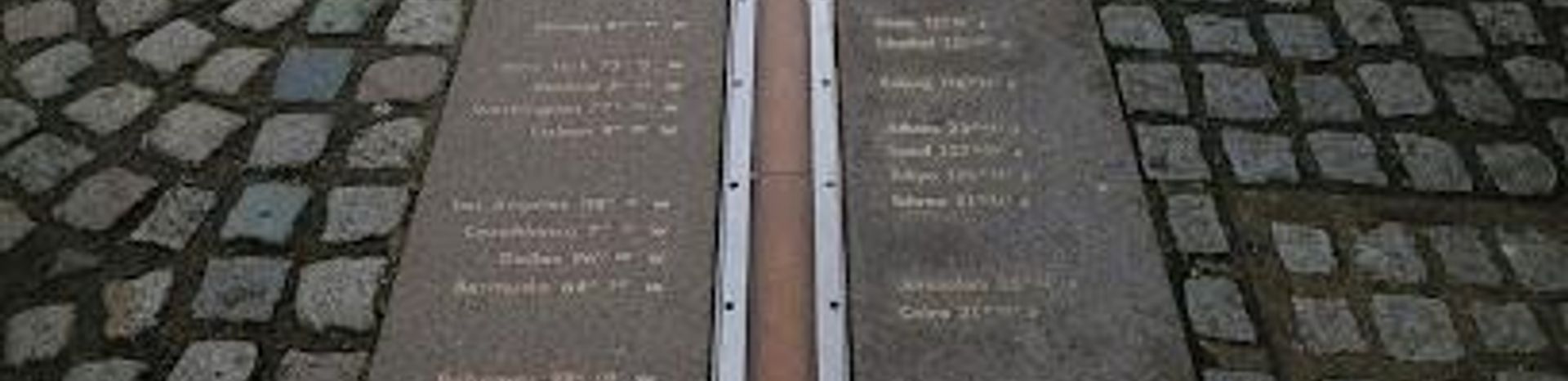
Prime Meridian at the Royal Observatory Greenwich
Stand astride the historic Prime Meridian line at the Royal Observatory Greenwich, the birthplace of global time and navigation.
The Prime Meridian at the Royal Observatory Greenwich in London marks 0° longitude, dividing the Earth’s eastern and western hemispheres. Established in 1851 with the Airy Transit Circle telescope, this historic line became the global standard at the 1884 International Meridian Conference. Visitors can stand astride the line, explore the Observatory’s rich history of astronomy, navigation, and timekeeping, and view iconic scientific instruments that shaped modern understanding of time and space.
A brief summary to Prime Meridian
- Royal Observatory, Blackheath Ave, London, SE10 8XJ, GB
- +442083126608
- Visit website
- Duration: 1 to 3 hours
- Mid ranged
-
 Outdoor
- Mobile reception: 4 out of 5
Local tips
- Visit the Meridian Courtyard to stand with one foot in each hemisphere and see the historic metal line marking 0° longitude.
- Explore Flamsteed House and the Meridian Building to view original astronomical instruments including the Airy Transit Circle.
- Catch the green laser beam at night marking the Prime Meridian, visible up to 20 km away depending on weather.
- Enjoy panoramic views over Greenwich Park and London’s skyline from the Observatory’s elevated position.

For the on-the-go comforts that matter to you
- Restrooms
- Drink Options
- Food Options
- Seating Areas
- Information Boards
- Visitor Center
Getting There
-
Public Transport
Take the Docklands Light Railway (DLR) to Cutty Sark station, followed by a 10 to 15-minute walk uphill through Greenwich Park to the Observatory. The DLR runs frequently with fares around £2-£5 depending on your travel card.
-
Bus
Bus routes 129, 188, and 386 serve Greenwich Park area with stops near the Observatory. Journey times vary between 20 to 40 minutes from central London, with fares typically £1.75 using contactless payment.
-
Taxi or Ride-share
A taxi or ride-share from central London to the Royal Observatory takes approximately 25 to 40 minutes depending on traffic. Expect fares in the range of £15 to £30.
-
Walking
If staying nearby in Greenwich, a walk to the Observatory through Greenwich Park takes around 20 minutes. The route is uphill and may be moderately challenging for those with mobility issues.
Prime Meridian location weather suitability
-
 Any Weather
-
 Clear Skies
-
 Mild Temperatures
Discover more about Prime Meridian
Origins of the Royal Observatory and its Scientific Mission
Founded in 1675 by King Charles II, the Royal Observatory Greenwich was established to solve the critical problem of determining longitude at sea. The site, chosen on the grounds of the ruined Greenwich Castle, was ideal for astronomical observations due to its elevated position and proximity to London’s scientific community. Designed by Christopher Wren, the Observatory became Britain’s foremost scientific institution, dedicated to refining celestial tables and improving navigation for mariners. John Flamsteed, the first Astronomer Royal, began meticulous star cataloguing that laid the foundation for accurate timekeeping and positioning.The Defining of the Prime Meridian
In 1851, the seventh Astronomer Royal, George Biddell Airy, installed the Airy Transit Circle telescope at the Observatory, which precisely defined the Greenwich Meridian as 0° longitude. This line was used to make hundreds of thousands of astronomical observations and became the reference for British cartographers, navigators, and astronomers. Prior to this, different countries used their own meridians, causing confusion in navigation. The significance of Greenwich was internationally recognized at the 1884 International Meridian Conference in Washington, D.C., where it was voted the world’s Prime Meridian, standardizing global navigation and timekeeping.Symbolism and Global Impact
The Prime Meridian at Greenwich symbolizes the birthplace of modern time measurement and global positioning. It divides the Earth into eastern and western hemispheres, much like the equator divides north and south. The line is physically marked by a metal strip in the Observatory courtyard and illuminated at night by a green laser beam visible for miles. This historic meridian underpins the system of world time zones still in use today, anchoring Greenwich Mean Time (GMT) as a universal standard. Its cultural and scientific legacy reflects Britain’s 19th-century maritime dominance and commitment to precision in astronomy.Exploring the Observatory and Its Instruments
Visitors to the Royal Observatory can stand with one foot in each hemisphere on the Meridian Line in the courtyard, experiencing a unique moment straddling east and west. The site houses Flamsteed House, the Meridian Building, and the South Building, featuring historic instruments such as John Harrison’s marine chronometers and the Great Equatorial Telescope. Exhibitions detail the history of navigation, timekeeping, and astronomy, while the planetarium offers immersive modern astronomical experiences. The Observatory’s hilltop location also provides panoramic views over Greenwich Park and London’s skyline.Evolution and Preservation of the Site
Though active astronomical work moved away from Greenwich by the mid-20th century to locations with clearer skies, the Royal Observatory remains a vital heritage site. It is part of the Royal Museums Greenwich and a UNESCO World Heritage Site, preserving centuries of scientific achievement. The site balances historical displays with public engagement in astronomy, maintaining its role as a center for education and inspiration about humanity’s relationship with the cosmos.Continuing Legacy and Visitor Experience
The Royal Observatory celebrates its enduring legacy as the home of GMT and the Prime Meridian. Visitors can explore the story of time, space, and navigation through interactive galleries and stand on the famous meridian line. The site’s blend of historic architecture, scientific instruments, and stunning views offers a rich, contemplative experience connecting past discoveries with present-day astronomy and navigation technology.Iconic landmarks you can’t miss

Maritime Greenwich a World Heritage Site
0.6 km
Explore Maritime Greenwich, where royal heritage, maritime history, and the birthplace of Greenwich Mean Time converge in a stunning UNESCO World Heritage Site.
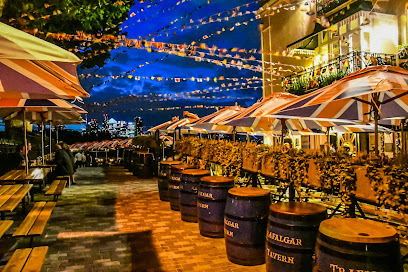
Trafalgar Tavern
0.8 km
Historic Greenwich riverside pub since 1837, famed for whitebait feasts, naval art, and Thames panoramas—perfect for pints, roasts, and celebrations.
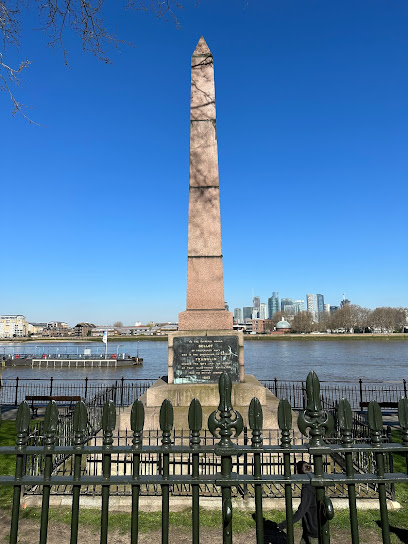
Bellot Memorial Greenwich
0.8 km
A solemn obelisk in Greenwich honoring Lieutenant Joseph René Bellot’s Arctic bravery and sacrifice during the Franklin rescue expeditions.
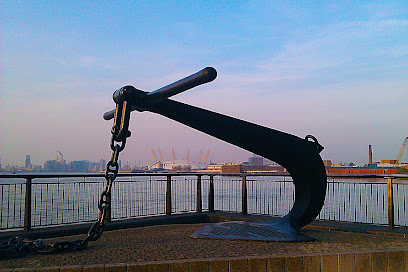
Anchor Iron Wharf
0.9 km
Historic riverside wharf in Greenwich marked by a large anchor sculpture, blending maritime heritage with stunning Thames views.
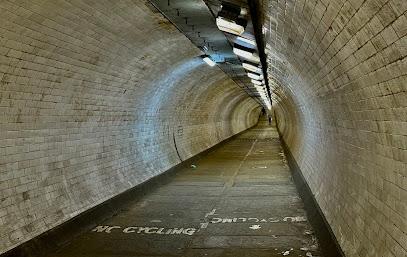
Greenwich Foot Tunnel North
1.1 km
Walk beneath the Thames through 200,000 white tiles in this 1902 engineering marvel.
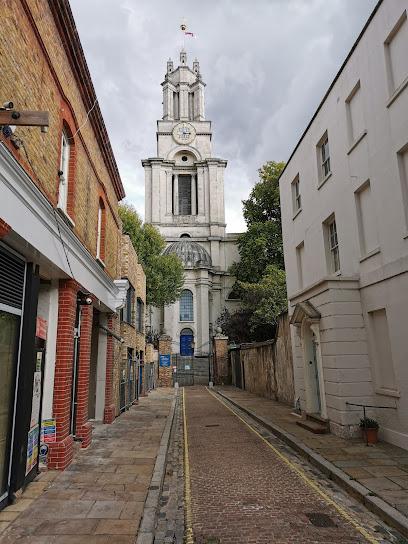
St Anne's Church, Limehouse
4.2 km
Discover St Anne's Church, Limehouse—an 18th-century Baroque maritime landmark with rich naval heritage and mysterious architectural features.
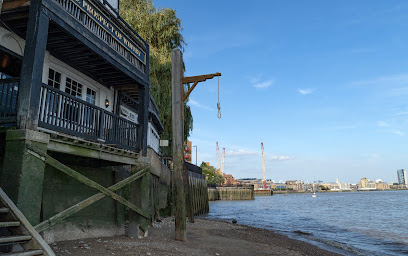
Execution Dock
4.7 km
A haunting riverside landmark where London’s maritime law was enforced through centuries of public executions.
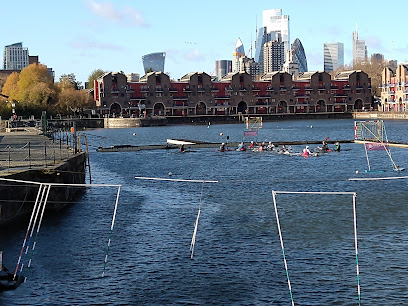
Shadwell Basin
4.8 km
Experience the peaceful beauty of Shadwell Basin, a serene spot in London perfect for relaxation and scenic walks amidst nature's charm.
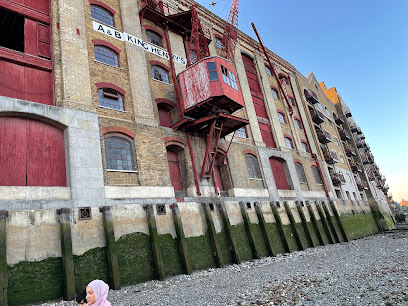
King Henry’s Stairs (Execution Dock)
4.8 km
Historic Thames foreshore site where pirates and maritime criminals faced grim justice under Admiralty law for over 400 years.
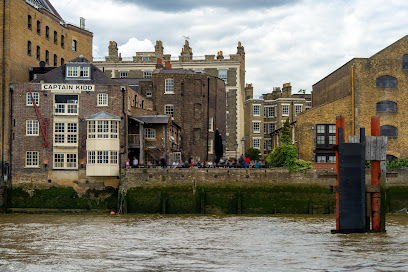
The Captain Kidd
4.8 km
Historic riverside pub with authentic maritime charm, classic ales, and scenic Thames views in London’s Wapping district.
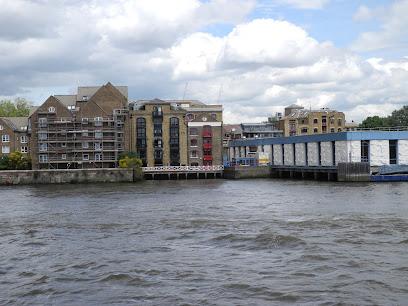
Execution Dock House
5.0 km
Historic riverside site where pirates and maritime criminals met justice in London’s centuries-old Admiralty executions.
International House
5.2 km
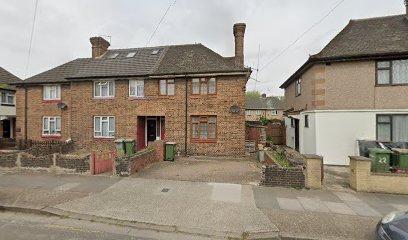
Discover the International House in London, a symbol of global unity and vibrant cultural exchange at the heart of the city.
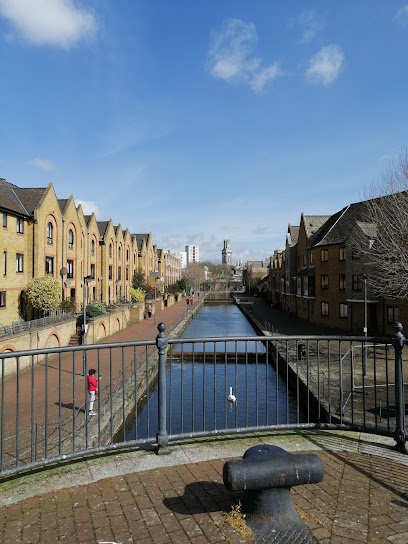
Ornamental Canal
5.3 km
Explore the serene Ornamental Canal in London, a picturesque waterway perfect for relaxation, scenic views, and rich history.
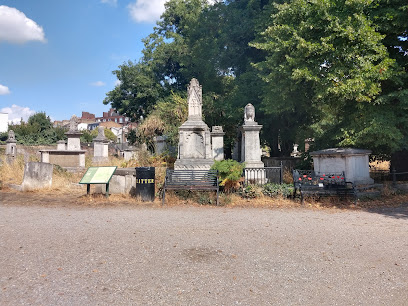
Tower Hamlets Cemetery Park
5.3 km
Discover the serene beauty of Tower Hamlets Cemetery Park, a unique blend of nature, history, and community nestled in the heart of London.
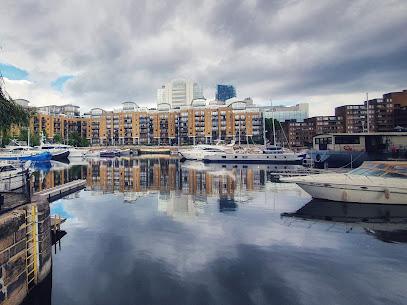
St Katharine Docks Marina
5.8 km
London's only central marina: historic waterfront elegance where maritime heritage meets modern leisure.
Unmissable attractions to see

The Old Royal Observatory Garden
0.0 km
A tranquil garden steeped in the heritage of British astronomy, offering stunning views and a serene escape within historic Greenwich Park.
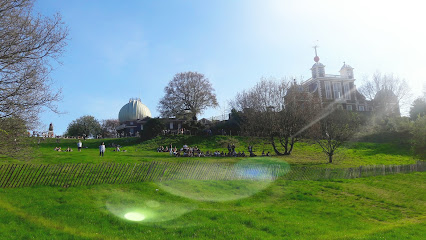
Royal Observatory Greenwich
0.1 km
Home of Greenwich Mean Time and the Prime Meridian, where the world’s time begins and one foot can stand in each hemisphere.
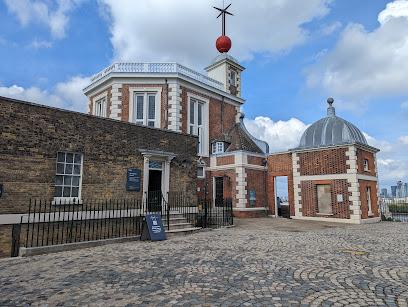
Greenwich Park
0.2 km
Historic Royal Park with panoramic London views, iconic landmarks, tranquil gardens, and rich maritime heritage in a UNESCO World Heritage setting.
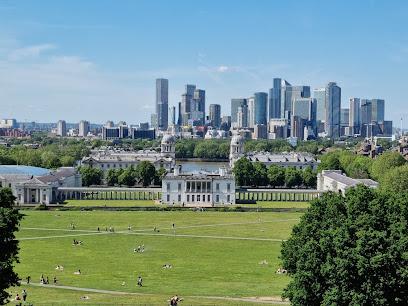
Queen's House
0.4 km
Discover England’s first classical building, the Queen's House in Greenwich, a timeless blend of royal history, art, and architectural brilliance.
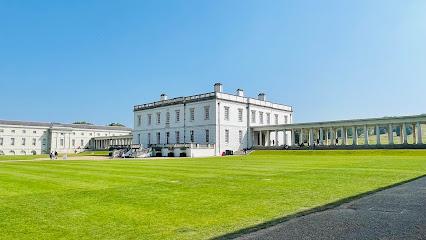
National Maritime Museum Gardens
0.4 km
A tranquil garden oasis within London’s premier maritime museum complex, blending history, nature, and family-friendly charm.
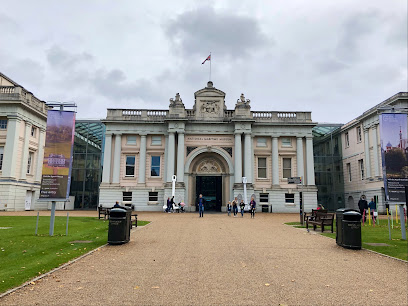
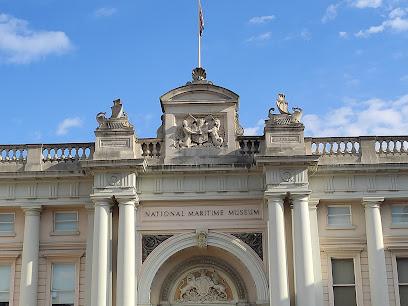
National Maritime Museum
0.4 km
Explore Britain’s rich naval history at the world’s largest maritime museum, set in scenic Greenwich with free entry and engaging galleries for all ages.
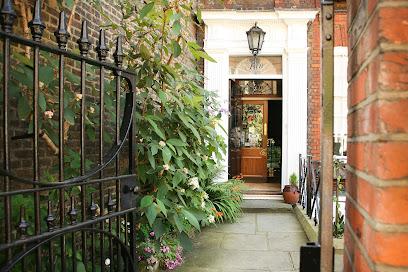
The Fan Museum
0.5 km
Discover the UK’s only museum dedicated to the history and craft of fans, set in elegant Georgian townhouses in historic Greenwich.
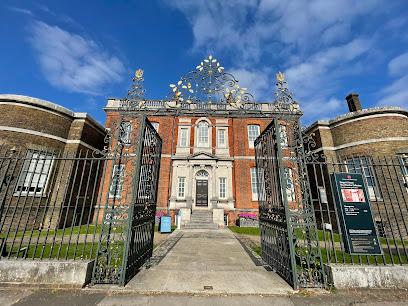
Ranger's House - The Wernher Collection
0.5 km
Explore a stunning Georgian villa housing the Wernher Collection, a world-class display of medieval and Renaissance art on the edge of Greenwich Park.
Oliver's Jazz Bar
0.5 km
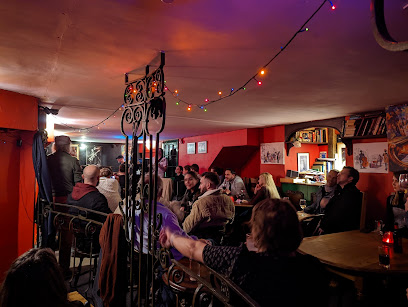
An intimate, candlelit basement jazz club in Greenwich where close-up live music and community atmosphere meet a well-stocked bar.
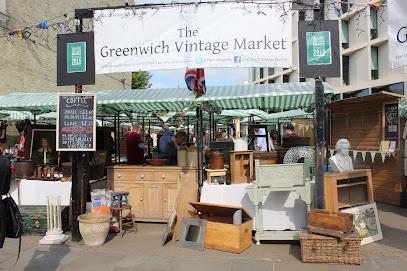
The Greenwich Vintage Market
0.6 km
Discover rare antiques, vintage treasures, and eclectic crafts in the heart of historic Greenwich’s vibrant market scene.
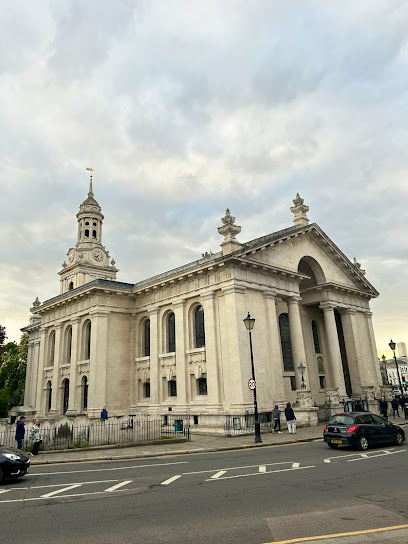
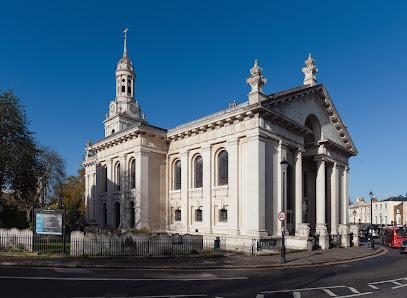
St Alfege Church
0.6 km
Discover over a millennium of history, architecture, and music at St Alfege Church, the heart of Greenwich’s spiritual heritage.
Naval College Gardens
0.6 km
A tranquil riverside garden in Greenwich, framed by the Old Royal Naval College and offering views of the Cutty Sark and Canary Wharf across the Thames.
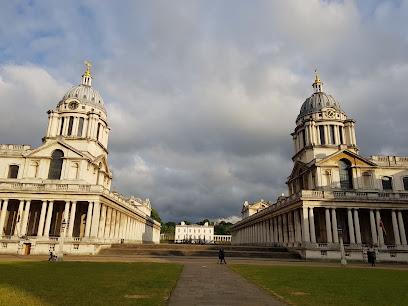
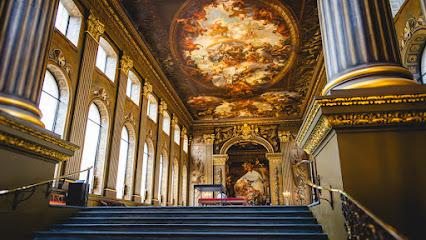
Painted Hall
0.7 km
Explore the breathtaking Painted Hall, a Baroque masterpiece with vivid ceilings and walls celebrating Britain’s naval and royal heritage.
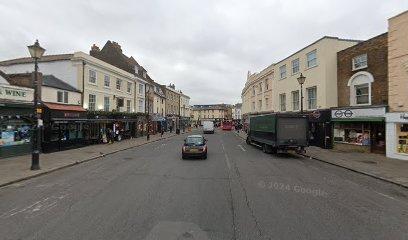
1 Greenwich Church St
0.7 km
Historic Greenwich Church Street blends centuries of heritage with vibrant shops, eateries, and iconic landmarks by the Thames.
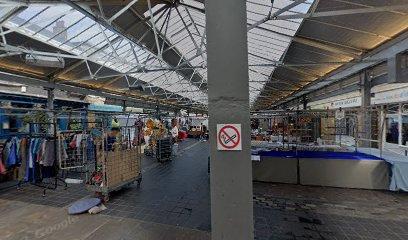
5b Greenwich Market
0.7 km
A historic covered market in Greenwich, London, brimming with artisan crafts, antiques, vintage finds, and global street food in a lively, community-focused setting.
Essential places to dine

Pho Street
0.6 km
Authentic Vietnamese pho, banh mi, and bubble tea served in a lively Greenwich setting with fresh flavors and warm hospitality.
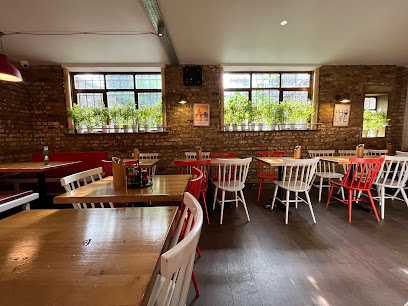
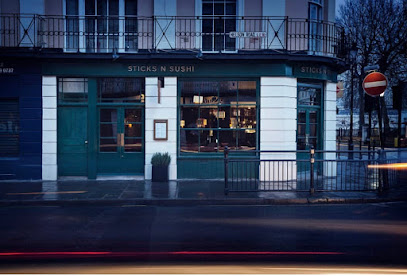
Sticks'n'Sushi Greenwich
0.6 km
Experience fresh sushi and Nordic-inspired grilled sticks in stylish Greenwich, where maritime history meets modern Japanese cuisine.
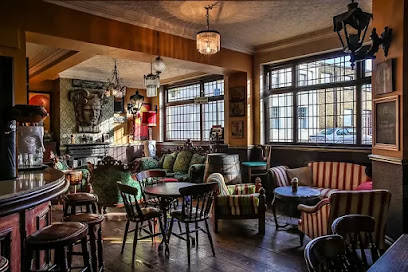
The Prince of Greenwich Pub
0.6 km
A vibrant gastropub in Greenwich blending quirky museum charm, authentic Italian cuisine, and lively jazz in a historic London setting.
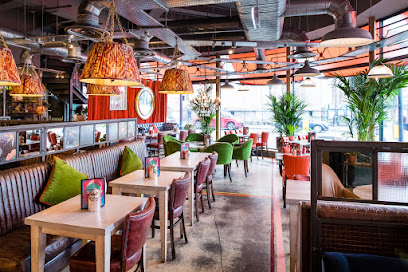
Bill's Greenwich Restaurant
0.6 km
A cozy British restaurant in Greenwich offering hearty dishes, friendly service, and a vibrant, family-friendly atmosphere from breakfast to late dinner.
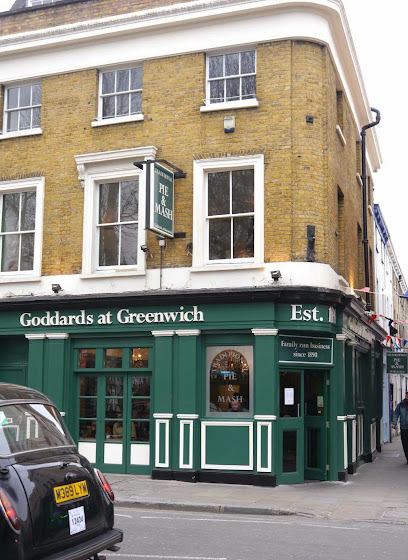
Goddards at Greenwich
0.6 km
Experience authentic British pie and mash at Goddards at Greenwich, a historic eatery serving traditional comfort food in a welcoming setting.
The Hill
0.7 km
A vibrant Mediterranean and Latin American fusion restaurant with a cozy garden setting in the heart of Greenwich.
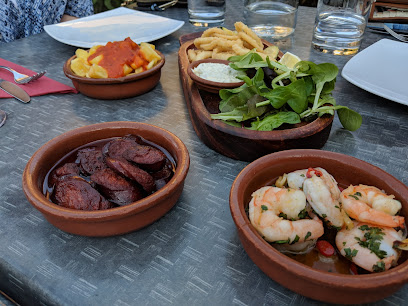
Sefa Restaurant
0.8 km
Savor authentic Turkish and Mediterranean dishes with generous portions and warm hospitality in the heart of Greenwich.
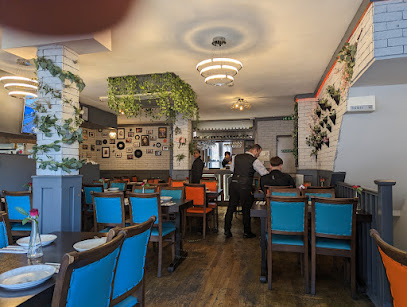
Midpoint Restaurant
0.9 km
Authentic Turkish and Mediterranean dining with riverside views and warm hospitality in London’s vibrant SE10 district.
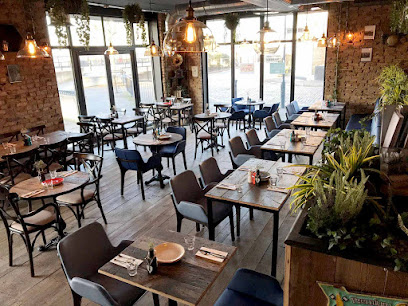
The Sail Loft, Greenwich
1.0 km
Stylish riverside dining in Greenwich with panoramic Thames views, modern British cuisine, and versatile event spaces.
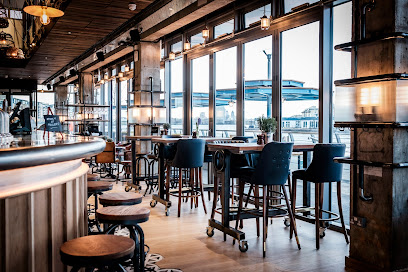
Restaurant Story
6.0 km
Experience a two Michelin-starred culinary journey where storytelling meets British fine dining in the heart of London Bridge.
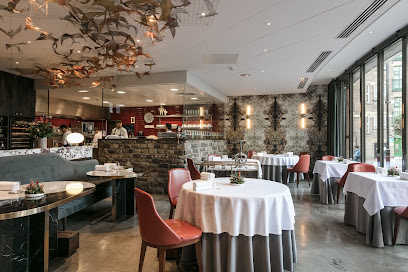
La Dame de Pic London
6.4 km
Discover refined French gastronomy and elegant dining in a historic London landmark with two Michelin stars and innovative cuisine.
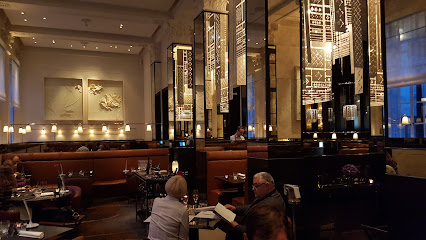
Barcelona Tapas Bar & Restaurant
6.6 km
Authentic Spanish tapas and warm hospitality in the heart of London’s City since 1991.
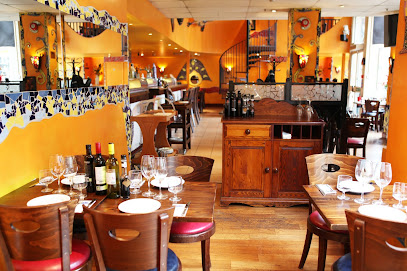
Mattarello Chiodo Bolognese Restaurant
6.6 km
Authentic Bolognese pasta and gluten-free Italian delights in the heart of London’s Middlesex Street.
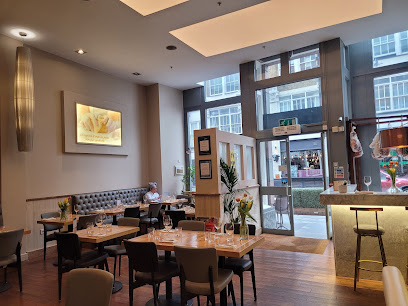
14 Hills
6.7 km
Experience modern British cuisine in a lush, sky-high garden with breathtaking panoramic views over London’s iconic skyline.
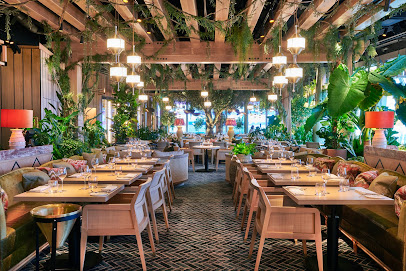
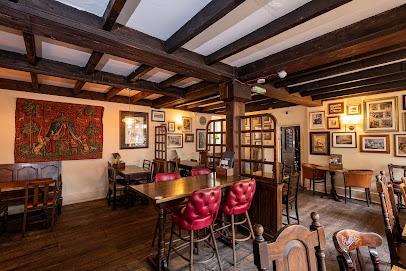
George
6.8 km
Step into London’s last galleried coaching inn, where history, hearty ales, and a lively courtyard blend in a timeless pub experience.
Markets, malls and hidden boutiques

Joli Vintage Living
0.6 km
Discover timeless threads and retro treasures at Joli Vintage Living, Greenwich's gem for sustainable, era-spanning style on charming Nelson Road.
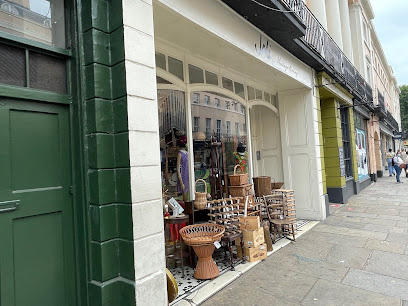
Arc Angel Boutique London
0.6 km
Elegant womenswear samples, striking accessories, and quirky gifts await in Greenwich Market's stylish haven, where fashion meets historic charm.

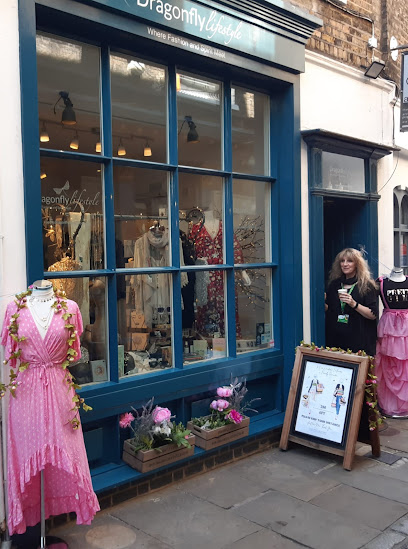
Dragonfly Lifestyle
0.6 km
A small Greenwich boutique blending mindful womenswear, handcrafted jewellery and wellbeing finds in a calm, curated shop environment.
Rare Books & Curios
0.7 km
A compact Greenwich Market stall overflowing with rare and vintage books, maps and printed curios that reward slow, tactile browsing.
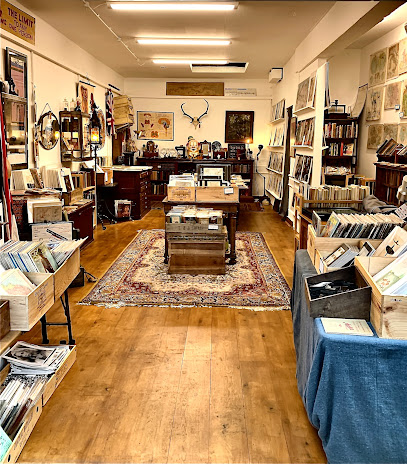
Painted hall gift shop
0.7 km
Souvenirs and stories from Greenwich's naval heart—tote bags, books, and treasures evoking the Painted Hall's timeless splendor.
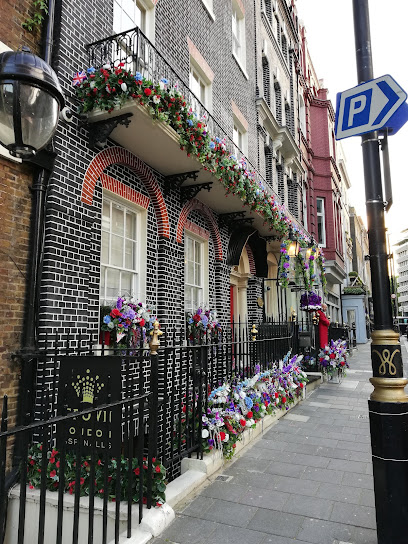
The Cutty Sark Gift Shop
0.7 km
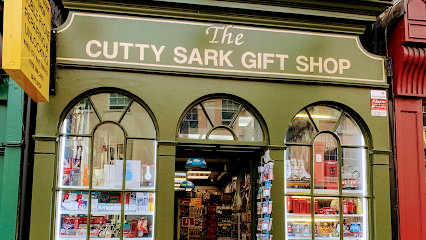
Discover maritime magic and London keepsakes at this Greenwich gem, brimming with Cutty Sark-inspired treasures and souvenirs just steps from the historic clipper ship.
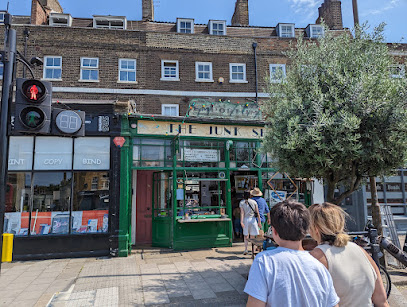
The Junk Shop
0.7 km
Lose yourself in Greenwich's maze-like antique wonderland, where eclectic treasures, a cozy tearoom, and quirky finds await around every cluttered corner.
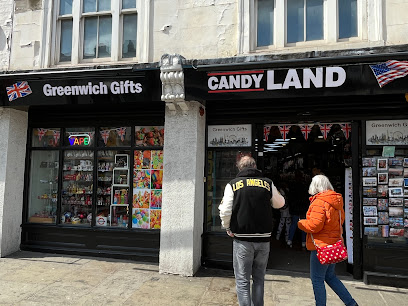
Greenwich Gifts Candy Land
0.7 km
Dive into a candy wonderland on Greenwich Church Street, where British classics and global sweets make perfect edible souvenirs in London's historic heart.
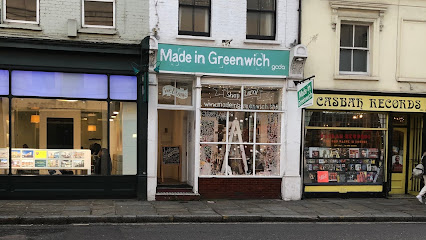
Made in Greenwich
0.7 km
Discover Greenwich's handmade heart: a not-for-profit haven where local makers' treasures shine, fueling community creativity one unique gift at a time.
La Boutique Vintage
0.9 km
Unearth retro home treasures in Greenwich's cozy furniture nook—sustainable style with vintage soul.
Unique Store
5.7 km
Explore London's Unique Store: Your go-to convenience shop for local snacks, souvenirs, and essentials, right in the heart of the city.
Bermondsey Antique Market
5.9 km
Uncover vintage treasures at London’s oldest antiques market, where history meets haggling every Friday morning in Bermondsey Square.
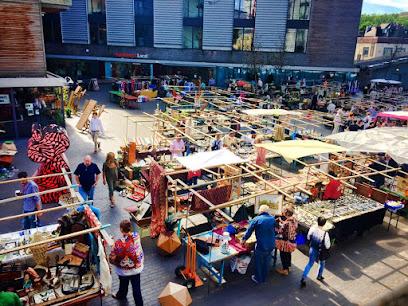
Tower Bridge - Engine Rooms and Official Gift Shop
6.0 km
Explore the fascinating history of Tower Bridge at the Engine Rooms and shop for unique gifts at the Official Gift Shop.
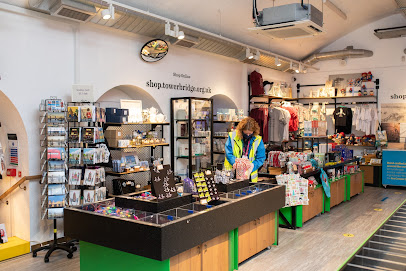
Tower of London Shop
6.3 km
Explore the Tower of London Shop for unique souvenirs that celebrate British heritage and history in the heart of London.
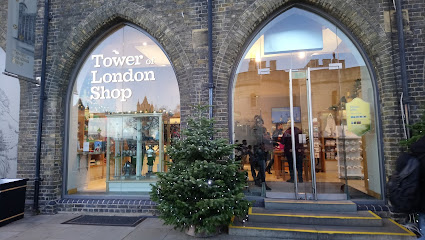
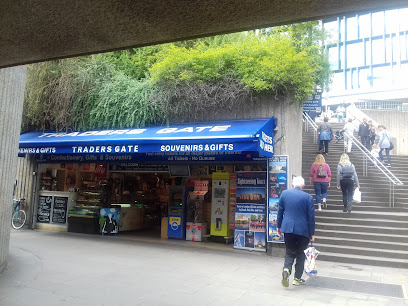
Traders Gate
6.4 km
A long-standing family-run gift shop on Tower Hill, offering classic London souvenirs and local charm just steps from the Tower of London.
Essential bars & hidden hideouts

Ye Olde Rose & Crown Greenwich
0.5 km
Traditional Greenwich pub pouring real ales and pub classics next to the theatre—perfect for families, dogs, and post-show pints in historic surrounds.
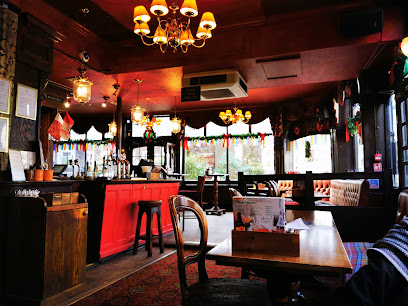
Kings Arms
0.6 km
Classic Greenwich pub with hearty grub, real ales, dog-friendly beer garden, and riverside vibes—perfect for post-sightseeing pints.
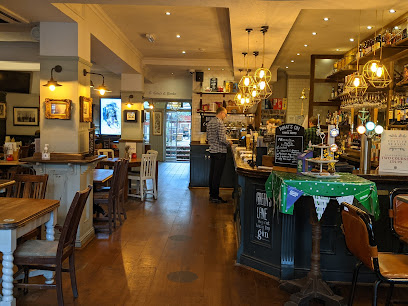
The Lost Hour
0.7 km
Greenwich's craft beer epicenter where sports, pub grub, and late-night vibes collide—lose yourself in the fun on High Road.
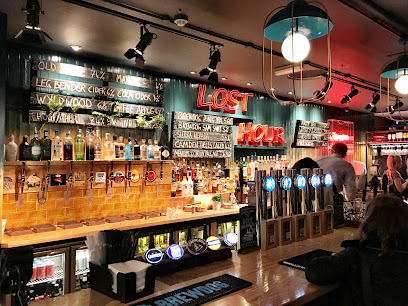
The Gipsy Moth
0.8 km
Historic Greenwich pub with Cutty Sark views, hearty grub, beer garden bliss, and live music vibes—perfect for nautical nostalgia and relaxed revelry.
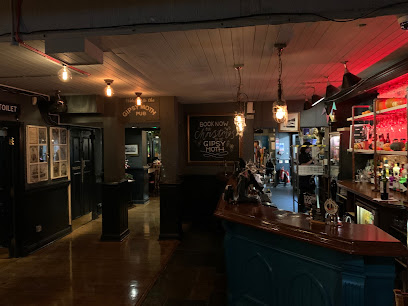
Mindful Mixology
1.0 km
A compact Greenwich cocktail bar focused on lower-sugar craft drinks, hands-on masterclasses and a calm riverside atmosphere.

Greenwich Town Social Club
1.1 km
Cozy Greenwich social hub for cheap drinks, karaoke nights, and neighborhood camaraderie on Blackwall Lane.
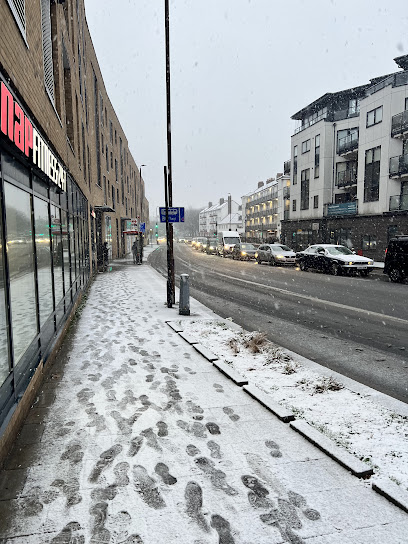
Td 338 Bar
2.0 km
Warehouse wonderland with epic sound, lush terraces, and non-stop beats—London's hidden rave escape on Greenwich Peninsula.
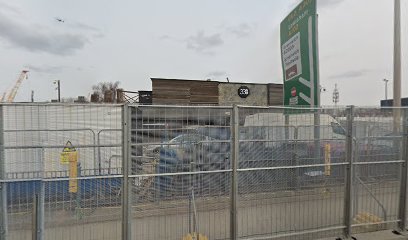
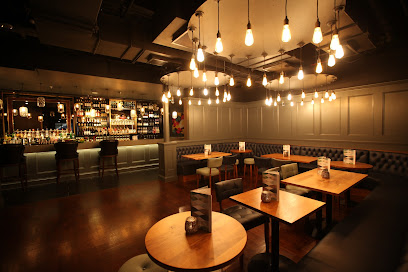
All Bar One Greenwich
2.7 km
Elevate your O2 experience at this multi-floor haven of wines, cocktails, and event-night energy—perfect for pre-show feasts and lively toasts amid London's entertainment epicenter.
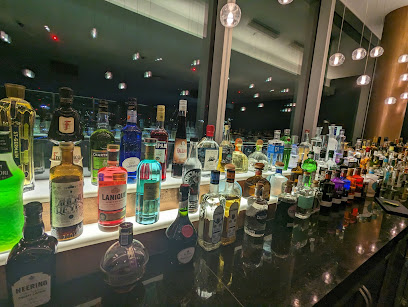
Eighteen Sky Bar
2.8 km
Elevate your evening with crafted cocktails and 360-degree skyline views from the 18th floor over Thames, Canary Wharf, and The O2.
Drink At Bob's
3.0 km
Lively cocktail bar in Hither Green blending expertly crafted drinks, live music, and a welcoming vibe with vegan-friendly options.
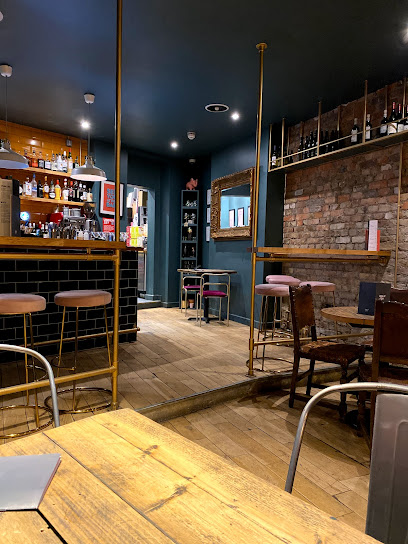
The Midnight Apothecary
4.4 km
Discover a magical rooftop bar blending botanical cocktails, fire pits, and historic tunnel tours atop London’s Brunel Museum.
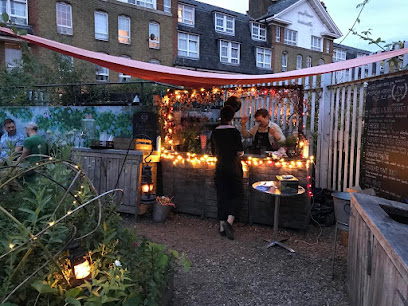
Nine Lives
6.3 km
A subterranean Bermondsey bar blending Mexican spirits, sustainable craft cocktails, and vibrant sharable dishes in a boho-chic setting.
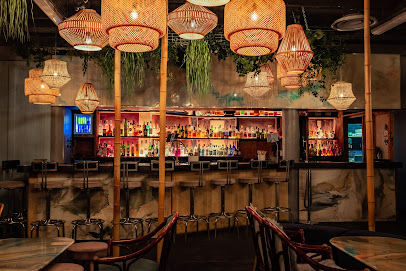
Apples & Pears Cocktail Bar
6.4 km
A vibrant East London cocktail bar blending creative drinks, lively DJs, and a welcoming atmosphere in the heart of Brick Lane.
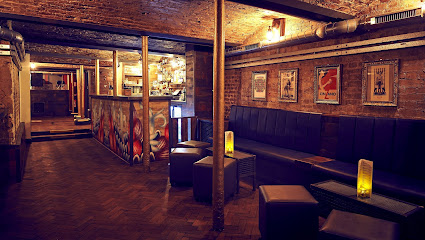
The Old School Yard
6.5 km
Step into a lively retro playground with expertly crafted cocktails, classic arcade games, and a vibrant 80s and 90s atmosphere in London Bridge.
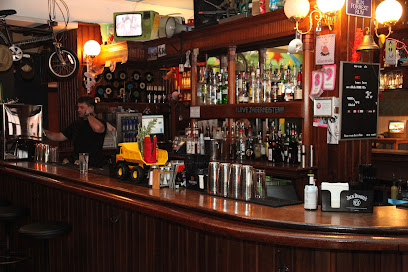
The Hung Drawn & Quartered, EC3
6.5 km
Historic pub near Tower Hill, blending dark medieval history with refined ales and classic British fare in a Grade II listed building.
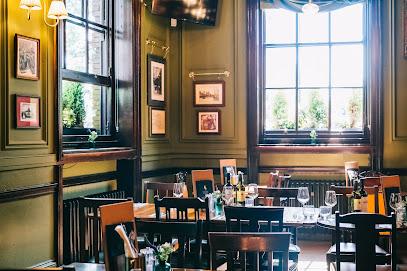
Nightclubs & after hour spots

The Bunker
1.7 km
A compact, late-night basement club on Deptford Broadway offering affordable drinks, close-up atmosphere and energetic weekend sessions.
The Hatch Club
2.4 km
A late-night New Cross club with a roomy dancefloor, VIP sections and bass-forward DJ nights—built for parties and private events.

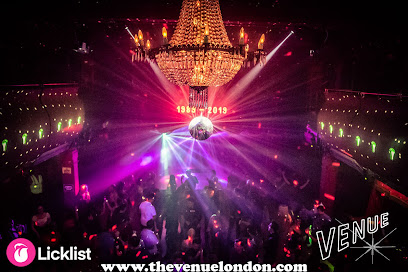
The Venue
2.4 km
A vibrant multi-room nightclub in New Cross, London, blending diverse music, cutting-edge sound, and a welcoming atmosphere since 1989.
American Express Invites Lounge
2.8 km
A backstage‑inspired, Cardmember-only lounge at The O2 with distinct seating zones, crafted drinks and a complimentary welcome drink on event nights.
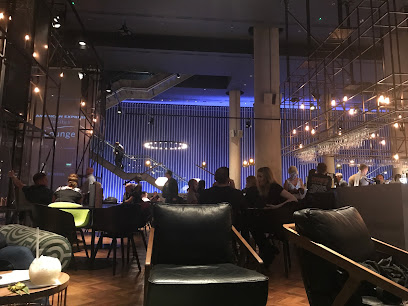
(Admin Office) The Mobile Nightclub
2.9 km
Discover the joy of nightlife on the move with The Mobile Nightclub in London, where the party comes to you!
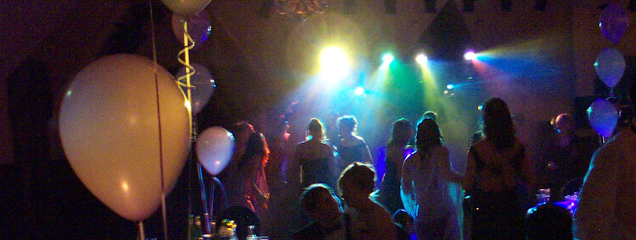
LA Lounge
3.2 km
London's top Afrobeats nightclub in Docklands: ethnic sophistication, VIP vibes, cocktails, and late-night dances until 4am on weekends.
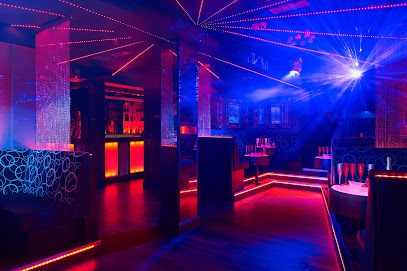
CQ LOUNGE
3.7 km
South London's Afrobeats epicenter: dance, shisha, cocktails, and culture until 5am in Woolwich's vibrant CQ Lounge.
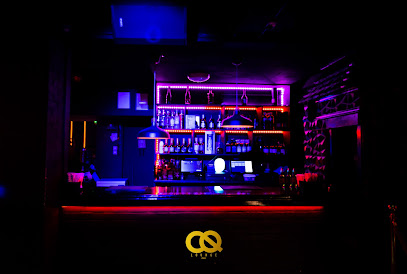
Club 701
4.7 km
Experience the vibrant nightlife and dynamic clubbing scene at Club 701, South London's energetic hotspot on Old Kent Road.
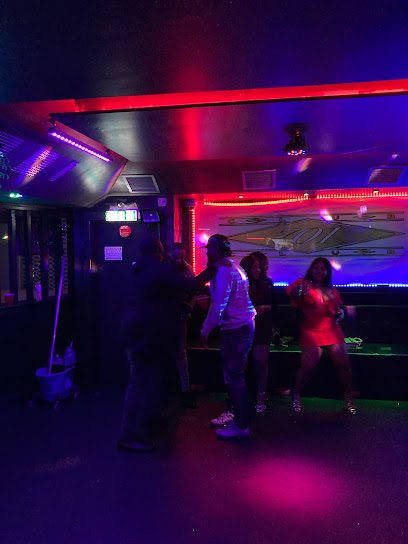
E1
5.4 km
Experience East London’s underground pulse with E1’s cutting-edge sound, immersive visuals, and vibrant club nights.
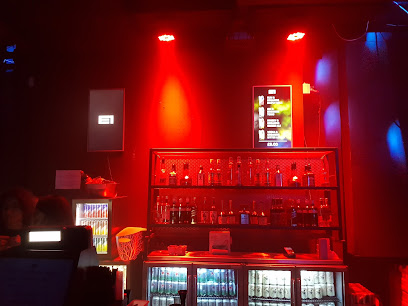
Corsica Studios
7.0 km
Experience London’s underground music pulse at Corsica Studios, where intimate vibes meet exceptional sound beneath historic railway arches.
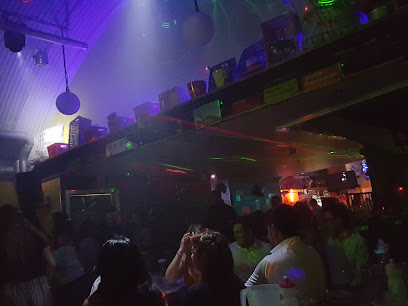
The Steel Yard
7.1 km
Experience London’s premier industrial-chic nightclub set in historic Victorian railway arches, with world-class sound and late-night energy until 6am.
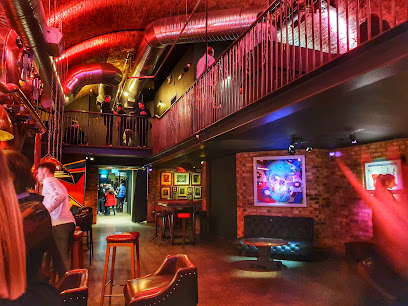
Ministry of Sound
7.1 km
London's legendary dance music cathedral since 1991, where world-class sound systems and global DJs fuel euphoric nights across four pulsing rooms.
The Hoxton Pony
7.6 km
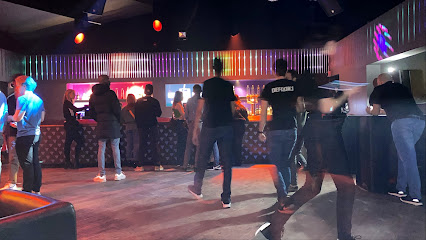
Edgy Shoreditch cocktail bar and nightclub blending vintage style with vibrant nightlife energy in East London.

Trafik
7.7 km
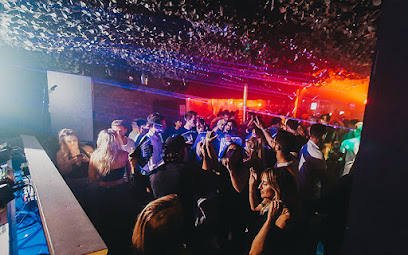
Shoreditch’s dynamic nightclub with underground beats, two floors of dancing, and a late licence for unforgettable nights.

Basing House - Shoreditch
7.8 km
An intimate Shoreditch nightclub with top electronic beats, a Funktion One sound system, and a lively rooftop bar under the London skyline.
For the vibe & atmosphere seeker
- Scenic
- Relaxing
- Cultural Heritage
- Unique
For the design and aesthetic lover
- Historic
- Vintage Styles
For the architecture buff
- Historic
- Landmarks
- Parks & Gardens
For the view chaser and sunset hunter
- Iconic Views
- Panoramas
- Sunset Spots
For the social media creator & influencer
- Instagrammable
- Photo Spots
- Selfie Spots
For the eco-conscious traveler
- Public-Transport Accessible
- Locally Managed
For the kind of experience you’re after
- Cultural Heritage
- Photowalk
- Day Trip
- Weekend Getaway
For how adventurous you want the journey to be
- Easy Access
Location Audience
- Family Friendly
- Senior Friendly
- Child Friendly
- Teen Friendly
- Wheelchair Access
- Solo Friendly
- Couple Friendly
- Vegetarian Friendly
- Vegan Friendly


