
Execution Dock, Wapping: London's Maritime Gallows
Historic riverside site where pirates and maritime criminals met justice in London’s centuries-old Admiralty executions.
Execution Dock in Wapping, London, was a notorious site on the River Thames where pirates, smugglers, and maritime criminals were publicly executed for over 400 years until 1830. Located near the low-tide mark, it symbolized the Admiralty’s jurisdiction over sea crimes, with executions staged to serve as a grim warning to seafarers. Famous for its brutal hangings, including that of Captain Kidd, the dock’s history is steeped in maritime law, public spectacle, and harsh justice.
A brief summary to Execution Dock House
- 80 Wapping High St, London, E1W 2NE, GB
- Duration: 0.5 to 1.5 hours
- Free
-
 Outdoor
- Mobile reception: 4 out of 5
Local tips
- Visit nearby historic pubs like the Prospect of Whitby or Captain Kidd to soak in the maritime atmosphere linked to Execution Dock.
- Explore the Thames foreshore at low tide to imagine the original execution site’s proximity to the river.
- Learn about the Admiralty’s role in maritime law to better understand the significance of the dock’s location and function.
- Consider a guided Thames river tour that includes stories of Execution Dock and its infamous prisoners.

For the on-the-go comforts that matter to you
- Restrooms
- Drink Options
- Food Options
- Seating Areas
- Information Boards
Getting There
-
Public Transport
Take the London Underground to Tower Hill Station (Circle and District lines), then a 15-20 minute walk east along the Thames Path to Wapping High Street. Frequent services run every 5-10 minutes. No additional fare beyond standard Oyster or contactless payment is required.
-
Bus
Bus routes 100 and D3 serve Wapping High Street with stops within 5 minutes’ walk of Execution Dock. Buses run every 10-15 minutes during the day. Single fares cost around £1.75 with contactless payment.
-
River Taxi
River bus services stop at Wapping Pier, a short walk from Execution Dock. Travel times vary from 10-20 minutes from central London piers. Tickets cost approximately £6-£8 one way.
-
Walking
From Tower Bridge, a 20-25 minute walk along the Thames Path eastwards offers scenic views and easy terrain. Suitable for most walkers with no steep inclines.
Execution Dock House location weather suitability
-
 Any Weather
-
 Clear Skies
-
 Mild Temperatures
-
 Rain / Wet Weather
Discover more about Execution Dock House
A Grim Waterfront Legacy of Maritime Justice
Execution Dock, situated on the north bank of the River Thames in Wapping, was the designated site where the British Admiralty carried out capital punishment for crimes committed at sea. For over four centuries, it served as the grim stage for the execution of pirates, smugglers, mutineers, and sailors convicted of offenses such as murder, mutiny, and piracy. Unlike typical land-based executions, the dock was located at the low-tide mark, marking the boundary of Admiralty jurisdiction, symbolizing the law’s reach over the seas. This location was chosen deliberately to emphasize the maritime nature of the crimes and to warn all who plied the waters of the Thames and beyond.The Procession and Public Spectacle
Condemned prisoners were typically held in Marshalsea or Newgate prisons before being paraded through London. The procession to Execution Dock was a solemn and highly ritualized affair, led by the High Court Marshal on horseback carrying a silver oar, the emblem of Admiralty authority. The prisoners, often transported in carts accompanied by a chaplain and the executioner, were encouraged to confess their sins before facing their fate. Crowds would gather along the riverbank and on boats moored in the Thames to witness the executions, which were intended as a powerful deterrent to maritime crime.Brutal Methods and Lasting Warnings
Execution Dock was infamous for its particularly harsh method of hanging. Pirates were often subjected to the "Marshal’s Dance," a hanging with a shortened rope that caused slow strangulation rather than a quick death by neck break. After death, bodies were customarily left hanging until three tides washed over them, reinforcing the maritime jurisdiction and serving as a stark warning. Notorious offenders’ corpses were sometimes tarred and displayed in iron cages, or gibbets, along the Thames estuary, such as at Tilbury or Blackwall, to deter others from piracy. This gruesome practice ceased in the early 19th century.Famous Figures and Final Executions
Among the most infamous executed at Execution Dock was Captain William Kidd, a Scottish privateer turned pirate, who was hanged in 1701. His execution was notably gruesome, as the rope broke on the first attempt, and his body was subsequently gibbeted for years. The last executions at the dock took place in December 1830, when George Davis and William Watts were hanged for piracy, marking the end of an era of maritime capital punishment at this site.The Lost Location and Modern Remembrance
The exact location of Execution Dock has been lost to time, with several nearby pubs such as the Prospect of Whitby, Captain Kidd, and Town of Ramsgate claiming proximity to the original site. Today, no physical remnants remain, but the area retains a haunting historical significance as a symbol of London’s maritime past and its stern justice system. The legacy of Execution Dock lives on in literature and local lore, including references in works like "Peter Pan," where the villainous crew is said to have been hanged there.Enduring Maritime Justice and Cultural Impact
Execution Dock’s history reflects the harsh realities of maritime law enforcement and the importance placed on controlling crime on the seas during Britain’s height as a naval power. The public executions served not only as punishment but as a theatrical assertion of state power and maritime order. This site remains a compelling reminder of the intersection between London’s riverine geography and its legal history, capturing imaginations with tales of piracy, justice, and the macabre rituals of the past.Iconic landmarks you can’t miss

Execution Dock House
0.0 km
Historic riverside site where pirates and maritime criminals met justice in London’s centuries-old Admiralty executions.
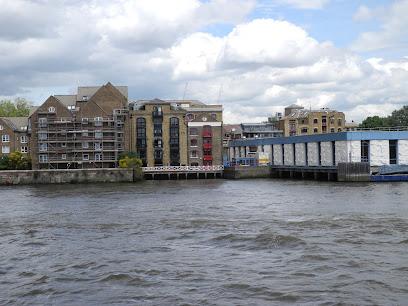
The Captain Kidd
0.2 km
Historic riverside pub with authentic maritime charm, classic ales, and scenic Thames views in London’s Wapping district.
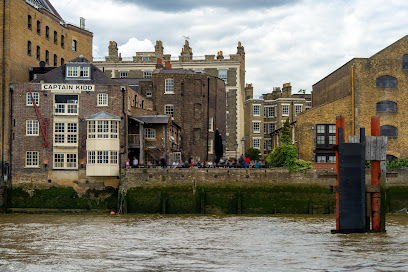
King Henry’s Stairs (Execution Dock)
0.2 km
Historic Thames foreshore site where pirates and maritime criminals faced grim justice under Admiralty law for over 400 years.
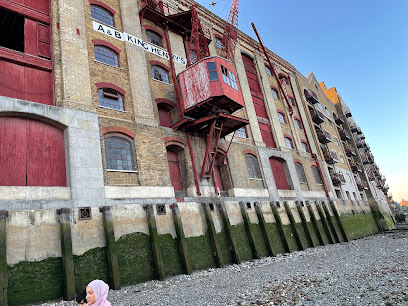
Execution Dock
0.8 km
A haunting riverside landmark where London’s maritime law was enforced through centuries of public executions.
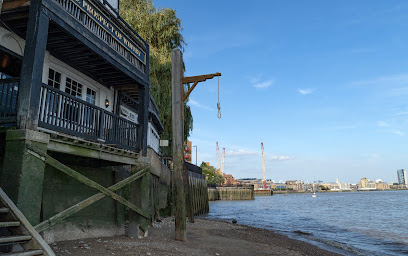
Roman Wall of Londinium
1.2 km
Explore the towering Roman Wall at Tower Hill, a striking relic that shaped London’s ancient cityscape and echoes 2,000 years of history.
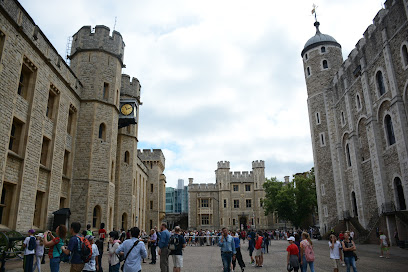
Wakefield Tower
1.2 km
Medieval royal tower steeped in 13th-century splendor and tragic history within the Tower of London.
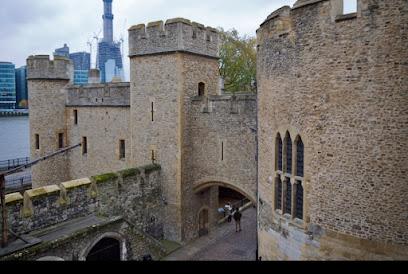
London Wall
1.3 km
Explore London Wall, an ancient Roman landmark revealing the rich history of Londinium amidst the modern cityscape of London.
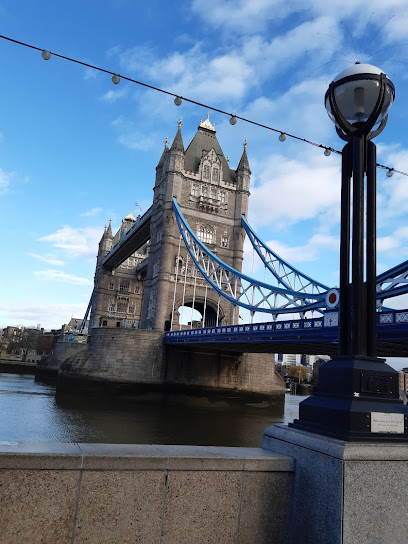
Tower Hill Memorial
1.4 km
Honouring 35,000 merchant seafarers with no grave but the sea—a dual memorial to two world wars.
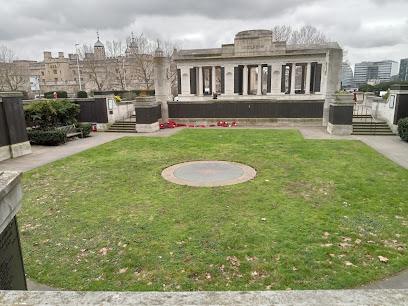
1 Tower Hl Ter
1.4 km
Historic urban landmark near Tower of London, blending centuries of British heritage with maritime memorials and modern city life.
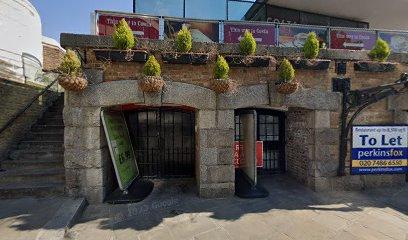
St Mary’s, Whitechapel (The White Chapel)
1.6 km
Historic site of St Mary’s Whitechapel, the iconic White Chapel that shaped East London’s identity and now commemorated as Altab Ali Park.
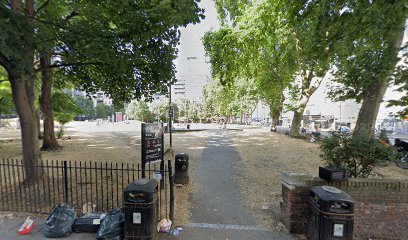
Mitre Square
1.7 km
Mitre Square: A serene retreat in London’s financial district, blending rich history with beautiful landscapes for an unforgettable city experience.
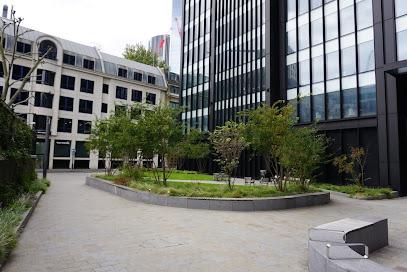
Custom House
1.7 km
Historic Custom House on London’s Thames waterfront, a grand 19th-century customs hub echoing centuries of maritime trade and empire.

Billingsgate Roman House & Baths
1.7 km
Explore the rich Roman heritage at Billingsgate Roman House & Baths, a fascinating museum revealing ancient life in the heart of London.
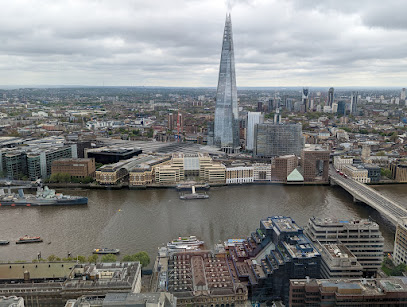
St Margaret Pattens Eastcheap
1.8 km
Medieval guild church with Wren's only 'true spire'—a 950-year sanctuary in the City's financial heart.
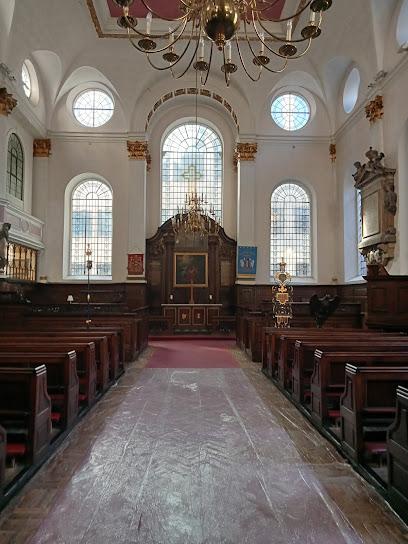
The Shard
1.8 km
Experience London’s tallest landmark with breathtaking 360-degree views, luxury dining, and iconic cityscapes from The Shard’s sky-high observation decks.
Unmissable attractions to see

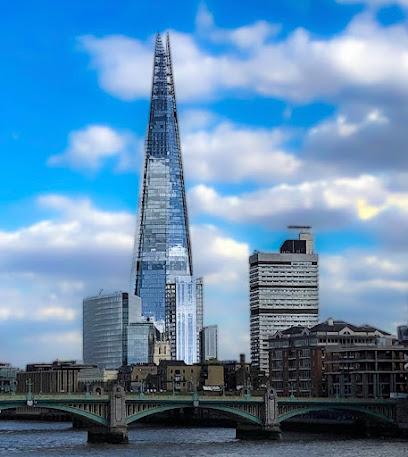
Ornamental Canal
0.4 km
A serene 1.2 km canal in Wapping preserving London's dockland heritage with historic walls, art, and tranquil waterside walks.
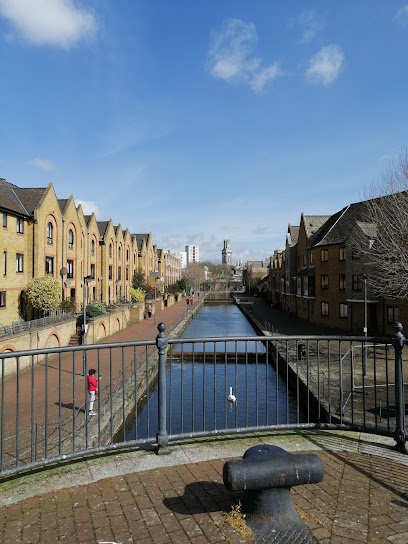
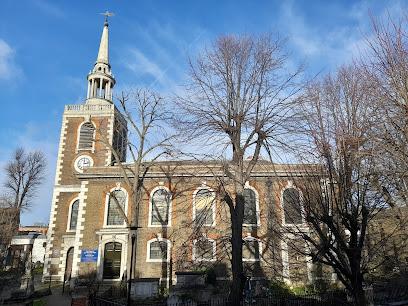
St Mary's Church, Rotherhithe
0.5 km
An 18th-century riverside church in Rotherhithe with deep maritime roots and Mayflower connections, offering quiet reflection and centuries of history by the Thames.
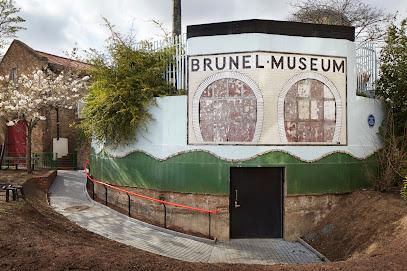
Brunel Museum
0.5 km
Discover the pioneering Thames Tunnel and Brunel family legacy in London’s historic Engine House museum.
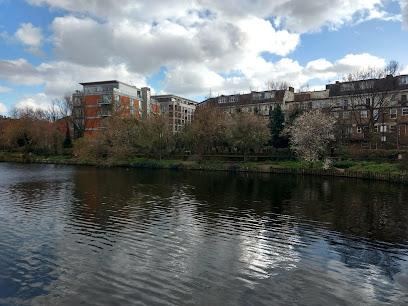
Shadwell Basin
0.8 km
Historic London dock turned vibrant waterside community offering scenic walks, water sports, and rich maritime heritage.
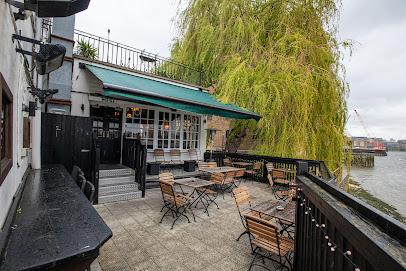
Prospect of Whitby
0.8 km
Step into London’s oldest riverside pub, where centuries of maritime history, pirate tales, and royal visits blend with stunning Thames views.
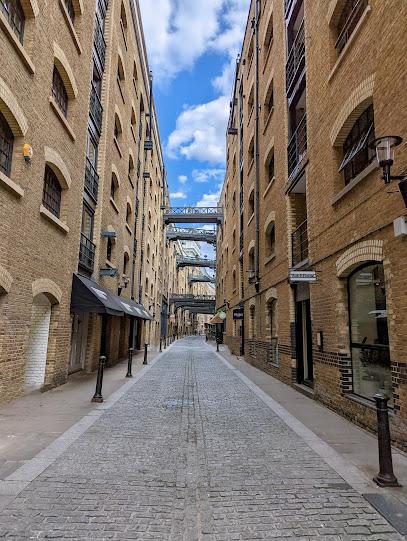
Shad Thames
0.8 km
Historic riverside charm meets modern luxury in Shad Thames, London’s iconic Victorian warehouse quarter by Tower Bridge.
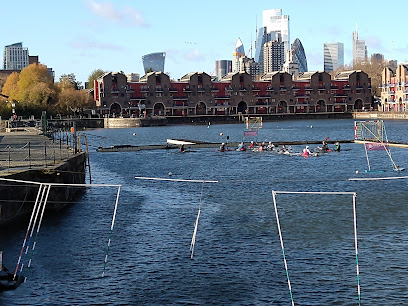
Shadwell Basin
0.8 km
Historic London dock transformed into a vibrant waterside community hub for leisure, water sports, and scenic urban living.
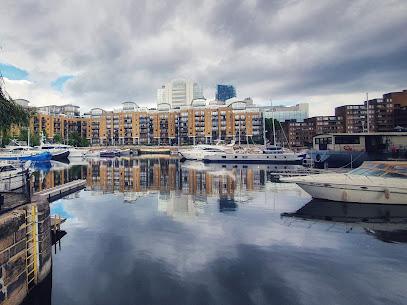
St Katharine Docks Marina
0.9 km
Explore the vibrant St Katharine Docks Marina, a picturesque destination in London offering dining, shopping, and stunning riverside views.
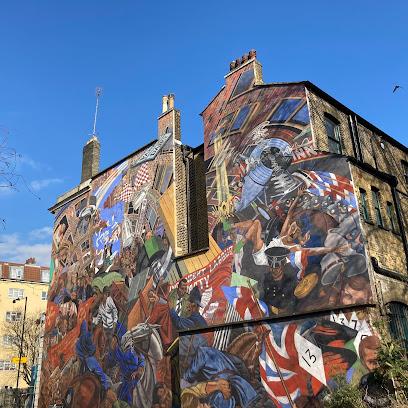
Cable Street Mural
0.9 km
A vivid, monumental mural in East London commemorating the 1936 Battle of Cable Street and the community’s defiant stand against fascism.
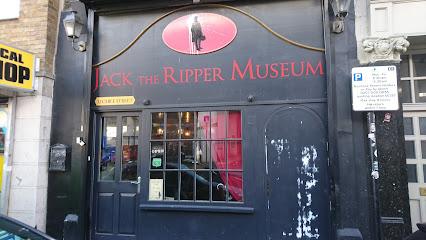
Jack The Ripper Museum
1.0 km
Explore the chilling history of Victorian London's infamous Jack the Ripper murders in a hauntingly immersive museum experience.
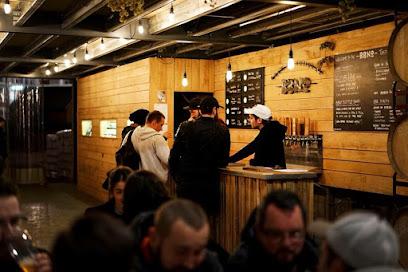
Brew By Numbers Tasting Room
1.0 km
Discover innovative craft beers and a relaxed vibe at Brew By Numbers Tasting Room, a must-visit for beer lovers in Bermondsey.
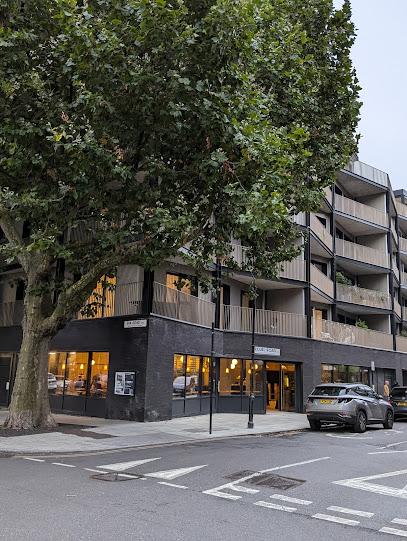
The Kernel Spa Road
1.0 km
Discover The Kernel Spa Road: London's vibrant brewery taproom blending craft beers with Japanese-inspired comfort food in a stylish industrial setting.
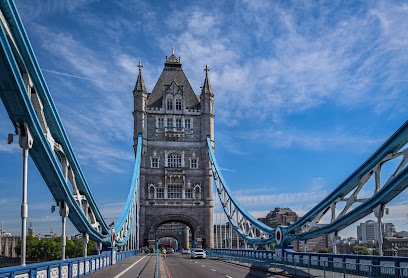
Tower Bridge
1.1 km
Walk across London’s most famous bridge, explore its high-level walkways and glass floors, and discover the Victorian engineering behind this iconic landmark.
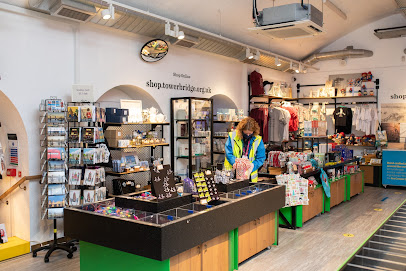
Tower Bridge - Engine Rooms and Official Gift Shop
1.1 km
Explore London’s iconic Tower Bridge with panoramic views, historic Engine Rooms, and a unique gift shop celebrating this engineering masterpiece.
Ropewalk
1.1 km
Discover Ropewalk, the vibrant and historic heart of Maltby Street Market where London’s industrial charm meets world-class street food.

Essential places to dine

Restaurant Story
1.2 km
Experience a two Michelin-starred culinary journey where storytelling meets British fine dining in the heart of London Bridge.
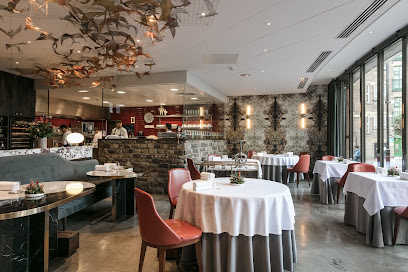
La Dame de Pic London
1.4 km
Discover refined French gastronomy and elegant dining in a historic London landmark with two Michelin stars and innovative cuisine.
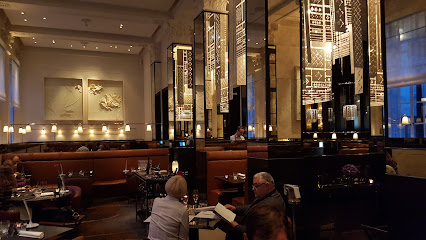
Barcelona Tapas Bar & Restaurant
1.7 km
Authentic Spanish tapas and warm hospitality in the heart of London’s City since 1991.
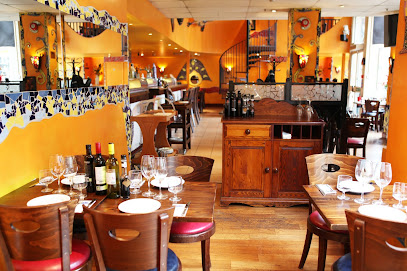
Mattarello Chiodo Bolognese Restaurant
1.7 km
Authentic Bolognese pasta and gluten-free Italian delights in the heart of London’s Middlesex Street.
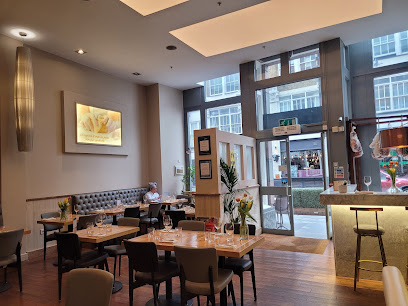
14 Hills
1.7 km
Experience modern British cuisine in a lush, sky-high garden with breathtaking panoramic views over London’s iconic skyline.
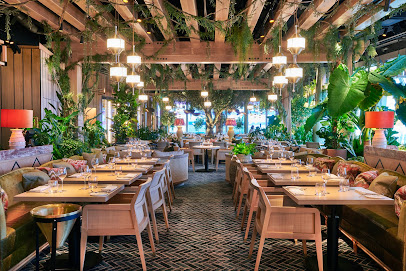
Marugame Udon Middlesex Street
2.1 km
Experience freshly handcrafted Japanese udon and crispy tempura in a lively open kitchen setting at Marugame Udon Middlesex Street, London’s authentic udon destination.
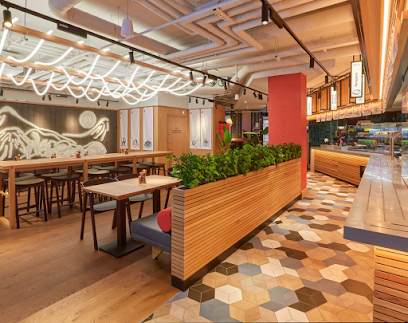
George
2.1 km
Step into London’s last galleried coaching inn, where history, hearty ales, and a lively courtyard blend in a timeless pub experience.
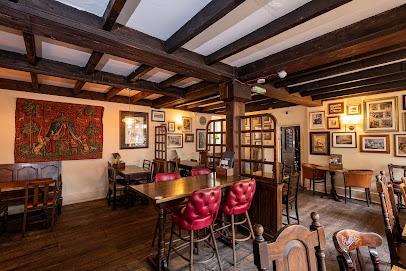
Nomadic community
2.3 km
A colorful, community-driven urban garden near Brick Lane, blending street art, creativity, and green space in East London’s vibrant cultural scene.
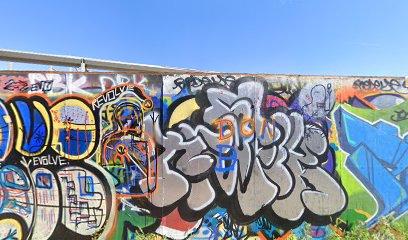
Lyle's
2.6 km
Michelin-starred Lyle's serves innovative, seasonal British cuisine in a minimalist Shoreditch setting with a relaxed, refined atmosphere.
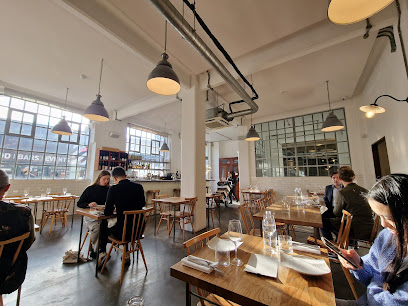
Mercato Metropolitano
2.7 km
A vibrant, sustainable community food market in Elephant & Castle offering global flavors, local sourcing, and a lively social atmosphere.
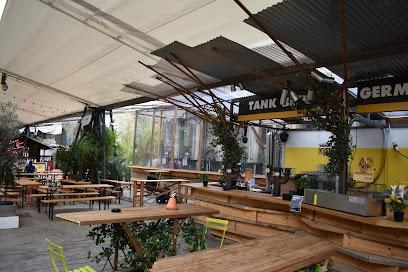
Madison
2.7 km
Stylish rooftop dining and cocktails with breathtaking views of St Paul’s Cathedral and London’s skyline.
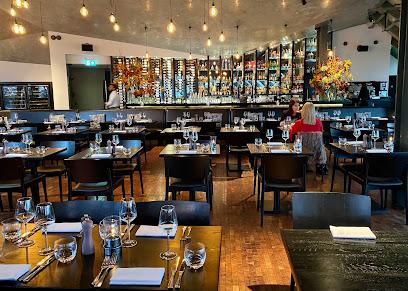
Brawn
3.0 km
Seasonal Mediterranean small plates and natural wines in a lively, vintage-inspired Shoreditch setting on Columbia Road.
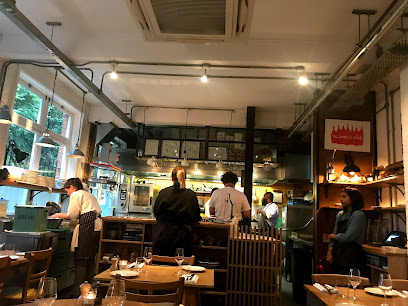
The Clove Club
3.0 km
Two Michelin stars meet innovative modern British cuisine in a historic Shoreditch Town Hall setting with a unique urban garden.
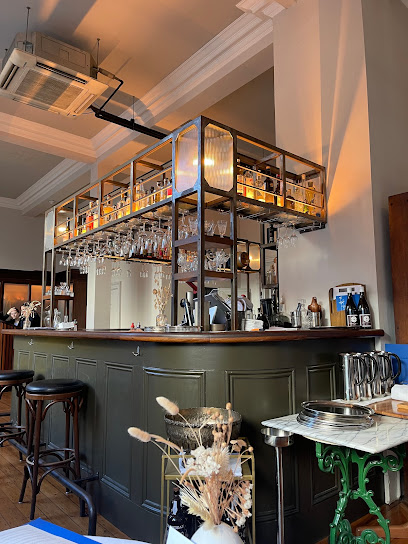
Nest Restaurant Old Street
3.0 km
Intimate Shoreditch gem offering creative British seasonal tasting menus in a cozy, historic setting with a sustainable ethos.
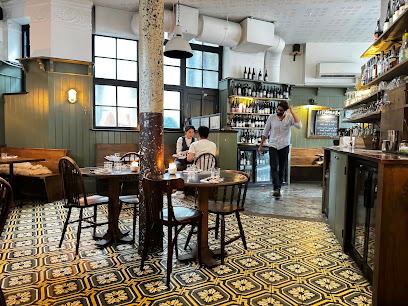
Da Terra Restaurant
3.1 km
Experience innovative two-Michelin-star Modern European cuisine with vibrant Brazilian influences in the heart of East London’s historic Bethnal Green.
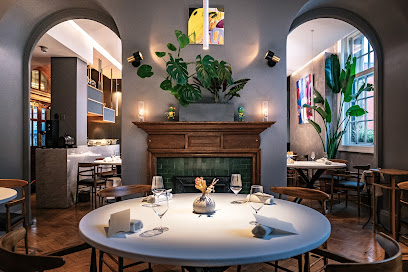
Markets, malls and hidden boutiques

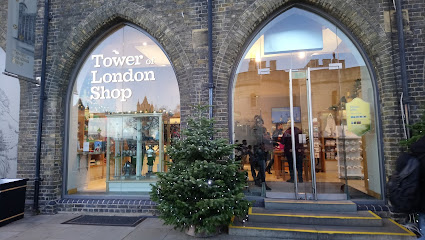
Tower of London Shop
1.4 km
Explore the Tower of London Shop for unique souvenirs that celebrate British heritage and history in the heart of London.
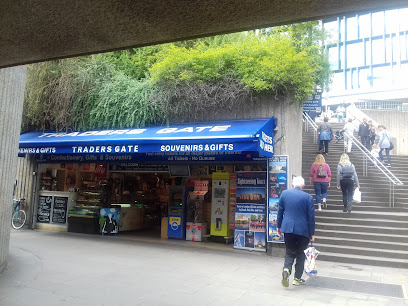
Traders Gate
1.4 km
A long-standing family-run gift shop on Tower Hill, offering classic London souvenirs and local charm just steps from the Tower of London.
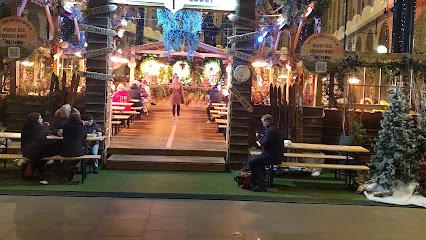
Hay's Galleria
1.6 km
Historic riverside warehouse transformed into a vibrant shopping and dining destination beneath a stunning glass roof.
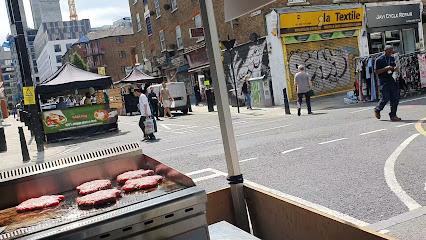
Petticoat Lane Market
1.8 km
London's historic street market where 370 years of commerce, migration, and East End character converge.
Middlesex Textiles
1.9 km
Discover London’s premier West African fabric store offering vibrant, high-quality textiles with unmatched variety and service since 1969.
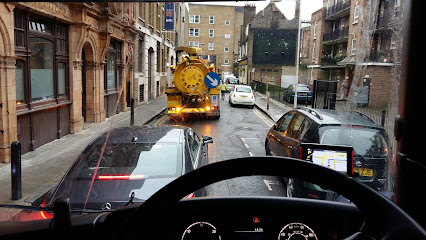
Fashion St
1.9 km
A historic East London street where Victorian architecture meets modern creativity, surrounded by boutiques, cafés, and vibrant community life.
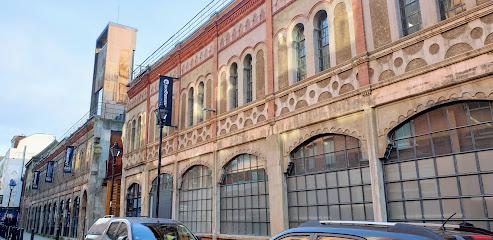
Commercial St
2.0 km
Historic East London artery blending industrial heritage, vibrant markets, and cultural landmarks in the heart of Spitalfields.
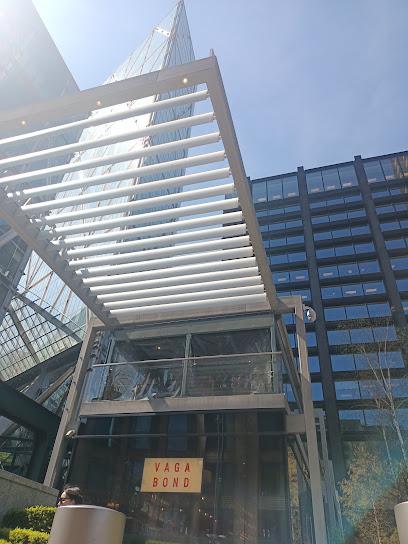
The Brick Lane Vintage Market
2.1 km
Explore the UK’s largest underground vintage market, where fashion history meets East London creativity and every visit promises a unique find.
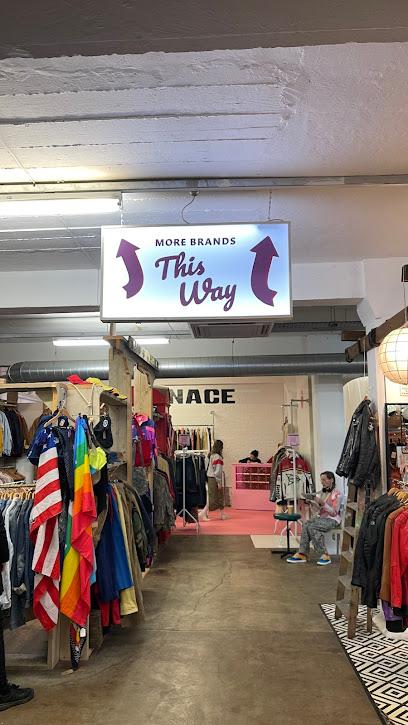
DPUS Designer Outlet
2.1 km
Authentic designer fashion outlet in Shoreditch’s historic Old Truman Brewery, blending luxury style with urban culture and unbeatable prices.
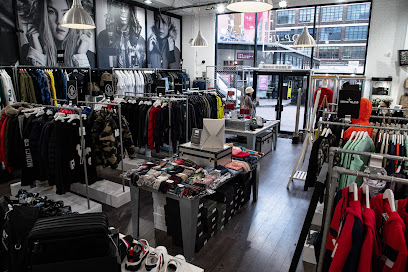
Spitalfields Market
2.1 km
Historic yet vibrant, Spitalfields Market blends East London’s rich heritage with a lively mix of food, art, and shopping all week long.
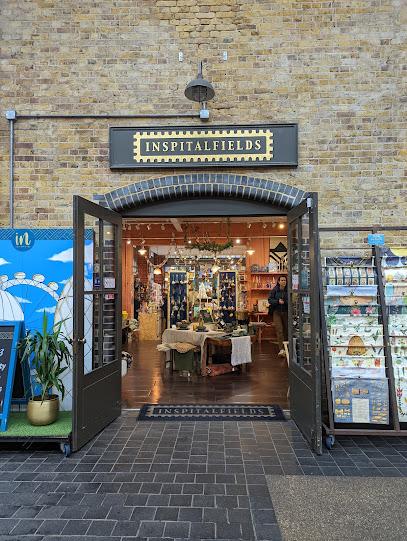
Backyard Market
2.2 km
Discover handmade treasures and vibrant street culture at Backyard Market, Brick Lane’s creative heart.
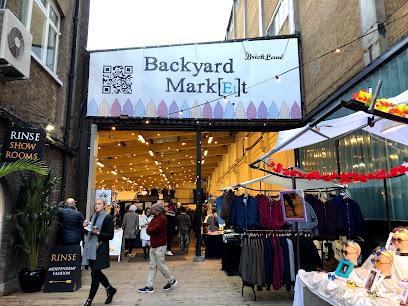
Sclater Street Market
2.2 km
Vintage treasures and eclectic finds in the heart of Shoreditch's bohemian marketplace.
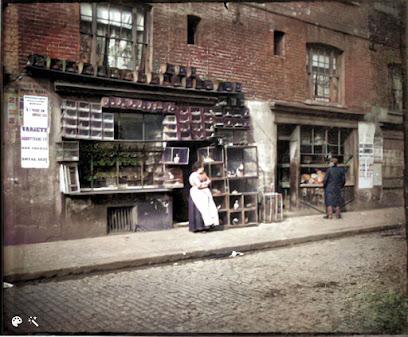
The Truman Brewery Markets
2.2 km
Historic brewery turned vibrant markets on Brick Lane, offering vintage treasures, global street food, and creative culture in East London.
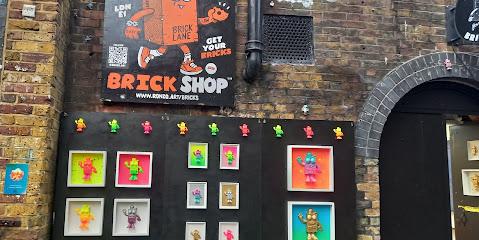
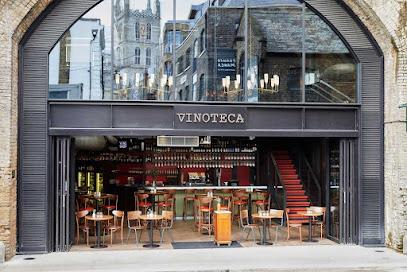
Borough Yards
2.2 km
Discover Borough Yards, a lively London district blending historic railway arches with cutting-edge shopping, dining, and culture near Borough Market.
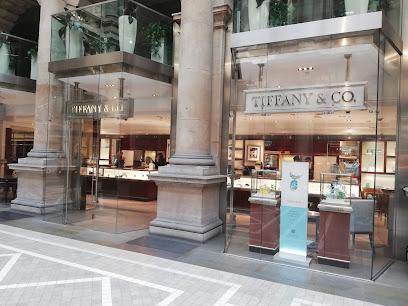
The Royal Exchange
2.2 km
A majestic neoclassical landmark blending 450 years of London’s trading history with luxury shopping in the City’s financial heart.
Essential bars & hidden hideouts

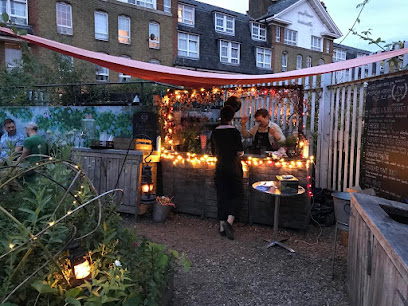
The Midnight Apothecary
0.6 km
Discover a magical rooftop bar blending botanical cocktails, fire pits, and historic tunnel tours atop London’s Brunel Museum.
Nine Lives
1.5 km
A subterranean Bermondsey bar blending Mexican spirits, sustainable craft cocktails, and vibrant sharable dishes in a boho-chic setting.
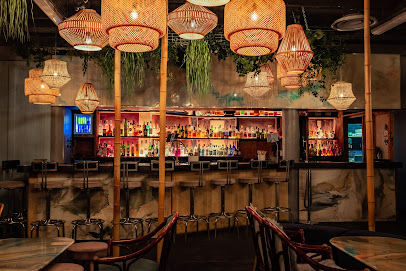
Apples & Pears Cocktail Bar
1.7 km
A vibrant East London cocktail bar blending creative drinks, lively DJs, and a welcoming atmosphere in the heart of Brick Lane.
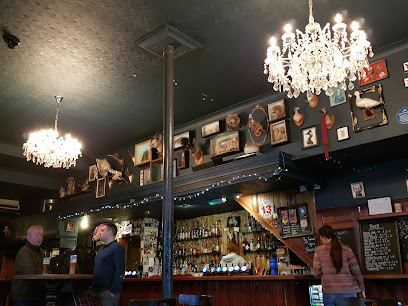
The Bell
1.8 km
A historic East End pub blending traditional charm and local spirit near Petticoat Lane Market.
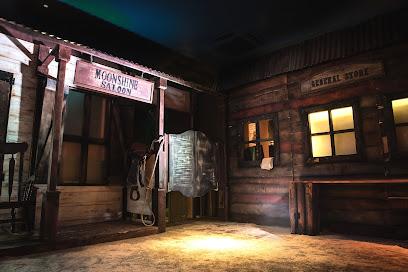
Moonshine Saloon
1.8 km
Step into London’s Moonshine Saloon for an immersive Wild West cocktail adventure with live actors, games, and bespoke drinks made from your own spirits.
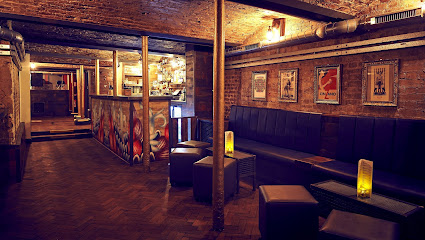
Discount Suit Company
1.8 km
Discover a hidden vintage cocktail bar beneath Spitalfields, blending bespoke drinks with a cozy speakeasy atmosphere in London’s historic tailoring district.
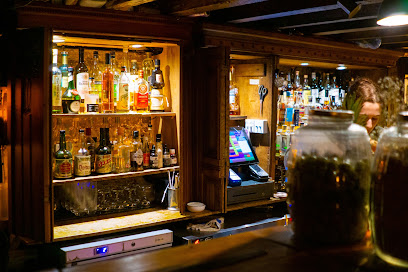
The Bootlegger
1.9 km
Step into The Bootlegger’s hidden Lime Street basement for expertly crafted cocktails, live jazz, and a true 1920s speakeasy vibe in the heart of London.
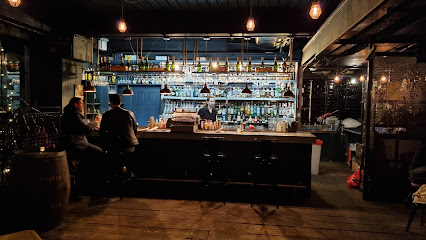
The Alchemist Bevis Marks
1.9 km
Experience London’s theatrical cocktail haven blending molecular mixology with Victorian charm and all-day dining in Aldgate.
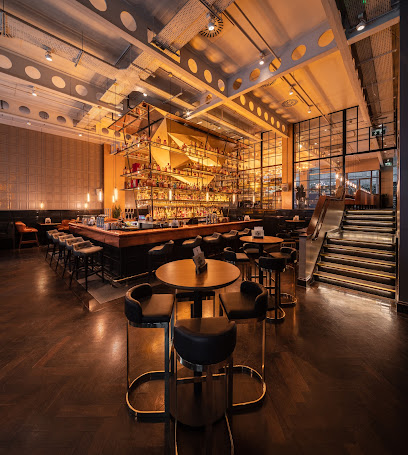
The Old School Yard
1.9 km
Step into a lively retro playground with expertly crafted cocktails, classic arcade games, and a vibrant 80s and 90s atmosphere in London Bridge.
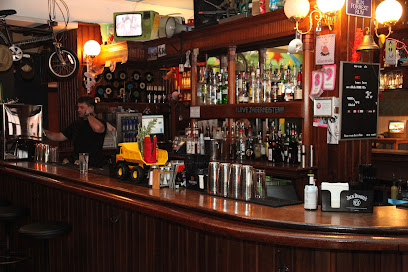
The Cocktail Club - Cocktail Bar near Monument
2.0 km
Vibrant underground cocktail bar near Monument, blending creative drinks with a lively, speakeasy-style party atmosphere.
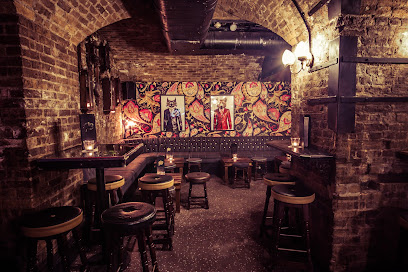
The Astronomer, EC1
2.1 km
A traditional London pub with a cosmic twist, offering hearty pies, craft ales, and a welcoming atmosphere near Liverpool Street.
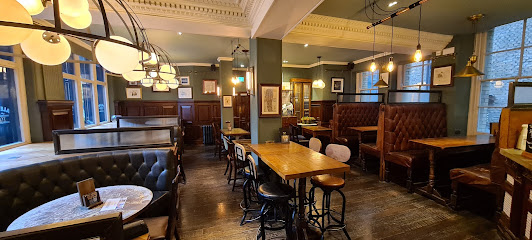
Dirty Dicks
2.1 km
Historic London pub with quirky charm, classic ales, and lively atmosphere near Liverpool Street Station.
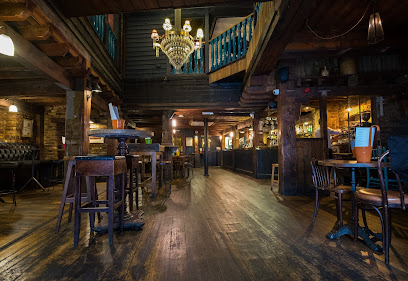
The Mayor of Scaredy Cat Town
2.1 km
Discover Shoreditch’s secret speakeasy behind a fridge door, where quirky vintage charm meets expertly crafted cocktails and lively 80s beats.
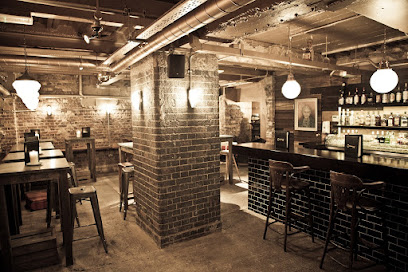
Demon, Wise & Partners
2.2 km
Classic basement cocktail bar blending historic City charm with expert mixology in London’s financial district.
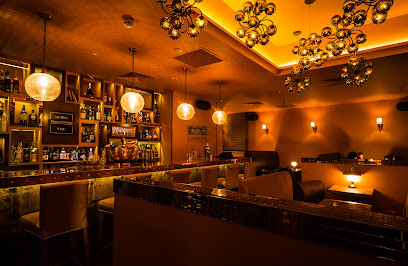
The Cocktail Club - Cocktail Bar in Shoreditch
2.5 km
Experience East London's vibrant nightlife with inventive cocktails and bold Japanese-inspired art at The Cocktail Club Shoreditch.
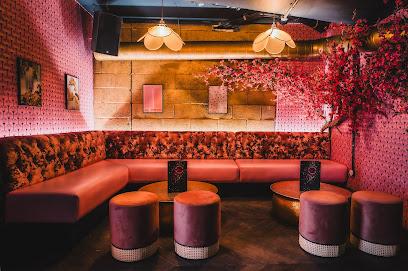
Nightclubs & after hour spots

E1
0.7 km
Experience East London’s underground pulse with E1’s cutting-edge sound, immersive visuals, and vibrant club nights.
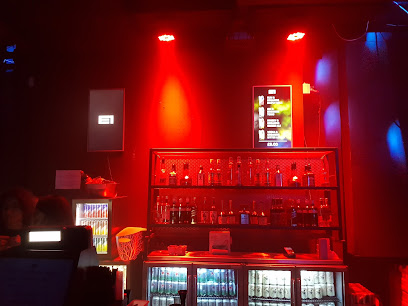
Club 701
2.1 km
Experience the vibrant nightlife and dynamic clubbing scene at Club 701, South London's energetic hotspot on Old Kent Road.
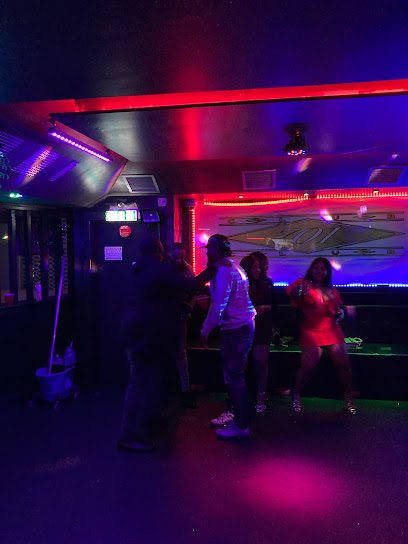
The Steel Yard
2.2 km
Experience London’s premier industrial-chic nightclub set in historic Victorian railway arches, with world-class sound and late-night energy until 6am.
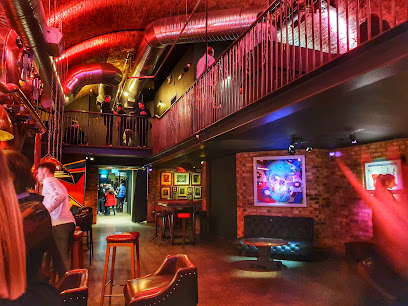
Ministry of Sound
2.8 km
London's legendary dance music cathedral since 1991, where world-class sound systems and global DJs fuel euphoric nights across four pulsing rooms.
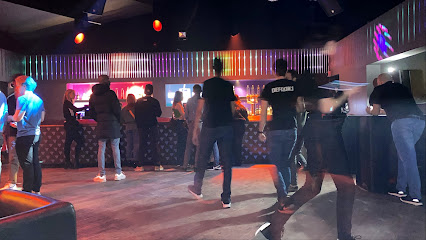
The Hoxton Pony
2.8 km
Edgy Shoreditch cocktail bar and nightclub blending vintage style with vibrant nightlife energy in East London.

Corsica Studios
2.8 km
Experience London’s underground music pulse at Corsica Studios, where intimate vibes meet exceptional sound beneath historic railway arches.
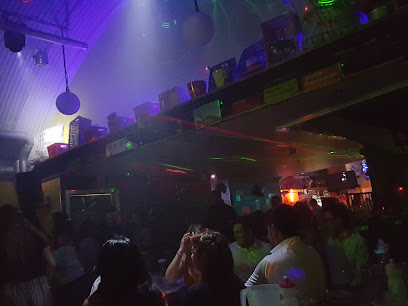
Trafik
3.0 km
Shoreditch’s dynamic nightclub with underground beats, two floors of dancing, and a late licence for unforgettable nights.

XOYO LONDON
3.0 km
Experience Shoreditch’s iconic XOYO, where cutting-edge DJs and vibrant nightlife create an unforgettable London clubbing atmosphere.

Basing House - Shoreditch
3.1 km
An intimate Shoreditch nightclub with top electronic beats, a Funktion One sound system, and a lively rooftop bar under the London skyline.
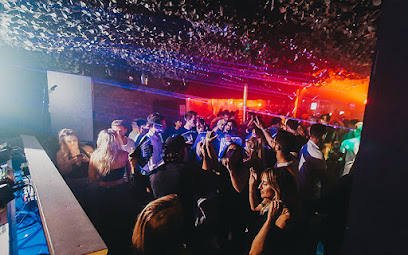
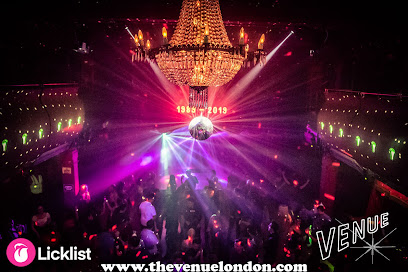
The Venue
3.4 km
A vibrant multi-room nightclub in New Cross, London, blending diverse music, cutting-edge sound, and a welcoming atmosphere since 1989.
The Hatch Club
3.6 km
A late-night New Cross club with a roomy dancefloor, VIP sections and bass-forward DJ nights—built for parties and private events.

London Best Night Clubs
3.7 km
Experience London’s legendary Ministry of Sound, where cutting-edge sound meets dynamic club culture in a multi-room dance haven.
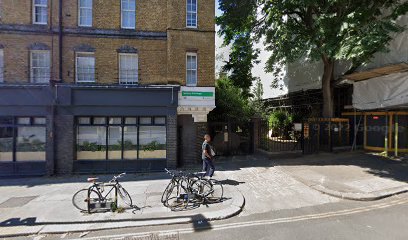
STRAWBERRY SUNDAE
3.8 km
Retro rave haven in Waterloo Arches: Daytime hardcore beats, 90s DJ legends, and industrial euphoria from midday to midnight.
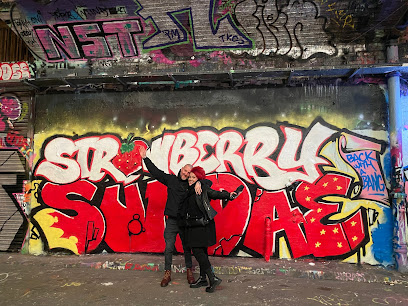
Cirque Du Soul
3.9 km
Dive into Leake Street's graffiti tunnel for soul-stirring electronic nights at this underground nightclub haven.
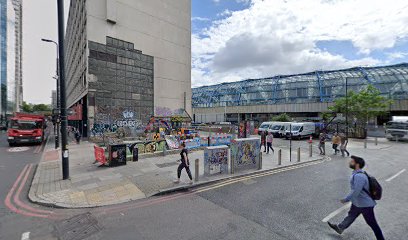
We Are Waterloo
3.9 km
Dive into Leake Street's graffiti heart where street art meets thumping beats in London's ultimate underground nightclub haven.
For the vibe & atmosphere seeker
- Historic
- Tranquil
- Scenic
- Unique
For the architecture buff
- Historic
- Landmarks
- Viewpoints
- Parks & Gardens
For the view chaser and sunset hunter
- Iconic Views
- Waterfront
- Sunset Spots
For the social media creator & influencer
- Instagrammable
- Photo Spots
- Selfie Spots
For the eco-conscious traveler
- Public-Transport Accessible
- Low Impact
For the kind of experience you’re after
- Cultural Heritage
- Photowalk
- Day Trip
For how adventurous you want the journey to be
- Easy Access
Location Audience
- Family Friendly
- Senior Friendly
- Child Friendly
- Teen Friendly
- Solo Friendly
- Couple Friendly


