Cymer Abbey, Gwynedd Travel Guide
Explore the serene ruins of Cymer Abbey, a tranquil 12th-century Cistercian monastery nestled at the meeting of Welsh rivers near Dolgellau.
Cymer Abbey, founded in 1198 near Dolgellau, Wales, is a peaceful ruin of a small Cistercian monastery set beside the River Mawddach. Once a modest religious and farming community patronized by Welsh princes, it retains evocative remains of its church and cloister. Visitors can explore its serene riverside setting and discover traces of medieval monastic life, including unique hydraulic features and a hidden silver chalice now housed in Cardiff.
A brief summary to Cymer Abbey
- Dolgellau, LL40 2HE, GB
- Click to display
- Click to display
- Duration: 0.5 to 2 hours
- Free
-
 Outdoor
- Mobile reception: 4 out of 5
- Monday 10 am-5 pm
- Tuesday 10 am-5 pm
- Wednesday 10 am-5 pm
- Thursday 10 am-5 pm
- Friday 10 am-5 pm
- Saturday 10 am-5 pm
- Sunday 10 am-5 pm

Know before you go
Hi, I'm Eve. Here are a few practical things to know before exploring Cymer Abbey.
- Wear sturdy footwear as the site has uneven, potentially slippery surfaces and minimal shelter.
- Visit during daylight hours between 10am and 5pm for safe access and the best experience.
- Look out for the remains of the Cistercian water management system, a rare feature among abbeys.
- Combine your visit with a walk along the scenic River Mawddach estuary nearby.
Do you manage this location?
Take control to get all the benefits, like improved information, better appearance, and stronger visibility across AI-powered discovery. Learn more about listing your business on Evendo
Activate your presenceOther nearby places you may find interesting
The closest places of the same kind, if this one is not quite what you had in mind.
Explore Cymer Abbey on the Map
A handpicked selection of must-see spots near Cymer Abbey, mapped for you.
Getting There
-
Bus
Take the bus from Dolgellau town center to the A470 near Llanelltyd; the journey lasts about 15-20 minutes. From the stop, a 10-minute walk on uneven terrain leads to the abbey. Bus services run several times daily with fares around £3-£5.
-
Car
Drive via the A470 north of Dolgellau; parking is available near the site but limited. The drive takes approximately 10 minutes from Dolgellau town. Note that the access road is narrow and parking spaces are few, so arrive early during peak seasons.
-
Cycling
Cycle along National Cycle Network Route 82, which passes close to the abbey. The terrain is mixed with some gentle hills. Cycling from Dolgellau takes about 20-30 minutes. Secure bike parking is available near the site.
For the on-the-go comforts that matter to you
-
 Information Boards
-
 Seating Areas
-
 Trash Bins
Discover more about Cymer Abbey
A Modest Foundation in Medieval Wales
Founded in 1198 under the patronage of Maredudd ap Cynan and his brother Gruffudd, grandsons of Owain Gwynedd, Cymer Abbey was a small Cistercian monastery located near the village of Llanelltyd, just north of Dolgellau. Its name, Kymer deu dyfyr, means "meeting of the waters," referencing its position near the confluence of the Rivers Mawddach and Wnion. The abbey was a daughter house of Abbeycwmhir and received its first monks from the mid-Wales Cwmhir Abbey. Unlike larger Cistercian abbeys, Cymer was never wealthy or expansive, lacking the usual cross-shaped church layout and a central tower, likely due to limited endowments and the challenging mountainous terrain surrounding it.Life and Challenges of the Monastic Community
The monks at Cymer Abbey lived a self-sufficient life, farming sheep and breeding horses, which they supplied to notable Welsh rulers such as Llywelyn the Great. Despite receiving mining rights and some land grants, the abbey struggled financially, with limited arable land and fishing rights. The turbulent 13th-century Welsh-English conflicts further strained its resources, and by the late 14th century, the monastic community had dwindled to just a few monks. The abbey was occupied by troops during these conflicts and suffered damage, though it received some compensation from Edward I after the wars.The Abbey’s Decline and Dissolution
By 1535, Cymer Abbey was modest in income and importance compared to larger monastic houses. It was dissolved in 1536–37 during Henry VIII’s widespread suppression of monasteries. Many of its buildings fell into ruin, and valuable materials like lead were stripped. However, a remarkable discovery in 1898 of a silver gilt chalice and paten, believed to have been hidden at the time of dissolution, offers a tangible link to its religious past. These treasures are now displayed in the National Museum of Wales in Cardiff.Exploring the Ruins and Surroundings Today
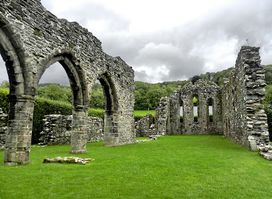
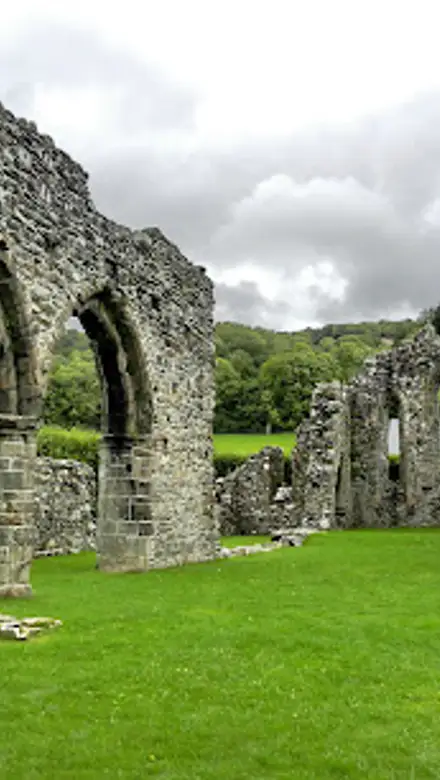
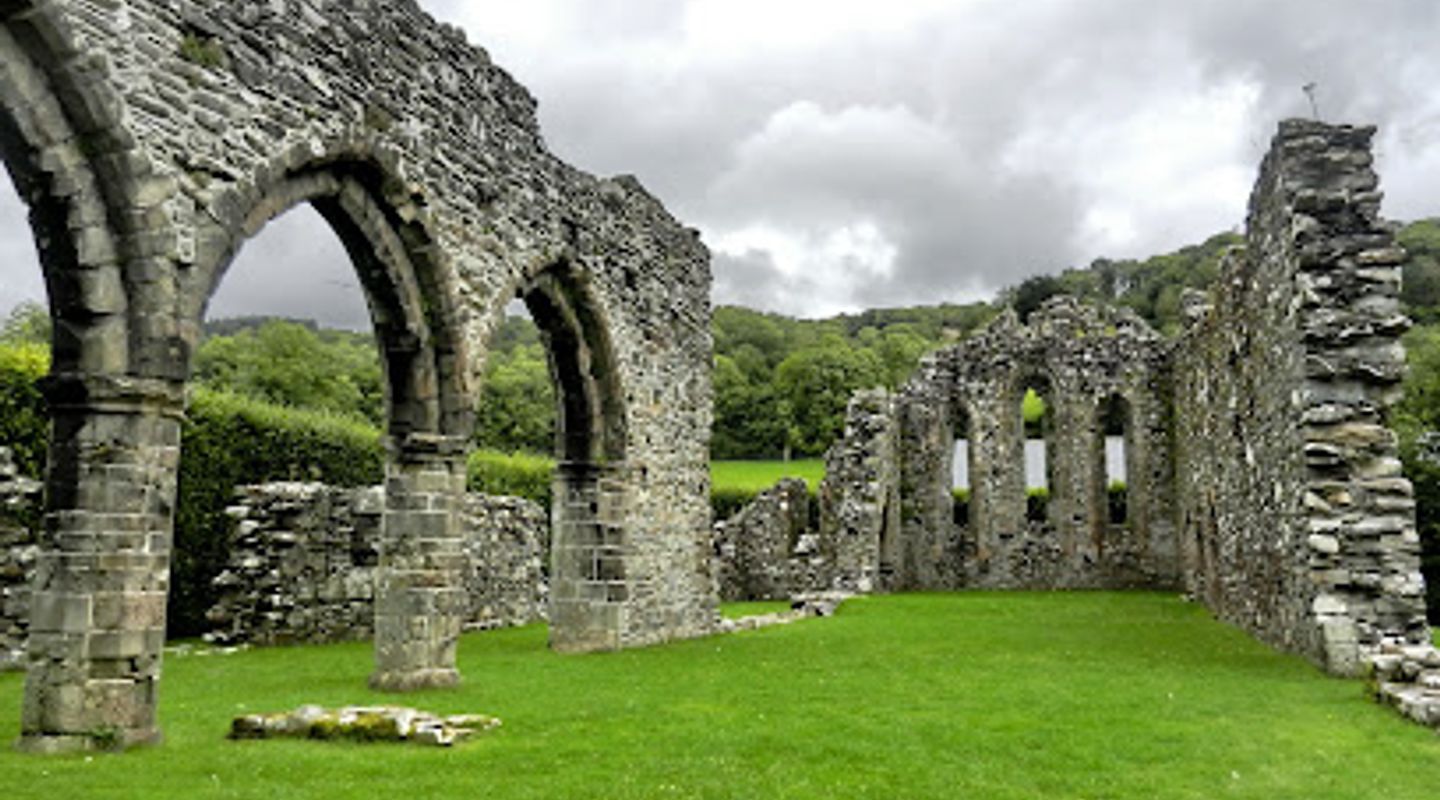
Visitors to Cymer Abbey can explore the evocative stone ruins of the abbey church and the cloister footprint, set in a tranquil riverside environment. The site reveals intriguing features such as remnants of Cistercian hydraulic engineering, including a leat that once supplied water and managed waste — a rare visible example among Welsh monastic sites. Nearby, a farmhouse built from stones taken from the abbey likely stands on the site of the former guest house. The setting beside the Afon Mawddach estuary offers a peaceful atmosphere, reflecting the abbey’s historical role controlling local resources and transport routes.Preservation and Visitor Experience
Cymer Abbey is managed by Cadw, the Welsh historic environment service, ensuring its preservation and safe public access. The site is open daily with set hours and is free to enter. Visitors are advised to wear appropriate footwear due to uneven and potentially slippery surfaces. Safety measures include guardrails and signage to protect against falls and unstable masonry. The minimal interventions maintain the site's stark and tranquil character, allowing visitors to connect with the quiet dignity of this medieval monastic ruin.Legacy of a Quiet Welsh Abbey
Though small and less wealthy than some of its contemporaries, Cymer Abbey holds a significant place in Welsh history as the only Cistercian monastery in Meirionnydd. Its connection to Welsh princes and its survival through centuries of conflict make it a poignant symbol of medieval religious life in Wales. The abbey’s ruins and the surrounding natural beauty provide a reflective space for visitors to appreciate the heritage and enduring spirit of this peaceful riverside sanctuary.












Your all‑in‑one travel companion app
Explore expert travel guides, compare and book tours, experiences, hotels, and more—all from the palm of your hand. Download now for seamless trip planning wherever your wanderlust takes you.


Explore More of Gwynedd

Looking beyond Cymer Abbey? Discover Gwynedd for broader travel guides, local hot-spots, and regional highlights.
Explore Gwynedd