
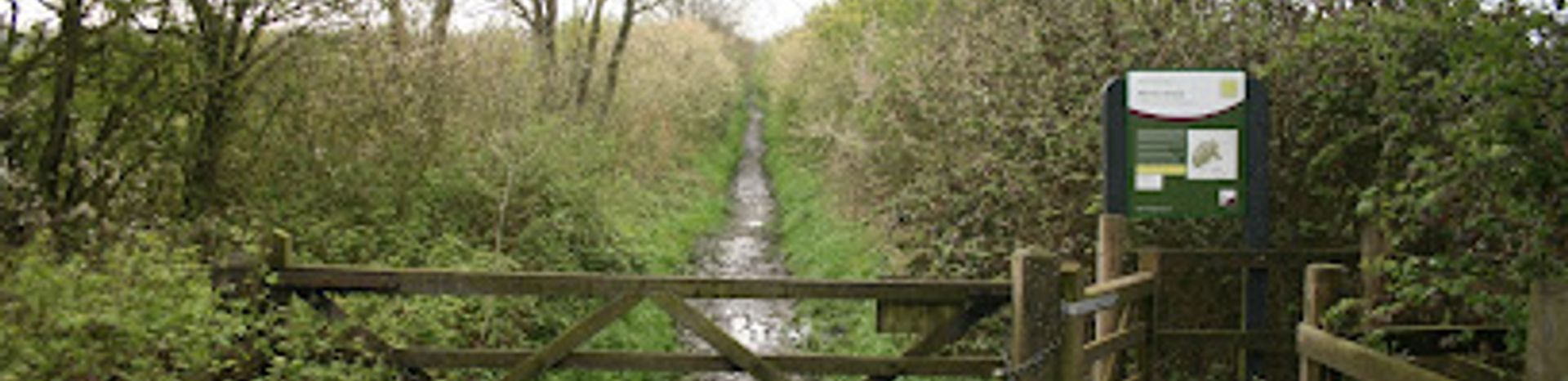
Monks Wood National Nature Reserve
Cambridgeshire's ancient woodland sanctuary and UK's premier beetle hotspot with over 1,000 species.
Monks Wood is Cambridgeshire's largest ancient woodland and a nationally significant nature reserve near Huntingdon. Spanning over 150 hectares, this 1,000-year-old forest is renowned as one of the UK's premier beetle hotspots, hosting over 1,000 species. The reserve features diverse habitats including mature closed-canopy woodland, grassland, ponds, and distinctive mown 'rides' that create meandering pathways. Visitors encounter rich biodiversity including 36 butterfly species, great crested newts, muntjac deer, and seasonal bird visitors. Spring brings spectacular bluebells and wood anemones, while the woodland supports fungi, reptiles, and invertebrates. Free to visit year-round from dawn to dusk, it offers peaceful walks suitable for families and nature enthusiasts seeking solitude and wildlife discovery.
A brief summary to Monks Wood National Nature Reserve
- Huntingdon, Sawtry, GB
- Visit website
- Duration: 1.5 to 4 hours
- Free
-
 Outdoor
- Mobile reception: 2 out of 5
- Monday 12 am-12 am
- Tuesday 12 am-12 am
- Wednesday 12 am-12 am
- Thursday 12 am-12 am
- Friday 12 am-12 am
- Saturday 12 am-12 am
- Sunday 12 am-12 am
Local tips
- Bring insect repellent during summer months to protect against mosquitoes and biting insects, particularly in areas near ponds and damper sections of the woodland.
- Wear waterproof footwear as paths can be muddy, especially during winter and after rain. Narrow pathways may feature fallen branches and uneven ground.
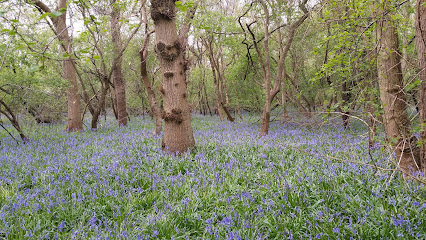
- Visit in late spring (May) to experience the spectacular carpet of bluebells and wood anemones at their peak, or in autumn for stunning woodland tints.
- Carry a map or take a photo of the pathway network before venturing onto narrower routes, as the extensive ride system can be disorienting without reference.
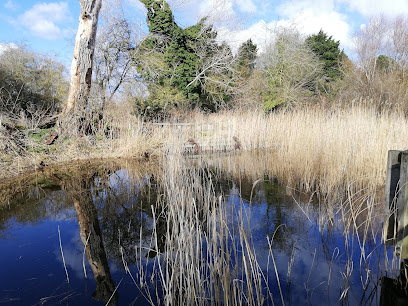
- Pack a picnic and rest in East Field, a grassy clearing with a wildlife pond, to fully experience the woodland's peaceful atmosphere and observe wildlife.

For the on-the-go comforts that matter to you
- Picnic Areas
- Information Boards
- Trash Bins
Getting There
-
Car
Three small car parks provide access to Monks Wood. The easiest to locate is near the B1090 entrance. From Huntingdon town centre, travel north approximately 8 miles on the A1123 toward Sawtry, then follow local signage to Woodwalton. Parking is free. The reserve is open dawn to dusk year-round. Note that during winter forestry work (typically October through March), some areas may have restricted access due to contractors and machinery.
-
Walking from Sawtry Village
Sawtry village is approximately 2 miles from the main reserve entrance. A scenic walk of 30–40 minutes on country roads and field paths connects the village to the woodland. This option suits those without vehicles and offers a gradual transition into the natural landscape. Terrain is generally flat but can be muddy after rain.
-
Bicycle
The reserve is accessible by bicycle via country lanes from surrounding villages. Sawtry and Woodwalton are both within 2–3 miles. Cycling routes connect to the Cambridgeshire cycle network. Once at the reserve, main rides are suitable for hybrid or mountain bikes, though narrower pathways may be challenging. No bike rental facilities are available on-site.
-
Public Transport
Huntingdon railway station (approximately 8 miles south) offers connections to Cambridge and London. From Huntingdon, local bus services operate to nearby villages, though services are infrequent. A taxi from Huntingdon to the reserve costs approximately £15–20 and takes 15–20 minutes. Advance booking is recommended as on-demand services are limited in rural areas.
Monks Wood National Nature Reserve location weather suitability
-
 Any Weather
-
 Clear Skies
-
 Mild Temperatures
Discover more about Monks Wood National Nature Reserve
An Ancient Woodland of Ecological Significance
Monks Wood stands as Cambridgeshire's largest piece of ancient woodland, with a documented history stretching back more than 1,000 years. This 150-hectare National Nature Reserve near Woodwalton, north of Huntingdon, represents a rare survival of traditional woodland management practices. The reserve's ecological importance is internationally recognized, particularly for its exceptional invertebrate populations. It has been the subject of intensive scientific study, with a research station operating here for over forty years from 1963, generating detailed ecological records that continue to inform conservation practices across the UK.A Landscape Shaped by Beetles and Butterflies
Monks Wood holds the distinction of being one of the country's top sites for beetles, with over 1,000 species recorded—an extraordinary concentration that makes it an Aladdin's cave for entomologists. The reserve supports 36 butterfly species including marbled white, speckled wood, white admiral, silver washed fritillary, purple hairstreak, and black hairstreak. Seasonal visitors include caterpillars and moths that transform the woodland throughout the year. Beyond insects, the reserve harbors great crested newts, grass snakes, frogs, and lizards in and around its ponds and rotten wood piles deliberately left to provide wildlife habitat. Muntjac deer, non-native but now established, roam the clearings alongside brown hares, rabbits, and foxes.Diverse Habitats and Seasonal Transformations
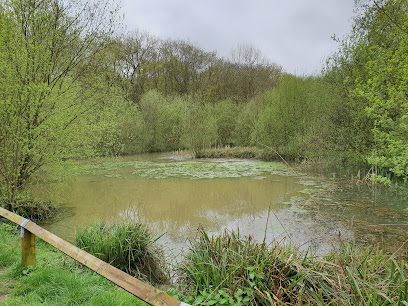
The woodland's varied topography creates distinct ecological zones. Mature closed-canopy forest provides shelter and nesting sites, while grassland clearings and open sunny glades support ground flora and attract insects. The reserve features approximately 16 ponds, though many have dried over decades, alongside small pools that attract dragonflies and freshwater invertebrates. Spring transforms the woodland into a carpet of bluebells and wood anemones, a spectacular display that nearly disappeared before deer fencing was installed to protect regenerating flora. Autumn brings stunning woodland tints, while winter hosts redwing, fieldfare, and brambling visitors. The distinctive mown 'rides'—broad pathways criss-crossing the wood—serve a conservation purpose, allowing ground flora to grow at varying rates and creating habitat diversity.Navigating the Woodland Network
The reserve's network of pathways accommodates visitors of varying abilities. Main Ride forms the broadest avenue through the wood, intersecting with named routes including Owl Ride, Stocking Close Ride, Hotel Ride, Eastfield Ride, and Eastedge Ride. These serpentine routes, while appearing maze-like, are deliberately designed to manage vegetation growth and wildlife habitat. Narrower, wilder pathways lead to ponds and deeper woodland discoveries, though these can be muddy during wet weather and may feature fallen branches or uneven ground. Three small car parks provide access, with the B1090 and Stocking Close entrances featuring kissing gates that can be opened by raising the latch on the far side of the gate post.Conservation and Restoration Efforts
The woodland's management reflects centuries of traditional practices combined with modern conservation science. Historical records from the 17th century document management as a combination of coppice and high forest. In the 1950s, commercial timber operations clear-felled large areas and replanted with mixed native and non-native species, yet the woodland retained much of its ancient character. Today, conservation work focuses on gradually reducing non-native trees, restoring coppiced conditions, and maintaining old and decaying trees that support hole-nesting birds, fungi, and wood-dependent invertebrates. The reserve participates in national dormouse monitoring programmes, with nest boxes and tubes placed throughout the wood to track populations.A Sanctuary for Solitude and Discovery
Despite its ecological significance and accessibility, Monks Wood remains relatively undiscovered by casual visitors, offering genuine opportunities for solitude and personal connection with nature. The combination of scientific interest, wildlife diversity, and peaceful atmosphere makes it equally rewarding for casual walkers, families seeking outdoor adventure, and serious naturalists. A typical visit might reveal something entirely different from the last, whether a rare beetle species, a glimpse of muntjac deer, or the subtle changes in seasonal vegetation. The reserve's size and path network ensure that visitors can tailor their experience from short, easy walks along main rides to longer explorations into wilder sections.Iconic landmarks you can’t miss

The George
9.7 km
A historic Huntingdon coaching inn with a traditional pub, hearty food, and a long connection to local history and Oliver Cromwell.

The Warren House
15.7 km
A rare 17th-century timber-framed warrener’s cottage offering historic charm and scenic views over Kimbolton Castle in tranquil rural surroundings.
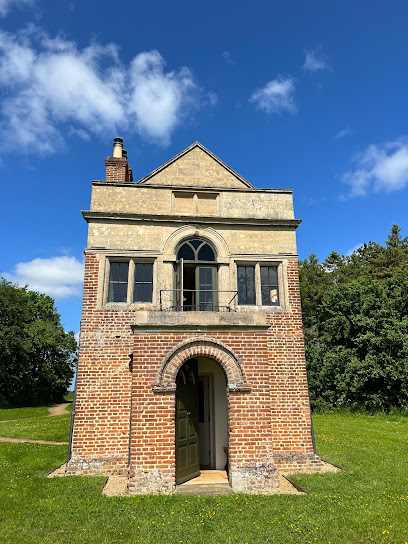
Lynch Lodge
16.6 km
Step into history at Lynch Lodge, a beautifully preserved Georgian porch and unique holiday let nestled in the tranquil village of Alwalton near Peterborough.
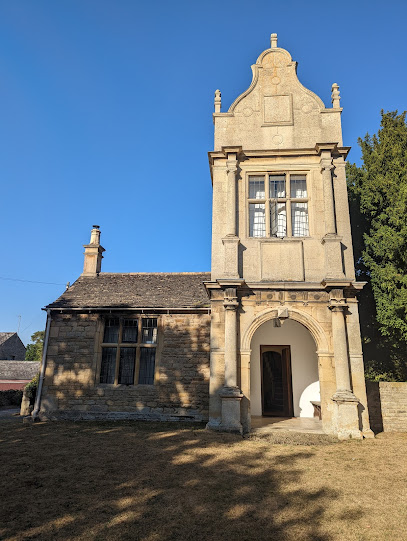
English Heritage - Bushmead Priory
21.9 km
England's finest surviving medieval priory refectory, where Augustinian canons once gathered to dine and pray.
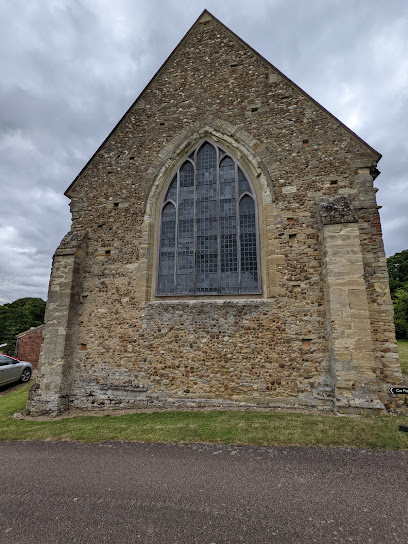
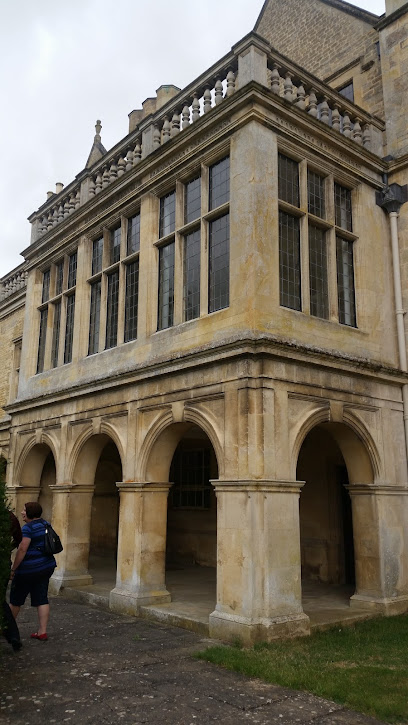
English Heritage - Apethorpe Palace
23.0 km
Explore the enchanting Apethorpe Palace, a historical landmark showcasing England's rich heritage and stunning Tudor architecture.
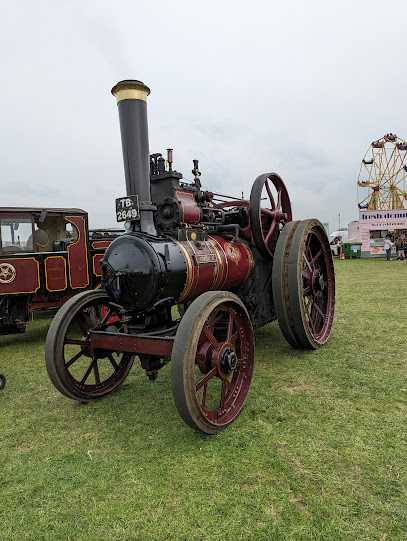
East Midlands Steam and Country Show
24.6 km
Experience the rich heritage and vibrant culture at the East Midlands Steam and Country Show, where steam engines meet delicious local food and crafts.
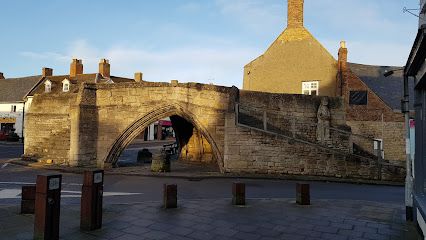
Trinity Bridge
29.6 km
A unique 14th-century three-way stone bridge in the heart of Crowland, once spanning two rivers, now a striking medieval monument in the town centre.
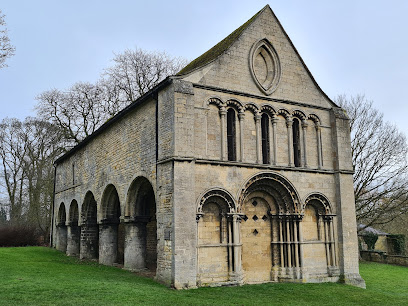
St Leonard's Priory, Stamford
31.1 km
Discover the serene beauty and rich history of St Leonard's Priory in Stamford, a captivating medieval gem waiting to be explored.
Stamford Castle
31.3 km
Discover the Norman heritage and medieval echoes at Stamford Castle, a historic motte and bailey fortress nestled in the heart of Lincolnshire.
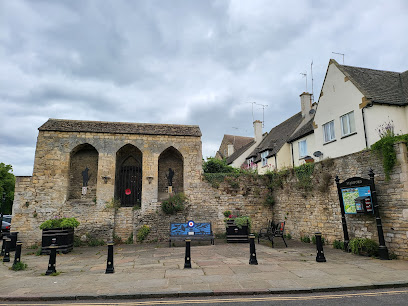
Castle Park
32.3 km
Historic green space featuring the Norman Cambridge Castle Mound with panoramic city views and tranquil parkland near the city centre.
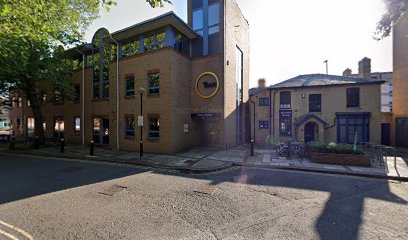
Westminster College
32.6 km
Historic theological college blending Victorian architecture with contemporary faith education in Cambridge's academic heart.
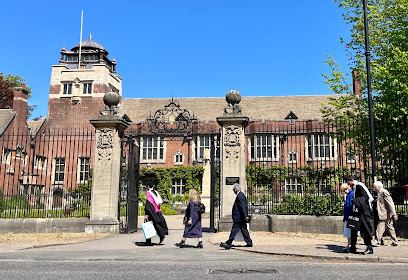
Castle Mound: site of medieval Cambridge Castle
32.6 km
Explore Castle Mound, the grassy remnant of Cambridge’s medieval fortress with panoramic city views and centuries of rich history.
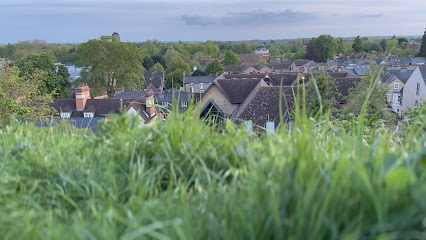
Jesus Lock
32.8 km
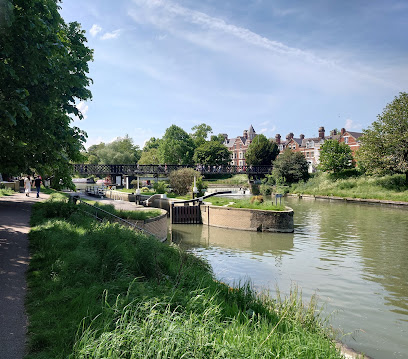
Historic Jesus Lock on the River Cam offers serene riverside charm and a unique glimpse into Cambridge's aquatic heritage.
Magdalene Bridge
32.8 km
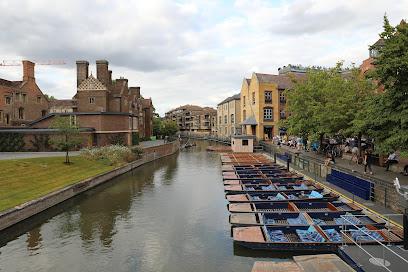
Historic cast-iron bridge over the River Cam, linking Cambridge’s academic heart with its ancient trading past.
Dinky door: Ride and Park
32.8 km
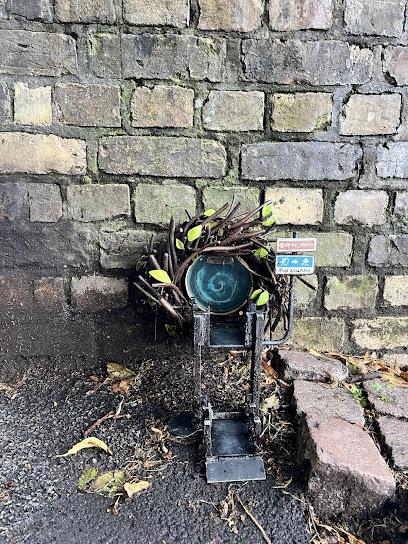
Discover the enchanting Dinky Doors at Jesus Green Lock House, a charming cultural landmark in the heart of Cambridge, blending history and whimsy.
Unmissable attractions to see

Roundwood Gin
2.3 km
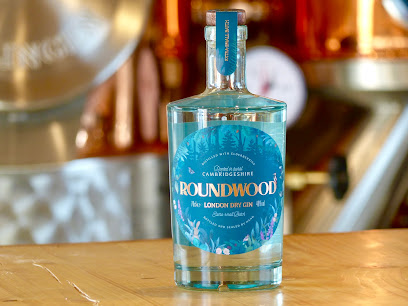
Award-winning small-batch gin crafted in a charming Cambridgeshire barn with scenic countryside views and immersive tastings.
Aversley Wood
4.1 km
A 62-hectare protected woodland sanctuary offering peaceful walks through diverse natural habitats near Sawtry.
Magic Mountain
4.2 km
Explore Magic Mountain, a secretive Cold War bunker at Alconbury Weald, where cutting-edge espionage shaped history beneath Cambridgeshire’s skies.
Upwood Meadows
5.1 km
A serene National Nature Reserve showcasing vibrant wildflower meadows and rich wildlife near Huntingdon.
Great Fen
5.8 km
Explore the Great Fen’s restored wetlands and woodlands at Ramsey Heights, a thriving nature reserve rich in wildlife and community spirit.
Hamerton Zoo Park
6.4 km
Discover rare wildlife and immersive family fun at Hamerton Zoo Park, a conservation-focused sanctuary in the heart of Huntingdonshire.
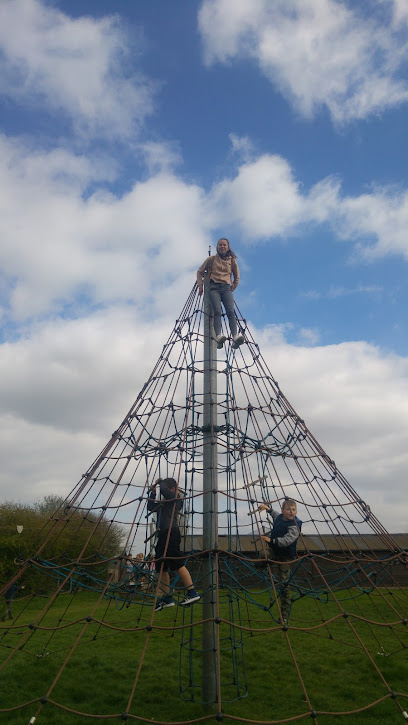
Holme Fen National Nature Reserve
8.8 km
Explore Britain’s lowest land point and the largest silver birch woodland in lowland Europe, a tranquil haven for wildlife and nature lovers.
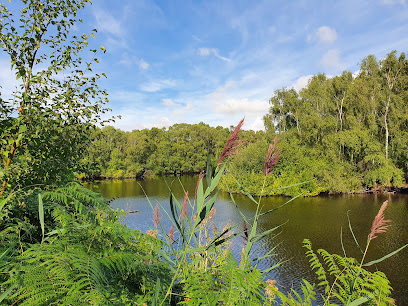
Coneygear Park
8.8 km
A welcoming, accessible green space in Hartford offering playgrounds, walking paths, and community spirit open 24/7.
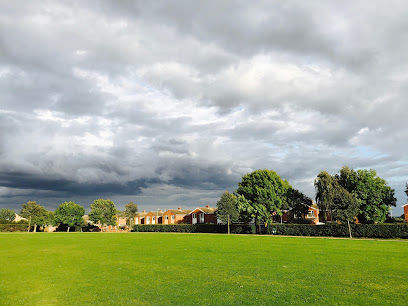
Hinchingbrooke Country Park
9.4 km
Explore 170 acres of woodlands, meadows, lakes, and family-friendly play areas at Hinchingbrooke Country Park, a Green Flag Award-winning natural retreat.
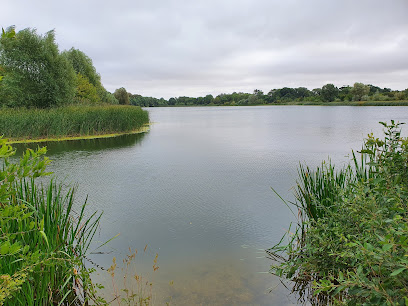
Warboys and Wistow Woods
9.5 km
Ancient ash woodland sanctuary where rare mosses, lichens, and insects thrive in protected Cambridgeshire countryside.
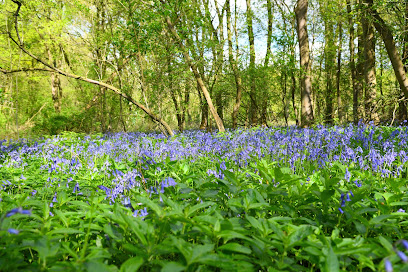
Cromwell Museum
9.7 km
Explore the life and legacy of Oliver Cromwell in the historic Huntingdon Grammar School, with engaging exhibits and dynamic temporary displays.
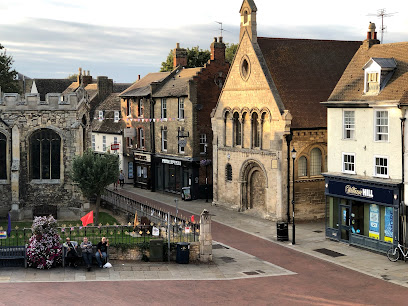
King of the Belgians
9.7 km
Historic 16th-century village pub in Hartford offering home-cooked meals, real ales, and a welcoming atmosphere with a charming beer garden.
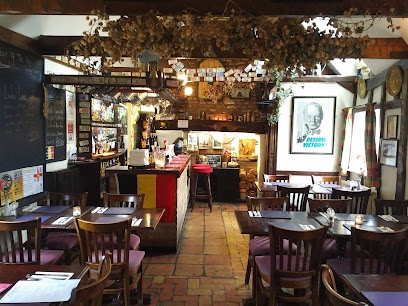
Ramsey Abbey Gatehouse
9.8 km
Explore the 15th-century Gothic gatehouse of Ramsey Abbey, a captivating medieval relic nestled in the tranquil Fens of Cambridgeshire.
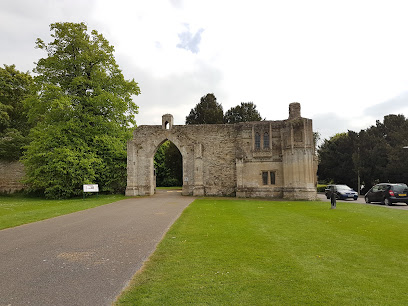
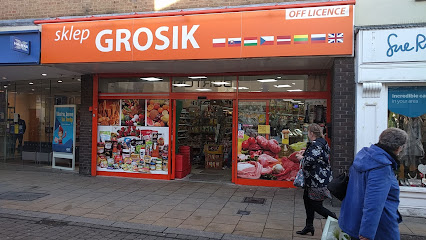
Grosik
9.8 km
Discover authentic Eastern European groceries and friendly service at Grosik, Huntingdon’s specialty supermarket on High Street.
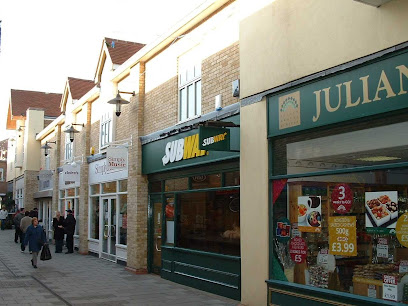
Chequers Shopping Centre
9.8 km
A vibrant shopping hub in Huntingdon offering a diverse mix of high street brands, local shops, and inviting cafés in a welcoming community setting.
Essential places to dine

The Elm
4.3 km
A charming gastro pub in Abbots Ripton offering quality British cuisine in a historic, welcoming setting.
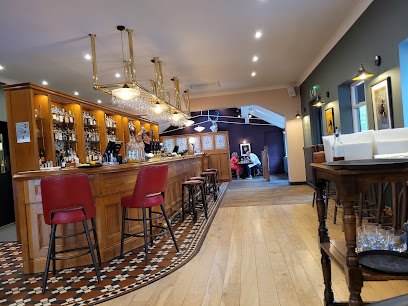
The Manor Hotel & Pub
5.0 km
A charming traditional British pub and hotel in Alconbury offering hearty meals, cozy rooms, and genuine hospitality.
Chi Huntingdon
7.8 km
Experience vibrant South East Asian flavors in a modern, elegant setting at Chi Huntingdon, a culinary highlight in Cambridgeshire’s Sapley area.
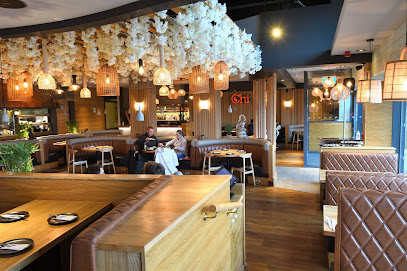
Bella Italia - Huntingdon
7.8 km
Authentic Italian flavors and warm service combine in a family-friendly setting at Bella Italia Huntingdon.
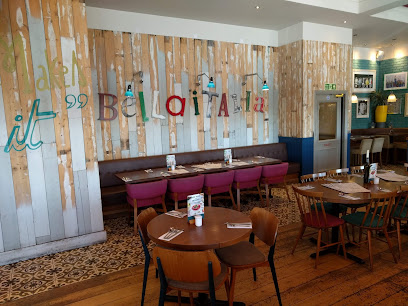
The Crown Inn
8.4 km
Historic British gastropub in Broughton offering traditional classics and a warm, authentic country pub atmosphere.
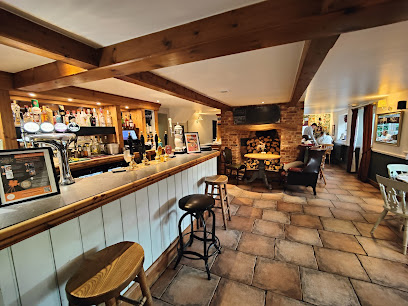
The Barley Mow
9.8 km
Historic pub blending Nepalese and British flavors with craft beers in the heart of Hartford's old village.
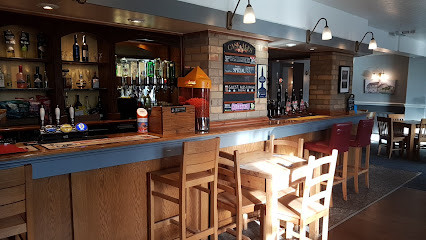
Hill Ephesus Restaurant
9.8 km
Experience authentic Turkish cuisine and warm hospitality in the heart of Huntingdon’s historic Market Hill.
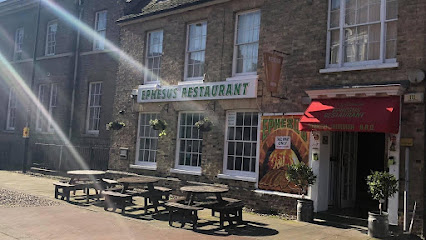
Olmo Lounge
9.8 km
A vibrant, inclusive dining spot on Huntingdon’s High Street offering diverse British and vegan-friendly cuisine in a stylish, relaxed setting.
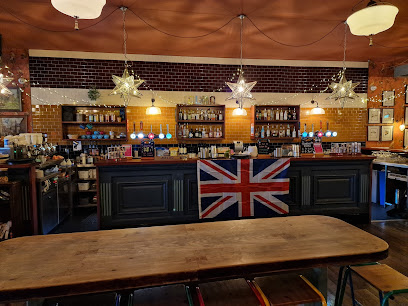
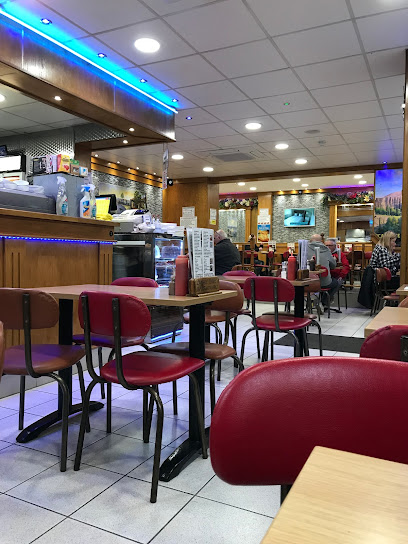
Local Cafe
9.8 km
Cozy and clean cafe in Huntingdon serving hearty breakfasts, quality coffee, and classic comfort food in a welcoming atmosphere.
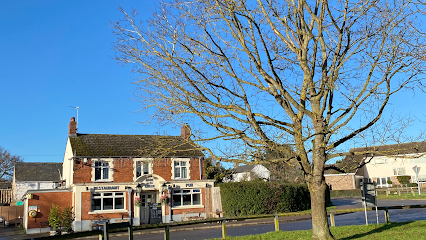
Hare on the Green
10.0 km
A warm, traditional gastropub on Brampton’s village green, serving modern British food, local ales, and a friendly local atmosphere.
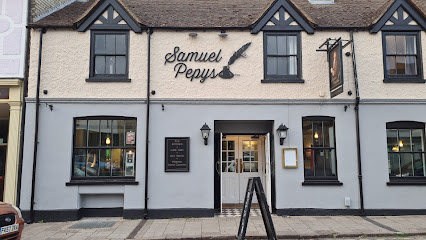
Samuel Pepys
10.1 km
A traditional Huntingdon pub serving hearty British classics, local ales, and a warm welcome on the High Street.
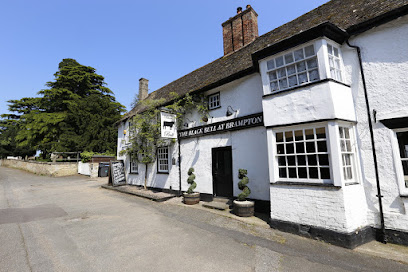
The Black Bull at Brampton
10.3 km
A 16th-century traditional village pub in Brampton serving freshly cooked British meals with a welcoming atmosphere and lively events.
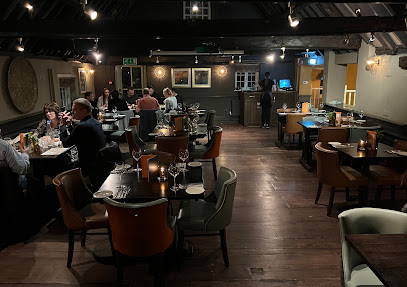
Brampton Mill Huntingdon
10.5 km
Historic riverside gastropub blending traditional charm with modern British cuisine and warm hospitality in Huntingdon.
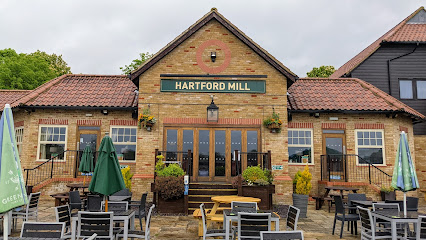
Hartford Mill - Pub & Carvery
10.5 km
A friendly marina-side pub serving fresh carvery and classic dishes daily in a warm, family-friendly atmosphere.
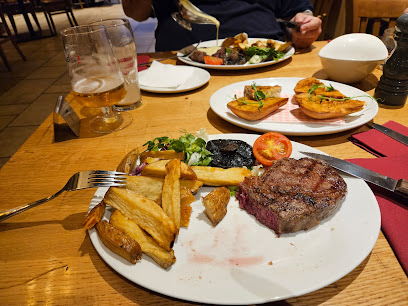
The Steak House
10.5 km
A classic British steakhouse in Old Hurst serving expertly cooked steaks in a warm, welcoming village setting.
Markets, malls and hidden boutiques

Dunelm
8.4 km
Discover a wide range of homewares at Dunelm in Huntingdon, your go-to destination for stylish and practical home essentials.
Essential Supermarket
9.4 km
Discover authentic Asian flavors and fresh halal produce at Essential Supermarket, Huntingdon’s go-to for culinary essentials.
Hazelmere Home & Garden
9.6 km
Discover timeless charm and garden inspiration at Hazelmere Home & Garden, Huntingdon’s friendly boutique for interior and outdoor living.
James Cox
9.6 km
Historic Huntingdon department store blending timeless elegance with diverse fashion, gifts, and suit hire since 1893.
Euro Shop
9.7 km
Huntingdon's authentic European supermarket bringing continental flavors and community together.
Peacocks
9.7 km
Affordable fashion for men, women, and children at Peacocks Huntingdon, your go-to clothing store in St Germain Walk.
NECTAR Polish Delicatessen (Huntingdon)
9.8 km
Discover authentic Polish culinary delights at NECTAR Polish Delicatessen, Huntingdon’s premier destination for traditional sausages, cheeses, and breads.
Robert Goddard
9.8 km
A century-old fashion destination in Huntingdon, offering premium designer clothing and tailored pieces in a classic department-store setting.
Cards Direct
9.8 km
Huntingdon’s go-to shop for quality British-made greeting cards, gifts, and party supplies at direct-from-factory prices.
Next
9.8 km
Stylish fashion and homeware for the whole family in Huntingdon’s vibrant Chequers Court shopping hub.
TK Maxx
9.8 km
Designer bargains and branded treasures await at TK Maxx Huntingdon—up to 60% off premium fashion, homeware, and gifts.

CeX
9.8 km
Affordable secondhand electronics and gaming essentials in the heart of Huntingdon's Chequers Court.

The Purple Spell
9.8 km
Discover authentic magical traditions and handcrafted spellcraft tools in the enchanting heart of Huntingdon at The Purple Spell.
Patches
9.8 km
A charming family-run haberdashery in Huntingdon, offering quality sewing, knitting supplies, and expert machine repairs since 2017.

The Works
9.8 km
Discover affordable creativity and learning at The Works Huntingdon, your go-to for arts, crafts, books, and toys on High Street.
Essential bars & hidden hideouts

Sawtry Ex-Service & Working Mens Club
4.5 km
A welcoming community social club in Sawtry offering events, bar facilities, and a friendly atmosphere for locals and visitors.

The Cross Keys
6.1 km
A classic British village pub in Upwood serving hearty seasonal dishes in a warm, welcoming atmosphere.
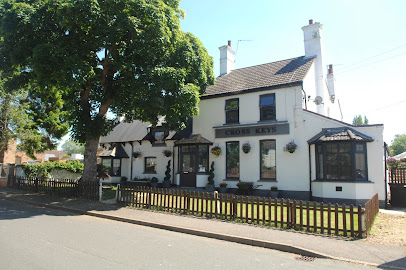
The Golden Knight
8.5 km
A friendly Huntingdon pub with a spacious beer garden, lively sports viewing, and classic games for a relaxed social experience.
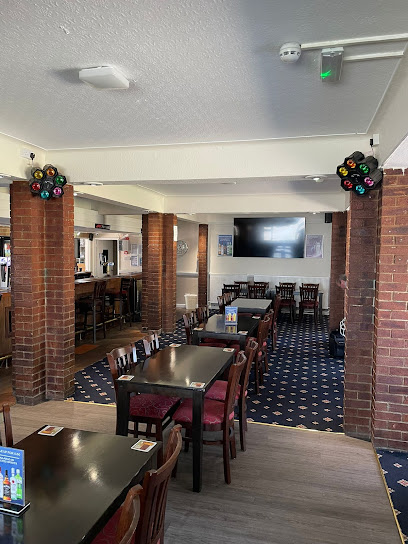
The White Lion
8.7 km
A traditional, friendly pub in Bury offering classic ales, hearty food, and a warm, welcoming atmosphere for locals and visitors alike.
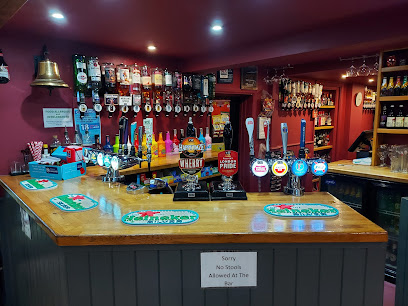
Lord Protector
9.3 km
A welcoming community pub in Huntingdon offering great drinks, lively entertainment, and a friendly atmosphere for all to enjoy.
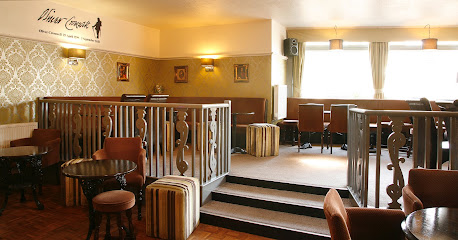
The Jolly Sailor Ramsey
9.6 km
Historic 400-year-old pub in Ramsey offering traditional British fare, quality ales, and a warm, welcoming atmosphere for locals and visitors alike.
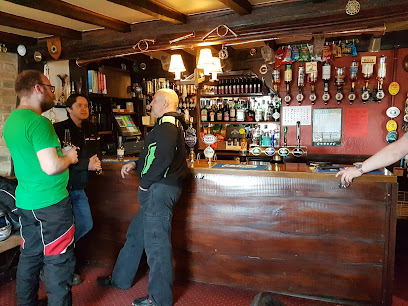
The Falcon Tavern
9.8 km
Historic real ale pub in Huntingdon with roots in the English Civil War, offering traditional drinks, hearty food, and a charming garden.
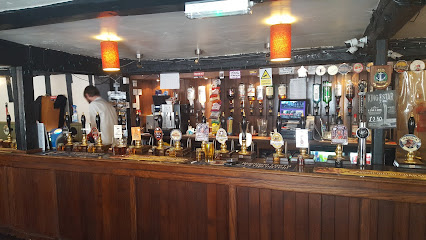
Market Inn, Huntingdon
9.8 km
Historic half-timbered pub in Huntingdon offering traditional ales, lively entertainment, and a warm family-run atmosphere.
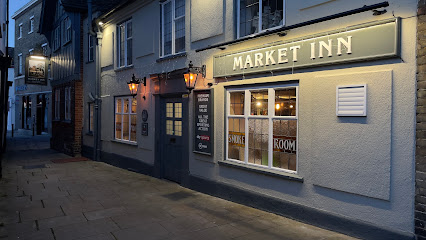
Three Tuns
10.0 km
A welcoming traditional pub on Huntingdon’s High Street, offering lively atmosphere, classic charm, and a true taste of English pub culture.
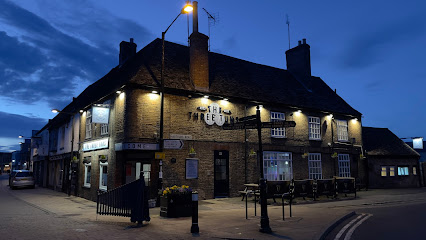
The Old Bridge Hotel
10.2 km
Historic Georgian charm meets vibrant riverside hospitality in Huntingdon’s beloved Old Bridge Hotel.
Three Horseshoes
11.8 km
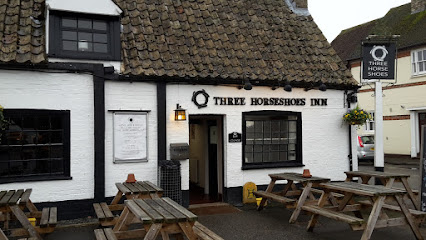
A traditional English pub with cozy rooms, hearty fare, and a warm community spirit in the heart of Huntingdon.
The Mad Cat Inn
13.5 km
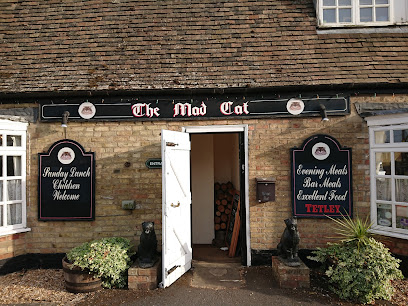
A cozy traditional village pub in Pidley offering hearty roasts, friendly service, and authentic British charm.
The Taproom
14.7 km
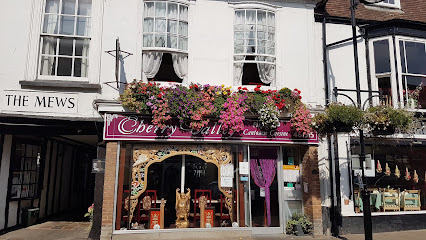
Charming riverside bar and kitchen in St Ives offering crafted drinks, hearty meals, and a lively yet relaxed atmosphere daily from 9am.
The Kings Arms
14.8 km
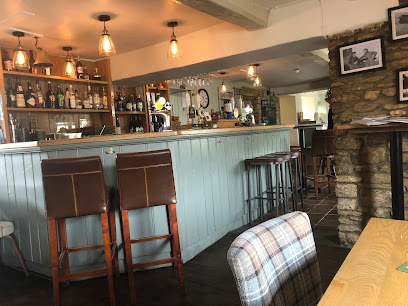
A charming traditional English village pub in Polebrook offering hearty food, quality ales, and a warm, inviting atmosphere.
Oliver Cromwell
14.9 km
Historic 18th-century riverside pub in St. Ives offering local ales, home-cooked food, and a warm community atmosphere.
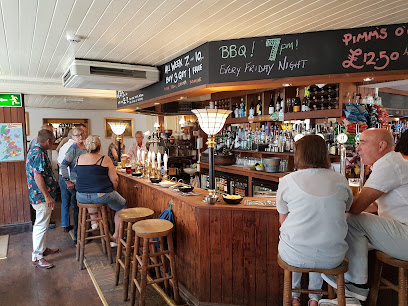
Nightclubs & after hour spots

Montagu Club
9.9 km
Discover the lively Montagu Club in Huntingdon - a social haven for music lovers and friends looking to unwind and enjoy local culture.

OutOut Nightclub
14.5 km
Vibrant nightlife hub in St. Ives offering dynamic club nights, private events, and a lively atmosphere from 10pm to 4am Fridays and Saturdays.

The Lounge
14.6 km
A lively nightclub and wine bar on The Broadway, offering vibrant late-night entertainment in the heart of St Ives.
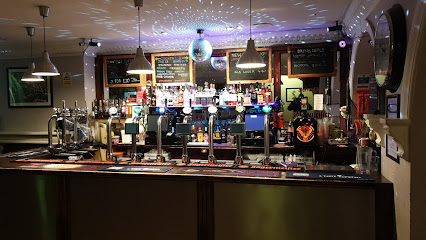
The Met Lounge
17.6 km
Peterborough’s vibrant live music venue and nightclub blending nostalgic charm with lively club nights and diverse musical acts.
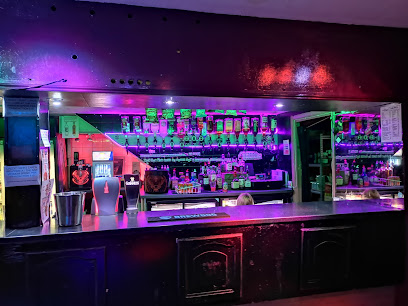
Angels Peterborough
18.1 km
Experience lively nightlife and captivating stage performances at Angels Peterborough, the city’s vibrant nightclub and bar on Brook Street.
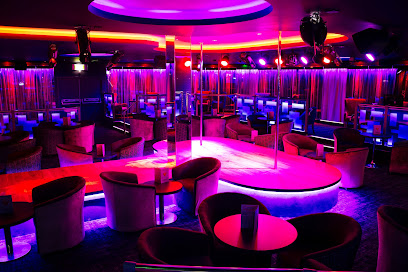
MASH
33.3 km
Cambridge’s vibrant independent nightclub offering themed music nights and a welcoming, safe party atmosphere until the early hours.

Vinyl Cambridge
33.3 km
Dance through decades on a glowing LED floor at Vinyl Cambridge's throwback haven—2-for-1 drinks, VIP vibes, and non-stop retro anthems await in the city center.
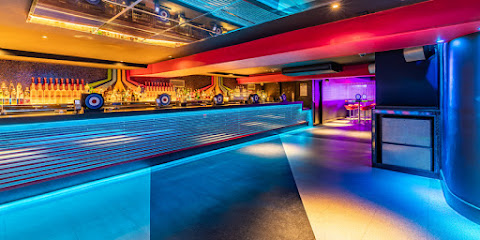
Glitterbomb
33.3 km
Glitterbomb: A vibrant bar in Cambridge offering creative cocktails and an electrifying atmosphere for an unforgettable night out.
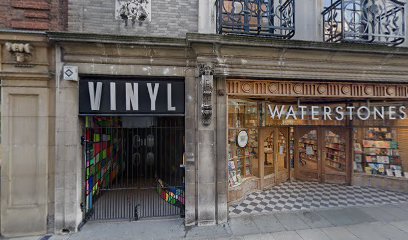
High Five
33.4 km
Cambridge's electrifying gay nightclub where themed nights, drag glamour, and inclusive dance floors ignite unforgettable evenings in the city heart.
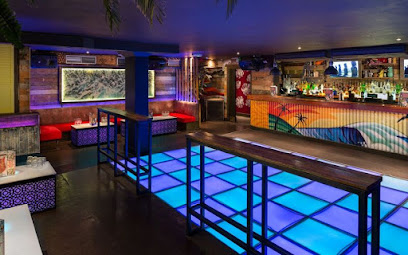
Cambridge Lola Lo
33.4 km
Step into Cambridge Lola Lo, a vibrant tiki-themed nightclub with tropical vibes, lively dance floors, and a stunning rooftop terrace in the city centre.
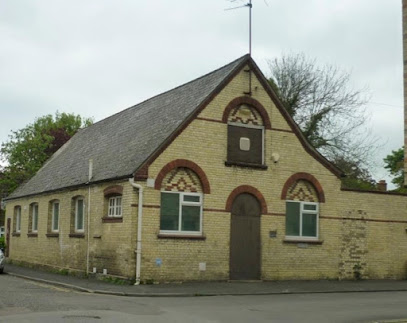
Newnham Croft Social and Sports Club
33.6 km
Experience the vibrant community spirit at Newnham Croft Social and Sports Club, a lively venue for live music, events, and friendly gatherings in Cambridge.
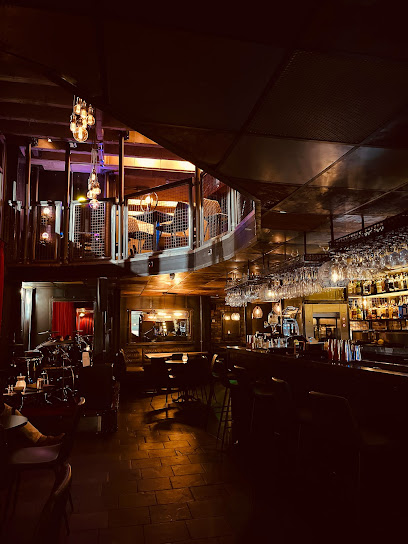
Bar -OH
33.6 km
Experience the best of Cambridge nightlife at Bar -OH, where exquisite cocktails meet electrifying live music in a vibrant atmosphere.
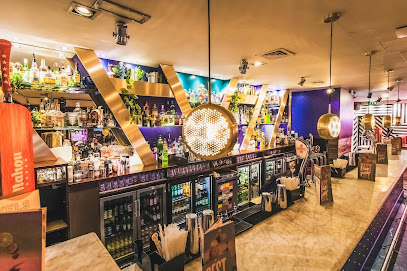
Revolution Cambridge
33.7 km
Experience the vibrant nightlife of Cambridge at Revolution, where delicious food, creative cocktails, and unforgettable moments await.
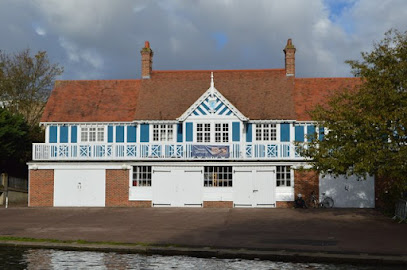
EBC Shop
33.7 km
Discover the electrifying nightlife at EBC Shop in Cambridge, where the music keeps you dancing and the atmosphere is always electric.
The Free Press
33.9 km
Cozy Cambridge backstreet pub serving seasonal fusion dishes, real ales, and timeless charm in a phone-free haven with a sunny beer garden.
For the vibe & atmosphere seeker
- Tranquil
- Scenic
- Nature Escape
- Adventurous
For the design and aesthetic lover
- Rustic Designs
For the architecture buff
- Parks & Gardens
- Historic
- Heritage Neighborhoods
For the view chaser and sunset hunter
- Panoramas
- Sunrise Spots
- Sunset Spots
For the social media creator & influencer
- Photo Spots
- Instagrammable
For the eco-conscious traveler
- Protected Area
- Nature Reserve
- Eco-Friendly
- Locally Managed
- Wildlife Habitat
- Leave-No-Trace Critical
For the kind of experience you’re after
- Nature Escape
- Cultural Heritage
- Photowalk
- Day Trip
- Mindfulness
For how adventurous you want the journey to be
- Easy Access
- Requires Hike
Location Audience
- Family Friendly
- Solo Friendly
- Couple Friendly
- Senior Friendly
- Pet Friendly


