

Clach an Tiompain Travel Guide
Free Guide: A 7th-century Pictish symbol stone with an eagle carving and a Highland prophecy, standing on a hill above Strathpeffer.


A brief summary of Clach an Tiompain
A 7th-century Pictish symbol stone with an eagle carving and a Highland prophecy, standing on a hill above Strathpeffer.
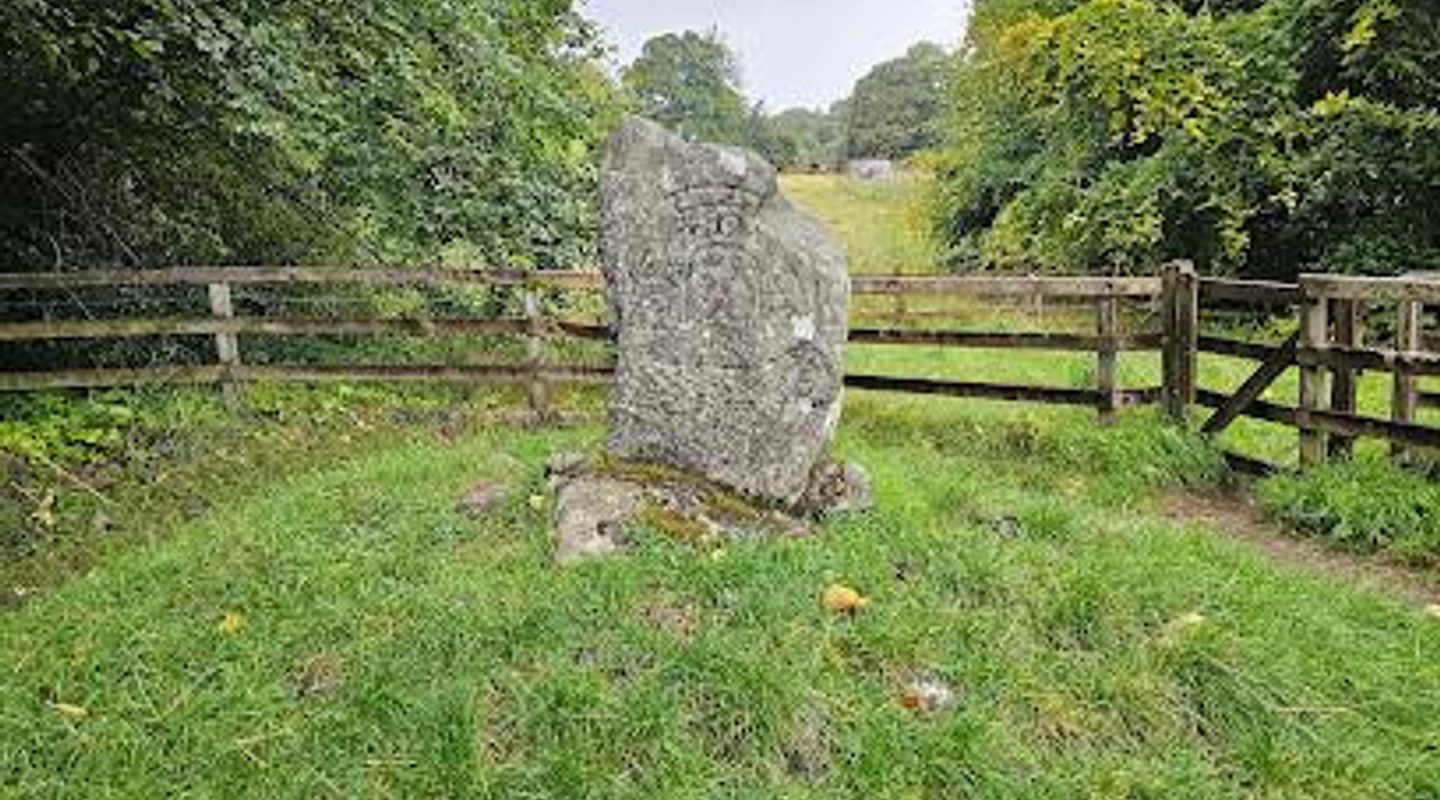
Clach an Tiompain, known as The Eagle Stone, is a small but striking 7th-century Pictish symbol stone standing on a rocky mound near Strathpeffer in Easter Ross, Scotland. Carved from blue gneiss, it bears a finely incised eagle and an enigmatic horseshoe-shaped symbol on its southeast face. Local tradition links the stone to a 15th-century clan battle between the Munros and MacDonalds, while the 16th-century Brahan Seer prophesied that if the stone fell three times, the valley would flood and ships would anchor on it. Now set firmly in concrete after two recorded falls, it offers a quiet, atmospheric glimpse into Pictish art and Highland legend.
On-site amenities
 Seating areas
 Information boards
Opening hours
- Every dayOpen 24 hours
Opening hours as listed on the venue’s Google Business Profile. Hours can change for services and special events, so check with the venue before you go.
- Address
- Strathpeffer IV14, UK
- Website
Getting there
On foot from Strathpeffer
From the Old Station car park
By bus to Strathpeffer
From Inverness
Discover more about Clach an Tiompain
A Stone from the Pictish World
Clach an Tiompain, or The Eagle Stone, is a Class I Pictish symbol stone dating from around the 6th–7th century AD, a time when the Picts were carving mysterious symbols into stone across northern and eastern Scotland. Standing about 81 cm high, it is made of blue gneiss and bears two clearly incised symbols on its southeast face: a horseshoe-shaped arc, possibly representing an arch, rainbow, or ceremonial object, and below it, a detailed eagle with folded wings, sharp talons, and a strong beak. As a Class I stone, it was carved on a natural, unshaped boulder, typical of early Pictish monuments that predate the Christian cross-slabs.The meaning of these symbols remains unknown, but they likely held deep significance for the people who created them—perhaps marking territory, commemorating a leader, or serving a ritual or funerary purpose. The stone’s Gaelic name, Clach an Tiompain, is often translated as 'The Sounding Stone', though some interpretations suggest 'The Stone on the Ground'. Its current form shows damage to the upper right corner, where the arc symbol has been partially broken, a reminder of the centuries it has stood exposed to the elements.
From Valley to Hilltop
The Eagle Stone did not always stand in its present location. Tradition holds that it originally stood in an old churchyard at Fodderty, further down the valley towards Dingwall, and was moved to its current hilltop site in 1411. Local lore connects this move to a battle between Clan Munro and a branch of Clan MacDonald, in which the Munros claimed victory. The eagle on the stone is thought to echo the Munro clan crest, leading to the belief that the stone was repositioned to mark the graves of fallen Munro warriors or to commemorate their triumph.Whether the stone was originally a Pictish territorial marker later adopted by the Munros, or if it was already associated with the clan before the 15th century, is unclear. What is certain is that its current position on a small rocky mound—sometimes identified as a tumulus—gives it a prominent, almost sentinel-like presence above the Strathpeffer valley, with sweeping views down towards Dingwall and the coast.
Prophecy and the Brahan Seer
The Eagle Stone is closely tied to the legends of Coinneach Odhar, the 16th-century Brahan Seer, a Highland prophet whose predictions were said to have foretold events like the Highland Clearances and the construction of the Caledonian Canal. One of his most famous prophecies concerns this very stone: he declared that if Clach an Tiompain were to fall three times, the surrounding valley would be flooded and ships would sail up to Strathpeffer, anchoring on the stone itself.Over the centuries, the stone is believed to have toppled twice, prompting locals to set it firmly into a concrete base to prevent a third fall. This precaution reflects both the enduring power of Highland folklore and the deep connection between landscape and story in the region. Standing here today, the stone feels like a threshold between the ancient past and the living traditions of the Highlands.
Visiting the Stone
The Eagle Stone stands in a small, fenced enclosure in a field at the eastern end of Strathpeffer, easily accessible from the village. It is approached via a short walk from the main road, passing through a gate and along a track that leads to the stone on its rocky mound. A nearby information panel provides context on the Pictish symbols, the Munro tradition, and the prophecy of the Brahan Seer, enriching the visit without overwhelming the quiet atmosphere.The site is free to visit and open at all times, making it a peaceful stop for those exploring the Highlands. The surrounding landscape is gently rolling, with views across the valley and a sense of isolation that enhances the stone’s ancient, slightly mysterious character. It is a place that invites quiet reflection, a moment to stand where Picts once carved symbols and clans once fought, and to feel the weight of centuries in a single, weathered slab of stone.
Evendo Review Centre
 Google
Guest reviews
Best time to go
Quietest: Jan, Feb & Nov · before 3am
Busy times are Evendo estimates for a typical year, to help you plan. Actual crowds vary with events, school holidays and the weather.
Explore Clach an Tiompain on the map
A handpicked selection of must-see spots near Clach an Tiompain, mapped for you.
Get your free copy of our complete guide to Clach an Tiompain, delivered straight to you.
Everything on this page, from opening hours and how to get there to Eve’s tips and the best time to go, in one PDF you can read offline, print or share.
Already have an account? Sign in
Your Clach an Tiompain guide is ready.
We'll send it to · Not you? Sign out

Getting your guide ready…
We are putting together a fresh copy of the Clach an Tiompain guide. This can take up to a minute.
This can take a few moments. If your browser asks, choose Allow so the download can start. You'll find the guide in your Downloads folder.
Nothing happened? Download it again
Sorry, the guide is taking longer than usual. Please try again in a minute, or get it by email instead.
Other nearby places you may find interesting
The closest places of the same kind, if this one is not quite what you had in mind.
-
-
-
-
-


Swipe for more places
More to explore near Clach an Tiompain

 Best experiences near Clach an Tiompain
 Best hotels near Clach an Tiompain
 Best landmarks near Clach an Tiompain
 Best attractions near Clach an Tiompain
 Best shops near Clach an Tiompain
 Best restaurants near Clach an Tiompain
 Best bars near Clach an Tiompain
Do you manage this location?
Take control to get all the benefits, like improved information, better appearance, and stronger visibility across AI-powered discovery.
Explore more

Explore more of Ross-shire
Discover the natural beauty and rich history of Ross-shire, a hidden gem in the Scottish Highlands perfect for nature lovers and history enthusiasts.
Explore Ross-shire
Explore more of United Kingdom
Discover the United Kingdom: A blend of rich history, stunning landscapes, and vibrant cities, offering a unique travel experience for every visitor.
Explore United Kingdom
