
Fort Augustus Abbey, Scotland Travel Guide
Historic Benedictine abbey on Loch Ness’s southern tip, blending military heritage and monastic tradition in stunning Victorian architecture.
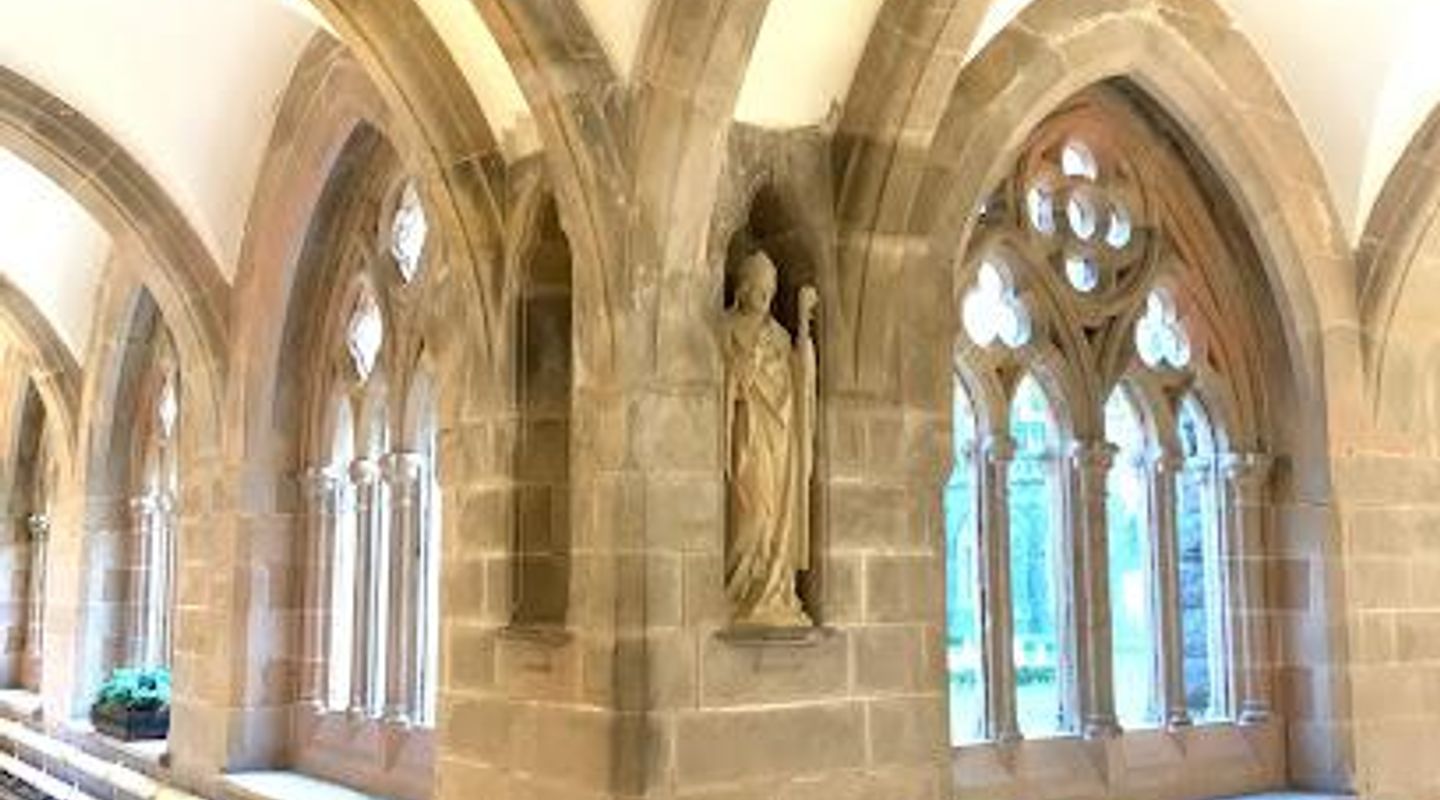
Fort Augustus Abbey, located in the scenic village of Fort Augustus on Loch Ness's southern tip, is a striking 19th-century Benedictine monastery. Founded in 1876 on the site of a former military fort, the abbey served as a religious community and a boys' school until the late 20th century. Today, its impressive Victorian architecture, cloisters, stained glass windows, and gardens remain a testament to its rich history, blending military heritage with monastic tradition.
A brief summary to Fort Augustus Abbey
- Fort Augustus, PH32 4BJ, GB
- Duration: 1 to 2.5 hours
- Mid ranged
-
 Outdoor
- Mobile reception: 4 out of 5

Know before you go
Hi, I'm Eve. Here are a few practical things to know before exploring Fort Augustus Abbey.
- Visit during daylight to fully appreciate the abbey’s architecture and surrounding gardens.
- Combine your visit with a boat cruise on Loch Ness for a scenic Highland experience.
- Explore the nearby Caledonian Canal locks and heritage centre to learn more about local history.
- Wear comfortable shoes for walking the village and canal paths around the abbey.
Do you manage this location?
Take control to get all the benefits, like improved information, better appearance, and stronger visibility across AI-powered discovery. Learn more about listing your business on Evendo
Activate your presenceOther nearby places you may find interesting
The closest places of the same kind, if this one is not quite what you had in mind.

Explore Fort Augustus Abbey on the Map
A handpicked selection of must-see spots near Fort Augustus Abbey, mapped for you.
Unlock the Best of Fort Augustus Abbey
Buy tickets
-
No tickets available
Book tours with entry


Getting There
-
Bus
Regular bus services connect Fort Augustus with Inverness and Fort William, with journey times ranging from 1.5 to 2 hours. Buses stop near the village center, a short walk from the abbey. Tickets cost approximately £10-£15 one way.
-
Car
Driving to Fort Augustus from Inverness or Fort William takes about 1 to 1.5 hours via the A82. Parking is available in the village but can be limited during peak season. No parking directly at the abbey as it is now private residences.
-
Boat
Loch Ness cruises depart from Fort Augustus pier, offering scenic access to the village. Cruises operate seasonally from spring to autumn, with prices around £13 per adult. This option combines sightseeing with arrival.
-
Walking
The Great Glen Way passes through Fort Augustus, making the abbey accessible on foot for hikers. The terrain is moderate, suitable for most walkers with good footwear. Walking times vary depending on starting point.
For the on-the-go comforts that matter to you
-
 Restrooms
-
 Drink Options
-
 Food Options
-
 Seating Areas
-
 Information Boards
Discover more about Fort Augustus Abbey
From Military Fort to Monastic Heritage
Fort Augustus Abbey stands on the historic grounds of a former 18th-century fort built in 1729 by General Wade to suppress Jacobite uprisings. Named after Prince William Augustus, Duke of Cumberland, the fort played a key role in controlling the Highlands after the 1745 rebellion. Although much of the original fort was dismantled, parts were incorporated into the abbey's construction, linking military history with religious heritage. The site was gifted by Simon Fraser, 13th Lord Lovat, to the Benedictine Fathers in 1876, marking the beginning of its transformation into a spiritual and educational center.Architectural Grandeur and Monastic Life
Designed by Peter Paul Pugin, son of the famed architect Augustus Welby Pugin, the abbey was completed by 1880. The buildings form a quadrangle about one hundred feet square, featuring Gothic windows, cloisters, and a grand staircase. The interiors include richly carved woodwork, stained glass, and a chapter house with tiled floors. The abbey was elevated to an independent abbey in 1882, directly subject to the Holy See. Monks lived, prayed, and taught here, running a prestigious school for boys from wealthy families until its closure in 1993 due to declining enrollment.A Center of Learning and Spirituality
The abbey school was renowned for its academic excellence and monastic discipline, attracting students from across Scotland and beyond. The monks combined religious duties with education, fostering a unique community atmosphere. After the school closed, the monks attempted to sustain the abbey through a heritage exhibition and tourism-related ventures, but these efforts were insufficient to maintain the large Victorian complex. The monastic community left the site in 1998, ending over a century of religious presence.Modern Legacy and Visitor Experience
Today, Fort Augustus Abbey has been converted into private apartments, preserving much of its architectural splendor. Visitors to Fort Augustus can admire the abbey's exterior and grounds, including its cloisters, towers, gargoyles, and lochside gardens. The abbey remains a dominant feature of the village skyline, embodying the layered history of Fort Augustus—from military stronghold to spiritual sanctuary. Its location by the Caledonian Canal and Loch Ness adds to its scenic and cultural significance.The Abbey in the Heart of Fort Augustus
The abbey's presence is integral to the character of Fort Augustus, a village known for its canal locks, boat trips on Loch Ness, and rich Highland heritage. The abbey's history intertwines with that of the village, reflecting centuries of social, military, and religious change. Nearby attractions include the Caledonian Canal Heritage Centre and panoramic viewpoints over Loch Ness, making the abbey a key landmark for visitors exploring the Great Glen and Scottish Highlands.Preserving a Scottish Treasure
As a Grade A listed building, Fort Augustus Abbey is recognized for its national importance. Its preservation as a heritage site and residential complex ensures that the legacy of the Benedictine monks and the site's military past continue to inspire. The abbey's architecture and gardens offer a glimpse into Scotland's religious and cultural history, inviting reflection on the passage of time and the enduring spirit of the Highlands.












Your all‑in‑one travel companion app
Explore expert travel guides, compare and book tours, experiences, hotels, and more—all from the palm of your hand. Download now for seamless trip planning wherever your wanderlust takes you.


Explore More of Scotland
Looking beyond Fort Augustus Abbey? Discover Scotland for broader travel guides, local hot-spots, and regional highlights.
Explore Scotland
Historic 17th-century Highland castle ruins perched on Raven’s Rock overlooking Loch Oich, steeped in clan legacy and Jacobite history.
Step into 17th-century Highland life in a recreated turf house, where a costumed clansman brings Scotland’s past vividly to life with stories, kilts and ancient weapons.
