
Invergarry Castle: Ruined Highland Fortress of Clan MacDonell
Historic 17th-century Highland castle ruins perched on Raven’s Rock overlooking Loch Oich, steeped in clan legacy and Jacobite history.
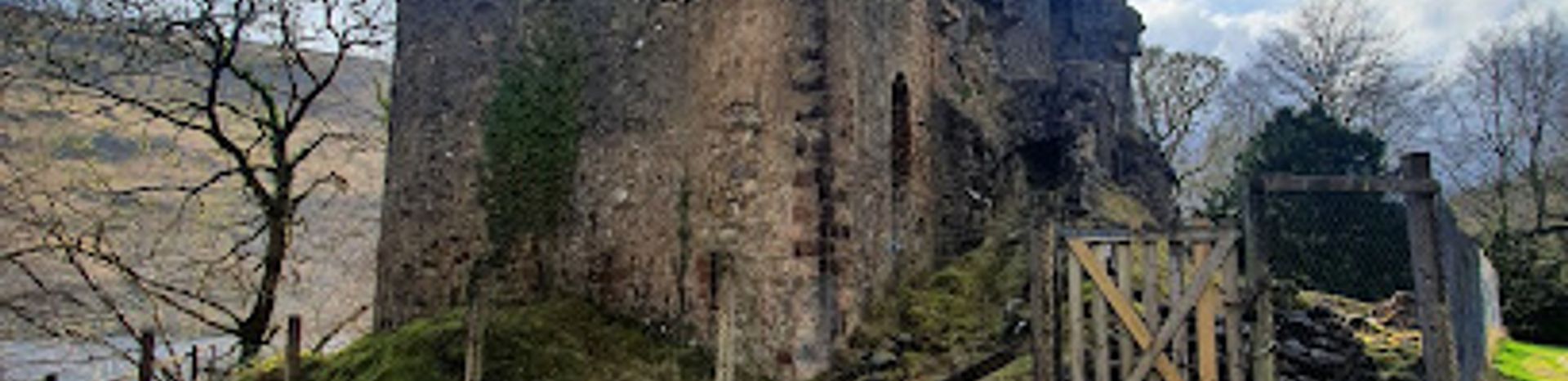
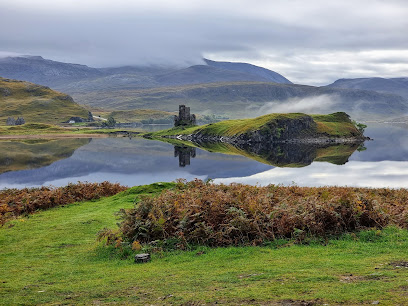
Invergarry Castle, perched on the rocky promontory known as Raven's Rock overlooking Loch Oich in the Scottish Highlands, is a striking 17th-century L-plan tower house ruin. Once the seat of the powerful Clan MacDonell of Glengarry, it played a pivotal role in Scotland’s turbulent clan warfare and Jacobite uprisings. Though partially destroyed and unsafe to enter, the castle’s evocative ruins and scenic setting offer a glimpse into Scotland’s dramatic history.
A brief summary to Invergarry Castle
- Invergarry, GB
- Duration: 0.5 to 1.5 hours
- Free
-
 Outdoor
- Mobile reception: 4 out of 5
- Monday 12 am-12 am
- Tuesday 12 am-12 am
- Wednesday 12 am-12 am
- Thursday 12 am-12 am
- Friday 12 am-12 am
- Saturday 12 am-12 am
- Sunday 12 am-12 am
Local tips
- Wear sturdy footwear as the castle grounds can be uneven and slippery, especially near the loch shore.
- Visit early in the day or late afternoon for softer light ideal for photography of the ruins and surrounding scenery.
- Combine your visit with a stay or meal at the nearby Glengarry Castle Hotel, which offers historical information about the castle.
- Bring binoculars for birdwatching along Loch Oich, as the area is rich in Highland wildlife.

For the on-the-go comforts that matter to you
- Restrooms
- Drink Options
- Food Options
- Seating Areas
- Information Boards
Getting There
-
Car
Driving from Fort William to Invergarry Castle takes approximately 30 to 40 minutes via the A82. Parking is available near the Glengarry Castle Hotel, but spaces are limited and can fill quickly during peak season. No parking fees apply.
-
Bus
Local bus services run from Fort William to Invergarry village, taking about 45 to 60 minutes. From the village, the castle is a short taxi ride or a 20-minute walk along minor roads. Bus frequency is limited, especially on weekends.
-
Walking
For active travelers, walking from Invergarry village to the castle is possible in around 20 minutes over mostly flat terrain. The path is unpaved in places and may be muddy after rain, so suitable footwear is recommended.
Invergarry Castle location weather suitability
-
 Any Weather
-
 Rain / Wet Weather
-
 Clear Skies
-
 Windy Conditions
-
 Mild Temperatures
Discover more about Invergarry Castle
Strategic Highland Stronghold on Raven's Rock
Invergarry Castle stands on Creagan an Fhithich, or Raven's Rock, a commanding rocky outcrop overlooking Loch Oich in the Great Glen. This strategic position was vital during Scotland's era of clan warfare, offering natural defense and control over the surrounding waterways. The castle’s location allowed the MacDonell clan to monitor and defend their territory effectively, anchoring their presence in the Highlands.Clan MacDonell Legacy and Architectural Features
The castle was built in the early 17th century by the MacDonells of Glengarry, a powerful branch of the Clan Donald. Constructed after raids by the rival Clan Mackenzie in 1602, the castle was designed as a six-story L-plan tower house with a five-story main block and a six-story round stair tower. While it featured decorative bartizans—overhanging turrets—the fortress was more a stately home than a purely defensive stronghold. Its thick stone walls still bear marks of conflict, including shotholes from the English Civil War.Turmoil and Destruction Through Centuries
Invergarry Castle experienced repeated sieges and destruction. Cromwell’s forces burned it down in 1654 during the English Civil War, but it was rebuilt shortly after. The castle became a Jacobite bastion during the 18th century uprisings, famously sheltering Bonnie Prince Charlie after the failed 1745 rebellion. Following the Battle of Culloden in 1746, government troops led by the Duke of Cumberland partially destroyed the castle in a campaign to suppress Highland resistance. Despite this, the sturdy walls endured, but the castle was never fully restored and was eventually abandoned in favor of a nearby Invergarry House.Present-Day Ruins and Scenic Surroundings
Today, Invergarry Castle remains a romantic ruin fenced off for safety, with visitors able to admire its imposing silhouette from the grounds of the adjacent Glengarry Castle Hotel. The castle’s dramatic setting on Loch Oich’s shore offers spectacular views and a palpable sense of history. Nearby, the Glengarry estate provides walking trails through native forests and along the Great Glen Way, enriching the visitor experience with natural beauty.Historical Significance and Cultural Heritage
The castle’s history is deeply intertwined with Scotland’s clan conflicts and Jacobite rebellions, symbolizing the resilience and turbulent past of the Highlands. It stands as a testament to the MacDonell clan’s influence and the wider struggles that shaped Scottish history. The site also connects to local legends and the broader cultural heritage of the region, making it a meaningful destination for history enthusiasts.Visiting Invergarry Castle Today
While the interior is unsafe and access inside the ruins is prohibited, the castle’s exterior and surrounding landscape are freely accessible. Informational displays at the nearby Glengarry Castle Hotel provide historical context. The castle is best visited with a sense of reflection on its storied past, complemented by the tranquil and scenic Highland environment that envelops it.Iconic landmarks you can’t miss

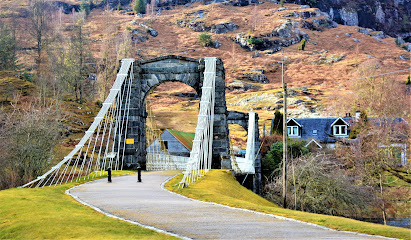
Bridge of Oich
3.8 km
Victorian engineering marvel: a rare surviving taper-principle suspension bridge from 1854.
Fort Augustus Lighthouse
11.0 km
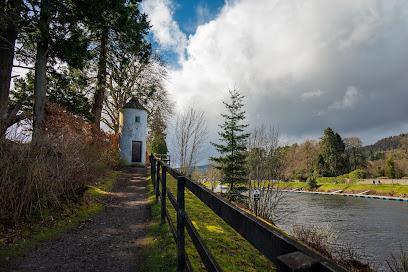
Discover the charming Pepperpot Lighthouse, a tiny historic beacon marking the entrance to the Caledonian Canal at Loch Ness in the heart of the Scottish Highlands.
Official end of the West Highland Way
34.3 km
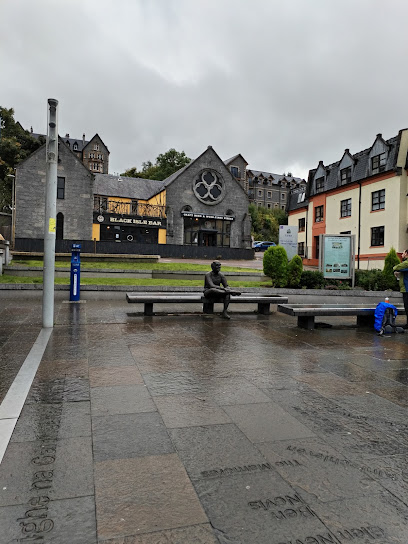
Celebrate the end of Scotland’s iconic West Highland Way in Fort William, where rugged mountains meet vibrant Highland culture.
Centre of Scotland Stone
36.8 km
Discover the symbolic heart of mainland Scotland marked by a majestic stone set amidst the tranquil Highlands near Newtonmore.
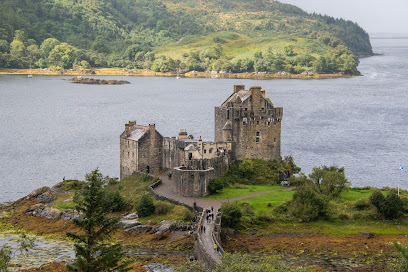
Eilean Donan Castle
50.0 km
Discover Scotland’s most iconic castle set on a tranquil island where history, nature, and legend converge in breathtaking Highland scenery.
Drumdevan Country House, Inverness
52.9 km
Historic Victorian charm meets tranquil Highland surroundings just minutes from Inverness and Loch Ness.
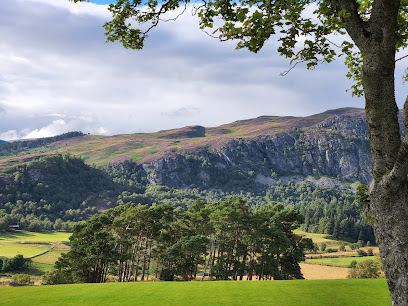
Highland Scenery
54.3 km
Discover the mesmerizing landscapes of Highland Scenery, a photographer’s dream in the heart of the Scottish Highlands.
Lochardil House
54.4 km
Historic charm meets peaceful gardens and warm hospitality in this cozy Inverness retreat with excellent dining and modern comforts.
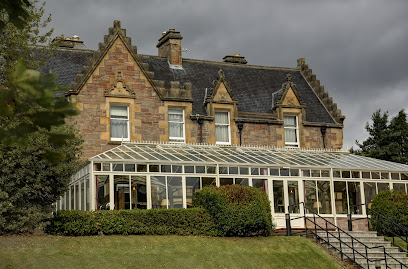
Inverness Botanic Gardens
54.9 km
Discover the enchanting beauty of Inverness Botanic Gardens, a vibrant sanctuary filled with exotic plants and tranquil landscapes in the heart of the Highlands.
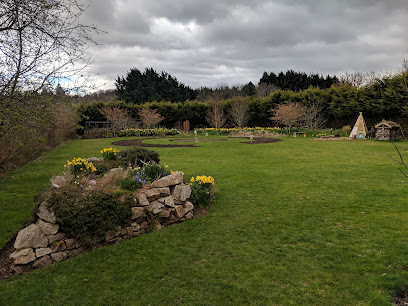
Craig Phadrig
55.1 km
Discover the historic charm and natural beauty of Craig Phadrig, a stunning national forest and landmark near Inverness, Scotland.
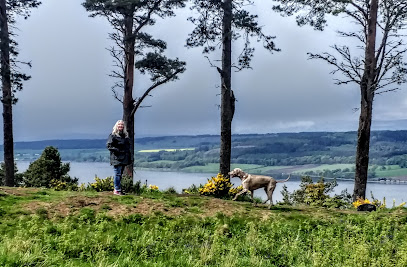
Circle of Wise
55.3 km
Discover the Circle of Wise, a stunning tourist attraction on Great Glen Way, blending natural beauty with vibrant cultural events in Inverness.
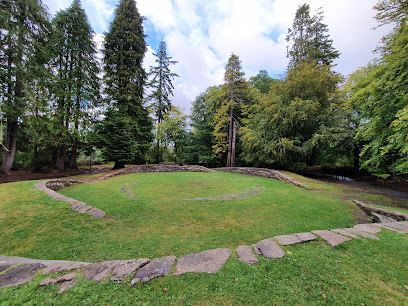
Ness Islands
55.4 km
Experience the natural beauty of Ness Islands in Inverness, Scotland, a tranquil retreat with picturesque paths, vibrant wildlife, and stunning river views.
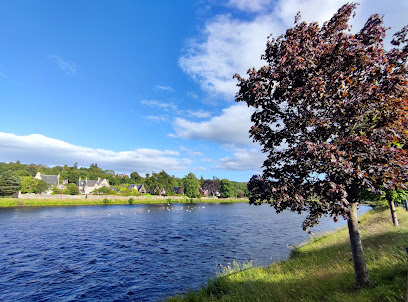
Torrish at Ness Walk
55.8 km
Experience the essence of Scottish cuisine at Torrish at Ness Walk, where fine dining meets breathtaking views of the River Ness.
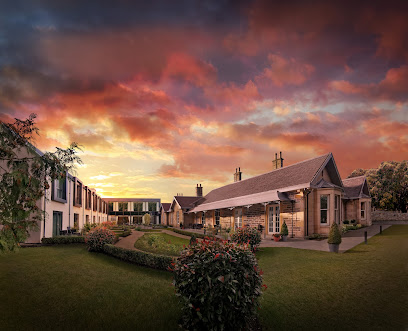
Ness Walk Hotel - 5 Star Luxury Inverness Hotel
55.8 km
Elegant 5-star luxury on the River Ness, blending historic charm with modern comfort and acclaimed Highland dining.

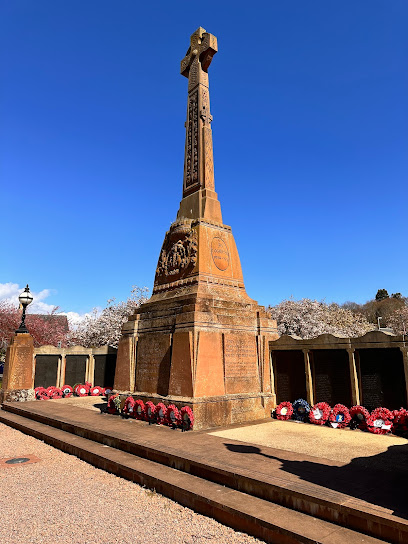
Great War Memorial
56.0 km
A solemn red sandstone Celtic cross on the banks of the River Ness, honouring Inverness’s fallen from the World Wars and later conflicts.
Unmissable attractions to see

The Well of Seven Heads
1.8 km
A haunting Highland monument marking a brutal 17th-century clan feud where seven severed heads were washed in a sacred well.
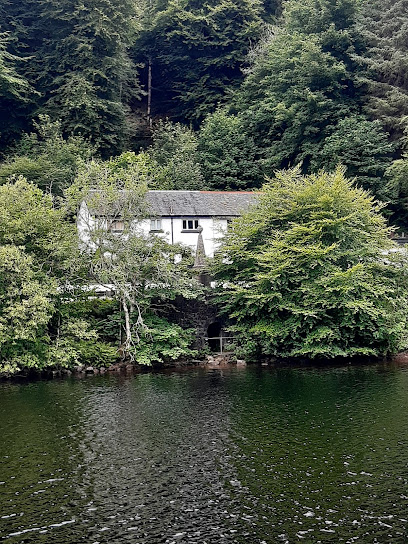
Kytra Lock, Scottish Canals
7.3 km
Discover the serene beauty and historic charm of Kytra Lock, a peaceful Highland gem on the iconic Caledonian Canal.
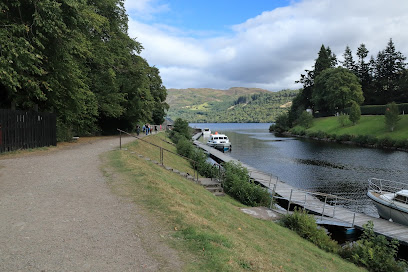
General Wade's Military Rd
8.1 km
Historic 18th-century military road network crossing the Scottish Highlands, linking forts and shaping Scotland’s landscape and history.
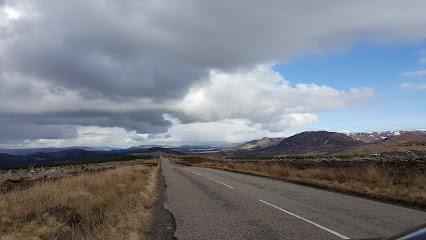
Loch Ness South shore
10.4 km
Discover the tranquil beauty and mysterious allure of Loch Ness’s South Shore, framed by Highland hills and historic waterways.
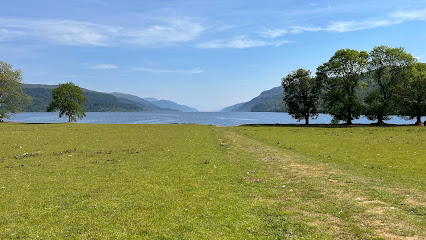
Highland Hideout
10.5 km
Historic luxury apartments on Loch Ness’s southern shore, blending Gothic heritage with modern leisure and stunning Highland scenery.
Fort Augustus
10.7 km
Charming Highland village at Loch Ness’s southern tip, famed for its historic canal locks, stunning scenery, and rich cultural heritage.
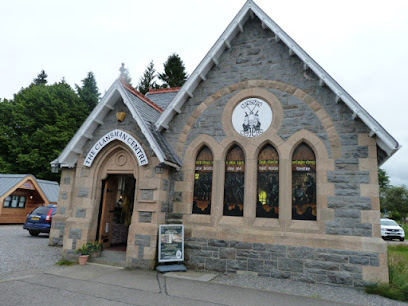
The Clansman Centre
10.7 km
Step into 17th-century Highland life in a recreated turf house, where a costumed clansman brings Scotland’s past vividly to life with stories, kilts and ancient weapons.
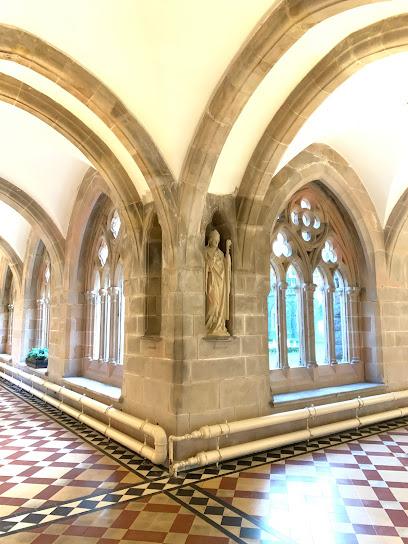
Fort Augustus Abbey
10.9 km
Historic Benedictine abbey on Loch Ness’s southern tip, blending military heritage and monastic tradition in stunning Victorian architecture.
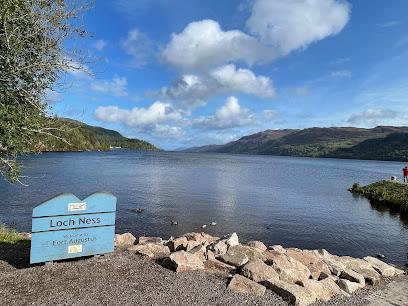
Loch Ness View Point Fort Augustus
11.0 km
Discover stunning panoramic views of Loch Ness and the Scottish Highlands from Fort Augustus’ serene and iconic viewpoint.
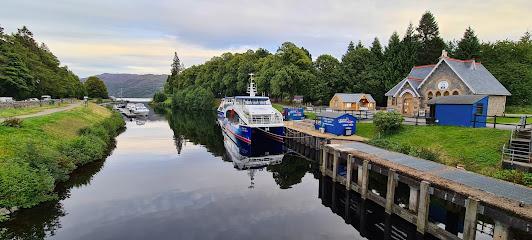
Caledonian Canal
12.4 km
Explore the historic Caledonian Canal, a 60-mile engineering masterpiece weaving through Scotland’s Great Glen and iconic lochs.
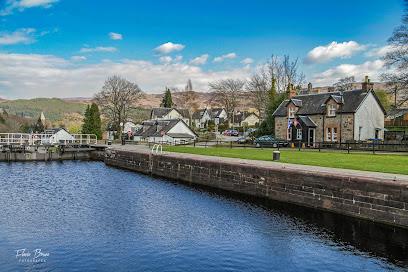
Allt na Criche
12.6 km
A tranquil woodland walk with waterfalls and spectacular panoramic views over Loch Ness and Fort Augustus.
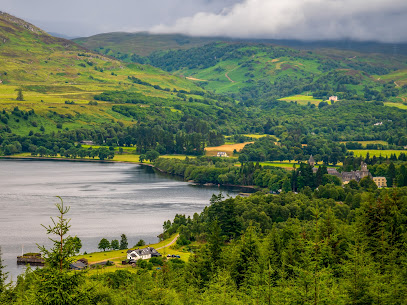
Dundreggan Rewilding Centre
14.1 km
Explore Scotland’s first rewilding centre, where ancient forests, Gaelic heritage, and wildlife restoration create a unique Highland experience.
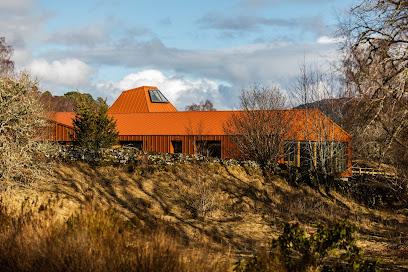
Glen Roy National Nature Reserve
15.4 km
Discover Scotland’s Ice Age secrets and stunning wildlife at Glen Roy National Nature Reserve, home of the famous Parallel Roads.
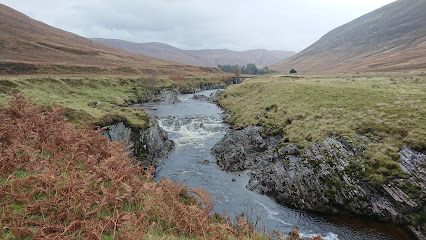
Suidhe Viewpoint
16.7 km
Discover breathtaking 360-degree Highland panoramas over Loch Ness from Suidhe Viewpoint, a must-see scenic gem near Fort Augustus.
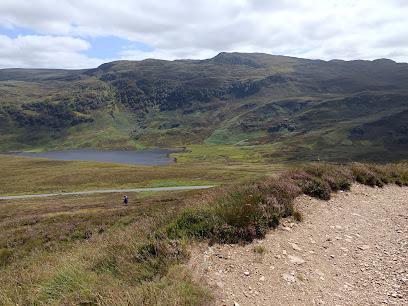
Eas Chia-Aig Waterfalls
18.1 km
Discover the captivating twin cascades of Eas Chia-Aig, a serene Highland waterfall with a mystical plunge pool and scenic views near Spean Bridge.
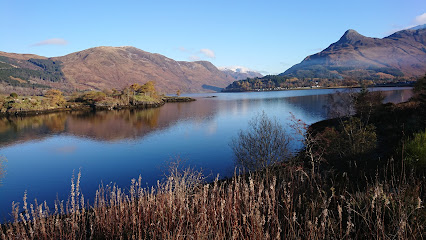
Essential places to dine

Emily's Byre
2.4 km
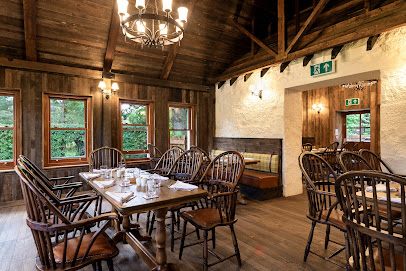
A cozy Highland restaurant blending authentic Northern Frontier Indian cuisine with traditional Scottish flavors in a charming rustic setting.
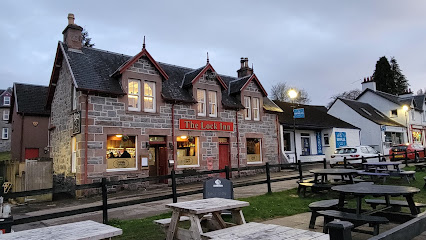
The Lock Inn
10.6 km
Cozy canalside pub with original features, hearty fare, and scenic views in the heart of Fort Augustus, Scotland.
The Moorings Restaurant
10.8 km
Casual canal-side dining with hearty Scottish and Turkish-inspired dishes, generous portions, and friendly service in the heart of Fort Augustus.
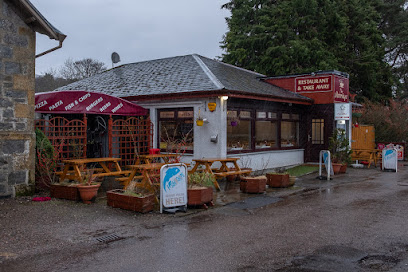
The Boathouse Restaurant
11.0 km
Dine over the waters of Loch Ness with panoramic views and a menu blending Scottish classics and Mediterranean flavors.
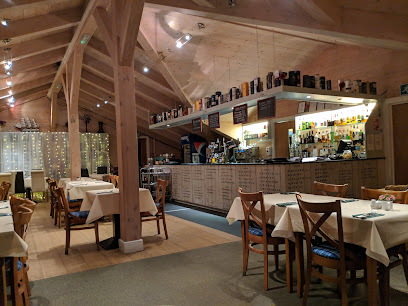
The Lochside Brasserie
11.5 km
Eclectic Scottish and international cuisine served waterfront on Loch Lochy with stunning views and warm Highland hospitality.
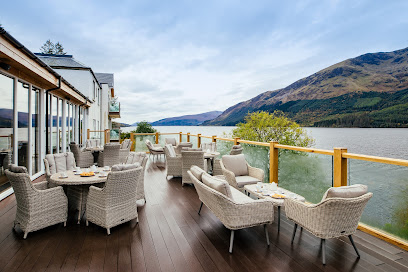
Spean Bridge Mill Restaurant
21.1 km
Cozy Highland eatery offering traditional Scottish fare and homemade treats in the heart of Spean Bridge village.
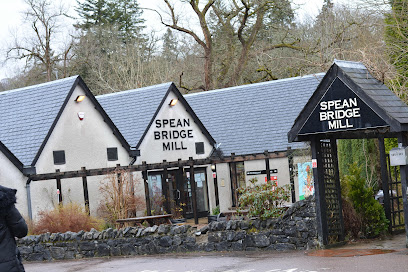
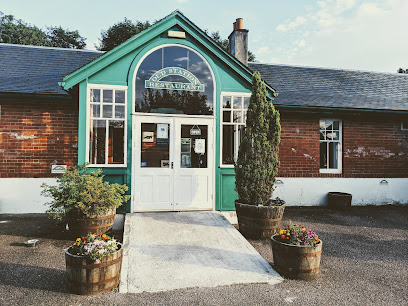
Old Station Restaurant
21.3 km
Historic Victorian railway charm meets hearty Scottish fare and real ales in the heart of Spean Bridge.
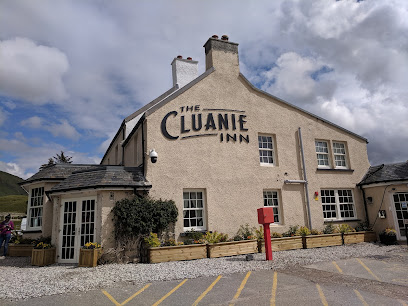
Cluanie Bar & Kitchen
26.2 km
Savor hearty mountain-inspired dishes and vintage cocktails in a lively Highland inn surrounded by stunning Glenmoriston scenery.
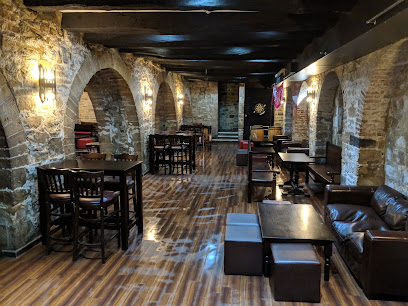
Nevis Range Restaurant
28.0 km
Experience authentic Scottish flavors and stunning Highland views at Nevis Range Restaurant near Spean Bridge.
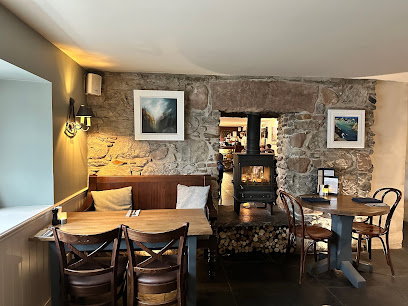
The Lewiston
34.5 km
Experience warm Highland hospitality and hearty Scottish cuisine near the legendary Loch Ness at The Lewiston.
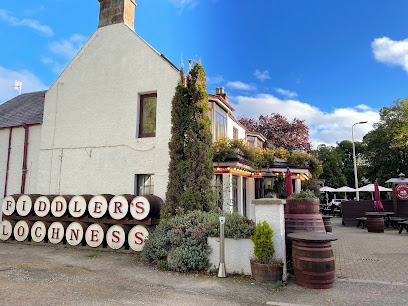
Fiddlers Highland Restaurant
35.1 km
Cozy Highland dining with authentic Scottish flavors and an award-winning whisky selection in the heart of Loch Ness country.
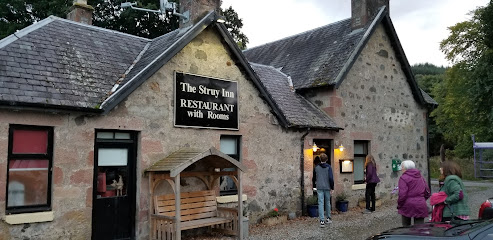
The Struy Inn (Casa Mia)
40.2 km
A cozy 19th-century Highland inn offering intimate dining with Scottish-Argentinian fusion cuisine and a welcoming bar by the wood stove.
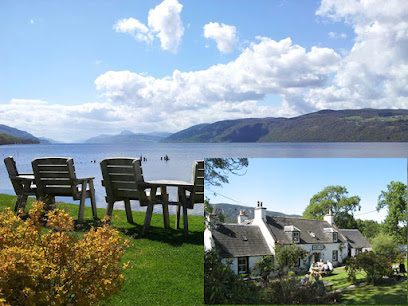
The Dores Inn
44.3 km
A welcoming Highland pub with stunning Loch Ness views, hearty fare, and a relaxed atmosphere perfect for soaking in Scotland’s natural beauty.
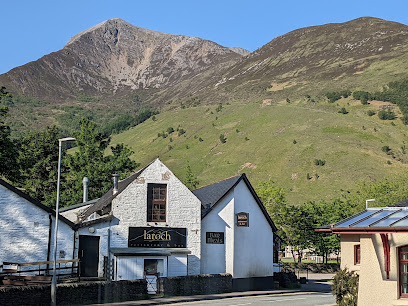
The Laroch Restaurant and Bar
48.1 km
Cozy Highland dining with hearty portions and tender meats in the welcoming village of Ballachulish.
Downright Gabbler
50.2 km
Experience authentic Highland hospitality with exceptional food, immersive storytelling, and cozy apartments in the heart of Beauly.
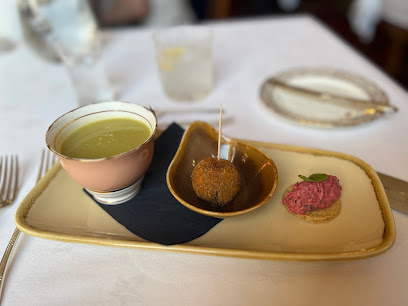
Markets, malls and hidden boutiques

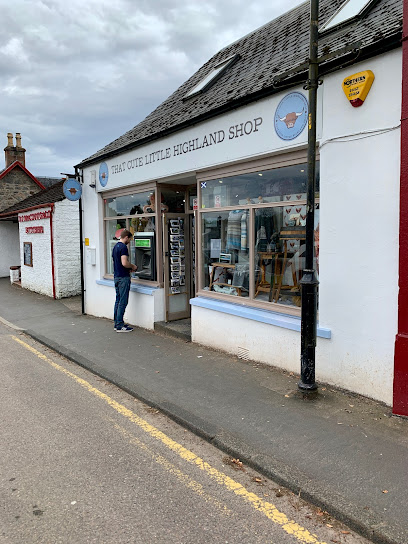
That Cute Little Highland Shop
10.6 km
A charming canal-side gift shop in Fort Augustus offering unique Scottish crafts and contemporary Highland designs.
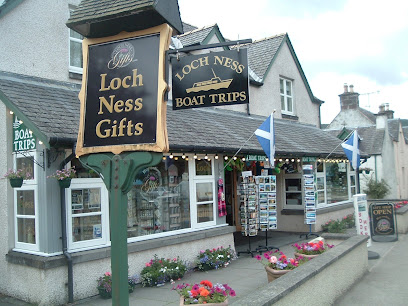
Loch Ness Gifts
35.0 km
Discover authentic Scottish treasures and Nessie-themed gifts in the heart of Drumnadrochit, near the legendary Loch Ness.
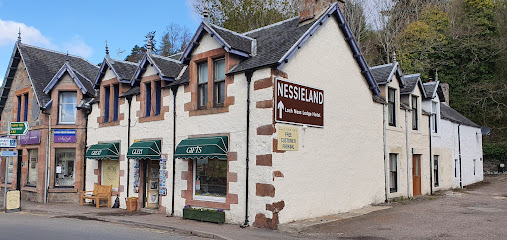
Great Glen Gifts
35.2 km
Discover authentic Highland crafts and Nessie souvenirs at Great Glen Gifts, your charming family-run shop in the heart of Loch Ness country.
The Hairy Coo Shop
38.4 km
Discover authentic Scottish charm and unique Highland gifts at The Hairy Coo Shop, a cozy Newtonmore treasure with warm welcomes and fresh sandwiches.
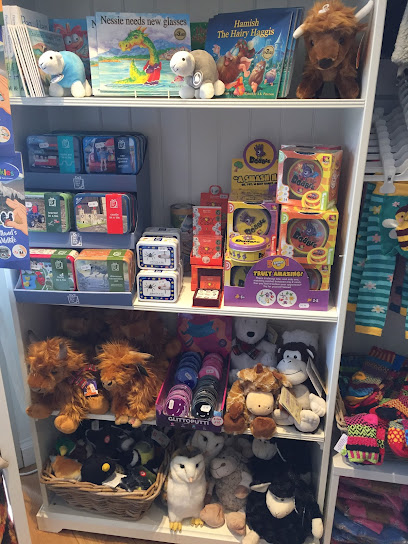
Loch Ness Nessie Shop
40.6 km
Discover authentic Scottish gifts and Nessie souvenirs in a friendly, family-run shop near Loch Ness in Inverness.
Ness Gifts
44.4 km
Discover authentic Scottish crafts and souvenirs at Ness Gifts, a charming boutique in Dores near Loch Ness.
James Pringle Weavers
54.3 km
Discover authentic Scottish weaving heritage and quality textiles at James Pringle Weavers in the historic Holm Woollen Mills, Inverness.
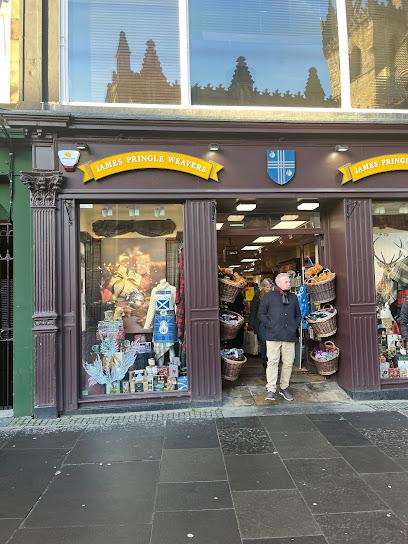
Dalneigh Stores
55.5 km
Explore Inverness with ease! Dalneigh Stores is your go-to convenience shop for essentials and local delights, open daily from early morning to night.
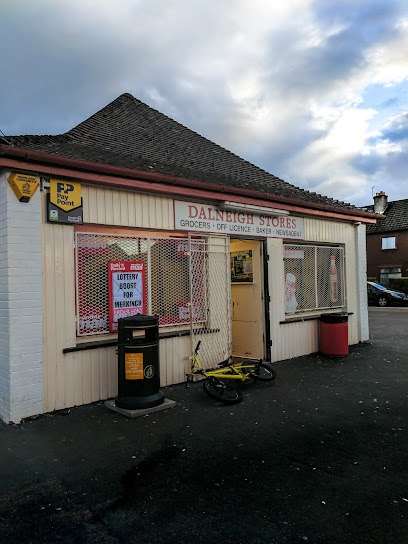
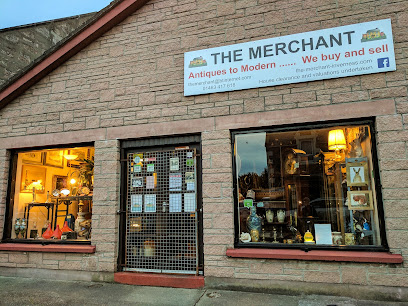
The Merchant
56.4 km
Discover Inverness’s hidden antique gem blending vintage treasures with modern charm on Greig Street.
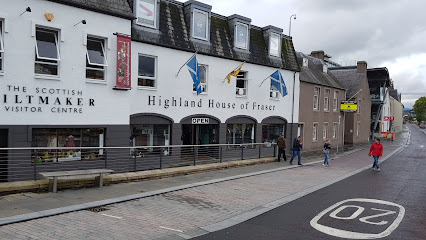
Highland House of Fraser
56.5 km
Discover authentic Scottish Highland dress and witness traditional kilt making at Highland House of Fraser in Inverness, a family-run heritage landmark.
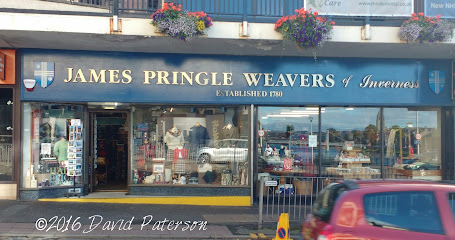
James Pringle Weavers of Inverness
56.6 km
Discover authentic Scottish woollens and heritage craftsmanship at James Pringle Weavers in the heart of Inverness.
Rouge Boutiques
56.6 km
Discover personalized style and expert fittings at Rouge Boutiques, Inverness’ destination for elegant womenswear and exceptional service.
The Whisky Shop
56.6 km
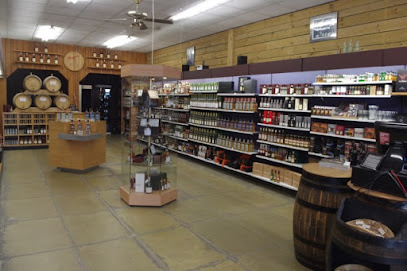
Discover Scotland’s finest whiskies and expert tastings in the heart of Inverness at The Whisky Shop.
Judith Glue
56.6 km
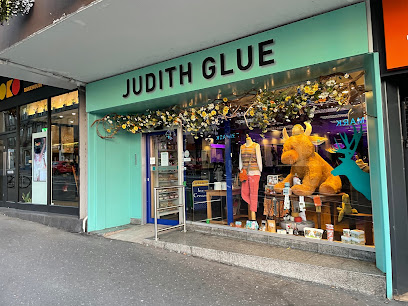
Discover authentic Orkney knitwear and Scottish gifts in a charming Inverness boutique blending heritage and style near the River Ness.
GLENEAGLES OF SCOTLAND
56.6 km
A refined Scottish clothing shop in Inverness, specialising in premium knitwear and country-style fashion with a Highland soul.
Essential bars & hidden hideouts

Bar
35.7 km
Experience authentic Highland hospitality in Dalwhinnie’s cozy and traditional bar, a welcoming retreat amidst Scotland’s scenic beauty.
Bothy Bar
40.5 km
A cozy Highland retreat offering traditional Scottish fare, warm hospitality, and stunning views in the heart of Kinlochleven.
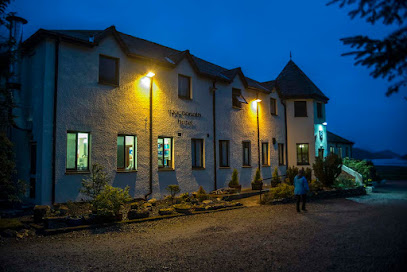
SUIE BAR
51.6 km
Experience authentic Highland hospitality with local ales, whiskies, and live music in the historic heart of Kincraig.
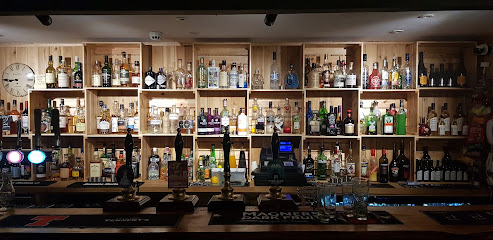
Three Witches
54.5 km
Family-friendly pub in Inverness offering a warm welcome, great carvery, vegan options, and dog-friendly spaces with a lively, casual atmosphere.
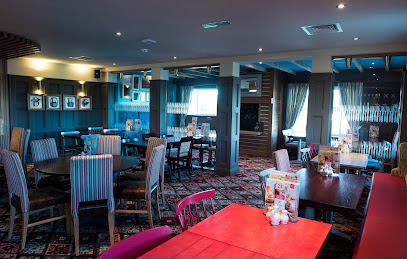
Dows Bar
56.0 km
A welcoming gastropub in Inverness blending local flavors, craft beers, and lively sports in a family-friendly setting.
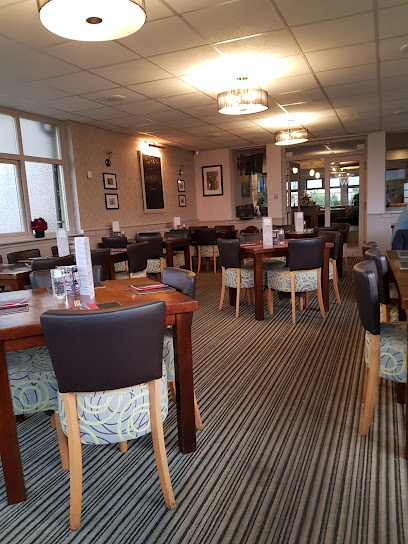
The Piano and Whisky Bar Inverness
56.2 km
Discover Inverness’s premier whisky and piano bar, blending riverside elegance with live music and an extensive malt whisky collection.
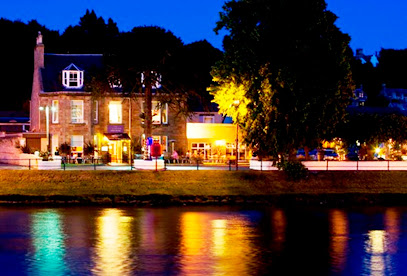
The Wee Bar
56.5 km
A cosy Inverness cocktail bar above Ness Walk, famed for masterful drinks, Highland hospitality, and a warm, intimate vibe.
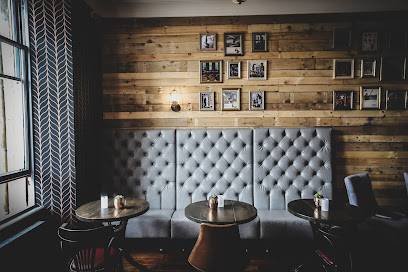
Glenalbyn Bar
56.5 km
Experience authentic Scottish hospitality with fine whiskies, live music, and a cozy atmosphere at Glenalbyn Bar in Inverness.
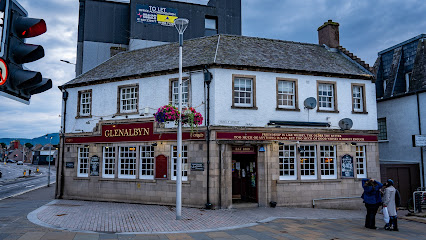
Rockvilla Hotel, Rooms, Restaurant & Bar - Lochcarron - NC500 Route
56.5 km
Charming Highland guest house with stunning loch views, excellent local cuisine, and warm hospitality on the NC500 route.
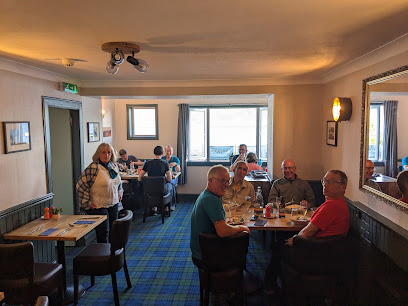
Clachnaharry Inn
56.5 km
Experience authentic Highland hospitality, fine whiskies, and stunning Beauly Firth views at the welcoming Clachnaharry Inn.
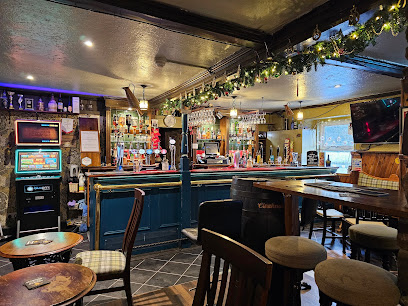
Gellions Bar
56.7 km
Inverness’s oldest pub, Gellions Bar, pulses with nightly live Scottish music and a legendary selection of local whiskys and craft beers.
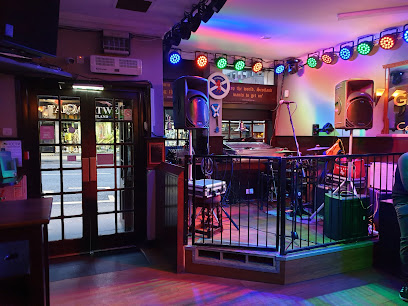
Revolution Inverness
56.7 km
Trendy city-centre bar and restaurant in Inverness known for lively vibes, cocktails, and comfort food favorites.
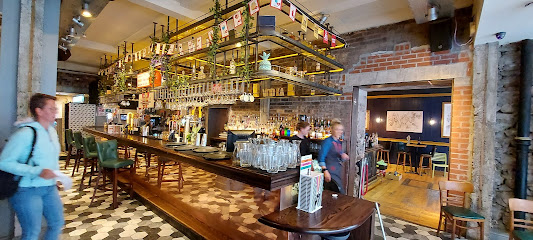
The Botanic House
56.7 km
A vibrant live music venue and cocktail bar in Inverness, blending energetic performances with a welcoming atmosphere.
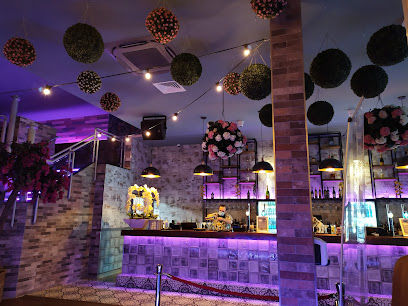
Lauders
56.7 km
Experience the vibrant spirit of Inverness at Lauders Bar, where tradition meets lively nightlife and warm Scottish hospitality.
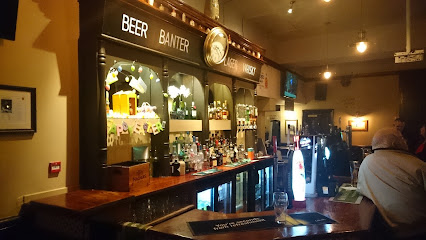
Caledonian
56.7 km
A lively and affordable Scottish pub on Inverness High Street, perfect for classic pub fare and spirited local atmosphere.
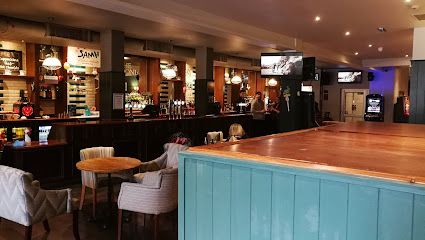
Nightclubs & after hour spots

Roobarb
34.4 km
Experience Fort William’s vibrant nightlife at Roobarb, the welcoming nightclub where music and dancing light up weekend nights.
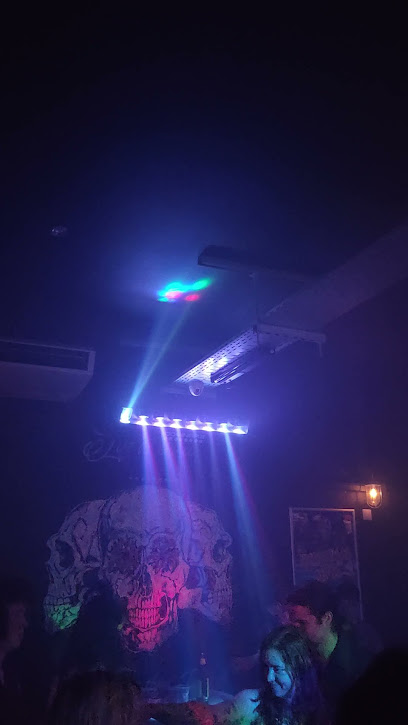
Private Eyes Inverness
56.9 km
Experience Inverness’s vibrant nightlife at Private Eyes, where stylish decor meets great music and a welcoming party atmosphere.
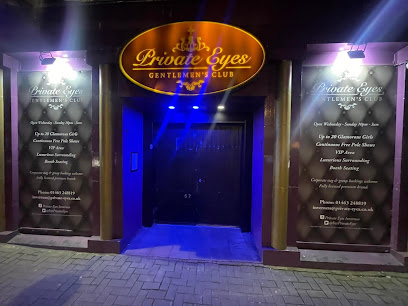
The Vault
59.1 km
Experience Aviemore’s vibrant nightlife at The Vault, a lively nightclub blending modern beats with Highland charm every weekend.
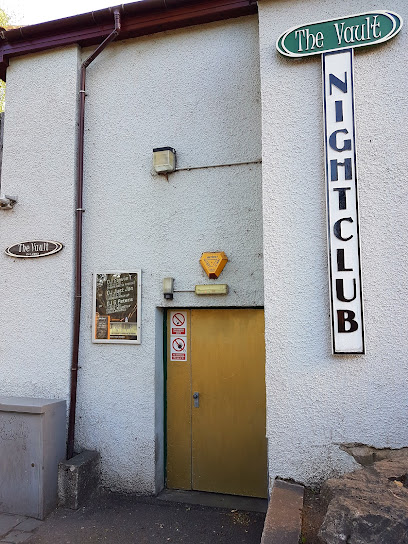
Bar Am Praban
62.2 km
Experience authentic Scottish cuisine and warm hospitality at Bar Am Praban, a premier bar and restaurant on the scenic Isle of Skye.
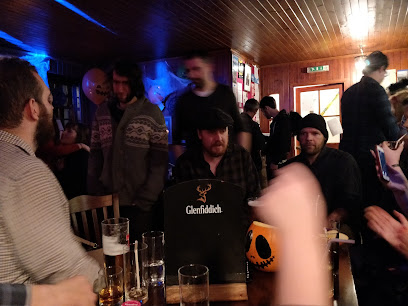
The Ross Shire Club
62.6 km
Experience Dingwall’s vibrant nightlife with a welcoming vibe, BYOB policy, and lively social scene at The Ross Shire Club.
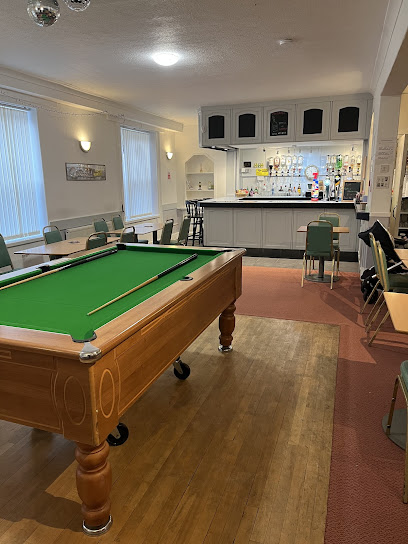
The Pine Marten Bar
66.4 km
Experience the warmth of Scottish hospitality at The Pine Marten Bar, where delicious food and breathtaking views combine for an unforgettable visit.
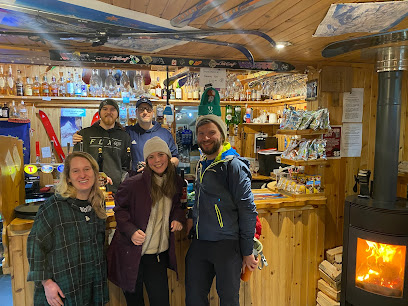
Macnamara & Bothin Bar
68.1 km
Experience the warmth of Scottish hospitality at Macnamara & Bothin Bar, the perfect retreat amidst the breathtaking beauty of the Isle of Skye.
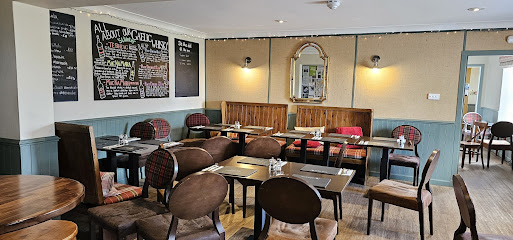
Gabbro Bar
71.0 km
Experience the cozy charm of Gabbro Bar in Broadford, Isle of Skye, with a delightful selection of drinks in a welcoming atmosphere.
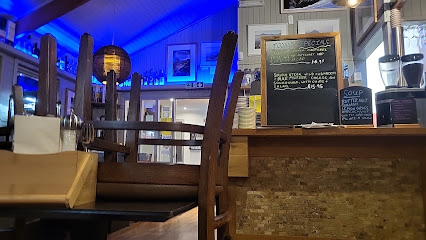
Xplosive Discos
76.9 km
Experience the vibrant nightlife at Xplosive Discos in Nairn, where unforgettable music and karaoke fun await every visitor.
Uncle Bob's Bar
79.4 km
Experience the lively atmosphere of Uncle Bob's Bar in Nairn, a perfect blend of traditional pub charm and sports excitement.
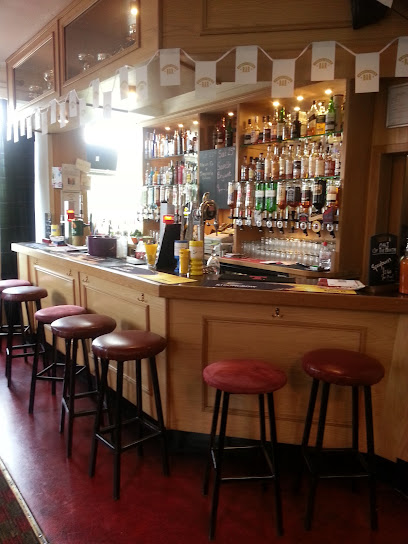
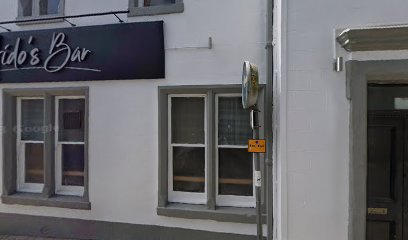
Aido's bar
79.5 km
Discover Aido's Bar in Nairn: A cozy pub with a friendly atmosphere, serving a great selection of local ales and spirits.
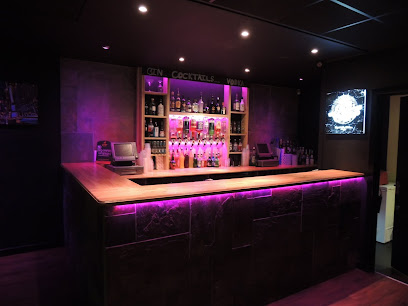
The Play House
79.5 km
Experience the vibrant nightlife at The Play House in Nairn, where great drinks and lively entertainment come together for an unforgettable evening.
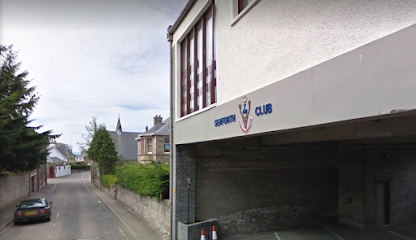
Seaforth Club
79.7 km
Experience Nairn’s vibrant social heart at Seaforth Club, where community spirit meets lively nightlife in a welcoming setting.
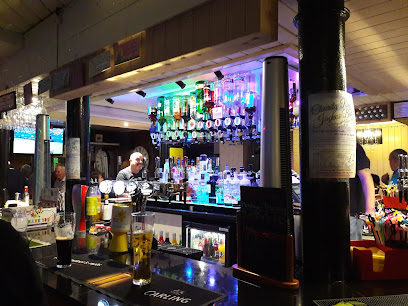
Jackos Bar & Diner
79.9 km
Discover the vibrant atmosphere and delicious grill options at Jackos Bar & Diner in Nairn, perfect for families and sports fans alike.
Bertie's Bar
83.8 km
Experience the charm of Scottish hospitality at Bertie's Bar in Braemar, where exquisite cocktails meet a warm, inviting atmosphere.
For the vibe & atmosphere seeker
- Romantic
- Tranquil
- Scenic
- Unique
For the design and aesthetic lover
- Rustic Designs
- Vintage Styles
For the architecture buff
- Historic
- Landmarks
For the view chaser and sunset hunter
- Iconic Views
- Waterfront
- Sunset Spots
For the social media creator & influencer
- Instagrammable
- Photo Spots
- Selfie Spots
For the eco-conscious traveler
- Low Impact
- Public-Transport Accessible
- Leave-No-Trace Critical
For the kind of experience you’re after
- Cultural Heritage
- Photowalk
- Nature Escape
- Day Trip
- Weekend Getaway
- Myth & Legends
For how adventurous you want the journey to be
- Easy Access
Location Audience
- Family Friendly
- Senior Friendly
- Child Friendly
- Teen Friendly
- Solo Friendly
- Couple Friendly
- Vegetarian Friendly


