
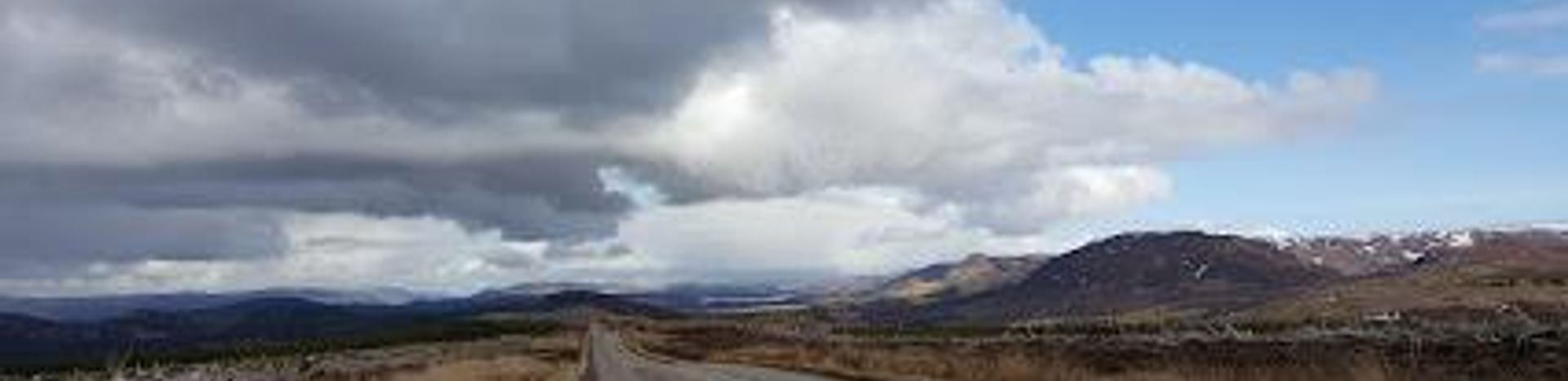
General Wade's Military Road: Scotland's 18th-Century Highland Artery
Historic 18th-century military road network crossing the Scottish Highlands, linking forts and shaping Scotland’s landscape and history.
General Wade's Military Road is part of a historic network of 18th-century roads built across the Scottish Highlands under Major General George Wade. Constructed from 1725 to 1737, this network connected key military forts such as Fort William, Fort Augustus, and Inverness to enable rapid troop movements during the Jacobite uprisings. Today, remnants of these engineered roads offer a glimpse into Scotland’s military past and provide scenic routes through rugged Highland landscapes.
A brief summary to General Wade's Military Rd
- GB
- Duration: 1 to 6 hours
- Free
-
 Outdoor
- Mobile reception: 4 out of 5
Local tips
- Wear sturdy footwear and be prepared for variable weather if exploring on foot, especially through mountain passes.
- Visit historic sites along the route such as Fort Augustus and Ruthven Barracks for deeper historical context.
- Combine your visit with scenic drives or hikes around Loch Ness and the Great Glen for spectacular views.
- Check local conditions and accessibility, as some sections can be remote or physically demanding.

For the on-the-go comforts that matter to you
- Restrooms
- Drink Options
- Food Options
- Seating Areas
- Information Boards
Getting There
-
Train and Bus
Travelers can take a train to Inverness or Fort William, major hubs near the Military Road. From there, local bus services connect to towns such as Fort Augustus. Train travel time from Edinburgh or Glasgow to Inverness ranges from 3.5 to 4.5 hours, with bus journeys around 30 to 60 minutes to nearby access points. Bus frequency varies seasonally, so checking schedules in advance is recommended.
-
Car
Driving is a flexible option to explore General Wade's Military Road and surrounding Highland areas. From Inverness or Fort William, journeys to sections of the road typically take 30 to 90 minutes depending on the exact location. Roads can be narrow and winding; cautious driving is advised, especially in adverse weather. Parking is available at key historic sites but may be limited during peak seasons.
-
Walking and Hiking
For the adventurous, parts of the Military Road are accessible on foot as long-distance walking routes. Terrain ranges from moderate to challenging, especially over mountain passes like the Corrieyairack. Hikes can take several hours or a full day depending on the section. Proper hiking gear and weather preparedness are essential.
General Wade's Military Rd location weather suitability
-
 Any Weather
-
 Rain / Wet Weather
-
 Clear Skies
-
 Windy Conditions
-
 Mild Temperatures
Discover more about General Wade's Military Rd
Origins of a Strategic Highland Network
In the early 18th century, the Scottish Highlands were a region of political unrest, notably following the Jacobite Rebellion of 1715. To establish control and suppress future uprisings, King George I commissioned Major General George Wade in 1724 to assess the situation. Wade’s solution was a pioneering infrastructure project: a series of military roads linking fortified barracks across the Highlands. These roads, constructed between 1725 and 1737, were designed to enable swift movement of government troops through difficult terrain where few adequate routes existed.Engineering Feats in Challenging Terrain
Wade’s roads were remarkable civil engineering achievements for their time. The carriageways were excavated up to a meter deep, layered with compacted stones and gravel to create durable surfaces approximately 16 feet wide. The network included about 250 miles of roads and 40 bridges, connecting strategic points such as Fort William, Fort Augustus, Inverness (Fort George), and Ruthven Barracks near Kingussie. These routes often followed natural passes like the Corrieyairack Pass, which was once Britain’s highest road, and hugged Loch Ness’s eastern shore, slicing through the heart of Jacobite country.Military and Social Impact
While originally built for military purposes, the roads had broader effects. They facilitated government control over the Highlands by enabling rapid troop deployments, helping to quell rebellions such as the 1745 Jacobite Rising. Ironically, some roads were also used by Jacobite forces during their campaigns. Beyond military use, the roads opened the Highlands to trade, travel, and tourism, with inns known as "Kingshouses" established along the routes to support travelers and soldiers alike.Legacy and Modern Relevance
Though many sections fell into disrepair after the military need diminished post-Culloden (1746), parts of Wade’s roads were absorbed into Scotland’s civilian road network. The roads laid the groundwork for future improvements by engineers like Thomas Telford. Today, these historic routes remain accessible for hiking and driving, offering stunning Highland scenery and a tangible connection to Scotland’s turbulent past. Some original bridges and road sections still stand, testament to the durability of Wade’s engineering.General Wade’s Enduring Influence
General Wade’s vision and leadership established the first major road system in Scotland since Roman times, profoundly shaping Highland infrastructure. Though his successor Major William Caulfeild expanded the network extensively, Wade’s name endures as a symbol of this transformative period. The roads not only changed military logistics but also helped integrate the Highlands into the broader economic and cultural fabric of Scotland.Exploring the Military Road Today
Visitors to General Wade’s Military Road can experience a journey through history amid breathtaking landscapes. The route offers varied terrain, from gentle lochside stretches to challenging mountain passes. Along the way, travelers encounter historic barracks, bridges, and inns that evoke the era of 18th-century military engineering and conflict. The road remains a compelling attraction for history enthusiasts, hikers, and those seeking to explore the rugged beauty of the Scottish Highlands.Iconic landmarks you can’t miss

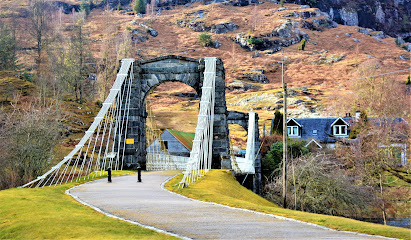
Bridge of Oich
6.7 km
Victorian engineering marvel: a rare surviving taper-principle suspension bridge from 1854.
Fort Augustus Lighthouse
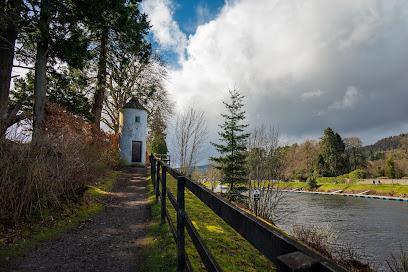
9.1 km
Discover the charming Pepperpot Lighthouse, a tiny historic beacon marking the entrance to the Caledonian Canal at Loch Ness in the heart of the Scottish Highlands.
Centre of Scotland Stone
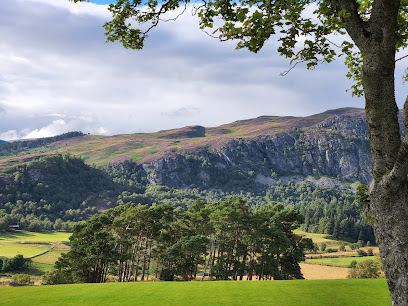
28.8 km
Discover the symbolic heart of mainland Scotland marked by a majestic stone set amidst the tranquil Highlands near Newtonmore.
Official end of the West Highland Way
39.6 km
Celebrate the end of Scotland’s iconic West Highland Way in Fort William, where rugged mountains meet vibrant Highland culture.
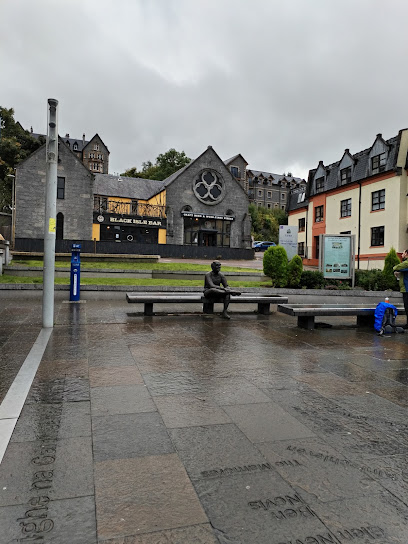
Drumdevan Country House, Inverness
48.5 km
Historic Victorian charm meets tranquil Highland surroundings just minutes from Inverness and Loch Ness.
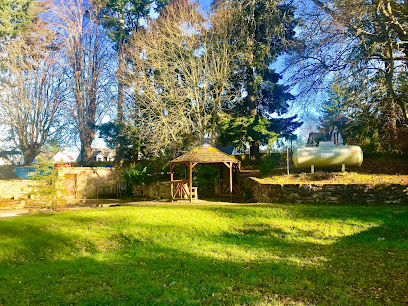
Highland Scenery
49.8 km
Discover the mesmerizing landscapes of Highland Scenery, a photographer’s dream in the heart of the Scottish Highlands.
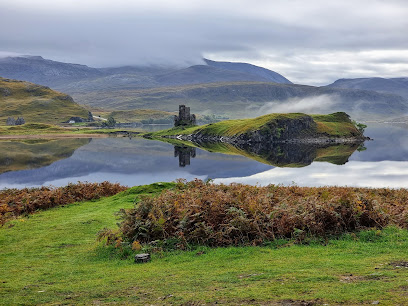
Lochardil House
50.1 km
Historic charm meets peaceful gardens and warm hospitality in this cozy Inverness retreat with excellent dining and modern comforts.
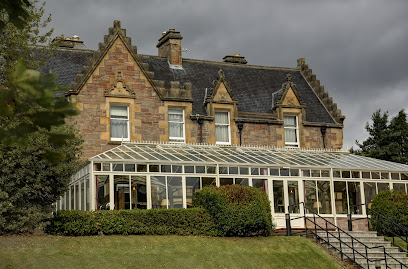
Inverness Botanic Gardens
50.6 km
Discover the enchanting beauty of Inverness Botanic Gardens, a vibrant sanctuary filled with exotic plants and tranquil landscapes in the heart of the Highlands.
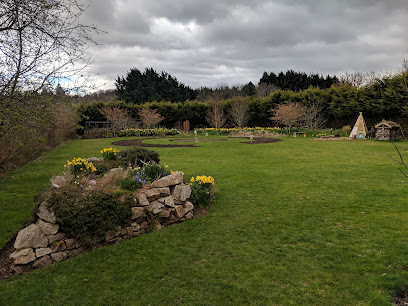
Soldiers Head
50.9 km
Discover Soldiers Head near Inverness, a natural Highland landmark steeped in history and local legend, offering stunning views and cultural significance.
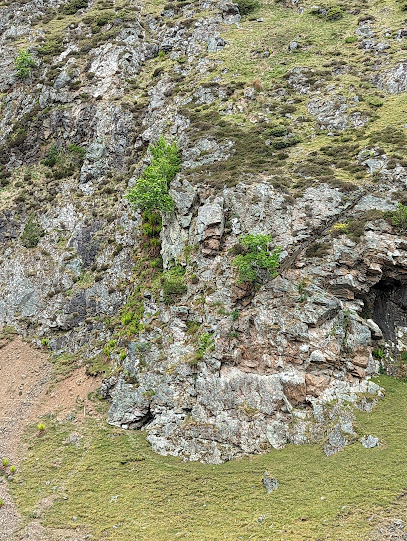
Circle of Wise
50.9 km
Discover the Circle of Wise, a stunning tourist attraction on Great Glen Way, blending natural beauty with vibrant cultural events in Inverness.
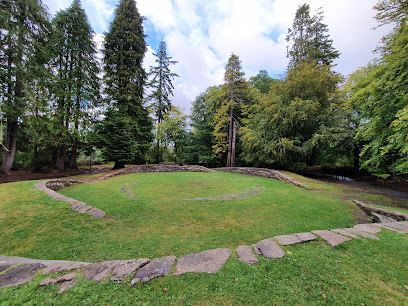
Ness Islands
51.0 km
Experience the natural beauty of Ness Islands in Inverness, Scotland, a tranquil retreat with picturesque paths, vibrant wildlife, and stunning river views.
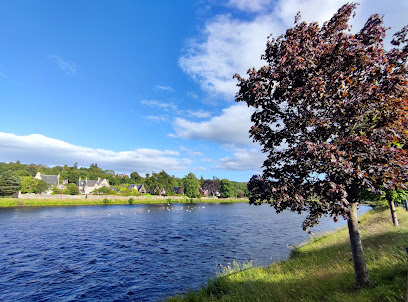
Craig Phadrig
51.1 km
Discover the historic charm and natural beauty of Craig Phadrig, a stunning national forest and landmark near Inverness, Scotland.
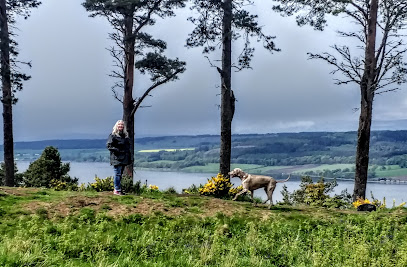
Torrish at Ness Walk
51.5 km
Experience the essence of Scottish cuisine at Torrish at Ness Walk, where fine dining meets breathtaking views of the River Ness.
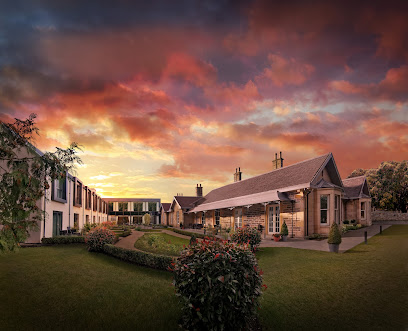
Ness Walk Hotel - 5 Star Luxury Inverness Hotel
51.5 km
Elegant 5-star luxury on the River Ness, blending historic charm with modern comfort and acclaimed Highland dining.

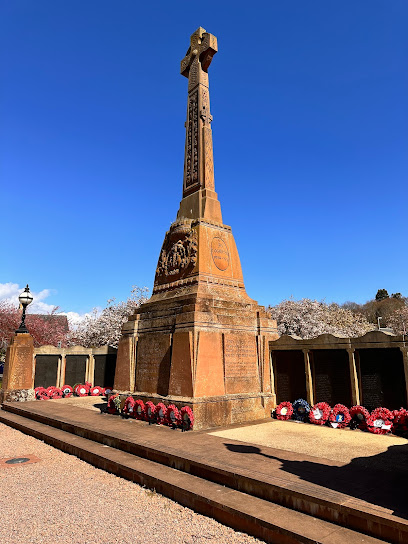
Great War Memorial
51.7 km
A solemn red sandstone Celtic cross on the banks of the River Ness, honouring Inverness’s fallen from the World Wars and later conflicts.
Unmissable attractions to see

Kytra Lock, Scottish Canals
7.8 km
Discover the serene beauty and historic charm of Kytra Lock, a peaceful Highland gem on the iconic Caledonian Canal.
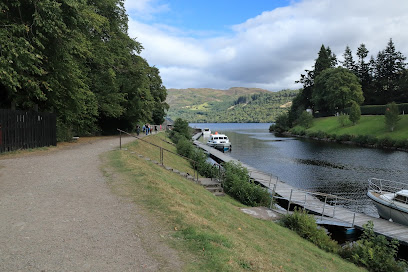
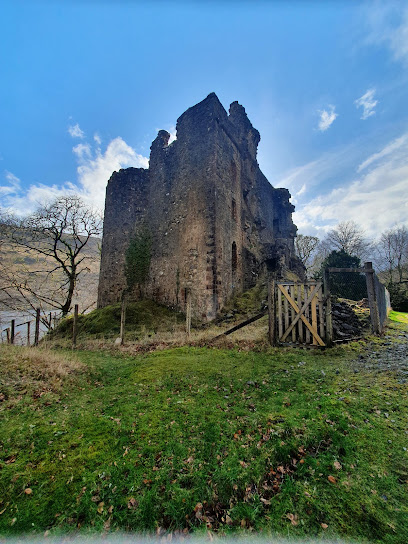
Invergarry Castle
8.1 km
Historic 17th-century Highland castle ruins perched on Raven’s Rock overlooking Loch Oich, steeped in clan legacy and Jacobite history.
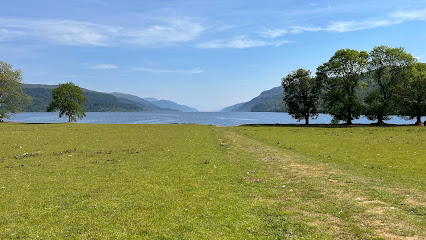
Loch Ness South shore
8.2 km
Discover the tranquil beauty and mysterious allure of Loch Ness’s South Shore, framed by Highland hills and historic waterways.
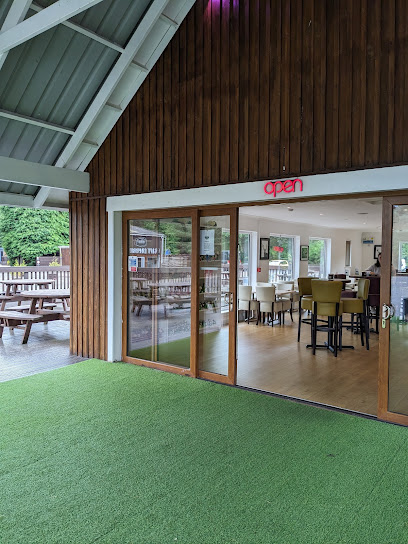
Highland Hideout
8.8 km
Historic luxury apartments on Loch Ness’s southern shore, blending Gothic heritage with modern leisure and stunning Highland scenery.
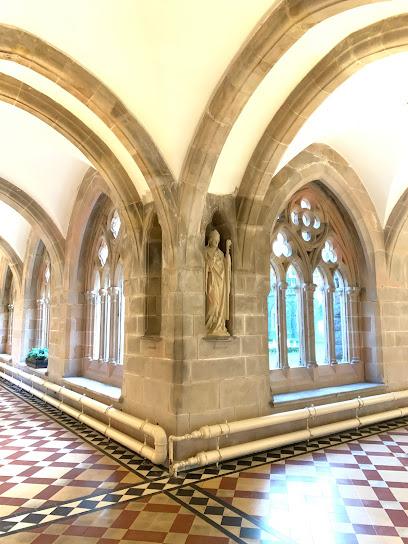
Fort Augustus Abbey
9.0 km
Historic Benedictine abbey on Loch Ness’s southern tip, blending military heritage and monastic tradition in stunning Victorian architecture.
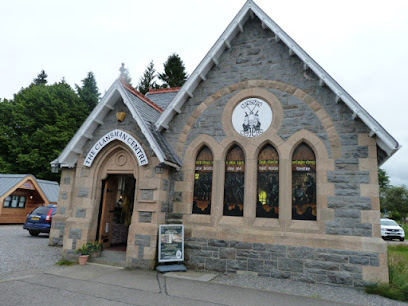
The Clansman Centre
9.1 km
Step into 17th-century Highland life in a recreated turf house, where a costumed clansman brings Scotland’s past vividly to life with stories, kilts and ancient weapons.
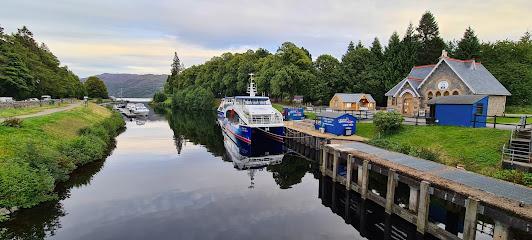
Fort Augustus
9.1 km
Charming Highland village at Loch Ness’s southern tip, famed for its historic canal locks, stunning scenery, and rich cultural heritage.
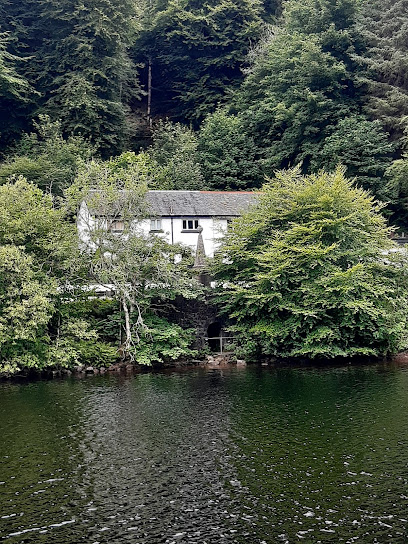
The Well of Seven Heads
9.1 km
A haunting Highland monument marking a brutal 17th-century clan feud where seven severed heads were washed in a sacred well.
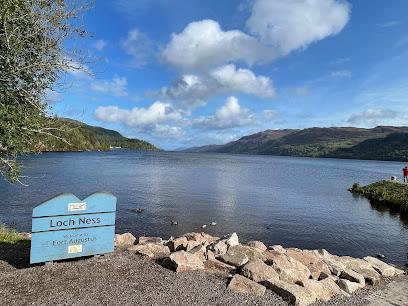
Loch Ness View Point Fort Augustus
9.2 km
Discover stunning panoramic views of Loch Ness and the Scottish Highlands from Fort Augustus’ serene and iconic viewpoint.
Caledonian Canal
9.9 km
Explore the historic Caledonian Canal, a 60-mile engineering masterpiece weaving through Scotland’s Great Glen and iconic lochs.
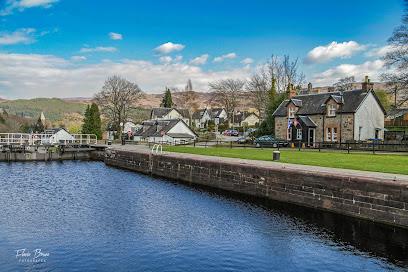
Allt na Criche
10.5 km
A tranquil woodland walk with waterfalls and spectacular panoramic views over Loch Ness and Fort Augustus.
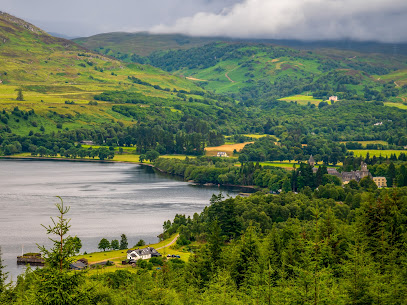
Suidhe Viewpoint
11.6 km
Discover breathtaking 360-degree Highland panoramas over Loch Ness from Suidhe Viewpoint, a must-see scenic gem near Fort Augustus.
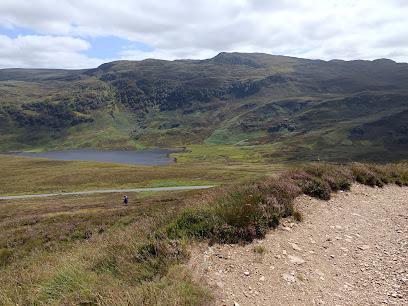
Creag Meagaidh National Nature Reserve
15.6 km
Experience the wild heart of the Highlands at Creag Meagaidh, where rugged mountains meet rare wildlife and ancient woodlands.
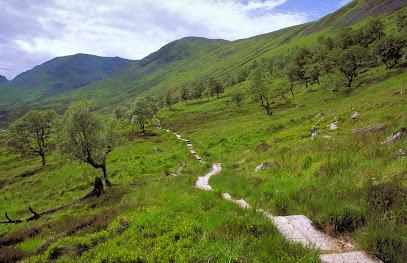
Dundreggan Rewilding Centre
15.8 km
Explore Scotland’s first rewilding centre, where ancient forests, Gaelic heritage, and wildlife restoration create a unique Highland experience.
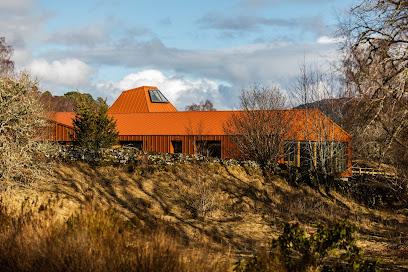
Summer House
16.4 km
A serene Victorian folly overlooking the breathtaking Invermoriston Falls on the River Moriston in the heart of the Scottish Highlands.
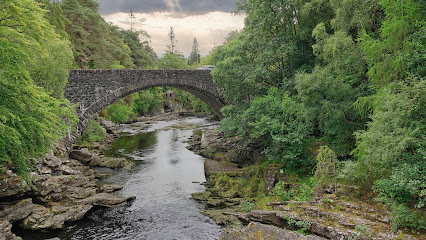
Essential places to dine

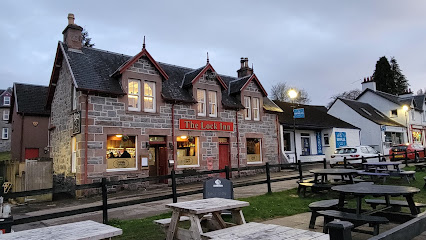
The Lock Inn
9.1 km
Cozy canalside pub with original features, hearty fare, and scenic views in the heart of Fort Augustus, Scotland.
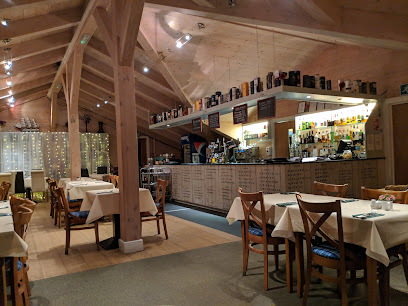
The Boathouse Restaurant
9.1 km
Dine over the waters of Loch Ness with panoramic views and a menu blending Scottish classics and Mediterranean flavors.
The Moorings Restaurant
9.1 km
Casual canal-side dining with hearty Scottish and Turkish-inspired dishes, generous portions, and friendly service in the heart of Fort Augustus.
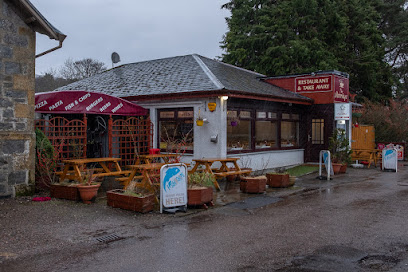
Emily's Byre
10.4 km
A cozy Highland restaurant blending authentic Northern Frontier Indian cuisine with traditional Scottish flavors in a charming rustic setting.
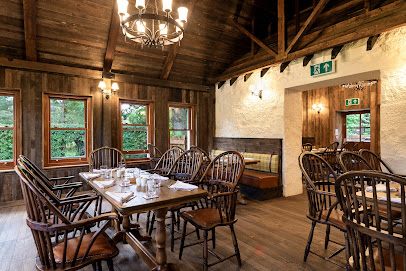
The Lochside Brasserie
17.2 km
Eclectic Scottish and international cuisine served waterfront on Loch Lochy with stunning views and warm Highland hospitality.
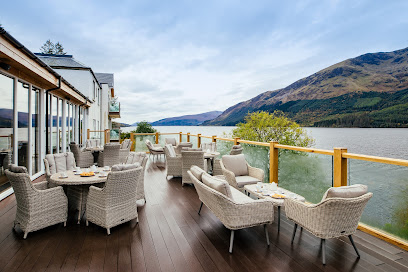
Spean Bridge Mill Restaurant
25.4 km
Cozy Highland eatery offering traditional Scottish fare and homemade treats in the heart of Spean Bridge village.
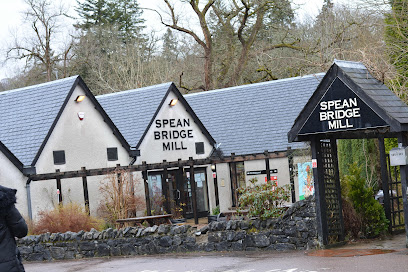
Old Station Restaurant
25.6 km
Historic Victorian railway charm meets hearty Scottish fare and real ales in the heart of Spean Bridge.
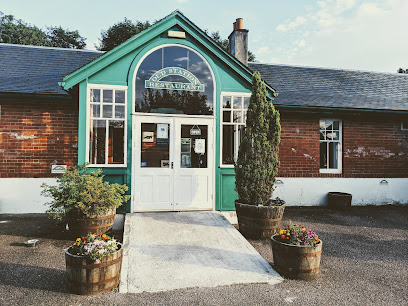
The Lewiston
31.0 km
Experience warm Highland hospitality and hearty Scottish cuisine near the legendary Loch Ness at The Lewiston.
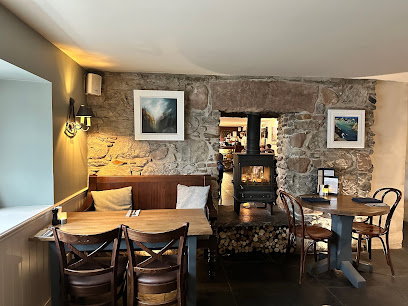
Fiddlers Highland Restaurant
31.7 km
Cozy Highland dining with authentic Scottish flavors and an award-winning whisky selection in the heart of Loch Ness country.
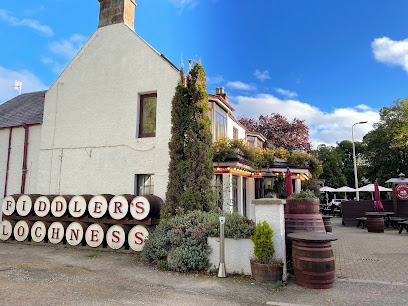
Nevis Range Restaurant
32.2 km
Experience authentic Scottish flavors and stunning Highland views at Nevis Range Restaurant near Spean Bridge.
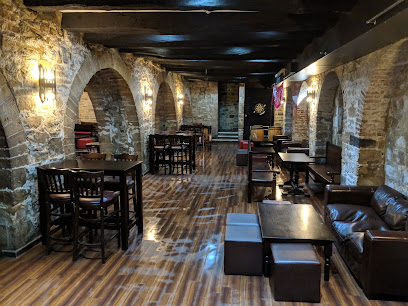
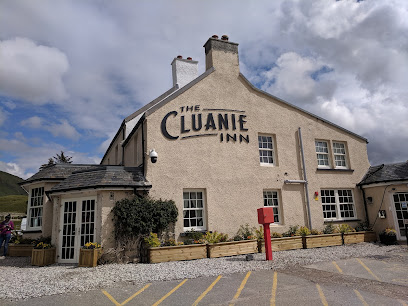
Cluanie Bar & Kitchen
33.8 km
Savor hearty mountain-inspired dishes and vintage cocktails in a lively Highland inn surrounded by stunning Glenmoriston scenery.
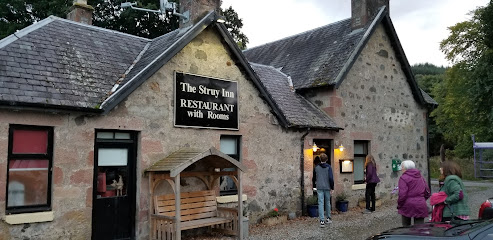
The Struy Inn (Casa Mia)
39.7 km
A cozy 19th-century Highland inn offering intimate dining with Scottish-Argentinian fusion cuisine and a welcoming bar by the wood stove.
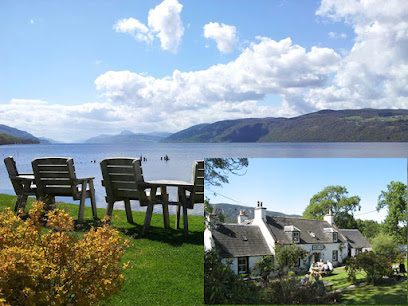
The Dores Inn
40.0 km
A welcoming Highland pub with stunning Loch Ness views, hearty fare, and a relaxed atmosphere perfect for soaking in Scotland’s natural beauty.
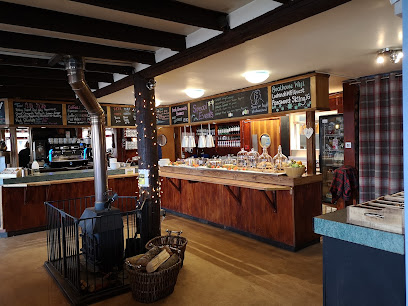
The Boathouse Restaurant Loch Insh
44.3 km
Charming Highland dining with stunning Loch Insh views and hearty Scottish fare at the heart of the Cairngorms outdoor centre.
Downright Gabbler
47.8 km
Experience authentic Highland hospitality with exceptional food, immersive storytelling, and cozy apartments in the heart of Beauly.
Markets, malls and hidden boutiques

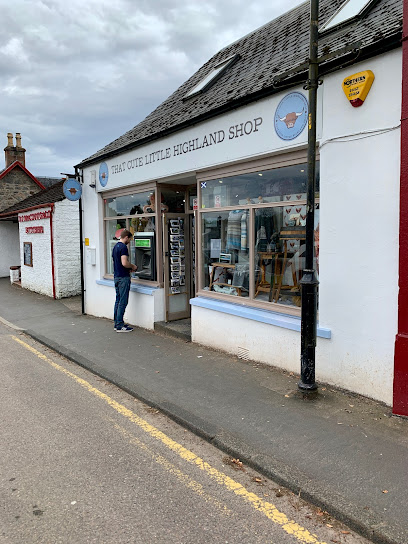
That Cute Little Highland Shop
9.1 km
A charming canal-side gift shop in Fort Augustus offering unique Scottish crafts and contemporary Highland designs.
The Hairy Coo Shop
30.3 km
Discover authentic Scottish charm and unique Highland gifts at The Hairy Coo Shop, a cozy Newtonmore treasure with warm welcomes and fresh sandwiches.

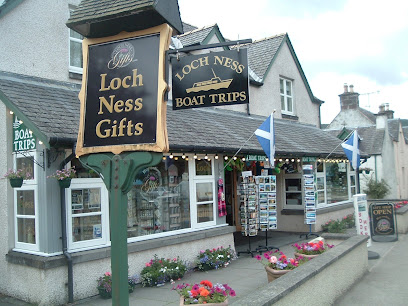
Loch Ness Gifts
31.7 km
Discover authentic Scottish treasures and Nessie-themed gifts in the heart of Drumnadrochit, near the legendary Loch Ness.
Great Glen Gifts
31.9 km
Discover authentic Highland crafts and Nessie souvenirs at Great Glen Gifts, your charming family-run shop in the heart of Loch Ness country.
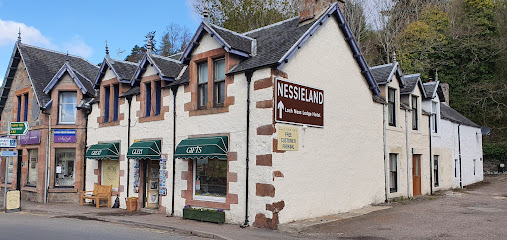
Loch Ness Nessie Shop
36.7 km
Discover authentic Scottish gifts and Nessie souvenirs in a friendly, family-run shop near Loch Ness in Inverness.
Ness Gifts
40.0 km
Discover authentic Scottish crafts and souvenirs at Ness Gifts, a charming boutique in Dores near Loch Ness.
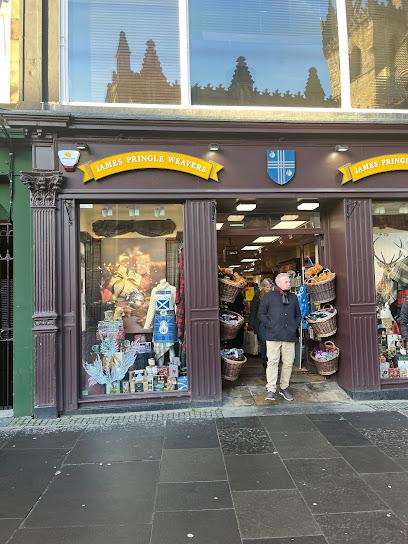
James Pringle Weavers
50.0 km
Discover authentic Scottish weaving heritage and quality textiles at James Pringle Weavers in the historic Holm Woollen Mills, Inverness.
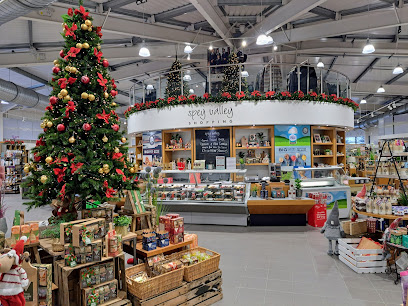
Spey Valley Shopping
51.1 km
Experience unique shopping with local flair at Spey Valley Shopping in Aviemore, where quality meets charm amidst the stunning Scottish Highlands.
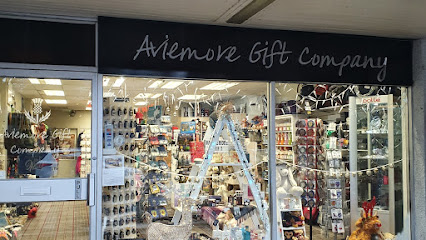
Aviemore Gift Company
51.3 km
Discover authentic Scottish gifts and local crafts in Aviemore’s largest and most welcoming souvenir shop.
Ellis Brigham - Aviemore
51.3 km
Your expert outfitter for skiing, climbing, hiking, and outdoor adventure in the heart of the Cairngorms National Park.
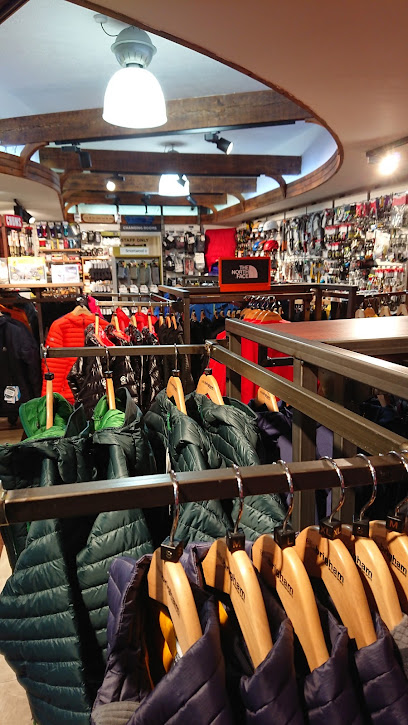
Tiso Aviemore Outdoor Experience
51.3 km
Your one-stop outdoor shop in Aviemore for expert gear, services, and a welcoming café experience in the heart of the Highlands.
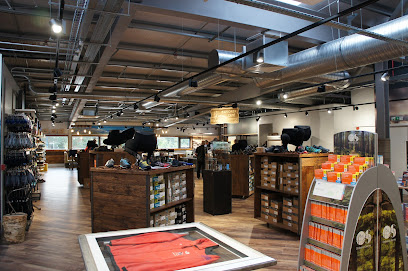
Mountain Warehouse
51.3 km
Your go-to outdoor clothing and equipment store in Aviemore for quality gear and expert advice in the heart of the Highlands.
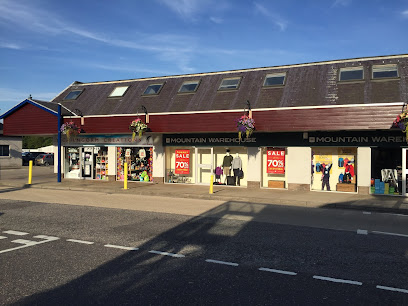
Young's Auld Sweetie Shop
51.3 km
Nostalgic confectionery haven where vintage glass jars and pick-and-mix treasures await in the heart of Aviemore.
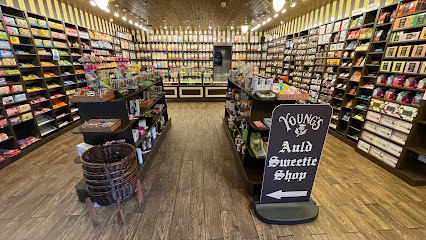
Cairngorm Mountain Sports
51.3 km
Your trusted outdoor sports shop in Aviemore, offering expert gear for alpine touring, climbing, skiing, and Nordic adventures year-round.
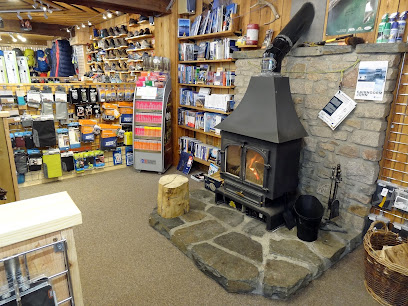
Dalneigh Stores
51.3 km
Explore Inverness with ease! Dalneigh Stores is your go-to convenience shop for essentials and local delights, open daily from early morning to night.
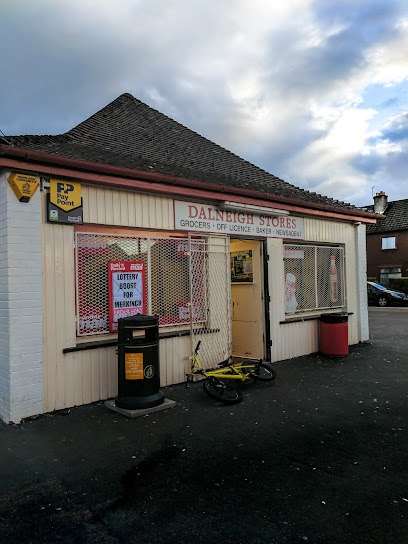
Essential bars & hidden hideouts

Bar
28.5 km
Experience authentic Highland hospitality in Dalwhinnie’s cozy and traditional bar, a welcoming retreat amidst Scotland’s scenic beauty.
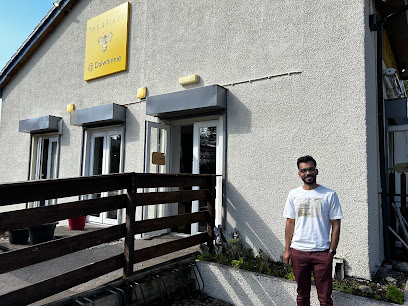
Bothy Bar
43.5 km
A cozy Highland retreat offering traditional Scottish fare, warm hospitality, and stunning views in the heart of Kinlochleven.
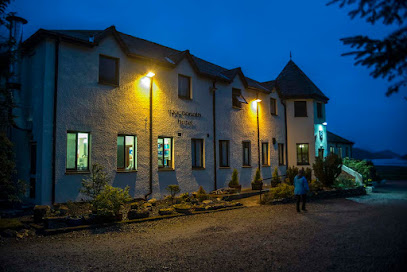
SUIE BAR
43.6 km
Experience authentic Highland hospitality with local ales, whiskies, and live music in the historic heart of Kincraig.
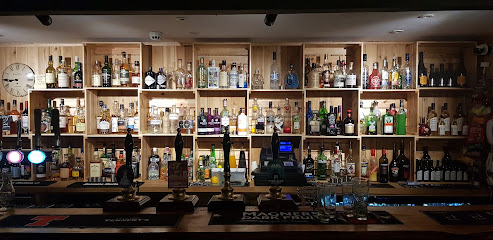
Three Witches
50.0 km
Family-friendly pub in Inverness offering a warm welcome, great carvery, vegan options, and dog-friendly spaces with a lively, casual atmosphere.
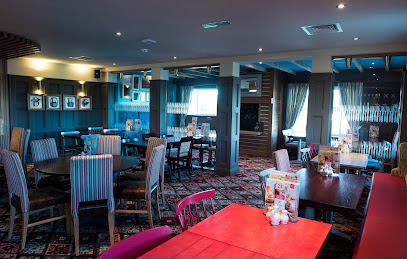
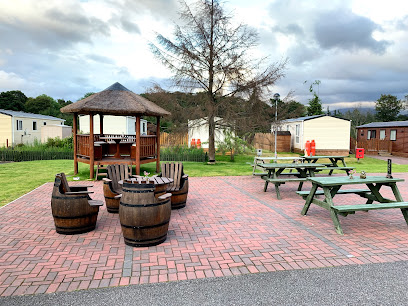
The Aviemore Inn pub and grill
50.9 km
Cozy Highland pub in Aviemore Holiday Park serving hearty home-cooked meals and live music in a warm, family-friendly setting.
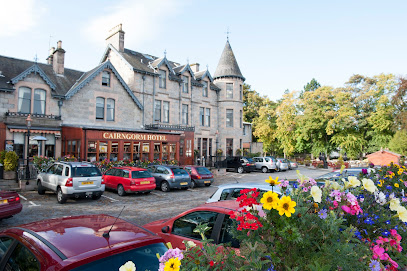
Cairngorm Hotel
51.2 km
Experience warm Scottish hospitality and cozy charm in Aviemore’s Cairngorm Hotel, your gateway to the Highlands.
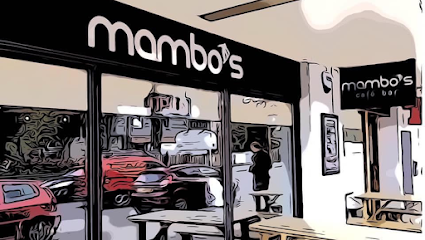
Mambos
51.3 km
Lively Aviemore bar and eatery with diverse menu, friendly vibe, and vibrant nightlife on Grampian Road in the heart of the Scottish Highlands.
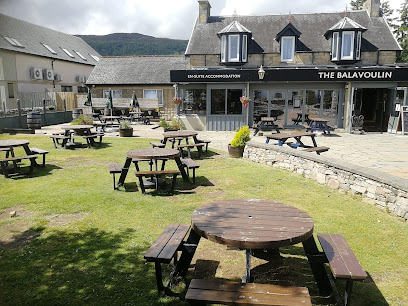
the Balavoulin
51.4 km
A cosy Highland pub and guesthouse in Aviemore offering hearty food, local drinks, and comfortable rooms in a warm, welcoming setting.
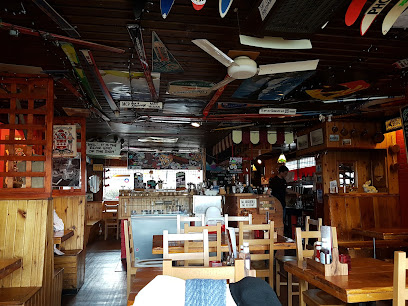
Skiing Doo
51.4 km
A beloved Aviemore bar and restaurant known for hearty British fare and friendly vibes, now closed but fondly remembered.
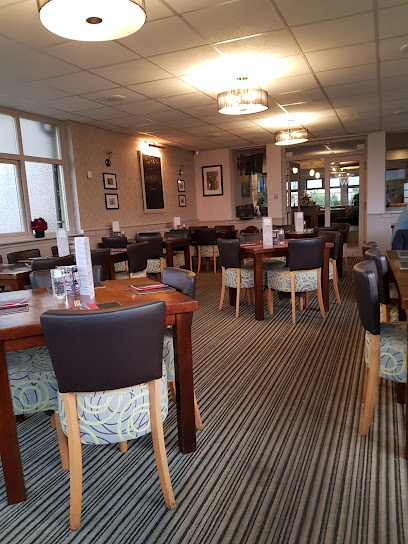
Dows Bar
51.4 km
A welcoming gastropub in Inverness blending local flavors, craft beers, and lively sports in a family-friendly setting.
The Piano and Whisky Bar Inverness
51.9 km
Discover Inverness’s premier whisky and piano bar, blending riverside elegance with live music and an extensive malt whisky collection.
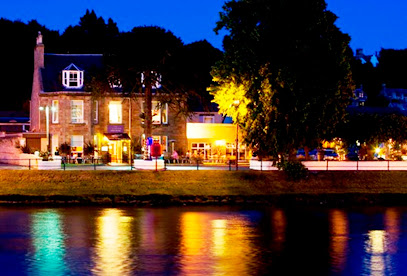
The Wee Bar
52.2 km
A cosy Inverness cocktail bar above Ness Walk, famed for masterful drinks, Highland hospitality, and a warm, intimate vibe.
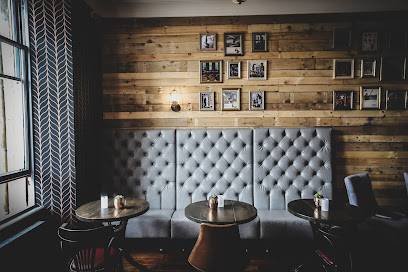
Glenalbyn Bar
52.2 km
Experience authentic Scottish hospitality with fine whiskies, live music, and a cozy atmosphere at Glenalbyn Bar in Inverness.
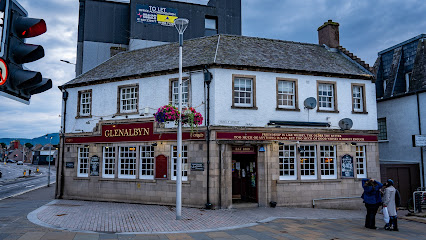
Gellions Bar
52.4 km
Inverness’s oldest pub, Gellions Bar, pulses with nightly live Scottish music and a legendary selection of local whiskys and craft beers.
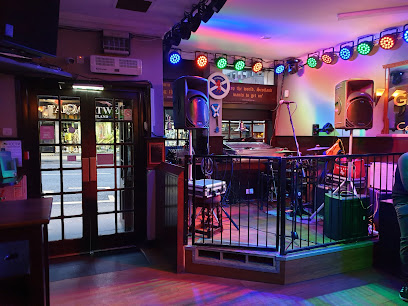
The Botanic House
52.4 km
A vibrant live music venue and cocktail bar in Inverness, blending energetic performances with a welcoming atmosphere.
Nightclubs & after hour spots

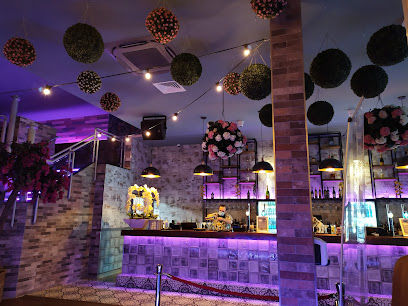
Roobarb
39.6 km
Experience Fort William’s vibrant nightlife at Roobarb, the welcoming nightclub where music and dancing light up weekend nights.
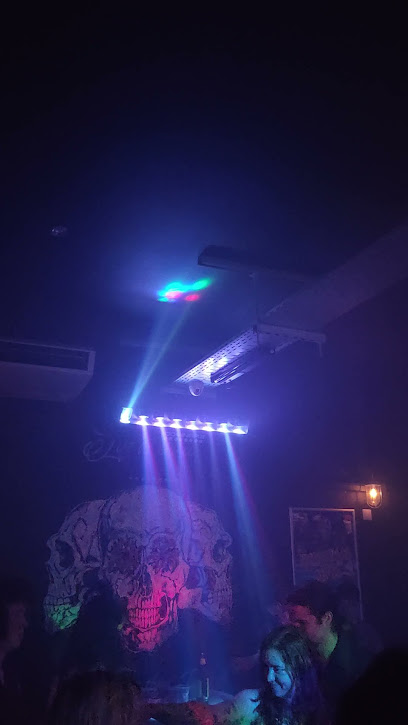
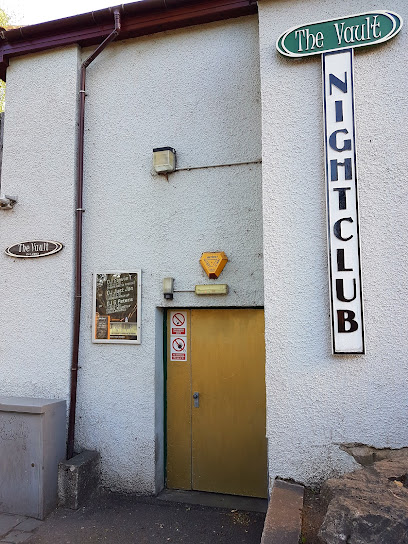
The Vault
51.3 km
Experience Aviemore’s vibrant nightlife at The Vault, a lively nightclub blending modern beats with Highland charm every weekend.
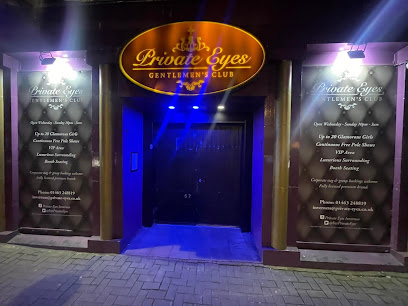
Private Eyes Inverness
52.6 km
Experience Inverness’s vibrant nightlife at Private Eyes, where stylish decor meets great music and a welcoming party atmosphere.
The Pine Marten Bar
58.5 km
Experience the warmth of Scottish hospitality at The Pine Marten Bar, where delicious food and breathtaking views combine for an unforgettable visit.
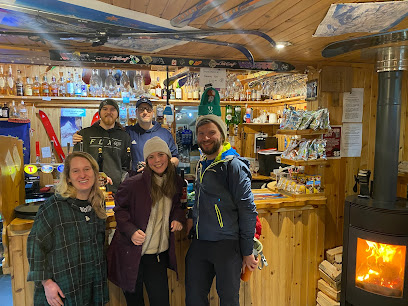
The Ross Shire Club
60.4 km
Experience Dingwall’s vibrant nightlife with a welcoming vibe, BYOB policy, and lively social scene at The Ross Shire Club.
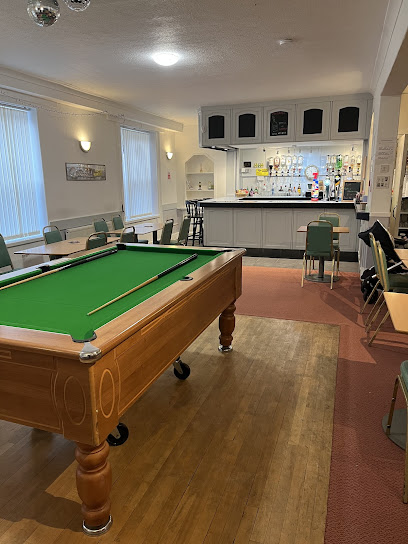
The King Haakon Bar
69.2 km
Experience authentic Scottish hospitality at The King Haakon Bar on the Isle of Skye, where local ales and hearty meals await in a cozy atmosphere.
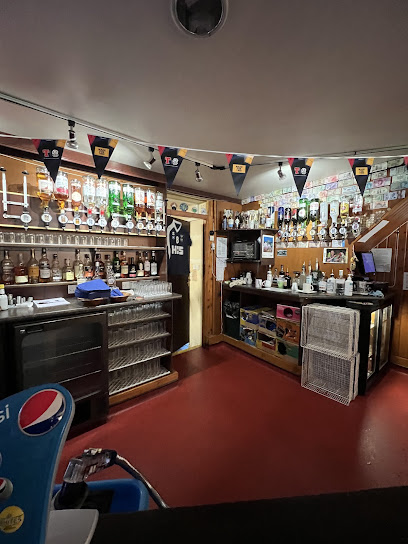
Bar Am Praban
70.1 km
Experience authentic Scottish cuisine and warm hospitality at Bar Am Praban, a premier bar and restaurant on the scenic Isle of Skye.
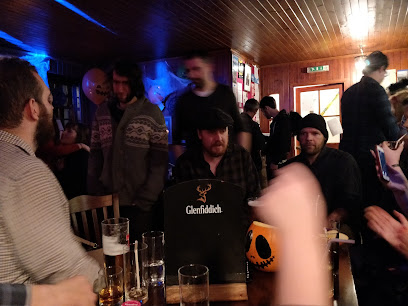
Xplosive Discos
71.7 km
Experience the vibrant nightlife at Xplosive Discos in Nairn, where unforgettable music and karaoke fun await every visitor.
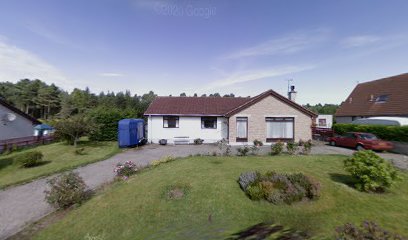
Uncle Bob's Bar
74.1 km
Experience the lively atmosphere of Uncle Bob's Bar in Nairn, a perfect blend of traditional pub charm and sports excitement.
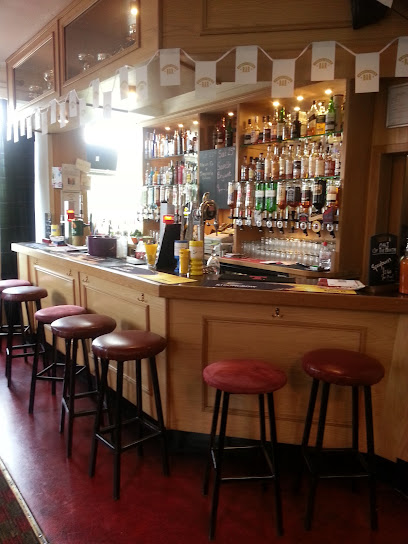
Aido's bar
74.3 km
Discover Aido's Bar in Nairn: A cozy pub with a friendly atmosphere, serving a great selection of local ales and spirits.
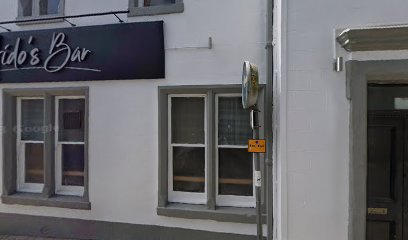
The Play House
74.3 km
Experience the vibrant nightlife at The Play House in Nairn, where great drinks and lively entertainment come together for an unforgettable evening.
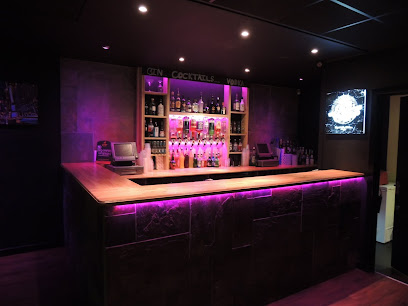
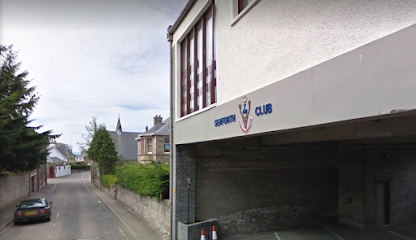
Seaforth Club
74.5 km
Experience Nairn’s vibrant social heart at Seaforth Club, where community spirit meets lively nightlife in a welcoming setting.
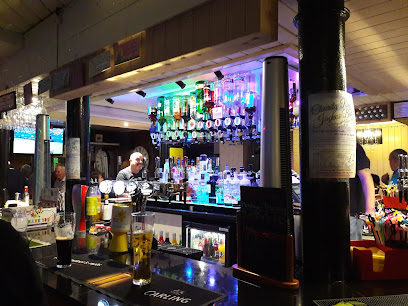
Jackos Bar & Diner
74.7 km
Discover the vibrant atmosphere and delicious grill options at Jackos Bar & Diner in Nairn, perfect for families and sports fans alike.
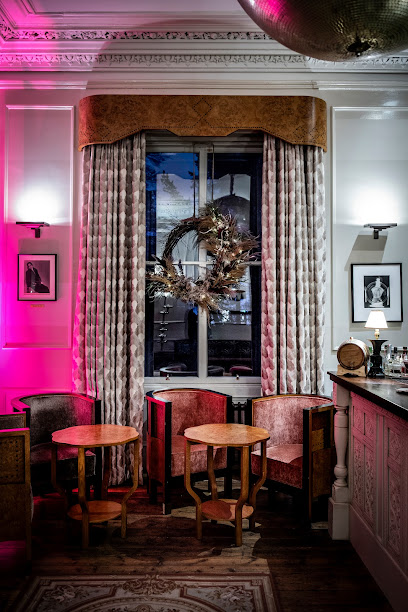
Bertie's Bar
75.7 km
Experience the charm of Scottish hospitality at Bertie's Bar in Braemar, where exquisite cocktails meet a warm, inviting atmosphere.

Elsa's Bar
75.8 km
Discover Elsa's Bar in Braemar, a cocktail oasis offering exquisite drinks and a warm, inviting atmosphere for every traveler.
For the vibe & atmosphere seeker
- Scenic
- Relaxing
- Tranquil
- Adventurous
- Unique
For the design and aesthetic lover
- Rustic Designs
- Vintage Styles
For the architecture buff
- Historic
- Landmarks
- Heritage Neighborhoods
- Parks & Gardens
For the view chaser and sunset hunter
- Iconic Views
- Panoramas
- Sunset Spots
For the social media creator & influencer
- Instagrammable
- Photo Spots
- Selfie Spots
For the eco-conscious traveler
- Public-Transport Accessible
- Low Impact
- Leave-No-Trace Critical
- Locally Managed
For the kind of experience you’re after
- Cultural Heritage
- Photowalk
- Nature Escape
- Day Trip
- Weekend Getaway
For how adventurous you want the journey to be
- Easy Access
- Requires Hike
Location Audience
- Family Friendly
- Senior Friendly
- Child Friendly
- Teen Friendly
- Solo Friendly
- Couple Friendly
- Vegetarian Friendly
- Vegan Friendly


