Background

Eagle Stone: Ancient Pictish Symbol of Strathpeffer

Discover the ancient Eagle Stone, a carved Pictish symbol steeped in clan history and legend on the outskirts of Strathpeffer.

4.6

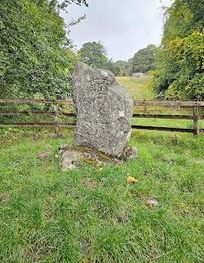
The Eagle Stone, or Clach an Tiompain, is a small yet striking Class I Pictish symbol stone located on the northern outskirts of Strathpeffer, Scotland. Dating from approximately 500–700 AD, it features intricate carvings including a horseshoe-shaped arc and a detailed eagle, representing early medieval art and local clan history. Steeped in legend and prophecy, the stone stands as a tangible link to the region’s ancient past and cultural heritage.

A brief summary to Eagle Stone Path

  • A834, Strathpeffer, IV14 9DH, GB
  • Duration: 0.25 to 1 hours
  • Free
  • Environment icon Outdoor
  • Mobile reception: 4 out of 5

Local tips

  • Visit during daylight hours for the best viewing and photography of the stone’s carvings.
  • Wear sturdy shoes as the path to the stone includes a minor road and a short uphill walk.
  • Combine your visit with a walk around Strathpeffer to explore its spa heritage and historic buildings.
  • Respect the fenced enclosure and do not attempt to touch or climb on the stone to help preserve it.
widget icon

Getting There

  • Bus

    Take the local bus service to Strathpeffer from Dingwall or Inverness, with journey times ranging from 25 to 45 minutes. Services run several times daily but check schedules as frequency varies by season. The stone is a 5-minute walk from the town center.

  • Car

    Drive via the A834 road to Strathpeffer; parking is available on the main street and nearby car parks. The Eagle Stone is a short walk from parking areas. Note that the road is narrow in places and parking can be limited during peak tourist seasons.

  • Walking

    If staying in Strathpeffer, the Eagle Stone is accessible by a 10-minute walk involving minor roads and a gentle uphill path. The terrain is suitable for most walkers but may be slippery in wet weather.

Eagle Stone Path location weather suitability

  • Weather icon Any Weather
  • Weather icon Rain / Wet Weather
  • Weather icon Clear Skies
  • Weather icon Windy Conditions
  • Weather icon Mild Temperatures

Unlock the Best of Eagle Stone Path

Buy tickets

    No tickets available

Book tours with entry

    No tours available

Book tours without entry

    No tours available

Discover more about Eagle Stone Path

An Enduring Relic of Pictish Art

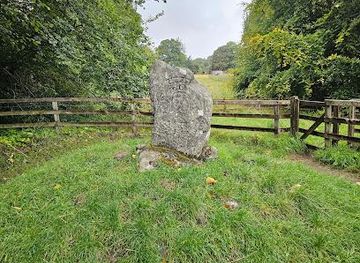
The Eagle Stone, known in Gaelic as Clach an Tiompain or the "Sounding Stone," is a remarkable example of early Pictish symbol stones. Crafted from blue gneiss, it measures roughly 81 cm high, 61 cm wide, and 25 cm thick. The stone’s southeast face bears two carved symbols: an upper horseshoe-shaped arc adorned with discs and arcs, and below it, a finely detailed eagle with folded wings, talons, and beak. These carvings classify it as a Class I Pictish stone, indicating that the symbols were incised on a natural unshaped stone, likely dating from the 5th to 7th centuries AD. The stone’s artistry offers insight into the symbolic language and spiritual beliefs of the Picts, the enigmatic people who inhabited northern Scotland during the early medieval period.

Historical and Clan Significance

Originally situated in an old churchyard at Fodderty further down the valley, the Eagle Stone was relocated to its current site near Strathpeffer around 1411. This move is traditionally linked to the Munro clan, who are believed to have placed the stone to commemorate a victory over the MacDonalds during a clan battle in that year. The eagle symbol is associated with the Munros, reinforcing the stone’s role as a marker of clan heritage and territorial pride. Nearby historical sites, such as the Knockfarrel hillfort, and the wider Strathpeffer area, rich with Neolithic and Bronze Age remains, frame the stone within a landscape deeply layered with human history.

Legends and Prophecies Surrounding the Stone

The Eagle Stone is entwined with local folklore, most notably the prophecy of the Brahan Seer, a 16th-century Scottish visionary. According to legend, should the stone fall three times, the Strathpeffer valley would be flooded, with ships anchoring where the stone stands. The stone has reportedly toppled twice and is now firmly cemented in place to prevent a third fall. This prophecy adds a mystical aura to the stone, connecting it to concerns over environmental change and historical fate. The stone’s Gaelic name, "Sounding Stone," and its symbolic carvings have also inspired interpretations linking it to ancient stories such as Noah’s Flood, suggesting a wider cultural significance beyond the local region.

Visitor Experience and Setting

Situated in a fenced enclosure beside the A834 road on the eastern edge of Strathpeffer, the Eagle Stone is accessible via a short walk from the town center. The site is open year-round and free to visit, making it an inviting stop for those interested in Scotland’s ancient history and Pictish culture. The stone’s modest size belies its cultural weight, and visitors often appreciate the quiet, contemplative atmosphere of the site. Signposted paths guide visitors safely away from the busy road, allowing close viewing of the stone’s weathered but evocative carvings.

Strathpeffer’s Rich Historical Landscape

The Eagle Stone is part of a broader historical tapestry in the Strathpeffer area, where human activity spans over 5,000 years. Nearby archaeological sites include Neolithic burial chambers, Bronze Age roundhouses, and the vitrified remains of the Knockfarrel hillfort. Strathpeffer itself evolved from a collection of farms into a renowned spa village in the 19th century, attracting visitors with its mineral springs and Victorian architecture. The Eagle Stone stands as a silent witness to these layers of history, bridging ancient Pictish culture and more recent developments in the Highlands.

Preservation and Cultural Importance

Due to its historical and cultural significance, the Eagle Stone is carefully preserved, now fixed in concrete to protect it from falling again. It represents one of the few surviving Pictish stones in the region and serves as a tangible connection to Scotland’s early medieval past. The stone’s presence enriches the cultural heritage of Strathpeffer and offers scholars and visitors alike a direct encounter with the mysterious Pictish civilization and the enduring power of clan symbolism and legend.

Busiest months of the year

Busiest hours of the day

Popular Experiences near Eagle Stone Path

Popular Hotels near Eagle Stone Path

Select Currency