

Kildonan Castle: The Ivy-Clad Sentinel of Arran's Southern Coast
Explore the ivy-clad ruins of Kildonan Castle, a 13th-century fortress guarding Arran’s southern coast with stunning views over the Firth of Clyde and Pladda Island.
Kildonan Castle is a 13th-century ruined fortress perched on the cliffs of the Isle of Arran’s southern coast. Built by the MacDonalds, Lords of the Isles, it guarded the Firth of Clyde alongside Brodick and Lochranza Castles. Though now a fragile ruin within private grounds and unsafe for close exploration, its ivy-clad remains overlook Kildonan Beach and the island of Pladda, offering a glimpse into Scotland’s medieval past and maritime defense.
A brief summary to Kildonan Castle
- Isle of Arran, Kildonan, KA27 8SD, GB
- Visit website
- Duration: 0.5 to 2 hours
- Free
-
 Outdoor
- Mobile reception: 4 out of 5
- Monday 12 am-12 am
- Tuesday 12 am-12 am
- Wednesday 12 am-12 am
- Thursday 12 am-12 am
- Friday 12 am-12 am
- Saturday 12 am-12 am
- Sunday 12 am-12 am
Local tips
- Wear sturdy footwear or wellies, as the area around the castle and beach can be boggy in places.
- Access to the castle itself is restricted for safety reasons; view the ruins from the nearby public right of way.
- Bring a camera to capture panoramic coastal views including the island of Pladda and the Firth of Clyde.
- Read the information board near the access path to learn about the castle’s history and Kildonan’s maritime significance.

For the on-the-go comforts that matter to you
- Information Boards
- Seating Areas
Getting There
-
Bus and Taxi
From Brodick, take the local bus service to Kildonan village, a journey of approximately 40-50 minutes. Buses run several times daily but check schedules seasonally. Alternatively, a taxi from Brodick takes about 30 minutes, costing around £25-£35.
-
Car
Driving from Brodick or other parts of Arran takes roughly 30-40 minutes via the A841 coastal road. Parking is limited near the village; use designated roadside spots. Note the castle is on private property, so access is only from the public footpath to the beach.
-
Walking
For active visitors, a scenic 2-3 hour coastal walk from Brodick to Kildonan offers a rewarding route with varied terrain, including some uneven and boggy sections. Suitable footwear is recommended.
Kildonan Castle location weather suitability
-
 Any Weather
-
 Rain / Wet Weather
-
 Clear Skies
-
 Windy Conditions
-
 Mild Temperatures
Discover more about Kildonan Castle
Origins and Strategic Importance of Kildonan Castle
Kildonan Castle was constructed in the 13th century by the MacDonalds, the powerful Lords of the Isles, as a defensive stronghold on the Isle of Arran’s southern coast. Positioned on a rocky plateau above the village of Kildonan, the castle’s location was chosen to command views over the Firth of Clyde and the nearby island of Pladda. Along with Brodick Castle to the east and Lochranza Castle to the north, Kildonan formed part of a triad of fortresses protecting the island and controlling access to the Clyde estuary, a vital maritime route.Medieval Ownership and Royal Connections
The castle’s name honors Saint Donan, an Irish monk believed to have lived on Arran in the 6th century. Over time, Kildonan passed from the MacDonalds to the Scottish crown. By 1406, King Robert III owned the castle and granted it to his illegitimate son, John Stewart of Ardgowan. It was also used as a royal hunting lodge, hosting Scottish kings including Robert III. In 1544, the castle became property of the Earls of Arran, the Hamilton family, marking a shift from clan to noble stewardship.Decline and Ruination
The castle’s fortunes waned after 1558 when it was sacked and burnt by the English Earl of Sussex during border conflicts. Since then, Kildonan Castle has fallen into ruin, its ivy-covered walls now fragile and unsafe. The structure stands within private gardens, restricting public access to views from a nearby right of way leading down to Kildonan Beach. Despite its dilapidated state, the castle remains a poignant symbol of Arran’s turbulent history and strategic maritime importance.The Surrounding Landscape and Coastal Views
The castle overlooks Kildonan Beach, one of Arran’s rare sandy shores, and commands sweeping vistas southward to the Ayrshire coast and offshore islands such as Pladda. Pladda Island, notable for its 19th-century lighthouse built by the Stevenson family, lies about a kilometer offshore and adds to the dramatic seascape. The village of Kildonan itself is a quiet coastal settlement, with modern houses, benches, and even swings along the waterfront, all framed by the castle’s historic presence above.Preservation and Visitor Experience
Due to safety concerns, Kildonan Castle is not open for close inspection. Visitors can appreciate the ruins from a distance via a public path that runs alongside the private property. An information board near the access point offers historical context about the castle and Kildonan’s role in regional trade and coastal defense. The site’s natural beauty and evocative ruins make it a compelling destination for history enthusiasts and those seeking tranquil coastal scenery.Legacy and Cultural Significance
Kildonan Castle embodies centuries of Scottish history, from Norse influence and clan power struggles to royal patronage and English incursions. Its enduring presence on the Isle of Arran’s southern shore connects visitors to the island’s medieval past and maritime heritage. Though only a shadow of its former self, the castle continues to inspire curiosity and admiration for Scotland’s storied landscape.Iconic landmarks you can’t miss

Kingscross Viking Fort
7.6 km
Discover the ancient Viking fort and burial mound at Kingscross Point, where history meets breathtaking coastal vistas on the Isle of Arran.
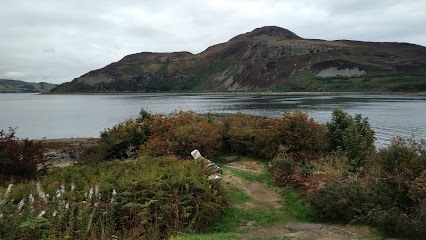
Wee Al's Bench
9.9 km
Breathtaking coastal vantage point where Arran's natural beauty meets centuries of island heritage.
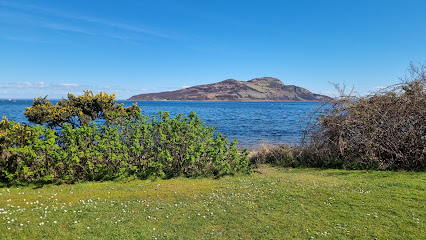
Lamlash Stone Circle
12.6 km
Ancient Neolithic gathering place where stone and sky converge on Arran's moorland.
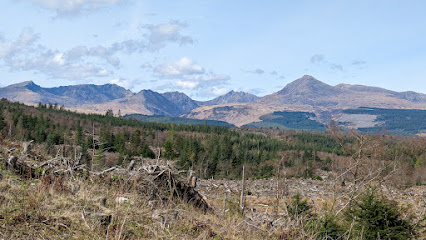
Ayr Citadel
29.7 km
Explore Ayr Citadel, a 17th-century hexagonal fortress by the sea, rich in history and coastal charm.
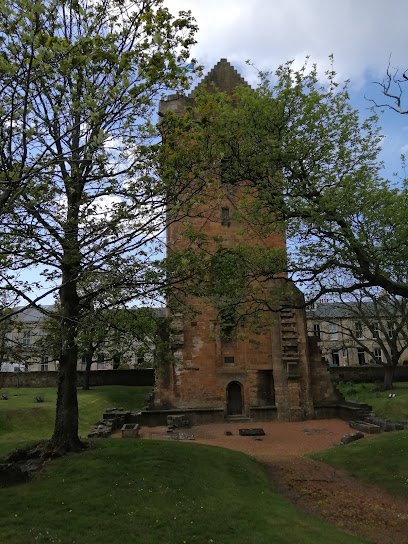
Lochranza Youth Hostel
31.1 km
Experience the natural beauty and cultural charm of Lochranza Youth Hostel on the Isle of Arran, the perfect retreat for adventure and relaxation.

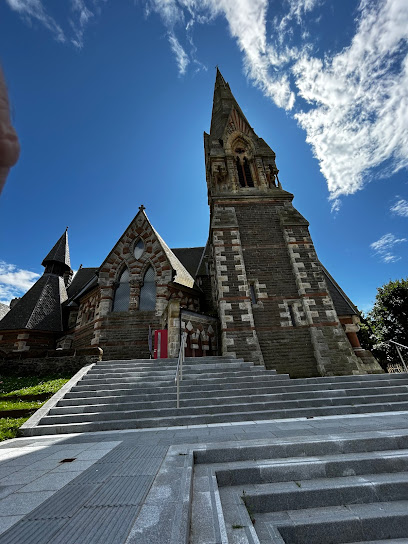
Trinity Church (Former)
33.5 km
A majestic Gothic Revival landmark showcasing Victorian ecclesiastical architecture and Irvine’s rich religious heritage.
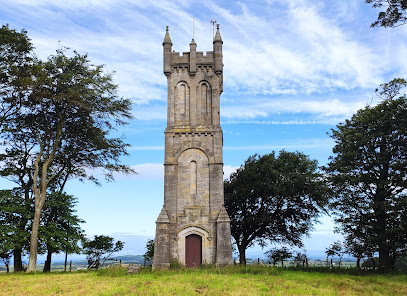
Wallace's Monument, Ayrshire “Burnweil”
37.9 km
A proud Ayrshire landmark honoring William Wallace, Scotland’s legendary hero of independence and bravery.
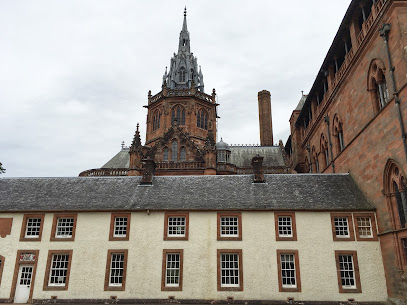
Mount Stuart
39.2 km
Explore Mount Stuart, a breathtaking Victorian Gothic mansion on the Isle of Bute, blending rich history with stunning gardens for a unique experience.
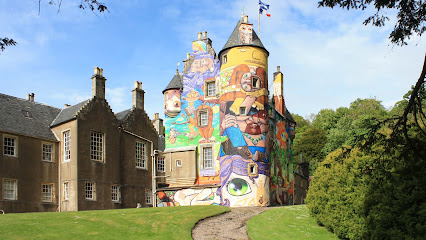
Kelburn Castle and Estate
39.8 km
Discover the charm of Kelburn Castle and Estate, a historic Scottish gem with stunning gardens, vibrant art, and family-friendly adventures.
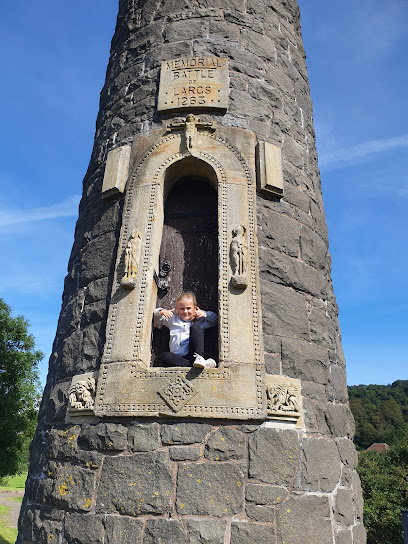
Largs Pencil Monument
40.5 km
Discover the Largs Pencil Monument, a towering tribute to Scottish heritage with stunning views of the Firth of Clyde and rich historical significance.
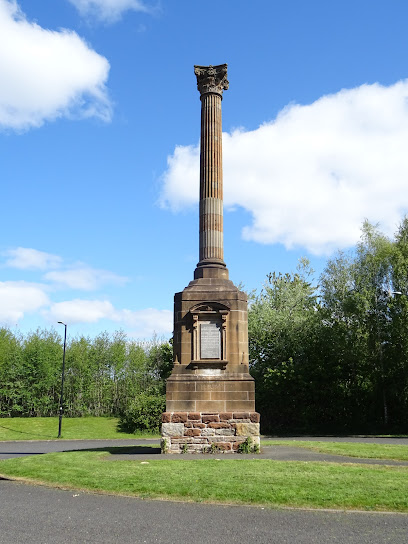
Kay Park
43.2 km
Experience the natural beauty and tranquility of Kay Park in Kilmarnock, a perfect retreat for tourists seeking relaxation and scenic views.
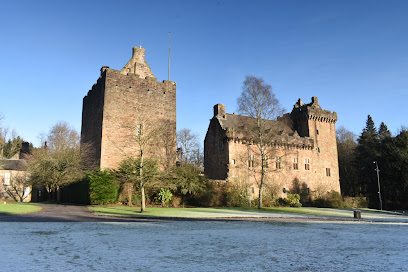
Dean Castle Country Park
43.8 km
Explore Dean Castle Country Park, a beautiful blend of nature and history in Kilmarnock, Scotland, with scenic trails and the majestic Dean Castle.
Bute Museum
43.8 km
Discover the Isle of Bute's history and culture at Bute Museum, a captivating tourist attraction in Rothesay filled with intriguing exhibits.
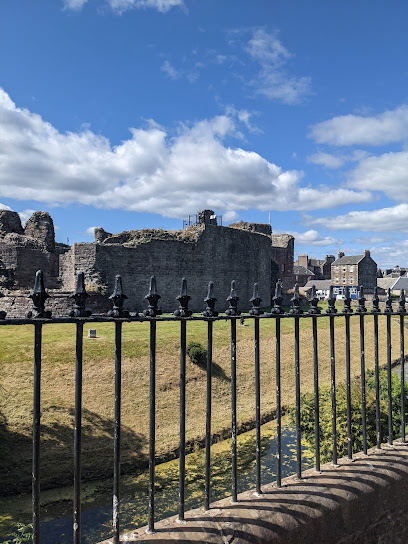
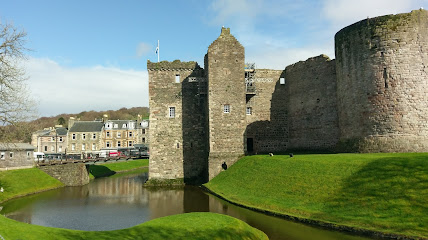
Rothesay Castle
43.9 km
Explore the captivating Rothesay Castle on the Isle of Bute, a stunning medieval fortress rich in history and natural beauty.
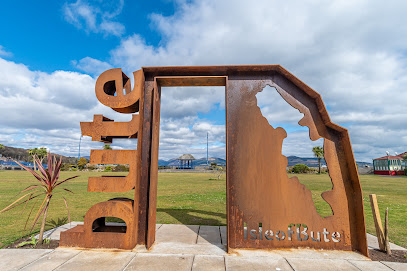
Welcome To Bute Sculpture
44.1 km
A striking metal welcome sign celebrating arrival on Scotland's artistic island, perfectly framed by historic gardens.
Unmissable attractions to see

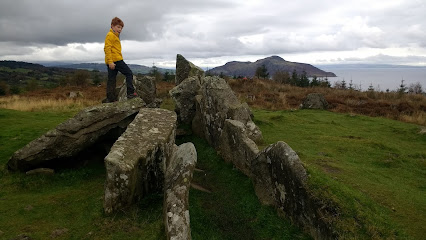
Giants' Graves
3.8 km
Explore the mysterious Neolithic Giants' Graves on Isle of Arran, ancient chambered tombs with breathtaking views over Whiting Bay and the Clyde estuary.
Eas a’ Chrannaig
4.1 km
Discover the Isle of Arran’s tallest waterfall and ancient Neolithic Giants’ Graves in a scenic woodland setting rich with history and wildlife.
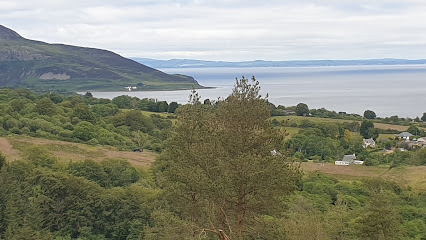
The Shurig
4.8 km
Savor fresh Scottish grill specialties with stunning sea views in the cozy, welcoming setting of The Shurig at Eden Lodge.
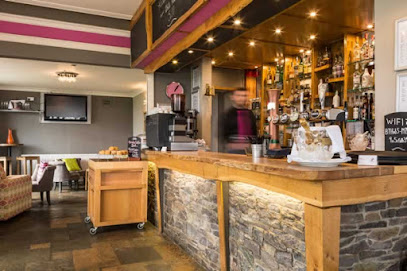
Torrylin Cairn
8.1 km
Explore Torrylin Cairn, a Neolithic chambered tomb on the Isle of Arran, revealing ancient burial rites and prehistoric connections to the landscape.
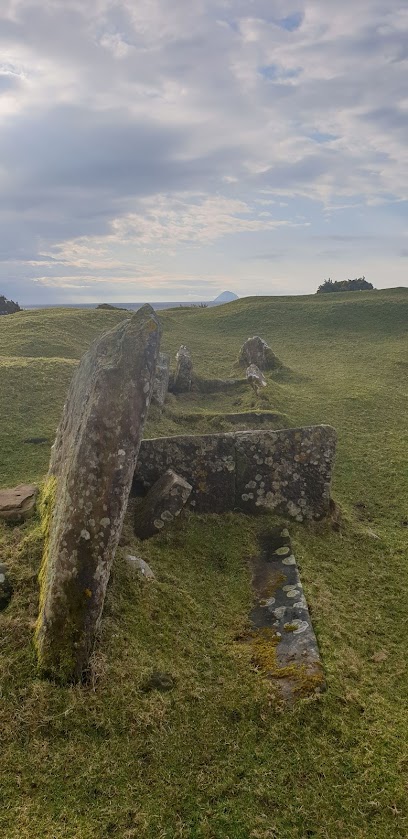
COAST Discovery Centre
9.8 km
Explore Scotland’s first community-led Marine Protected Area visitor centre on the Isle of Arran, where marine conservation meets local passion.
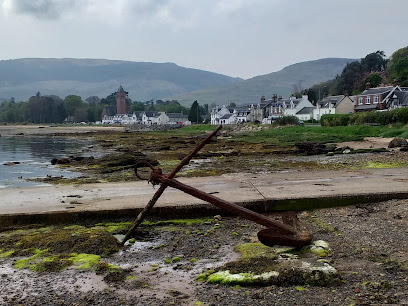
Co-op Food - Arran Lamlash - Main Street
10.1 km
Your friendly local Co-op Food store on Lamlash’s Main Street, open daily with essentials for island life.
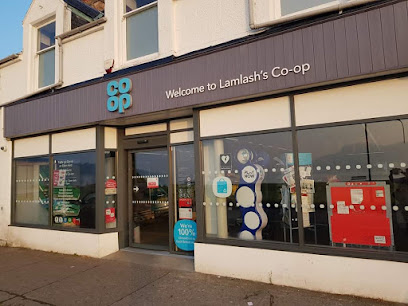
Bellevue Farm Tours and Holiday Cottages
14.8 km
Experience authentic farm life and cozy countryside stays at Bellevue Farm on the scenic Isle of Arran.
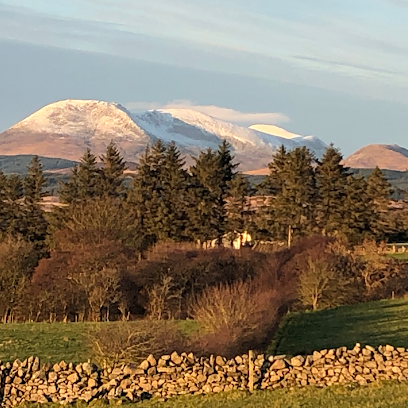
VisitScotland Brodick iCentre
15.0 km
Your essential first stop for exploring the Isle of Arran's castles, mountains, and coastal treasures.
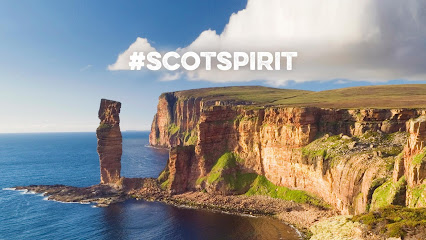
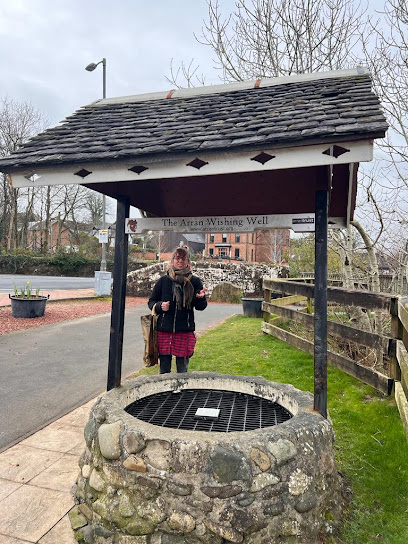
The Arran Wishing Well
15.0 km
Discover the magic of The Arran Wishing Well, a serene tourist attraction on the Isle of Arran, where folklore and nature intertwine beautifully.
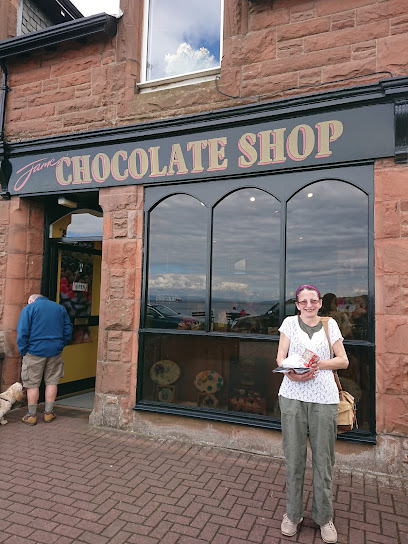
Arran Chocolate Factory
15.2 km
Discover handcrafted chocolates in the heart of Brodick, where island tradition meets artisan sweetness on the Isle of Arran.
Arran Heritage Museum
16.1 km
Discover the rich history of the Isle of Arran through authentic buildings and artifacts in this charming heritage museum nestled in Rosaburn.
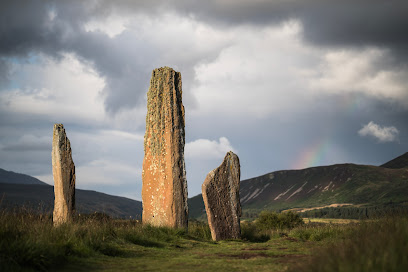
Machrie Moor Standing Stones
16.9 km
Ancient stone circles and monuments scattered across a mystical moorland, where 4,500 years of history whisper in the wind.
Brodick Squirrel Hide
17.0 km
Discover the enchanting red squirrels of Arran up close at Brodick’s peaceful and family-friendly squirrel hide.
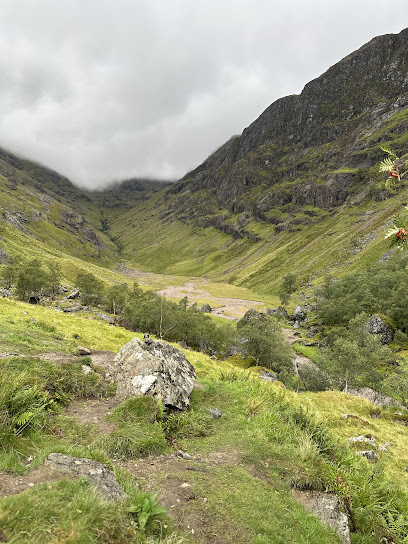
Brodick Castle, Garden and Country Park
17.1 km
Historic Scottish baronial castle with stunning gardens, woodland trails, and family adventure play on the Isle of Arran.
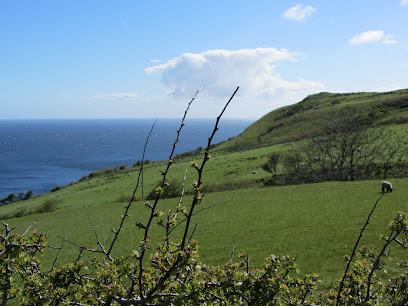
King's Caves
18.1 km
Explore ancient carvings and legends on a scenic coastal hike to the iconic King's Cave on the Isle of Arran.
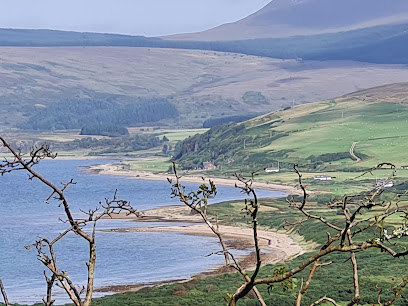
Essential places to dine

The Shore
5.3 km
Family-run café on Whiting Bay’s shore serving local produce with stunning views over Holy Isle and the Firth of Clyde.
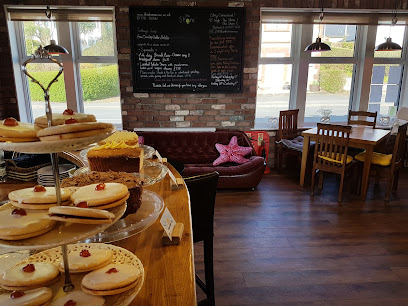
Coast Arran
5.3 km
Coast Arran offers a warm, pet-friendly dining experience with fresh Scottish coastal flavors on the scenic Isle of Arran’s Shore Road.
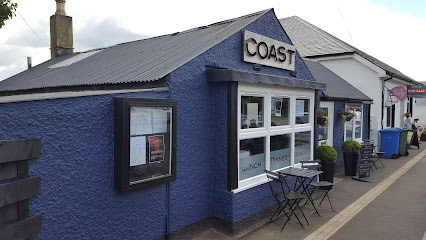
Drift Inn
10.5 km
Experience fresh seafood and grill delights with breathtaking views of Holy Isle at The Drift Inn, Lamlash’s beloved coastal eatery.
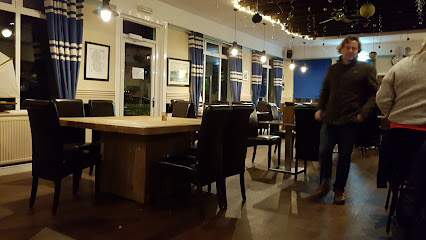
Duncans on the Green
11.1 km
Family-friendly dining with local flavors and stunning views at Lamlash Golf Club on the Isle of Arran.

Little Rock Cafe & Wee Deli
15.1 km
Charming shorefront café and deli in Brodick offering quality Scottish fare, scenic bay views, and a welcoming, family-friendly atmosphere.
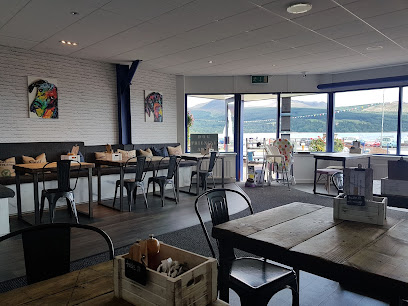
Brambles Seafood + Grill
15.1 km
Elegant seafood and grilled specialties with local flair in a cozy, dog-friendly setting at Auchrannie Resort, Brodick.
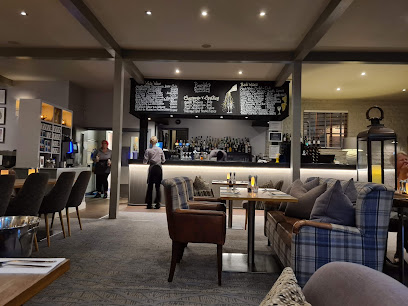
Eighteen69
15.1 km
Experience innovative tapas and island charm at Eighteen69, the stylish dining jewel within Auchrannie Resort on the Isle of Arran.
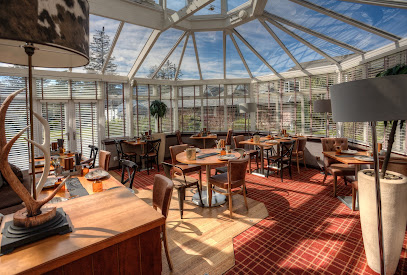
La Truffe Noire
15.2 km
A family-run fine dining gem in Brodick, Isle of Arran, serving seasonal Scottish cuisine with exceptional wines and warm island hospitality.
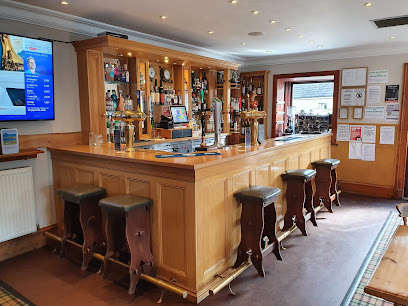
The French Fox
15.3 km
Authentic French classics served with charm and generous portions beside a tranquil river in Brodick, Isle of Arran.
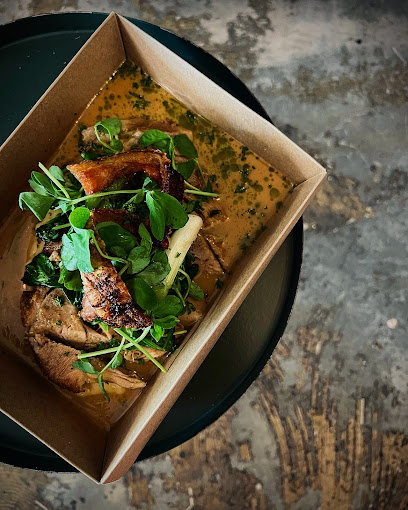
The Wineport Restaurant
16.9 km
Charming coastal bistro in Brodick offering fresh local cuisine, a sunny beer garden, and warm hospitality at the foot of Goatfell.
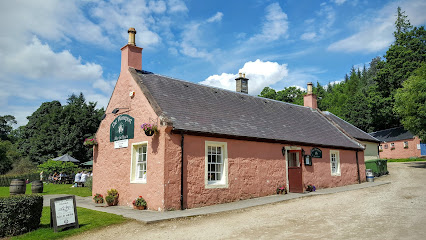
Café Thyme
21.3 km
A family-run café blending Scottish and Turkish flavors with stunning sea views on the Isle of Arran.
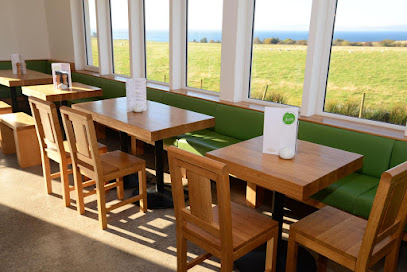
Souters Inn
24.3 km
Historic Burns schoolhouse turned award-winning restaurant, blending Scottish heritage with contemporary culinary excellence.
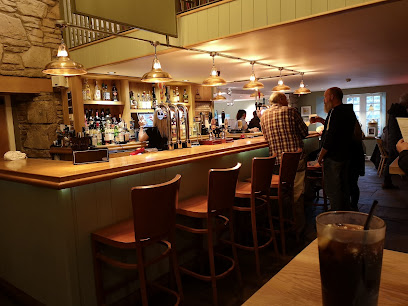
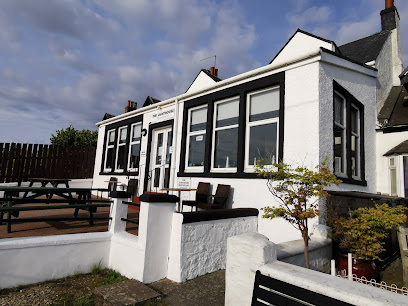
The Lighthouse
28.4 km
A cozy coastal restaurant in Pirnmill serving fresh, local seafood with stunning views on the Isle of Arran.
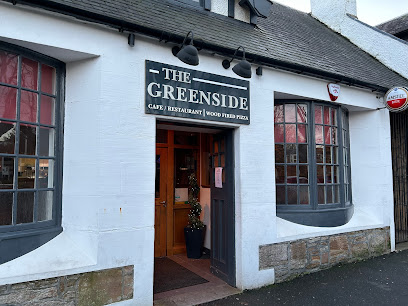
The Greenside Restaurant
28.4 km
A welcoming Maybole eatery offering generous portions, diverse menu, and friendly service in a cozy, clean setting.
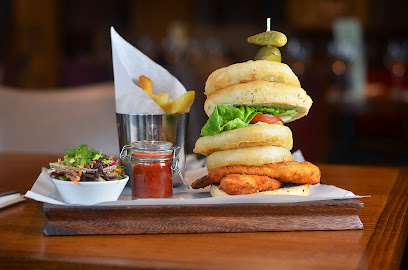
The Balgarth Pines Bar & Restaurant
28.8 km
A welcoming modern British restaurant and bar in Ayr blending traditional flavors with contemporary dining in a relaxed setting.
Markets, malls and hidden boutiques

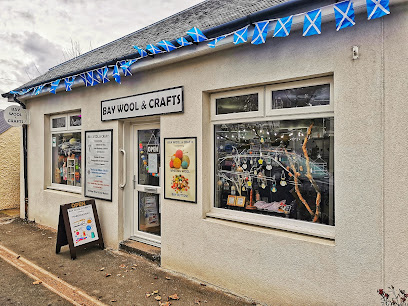
BAY WOOL & CRAFTS
5.3 km
Discover the heart of Arran’s wool craft tradition at Bay Wool & Crafts, Whiting Bay’s unique yarn and artisan shop.
The Bay Kitchen and Stores
6.2 km
A century-old gourmet store in Whiting Bay blending local artisan foods, fresh seasonal produce, and eco-friendly shopping on the Isle of Arran.
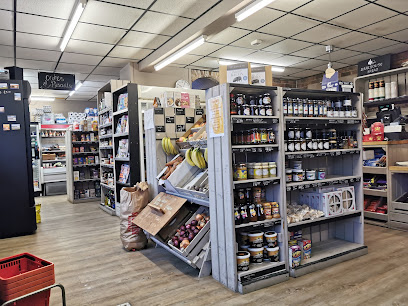
Arran Fine Foods
9.3 km
Discover authentic Isle of Arran flavors and artisanal gifts at Arran Fine Foods in the historic Old Mill, Lamlash.
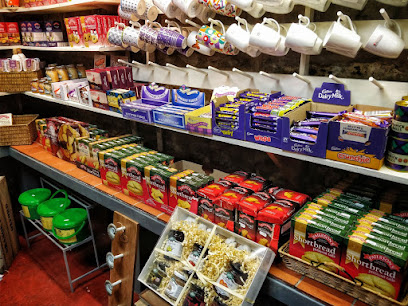
Gordon Brothers Ship House
10.1 km
Discover quality home improvement and local craftsmanship in the heart of Lamlash at Gordon Brothers Ship House on the Isle of Arran.
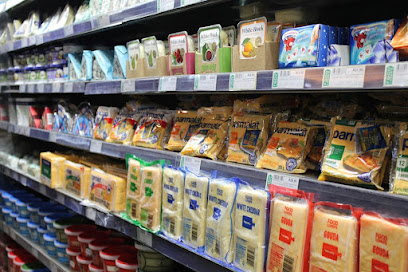
Chameleon Arran Boutique
10.2 km
Discover stylish, comfortable ladies’ fashion in a historic boutique nestled in the heart of Lamlash on the Isle of Arran.
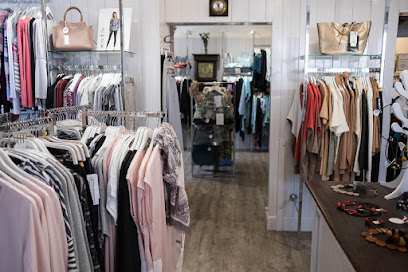
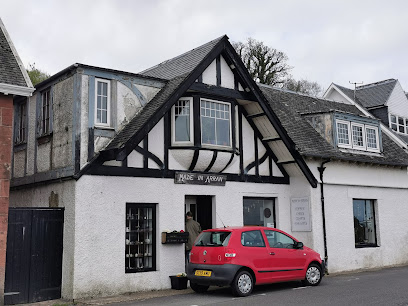
Made In Arran
10.3 km
Authentic artisan shop in Lamlash offering affordable local food, drink, and crafts that capture the spirit of the Isle of Arran.
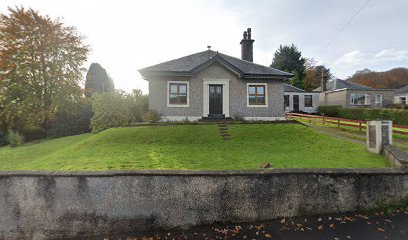
North Isle of Arran
11.0 km
Explore the rugged beauty and historic charm of the North Isle of Arran, a serene Highland escape with castles, wildlife, and breathtaking landscapes.
Co-op Food - Arran Invercloy - Main Street
15.0 km
Your friendly local Co-op in Brodick, offering fresh Arran produce, local specialties, and everyday essentials with extended daily hours.
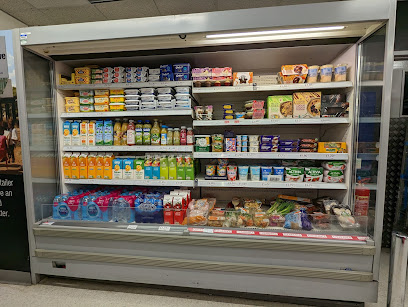
Co-op Food - Arran Brodick - Shore Street
15.0 km
Discover the essential convenience of Co-op Food in Brodick, Isle of Arran – your go-to stop for local treats and everyday necessities.
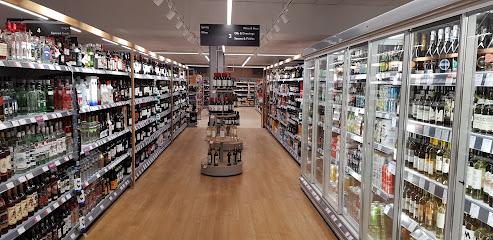
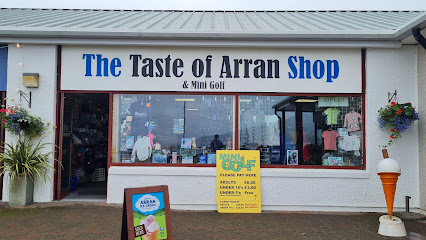
The Taste of Arran Shop
15.1 km
Discover authentic Isle of Arran flavors with artisan cheeses, handmade chocolates, and renowned local ice cream in Brodick’s charming Taste of Arran Shop.
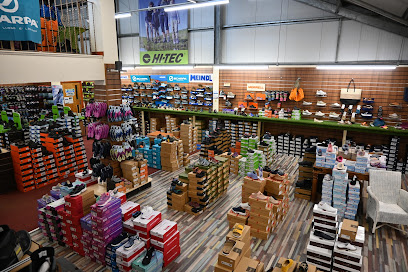
Arran Active
15.1 km
Scotland’s largest independent outdoor retailer on Isle of Arran, offering expert gear for hiking, camping, and watersports with stunning seafront views.
Woodside Arran CIC
15.1 km
Discover authentic Isle of Arran flavors and sustainable farming at Woodside Arran CIC, a charming farm shop in Brodick with panoramic island views.
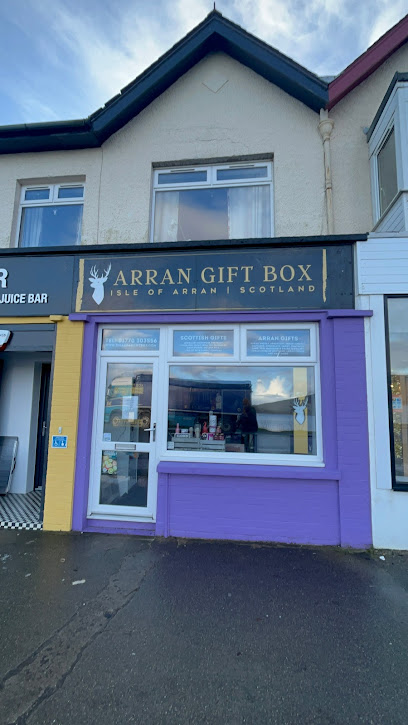
The Arran Gift Box
15.2 km
Discover curated gift boxes filled with Arran’s finest local chocolates, cheeses, whiskies, and crafts in Brodick’s charming Shore Road shop.
Castle Bay Studio
15.2 km
Discover unique handmade treasures and local artistry at Castle Bay Studio, a charming gift shop nestled in Brodick on the Isle of Arran.
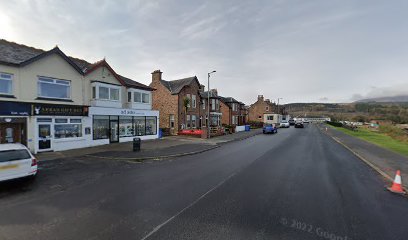
The Byre at Brodick
15.2 km
Charming boutique offering quality knitwear, diverse fashion, and unique homewares in the heart of Brodick, Isle of Arran.
Essential bars & hidden hideouts

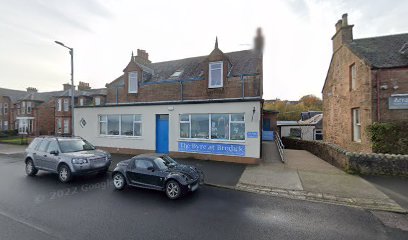
The Lagg Inn 1791
8.1 km
Historic family-run inn with cosy fires, homemade food, and tranquil gardens on the scenic Isle of Arran’s southern tip.
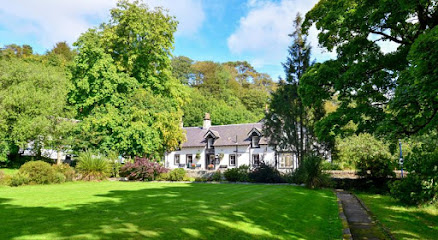
Pierhead Tavern
10.4 km
A welcoming seaside pub in Lamlash with stunning views, hearty fare, and lively local spirit on the Isle of Arran.
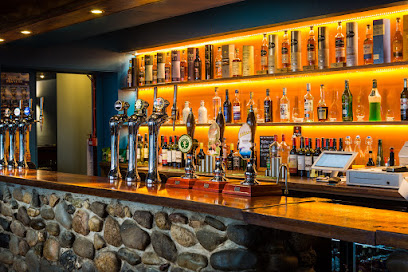
Duncan's On The Green
11.1 km
Relax and unwind with local ales and stunning views at Duncan's On The Green, nestled in historic Lamlash Golf Club on the Isle of Arran.
Ormidale Hotel
15.1 km
Family-run pub and hotel on Isle of Arran offering cozy en suite rooms, local ales, lively entertainment, and stunning views of Brodick Bay.
Edgewater
15.2 km
Cozy pub on Brodick’s Shore Road offering a warm welcome and scenic views near the heart of Isle of Arran’s main village.
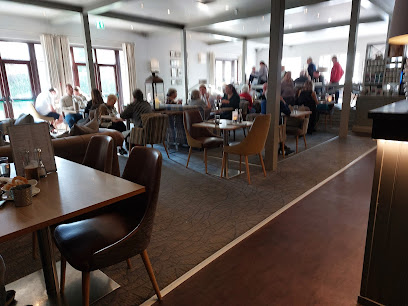
Cruize Bar Brasserie
15.3 km
A vibrant family-friendly brasserie at Auchrannie Resort serving fresh, locally inspired Scottish dishes in a lively, welcoming atmosphere.
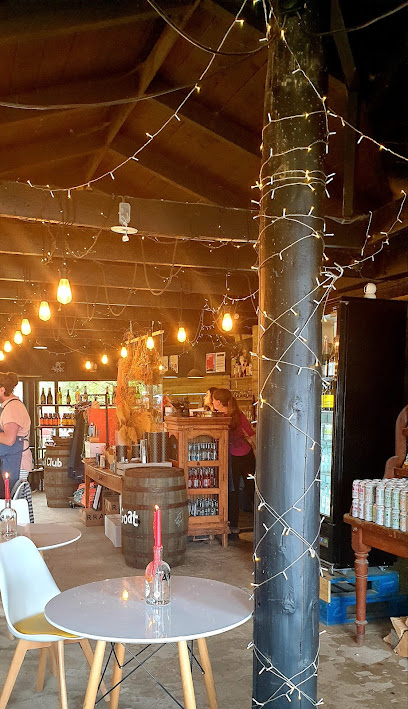
Arran Botanical Drinks @Cladach Beach House
16.8 km
Discover handcrafted botanical cocktails and scenic beachside charm at Arran Botanical Drinks, Isle of Arran’s unique coastal cocktail bar.
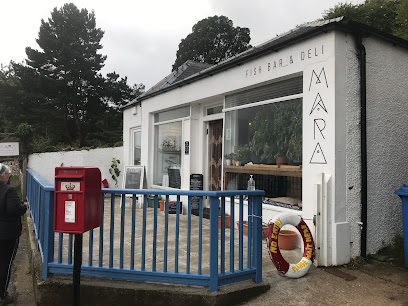
Mara Fish Bar & Deli
22.3 km
Fresh, locally sourced seafood and friendly service combine at Mara Fish Bar & Deli, a charming coastal takeaway in Corrie, Isle of Arran.
Flix Theme Bar
27.1 km
A vibrant bar and nightclub in Girvan offering lively nights, diverse drinks, and versatile event spaces on Bridge Street.
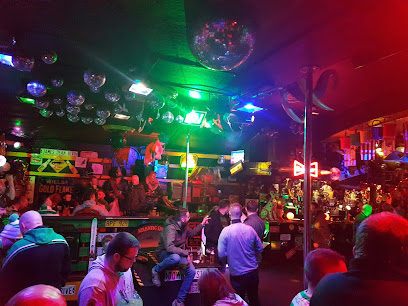
The Box Night Club
29.3 km
A welcoming and lively local nightclub in Saltcoats offering an intimate, friendly atmosphere for casual nightlife and socializing.
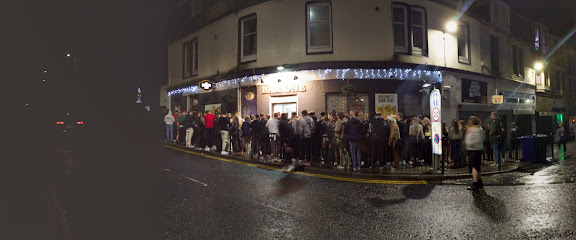
The Harbour Bar
29.6 km
A traditional nautical-themed pub in Troon offering great drinks, hearty food, live music, and a welcoming atmosphere by the waterfront.
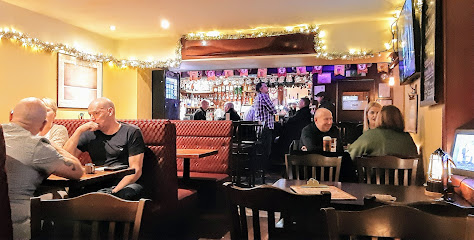
Wellingtons Lounge Bar
29.6 km
Step into Wellingtons Lounge Bar for handcrafted cocktails, live music, and a cozy 1920s vibe in the heart of Ayr’s vibrant social scene.
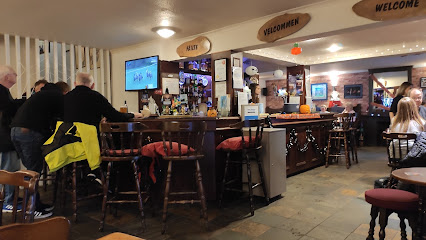
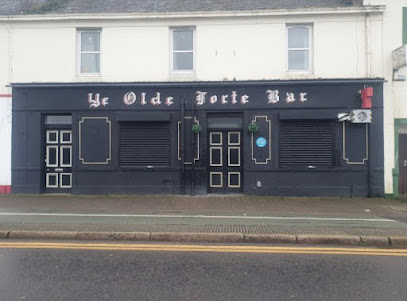
The Fort Bar
29.8 km
A welcoming harbourside pub in Ayr offering friendly service, great drinks, and a cozy atmosphere steeped in Scottish tradition.
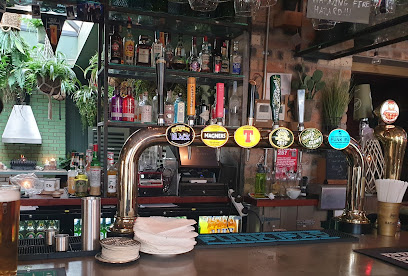
Tbar
29.9 km
A quirky and lively pub in Ayr offering excellent cocktails, live music, and a welcoming atmosphere for a memorable night out.
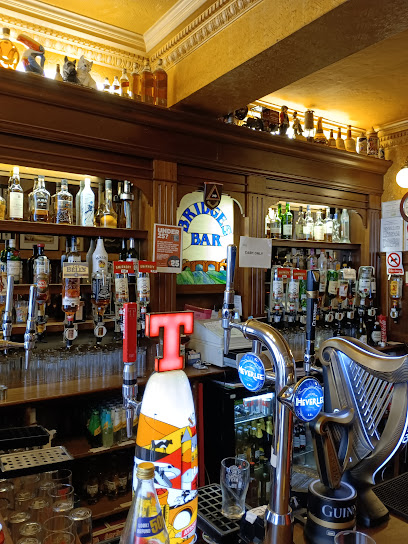
Billy Bridges Bar
29.9 km
Experience authentic Ayr nightlife with local ales, friendly vibes, and lively events at Billy Bridges Bar, your cozy Scottish pub retreat.
Nightclubs & after hour spots

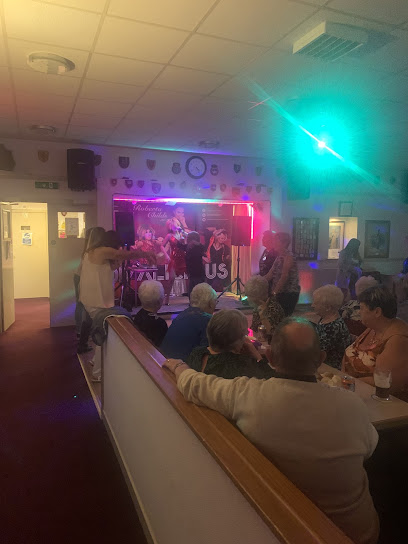
Ayr Ex-Services Club
29.9 km
A friendly and lively social club in Ayrshire offering great music, community spirit, and vibrant weekend nights.
Notion Ayr
30.0 km
Discover the vibrant nightlife at Notion Ayr, an exceptional events venue in the heart of Ayr, perfect for unforgettable social experiences.
Printhouse Ayr
30.2 km
Experience Ayrshire’s vibrant nightlife and live music scene at Printhouse Ayr, where music and atmosphere unite for unforgettable nights.
Pitchers Bar and Nightclub
33.7 km
A vibrant and inclusive nightclub in Irvine’s heart, offering lively music, dancing, and a welcoming atmosphere until the early hours.
The Club
42.5 km
A vibrant nightlife hotspot in the heart of Kilmarnock, offering lively music and a welcoming atmosphere for locals and visitors.
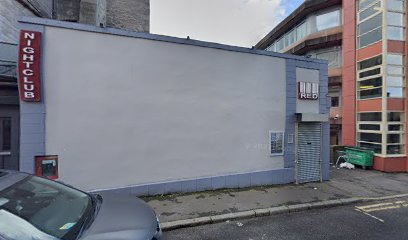
Red
60.3 km
Experience Greenock’s vibrant nightlife at Red Nightclub, where intimate vibes meet lively dance floors and affordable fun every weekend.
Word Up
60.6 km
Experience Greenock's revitalized nightlife at Word Up, a modern nightclub with vibrant energy and a welcoming atmosphere.

Vienna's Nightclub
61.7 km
Experience Paisley’s vibrant nightlife at Vienna's Nightclub, where energetic music and lively crowds come alive every weekend.
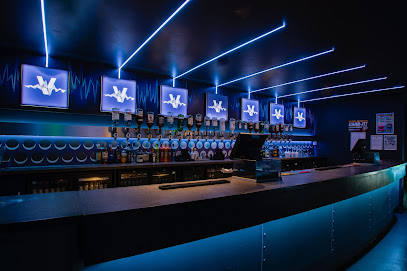
Fantoosh
61.8 km
A lively, intimate nightclub in Paisley’s heart, perfect for energetic nights with friends and local beats.
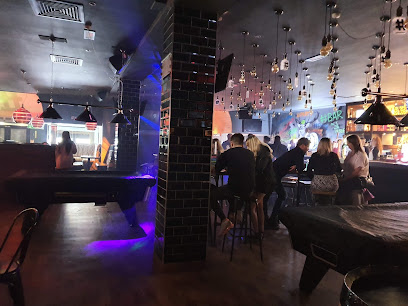
Club 69 Paisley
62.3 km
Dive into Paisley’s legendary underground techno scene at Club 69, where pulsating beats and vibrant vibes keep the night alive.
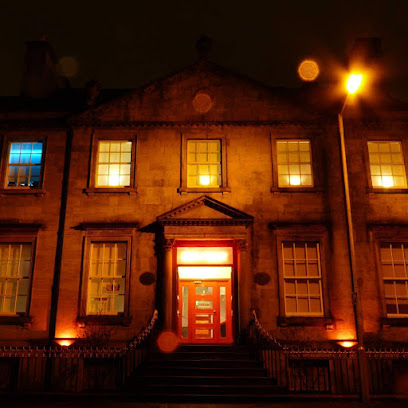
The Shed
67.5 km
Dive into Shawlands' glitzy two-floor nightclub where chart bangers, R&B, hip-hop, and 80s cheese anthems fuel unpretentious Southside partying till the early hours.

Skye Nightclub & Lounge
68.2 km
Energetic nightclub and lounge in East Kilbride offering vibrant nightlife, music, and drinks in a stylish setting.
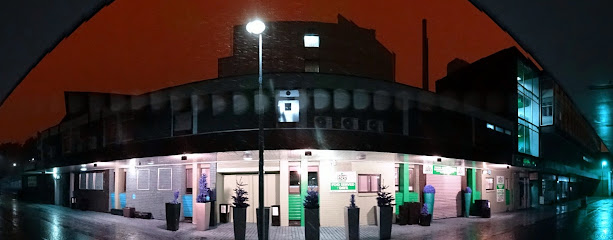
Downtown Nightclub
68.3 km
Experience East Kilbride’s vibrant weekend nightlife at Downtown Nightclub, a hub of music, dancing, and late-night energy in the town centre.
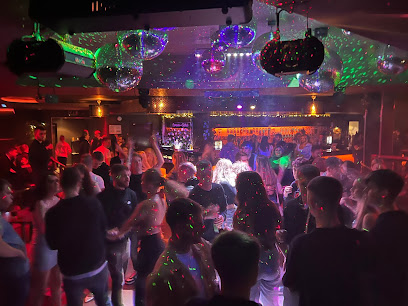
Jura Hotel
68.5 km
Charming island hotel in Craighouse with sea views, cozy pub, and authentic Scottish hospitality on the remote Isle of Jura.
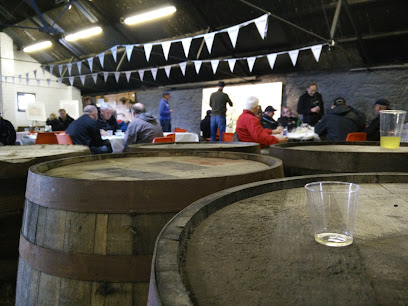
Isle of Jura Distillery Co
68.5 km
Discover the rich heritage and exquisite flavors of Isle of Jura Distillery, a must-visit for whisky lovers in Scotland's stunning landscape.
For the vibe & atmosphere seeker
- Tranquil
- Scenic
- Unique
- Relaxing
For the design and aesthetic lover
- Rustic Designs
- Vintage Styles
For the architecture buff
- Historic
- Landmarks
For the view chaser and sunset hunter
- Iconic Views
- Panoramas
- Waterfront
- Sunset Spots
For the social media creator & influencer
- Instagrammable
- Photo Spots
- Selfie Spots
For the eco-conscious traveler
- Public-Transport Accessible
- Leave-No-Trace Critical
For the kind of experience you’re after
- Cultural Heritage
- Photowalk
- Nature Escape
- Day Trip
For how adventurous you want the journey to be
- Easy Access
Location Audience
- Family Friendly
- Senior Friendly
- Child Friendly
- Solo Friendly
- Couple Friendly


