
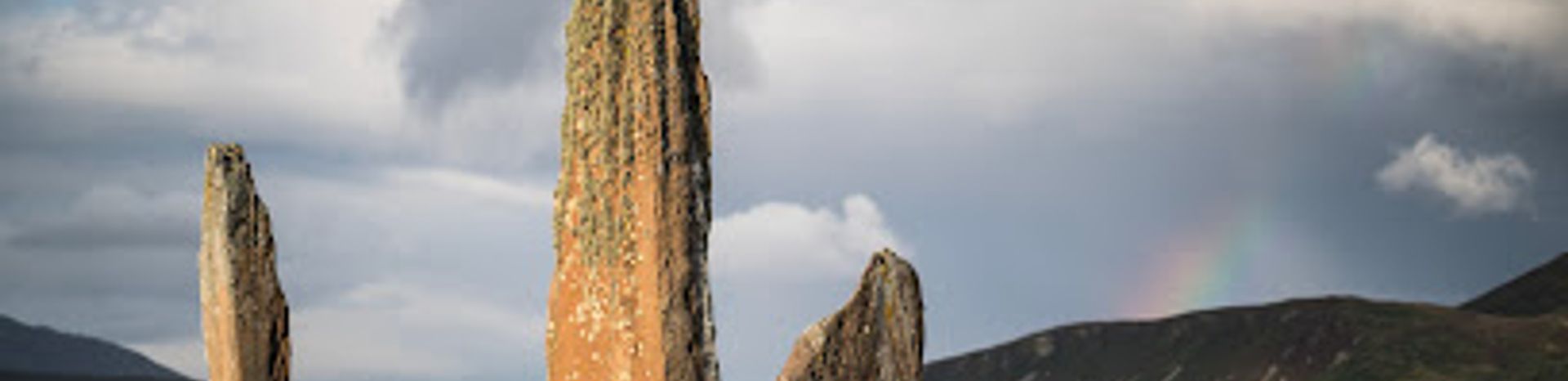
Machrie Moor Standing Stones
Ancient stone circles and monuments scattered across a mystical moorland, where 4,500 years of history whisper in the wind.
Machrie Moor is home to six ancient stone circles and numerous prehistoric monuments scattered across windswept moorland on the Isle of Arran. Dating back 4,500 years to the Neolithic and Bronze Age periods, these enigmatic structures—some reaching 5.5 metres high—were built atop earlier timber circles and served ceremonial, astronomical, and gathering purposes. The site encompasses standing stones, burial cairns, cists, and hut circles, offering a tangible connection to Scotland's ancient past. Free to visit year-round with minimal infrastructure, the moor remains largely undisturbed, allowing visitors to experience these monuments in their raw, atmospheric setting.
A brief summary to Machrie Moor Standing Stones
- Isle of Arran, GB
- Duration: 1.5 to 3.5 hours
- Free
-
 Outdoor
- Mobile reception: 2 out of 5
- Monday 12 am-12 am
- Tuesday 12 am-12 am
- Wednesday 12 am-12 am
- Thursday 12 am-12 am
- Friday 12 am-12 am
- Saturday 12 am-12 am
- Sunday 12 am-12 am
Local tips
- Visit early morning or late afternoon to experience the site in softer light and avoid midday crowds. The low northern sun casts dramatic shadows that enhance the atmosphere and create excellent photography opportunities.
- Wear waterproof footwear and clothing suitable for moorland weather. The terrain is boggy and exposed; conditions can change rapidly, and the moor remains wet even after rain.
- Allow time to explore beyond the main circles. The site encompasses numerous smaller monuments including burial cairns, cists, and hut circles that reward careful observation and wandering.
- Bring binoculars or a camera with zoom capability to observe details of the stones from a distance, including the hole in one standing stone and the notch aligned with Machrie Glen.
- Combine your visit with other Neolithic sites on Arran such as Lamlash Stone Circle, Giants' Grave, and Drumadoon to gain a fuller understanding of the island's prehistoric heritage.

For the on-the-go comforts that matter to you
- Trash Bins
Getting There
-
Car from Brodick
From Brodick, drive approximately 25 kilometres west and south on the A841 towards Blackwaterfoot. The journey takes roughly 45 minutes to 1 hour. Follow signs for Machrie or Moss Farm. There is informal parking near Moss Farm Road; parking is free but limited and can be muddy in wet weather. From the parking area, walk approximately 1.5 to 2 kilometres across moorland to reach the main stone circles.
-
Bus from Brodick
Stagecoach operates bus services (route 301) from Brodick to Blackwaterfoot, with the journey taking approximately 1.5 to 2 hours depending on stops. Buses run several times daily but with reduced frequency in winter months. Request the driver to stop near Machrie or Moss Farm. From the bus stop, follow the moorland path approximately 1.5 to 2 kilometres to the stone circles. Fares are approximately £5 to £8 per journey.
-
Walking from Blackwaterfoot
If staying in Blackwaterfoot village, Machrie Moor is accessible via a moorland walk of approximately 4 to 5 kilometres (1.5 to 2 hours) heading northeast from the village. The terrain is open moorland with indistinct paths; navigation can be challenging in mist or poor visibility. Wear waterproof footwear as the ground is often boggy. This option is suitable only for experienced walkers comfortable with exposed terrain.
-
Bicycle from Blackwaterfoot
Mountain bikes or sturdy hybrid bikes can be used to reach the site from Blackwaterfoot, approximately 4 to 5 kilometres away. The terrain is rough moorland with no formal cycle path; the journey takes 30 to 45 minutes depending on fitness and ground conditions. Bikes can be hired in Brodick or Blackwaterfoot for approximately £15 to £25 per day.
Machrie Moor Standing Stones location weather suitability
-
 Any Weather
-
 Rain / Wet Weather
-
 Clear Skies
-
 Windy Conditions
-
 Cold Weather
-
 Mild Temperatures
Discover more about Machrie Moor Standing Stones
A Landscape Frozen in Deep Time
Machrie Moor stands as one of Scotland's most significant archaeological landscapes, a sprawling collection of Neolithic and Bronze Age monuments scattered across the windswept moorland of the Isle of Arran's western coast. Six distinct stone circles dominate the site, some constructed from towering red sandstone pillars reaching up to 5.5 metres in height, others formed from granite boulders. These monuments are surrounded by standing stones, burial cairns, cists (stone burial chambers), and the low, turf-covered rings of ancient hut circles—the foundations of dwellings occupied thousands of years ago. The entire complex dates to between 3500 and 1500 BC, with radiocarbon evidence placing some timber circle activity around 2030 BC. What makes Machrie Moor extraordinary is not merely the age of individual monuments, but the density and variety of prehistoric structures within a relatively compact area, suggesting this moorland was a major centre of ritual, habitation, and communal activity for millennia.The Layered Story of Stone and Timber
Archaeological investigation has revealed a fascinating narrative of cultural continuity and transformation at Machrie Moor. The stone circles were not built in isolation but were constructed directly atop the sites of earlier timber circles, which have long since rotted away into the peat. This deliberate placement suggests that the builders of the stone monuments were consciously choosing to occupy the same sacred or significant spaces as their predecessors, perhaps maintaining spiritual or ceremonial continuity across generations. The transition from timber to stone likely reflects not a sudden change in purpose but rather an evolution in construction technique and permanence. Some circles were built over several centuries, indicating that Machrie Moor remained a focus of communal effort and investment across extended periods. Excavations conducted in the 19th century uncovered cremated remains, inhumation burials, food vessels, bronze implements, and flint tools within the circles, evidence that these monuments served as burial grounds and repositories for the dead long after their initial construction.Celestial Alignments and Astronomical Knowledge
The positioning of the stones at Machrie Moor reveals a sophisticated understanding of astronomy among the Neolithic inhabitants of Arran. Many of the circles and standing stones are aligned with celestial events, particularly the rising sun at midsummer and other significant astronomical moments. One of the most striking alignments involves a prominent notch cut into a standing stone that frames the summit of Machrie Glen, creating a natural sight-line for observing the sunrise. This precision suggests that the builders possessed detailed knowledge of solar and lunar cycles, information essential for agricultural societies dependent on seasonal timing for planting and harvest. Whether these alignments served practical, ceremonial, or both purposes remains debated among archaeologists, but they demonstrate that the people who erected these monuments were keen observers of the heavens and possessed the mathematical and engineering knowledge to translate those observations into stone.Legends Woven into Stone
Machrie Moor is enveloped in layers of myth and folklore that have accumulated over millennia. Local tradition associates the stones with Fionn mac Cumhaill (Finn McCool), the legendary Gaelic warrior-giant, and one circle is known as 'Fingal's Cauldron Seat.' According to one tale, the giant tied his enormous hound to one of the standing stones using a hole that remains visible in the rock to this day. Another legend speaks of a wizard who once dwelt on Arran, drawing magical power from the stones to foresee the future and protect the island from harm. The Gaelic name for the site, Sliabh nan Carragh, translates as 'The Moor of the Standing Stones,' though some scholars suggest it may derive from an older root meaning 'The Moor of the Stone-Ghosts,' evoking the eerie, watchful presence that many visitors report experiencing on the windswept moor. These stories, passed down through generations, reflect the profound impression these ancient monuments have made on the human imagination and the sense that Machrie Moor holds secrets beyond our full understanding.The Atmosphere of Mystery and Solitude
Unlike many famous prehistoric sites, Machrie Moor remains relatively undeveloped and unmediated by modern tourism infrastructure. There are no entrance fees, no visitor centres, no barriers or extensive signage. The approach involves walking through sheep pastures, crossing fences, and following a path across open moorland, creating an intimate and unfiltered encounter with the monuments. The landscape itself—windswept, often shrouded in mist, dotted with heather and peat bog—contributes to the site's powerful atmosphere. The tall sandstone pillars cast long shadows in the low northern sun, and the only sounds are often the wind and the cries of curlews. This austere, almost haunting quality allows visitors to experience the stones much as ancient peoples might have encountered them: as imposing, enigmatic presences in a wild landscape. The peat that surrounds and partially swallows some of the circles adds to the sense of time's passage and the slow reclamation of human works by nature.Conservation and Enduring Significance
Machrie Moor has been cared for by Historic Environment Scotland and local conservation efforts to ensure that this irreplaceable archaeological landscape is preserved for future generations. The site's significance extends beyond its historical and archaeological value; it represents a tangible connection to the deep human past and to the ancestors of many Scottish people. For visitors, standing before these ancient stones—some of which may have been raised by their own forebears—can evoke a profound sense of continuity and connection across thousands of years. The moor endures as a silent testament to the ingenuity, spiritual beliefs, and communal efforts of people who lived in a world vastly different from our own, yet who left behind monuments of such scale and precision that they continue to inspire wonder and speculation today.Iconic landmarks you can’t miss

Lamlash Stone Circle
10.8 km
Ancient Neolithic gathering place where stone and sky converge on Arran's moorland.
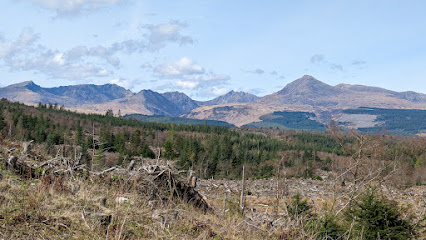
Wee Al's Bench
11.6 km
Breathtaking coastal vantage point where Arran's natural beauty meets centuries of island heritage.
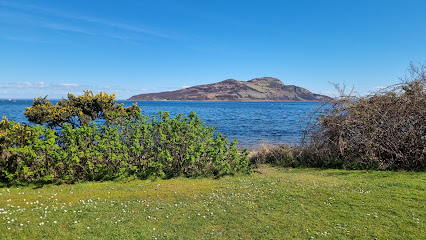
Kingscross Viking Fort
15.0 km
Discover the ancient Viking fort and burial mound at Kingscross Point, where history meets breathtaking coastal vistas on the Isle of Arran.
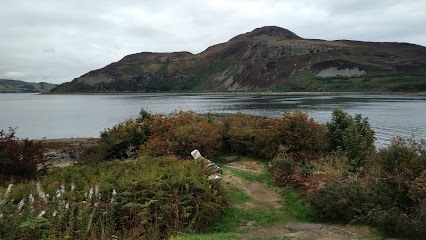
Lochranza Youth Hostel
18.1 km
Experience the natural beauty and cultural charm of Lochranza Youth Hostel on the Isle of Arran, the perfect retreat for adventure and relaxation.

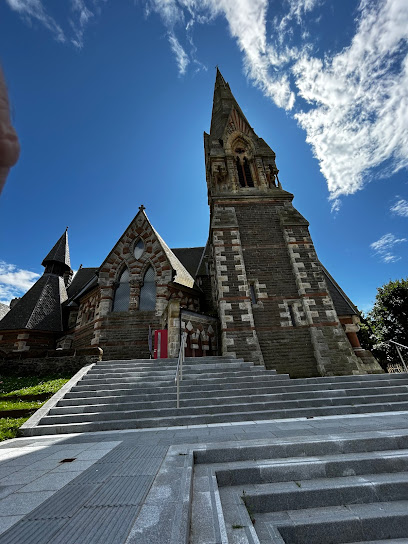
Trinity Church (Former)
41.3 km
A majestic Gothic Revival landmark showcasing Victorian ecclesiastical architecture and Irvine’s rich religious heritage.
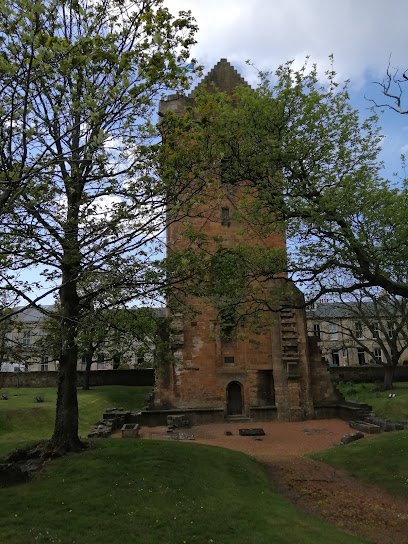
Ayr Citadel
43.3 km
Explore Ayr Citadel, a 17th-century hexagonal fortress by the sea, rich in history and coastal charm.
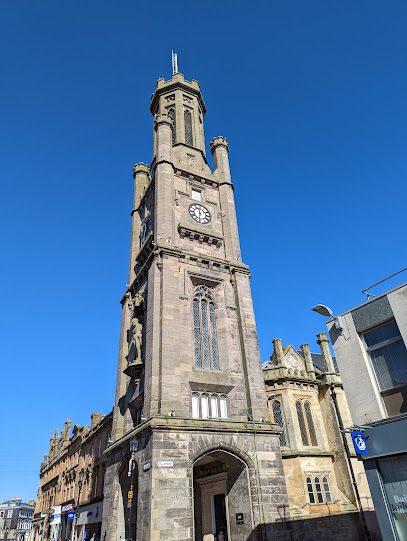
The Wallace Tower
43.9 km
A towering Neo-Gothic landmark in Ayr, blending rich history, local legend, and striking architecture on the town’s bustling High Street.
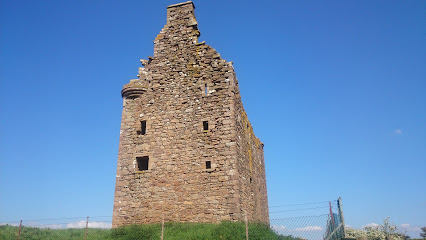
Baltersan Castle(Caisteal Baltersan)
43.9 km
Discover the historic allure of Baltersan Castle, a mesmerizing ruin in Maybole, where Scotland's rich heritage and stunning landscapes await.
Auld Kirk Of Ayr
43.9 km
Discover the Auld Kirk of Ayr, a historical church showcasing stunning architecture and a rich tapestry of Scottish culture and heritage.
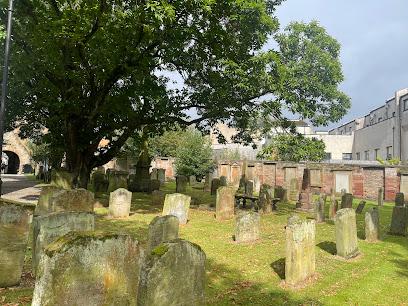
Alloway Auld Kirk
44.3 km
Explore Alloway Auld Kirk, a historic church linked to Robert Burns, offering a blend of literary heritage and tranquil surroundings in beautiful Scotland.
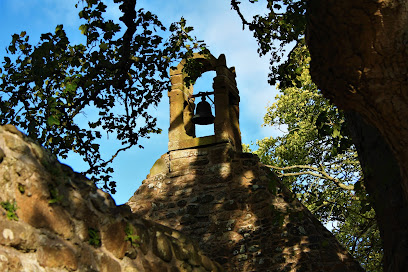
Burns Monument
44.4 km
Discover the enchanting Burns Monument in Alloway, a serene tribute to Scotland's revered poet, surrounded by lush gardens and rich literary history.
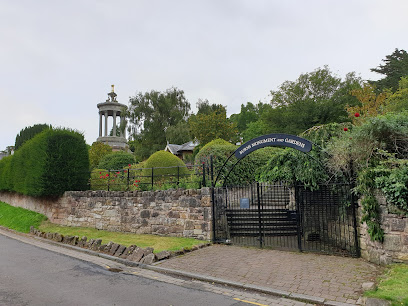
Craigie Park
44.4 km
Experience the natural beauty and tranquility of Craigie Park in Ayr, a perfect retreat for relaxation and leisurely strolls amidst vibrant landscapes.
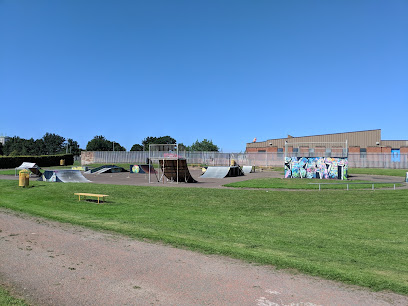
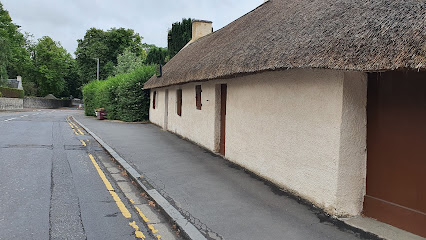
Burns Cottage
44.4 km
Explore the rich heritage of Scotland's national poet at Burns Cottage in Alloway, where history and literature come alive.
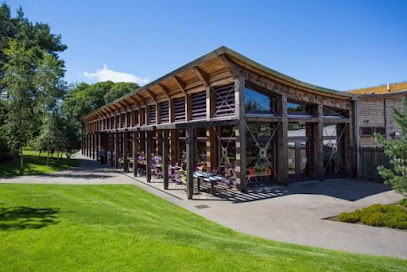
Robert Burns Birthplace Museum
44.5 km
Explore the rich heritage of Scotland's national poet, Robert Burns, at the captivating Birthplace Museum in Alloway.
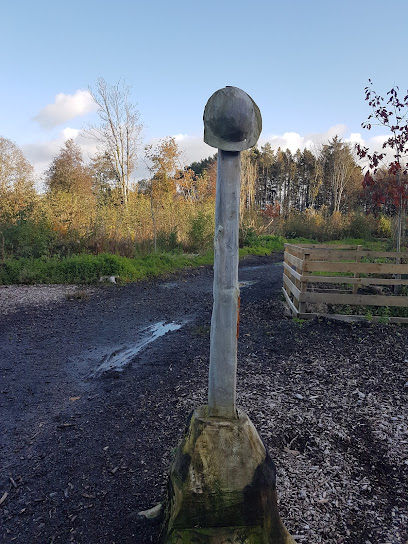
Rozelle Estate
44.7 km
Explore Rozelle Estate, a tranquil park in Ayr, Scotland, with stunning gardens, scenic walks, and rich history for a perfect day out.
Unmissable attractions to see

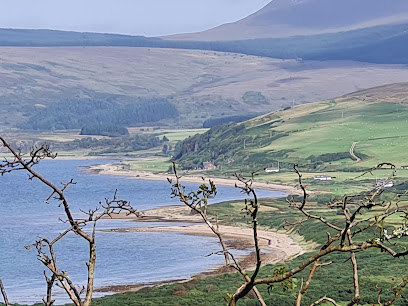
King's Caves
3.1 km
Explore ancient carvings and legends on a scenic coastal hike to the iconic King's Cave on the Isle of Arran.
Bellevue Farm Tours and Holiday Cottages
4.6 km
Experience authentic farm life and cozy countryside stays at Bellevue Farm on the scenic Isle of Arran.
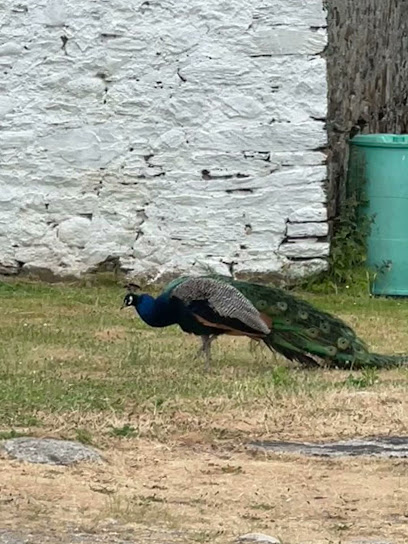
Peacock Farm
9.3 km
Explore the scenic beauty and sustainable charm of Peacock Farm on the Isle of Arran, a perfect escape for nature lovers and families.
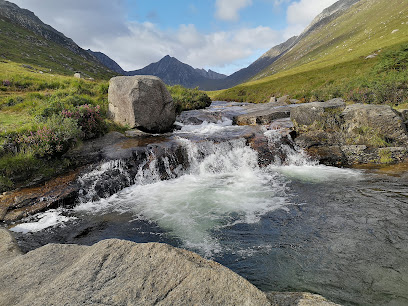
Blue Pools - Glen Rosa
9.6 km
Discover the serene Blue Pools in Glen Rosa, a wild swimming haven set beneath Goat Fell’s majestic peaks on the Isle of Arran.
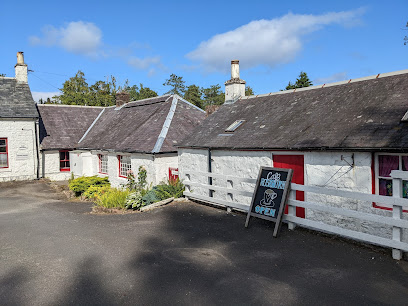
Arran Heritage Museum
10.6 km
Discover the rich history of the Isle of Arran through authentic buildings and artifacts in this charming heritage museum nestled in Rosaburn.
Arran Chocolate Factory
11.1 km
Discover handcrafted chocolates in the heart of Brodick, where island tradition meets artisan sweetness on the Isle of Arran.
Brodick Squirrel Hide
11.5 km
Discover the enchanting red squirrels of Arran up close at Brodick’s peaceful and family-friendly squirrel hide.
Co-op Food - Arran Lamlash - Main Street
11.5 km
Your friendly local Co-op Food store on Lamlash’s Main Street, open daily with essentials for island life.
COAST Discovery Centre
11.5 km
Explore Scotland’s first community-led Marine Protected Area visitor centre on the Isle of Arran, where marine conservation meets local passion.
VisitScotland Brodick iCentre
11.5 km
Your essential first stop for exploring the Isle of Arran's castles, mountains, and coastal treasures.
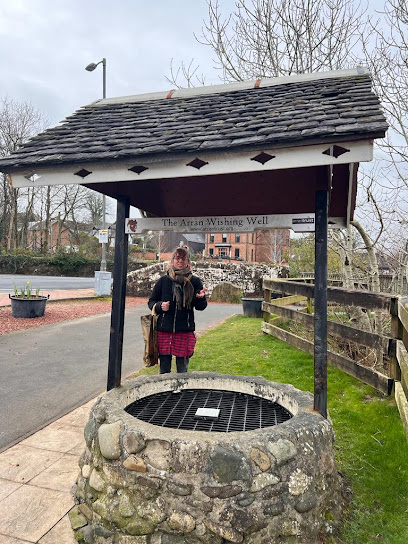
The Arran Wishing Well
11.6 km
Discover the magic of The Arran Wishing Well, a serene tourist attraction on the Isle of Arran, where folklore and nature intertwine beautifully.
Brodick Castle, Garden and Country Park
11.7 km
Historic Scottish baronial castle with stunning gardens, woodland trails, and family adventure play on the Isle of Arran.
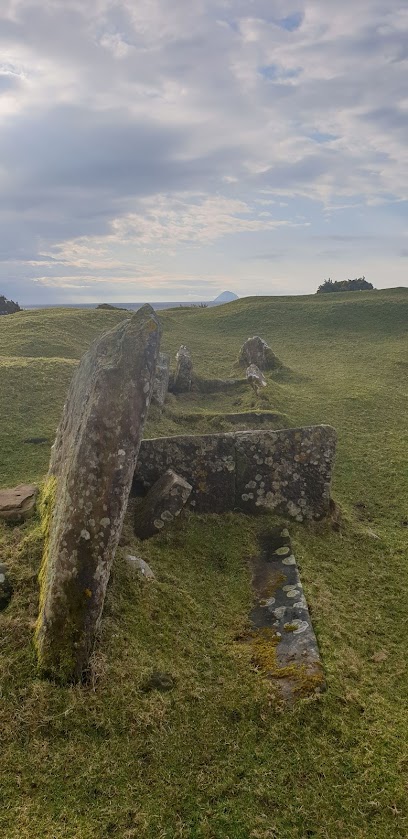
Torrylin Cairn
12.1 km
Explore Torrylin Cairn, a Neolithic chambered tomb on the Isle of Arran, revealing ancient burial rites and prehistoric connections to the landscape.
Saddell ABBEY
12.6 km
Explore the serene ruins of Saddell Abbey, a 12th-century Cistercian monastery rich in medieval art and clan history on Scotland’s Kintyre coast.
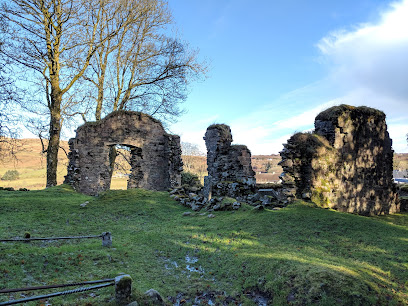
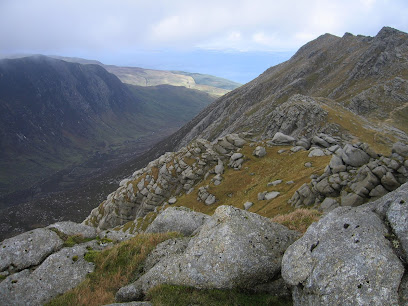
North Goatfell
12.6 km
Dramatic 818m ridge-bound peak offering scrambling, exposure, and panoramic Highland views on Arran's iconic mountain range.
Essential places to dine

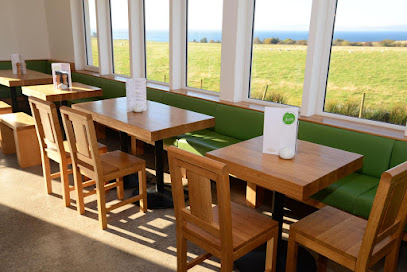
Café Thyme
4.6 km
A family-run café blending Scottish and Turkish flavors with stunning sea views on the Isle of Arran.
Brambles Seafood + Grill
10.3 km
Elegant seafood and grilled specialties with local flair in a cozy, dog-friendly setting at Auchrannie Resort, Brodick.
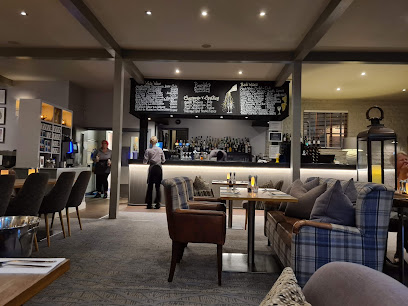
Eighteen69
10.3 km
Experience innovative tapas and island charm at Eighteen69, the stylish dining jewel within Auchrannie Resort on the Isle of Arran.
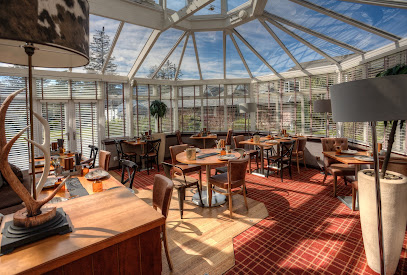
The French Fox
10.6 km
Authentic French classics served with charm and generous portions beside a tranquil river in Brodick, Isle of Arran.
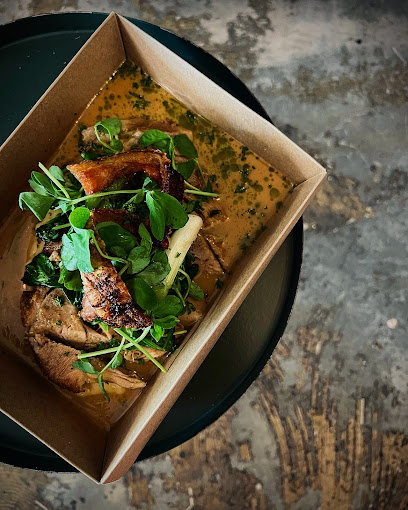
La Truffe Noire
10.9 km
A family-run fine dining gem in Brodick, Isle of Arran, serving seasonal Scottish cuisine with exceptional wines and warm island hospitality.
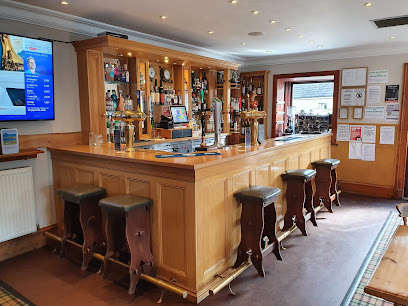
Little Rock Cafe & Wee Deli
11.2 km
Charming shorefront café and deli in Brodick offering quality Scottish fare, scenic bay views, and a welcoming, family-friendly atmosphere.
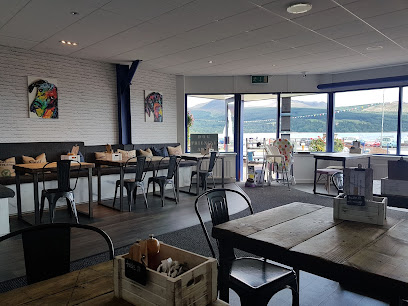
The Wineport Restaurant
11.3 km
Charming coastal bistro in Brodick offering fresh local cuisine, a sunny beer garden, and warm hospitality at the foot of Goatfell.
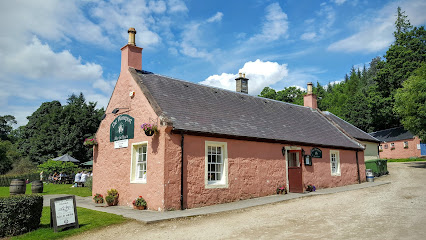
Duncans on the Green
11.6 km
Family-friendly dining with local flavors and stunning views at Lamlash Golf Club on the Isle of Arran.

Drift Inn
11.9 km
Experience fresh seafood and grill delights with breathtaking views of Holy Isle at The Drift Inn, Lamlash’s beloved coastal eatery.
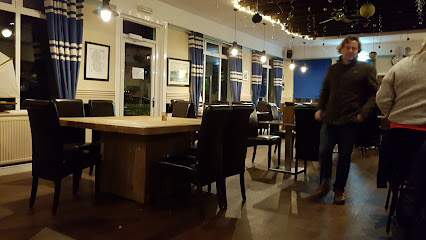
The Lighthouse
12.3 km
A cozy coastal restaurant in Pirnmill serving fresh, local seafood with stunning views on the Isle of Arran.
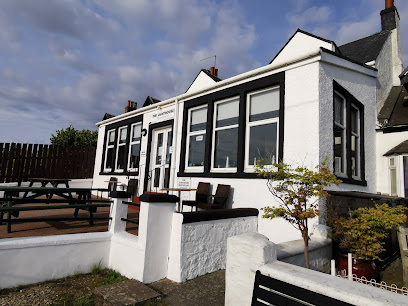
Coast Arran
14.8 km
Coast Arran offers a warm, pet-friendly dining experience with fresh Scottish coastal flavors on the scenic Isle of Arran’s Shore Road.
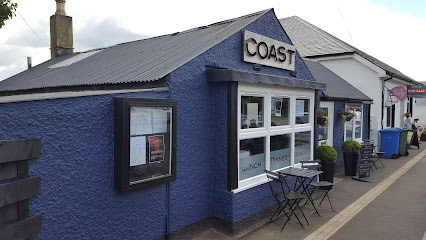
The Shore
14.8 km
Family-run café on Whiting Bay’s shore serving local produce with stunning views over Holy Isle and the Firth of Clyde.
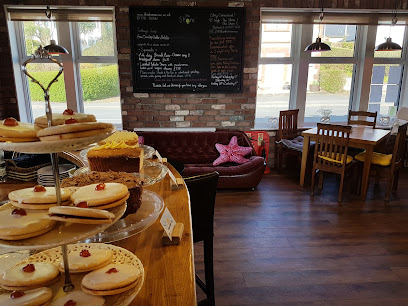
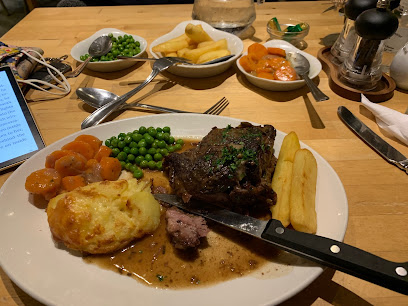
The Stags Pavilion
17.8 km
A cozy, family-run BYOB restaurant in Lochranza serving fresh, local Scottish and Italian-inspired dishes with stunning golf course views.
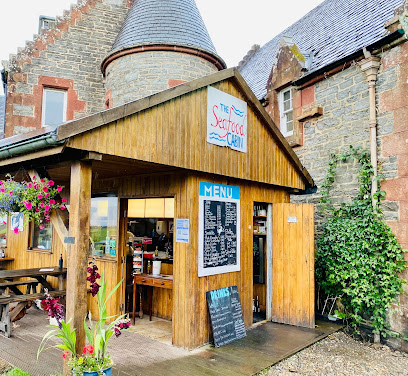
Skipness Seafood Cabin
25.3 km
Fresh, locally sourced seafood served in a cozy cabin with stunning views of Skipness Bay and the Isle of Arran.
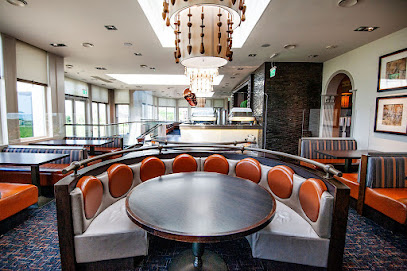
The Orangery Restaurant
32.4 km
Coastal dining excellence with panoramic Ayrshire views and creative British-Scottish cuisine at Seamill Hydro’s Orangery Restaurant.
Markets, malls and hidden boutiques

The Harbour Shop
4.5 km
Discover authentic Isle of Arran gifts and local treasures in the heart of Blackwaterfoot at The Harbour Shop.
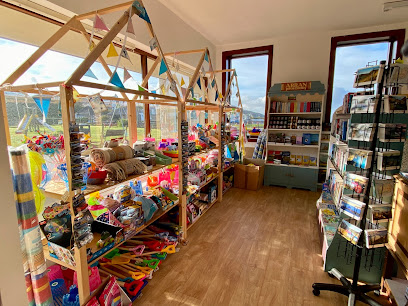
A&C Cameron Post Office & Licensed Grocer
4.5 km
A&C Cameron offers essential groceries, local delicacies, and post office services in Blackwaterfoot, blending community warmth with unique Arran flavors.
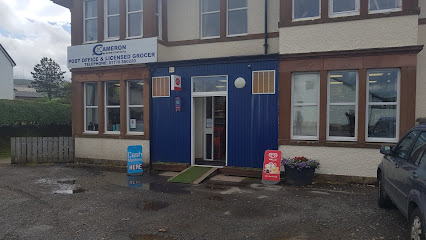
The Old Byre Visitor Centre
4.6 km
A charming family-run hub on Isle of Arran blending sustainable shopping, homemade dining, and scenic family fun with stunning coastal views.
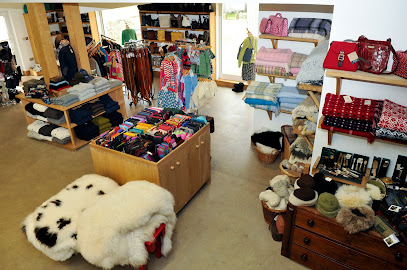
Ardgarvie Active
10.4 km
Discover unique handwoven paracord bracelets and keyrings crafted with care in Brodick’s cozy Ardgarvie Active shop.
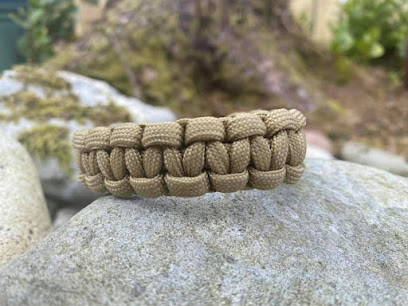
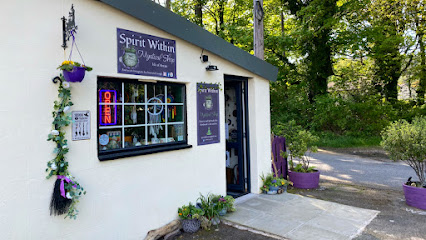
Spirit Within Mystical Shop - Isle of Arran
10.6 km
Discover Isle of Arran’s only mystical shop, offering esoteric treasures and handcrafted spiritual gifts in the heart of Brodick.
Summit Jewellery
10.6 km
Discover authentic Scottish craftsmanship and island-inspired jewellery in the heart of Brodick, Isle of Arran.
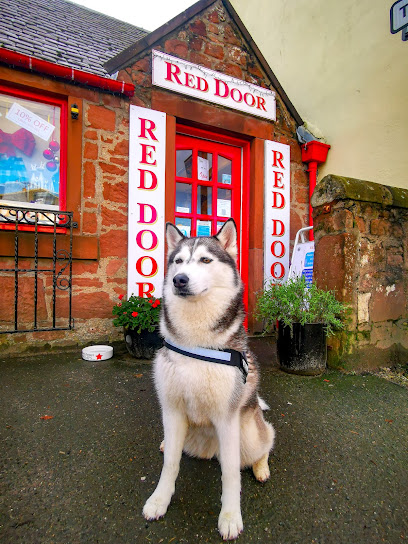
Red Door
10.9 km
Family-owned gift shop in a charming Brodick cottage, brimming with leather goods, toys, and Scottish island treasures.
The Boat House
11.0 km
A cozy gift shop in Brodick offering authentic Isle of Arran crafts and souvenirs near the waterfront.
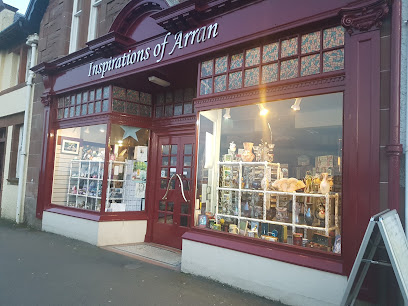
Inspirations Of Arran
11.0 km
Discover unique island treasures and local charm at Inspirations Of Arran, Brodick’s beloved gift shop on the Isle of Arran.
Arran Fine Foods
11.0 km
Discover authentic Isle of Arran flavors and artisanal gifts at Arran Fine Foods in the historic Old Mill, Lamlash.
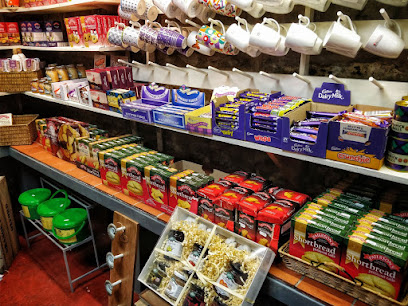
The Byre at Brodick
11.0 km
Charming boutique offering quality knitwear, diverse fashion, and unique homewares in the heart of Brodick, Isle of Arran.
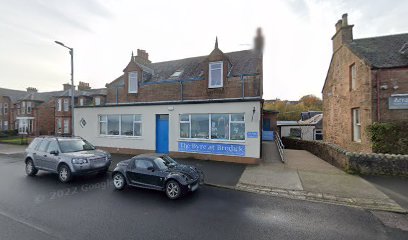
Duchess Court Shop Ltd
11.1 km
Discover authentic Isle of Arran crafts and souvenirs at Duchess Court Shop Ltd, a charming local gift shop nestled in Brodick’s scenic Home Farm.
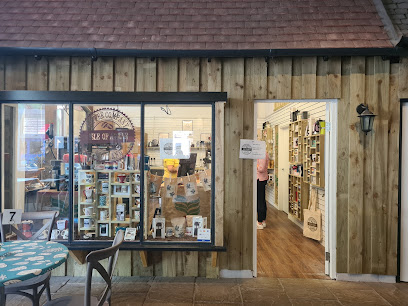
Arran Sense of Scotland
11.1 km
Discover authentic Scottish wellness with natural beauty products inspired by the Isle of Arran’s pristine landscapes and heritage.
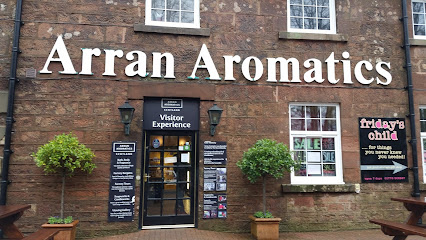
Castle Bay Studio
11.1 km
Discover unique handmade treasures and local artistry at Castle Bay Studio, a charming gift shop nestled in Brodick on the Isle of Arran.
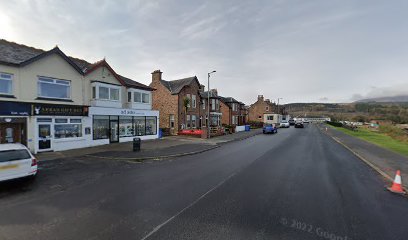
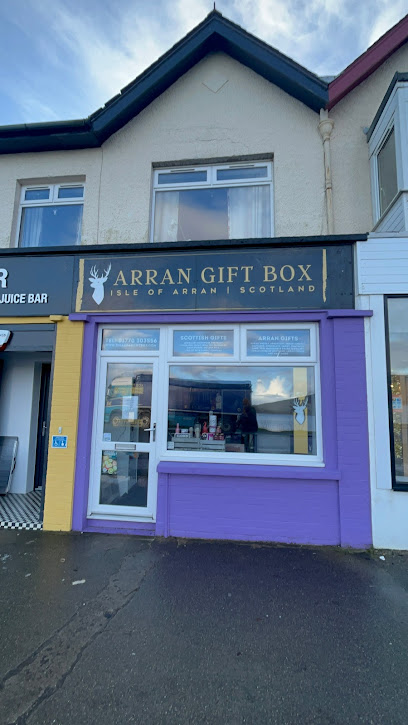
The Arran Gift Box
11.1 km
Discover curated gift boxes filled with Arran’s finest local chocolates, cheeses, whiskies, and crafts in Brodick’s charming Shore Road shop.
Essential bars & hidden hideouts

Cruize Bar Brasserie
10.3 km
A vibrant family-friendly brasserie at Auchrannie Resort serving fresh, locally inspired Scottish dishes in a lively, welcoming atmosphere.
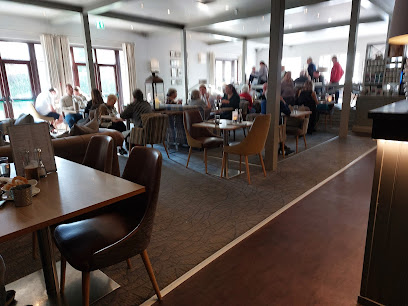
Ormidale Hotel
10.6 km
Family-run pub and hotel on Isle of Arran offering cozy en suite rooms, local ales, lively entertainment, and stunning views of Brodick Bay.
Edgewater
11.0 km
Cozy pub on Brodick’s Shore Road offering a warm welcome and scenic views near the heart of Isle of Arran’s main village.
Arran Botanical Drinks @Cladach Beach House
11.4 km
Discover handcrafted botanical cocktails and scenic beachside charm at Arran Botanical Drinks, Isle of Arran’s unique coastal cocktail bar.
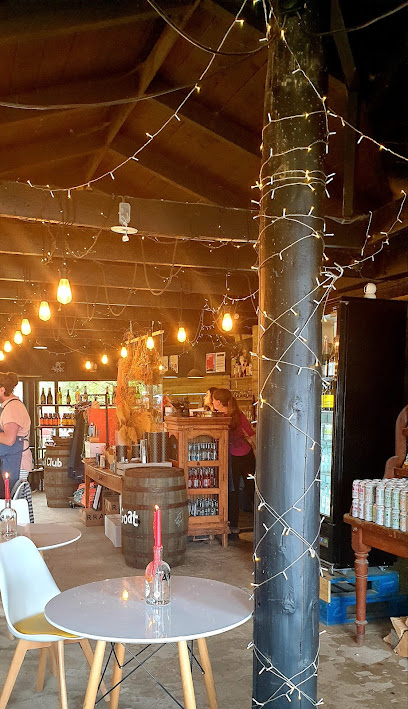
Duncan's On The Green
11.6 km
Relax and unwind with local ales and stunning views at Duncan's On The Green, nestled in historic Lamlash Golf Club on the Isle of Arran.
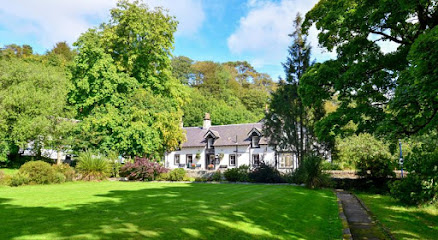
The Lagg Inn 1791
11.6 km
Historic family-run inn with cosy fires, homemade food, and tranquil gardens on the scenic Isle of Arran’s southern tip.
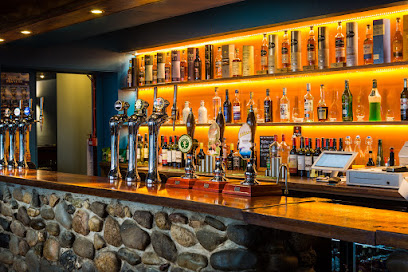
Pierhead Tavern
11.7 km
A welcoming seaside pub in Lamlash with stunning views, hearty fare, and lively local spirit on the Isle of Arran.
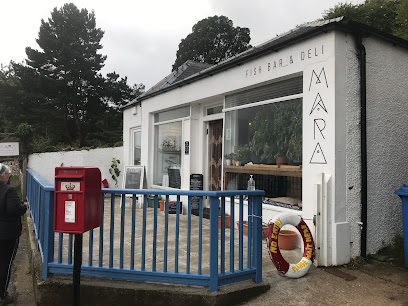
Mara Fish Bar & Deli
15.7 km
Fresh, locally sourced seafood and friendly service combine at Mara Fish Bar & Deli, a charming coastal takeaway in Corrie, Isle of Arran.
Lochranza Country Inn
18.4 km
Community-owned historic inn with stunning loch views, cozy rooms, and hearty dining at the northern tip of Isle of Arran.
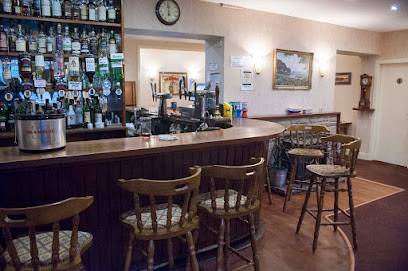
The Box Night Club
34.7 km
A welcoming and lively local nightclub in Saltcoats offering an intimate, friendly atmosphere for casual nightlife and socializing.
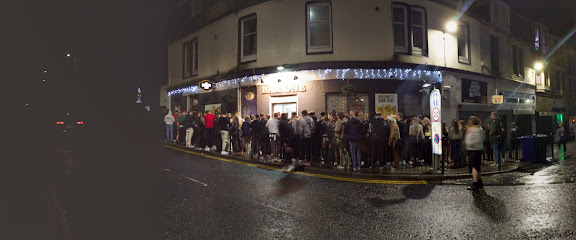
The Corner House
36.4 km
A cozy and lively pub on Tarbert’s Harbour Street, famed for warm welcomes, quality drinks, and a true taste of Scottish coastal life.
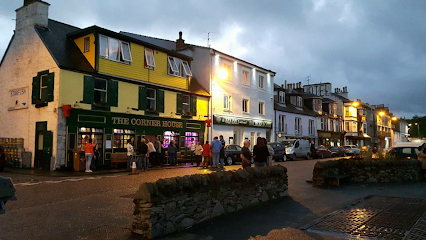
The Islander Bar
36.6 km
Cozy and friendly local pub in Rothesay offering warm hospitality, live entertainment, and a welcoming atmosphere on the Isle of Bute.
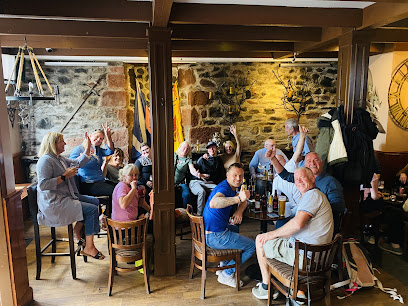
Mac's Bar
36.7 km
Experience authentic Scottish hospitality and local charm at Mac's Bar in Rothesay, a historic pub with a lively atmosphere and rich community spirit.
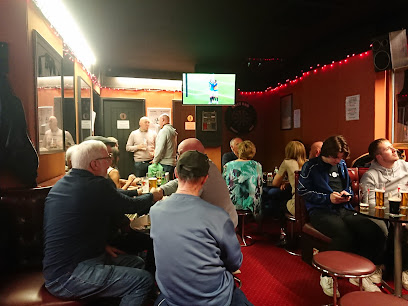
Grapes Bar
36.7 km
A cozy and lively local pub in Rothesay offering great beers, malt whiskies, and a friendly atmosphere with a pool table upstairs.
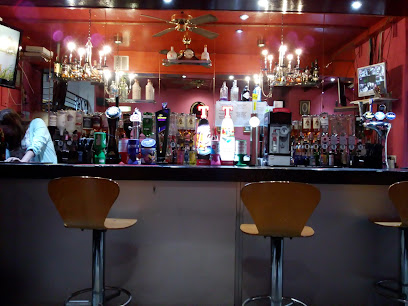
Palace Bar
36.8 km
A vibrant karaoke hub and friendly pub in Rothesay’s heart, welcoming locals and visitors on the beautiful Isle of Bute.
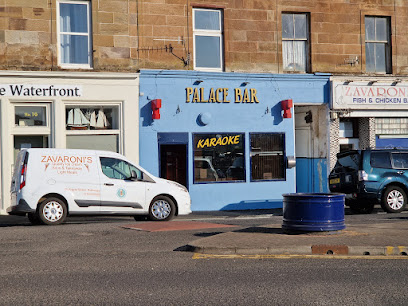
Nightclubs & after hour spots

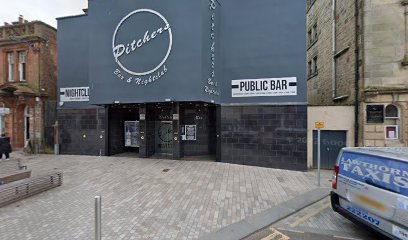
Pitchers Bar and Nightclub
41.4 km
A vibrant and inclusive nightclub in Irvine’s heart, offering lively music, dancing, and a welcoming atmosphere until the early hours.
Ayr Ex-Services Club
43.6 km
A friendly and lively social club in Ayrshire offering great music, community spirit, and vibrant weekend nights.
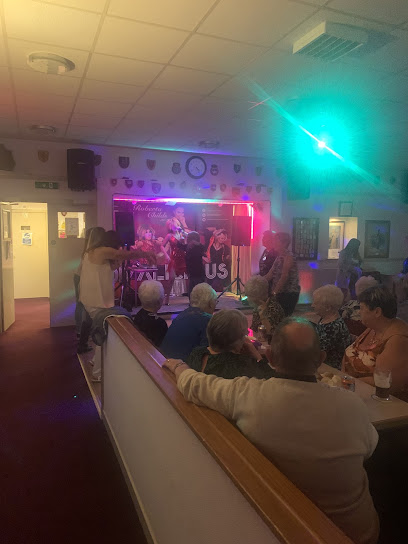
Notion Ayr
43.7 km
Discover the vibrant nightlife at Notion Ayr, an exceptional events venue in the heart of Ayr, perfect for unforgettable social experiences.
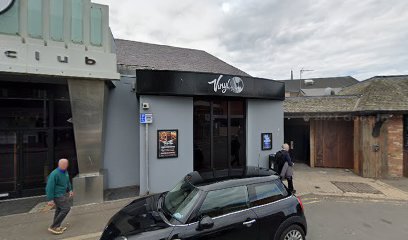
Venue38
43.8 km
Discover the heart of live music at Venue38 in Ayr, where unforgettable performances and a vibrant atmosphere await every music lover.
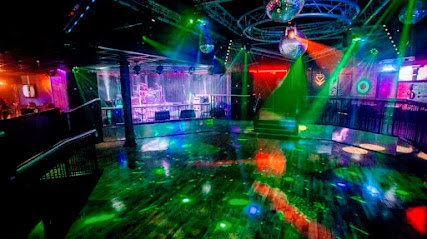
Printhouse Ayr
43.9 km
Experience Ayrshire’s vibrant nightlife and live music scene at Printhouse Ayr, where music and atmosphere unite for unforgettable nights.
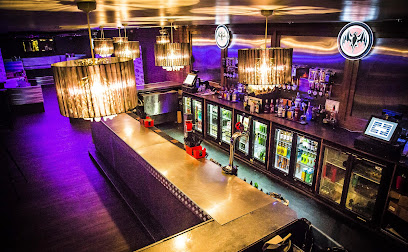
The Club
51.7 km
A vibrant nightlife hotspot in the heart of Kilmarnock, offering lively music and a welcoming atmosphere for locals and visitors.
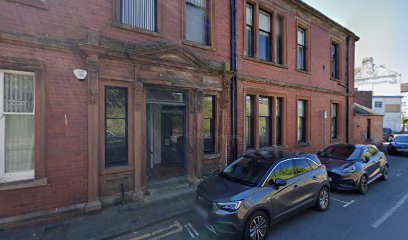
Jura Brewery
52.5 km
Discover Jura Brewery: A Craft Beer Experience in the Heart of the Isle of Jura, Where Tradition Meets Nature's Bounty.
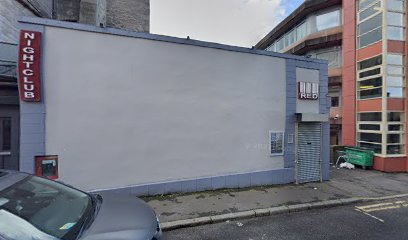
Red
57.1 km
Experience Greenock’s vibrant nightlife at Red Nightclub, where intimate vibes meet lively dance floors and affordable fun every weekend.
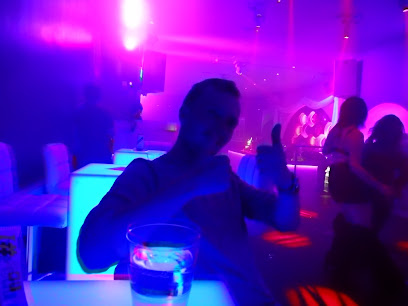
Word Up
57.3 km
Experience Greenock's revitalized nightlife at Word Up, a modern nightclub with vibrant energy and a welcoming atmosphere.
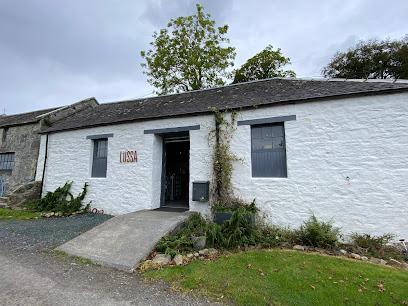
Lussa Gin
61.2 km
Explore the exquisite craftsmanship of Lussa Gin, where local botanicals meet the art of distillation on the serene Isle of Jura.
Ballygrant Inn
61.7 km
A cozy family-run inn on Islay offering hearty local cuisine, an award-winning whisky bar, and comfortable rooms for exploring the Hebridean island.
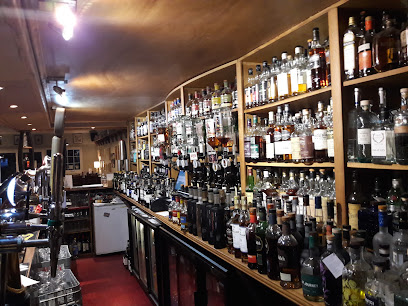
Vienna's Nightclub
65.0 km
Experience Paisley’s vibrant nightlife at Vienna's Nightclub, where energetic music and lively crowds come alive every weekend.
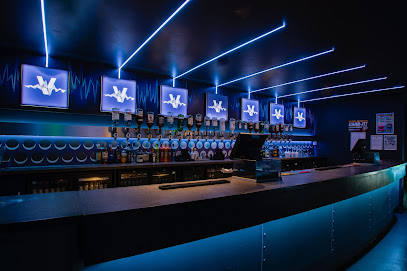
Fantoosh
65.0 km
A lively, intimate nightclub in Paisley’s heart, perfect for energetic nights with friends and local beats.
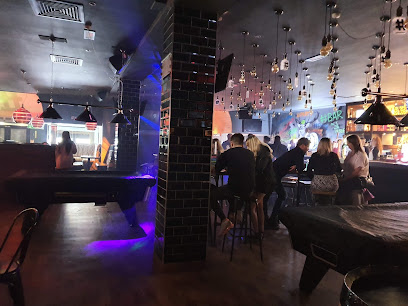
Club 69 Paisley
65.4 km
Dive into Paisley’s legendary underground techno scene at Club 69, where pulsating beats and vibrant vibes keep the night alive.
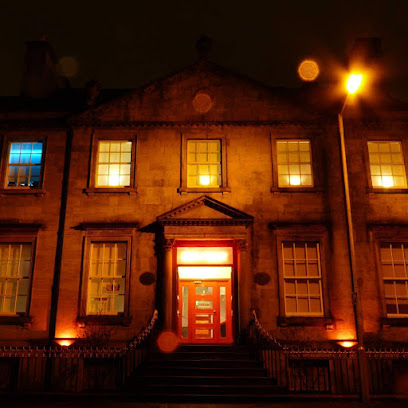
DUFFIE'S BAR
65.7 km
Discover the cozy ambiance of Duffie's Bar in Bowmore, Isle of Islay; a perfect spot for whisky lovers and relaxation amidst beautiful surroundings.
For the vibe & atmosphere seeker
- Scenic
- Tranquil
- Unique
- Adventurous
- Spiritual / Energy Spot
For the architecture buff
- Historic
- Landmarks
- Viewpoints
- Parks & Gardens
For the view chaser and sunset hunter
- Iconic Views
- Panoramas
- Sunrise Spots
- Sunset Spots
For the social media creator & influencer
- Instagrammable
- Photo Spots
- Architectural Shots
For the eco-conscious traveler
- Protected Area
- Leave-No-Trace Critical
- Locally Managed
- Wildlife Habitat
For the kind of experience you’re after
- Mindfulness
- Spiritual / Energy Spot
- Myth & Legends
- Cultural Heritage
- Photowalk
- Nature Escape
- Day Trip
For how adventurous you want the journey to be
- Requires Hike
- Remote
Location Audience
- Family Friendly
- Solo Friendly
- Couple Friendly
- Senior Friendly
- Wheelchair Access


