
Giants' Graves: Neolithic Chambered Tombs on the Isle of Arran
Explore the mysterious Neolithic Giants' Graves on Isle of Arran, ancient chambered tombs with breathtaking views over Whiting Bay and the Clyde estuary.
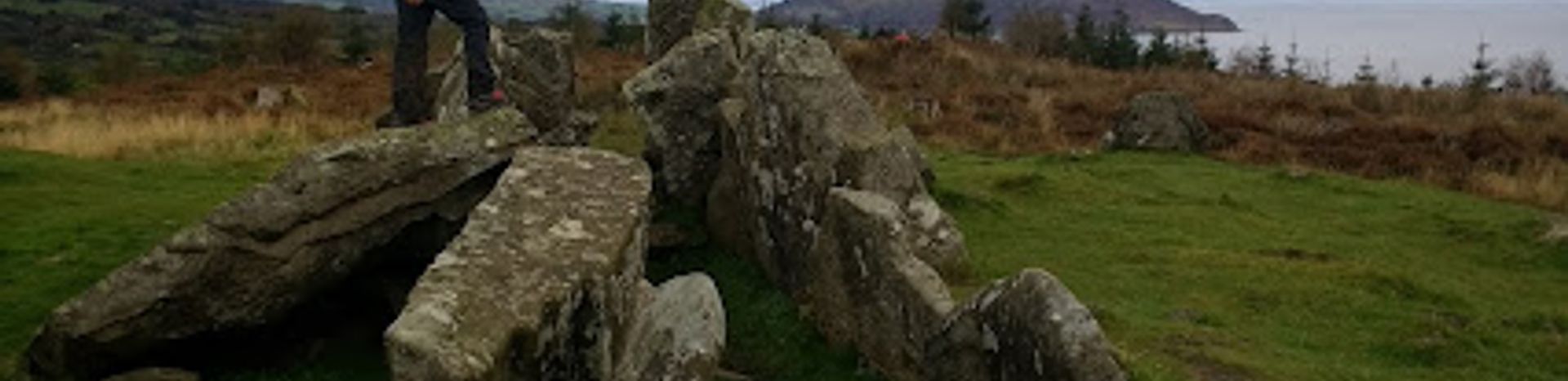
Giants' Graves are two ancient Neolithic chambered tombs located on the Isle of Arran, Scotland, near Whiting Bay. Dating back to 4,500–5,500 BC, these cairns served as communal burial sites and offer spectacular views over the Clyde estuary. Excavations revealed pottery, flint tools, and cremated bone fragments, highlighting their significance in prehistoric ritual and burial practices. The site is accessible via woodland paths and forms part of a scenic heritage walk.
A brief summary to Giants' Graves
- National Cycle Route 8, Isle of Arran, GB
- Visit website
- Duration: 0.5 to 2 hours
- Free
-
 Outdoor
- Mobile reception: 3 out of 5
- Monday 12 am-12 am
- Tuesday 12 am-12 am
- Wednesday 12 am-12 am
- Thursday 12 am-12 am
- Friday 12 am-12 am
- Saturday 12 am-12 am
- Sunday 12 am-12 am
Local tips
- Wear sturdy footwear for the moderate woodland climb to the tombs and be prepared for uneven terrain.
- Visit on a clear day to fully appreciate the panoramic views of Whiting Bay, Holy Isle, and the Arran mountains.
- Combine your visit with a walk to nearby Glenashdale Falls for a fuller experience of the area's natural beauty.
- Respect the site by not climbing on fragile stones and follow Leave No Trace principles to preserve this ancient heritage.

For the on-the-go comforts that matter to you
- Information Boards
- Seating Areas
- Trash Bins
Getting There
-
Bus and Walking
Take the local Arran bus service from Brodick or Lamlash to Whiting Bay, with journeys typically lasting 15-25 minutes. From Whiting Bay, a 30-minute moderate walk through woodland leads to the Giants' Graves. The walking path is uneven and involves some uphill sections, so suitable footwear is recommended. Bus fares range around £3-£5 one way.
-
Car and Walking
Drive to Whiting Bay on the Isle of Arran via the main island roads; parking is available in Whiting Bay village. From the parking area, a 25-35 minute walk uphill through forested trails brings you to the Giants' Graves. Note that parking can be limited during peak seasons, and the walking path has uneven terrain.
-
Cycling
Cyclists can access the site via National Cycle Route 8, which passes near Whiting Bay. From the cycle route, a short but steep woodland path leads to the tombs. The terrain requires moderate fitness and good cycling skills. There are no dedicated bike racks at the site.
Giants' Graves location weather suitability
-
 Any Weather
-
 Clear Skies
-
 Rain / Wet Weather
-
 Mild Temperatures
-
 Windy Conditions
Discover more about Giants' Graves
Ancient Origins and Archaeological Significance
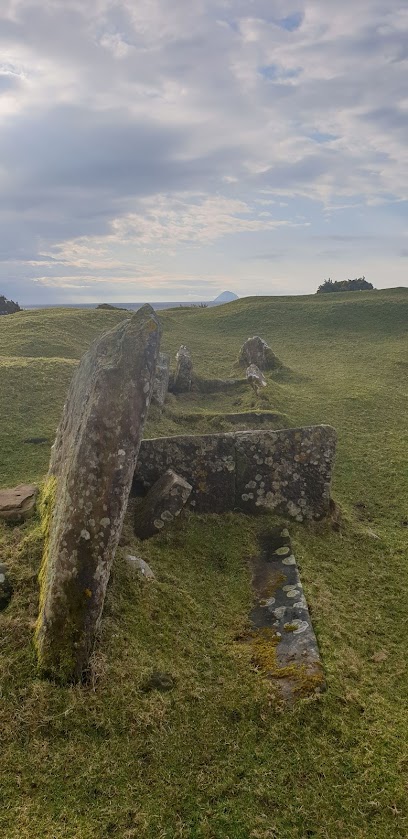
The Giants' Graves are the remains of two Neolithic chambered cairns situated within 40 metres of each other on a ridge above Whiting Bay on the Isle of Arran. Constructed between 4,500 and 5,500 BC, these tombs represent some of the earliest monumental architecture in Scotland. Archaeological excavations in 1902 uncovered pottery shards, flint blades, arrowheads, and fragments of cremated bone, attesting to the site's importance as a burial and ritual place for early farming communities. These finds provide valuable insight into Neolithic life and death customs.Distinctive Tomb Structures and Layout
The northern tomb, known as Giants' Grave North, is a large trapezoidal cairn aligned north-south with a curved facade and horned forecourt. Though heavily robbed over time, the chamber inside measures approximately 6 metres long and 1 metre wide, originally covered by a corbelled stone roof. The southern tomb lies at a right angle to the northern one, forming an 'L' shape. It is smaller, with a chamber roughly 4 metres by 1 metre, aligned east-west. Both tombs exhibit classic Clyde-type cairn features, including orthostat stones marking entrances and facades.Setting and Panoramic Views
Perched about 120 metres above sea level, the Giants' Graves overlook the scenic Whiting Bay and offer expansive views across the Firth of Clyde, Holy Isle, and the Arran mountains such as Goatfell and Cir Mhor. The site is nestled in woodland, adding a tranquil atmosphere that enhances the sense of stepping back into prehistory. Nearby, visitors can enjoy walks to Glenashdale Falls and explore other prehistoric sites, making the area a rich cultural landscape.Later Use and Cultural Context
Beyond their Neolithic origins, the Giants' Graves were reused during the Bronze Age for additional burials, reflecting continuity of sacred use. The Isle of Arran hosts numerous prehistoric sites, including stone circles and cairns, illustrating a long tradition of ritual and community life. The presence of cremated bone fragments and pottery in the southern tomb indicates evolving funerary practices over millennia.Visiting Experience and Preservation
Today, the Giants' Graves remain a captivating destination for history enthusiasts and nature lovers alike. The site is accessible via walking trails through forested slopes, though the terrain involves a moderate climb. Despite centuries of stone removal and natural erosion, the tombs retain their impressive scale and architectural features. Information boards provide context, and the peaceful setting invites reflection on Scotland’s deep prehistoric past.Connections to Broader Neolithic Heritage
The Giants' Graves form part of a wider network of Neolithic monuments across Scotland, including the famous Calanais Standing Stones and Machrie Moor stone circles on Arran itself. These sites collectively reveal the complex spiritual and social lives of early farming communities. The craftsmanship and enduring presence of the Giants' Graves continue to inspire curiosity about ancient human ingenuity and beliefs.Iconic landmarks you can’t miss

Kingscross Viking Fort
3.8 km
Discover the ancient Viking fort and burial mound at Kingscross Point, where history meets breathtaking coastal vistas on the Isle of Arran.
Wee Al's Bench
6.3 km
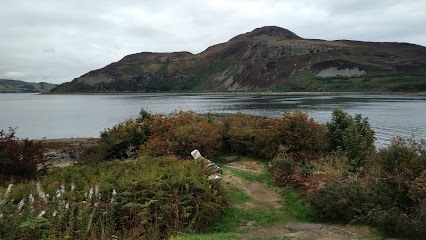
Breathtaking coastal vantage point where Arran's natural beauty meets centuries of island heritage.
Lamlash Stone Circle
9.1 km
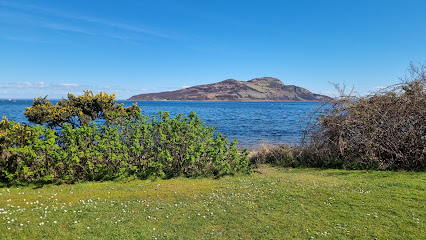
Ancient Neolithic gathering place where stone and sky converge on Arran's moorland.
Lochranza Youth Hostel
27.8 km
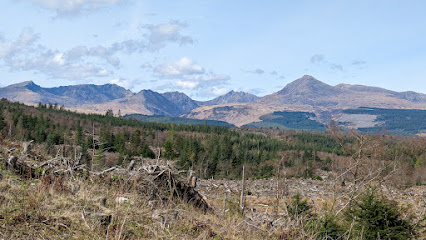
Experience the natural beauty and cultural charm of Lochranza Youth Hostel on the Isle of Arran, the perfect retreat for adventure and relaxation.

Ayr Citadel
29.1 km
Explore Ayr Citadel, a 17th-century hexagonal fortress by the sea, rich in history and coastal charm.
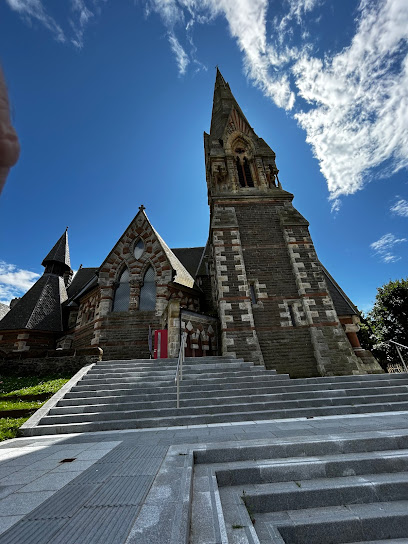
Trinity Church (Former)
31.0 km
A majestic Gothic Revival landmark showcasing Victorian ecclesiastical architecture and Irvine’s rich religious heritage.
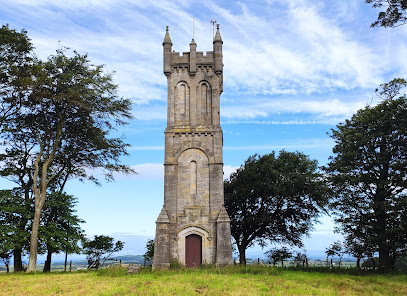
Wallace's Monument, Ayrshire “Burnweil”
36.5 km
A proud Ayrshire landmark honoring William Wallace, Scotland’s legendary hero of independence and bravery.
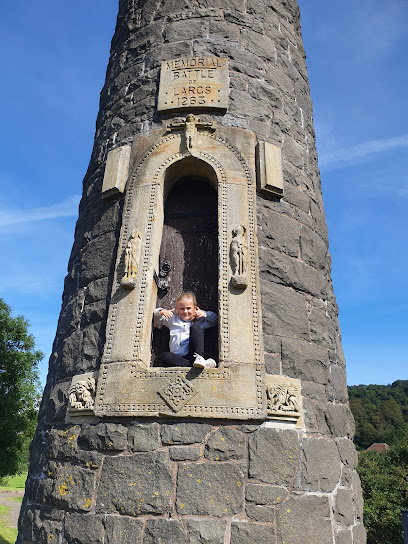
Largs Pencil Monument
36.8 km
Discover the Largs Pencil Monument, a towering tribute to Scottish heritage with stunning views of the Firth of Clyde and rich historical significance.
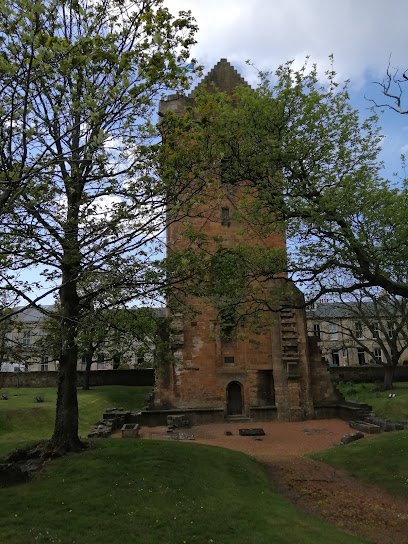
Craigie Castle
37.1 km
Discover the historical charm of Craigie Castle in Kilmarnock, a beautiful site rich in Scottish heritage and stunning architecture.
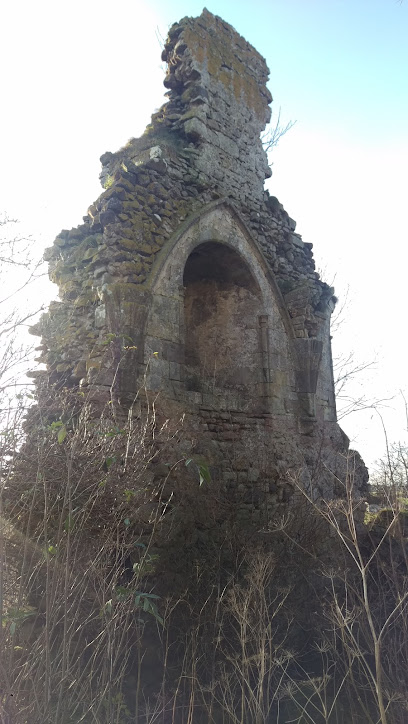
Tangy Mill
38.0 km
Explore Tangy Mill, a historical landmark in Campbeltown, where Scotland’s rich history meets breathtaking natural beauty.
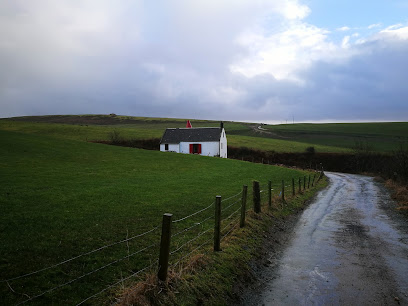
Bute Museum
40.0 km
Discover the Isle of Bute's history and culture at Bute Museum, a captivating tourist attraction in Rothesay filled with intriguing exhibits.
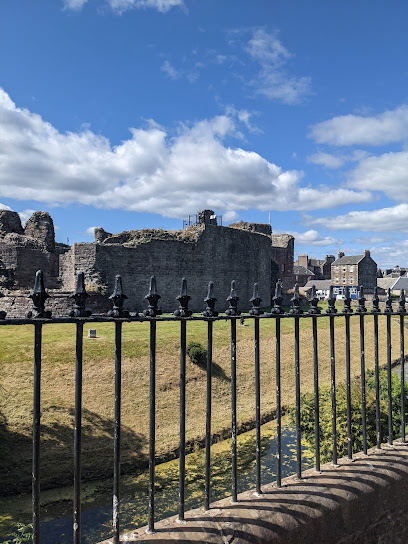
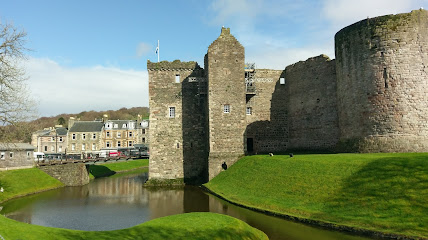
Rothesay Castle
40.1 km
Explore the captivating Rothesay Castle on the Isle of Bute, a stunning medieval fortress rich in history and natural beauty.
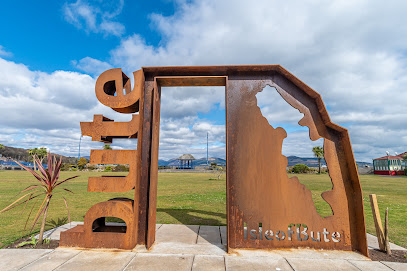
Welcome To Bute Sculpture
40.3 km
A striking metal welcome sign celebrating arrival on Scotland's artistic island, perfectly framed by historic gardens.
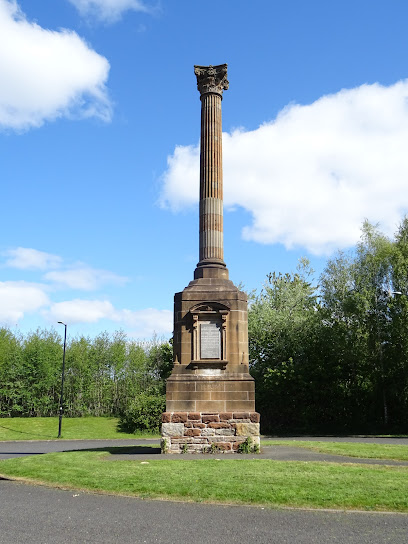
Kay Park
41.2 km
Experience the natural beauty and tranquility of Kay Park in Kilmarnock, a perfect retreat for tourists seeking relaxation and scenic views.
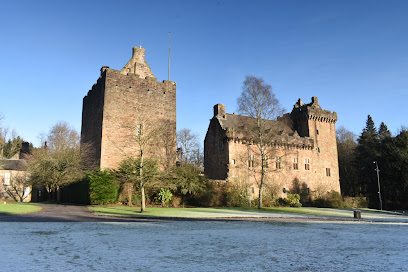
Dean Castle Country Park
41.7 km
Explore Dean Castle Country Park, a beautiful blend of nature and history in Kilmarnock, Scotland, with scenic trails and the majestic Dean Castle.
Unmissable attractions to see

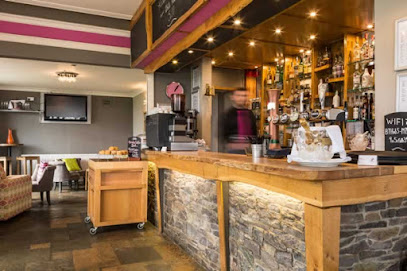
The Shurig
1.0 km
Savor fresh Scottish grill specialties with stunning sea views in the cozy, welcoming setting of The Shurig at Eden Lodge.
Eas a’ Chrannaig
1.4 km
Discover the Isle of Arran’s tallest waterfall and ancient Neolithic Giants’ Graves in a scenic woodland setting rich with history and wildlife.
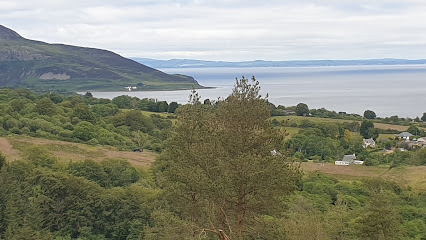
Kildonan Castle
3.8 km
Discover the ivy-clad ruins of Kildonan Castle on Arran’s southern coast, where medieval history meets breathtaking sea views.
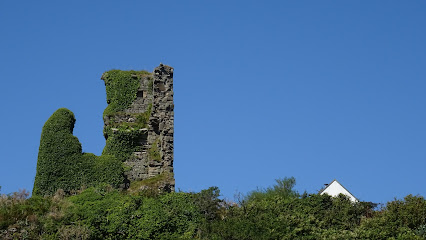
COAST Discovery Centre
6.3 km
Explore Scotland’s first community-led Marine Protected Area visitor centre on the Isle of Arran, where marine conservation meets local passion.
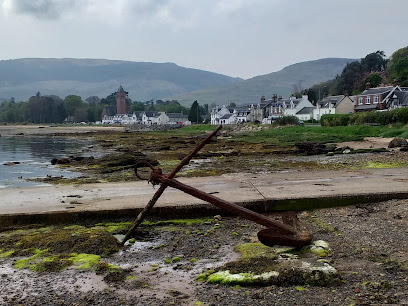
Co-op Food - Arran Lamlash - Main Street
6.5 km
Your friendly local Co-op Food store on Lamlash’s Main Street, open daily with essentials for island life.
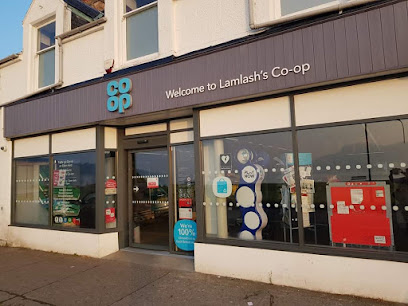
Torrylin Cairn
9.5 km
Explore Torrylin Cairn, a Neolithic chambered tomb on the Isle of Arran, revealing ancient burial rites and prehistoric connections to the landscape.
VisitScotland Brodick iCentre
11.4 km
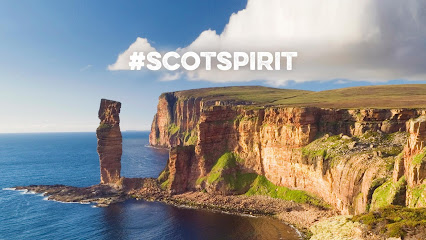
Your essential first stop for exploring the Isle of Arran's castles, mountains, and coastal treasures.
The Arran Wishing Well
11.4 km
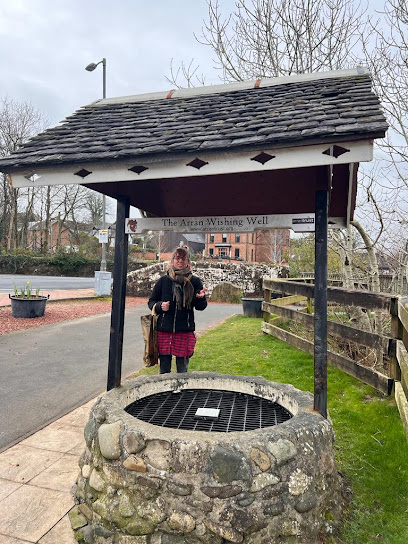
Discover the magic of The Arran Wishing Well, a serene tourist attraction on the Isle of Arran, where folklore and nature intertwine beautifully.
Arran Chocolate Factory
11.6 km
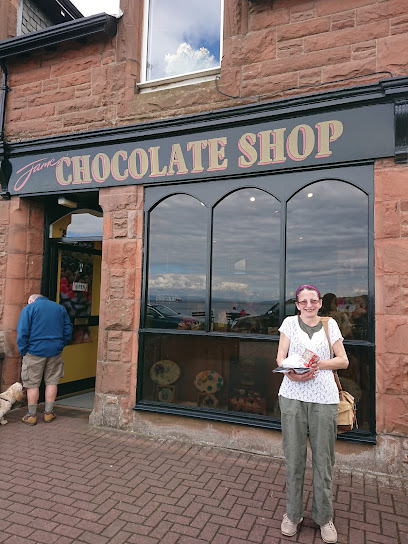
Discover handcrafted chocolates in the heart of Brodick, where island tradition meets artisan sweetness on the Isle of Arran.
Arran Heritage Museum
12.5 km
Discover the rich history of the Isle of Arran through authentic buildings and artifacts in this charming heritage museum nestled in Rosaburn.
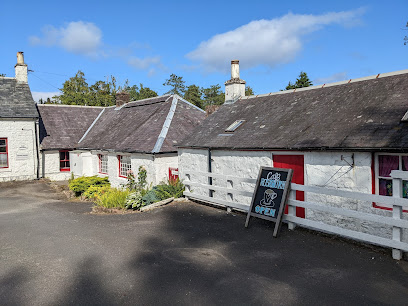
Brodick Castle, Garden and Country Park
13.5 km
Historic Scottish baronial castle with stunning gardens, woodland trails, and family adventure play on the Isle of Arran.
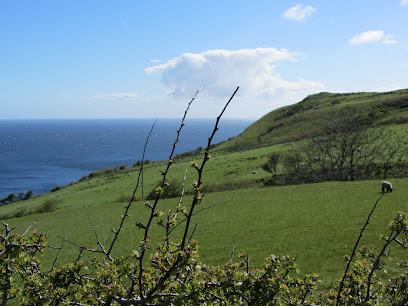
Brodick Squirrel Hide
13.5 km
Discover the enchanting red squirrels of Arran up close at Brodick’s peaceful and family-friendly squirrel hide.
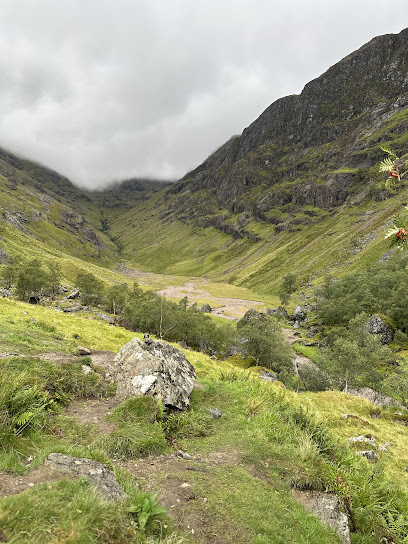
Bellevue Farm Tours and Holiday Cottages
14.1 km
Experience authentic farm life and cozy countryside stays at Bellevue Farm on the scenic Isle of Arran.
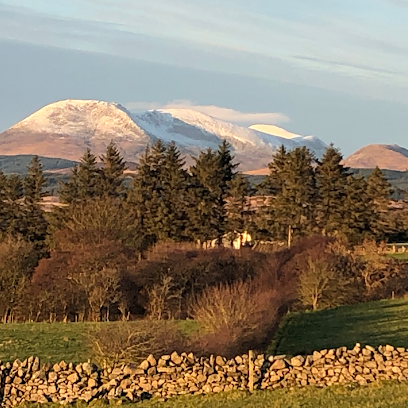
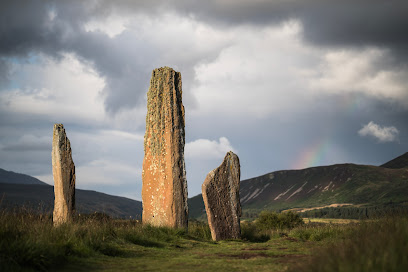
Machrie Moor Standing Stones
15.2 km
Ancient stone circles and monuments scattered across a mystical moorland, where 4,500 years of history whisper in the wind.
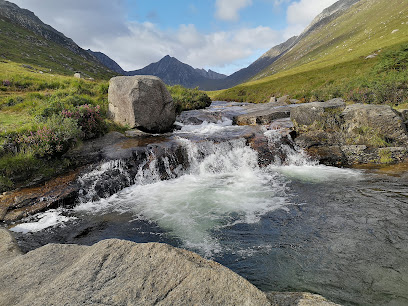
Blue Pools - Glen Rosa
15.5 km
Discover the serene Blue Pools in Glen Rosa, a wild swimming haven set beneath Goat Fell’s majestic peaks on the Isle of Arran.
Essential places to dine

The Shore
1.5 km
Family-run café on Whiting Bay’s shore serving local produce with stunning views over Holy Isle and the Firth of Clyde.
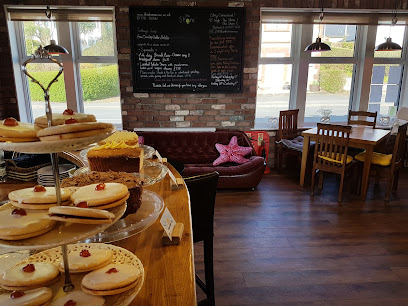
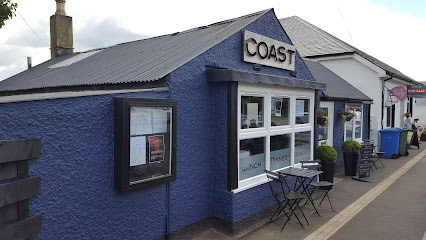
Coast Arran
1.5 km
Coast Arran offers a warm, pet-friendly dining experience with fresh Scottish coastal flavors on the scenic Isle of Arran’s Shore Road.
Drift Inn
6.9 km
Experience fresh seafood and grill delights with breathtaking views of Holy Isle at The Drift Inn, Lamlash’s beloved coastal eatery.
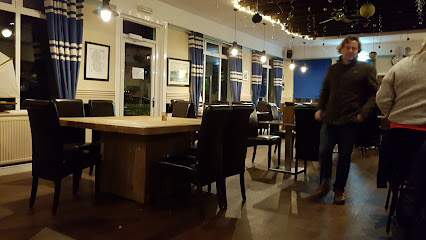
Duncans on the Green
7.5 km
Family-friendly dining with local flavors and stunning views at Lamlash Golf Club on the Isle of Arran.

Little Rock Cafe & Wee Deli
11.5 km
Charming shorefront café and deli in Brodick offering quality Scottish fare, scenic bay views, and a welcoming, family-friendly atmosphere.
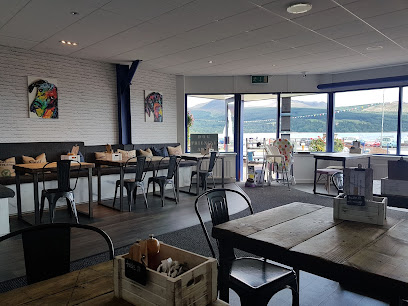
Brambles Seafood + Grill
11.6 km
Elegant seafood and grilled specialties with local flair in a cozy, dog-friendly setting at Auchrannie Resort, Brodick.
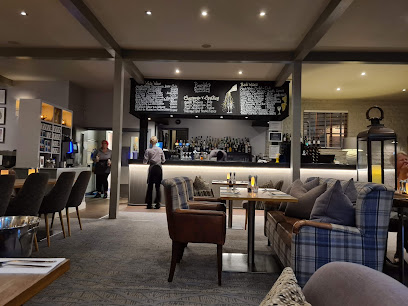
Eighteen69
11.6 km
Experience innovative tapas and island charm at Eighteen69, the stylish dining jewel within Auchrannie Resort on the Isle of Arran.
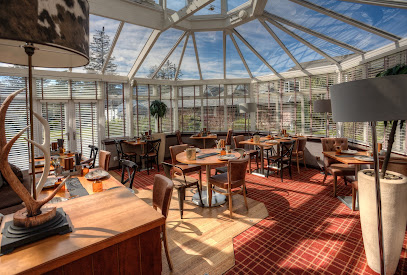
La Truffe Noire
11.7 km
A family-run fine dining gem in Brodick, Isle of Arran, serving seasonal Scottish cuisine with exceptional wines and warm island hospitality.
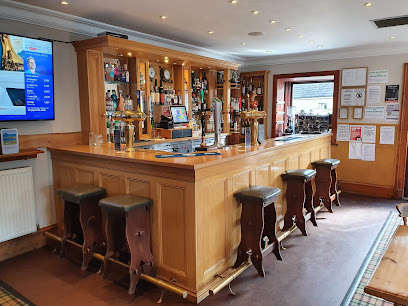
The French Fox
11.8 km
Authentic French classics served with charm and generous portions beside a tranquil river in Brodick, Isle of Arran.
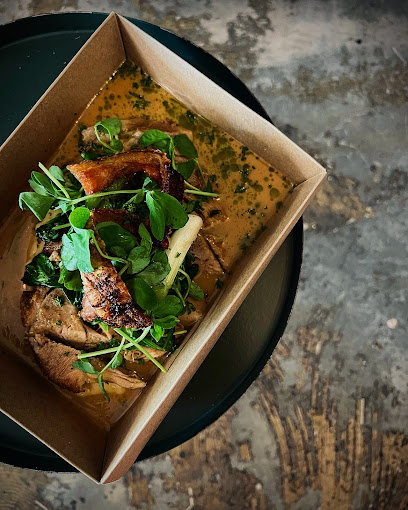
The Wineport Restaurant
13.3 km
Charming coastal bistro in Brodick offering fresh local cuisine, a sunny beer garden, and warm hospitality at the foot of Goatfell.
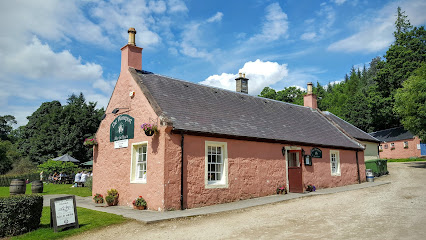
Café Thyme
19.2 km
A family-run café blending Scottish and Turkish flavors with stunning sea views on the Isle of Arran.
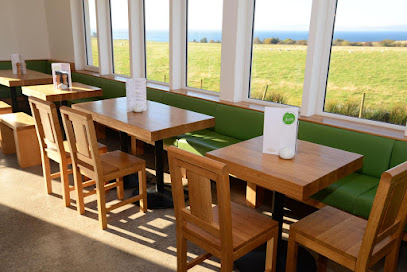
The Lighthouse
25.8 km
A cozy coastal restaurant in Pirnmill serving fresh, local seafood with stunning views on the Isle of Arran.
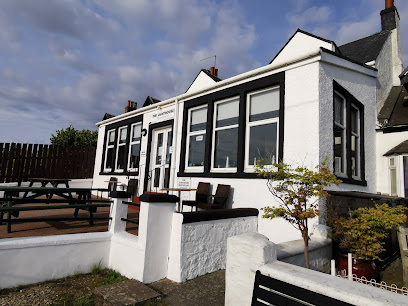
Souters Inn
26.0 km
Historic Burns schoolhouse turned award-winning restaurant, blending Scottish heritage with contemporary culinary excellence.
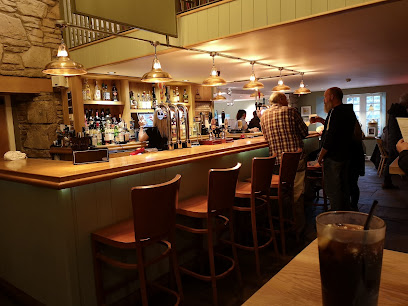
The Stags Pavilion
27.2 km
A cozy, family-run BYOB restaurant in Lochranza serving fresh, local Scottish and Italian-inspired dishes with stunning golf course views.
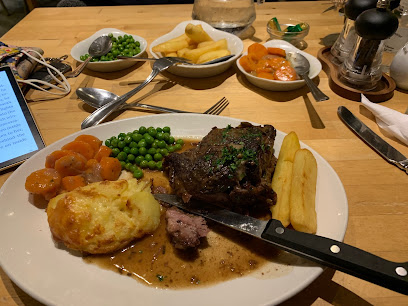
The Orangery Restaurant
27.5 km
Coastal dining excellence with panoramic Ayrshire views and creative British-Scottish cuisine at Seamill Hydro’s Orangery Restaurant.
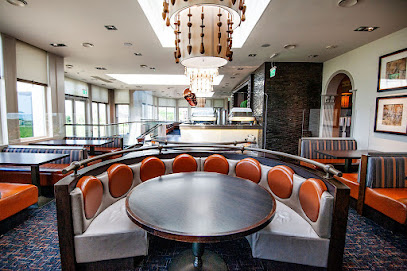
Markets, malls and hidden boutiques

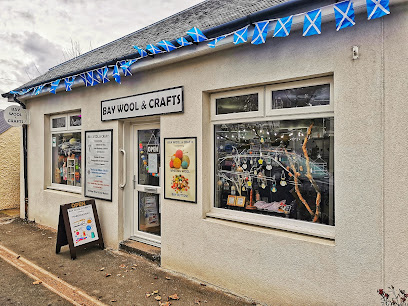
BAY WOOL & CRAFTS
1.5 km
Discover the heart of Arran’s wool craft tradition at Bay Wool & Crafts, Whiting Bay’s unique yarn and artisan shop.
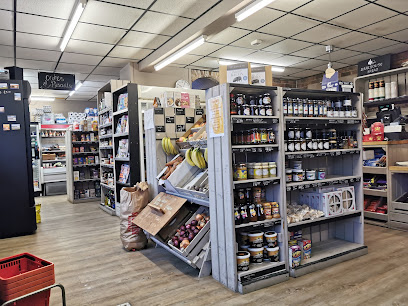
The Bay Kitchen and Stores
2.4 km
A century-old gourmet store in Whiting Bay blending local artisan foods, fresh seasonal produce, and eco-friendly shopping on the Isle of Arran.
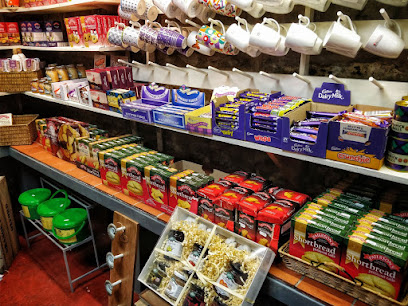
Arran Fine Foods
5.9 km
Discover authentic Isle of Arran flavors and artisanal gifts at Arran Fine Foods in the historic Old Mill, Lamlash.
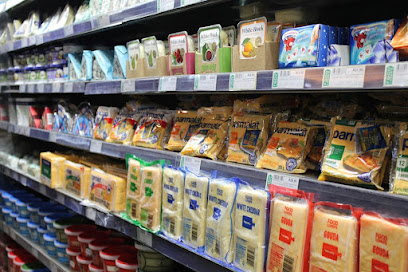
Gordon Brothers Ship House
6.6 km
Discover quality home improvement and local craftsmanship in the heart of Lamlash at Gordon Brothers Ship House on the Isle of Arran.
Chameleon Arran Boutique
6.6 km
Discover stylish, comfortable ladies’ fashion in a historic boutique nestled in the heart of Lamlash on the Isle of Arran.

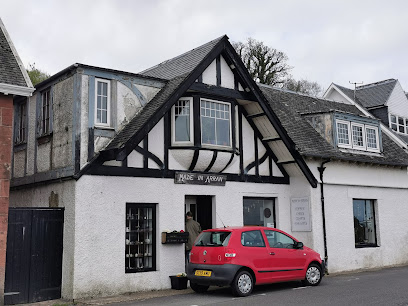
Made In Arran
6.7 km
Authentic artisan shop in Lamlash offering affordable local food, drink, and crafts that capture the spirit of the Isle of Arran.
North Isle of Arran
7.3 km
Explore the rugged beauty and historic charm of the North Isle of Arran, a serene Highland escape with castles, wildlife, and breathtaking landscapes.
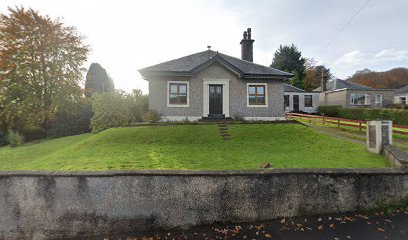
Co-op Food - Arran Invercloy - Main Street
11.4 km
Your friendly local Co-op in Brodick, offering fresh Arran produce, local specialties, and everyday essentials with extended daily hours.
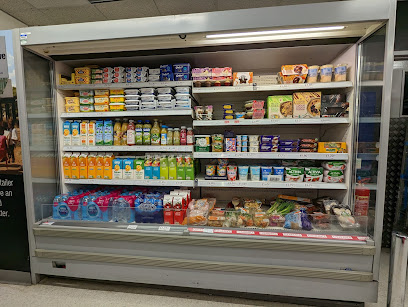
Co-op Food - Arran Brodick - Shore Street
11.4 km
Discover the essential convenience of Co-op Food in Brodick, Isle of Arran – your go-to stop for local treats and everyday necessities.
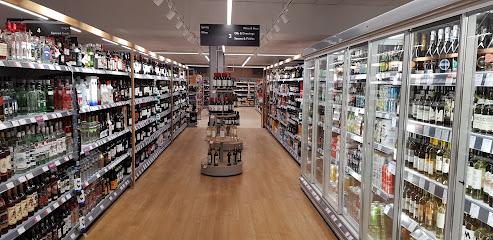
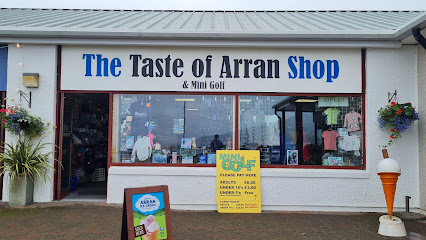
The Taste of Arran Shop
11.5 km
Discover authentic Isle of Arran flavors with artisan cheeses, handmade chocolates, and renowned local ice cream in Brodick’s charming Taste of Arran Shop.
Arran Active
11.5 km
Scotland’s largest independent outdoor retailer on Isle of Arran, offering expert gear for hiking, camping, and watersports with stunning seafront views.

Woodside Arran CIC
11.5 km
Discover authentic Isle of Arran flavors and sustainable farming at Woodside Arran CIC, a charming farm shop in Brodick with panoramic island views.
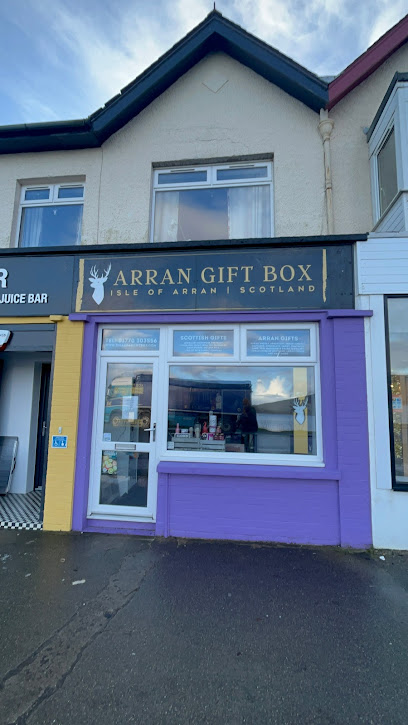
The Arran Gift Box
11.6 km
Discover curated gift boxes filled with Arran’s finest local chocolates, cheeses, whiskies, and crafts in Brodick’s charming Shore Road shop.
Castle Bay Studio
11.6 km
Discover unique handmade treasures and local artistry at Castle Bay Studio, a charming gift shop nestled in Brodick on the Isle of Arran.
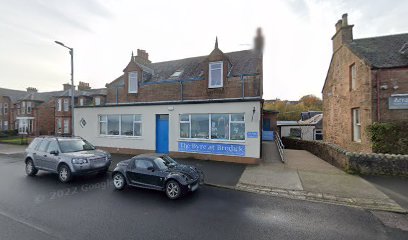
The Byre at Brodick
11.7 km
Charming boutique offering quality knitwear, diverse fashion, and unique homewares in the heart of Brodick, Isle of Arran.
Essential bars & hidden hideouts

Pierhead Tavern
6.7 km
A welcoming seaside pub in Lamlash with stunning views, hearty fare, and lively local spirit on the Isle of Arran.
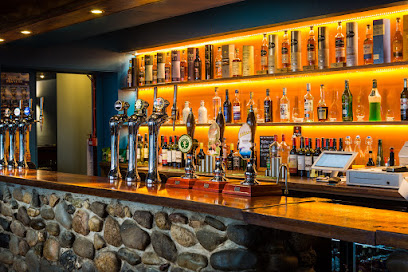
Duncan's On The Green
7.5 km
Relax and unwind with local ales and stunning views at Duncan's On The Green, nestled in historic Lamlash Golf Club on the Isle of Arran.
The Lagg Inn 1791
9.2 km
Historic family-run inn with cosy fires, homemade food, and tranquil gardens on the scenic Isle of Arran’s southern tip.
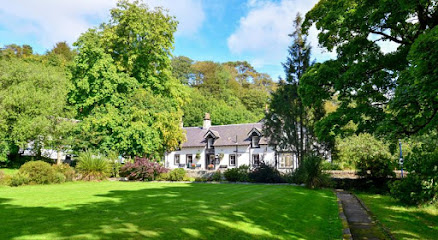
Ormidale Hotel
11.5 km
Family-run pub and hotel on Isle of Arran offering cozy en suite rooms, local ales, lively entertainment, and stunning views of Brodick Bay.
Edgewater
11.7 km
Cozy pub on Brodick’s Shore Road offering a warm welcome and scenic views near the heart of Isle of Arran’s main village.
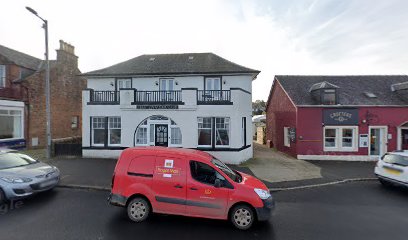
Cruize Bar Brasserie
11.8 km
A vibrant family-friendly brasserie at Auchrannie Resort serving fresh, locally inspired Scottish dishes in a lively, welcoming atmosphere.
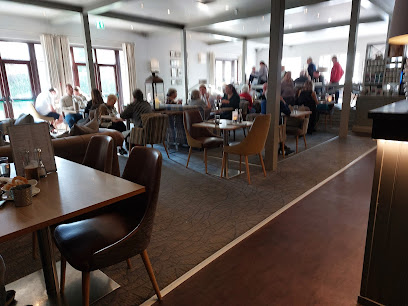
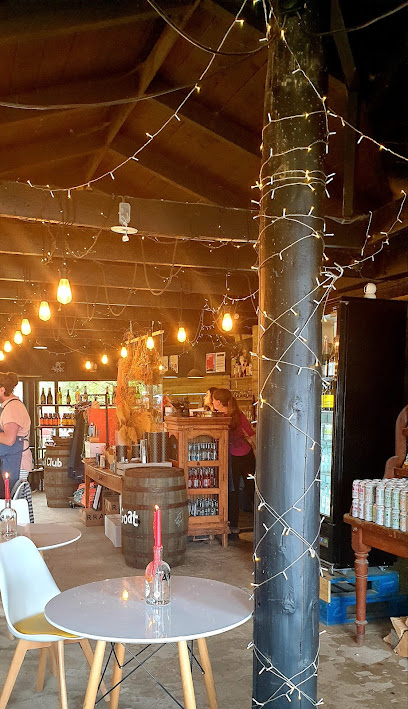
Arran Botanical Drinks @Cladach Beach House
13.2 km
Discover handcrafted botanical cocktails and scenic beachside charm at Arran Botanical Drinks, Isle of Arran’s unique coastal cocktail bar.
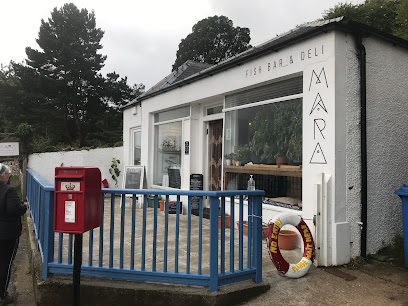
Mara Fish Bar & Deli
18.6 km
Fresh, locally sourced seafood and friendly service combine at Mara Fish Bar & Deli, a charming coastal takeaway in Corrie, Isle of Arran.
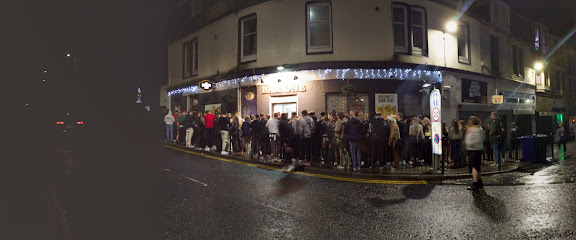
The Box Night Club
26.3 km
A welcoming and lively local nightclub in Saltcoats offering an intimate, friendly atmosphere for casual nightlife and socializing.
The Harbour Bar
27.9 km
A traditional nautical-themed pub in Troon offering great drinks, hearty food, live music, and a welcoming atmosphere by the waterfront.
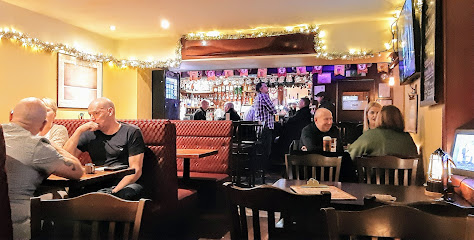
Lochranza Country Inn
28.4 km
Community-owned historic inn with stunning loch views, cozy rooms, and hearty dining at the northern tip of Isle of Arran.
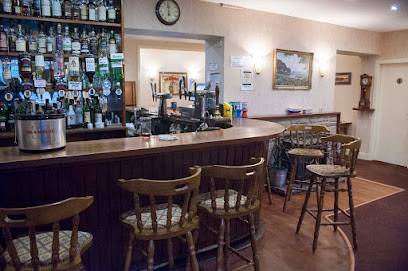
Wellingtons Lounge Bar
29.1 km
Step into Wellingtons Lounge Bar for handcrafted cocktails, live music, and a cozy 1920s vibe in the heart of Ayr’s vibrant social scene.
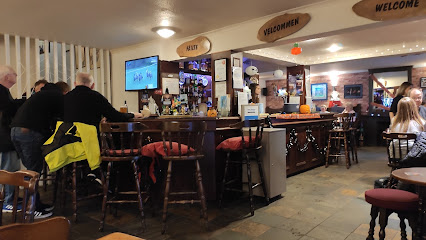
The Fort Bar
29.2 km
A welcoming harbourside pub in Ayr offering friendly service, great drinks, and a cozy atmosphere steeped in Scottish tradition.
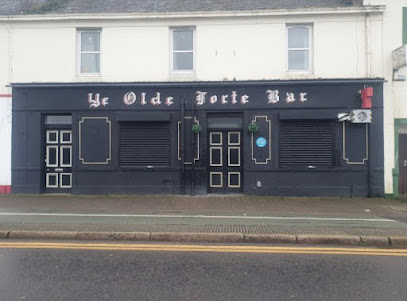
The Wee Mans Bar
29.3 km
Experience authentic Ayrshire hospitality and local flavors at The Wee Mans Bar, a cozy and historic pub in the heart of Ayr.

Tbar
29.3 km
A quirky and lively pub in Ayr offering excellent cocktails, live music, and a welcoming atmosphere for a memorable night out.
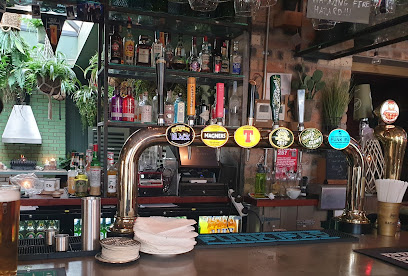
Nightclubs & after hour spots

Ayr Ex-Services Club
29.3 km
A friendly and lively social club in Ayrshire offering great music, community spirit, and vibrant weekend nights.
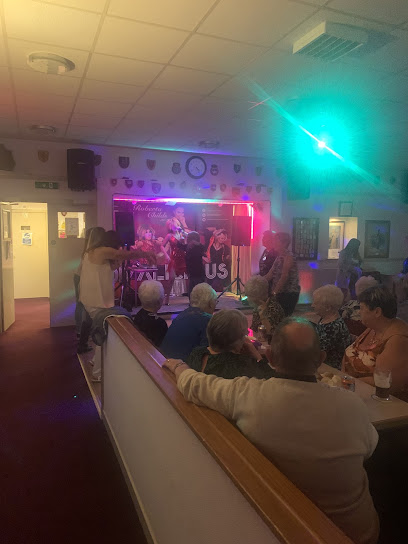
Notion Ayr
29.4 km
Discover the vibrant nightlife at Notion Ayr, an exceptional events venue in the heart of Ayr, perfect for unforgettable social experiences.
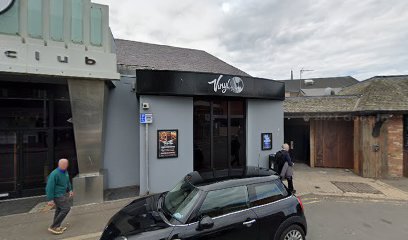
Printhouse Ayr
29.6 km
Experience Ayrshire’s vibrant nightlife and live music scene at Printhouse Ayr, where music and atmosphere unite for unforgettable nights.
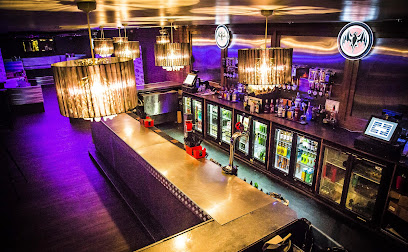
Pitchers Bar and Nightclub
31.2 km
A vibrant and inclusive nightclub in Irvine’s heart, offering lively music, dancing, and a welcoming atmosphere until the early hours.

The Club
40.5 km
A vibrant nightlife hotspot in the heart of Kilmarnock, offering lively music and a welcoming atmosphere for locals and visitors.
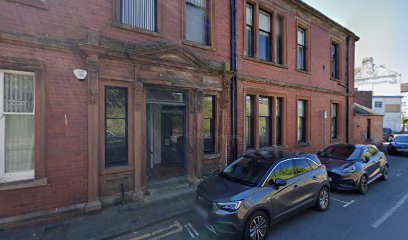
Red
56.6 km
Experience Greenock’s vibrant nightlife at Red Nightclub, where intimate vibes meet lively dance floors and affordable fun every weekend.
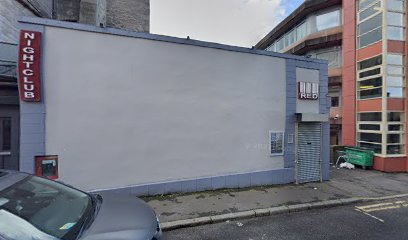
Word Up
56.9 km
Experience Greenock's revitalized nightlife at Word Up, a modern nightclub with vibrant energy and a welcoming atmosphere.

Vienna's Nightclub
58.7 km
Experience Paisley’s vibrant nightlife at Vienna's Nightclub, where energetic music and lively crowds come alive every weekend.
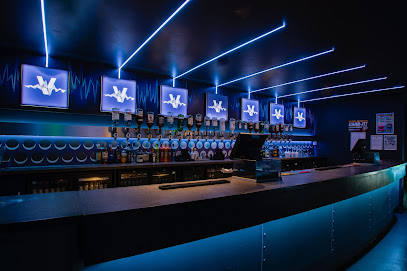
Fantoosh
58.7 km
A lively, intimate nightclub in Paisley’s heart, perfect for energetic nights with friends and local beats.
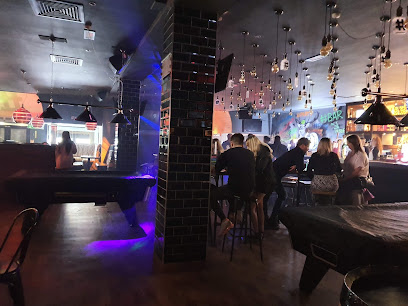
Club 69 Paisley
59.3 km
Dive into Paisley’s legendary underground techno scene at Club 69, where pulsating beats and vibrant vibes keep the night alive.
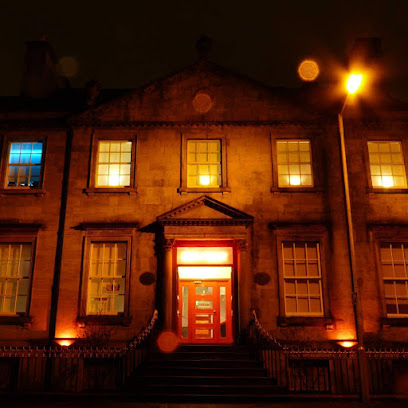
Stranraer F C Fitba Bar
63.7 km
Experience the local charm and vibrant atmosphere at Stranraer F C Fitba Bar, the heart of community spirit and sportsmanship in Stranraer.

The Meeting Place
63.9 km
Experience the vibrant nightlife at The Meeting Place, Stranraer's premier cocktail bar offering innovative drinks and a welcoming atmosphere.
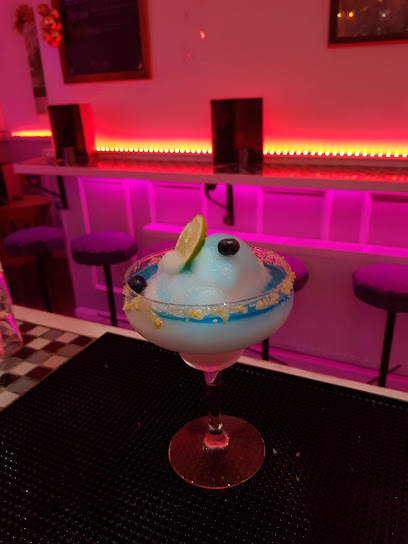
The Shed
64.8 km
Dive into Shawlands' glitzy two-floor nightclub where chart bangers, R&B, hip-hop, and 80s cheese anthems fuel unpretentious Southside partying till the early hours.

Skye Nightclub & Lounge
65.8 km
Energetic nightclub and lounge in East Kilbride offering vibrant nightlife, music, and drinks in a stylish setting.
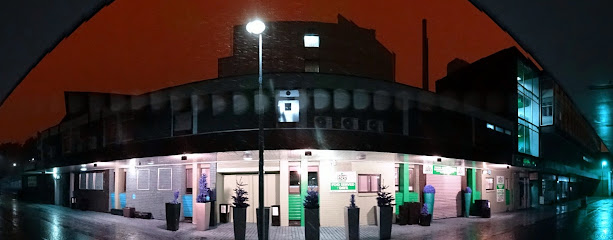
Downtown Nightclub
66.0 km
Experience East Kilbride’s vibrant weekend nightlife at Downtown Nightclub, a hub of music, dancing, and late-night energy in the town centre.

For the vibe & atmosphere seeker
- Tranquil
- Scenic
- Unique
- Relaxing
For the design and aesthetic lover
- Rustic Designs
- Vintage Styles
For the architecture buff
- Historic
- Landmarks
For the view chaser and sunset hunter
- Iconic Views
- Panoramas
For the social media creator & influencer
- Instagrammable
- Photo Spots
For the eco-conscious traveler
- Eco-Friendly
- Public-Transport Accessible
- Leave-No-Trace Critical
For the kind of experience you’re after
- Cultural Heritage
- Photowalk
- Nature Escape
- Day Trip
- Weekend Getaway
For how adventurous you want the journey to be
- Easy Access
Location Audience
- Family Friendly
- Senior Friendly
- Child Friendly
- Teen Friendly
- Wheelchair Access
- Solo Friendly
- Couple Friendly


