
Kilmore Standing Stones
Ancient granite monoliths in a quiet woodland clearing on the Isle of Mull, part of a wider Bronze Age ritual landscape.
Scattered among the trees on the Isle of Mull, the Kilmore Standing Stones are a small but evocative group of prehistoric monoliths, believed to date from the Bronze Age. Once a set of five stones, only two remain upright, standing about 2.5 metres tall amid a clearing near the road between Dervaig and Tobermory. These weathered granite pillars hint at ancient rituals and alignments, set within a wider landscape rich in Neolithic and Bronze Age monuments. The site is free to visit, with a small car park nearby and a short walk through open woodland.
A brief summary to Kilmore Standing Stones
- Isla de Mull, Reino Unido, Isle of Mull, GB
- Duration: 0.5 to 1.5 hours
- Free
-
 Outdoor
- Mobile reception: 3 out of 5
- Monday 12 am-12 am
- Tuesday 12 am-12 am
- Wednesday 12 am-12 am
- Thursday 12 am-12 am
- Friday 12 am-12 am
- Saturday 12 am-12 am
- Sunday 12 am-12 am
Local tips
- Wear sturdy footwear and waterproof clothing, as the ground can be uneven and damp, especially after rain.
- Visit in clear weather to appreciate the surrounding views and the stones’ relationship to the landscape.
- Bring a good map or GPS, as the site is easy to miss; look for the small car park just off the Dervaig–Tobermory road.
- Respect the stones and the site: avoid climbing on them or disturbing the surrounding area.
- Combine your visit with nearby prehistoric sites like the Maol Mor stones or the Lochbuie stone circle for a fuller sense of Mull’s ancient past.

For the on-the-go comforts that matter to you
- Seating Areas
- Trash Bins
- Information Boards
Getting There
-
By car
From Tobermory, follow the main road south towards Dervaig. About 230 metres northwest of the road between Dervaig and Tobermory, look for a small car park on the right-hand side. Park here and follow the short path into the clearing where the stones are located. The drive takes roughly 15–20 minutes from Tobermory, depending on conditions.
-
On foot
From Dervaig, walk north along the road towards Tobermory for about 1.5 kilometres. The stones are located in a clearing just off the road, with a small car park and footpath leading down to the site. The walk is on a quiet country road with some elevation change and takes about 20–25 minutes each way.
-
By local bus
Regular local buses run between Tobermory and Craignure, stopping in Dervaig. From Dervaig, walk north along the road towards Tobermory for about 1.5 kilometres to reach the small car park and footpath to the stones. The walk from the bus stop takes 20–25 minutes on a quiet road with some elevation.
Kilmore Standing Stones location weather suitability
-
 Any Weather
-
 Rain / Wet Weather
-
 Clear Skies
-
 Mild Temperatures
Discover more about Kilmore Standing Stones
Whispers of the Bronze Age
Standing in a quiet clearing just off the road between Dervaig and Tobermory, the Kilmore Standing Stones offer a rare, intimate glimpse into Mull’s prehistoric past. Originally a group of five monoliths, only two now rise fully upright, each about 2.5 metres high, their rough granite surfaces softened by centuries of wind, rain, and lichen. The other three lie recumbent, half-buried or leaning at angles, as if slowly returning to the earth. These stones are thought to date from the late Neolithic or Bronze Age, a time when communities across western Scotland were erecting standing stones, circles, and cairns as part of ritual or astronomical landscapes.A Ritual Landscape in the Hills
The Kilmore stones are not isolated; they form part of a wider prehistoric ritual landscape on Mull’s central spine. Nearby, other stone settings such as the Maol Mor alignment and the Lochbuie stone circle suggest that this area was once a focus of ceremonial activity. The Kilmore stones themselves may have had astronomical significance, possibly aligned with solar or lunar events, though their exact purpose remains uncertain. Like many such monuments, they could have marked territory, served as gathering places, or played a role in seasonal ceremonies, connecting the living with the cycles of the sun, moon, and stars.Atmosphere and Setting
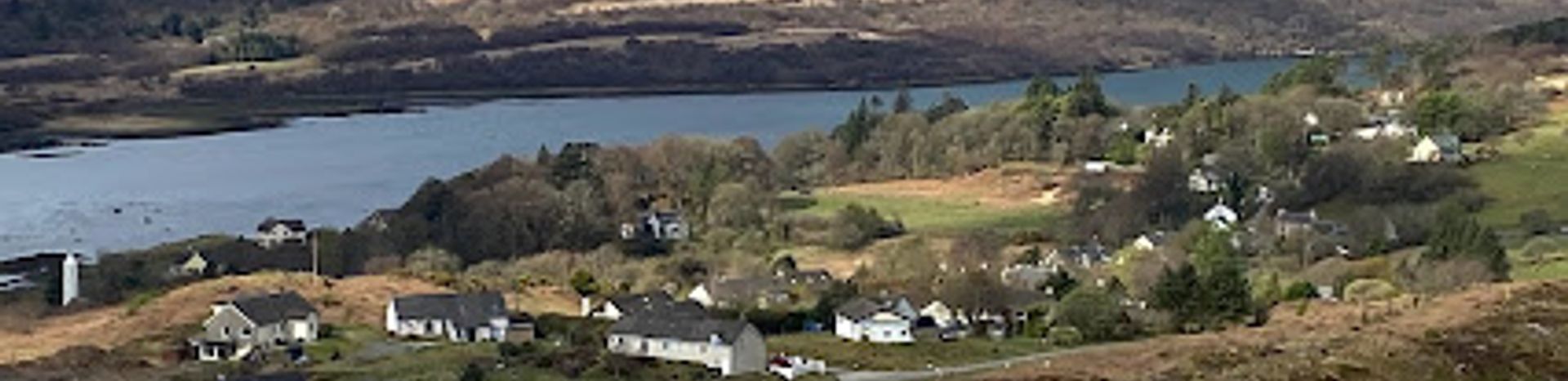
The site lies in a small clearing at the southern end of Cnoc Fada, surrounded by open woodland and views across the rolling hills of central Mull. The trees around the stones have been thinned in recent years, opening up the site and allowing more light to filter through. The air here is often still, broken only by the rustle of leaves, the call of birds, or the distant bleat of sheep. On clear days, the surrounding hills and patches of moorland create a sense of quiet isolation, while in mist or rain, the stones take on a more mysterious, almost spectral quality. The ground is uneven and can be damp, especially after rain, adding to the sense of stepping into an ancient, untamed place.Visiting the Stones
Access is straightforward: a small car park sits at the top of the hill, from where a short, well-defined path leads down into the clearing. The walk is brief but scenic, winding through open woodland with glimpses of the surrounding countryside. There are no formal facilities at the site itself, so visitors should come prepared with sturdy footwear and weather-appropriate clothing. The stones are unguarded and unfenced, allowing close inspection of their weathered surfaces and the subtle carvings or natural features that may hint at their original orientation or significance. A small information board may provide basic details, but much of the experience comes from simply standing among the stones and imagining their long history.Stories and Significance
The Kilmore stones, like many prehistoric monuments, carry an air of mystery. Their original name and exact function are lost, but local tradition and archaeological study suggest they were part of a broader network of ritual sites across Mull. They may have been used for seasonal gatherings, astronomical observations, or as markers in a sacred landscape. The fact that they stand close to other stone settings reinforces the idea that this area was once a ceremonial hub, where communities came together to mark time, honour ancestors, or commune with the natural world. Today, they remain a quiet, contemplative place, inviting visitors to reflect on the deep human connection to land, sky, and time.Iconic landmarks you can’t miss

Tobermory Clock Tower
7.4 km
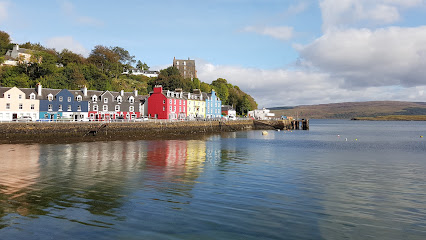
Historic granite clock tower memorializing local heritage, standing proudly by Tobermory’s colourful harbour on the Isle of Mull.
St John's Scottish Episcopal Cathedral : Oban
47.0 km
An unfinished masterpiece where Gothic ambition meets industrial-age engineering in Scotland's most unusual cathedral.
McCaig's Tower & Battery Hill
47.3 km
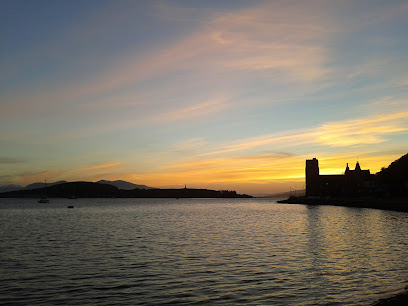
Explore Oban’s iconic McCaig's Tower, a Colosseum-inspired folly with stunning views and tranquil gardens atop Battery Hill.

Barcaldine Castle
48.0 km
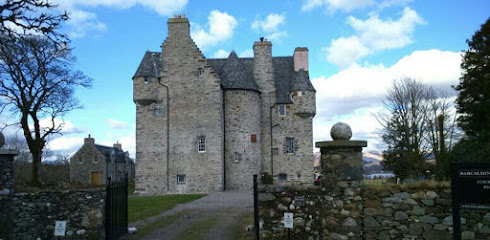
Experience the haunting beauty and rich history of Barcaldine Castle, a 17th-century Scottish fortress overlooking Loch Creran.
Barnhill
60.9 km
George Orwell's remote Hebridean sanctuary where Nineteen Eighty-Four was born.
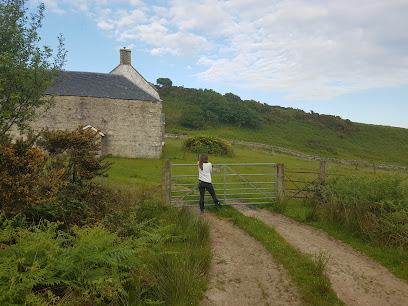
Dunscaith Castle
62.0 km
Discover the rich history and stunning views at Dunscaith Castle, a must-see landmark on the beautiful Isle of Skye in Scotland.
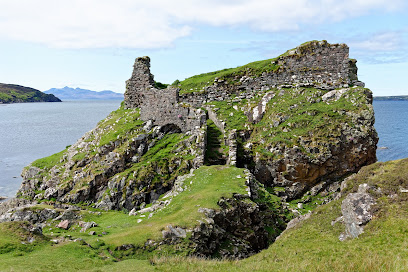
Kilmartin Museum
66.0 km
Discover 12,000 years of history at Kilmartin Museum, where ancient artefacts meet the stunning prehistoric landscape of Kilmartin Glen.
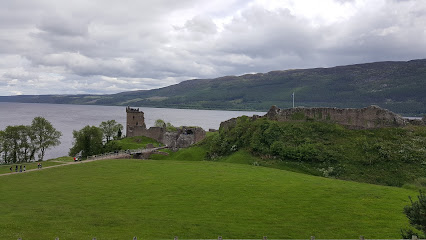
Nether Largie Mid Cairn
66.2 km
Bronze Age burial cairn at the heart of Scotland's most significant prehistoric landscape, carved with rare axehead symbols.
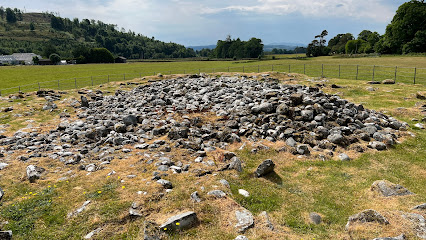
Nether Largie South Cairn
66.4 km
Explore the ancient mysteries of Nether Largie South Cairn, a captivating historical landmark in Lochgilphead, Scotland, surrounded by breathtaking landscapes.
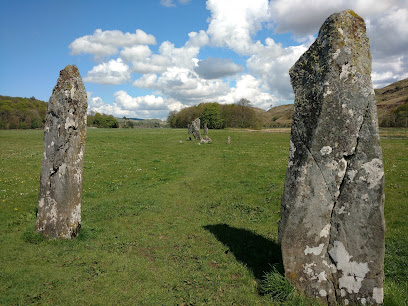
Nether Largie Standing Stones
66.7 km
Discover the ancient allure of Nether Largie Standing Stones, a remarkable historical landmark and hiking area nestled in the stunning landscape of Argyll, Scotland.
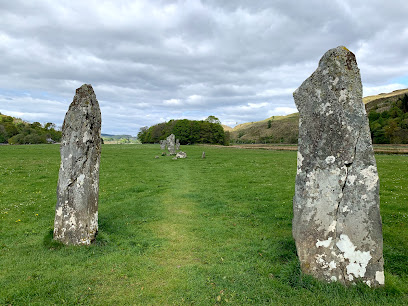
Dunchraigaig Cairn
67.6 km
Explore the ancient Dunchraigaig Cairn, a historical landmark steeped in mystery and surrounded by breathtaking landscapes in Kilmartin Glen.
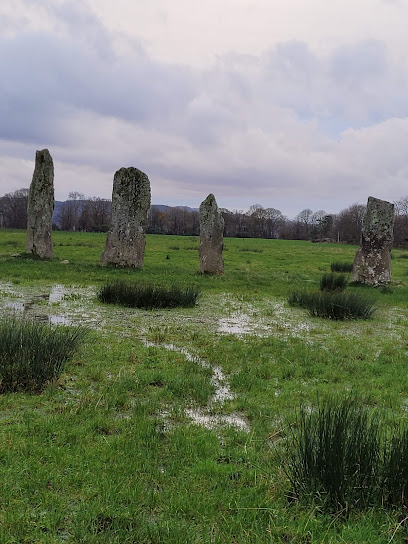
Official end of the West Highland Way
69.3 km
Celebrate the end of Scotland’s iconic West Highland Way in Fort William, where rugged mountains meet vibrant Highland culture.
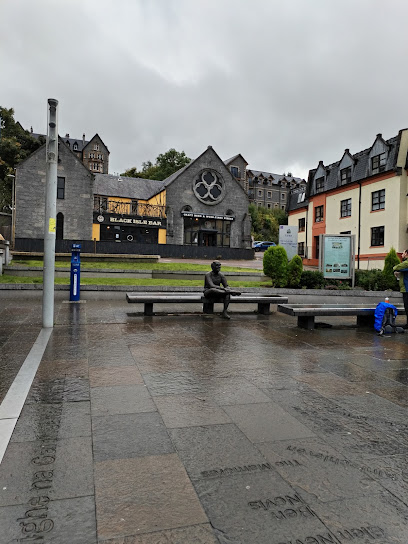
Wild About Argyll
69.9 km
Explore the stunning landscapes and rich biodiversity of Wild About Argyll, a must-visit destination for nature lovers and adventure seekers in Scotland.
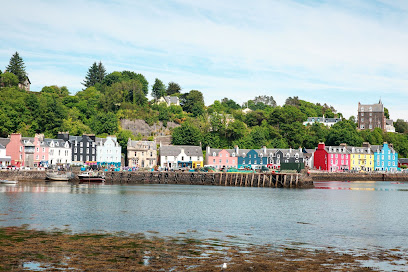
Knapdale Scottish Beaver Trail
70.2 km
Discover the Knapdale Scottish Beaver Trail, a nature lover's paradise where you can observe beavers in their natural habitat amidst stunning Scottish landscapes.
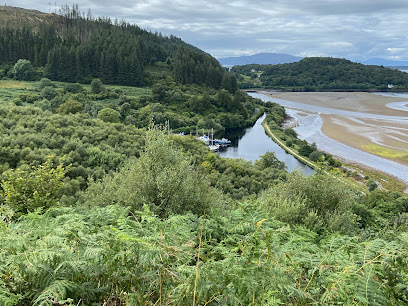
Tigh-na-sleubhaich
70.5 km
Iconic Highland ruin nestled in a remote valley, offering breathtaking views and a glimpse into Scotland’s crofting heritage on the West Highland Way.
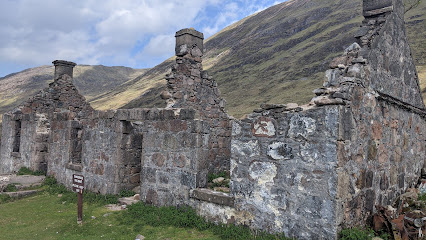
Unmissable attractions to see

Bellachroy Hotel
0.8 km
Discover Mull’s oldest inn, The Bellachroy Hotel, where historic charm meets local flavors in the scenic village of Dervaig.
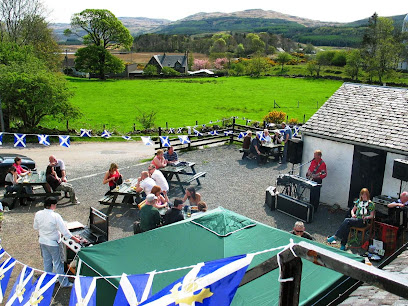
Loch Torr Wildlife Hide
1.2 km
Discover peaceful wildlife watching at Loch Torr Hide, a tranquil spot on Mull famed for stags, ospreys, and stunning natural views.
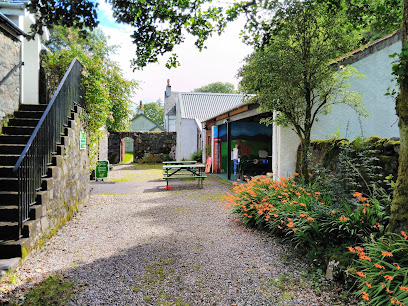
The Old Byre Heritage Centre
1.6 km
Discover Mull’s natural wonders and heritage in a charming stone byre museum with engaging exhibits and a cozy tearoom in scenic Glen Bellart.
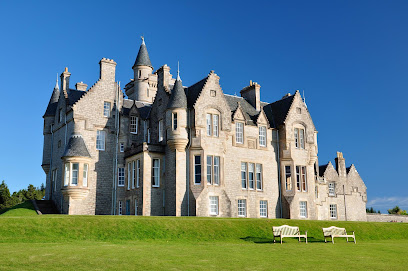
Glengorm Castle
5.2 km
Experience historic Highland charm and stunning coastal views at Glengorm Castle, a serene self-catering retreat on the Isle of Mull.
Port na Ba
5.6 km
Discover Port na Ba, a tranquil white sandy beach on Mull’s northwest coast with turquoise waters and stunning island vistas.
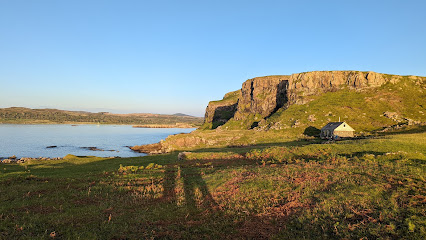
Dùn Ara rakuwka
5.9 km
Explore the rugged ruins of Dùn Ara Castle, a medieval clan stronghold perched on the wild northern coast of the Isle of Mull.
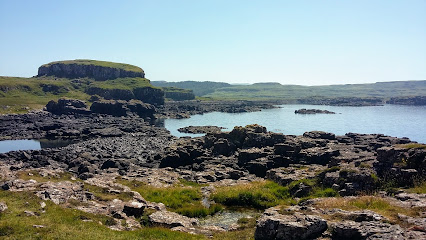
Langamull Beach
6.0 km
A pristine white-sand beach hidden on Mull's north-west coast, where turquoise waters and dramatic coastal views reward the scenic walk.
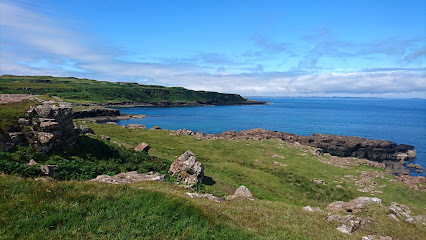
Isle of Mull Cheese and Spirit
6.1 km
Discover the award-winning Isle of Mull cheese and spirit at Sgriob-ruadh Farm’s charming Glass Barn café and shop, where tradition meets sustainability.
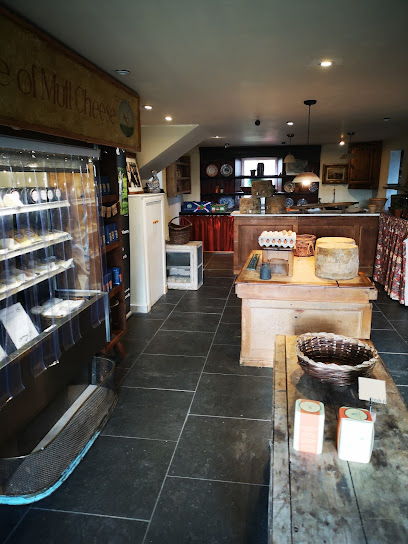
Calgary Art In Nature
6.2 km
Discover a magical woodland sculpture trail blending art, nature, and stunning coastal views on the Isle of Mull.
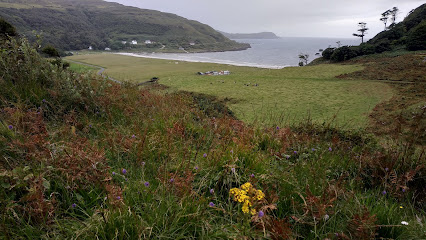
Calgary Bay Mull
6.6 km
Discover Calgary Bay’s stunning shell-sand beach, unique machair grasslands, and rich heritage on the scenic Isle of Mull coast.
Calgary Beach
6.7 km
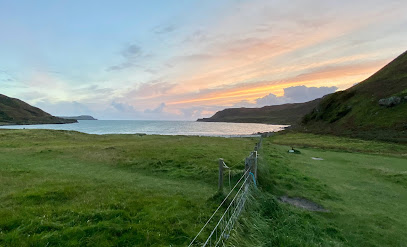
Discover the Isle of Mull’s largest sandy beach, where pristine waters meet rare machair landscapes and rich cultural heritage.
Island Blue Gallery
6.8 km
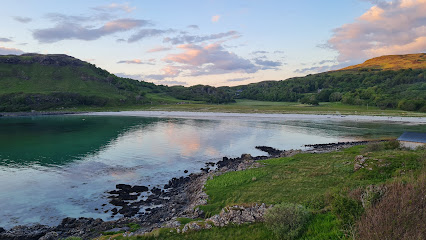
Discover contemporary Scottish art and unique handcrafted gifts in a welcoming gallery and café near Tobermory on the Isle of Mull.
Tobermory Distillery Visitor Centre
7.2 km
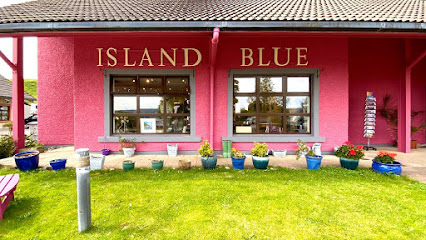
Explore Scotland’s oldest Isle of Mull distillery, where tradition and island spirit craft two unique single malts in a vibrant harbour setting.
Tobermory Chocolate
7.2 km
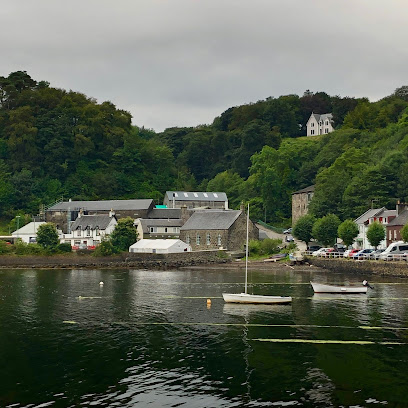
Family-run artisan chocolate shop and café on Tobermory’s Main Street, offering handmade chocolates and scenic harbour views year-round.
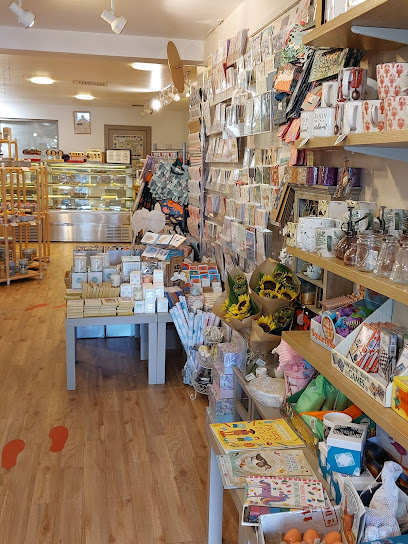
MacDonald Arms Hotel
7.3 km
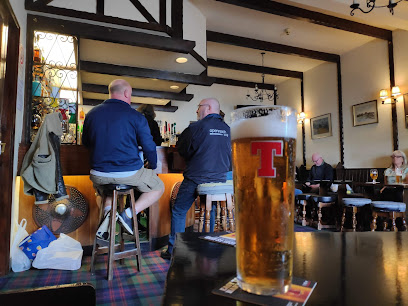
Historic pub on Tobermory’s Main Street offering hearty Scottish fare, warm hospitality, and a cozy island atmosphere.
Essential places to dine

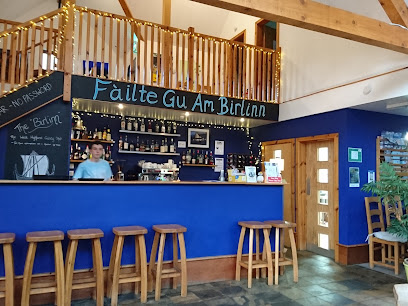
Am Birlinn
3.2 km
Rustic charm meets fresh seafood in a cozy, contemporary setting on the scenic Isle of Mull.
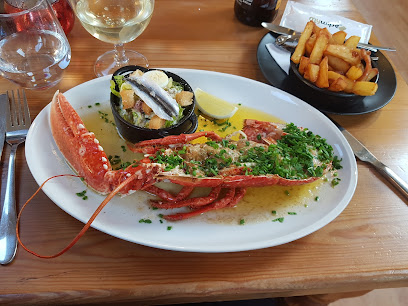
Hebridean Lodge
6.8 km
A charming coastal restaurant near Tobermory serving fresh local seafood with stunning island views and warm hospitality.
Macgochans
7.2 km
Waterfront gastropub with stunning bay views, fresh Scottish seafood, and warm Hebridean hospitality.
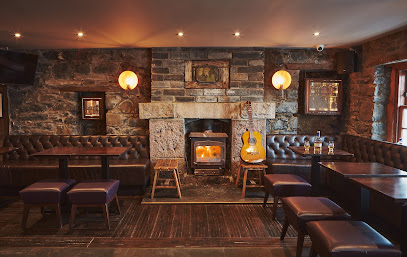
The Galleon Bistro Tobermory
7.3 km
Family-run harbour-side bistro in Tobermory offering fresh local seafood, Scottish classics, and a warm, accessible dining experience on the Isle of Mull.
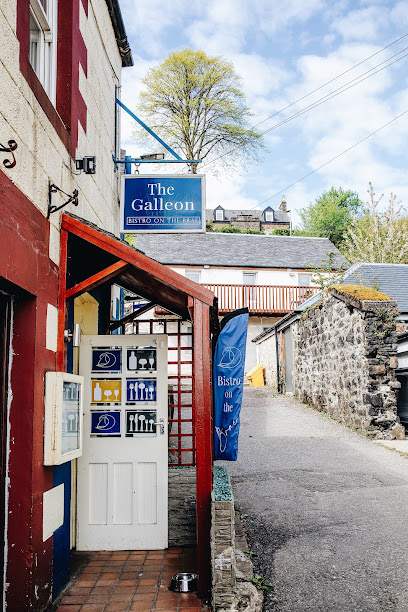
Spice of Mull
7.4 km
Experience authentic Indian, Bangladeshi, Thai, and Chinese flavors in a cozy Tobermory setting with stunning harbor views.
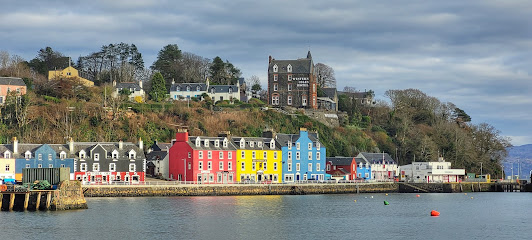
An Cala Ciuin
7.5 km
Traditional Scottish hospitality with harbour views and hearty fare in the heart of Tobermory’s historic Mishnish Hotel.
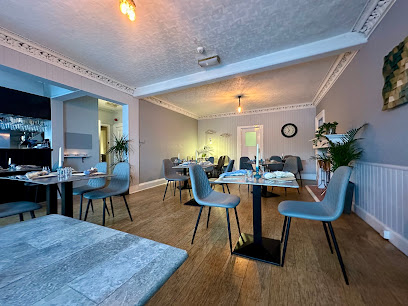
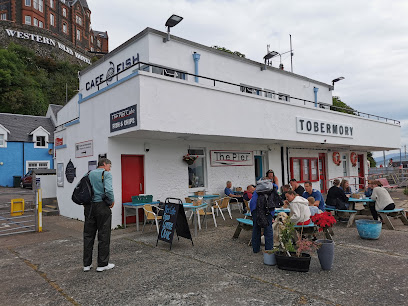
Cafe Fish, Upper Floor, The Pier, Tobermory
7.6 km
Experience Tobermory’s freshest seafood with stunning harbour views at the acclaimed Cafe Fish on the Isle of Mull.
The Whitehouse Restaurant
24.9 km
An intimate fine dining haven in Lochaline serving innovative Scottish cuisine with fresh, local, and foraged ingredients in a historic coastal setting.
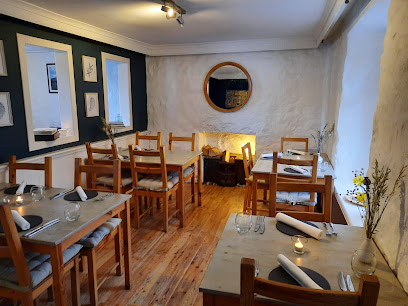
Ninth Wave Restaurant
31.3 km
Intimate seafood dining in a historic croft on the Isle of Mull, blending local flavors with refined culinary artistry.
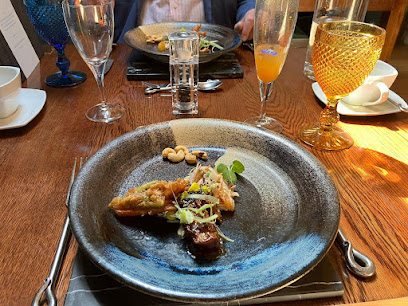
The Creel Seafood Bar
31.8 km
Fresh, locally caught seafood served with friendly charm near the ferry to Iona on the scenic Isle of Mull.
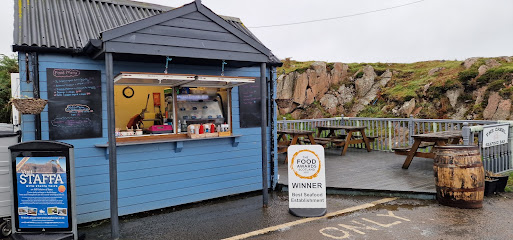
Restaurant at the Isle of Eriska
47.0 km
Experience Michelin-starred dining on a private Scottish island, where local flavours and historic charm meet breathtaking Highland views.
EE-USK
47.0 km
Fresh, locally sourced seafood served with panoramic harbor views on Oban’s historic North Pier.
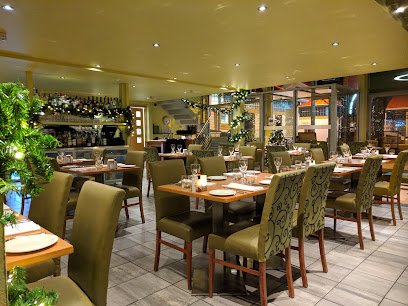
Food From Argyll at the Pier
47.1 km
A vibrant café at Oban’s ferry terminal serving fresh, locally sourced Argyll produce with stunning waterfront views.
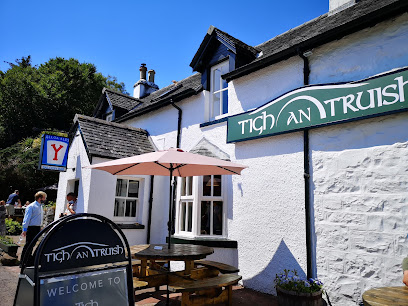
Tigh An Truish
47.1 km
Charming inn and acclaimed restaurant with stunning views of the iconic Clachan Bridge, offering exquisite local cuisine and cozy accommodations.
Taste of Argyll Kitchen
47.2 km
Cozy Scottish kitchen in Oban serving fresh, local dishes with a creative touch and warm hospitality.
Markets, malls and hidden boutiques

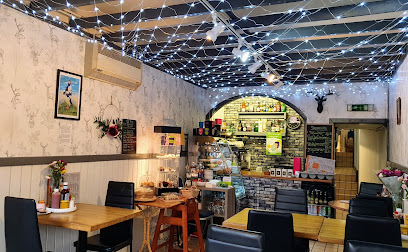
Premier
0.9 km
Your friendly local Premier store on Mull’s Main Street, offering groceries, postal services, and community warmth in Dervaig village.

Glengorm Gardens and Florist
5.2 km
Discover the serene Victorian walled gardens and artisan florist of Glengorm Estate, a floral and horticultural gem on the Isle of Mull’s rugged northern coast.
Hasn Candle Company
6.8 km
Discover handcrafted candles inspired by the natural beauty and seasonal scents of the Isle of Mull in Tobermory’s welcoming artisan shop.
Trekomory Breeze
7.2 km
Trekomory Breeze offers practical outdoor clothing and accessories in Tobermory, blending local charm with quality gear for every adventurer.
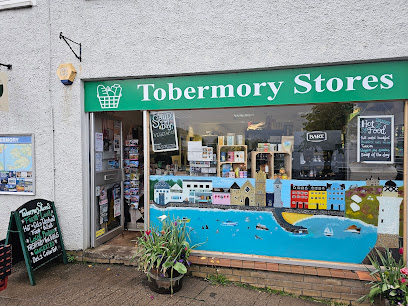
Tobermory Stores
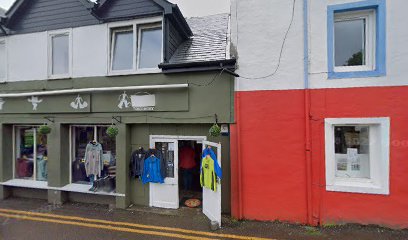
7.2 km
Tobermory Stores offers essential shopping with local charm in the heart of Isle of Mull’s colorful main street.
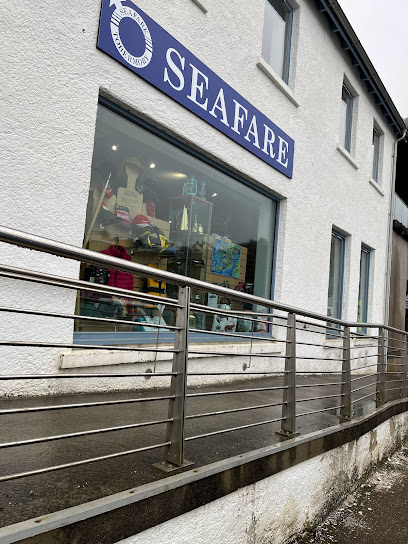
Seafare
7.2 km
Tobermory’s trusted chandlery since 1977, offering essential marine safety gear and supplies in the heart of the Isle of Mull’s harbor town.
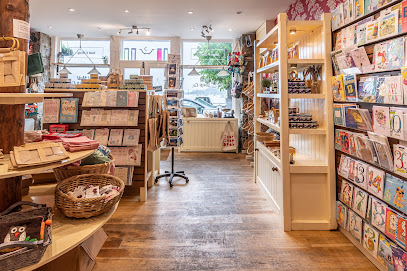
Isle Of Mull Soap Co Ltd
7.2 km
Discover handmade natural soaps and eco-friendly gifts crafted with care in the heart of Tobermory on the Isle of Mull.
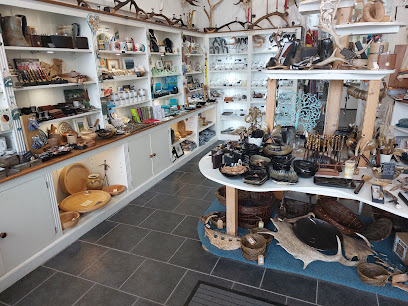
Island Crafts
7.2 km
Discover authentic Isle of Mull artistry and handcrafted treasures in the heart of Tobermory’s vibrant craft scene.
Island Blue Tobermory
7.3 km
Discover authentic Isle of Mull crafts and unique gifts in the heart of Tobermory’s vibrant Main Street.
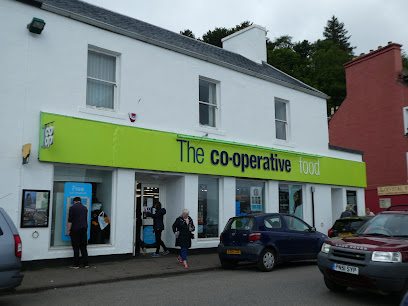
Co-op Food - Tobermory
7.4 km
Tobermory’s largest convenience store offering fresh island produce and everyday essentials in the heart of the Isle of Mull.
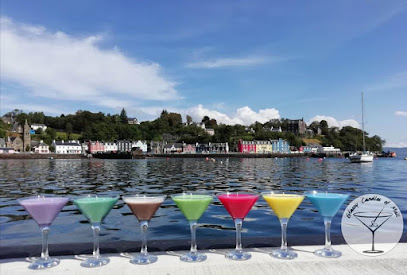
Glassy Candles of Mull
7.5 km
Discover handcrafted candles and local artisan treasures in the heart of Tobermory on the Isle of Mull.
Tobermory Antiques & Collectibles
7.5 km
Discover unique vintage treasures steeped in the heritage and charm of Tobermory’s colorful Isle of Mull harbor town.
Tobermory Corner Shop
7.5 km
Experience local charm and unique finds at Tobermory Corner Shop, your gateway to the Isle of Mull's treasures.
Hargreaves Bros
7.6 km
Discover timeless craftsmanship and expert clock repair at Hargreaves Bros, Tobermory’s cherished watch shop on the Isle of Mull.
Spar Bunessan
30.6 km
Your friendly local convenience store and post office in Bunessan, Isle of Mull, offering essentials and community connection in a scenic village setting.
Essential bars & hidden hideouts

The Tobermory Hotel
7.2 km
Historic boutique hotel with stunning Tobermory Bay views, local cuisine, and warm Highland hospitality on the Isle of Mull’s vibrant waterfront.
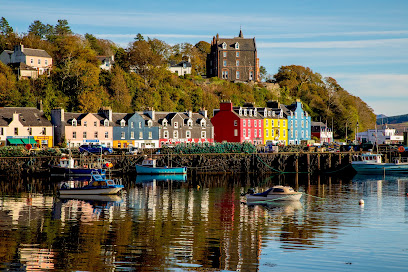
Mishnish
7.5 km
A traditional Scottish hotel and bar in Tobermory, famed for cosy harbour views, live folk music, and warm island hospitality.
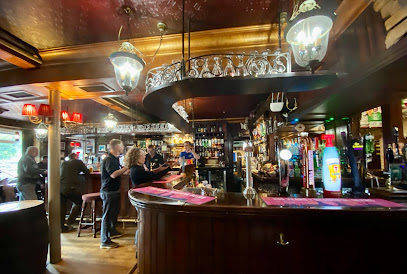
Auld Mull Bar
7.6 km
Experience warm island hospitality and local flavors at Auld Mull Bar, a cozy family-run retreat in Tobermory’s charming harbor village.
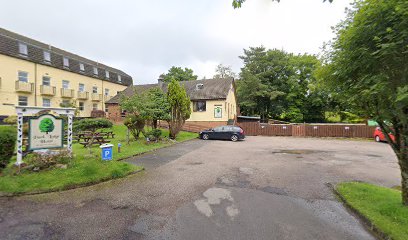
Western Isles Hotel
7.6 km
Historic hotel with breathtaking Tobermory Bay views, classic charm, and warm hospitality on the scenic Isle of Mull.
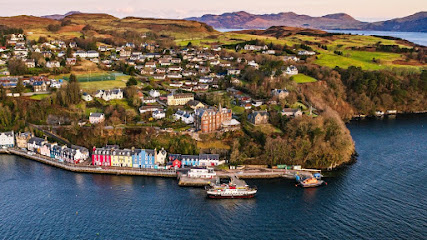
Bunessan Inn
30.7 km
Historic Isle of Mull pub and inn offering hearty food, local whiskies, cozy rooms, and stunning loch views in a warm community setting.
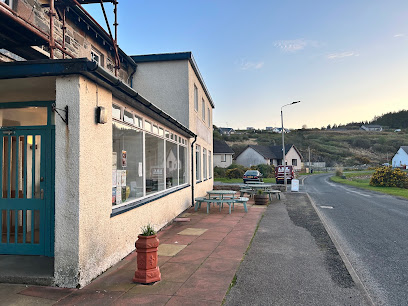
Isle of Mull Hotel & Spa
30.7 km
A welcoming coastal retreat on the Isle of Mull, blending scenic views, spa relaxation, and warm Scottish hospitality.
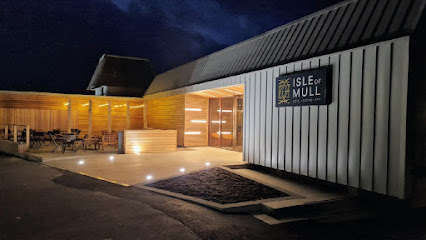
The Keel Row
31.7 km
Cozy pub and restaurant in Fionnphort offering hearty Scottish dishes, scenic bay views, and a warm, welcoming atmosphere on the Isle of Mull.
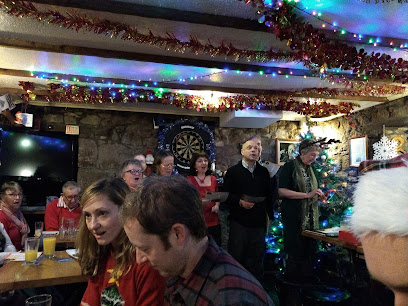
Snack Bar
31.8 km
Experience the charm of the Isle of Mull at the Snack Bar, where delightful bites and stunning views create unforgettable memories.
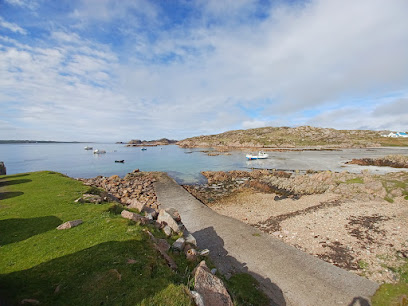
Craignure Inn
31.9 km
A cozy, dog-friendly pub and inn in Craignure offering hearty fare, comfortable rooms, and a warm welcome on the Isle of Mull.
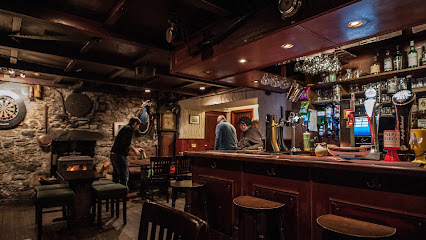
The Oyster Bar
45.9 km
A charming seafood haven in historic Ellenabeich, offering fresh oysters, scenic coastal views, and warm Scottish hospitality.
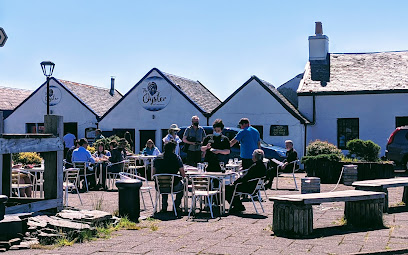
Markie Dans
46.8 km
Family-run pub in Oban offering vast single malts, hearty food, live music, and stunning bay views in a welcoming, lively atmosphere.
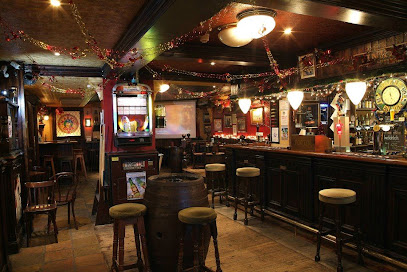
The Tartan Tavern
47.0 km
Experience authentic Scottish hospitality and traditional charm at The Tartan Tavern, a cozy and lively pub in the heart of Oban.
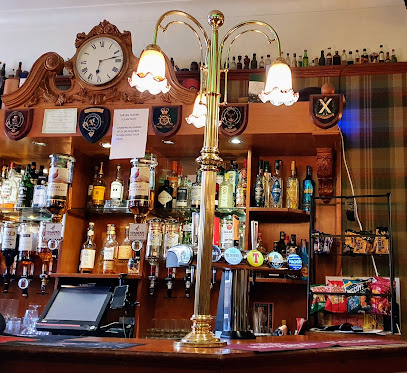
Cellar Bar
47.0 km
Cozy and traditional Scottish pub on Oban’s waterfront, famed for local whiskies, live music, and warm hospitality.
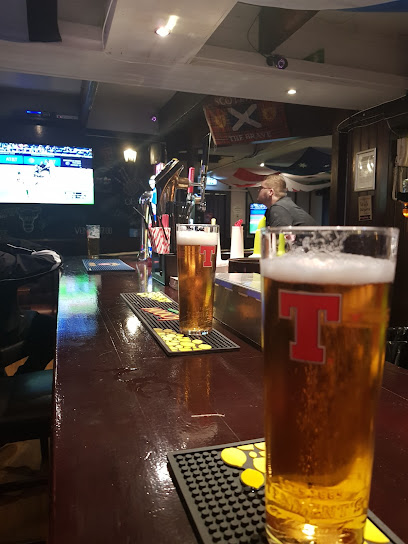
Lorne Bar
47.4 km
Experience authentic Scottish hospitality, fresh local seafood, and a warm, welcoming atmosphere in the heart of Oban at The Lorne Bar.
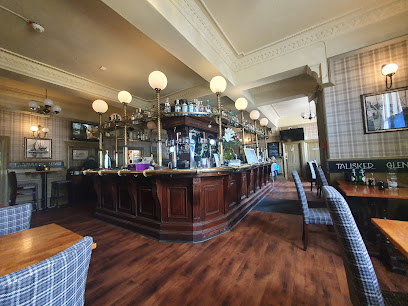
Macnamara & Bothin Bar
54.7 km
A cozy bar in Ardvasar offering local whiskies, stunning Isle of Skye views, and warm Scottish hospitality in a rustic setting.
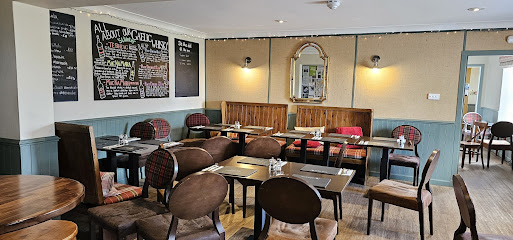
Nightclubs & after hour spots

Roobarb
69.3 km
Experience Fort William’s vibrant nightlife at Roobarb, the welcoming nightclub where music and dancing light up weekend nights.
Jura Brewery
84.0 km
Discover Jura Brewery: A Craft Beer Experience in the Heart of the Isle of Jura, Where Tradition Meets Nature's Bounty.
Skye Camanachd Social Club
91.6 km
Experience the vibrant social heartbeat of Portree at Skye Camanachd Social Club, where tradition meets lively nightlife on the Isle of Skye.

For the vibe & atmosphere seeker
- Tranquil
- Scenic
- Unique
- Relaxing
For the design and aesthetic lover
- Rustic Designs
- Vintage Styles
For the architecture buff
- Historic
- Sacred Sites
- Heritage Neighborhoods
For the view chaser and sunset hunter
- Panoramas
- Sunrise Spots
- Sunset Spots
For the social media creator & influencer
- Photo Spots
- Selfie Spots
- Aesthetic Corners
For the eco-conscious traveler
- Low Impact
- Protected Area
- Public-Transport Accessible
- Leave-No-Trace Critical
For the kind of experience you’re after
- Mindfulness
- Meditation Spot
- Spiritual / Energy Spot
- Myth & Legends
- Cultural Heritage
- Photowalk
- Nature Escape
- Day Trip
For how adventurous you want the journey to be
- Easy Access
Location Audience
- Family Friendly
- Senior Friendly
- Child Friendly
- Teen Friendly
- Wheelchair Access
- Solo Friendly
- Couple Friendly
- Solo Female Friendly


