
Dùn Ara Castle: Medieval Stronghold on Isle of Mull
Explore the rugged ruins of Dùn Ara Castle, a medieval clan stronghold perched on the wild northern coast of the Isle of Mull.
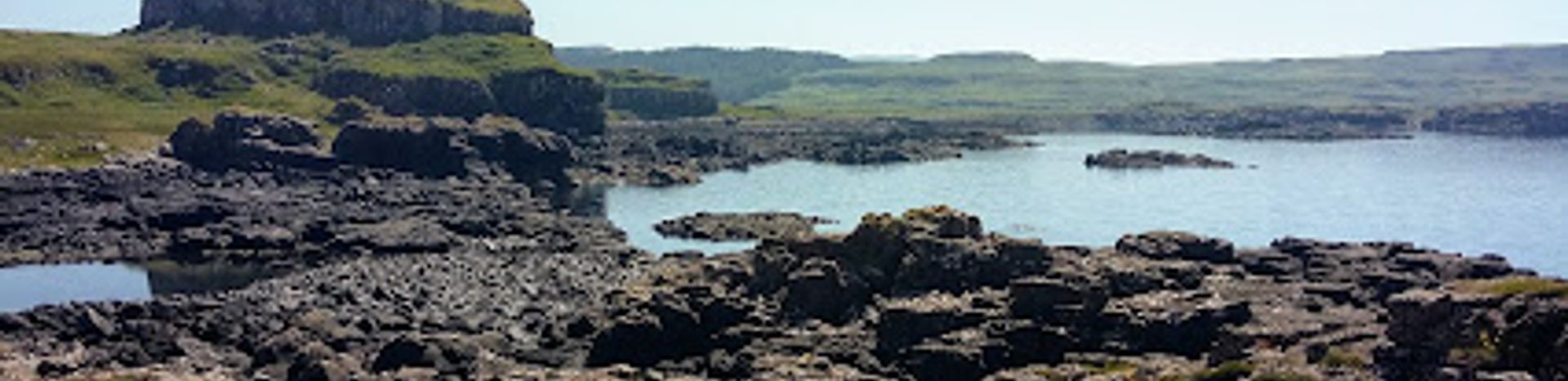
Dùn Ara Castle is a ruined medieval fortress perched on a rocky outcrop on the northern coast of the Isle of Mull, Scotland. Originally an ancient fort, it was fortified and occupied by Clan MacKinnon from the 14th century until its abandonment in the 17th century. The castle overlooks the ocean with views towards Coll and Ardnamurchan and is notable for its historic defensive walls, nearby ancient township remains, and a man-made harbour. It is accessible by sea or a steep path from Glengorm Castle.
A brief summary to Dùn Ara rakuwka
- Isle of Mull, Isle of Mull, GB
- Visit website
- Duration: 1 to 3 hours
- Free
-
 Outdoor
- Mobile reception: 3 out of 5
Local tips
- Wear sturdy footwear for the steep and rocky ascent from Glengorm Castle estate.
- Bring a camera to capture panoramic ocean views and the dramatic coastal landscape.
- Consider visiting during mild weather for safer walking conditions and clearer visibility.
- Explore the nearby Glengorm Castle and its café for refreshments before or after your visit.

For the on-the-go comforts that matter to you
- Restrooms
- Drink Options
- Food Options
- Seating Areas
- Information Boards
Getting There
-
Car and Walking
Drive from Tobermory towards Glengorm Castle via the B8073 and minor estate roads, then walk approximately 1.5 km on an estate track and a steep rocky path to the castle. The drive takes around 20-30 minutes; the walk requires good footwear and moderate fitness. Parking is limited near Glengorm Castle.
-
Sea Access
Access Dùn Ara Castle by boat from nearby coastal points on the Isle of Mull, landing at the man-made harbour below the castle. This option offers a scenic approach but requires suitable sea conditions and local knowledge. No formal ferry services operate to the castle.
-
Public Transport and Walking
Take a bus or taxi from Tobermory to the Glengorm area (approximately 20 minutes), then walk the 1.5 km estate track and steep path to the castle. Bus services are infrequent and seasonal; taxis should be booked in advance.
Dùn Ara rakuwka location weather suitability
-
 Any Weather
-
 Rain / Wet Weather
-
 Clear Skies
-
 Windy Conditions
-
 Mild Temperatures
Discover more about Dùn Ara rakuwka
Ancient Origins and Strategic Location
Dùn Ara Castle stands on a prominent rocky summit at Sorne Point on the northern coast of Mull, overlooking the sea towards the islands of Coll and Ardnamurchan. The site was originally an ancient dùn, a type of Iron Age fortification, predating the medieval castle that was constructed before 1303. Its location was strategically chosen to defend a man-made harbour known as the Bathing Pool, which may have been in use even before the castle's occupation and possibly utilized by Norse settlers. The castle’s position on a rocky outcrop provided natural defenses and commanding views of the surrounding seascape.Clan MacKinnon Stronghold and Medieval History
From 1354 onward, Dùn Ara became a key stronghold of Clan MacKinnon, who controlled the northern part of Mull. The castle was fortified with a thick stone curtain wall enclosing the summit, protecting a central keep and other buildings within. It played a significant role during clan disputes and regional power struggles, including conflicts involving the MacLeans and MacDonalds in the late medieval period. The castle remained in use until it was abandoned in the 17th century, around 1642. Its historical significance was formally recognized when it was designated a scheduled monument in 2003.Architectural Features and Ruins
The castle’s curtain wall, built of coarse lime mortar, varies in thickness from 1.3 to 1.8 meters and is best preserved on the northeast side. Inside the walls, the foundations of several buildings remain visible, including a large hall approximately 12.3 by 5.7 meters. Surrounding the castle are the remains of a small township with sub-rectangular buildings and cultivation strips, indicating a settled community during the castle’s occupation. An artificial harbour with a jetty, quay, and boat-landing lies on the southwest side, enhancing the castle’s accessibility by sea.Natural Setting and Visitor Experience
Access to Dùn Ara is typically via a steep, rocky path from Glengorm Castle estate, which offers undemanding walking through pastures with wide sea views before the ascent. The castle’s dramatic location on the rocky summit provides a rugged and atmospheric experience, with panoramic views of the Atlantic Ocean and nearby islands. The site is also noted as a unique wild swimming spot, adding to its appeal for adventurous visitors. The surrounding landscape is rich with natural beauty, blending historical intrigue with coastal scenery.Preservation and Cultural Importance
Though largely in ruins, Dùn Ara Castle remains a powerful symbol of medieval defensive architecture and clan heritage on Mull. Its scheduled monument status ensures protection and recognition of its archaeological and historical value. The site offers insight into the island’s medieval past, Norse connections, and clan dynamics, making it a culturally significant destination for history enthusiasts and nature lovers alike.Modern Context and Accessibility
Today, Dùn Ara Castle is a popular tourist attraction on the Isle of Mull, appreciated for its scenic views and rich history. While there is an estate track leading to the site, the final approach involves a steep climb requiring appropriate footwear. The castle’s remote coastal setting means visitors should prepare for changing weather and rugged terrain. Despite its ruins, the castle’s evocative atmosphere and surrounding natural features provide a rewarding visit for those interested in Scotland’s medieval past and wild landscapes.Iconic landmarks you can’t miss

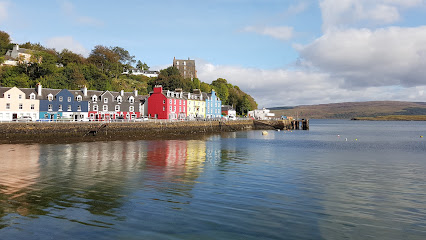
Tobermory Clock Tower
8.2 km
Historic granite clock tower memorializing local heritage, standing proudly by Tobermory’s colourful harbour on the Isle of Mull.
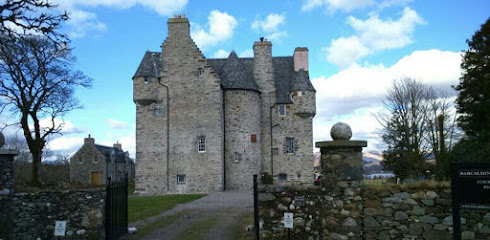
Barcaldine Castle
50.9 km
Experience the haunting beauty and rich history of Barcaldine Castle, a 17th-century Scottish fortress overlooking Loch Creran.
St John's Scottish Episcopal Cathedral : Oban
50.9 km
An unfinished masterpiece where Gothic ambition meets industrial-age engineering in Scotland's most unusual cathedral.
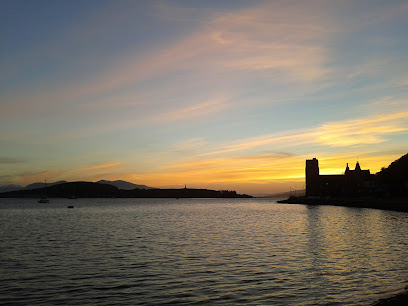
McCaig's Tower & Battery Hill
51.2 km
Explore Oban’s iconic McCaig's Tower, a Colosseum-inspired folly with stunning views and tranquil gardens atop Battery Hill.

The National Trust for Scotland
59.7 km
Explore the breathtaking beauty of Arduaine Garden, a serene botanical haven on Scotland's west coast, perfect for nature lovers and tranquility seekers.
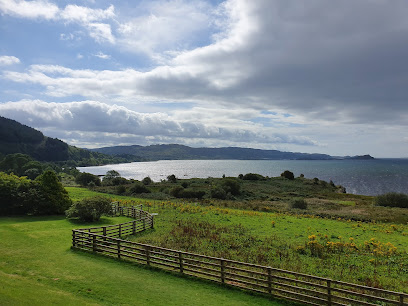
Arduaine Garden
59.7 km
Explore the enchanting Arduaine Garden, a botanical haven on the west coast of Scotland, showcasing diverse flora and stunning coastal views.
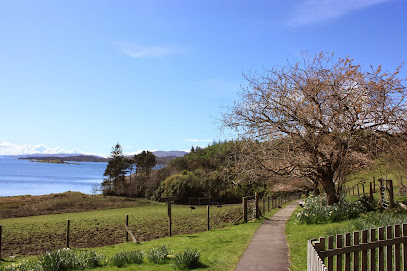
Barnhill
66.6 km
George Orwell's remote Hebridean sanctuary where Nineteen Eighty-Four was born.
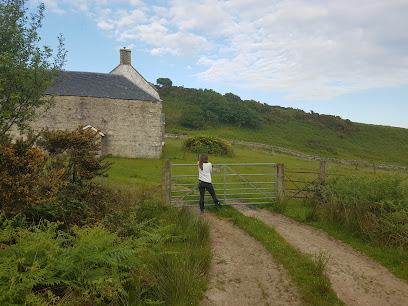
Strath Suardale Chambered Cairn
67.1 km
Discover the ancient Strath Suardale Chambered Cairn on the Isle of Skye, a captivating glimpse into Scotland's Neolithic past amidst stunning landscapes.
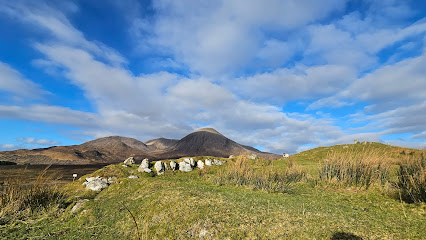
Official end of the West Highland Way
69.0 km
Celebrate the end of Scotland’s iconic West Highland Way in Fort William, where rugged mountains meet vibrant Highland culture.
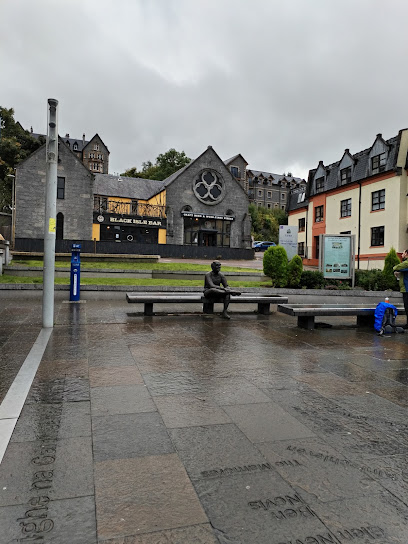
Tigh-na-sleubhaich
70.9 km
Iconic Highland ruin nestled in a remote valley, offering breathtaking views and a glimpse into Scotland’s crofting heritage on the West Highland Way.
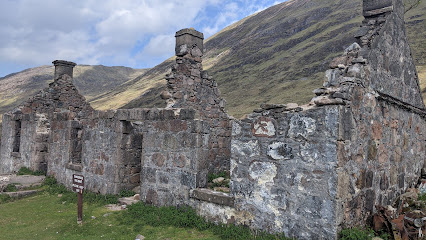
Kilmartin Museum
71.4 km
Discover 12,000 years of history at Kilmartin Museum, where ancient artefacts meet the stunning prehistoric landscape of Kilmartin Glen.
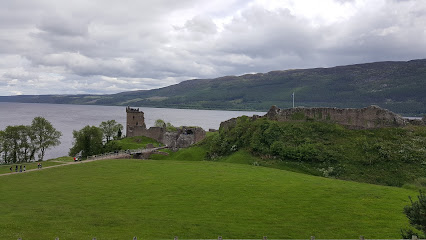
Nether Largie Mid Cairn
71.6 km
Bronze Age burial cairn at the heart of Scotland's most significant prehistoric landscape, carved with rare axehead symbols.
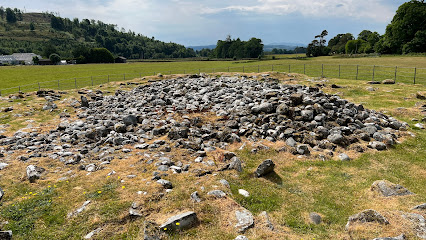
Nether Largie South Cairn
71.8 km
Explore the ancient mysteries of Nether Largie South Cairn, a captivating historical landmark in Lochgilphead, Scotland, surrounded by breathtaking landscapes.
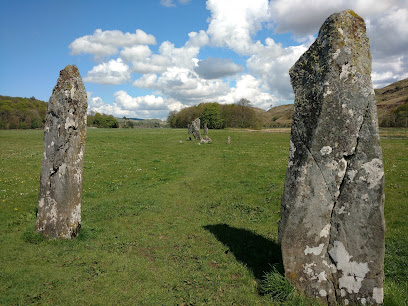
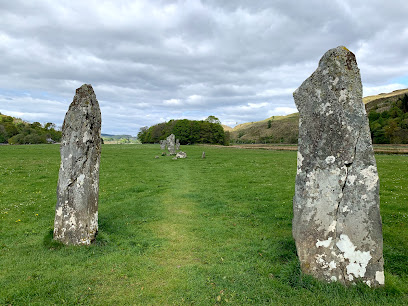
Nether Largie Standing Stones
72.1 km
Discover the ancient allure of Nether Largie Standing Stones, a remarkable historical landmark and hiking area nestled in the stunning landscape of Argyll, Scotland.
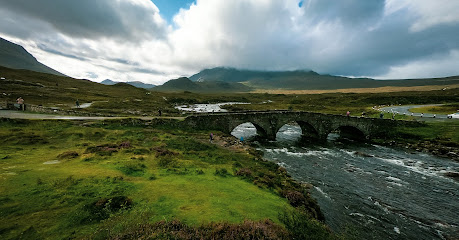
Sligachan Old Bridge
72.2 km
Discover the timeless beauty of Sligachan Old Bridge on the Isle of Skye, where history meets breathtaking landscapes.
Unmissable attractions to see

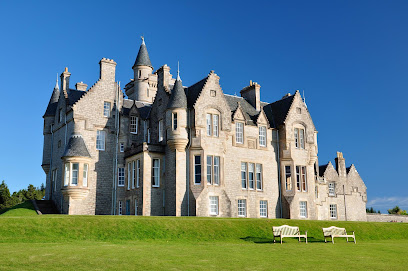
Glengorm Castle
1.3 km
Experience historic Highland charm and stunning coastal views at Glengorm Castle, a serene self-catering retreat on the Isle of Mull.
Ardmore Point
4.6 km
Discover serene coastal landscapes, historic ruins, and abundant wildlife at Ardmore Point on the Isle of Mull.
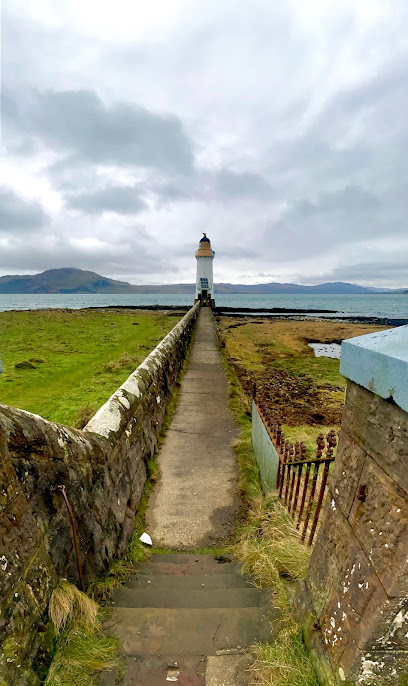
Port na Ba
4.7 km
Discover Port na Ba, a tranquil white sandy beach on Mull’s northwest coast with turquoise waters and stunning island vistas.
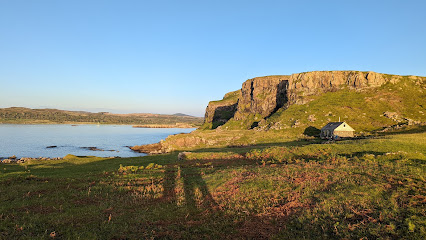
Loch Torr Wildlife Hide
5.6 km
Discover peaceful wildlife watching at Loch Torr Hide, a tranquil spot on Mull famed for stags, ospreys, and stunning natural views.
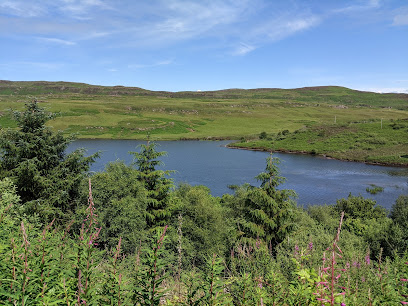
Bellachroy Hotel
5.8 km
Discover Mull’s oldest inn, The Bellachroy Hotel, where historic charm meets local flavors in the scenic village of Dervaig.
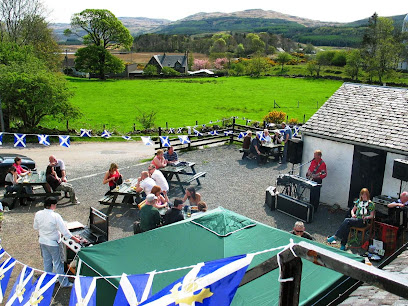
Kilmore Standing Stones
5.9 km
Ancient granite monoliths in a quiet woodland clearing on the Isle of Mull, part of a wider Bronze Age ritual landscape.
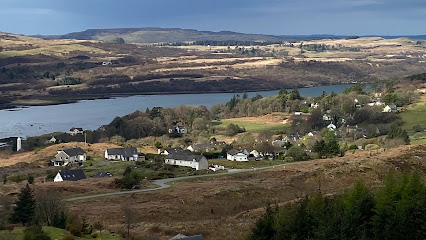
Langamull Beach
5.9 km
A pristine white-sand beach hidden on Mull's north-west coast, where turquoise waters and dramatic coastal views reward the scenic walk.
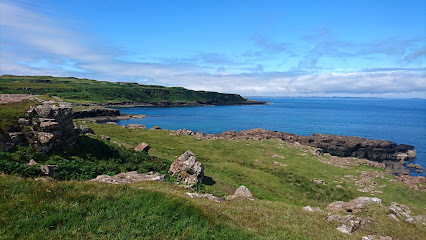
Isle of Mull Cheese and Spirit
7.1 km
Discover the award-winning Isle of Mull cheese and spirit at Sgriob-ruadh Farm’s charming Glass Barn café and shop, where tradition meets sustainability.
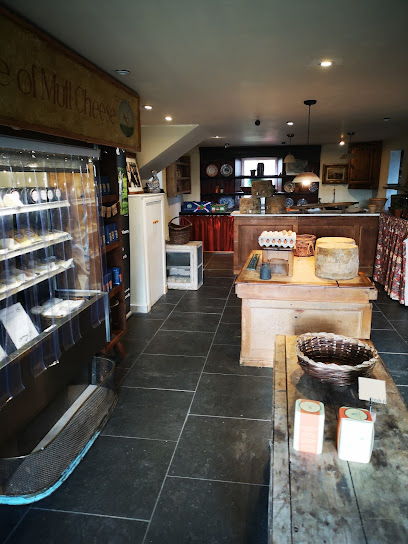
The Old Byre Heritage Centre
7.3 km
Discover Mull’s natural wonders and heritage in a charming stone byre museum with engaging exhibits and a cozy tearoom in scenic Glen Bellart.
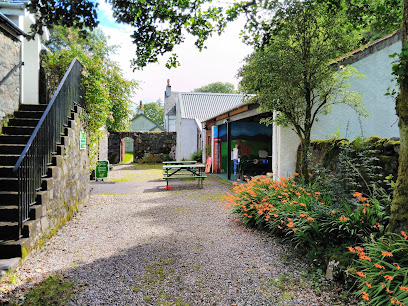
Calgary Art In Nature
7.8 km
Discover a magical woodland sculpture trail blending art, nature, and stunning coastal views on the Isle of Mull.
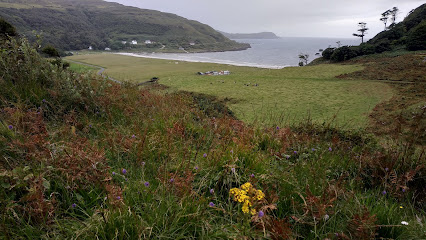
Rubha nan Gall Lighthouse
8.0 km
Historic 1857 lighthouse on a scenic islet north of Tobermory, offering stunning coastal views and rich maritime heritage on the Isle of Mull.
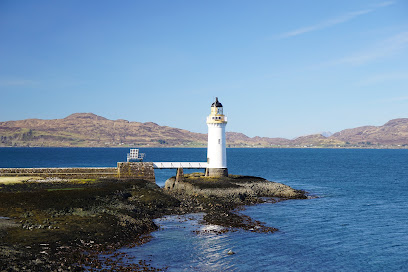
Tobermory Lighthouse
8.0 km
Discover the stunning Tobermory Lighthouse on the Isle of Mull, a historic beacon offering breathtaking views and rich maritime heritage.
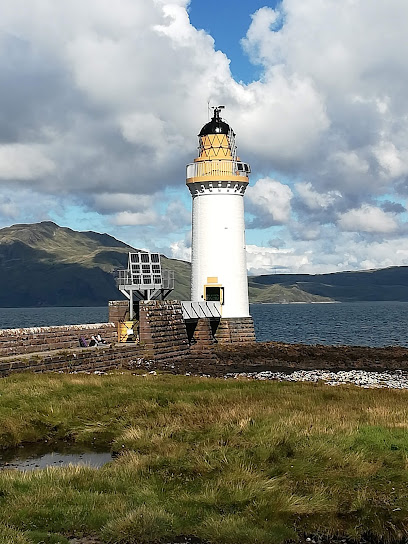
Tobermory Chocolate
8.1 km
Family-run artisan chocolate shop and café on Tobermory’s Main Street, offering handmade chocolates and scenic harbour views year-round.
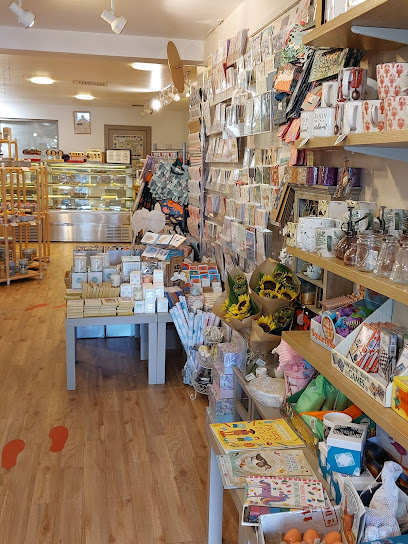
MacDonald Arms Hotel
8.1 km
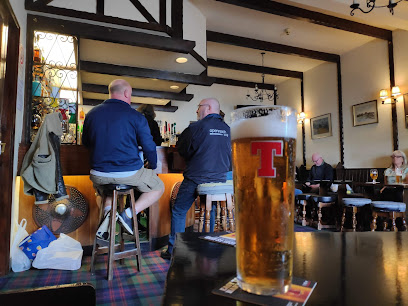
Historic pub on Tobermory’s Main Street offering hearty Scottish fare, warm hospitality, and a cozy island atmosphere.
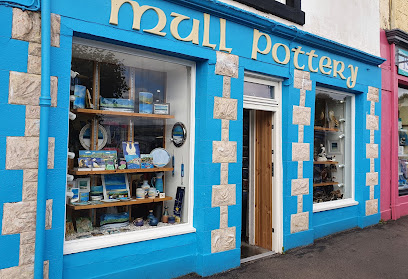
Mull Pottery
8.1 km
Discover timeless handmade ceramics inspired by the Isle of Mull’s landscapes at Mull Pottery in Tobermory.
Essential places to dine

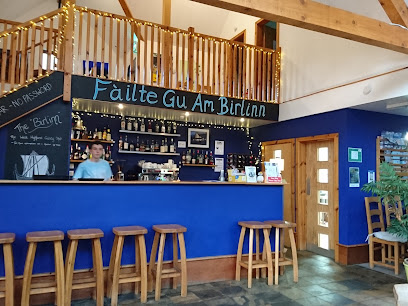
Am Birlinn
5.7 km
Rustic charm meets fresh seafood in a cozy, contemporary setting on the scenic Isle of Mull.
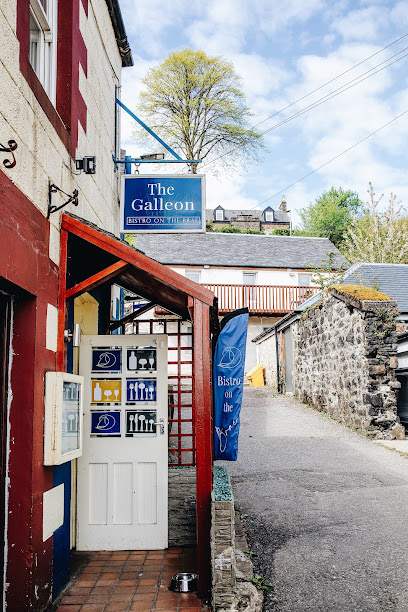
The Galleon Bistro Tobermory
8.1 km
Family-run harbour-side bistro in Tobermory offering fresh local seafood, Scottish classics, and a warm, accessible dining experience on the Isle of Mull.
Macgochans
8.2 km
Waterfront gastropub with stunning bay views, fresh Scottish seafood, and warm Hebridean hospitality.
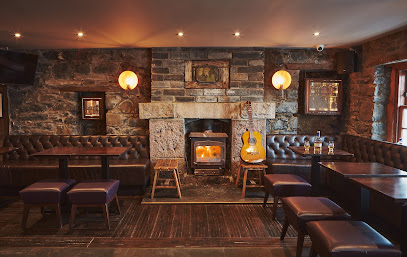
Spice of Mull
8.2 km
Experience authentic Indian, Bangladeshi, Thai, and Chinese flavors in a cozy Tobermory setting with stunning harbor views.
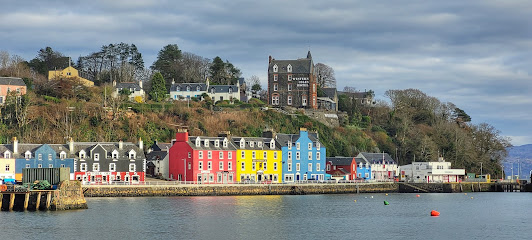
Hebridean Lodge
8.2 km
A charming coastal restaurant near Tobermory serving fresh local seafood with stunning island views and warm hospitality.
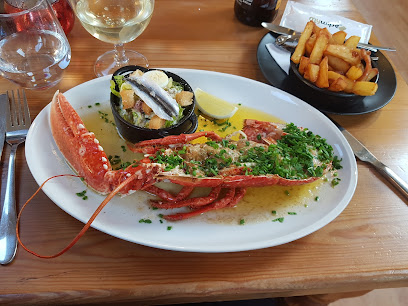
An Cala Ciuin
8.3 km
Traditional Scottish hospitality with harbour views and hearty fare in the heart of Tobermory’s historic Mishnish Hotel.
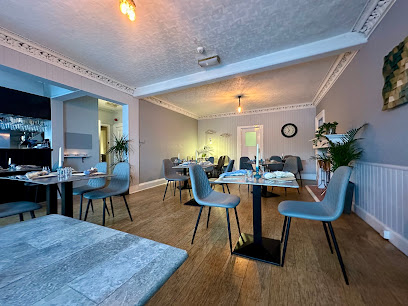
Cafe Fish, Upper Floor, The Pier, Tobermory
8.4 km
Experience Tobermory’s freshest seafood with stunning harbour views at the acclaimed Cafe Fish on the Isle of Mull.
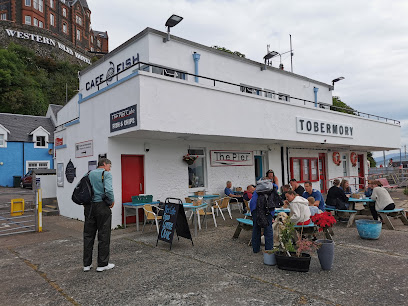
The Whitehouse Restaurant
28.3 km
An intimate fine dining haven in Lochaline serving innovative Scottish cuisine with fresh, local, and foraged ingredients in a historic coastal setting.
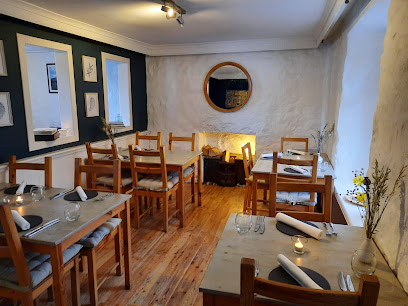
Ninth Wave Restaurant
36.1 km
Intimate seafood dining in a historic croft on the Isle of Mull, blending local flavors with refined culinary artistry.
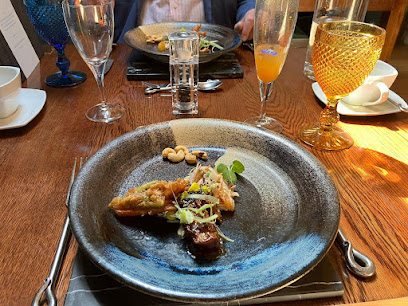
The Creel Seafood Bar
36.6 km
Fresh, locally caught seafood served with friendly charm near the ferry to Iona on the scenic Isle of Mull.
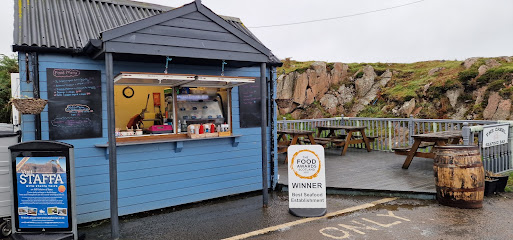
The Chlachain Inn
46.3 km
Authentic Scottish inn and seafood restaurant offering warm hospitality and cozy rooms in the heart of Mallaig’s fishing village.
Restaurant at the Isle of Eriska
49.5 km
Experience Michelin-starred dining on a private Scottish island, where local flavours and historic charm meet breathtaking Highland views.
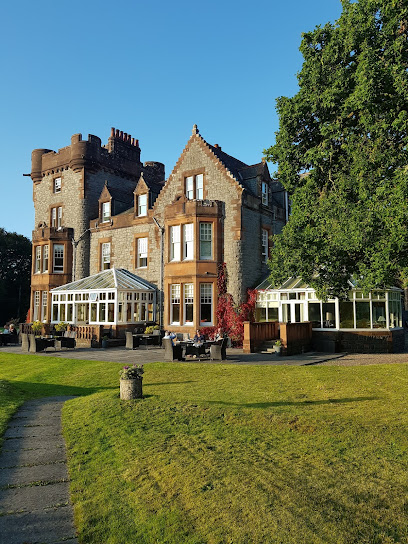
The Shed
50.6 km
Enjoy hearty, fresh seafood and iconic fish and chips in a relaxed setting on the scenic Isle of Skye’s A851 route.
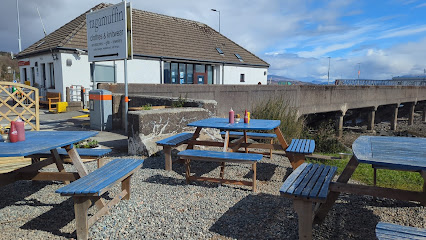
EE-USK
50.9 km
Fresh, locally sourced seafood served with panoramic harbor views on Oban’s historic North Pier.
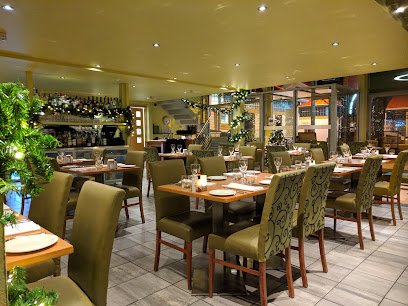
Food From Argyll at the Pier
51.0 km
A vibrant café at Oban’s ferry terminal serving fresh, locally sourced Argyll produce with stunning waterfront views.
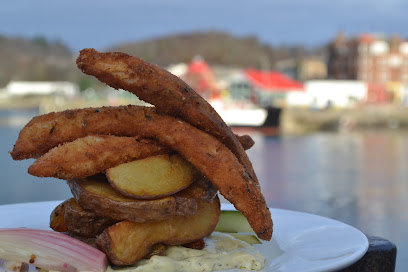
Markets, malls and hidden boutiques

Glengorm Gardens and Florist
1.3 km
Discover the serene Victorian walled gardens and artisan florist of Glengorm Estate, a floral and horticultural gem on the Isle of Mull’s rugged northern coast.
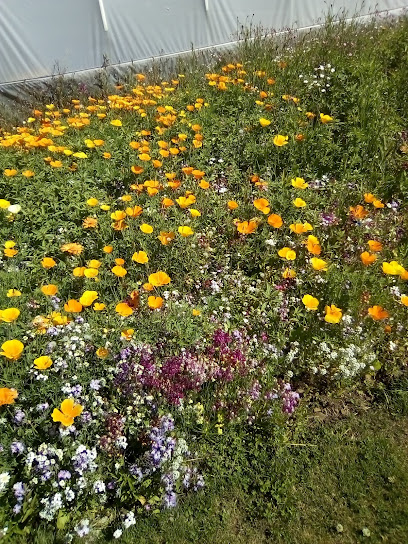
Premier
5.6 km
Your friendly local Premier store on Mull’s Main Street, offering groceries, postal services, and community warmth in Dervaig village.

Hargreaves Bros
8.1 km
Discover timeless craftsmanship and expert clock repair at Hargreaves Bros, Tobermory’s cherished watch shop on the Isle of Mull.
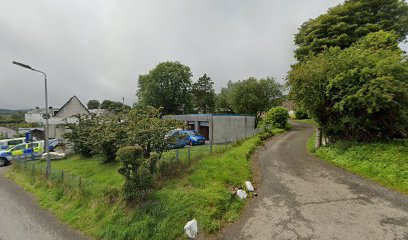
Tobermory Stores
8.1 km
Tobermory Stores offers essential shopping with local charm in the heart of Isle of Mull’s colorful main street.
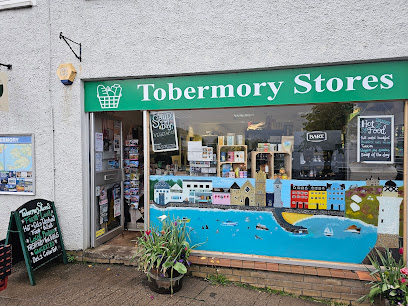
Isle Of Mull Soap Co Ltd
8.1 km
Discover handmade natural soaps and eco-friendly gifts crafted with care in the heart of Tobermory on the Isle of Mull.
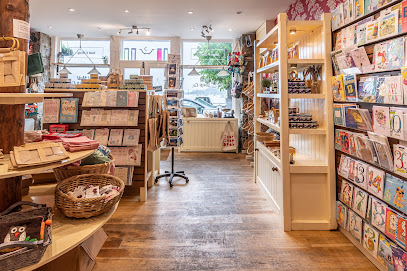
Island Crafts
8.1 km
Discover authentic Isle of Mull artistry and handcrafted treasures in the heart of Tobermory’s vibrant craft scene.
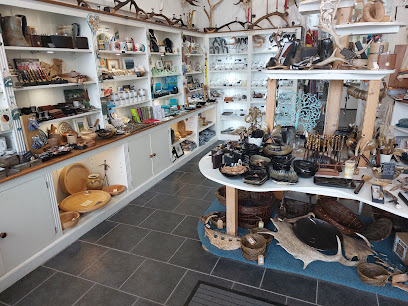
Trekomory Breeze
8.1 km
Trekomory Breeze offers practical outdoor clothing and accessories in Tobermory, blending local charm with quality gear for every adventurer.
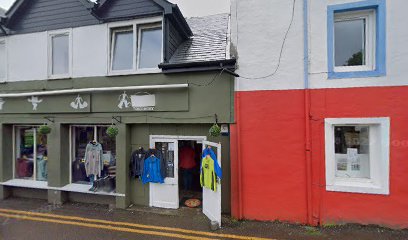
Island Blue Tobermory
8.1 km
Discover authentic Isle of Mull crafts and unique gifts in the heart of Tobermory’s vibrant Main Street.
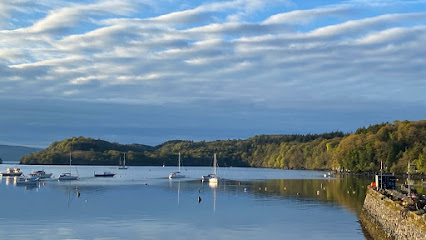
Co-op Food - Tobermory
8.2 km
Tobermory’s largest convenience store offering fresh island produce and everyday essentials in the heart of the Isle of Mull.
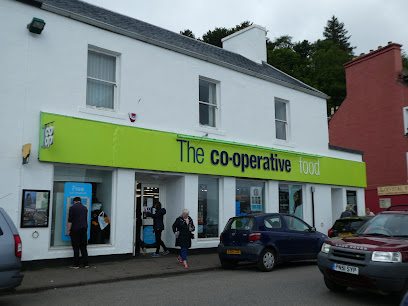
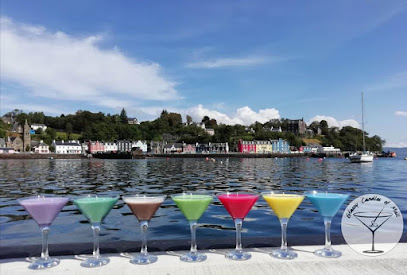
Glassy Candles of Mull
8.2 km
Discover handcrafted candles and local artisan treasures in the heart of Tobermory on the Isle of Mull.
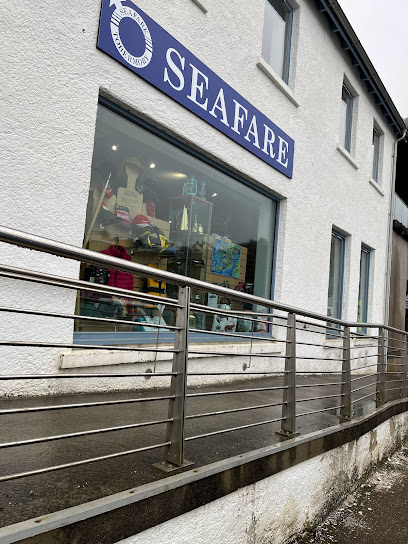
Seafare
8.2 km
Tobermory’s trusted chandlery since 1977, offering essential marine safety gear and supplies in the heart of the Isle of Mull’s harbor town.
Tobermory Antiques & Collectibles
8.3 km
Discover unique vintage treasures steeped in the heritage and charm of Tobermory’s colorful Isle of Mull harbor town.
Hasn Candle Company
8.3 km
Discover handcrafted candles inspired by the natural beauty and seasonal scents of the Isle of Mull in Tobermory’s welcoming artisan shop.
Tobermory Corner Shop
8.3 km
Experience local charm and unique finds at Tobermory Corner Shop, your gateway to the Isle of Mull's treasures.
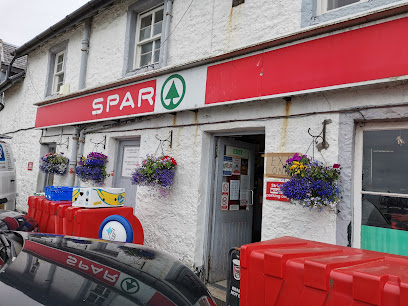
Craignure SPAR and Post Office
35.5 km
Discover the convenience of Craignure SPAR and Post Office, your one-stop shop for essentials and local delights on the Isle of Mull.
Essential bars & hidden hideouts

The Tobermory Hotel
8.1 km
Historic boutique hotel with stunning Tobermory Bay views, local cuisine, and warm Highland hospitality on the Isle of Mull’s vibrant waterfront.
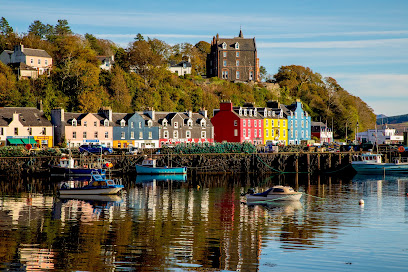
Mishnish
8.3 km
A traditional Scottish hotel and bar in Tobermory, famed for cosy harbour views, live folk music, and warm island hospitality.
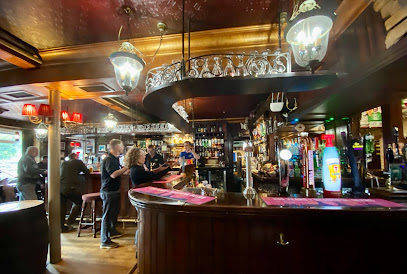
Auld Mull Bar
8.3 km
Experience warm island hospitality and local flavors at Auld Mull Bar, a cozy family-run retreat in Tobermory’s charming harbor village.
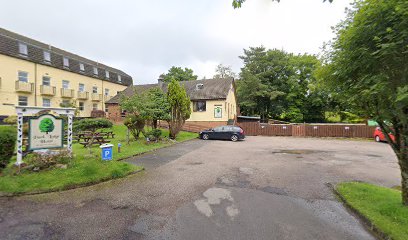
Western Isles Hotel
8.4 km
Historic hotel with breathtaking Tobermory Bay views, classic charm, and warm hospitality on the scenic Isle of Mull.
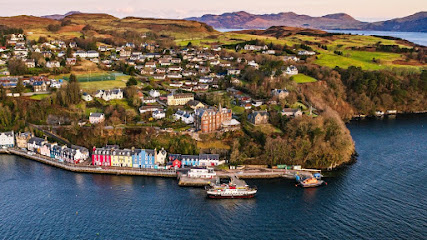
Isle of Mull Hotel & Spa
34.7 km
A welcoming coastal retreat on the Isle of Mull, blending scenic views, spa relaxation, and warm Scottish hospitality.
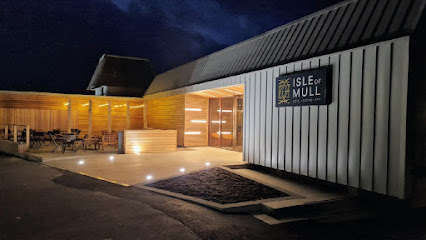
Craignure Inn
35.9 km
A cozy, dog-friendly pub and inn in Craignure offering hearty fare, comfortable rooms, and a warm welcome on the Isle of Mull.
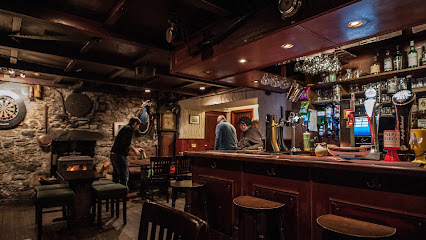
Bunessan Inn
36.2 km
Historic Isle of Mull pub and inn offering hearty food, local whiskies, cozy rooms, and stunning loch views in a warm community setting.
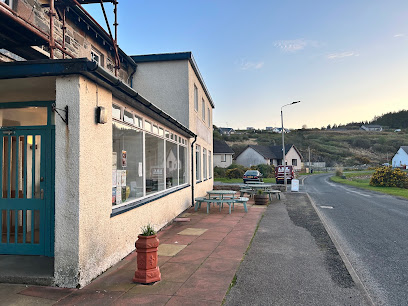
The Keel Row
36.6 km
Cozy pub and restaurant in Fionnphort offering hearty Scottish dishes, scenic bay views, and a warm, welcoming atmosphere on the Isle of Mull.
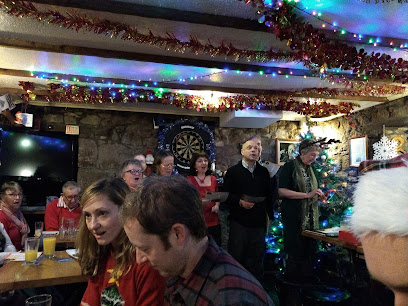
Snack Bar
36.6 km
Experience the charm of the Isle of Mull at the Snack Bar, where delightful bites and stunning views create unforgettable memories.
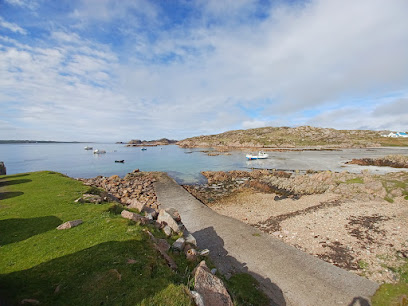
Macnamara & Bothin Bar
49.9 km
A cozy bar in Ardvasar offering local whiskies, stunning Isle of Skye views, and warm Scottish hospitality in a rustic setting.
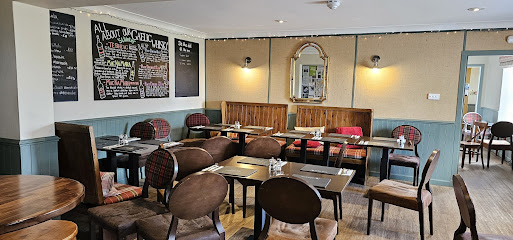
Markie Dans
50.7 km
Family-run pub in Oban offering vast single malts, hearty food, live music, and stunning bay views in a welcoming, lively atmosphere.
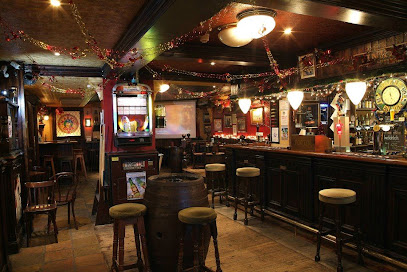
The Tartan Tavern
50.9 km
Experience authentic Scottish hospitality and traditional charm at The Tartan Tavern, a cozy and lively pub in the heart of Oban.
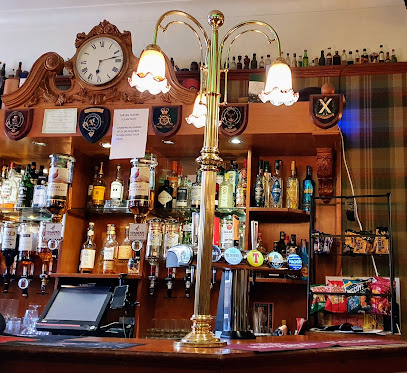
Cellar Bar
51.0 km
Cozy and traditional Scottish pub on Oban’s waterfront, famed for local whiskies, live music, and warm hospitality.
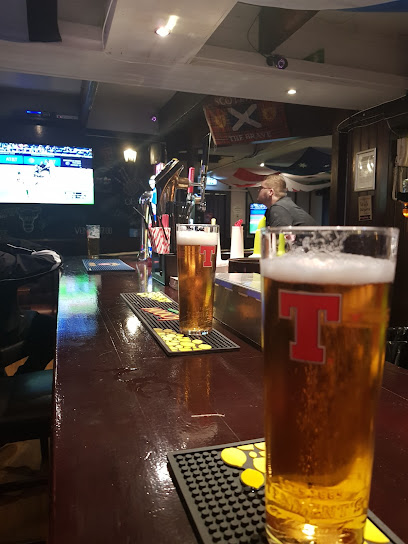
The Oyster Bar
51.1 km
A charming seafood haven in historic Ellenabeich, offering fresh oysters, scenic coastal views, and warm Scottish hospitality.
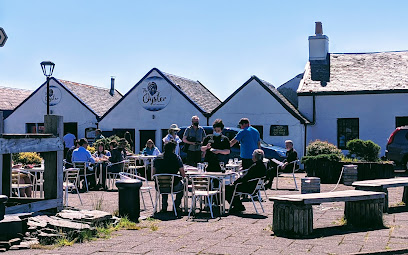
Lorne Bar
51.3 km
Experience authentic Scottish hospitality, fresh local seafood, and a warm, welcoming atmosphere in the heart of Oban at The Lorne Bar.
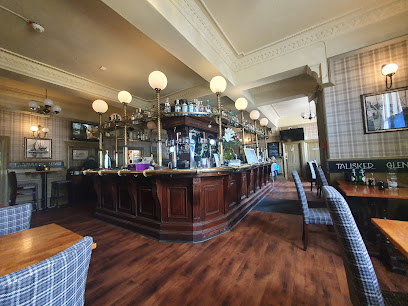
Nightclubs & after hour spots

Roobarb
68.9 km
Experience Fort William’s vibrant nightlife at Roobarb, the welcoming nightclub where music and dancing light up weekend nights.
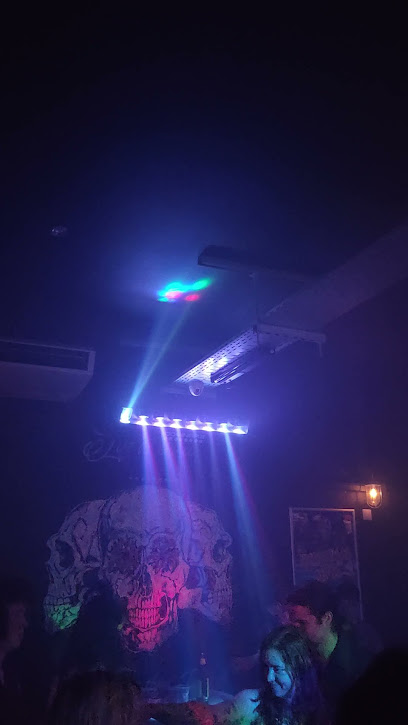
Skye Camanachd Social Club
85.9 km
Experience the vibrant social heartbeat of Portree at Skye Camanachd Social Club, where tradition meets lively nightlife on the Isle of Skye.
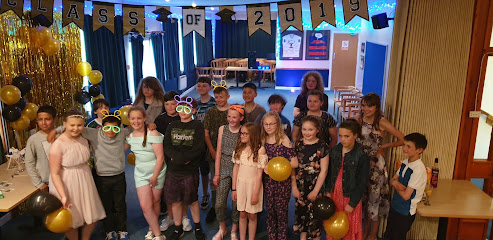
Jura Brewery
89.8 km
Discover Jura Brewery: A Craft Beer Experience in the Heart of the Isle of Jura, Where Tradition Meets Nature's Bounty.
For the vibe & atmosphere seeker
- Scenic
- Adventurous
- Tranquil
- Unique
For the design and aesthetic lover
- Rustic Designs
For the architecture buff
- Historic
- Landmarks
For the view chaser and sunset hunter
- Iconic Views
- Panoramas
- Waterfront
For the social media creator & influencer
- Instagrammable
- Photo Spots
For the eco-conscious traveler
- Public-Transport Accessible
- Leave-No-Trace Critical
- Locally Managed
For the kind of experience you’re after
- Cultural Heritage
- Nature Escape
- Adventure Photo Shoot
- Day Trip
- Weekend Getaway
For how adventurous you want the journey to be
- Easy Access
Location Audience
- Family Friendly
- Senior Friendly
- Child Friendly
- Teen Friendly
- Wheelchair Access
- Pet Friendly
- Solo Friendly
- Couple Friendly
- Vegetarian Friendly
- Vegan Friendly


