
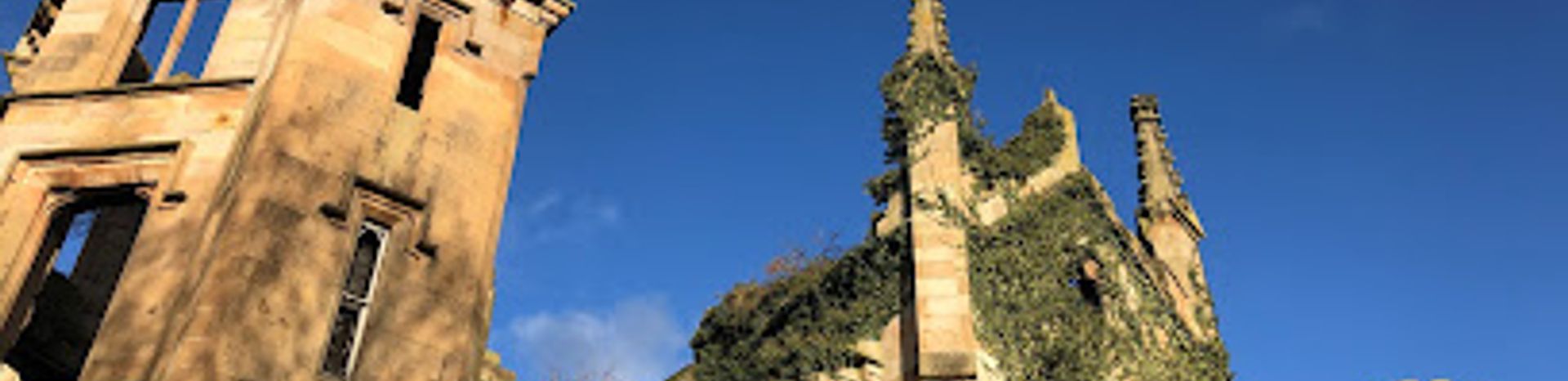
Cambusnethan Priory: Scotland's Neo-Gothic Architectural Gem
Explore the hauntingly beautiful neo-Gothic Cambusnethan Priory, a historic Scottish landmark steeped in family legend and architectural grandeur.
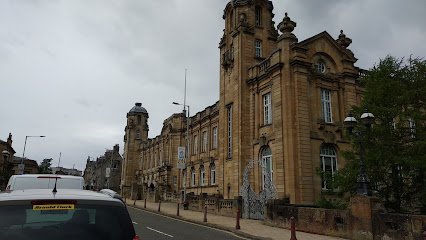
Cambusnethan Priory, located in Overtown near Wishaw, Scotland, is a striking example of early 19th-century Gothic Revival architecture. Designed by James Gillespie Graham and completed in 1820, this former country house features turrets, pinnacles, and ornate stonework. Once a grand family estate and later a hotel and medieval banqueting hall, it now stands as a haunting ruin with a rich history and strong cultural ties to the Lockhart family and Scottish heritage.
A brief summary to Cambusnethan House/Priory
- Castlehill Rd, Wishaw, Overtown, GB
- Visit website
- Duration: 0.5 to 2 hours
- Free
-
 Outdoor
- Mobile reception: 4 out of 5
Local tips
- Visit during daylight hours to fully appreciate the intricate Gothic Revival architecture and capture dramatic photographs.
- Respect the site as it is a fragile ruin; avoid entering unsafe areas and follow any local guidelines.
- Learn about the Lockhart family history to enrich your understanding of the Priory’s cultural significance.
- Combine your visit with nearby historical sites in Wishaw and the surrounding Lanarkshire countryside.

For the on-the-go comforts that matter to you
- Information Boards
Getting There
-
Car
Driving from central Wishaw, Cambusnethan Priory is approximately a 15-minute journey via Castlehill Road. Parking options near the site are limited and informal, so plan to park responsibly and walk the final stretch. No dedicated parking lot is available.
-
Bus
Local bus services connect Wishaw town center to Overtown, with stops within a 20-minute walk of Cambusnethan Priory. Buses run approximately every 30 minutes during the day, with fares around £2-£4 one way.
-
Walking
For those staying in Overtown or nearby neighborhoods, a 20-30 minute walk on mostly flat terrain leads to the Priory. The route is accessible but involves some minor road walking without dedicated pedestrian paths.
Cambusnethan House/Priory location weather suitability
-
 Any Weather
-
 Rain / Wet Weather
-
 Clear Skies
-
 Mild Temperatures
-
 Windy Conditions
Discover more about Cambusnethan House/Priory
Architectural Grandeur of the Gothic Revival
Cambusnethan Priory is widely regarded as one of the finest surviving examples of James Gillespie Graham's neo-Gothic country houses in Scotland. Built in 1820 on the site of a 17th-century manor house that had burned down in 1816, the Priory showcases a quasi-ecclesiastical style reminiscent of a medieval priory. Its 2-storey structure with a sunk basement features a symmetrical rectangular plan, buttressed crocketed pinnacles, gabled central block with porte cochere, and octagonal corner towers. The yellow ashlar sandstone exterior is richly detailed with pointed arch windows, stugged hoodmoulds, corbelled cornices, and carved motifs, embodying the romantic Gothic Revival spirit of the time.Historical Roots and Family Legacy
The Priory was commissioned by the Lockhart family of Castlehill, whose coat of arms—depicting a casket, heart, and lock—adorns the main entrance and staircase balustrades. This emblem commemorates their legendary ancestor who carried Robert the Bruce’s heart back from the Holy Land. The estate is situated on the historic Parish of Cambusnethan, near the River Clyde, with nearby sites connected to John Gibson Lockhart, Sir Walter Scott’s biographer and son-in-law. Originally, a Norman tower house stood near the site before the 17th-century manor and then the current Priory replaced it.Changing Uses and Decline
Throughout the 20th century, Cambusnethan Priory served varied roles—from a private residence to an architect’s office in the 1960s, then a hotel and restaurant, and notably a medieval banqueting hall in the 1970s. Despite its grandeur, the building fell into disrepair after ceasing use in 1984. It suffered severe fire damage in 1985 and has since been vulnerable to vandalism and neglect. Attempts to convert the property into flats or a leisure complex were abandoned. Today, it remains a ruinous but evocative landmark, surrounded by little of its original gardens, which were once celebrated for their beauty.Conservation Efforts and Community Engagement
Recognizing its architectural and historical significance, Cambusnethan Priory is listed as an at-risk building by heritage organizations. In 2014, the Friends of Cambusnethan Priory group was formed to raise awareness and advocate for its preservation. Their efforts highlight the importance of safeguarding this neo-Gothic masterpiece, which stands as a rare survivor of its kind in Scotland. The community’s passion for the Priory underscores its cultural value and the desire to protect its legacy for future generations.The Atmosphere and Visitor Experience
Visiting Cambusnethan Priory today offers a poignant encounter with Scotland’s architectural past. The ruins, with their dramatic turrets and stone pinnacles silhouetted against the sky, evoke a romantic yet melancholic mood. The site’s tranquil rural setting contrasts with the building’s imposing form, inviting reflection on history, heritage, and the passage of time. Although the interior is inaccessible and the grounds no longer retain their former splendor, the Priory’s striking silhouette remains a compelling sight for photographers, history enthusiasts, and lovers of Gothic architecture.Legacy in Scottish Architectural Heritage
Cambusnethan Priory stands as a testament to early 19th-century Scottish country house design and the Gothic Revival movement. Its survival amid widespread demolition of similar estates marks it as a unique architectural and cultural treasure. The building’s intricate detailing and historical associations enrich Scotland’s heritage landscape, providing insight into aristocratic life, architectural trends, and local history. Continued conservation efforts aim to ensure that this evocative landmark endures as a symbol of Scotland’s rich past.Iconic landmarks you can’t miss

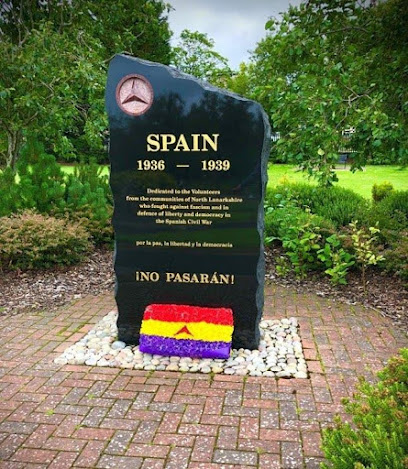
North Lanarkshire International Brigades Memorial
4.6 km
Where North Lanarkshire's anti-fascist heroes are remembered—a memorial to 40 Spanish Civil War volunteers.
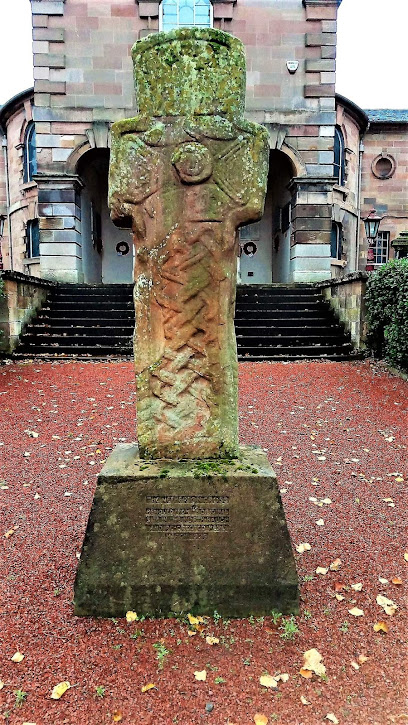
Netherton Cross (Hamilton)
6.2 km
Discover Hamilton’s oldest Christian symbol, the intricately carved 11th-century Netherton Cross, a rare relic of Scotland’s early medieval heritage.
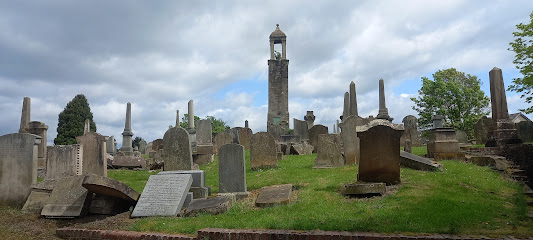
Ruins of Carluke old Parish Church (St Luke’s)
7.2 km
Discover the evocative ruins of Carluke Old Parish Church, a serene historic site echoing centuries of Scottish spiritual heritage.
Strathaven Castle
11.5 km
Discover the haunting ruins of Strathaven Castle, a 15th-century fortress steeped in history, legend, and Scottish heritage.
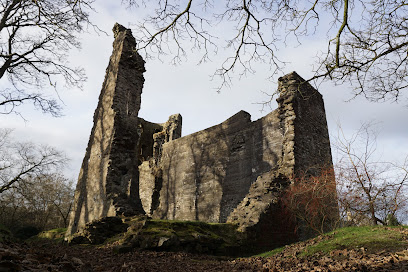
Wallace House
13.7 km
Discover the evocative site of William Wallace’s marital home in Lanark, where history, art, and legend converge in a vibrant tribute to Scotland’s national hero.
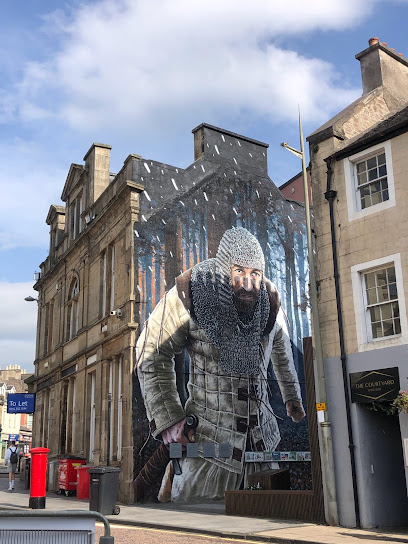
Lanark Castle Marker
13.8 km
Discover the historic site of Lanark Castle, birthplace of Scottish rebellion and royal legacy, set above the scenic Clyde Valley.
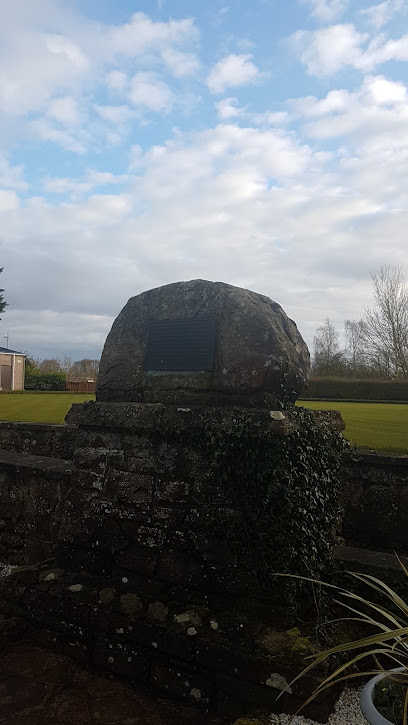
Snuff Mill Bridge
20.7 km
Historic cast iron bridge over White Cart Water, blending Glasgow’s industrial heritage with scenic riverside charm.
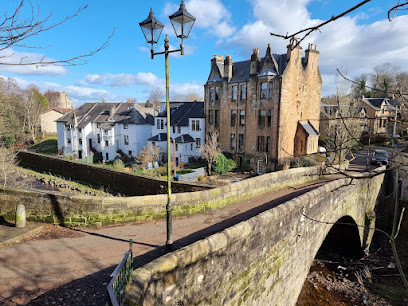
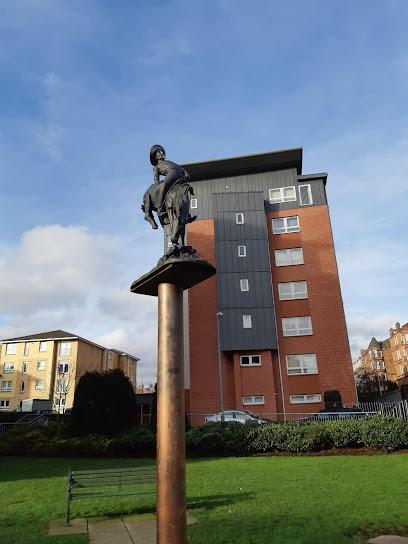
Buffalo Bill Statue
20.7 km
Where the American frontier met Victorian Glasgow in an unforgettable winter spectacle.
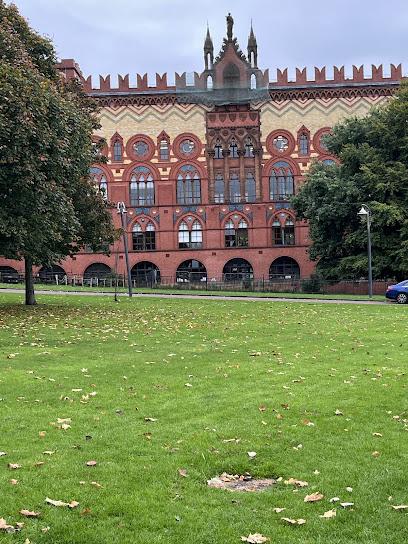
Former Templeton Carpet Factory
21.0 km
A Venetian Gothic masterpiece in Glasgow’s East End, blending rich carpet-making heritage with vibrant modern community life.
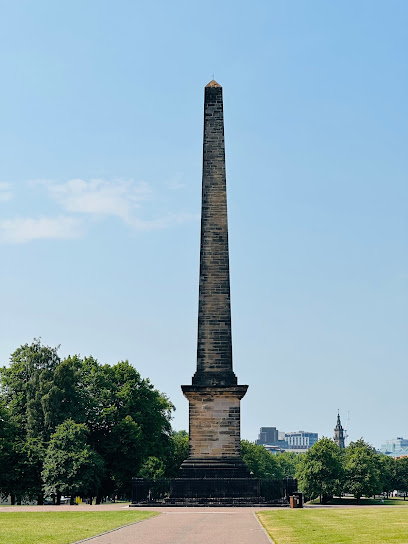
Nelson's Monument, Glasgow
21.4 km
A towering 44-meter obelisk on Glasgow Green honoring Admiral Nelson’s naval victories and Glasgow’s pioneering civic spirit.
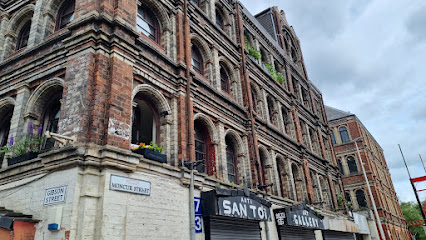
Barras Market
21.4 km
Discover the vibrant Barras Market in Glasgow, a cultural gem filled with unique treasures, delicious food, and a lively atmosphere.
The Glasgow Necropolis
21.5 km
Explore the historical beauty of the Glasgow Necropolis, a Victorian cemetery offering stunning views and rich stories of Glasgow's past.

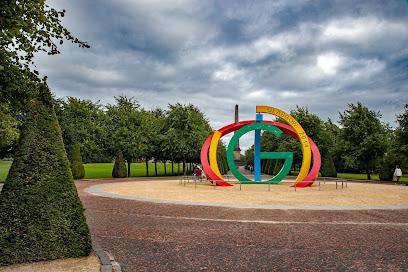
Glasgow 2014 Monument
21.6 km
A bold, colourful sculpture celebrating Glasgow’s 2014 Commonwealth Games, where sport, art and civic pride come together in a striking riverside landmark.
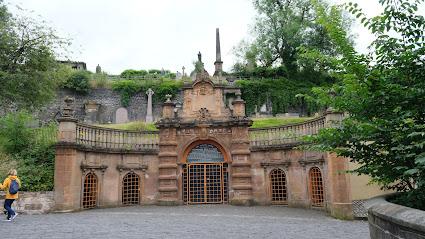
Bridge of Sighs
21.6 km
A quiet stone bridge in Glasgow’s Cathedral Square, linking the medieval cathedral to the Victorian Necropolis and echoing centuries of farewells.
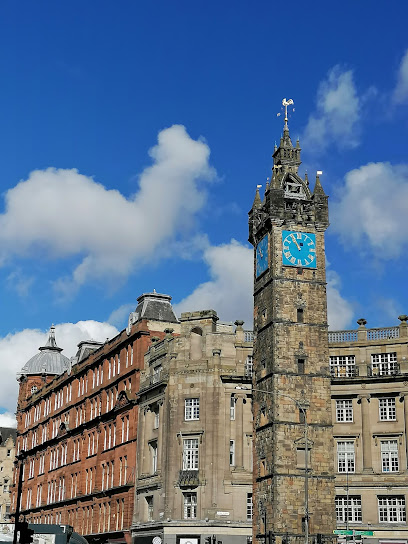
Barrowland Park
21.7 km
Experience the charm of Barrowland Park, Glasgow's vibrant oasis featuring art, play areas, and a glimpse into the city's rich cultural heritage.
Unmissable attractions to see

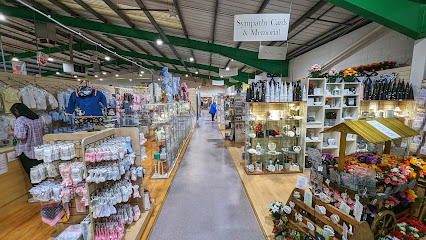
Garrion Bridges Garden & Antiques Centre
2.3 km
Discover over 44,000 sq ft of antiques, garden treasures, fashion, and homemade delights in Clyde Valley’s premier undercover shopping centre.
Dalzell Estate
3.1 km
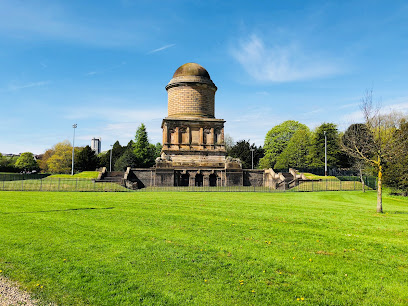
Explore centuries of history and nature across Dalzell Estate’s majestic grounds, from ancient trees to stunning gardens in Motherwell.
RSPB Baron’s Haugh
3.7 km
Discover vibrant wetlands and woodlands at RSPB Baron's Haugh, a serene nature reserve rich with birds, otters, and seasonal wildlife in Motherwell.
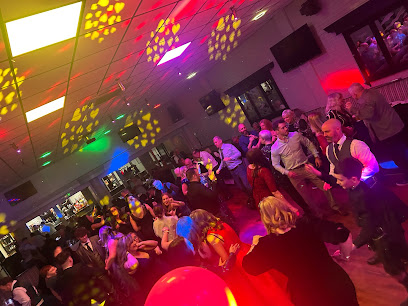
Club 100
3.7 km
A welcoming, affordable sports bar in Motherwell offering lively events, great atmosphere, and a friendly local vibe.
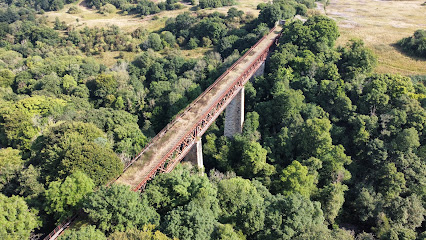
Broomhill Viaduct
3.8 km
Scotland’s tallest railway viaduct, a towering industrial icon and historic marvel in Larkhall’s landscape.
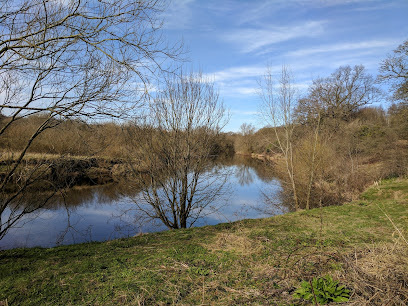
River Clyde
4.0 km
Explore the River Clyde, Glasgow’s historic waterway famed for its shipbuilding legacy, industrial heritage, and vibrant riverside regeneration.
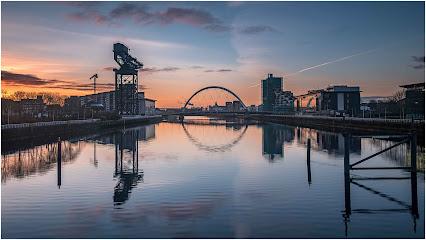
Chatelherault Country Park
4.5 km
Explore 500 acres of historic woodland, scenic river trails, and family-friendly adventures at Chatelherault Country Park near Hamilton.
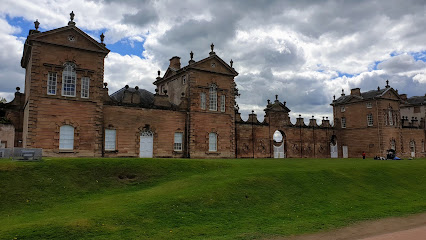
Cadzow Castle
4.6 km
Explore the evocative ruins of Cadzow Castle, a hidden 16th-century stronghold of the Hamiltons set above a dramatic gorge in scenic Chatelherault Country Park.
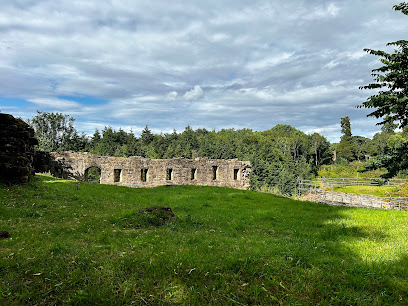
Duchess of Hamilton Park
4.6 km
A spacious, family-friendly park in Motherwell offering diverse sports, play areas, and tranquil green spaces for all ages and interests.
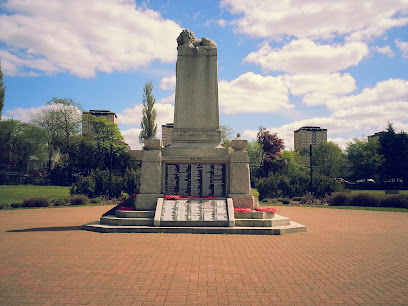
Our Lady of Good Aid Cathedral
4.8 km
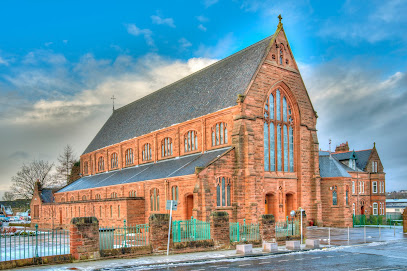
Discover the architectural beauty and serene ambiance of Our Lady of Good Aid Cathedral, a must-see spiritual landmark in Motherwell.
North Lanarkshire Heritage Centre
5.0 km
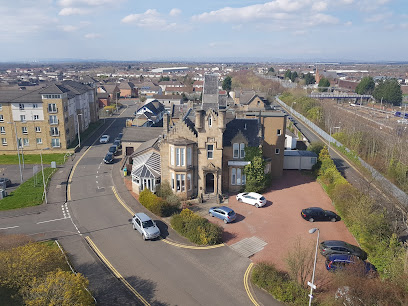
Discover North Lanarkshire’s rich industrial heritage, family activities, and stunning Clyde Valley views at this free and welcoming heritage centre.
Strathclyde Country Park
5.5 km
Explore Strathclyde Country Park’s vast loch, trails, watersports, and family-friendly adventures in the heart of Lanarkshire’s natural beauty.
Carfin Grotto
5.8 km
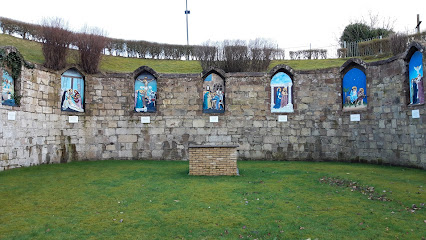
Scotland’s National Shrine to Our Lady of Lourdes, a century-old pilgrimage site offering peace, prayer, and spiritual reflection near Motherwell.
The George Bar
6.2 km
A cherished Hamilton pub famed for its real ale, friendly vibe, and welcoming atmosphere since 1991.

The Cameronians - Scottish Rifles - Exploring The Regimental Collection
6.3 km
Explore the proud legacy and unique heritage of Scotland’s Cameronians in this historic regimental museum at Hamilton’s Low Parks.
Essential places to dine

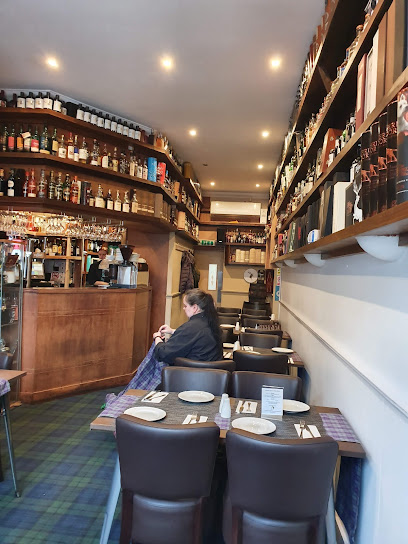
Artisan
2.6 km
Artisan serves top-quality Scottish cuisine with a modern European twist in a welcoming, value-driven setting on Wishaw’s Main Street.
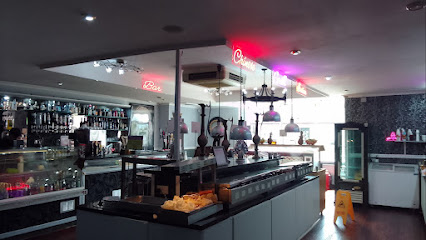
Booffi Village - The Buffet Restaurant
3.0 km
A vibrant buffet in Wishaw serving fresh, diverse world cuisines with great value and a family-friendly atmosphere.
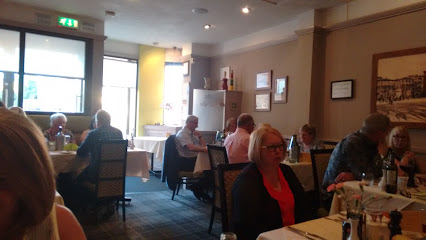
Da Claudio
4.4 km
Experience authentic Italian cuisine with refined flavors and warm hospitality at Da Claudio, Motherwell’s beloved dining destination.
Wide Mouth Frog
4.8 km
Modern European dining with a scenic golf course backdrop, perfect for families and special occasions in Motherwell.
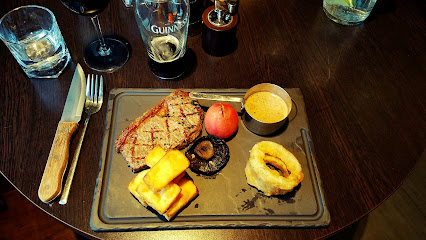
Gusti D'Italia
6.0 km
Experience authentic Italian flavors and warm hospitality in the heart of Hamilton at Gusti D'Italia, where tradition meets modern dining.
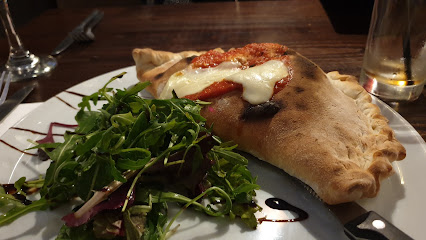
Twenty One Restaurant
6.1 km
Experience authentic Italian flavors and warm hospitality at Twenty One Restaurant, Hamilton’s modern gem for fresh, handcrafted cuisine.
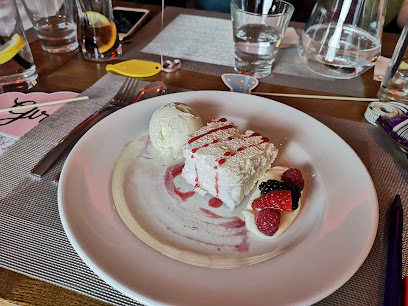
Rocca Ristorante & Bar
6.4 km
Elegant Italian dining in Hamilton’s historic heart, blending classic flavors with a warm, family-friendly atmosphere.

GC Bar & Bistro
6.4 km
Experience Southern American flavors with a friendly family touch at GC Bar & Bistro, Hamilton’s vibrant steakhouse and bistro.

Carrigan's Hamilton
6.5 km
Cozy British gastropub in Hamilton known for hearty portions, friendly service, and a welcoming family atmosphere.
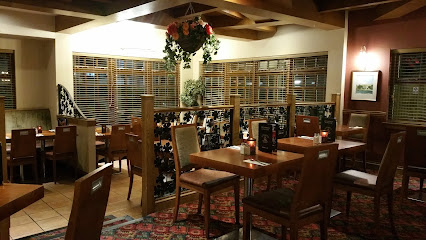
Da Antonio
6.8 km
Experience authentic Italian flavors and warm hospitality at Da Antonio, Hamilton’s beloved Italian restaurant on Muir Street.

Prego Restaurant Carluke
6.9 km
Experience authentic Italian cuisine and warm hospitality in the heart of Carluke at Prego Restaurant, a vibrant spot for family and friends.
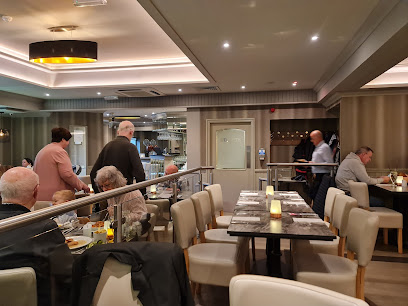
Leonardo's
6.9 km
Authentic Italian flavors and warm hospitality await you at Leonardo's, Hamilton’s charming Italian restaurant with fresh cuisine and great value.

Eataliano
6.9 km
Experience authentic Italian flavors and warm hospitality in a modern, family-friendly setting at Cafe Eataliano in Hamilton.

Coalfield's Steakhouse Bistro & Bar
7.6 km
A welcoming steakhouse bistro in Holytown offering expertly grilled meats and a lively, casual atmosphere for all occasions.
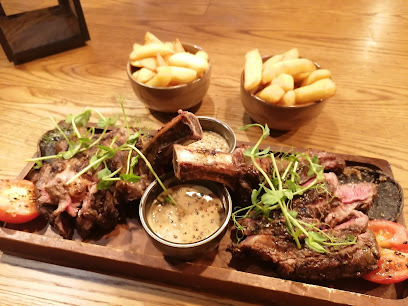
The West End Restaurant
10.1 km
Cozy grill dining with a warm ambiance and friendly service in Kirkmuirhill’s charming village setting.
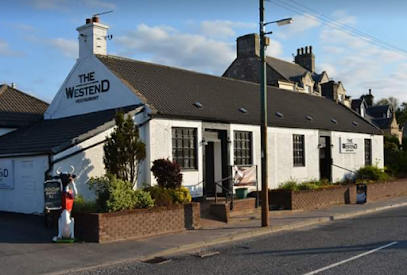
Markets, malls and hidden boutiques

Clyde Valley Antiques Centre
4.3 km
Curated antiques and collectibles in Scotland's Clyde Valley, where history meets horticulture.
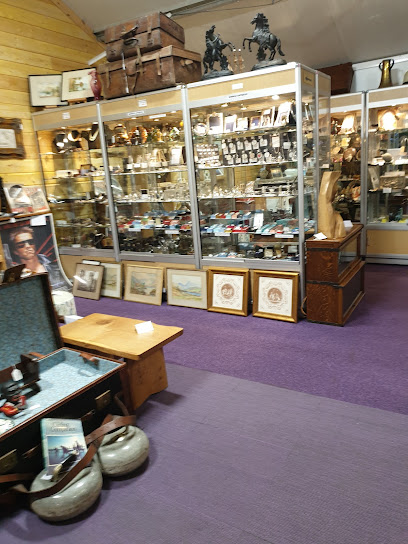
Motherwell Shopping Centre
4.7 km
A bustling community shopping centre in Motherwell offering diverse retail and dining options with convenient access and local charm.
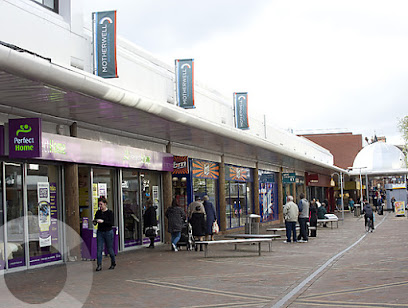
Regent Shopping Centre
6.0 km
Hamilton's premier shopping destination since the 1970s, offering quality retail and dining in the heart of town.
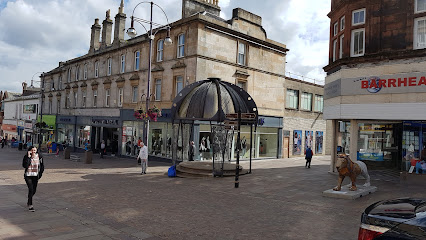
Primark
6.0 km
Discover affordable, trendy fashion at Primark Hamilton, your go-to clothing store in the heart of Quarry Street.
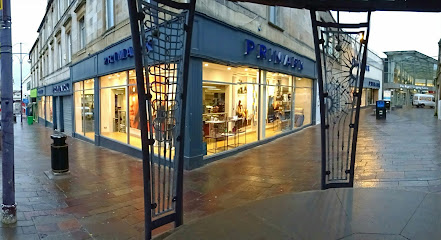
New Cross Centre
6.2 km
A central shopping destination in Hamilton poised for transformation into a vibrant new town centre community.
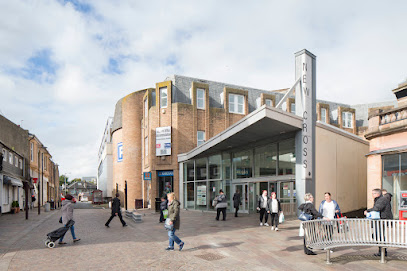
Fairhill Store
6.9 km
A welcoming convenience store in Hamilton offering fresh local products and essentials with friendly service and convenient hours.
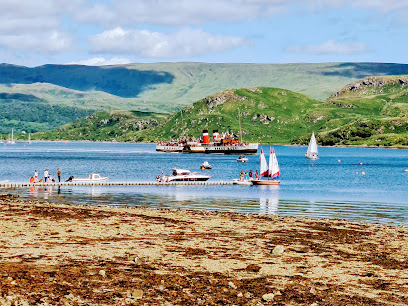
Deja Elite Boutique
6.9 km
Discover exquisite designer dresses and personalized styling at Hamilton’s premier boutique for prom, wedding, and evening wear.

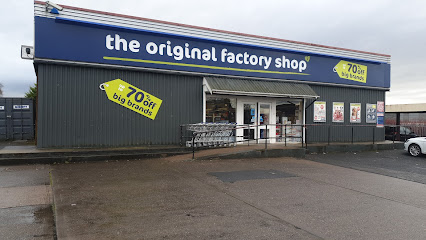
The Original Factory Shop (Carluke)
7.2 km
Discover unbeatable discounts on fashion, beauty, and home essentials at The Original Factory Shop in Carluke’s town center.
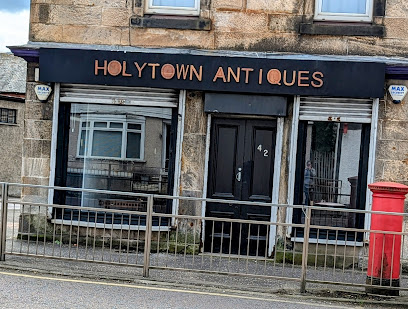
Holytown Antiques
7.6 km
Discover timeless antiques and vintage treasures with rich stories at Holytown Antiques in Motherwell’s historic heart.
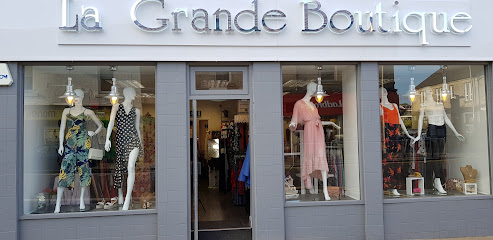
La Grande Boutique
8.7 km
Discover stylish women's fashion and curated apparel collections at La Grande Boutique, Bellshill’s premier destination for contemporary and timeless looks.
Wild Grace
11.3 km
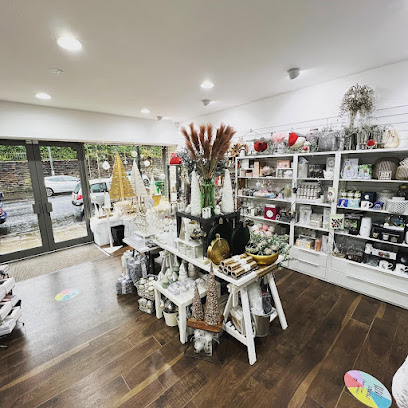
Discover unique handcrafted gifts and Scottish charm at Wild Grace, a cozy gift shop in the heart of Uddingston, Glasgow.
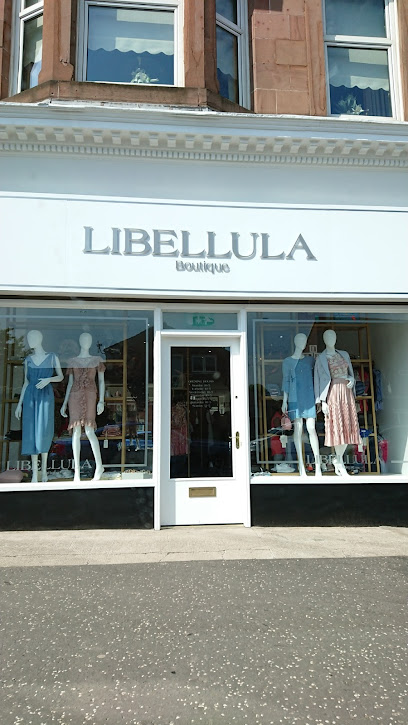
Libellula Boutique
11.4 km
Chic and accessible ladies’ fashion in the heart of Uddingston, blending style with a welcoming, family-friendly vibe.
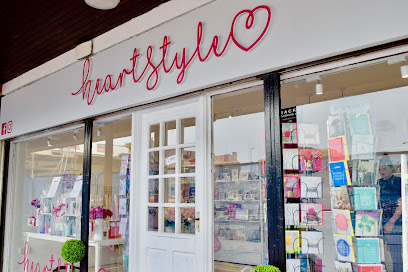
Heart Style
13.0 km
Discover unique gifts, candles, and bespoke framing in a cozy boutique setting at Heart Style, Coatbridge’s charming local treasure.
Blairgrove Shopping Centre
13.0 km
A welcoming local shopping centre in Coatbridge blending convenience with community charm on Bank Street.

The Scottish Gift Company
13.5 km
Discover unique Scottish souvenirs and gifts at The Scottish Gift Company in East Kilbride, showcasing local craftsmanship and culture.
Essential bars & hidden hideouts

The Ranch
2.1 km
Larkhall’s friendly pub and grill offering great value, live music, and a welcoming atmosphere with a spacious beer garden.
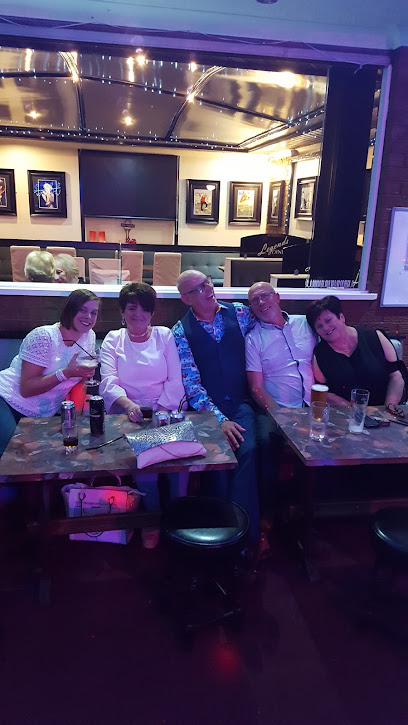
Girdwoods Bar
2.3 km
A vibrant Wishaw pub known for live music, sports, and a welcoming atmosphere with stylish interiors and extensive drinks.
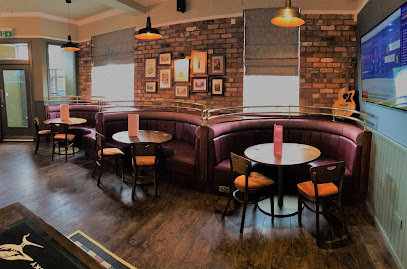
The Imperial
2.6 km
Historic Scottish pub in Wishaw with classic snugs and a welcoming community atmosphere on Main Street.
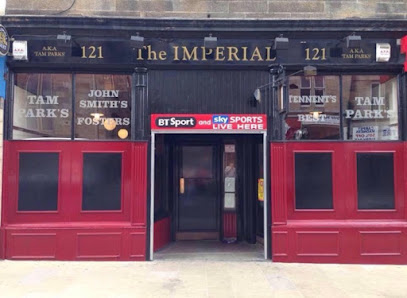
The Horse & Anchor
4.0 km
A spacious, friendly pub in Wishaw offering pool, snooker, and a lively atmosphere with moderate prices and welcoming staff.
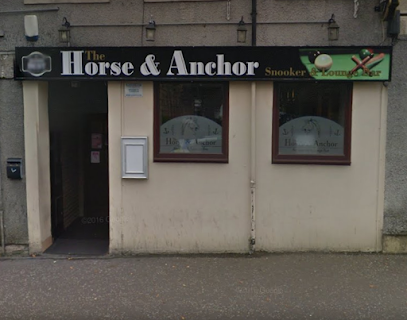
Electric Bar
4.4 km
A lively Motherwell pub with diverse menu options, friendly service, and a welcoming atmosphere for all occasions.
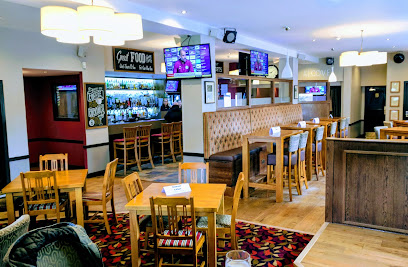
Horseshoe Bar
5.0 km
Lively and welcoming Motherwell pub known for friendly service, great pints, and a vibrant community atmosphere.
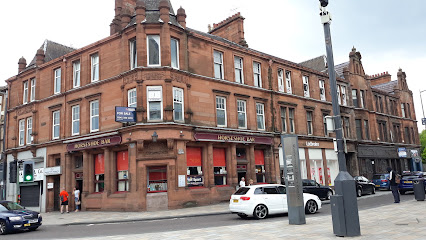
The Railway Tavern
5.0 km
Motherwell’s vibrant Railway Tavern offers live music, hearty homemade food, and a cozy atmosphere with year-round comfort and friendly vibes.
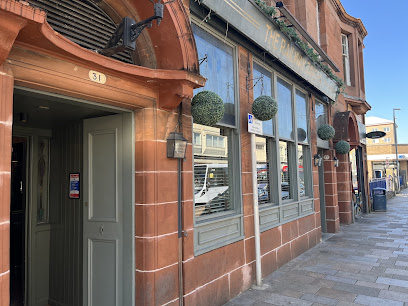
Bar Zero
6.0 km
A vibrant bar and grill in Hamilton offering a welcoming atmosphere and diverse menu from lunch to late night.

Victoria Bar
6.1 km
A welcoming traditional Scottish pub in Hamilton offering affordable drinks, lively atmosphere, and authentic local charm.

Butterburn Bar
6.1 km
A friendly, traditional pub in Hamilton offering good food, lively sports, live music, and a welcoming atmosphere for all.
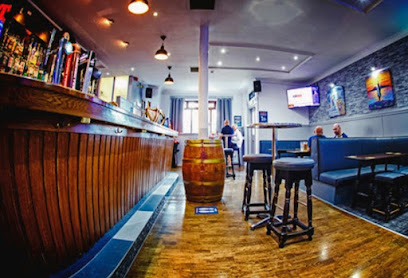
Courtyard Bar Hamilton
6.1 km
A lively and welcoming town centre pub in Hamilton offering friendly service and a relaxed atmosphere with moderate prices.

Jilts Bar
6.2 km
A classic Hamilton pub serving hearty pub grub and friendly vibes in a cozy, no-frills setting.

JunkYard Hamilton
6.2 km
Lively cocktail bar and grill in Hamilton offering rustic charm, delicious barbecue, and expertly crafted drinks in a vibrant social setting.

The Club, Motherwell
6.5 km
A friendly and affordable local pub in Newarthill, Motherwell, blending traditional charm with lively entertainment and community spirit.
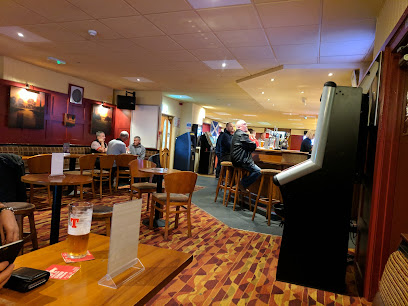
ML3 Bar
6.7 km
Experience Hamilton’s vibrant nightlife at ML3 Bar, where friendly service, great drinks, and lively atmosphere come together in a welcoming setting.

Nightclubs & after hour spots

Hamilton Palace
6.0 km
Lively nightclub, bar, and restaurant in Hamilton’s city center, open late on weekends for vibrant nightlife and entertainment.
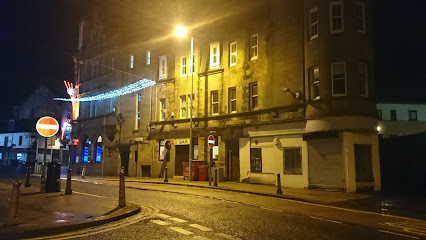
ROC Nightclub Hamilton
6.0 km
Experience Hamilton’s vibrant late-night scene at ROC Nightclub, the city’s energetic hub for weekend parties and music from 11 PM to 3 AM.

I-Kandy Nightclub
12.5 km
Discover the electrifying nightlife at I-Kandy Nightclub in Airdrie, where vibrant music and a lively atmosphere await!

Pulse
12.5 km
Experience Airdrie’s vibrant nightlife at Pulse Nightclub, where music, dancing, and unforgettable moments come alive.
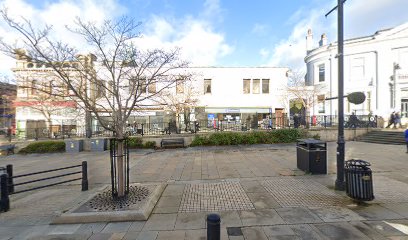
Eden Night Club
12.8 km
Vibrant late-night hotspot in Coatbridge offering house, R&B, and chart music with a lively atmosphere and smart dress code.

Avenue Nightclub Coatbridge
12.9 km
Coatbridge’s premier late-night nightclub for over-21s, offering vibrant music, modern vibes, and a lively weekend party scene.
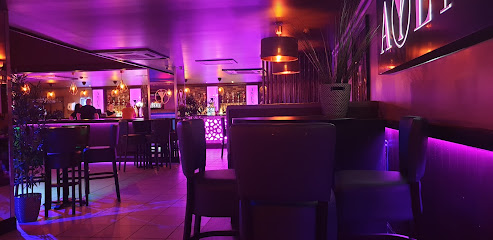
Downtown Nightclub
14.4 km
Experience East Kilbride’s vibrant weekend nightlife at Downtown Nightclub, a hub of music, dancing, and late-night energy in the town centre.
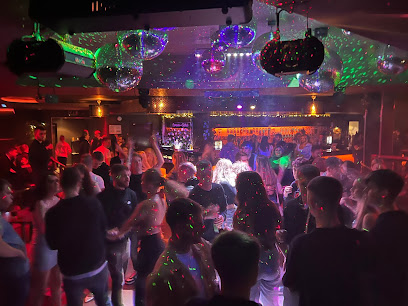
Skye Nightclub & Lounge
14.7 km
Energetic nightclub and lounge in East Kilbride offering vibrant nightlife, music, and drinks in a stylish setting.
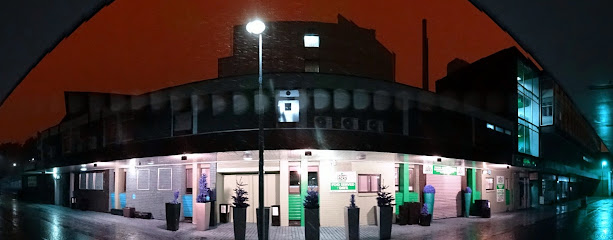
18 Candleriggs
22.0 km
Glasgow's kitsch cabaret haven where dazzling shows, tasty grill fare, and lively vibes create unforgettable Merchant City nights.
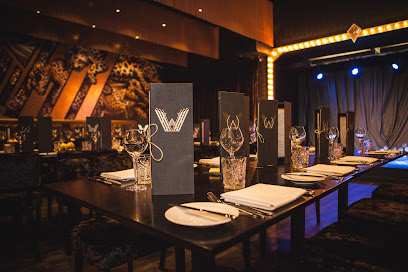
AXM Glasgow
22.2 km
Scotland's biggest LGBTQ+ nightclub: two floors of pop, charts, and dance in Glasgow's heart, with cheap drinks and zero attitude.
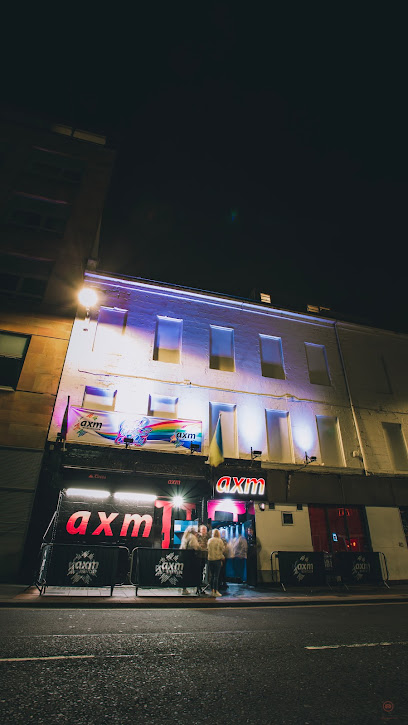
Polo Lounge
22.3 km
Glasgow's grandest gay nightclub: multi-level dance floors, cheap drinks, and non-stop energy until dawn in Merchant City's heart.
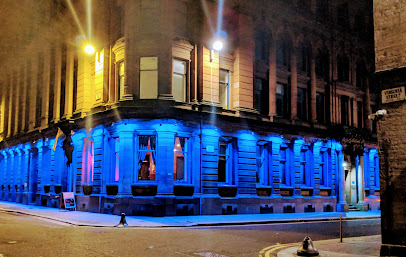
Riding Room
22.3 km
Fancy cabaret club in Glasgow's gay triangle, serving exotic kettle cocktails alongside burlesque, magic, and cheeky shows in a lively, intimate venue.
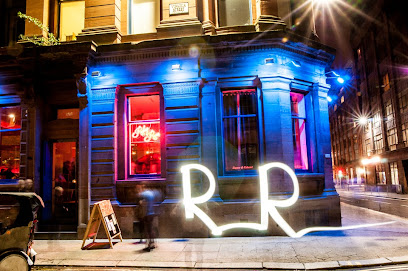
Club X
22.3 km
Glasgow's underground RnB haven: where beats throb, lights flash, and the LGBTQ+ community dances till dawn in Merchant City's beating heart.
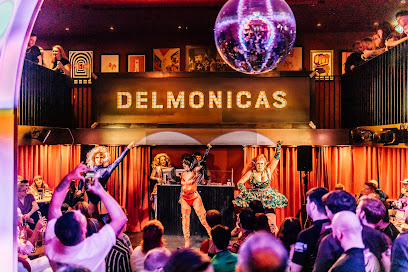
Delmonicas
22.3 km
Scotland's biggest gay club: drag shows, karaoke, DJs, and non-stop inclusive party vibes in Glasgow's Merchant City heart.
La Cheetah Club
22.5 km
Glasgow’s intimate basement club with a powerful sound system, vibrant underground beats, and a welcoming community spirit.

For the vibe & atmosphere seeker
- Romantic
- Tranquil
- Scenic
- Unique
For the design and aesthetic lover
- Vintage Styles
- Rustic Designs
For the architecture buff
- Historic
- Landmarks
- Heritage Neighborhoods
For the view chaser and sunset hunter
- Iconic Views
- Sunset Spots
For the social media creator & influencer
- Instagrammable
- Photo Spots
- Architectural Shots
For the eco-conscious traveler
- Protected Area
- Locally Managed
For the kind of experience you’re after
- Cultural Heritage
- Myth & Legends
- Photowalk
- Day Trip
For how adventurous you want the journey to be
- Easy Access
Location Audience
- Family Friendly
- Senior Friendly
- Teen Friendly
- Solo Friendly
- Couple Friendly


