Halton Castle (Remains), Lancashire Travel Guide
Explore the ancient earthworks of Halton Castle, a Norman motte and bailey fortress overlooking the scenic River Lune valley near Lancaster.
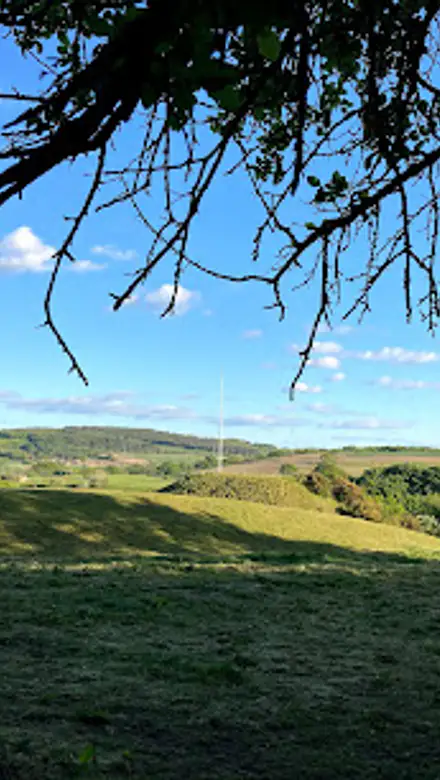
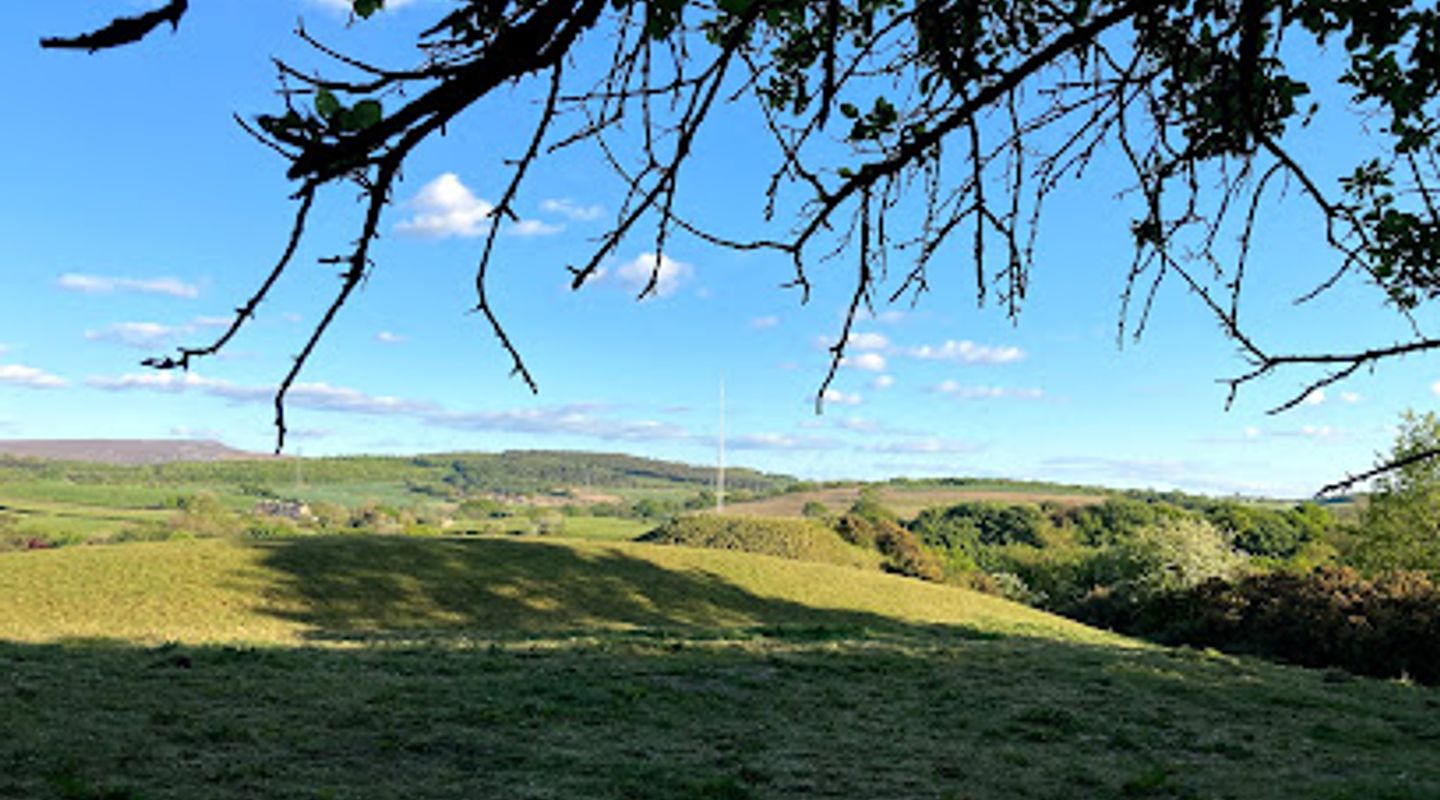
Halton Castle, located in Halton near Lancaster, is an 11th-century motte and bailey castle with visible earthworks of its motte and bailey. Though little remains of the original wooden structures, the site offers commanding views over the River Lune valley and traces of a wartime lookout post. Built around 1092 to defend the northern frontier, it is part of a strategic chain of castles along the valley.
A brief summary to Halton Castle (Remains)
- Foundry Ln, Lancaster, Halton, GB
- Click to display
- Duration: 0.5 to 2 hours
- Free
-
 Outdoor
- Mobile reception: 4 out of 5

Know before you go
Hi, I'm Eve. Here are a few practical things to know before exploring Halton Castle (Remains).
- Wear sturdy footwear to comfortably explore the uneven earthwork terrain of the motte and bailey.
- Visit on a clear day to enjoy panoramic views of the River Lune valley from the motte summit.
- Bring a camera to capture the atmospheric ruins and surrounding rural landscape.
- Combine your visit with nearby historic sites in Lancaster for a full day of cultural heritage exploration.
Do you manage this location?
Take control to get all the benefits, like improved information, better appearance, and stronger visibility across AI-powered discovery. Learn more about listing your business on Evendo
Activate your presenceOther nearby places you may find interesting
The closest places of the same kind, if this one is not quite what you had in mind.

Explore Halton Castle (Remains) on the Map
A handpicked selection of must-see spots near Halton Castle (Remains), mapped for you.
Getting There
-
Bus
Take the Stagecoach bus service from Lancaster city center to Halton village, which runs approximately every hour. The journey takes about 25 to 35 minutes. From Halton village, the castle remains are a short walk uphill. Tickets cost around £3-£5 one way.
-
Car
Driving from Lancaster to Halton Castle takes approximately 15 minutes via the A6 and local roads. Parking is limited near Foundry Lane, so plan to park in designated village spots and walk to the site. There is no dedicated parking at the castle itself.
-
Walking
For the more adventurous, a scenic 1.5 to 2-hour walk from Lancaster city center to Halton Castle follows country lanes and footpaths with some moderate uphill sections. The terrain is uneven, so good footwear is recommended.
For the on-the-go comforts that matter to you
-
 Information Boards
-
 Seating Areas
-
 Trash Bins
Discover more about Halton Castle (Remains)
Origins and Strategic Importance of Halton Castle
Halton Castle is believed to have been constructed around 1092 during the reign of King William II, shortly after the Norman conquest of England. It was likely built by Roger de Poitou, who was granted much of North Lancashire by the king. This motte and bailey castle was part of a defensive line along the River Lune valley, designed to protect key crossing points and establish a frontier against Scottish incursions. Its position atop a prominent mound allowed for extensive surveillance of the surrounding landscape.Architectural Features and Earthworks
The castle originally consisted of a wooden fortified tower atop the motte, a large earthwork mound approximately 30 meters in diameter and 3.2 meters high. Surrounding the motte was the bailey, an enclosed courtyard area containing smaller buildings, all protected by a wooden palisade fence set on an earthwork bank and ditch. Today, while the wooden structures have long since vanished, the earthworks remain clearly visible, outlining the castle’s former footprint.Later Historical Uses and Decline
Halton Castle’s history extends beyond its medieval origins. In 1579, it was used as a prison for Roman Catholic recusants. During the English Civil War, the castle was besieged and captured by Sir William Brereton in 1643, after which it was partly demolished. Earlier, in 1322, Robert the Bruce attacked the region, resulting in the manor house being burned down, signaling the castle’s decline as a stronghold.Modern Remnants and Landscape Context
Visitors today can explore the motte and bailey earthworks, which remain a striking feature of the landscape above the River Lune valley. The summit of the motte is about 9.5 meters wide and includes remnants of a wartime lookout post, offering panoramic views up and down the valley. The castle’s elevated position continues to dominate the surrounding rural setting, connecting visitors to its strategic military past.Connection to Regional Heritage
Halton Castle is part of a network of Norman motte and bailey castles stretching from Tebay in the north to Lancaster in the south. These castles collectively illustrate the medieval efforts to control and defend the region. The site also holds links to local religious history, with nearby religious houses historically connected to the castle’s lords.Visiting Experience and Preservation
Though only earthworks remain, Halton Castle offers a tangible link to England’s Norman past and medieval military architecture. The site invites quiet reflection on centuries of history amid tranquil countryside. Preservation efforts focus on maintaining the earthworks and protecting the site as a cultural heritage landmark within Lancashire.More to explore near Halton Castle (Remains)













Your all‑in‑one travel companion app
Explore expert travel guides, compare and book tours, experiences, hotels, and more—all from the palm of your hand. Download now for seamless trip planning wherever your wanderlust takes you.


Explore More of Lancashire
Looking beyond Halton Castle (Remains)? Discover Lancashire for broader travel guides, local hot-spots, and regional highlights.
Explore Lancashire