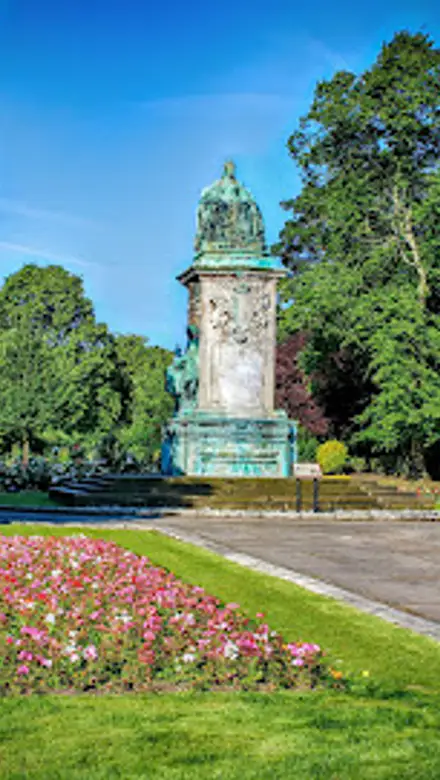
Queen Victoria's Statue, Leeds Travel Guide
Free Guide: A dignified tribute to Queen Victoria, standing proudly in Leeds’ Woodhouse Moor since 1905, celebrating royal heritage and local history.


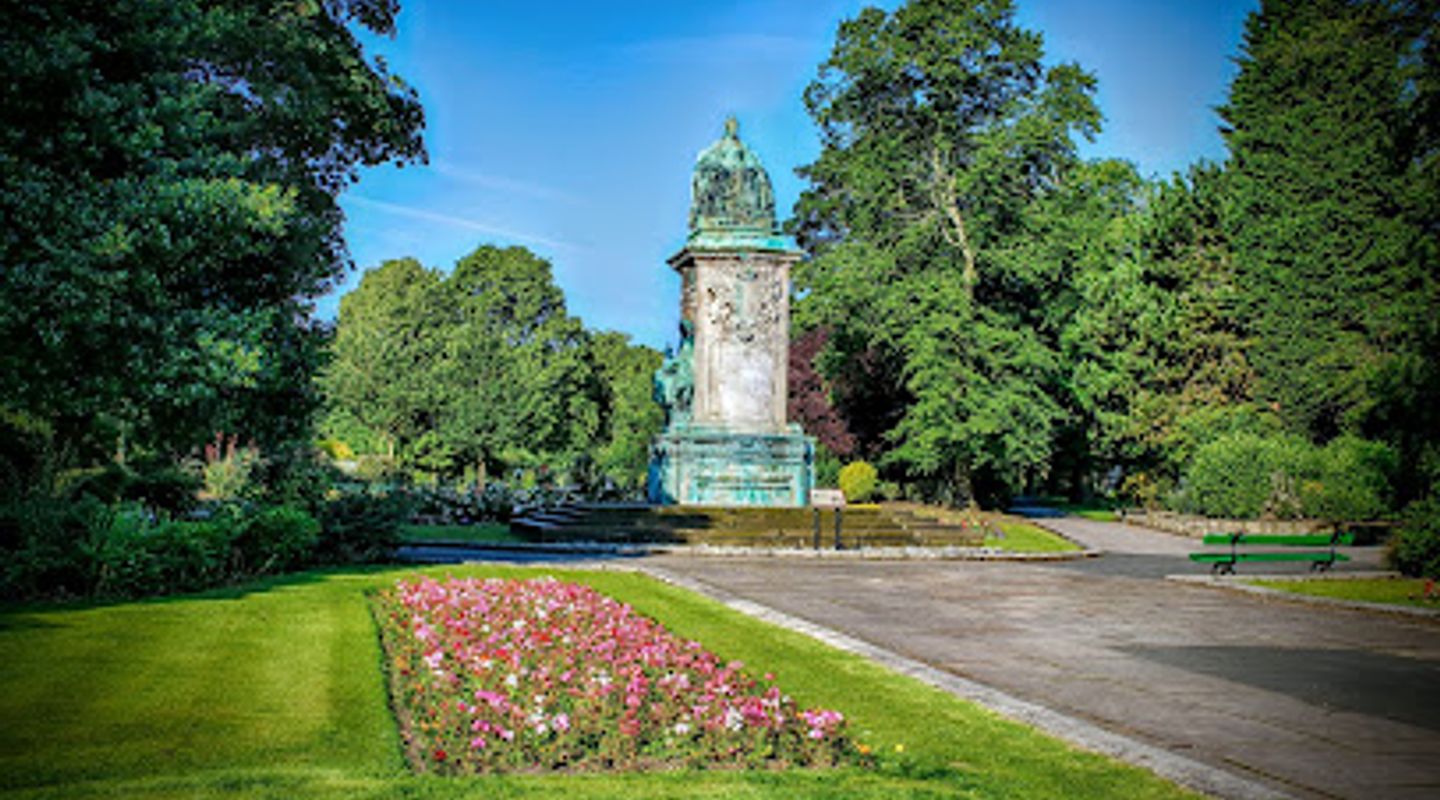
A brief summary of Queen Victoria's Statue
A dignified tribute to Queen Victoria, standing proudly in Leeds’ Woodhouse Moor since 1905, celebrating royal heritage and local history.
Queen Victoria's Statue in Woodhouse, Leeds, is a distinguished monument commemorating the iconic British monarch. Originally unveiled in 1905 outside Leeds Town Hall, the statue was relocated to Woodhouse Moor in 1937. Crafted by Sir George Frampton and architect Leonard Stokes, it stands as a dignified tribute to Queen Victoria's enduring legacy in British history and the city of Leeds.
On-site amenities
 Seating areas
 Trash bins
 Information boards
Opening hours
- Every dayOpen 24 hours
Opening hours as listed on the venue’s Google Business Profile. Hours can change for services and special events, so check with the venue before you go.
- Address
- 229 Woodhouse Ln, Woodhouse, Leeds LS2 3AP
Getting there
Bus
Walking
Taxi
Discover more about Queen Victoria's Statue
Historical Significance and Origins
The Queen Victoria Statue in Woodhouse, Leeds, was unveiled on 27 November 1905 as a grand tribute to Queen Victoria, who reigned over the United Kingdom for more than six decades. Sculpted by Sir George Frampton and designed in collaboration with architect Leonard Stokes, the statue originally stood prominently outside Leeds Town Hall. It was commissioned during a period when the city sought to honor the monarch’s influence and legacy. In 1937, the statue was moved to its current location on Woodhouse Moor, a large public park area in Leeds, where it continues to be a focal point of local heritage.
Artistic Features and Design
The statue depicts Queen Victoria in a majestic and dignified pose, embodying the regal grace and authority she was known for. Crafted in durable materials, the monument reflects Edwardian artistic sensibilities with a blend of realism and idealism. The sculptor, Sir George Frampton, was renowned for his ability to convey both the personal character and imperial stature of his subjects. The statue rests on a carefully designed pedestal, enhancing its visibility and prominence within Woodhouse Moor’s open landscape.
Context within Leeds and the British Empire
Queen Victoria’s reign marked a defining era in British history, characterized by the expansion of the British Empire and industrial progress. The statue in Leeds symbolizes not only the monarch herself but also the city's pride in its connection to the imperial narrative. Positioned originally at the Town Hall, the statue underscored Leeds’ status as a significant urban center during the Victorian and Edwardian periods. Its relocation to Woodhouse Moor allowed for greater public accessibility and integration into the city’s green spaces.
Visitor Experience and Surroundings
Situated in Woodhouse Moor, the statue is surrounded by open parkland, providing a tranquil setting for reflection on the historical figure it commemorates. Visitors can appreciate the statue’s craftsmanship up close and enjoy the natural environment of one of Leeds’ oldest parks. The area is popular for leisurely walks, picnics, and community events, making the statue a cultural landmark within a vibrant urban green space.
Legacy and Cultural Importance
The Queen Victoria Statue remains a significant cultural and historical symbol in Leeds. It serves as a reminder of the city’s Victorian heritage and its place within the broader story of the British monarchy. The monument also reflects the artistic and civic ambitions of early 20th-century Leeds, showcasing the city’s commitment to commemorating its historical figures with dignity and respect.
Preservation and Public Engagement
Maintained as a protected public monument, the statue benefits from ongoing conservation efforts to preserve its condition against weathering and urban impact. It continues to be a site of educational interest and civic pride, often included in heritage tours and local history discussions. The statue’s presence enriches Woodhouse Moor’s cultural landscape, inviting visitors to engage with Leeds’ past and the legacy of Queen Victoria.
Evendo Review Centre
 Google
Guest reviews
Best time to go
Quietest: Jan, Feb & Dec · before 6am or at 9pm
Busy times are Evendo estimates for a typical year, to help you plan. Actual crowds vary with events, school holidays and the weather.
Explore Queen Victoria's Statue on the map
A handpicked selection of must-see spots near Queen Victoria's Statue, mapped for you.
Get your free copy of our complete guide to Queen Victoria's Statue, delivered straight to you.
Everything on this page, from opening hours and how to get there to Eve’s tips and the best time to go, in one PDF you can read offline, print or share.
Already have an account? Sign in
Your Queen Victoria's Statue guide is ready.
We'll send it to · Not you? Sign out

Getting your guide ready…
We are putting together a fresh copy of the Queen Victoria's Statue guide. This can take up to a minute.
This can take a few moments. If your browser asks, choose Allow so the download can start. You'll find the guide in your Downloads folder.
Nothing happened? Download it again
Sorry, the guide is taking longer than usual. Please try again in a minute, or get it by email instead.
Other nearby places you may find interesting
The closest places of the same kind, if this one is not quite what you had in mind.
-
-
-
-
-


Swipe for more places
More to explore near Queen Victoria's Statue
-
 Best experiences near Queen Victoria's Statue
-
 Best hotels near Queen Victoria's Statue
-
 Best landmarks near Queen Victoria's Statue
-
 Best attractions near Queen Victoria's Statue
-
 Best shops near Queen Victoria's Statue
-
 Best restaurants near Queen Victoria's Statue
-
 Best bars near Queen Victoria's Statue


Do you manage this location?
Take control to get all the benefits, like improved information, better appearance, and stronger visibility across AI-powered discovery.
Explore more

Explore more of Leeds
Discover Leeds: A dynamic city where history meets innovation, offering cultural treasures, stunning architecture, and a gateway to the scenic Yorkshire Dales.
Explore Leeds
Explore more of United Kingdom
Discover the United Kingdom: A blend of rich history, stunning landscapes, and vibrant cities, offering a unique travel experience for every visitor.
Explore United Kingdom