
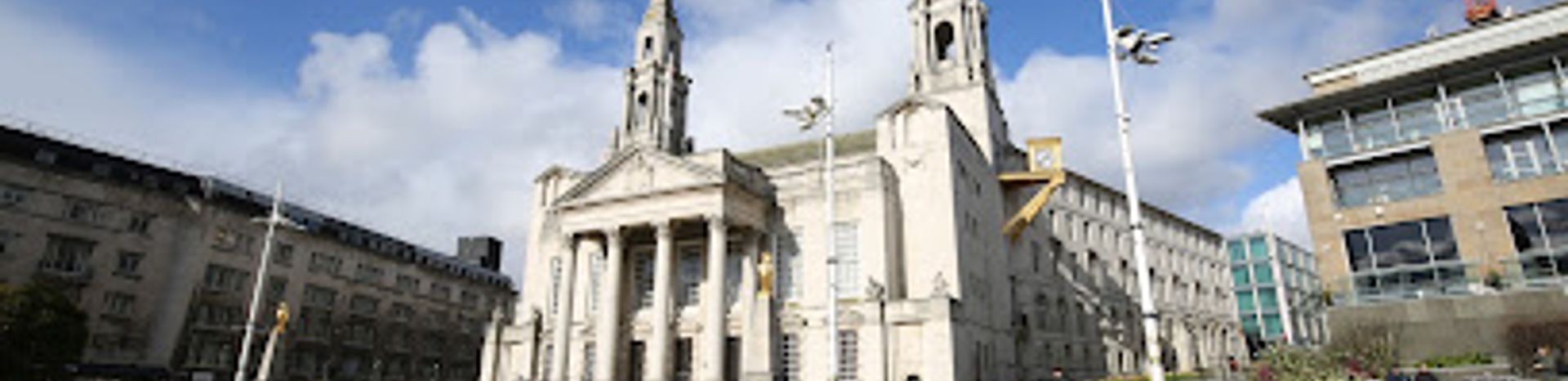
Leeds Civic Hall: Architectural Grandeur and Civic Heritage
A majestic civic landmark in Leeds city centre, renowned for its iconic golden owls and grand Palladian architecture.
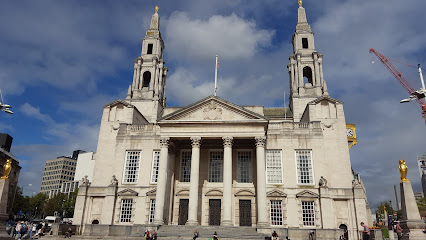
Leeds Civic Hall, a Grade II* listed municipal building in Leeds city centre, serves as the seat of Leeds City Council and a prominent event venue. Opened in 1933, it features striking Palladian architecture with twin towers topped by iconic gold-leafed owls. The hall houses grand interiors including a marble-lined entrance hall, an oak-paneled Assembly Hall, and richly decorated official rooms. It stands as a symbol of Leeds’ civic pride and history, hosting council meetings, ceremonies, and weddings.
A brief summary to Civic Hall
- Calverley St, Leeds, LS1 1UR, GB
- +441132224444
- Visit website
- Duration: 0.5 to 2 hours
- Free
-
 Outdoor
- Mobile reception: 4 out of 5
Local tips
- Visit Millennium Square in front of the hall to appreciate the golden owls on the towers and columns.
- Check the Civic Hall’s event schedule for opportunities to tour the interior or attend ceremonies.
- Use nearby public parking facilities or public transport to avoid city centre traffic congestion.
- The hall’s grand interiors include stained glass and historic chandeliers, best viewed during official events.

For the on-the-go comforts that matter to you
- Restrooms
- Drink Options
- Food Options
- Seating Areas
- Information Boards
Getting There
-
Bus
Multiple bus routes serve Leeds city centre with stops near Calverley Street, providing frequent service every 10-20 minutes. Tickets cost around £2-£4 depending on distance, with travel times from outer suburbs ranging from 15 to 40 minutes.
-
Train and Walk
Leeds Railway Station is approximately a 15-minute walk from Civic Hall. Trains connect Leeds to regional cities with fares starting at £5. Walking routes are flat and accessible.
-
Car Parking
Several nearby car parks, including Victoria Leeds and Hanover Square, offer secure parking with hourly rates from £1.10 to £5 for overnight stays. Pre-booking is recommended to secure a space and avoid city centre congestion.
-
Taxi or Rideshare
Taxis and rideshare services provide direct access to Leeds Civic Hall from anywhere in the city, with typical fares between £5 and £15 depending on distance and time of day.
Civic Hall location weather suitability
-
 Any Weather
-
 Rain / Wet Weather
-
 Clear Skies
-
 Mild Temperatures
Discover more about Civic Hall
A Landmark of Civic Authority and Architectural Elegance
Leeds Civic Hall stands proudly in the heart of Leeds city centre, replacing the older Town Hall as the administrative centre in 1933. Designed by architect E. Vincent Harris, the building was constructed rapidly between 1930 and 1933 and officially opened by King George V and Queen Mary. Its Palladian style is distinguished by a green slate roof, a grand portico supported by six Corinthian columns, and twin towers crowned with two 2.3-metre-high gold-leafed owls, symbolic guardians of the city. These owls also appear on columns in Millennium Square, which lies directly in front of the hall, enhancing its civic presence.Interior Splendour and Ceremonial Spaces
Inside, the Civic Hall contrasts its restrained exterior with richly decorated interiors. The central part of the building features marble-lined halls and official rooms adorned with bespoke Wilton carpets. The 27-metre-long entrance hall is lined with grey gritstone and green scagliola columns, leading to a grand staircase illuminated by stained glass windows designed by George Kruger Gray. The reception hall boasts three saucer domed ceilings and historic chandeliers from the previous Town Hall. The Assembly Hall, now divided into a banqueting hall and council chambers, is oak-paneled and stretches 30 metres across the front of the building, hosting formal events and council meetings.A Hub for Civic Functions and Celebrations
Leeds Civic Hall remains a vibrant centre for local government and community events. It houses the Leeds City Council offices and council chamber, where official business is conducted. The hall also serves as a venue for weddings, citizenship ceremonies, and other significant civic occasions. While the exterior is freely accessible at all times, interior access is generally reserved for scheduled events or pre-booked tours, preserving the building’s dignity and security.Symbolism and Cultural Significance
The Civic Hall’s iconic golden owls are more than decorative features; they are emblematic of Leeds’ identity and heritage. The building’s dates of significance—the granting of the city charter in 1626 and the hall’s completion in 1933—are inscribed in gilded Roman numerals on the pediment above the portico. The hall’s architecture and art, including busts and stained glass, reflect the city’s history and pride, making it a cultural landmark as well as a functional government building.Setting and Surroundings in the Civic Quarter
Situated on Calverley Street, Leeds Civic Hall anchors the Civic Quarter, an area known for its concentration of local government offices, cultural institutions, and public spaces. Millennium Square in front of the hall provides an open, welcoming space for public gatherings and events. The location is central and easily accessible, with numerous parking options nearby and public transport links connecting it to the wider city.Preservation and Public Engagement
As a Grade II* listed building, Leeds Civic Hall is protected for its architectural and historic importance. Efforts to maintain and preserve the hall ensure that it continues to serve both its administrative role and its function as a heritage site. Public tours and events offer opportunities to experience its grandeur firsthand, while the exterior remains a daily visual landmark for residents and visitors alike.Iconic landmarks you can’t miss

Civic Hall
0.0 km
A majestic Grade II* listed municipal building in Leeds, famed for its golden owls and grand civic ceremonies.
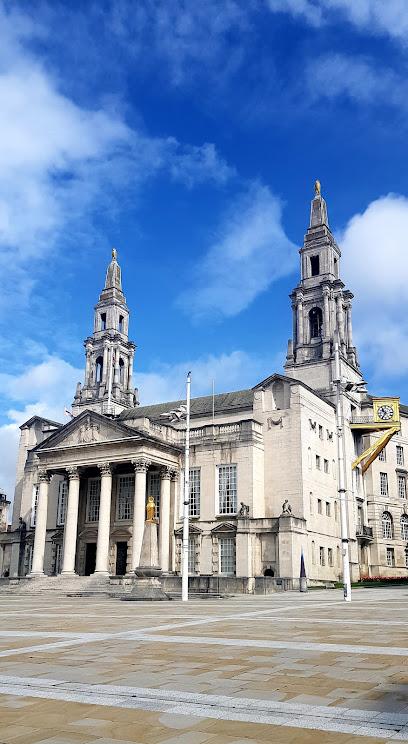
Tilly + Enzo
0.2 km
Discover tranquility at Tilly + Enzo, a serene shrine in Leeds offering a peaceful retreat amidst the city's vibrant energy.
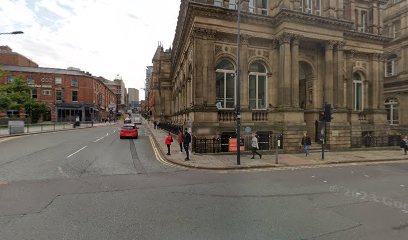
Leeds War Memorial
0.3 km
A solemn and historic tribute in Leeds city center honoring the bravery and sacrifice of World War I soldiers.
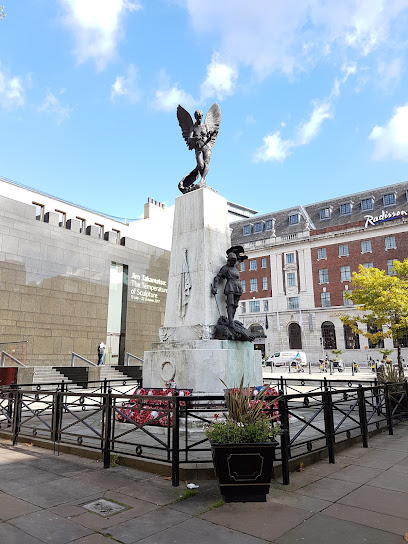
Statue of John Harrison
0.6 km
Honoring Leeds’ historic benefactor John Harrison, whose philanthropy and leadership shaped the city’s early growth and community spirit.
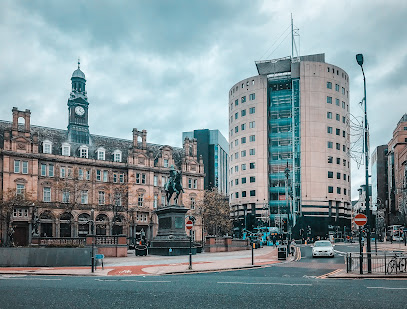
Holy Trinity Church
0.7 km
Discover Leeds’ elegant 18th-century Holy Trinity Church, a Georgian architectural masterpiece and vibrant cultural hub in the city centre.
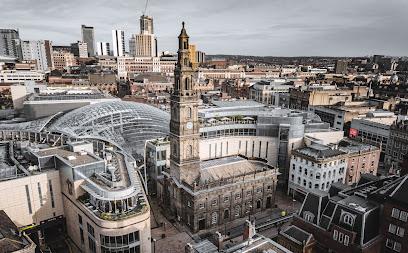
The Talbot Hounds Fountain
0.8 km
A majestic 19th-century fountain featuring four stone Talbot hounds, rescued from a lost Gothic mansion and now a cherished Leeds landmark.
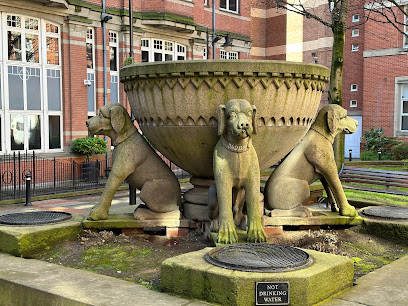
Leeds Minster
1.1 km
Discover Leeds Minster, a magnificent neo-Gothic church with over 1,400 years of history, musical heritage, and community spirit in the heart of Leeds.
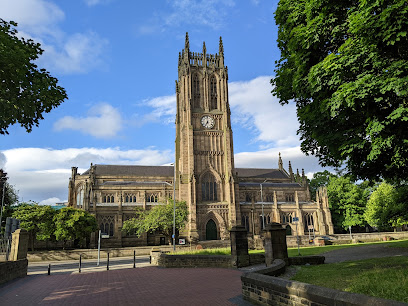
Temple Works
1.4 km
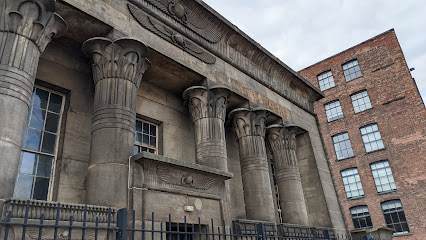
Discover Temple Works, Leeds’ iconic Egyptian Revival flax mill blending industrial heritage with architectural grandeur and future cultural renewal.
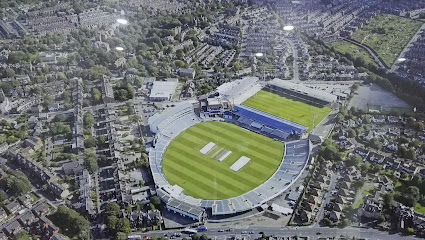
AMT Headingley Rugby Stadium
2.7 km
Discover the heart of rugby culture at AMT Headingley Stadium, Leeds – where thrilling matches and community spirit unite!
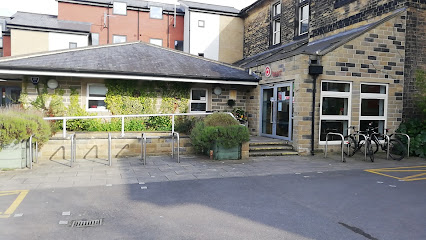
Headingley Enterprise & Arts Centre
2.8 km
Discover a vibrant community hub at Headingley Enterprise & Arts Centre, where art, culture, and collaboration come together in Leeds.
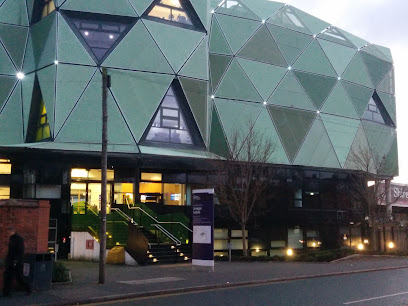
Headingley Carnegie Pavilion
2.9 km
Discover Headingley Carnegie Pavilion, a historic landmark blending academic heritage with vibrant community life in Leeds.
Seven Arts
2.9 km
Discover the vibrant arts and culinary scene at Seven Arts, a premier performing arts theatre in Leeds with live music and delicious food.
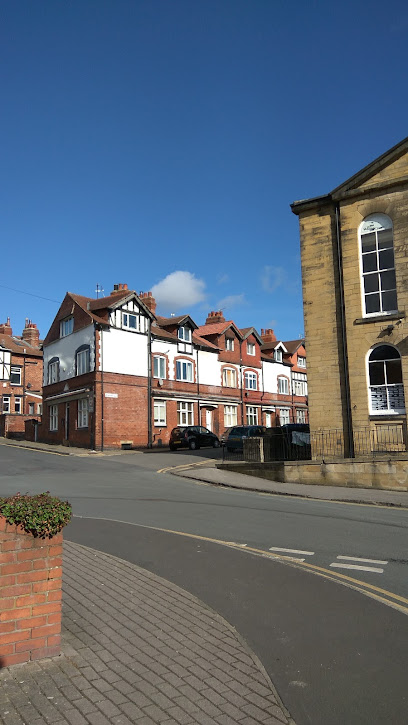
Chapel Allerton Spaces
3.0 km
Explore the serene beauty of Chapel Allerton Spaces, a tranquil retreat in Leeds perfect for relaxation and community connection.
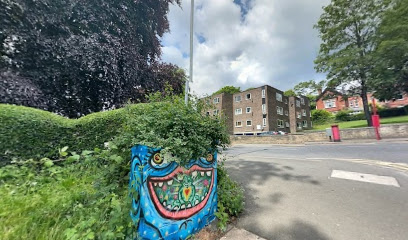
Chapel Allerton, Leeds
3.0 km
Explore the vibrant Chapel Allerton, Leeds, where local culture, unique shops, and diverse dining converge in a charming community atmosphere.

Willow Tree
3.1 km
Experience the tranquility of Willow Tree in Leeds, where nature meets relaxation, perfect for tourists seeking a serene escape.
Unmissable attractions to see

Whistle Punks Urban Axe Throwing Leeds
0.1 km
Urban axe throwing meets craft cocktails in the heart of Leeds city centre.
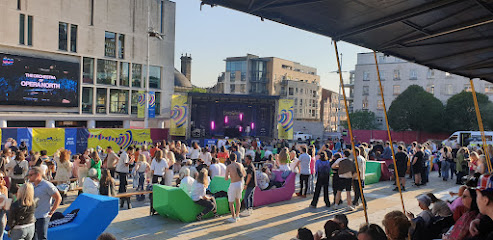
The Carriageworks Theatre
0.1 km
Historic carriage manufactory transformed into a vibrant theatre hub at Leeds’ Millennium Square, blending heritage with diverse arts and community spirit.
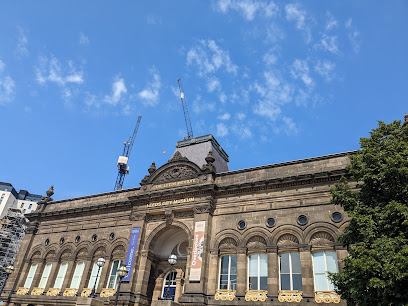
Leeds City Museum
0.1 km
Discover Leeds’ rich heritage and natural wonders in a historic museum with free entry and engaging exhibitions for all ages.
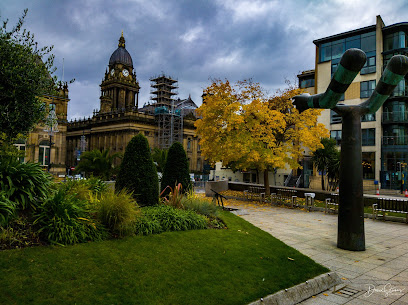
Nelson Mandela Gardens
0.1 km
Urban sanctuary honouring a global freedom fighter, where symbolic sculpture and thoughtful plantings inspire reflection.
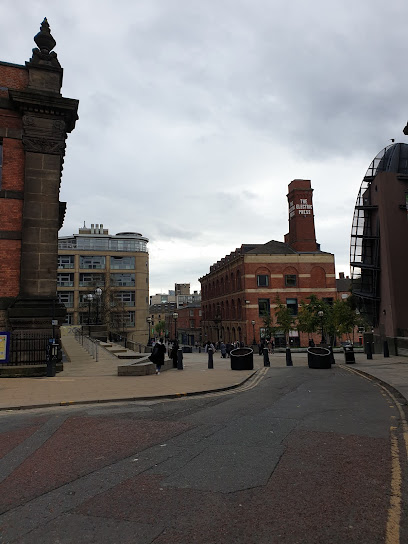
The Electric Press
0.1 km
Historic Leeds landmark transformed into a vibrant hub for dining, nightlife, theatre, and events in the city’s cultural heart.
Tingley park
0.2 km
A peaceful green haven in North Leeds offering nature, community events, and scenic walks just minutes from the city centre.
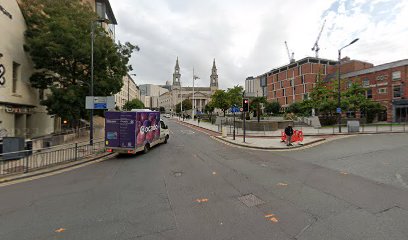
Kirkwood
0.2 km
Support life-enhancing care through sustainable shopping at Kirkwood Charity Shop in Leeds, a hub for community and compassion.
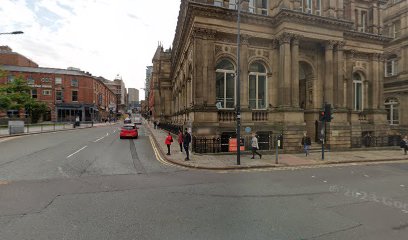
Leeds Cathedral
0.2 km
Discover Leeds Cathedral’s unique Arts & Crafts beauty and serene spiritual atmosphere in the heart of the city centre.
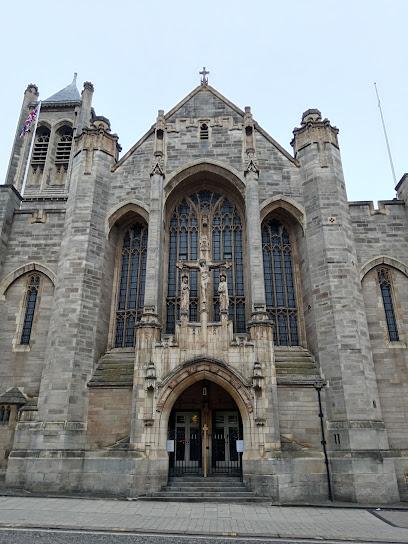
Leeds Art Gallery
0.3 km
Discover British modern and contemporary art in Leeds’ historic gallery with free entry, dynamic exhibitions, and the stunning Victorian Tiled Hall Café.
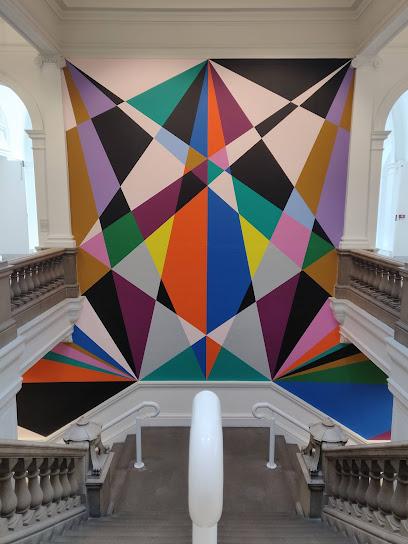
Outdoors Chess Boards
0.3 km
Free outdoor chess in the heart of Leeds city centre—where strategy meets community.
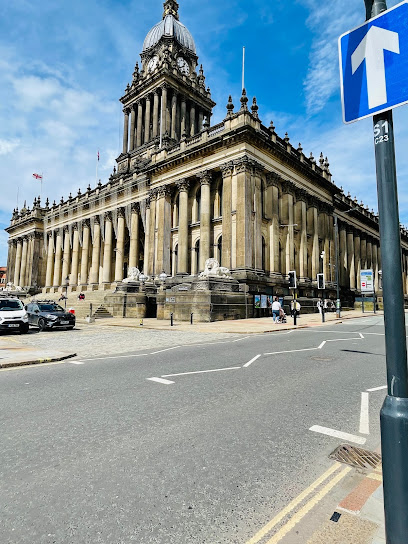
Leeds Town Hall
0.3 km
Discover the architectural beauty and cultural vibrancy of Leeds Town Hall, a historic landmark hosting concerts and events in the heart of the city.
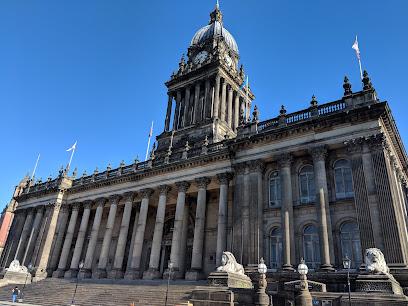
The Light the Headrow
0.3 km
A vibrant city-centre complex in Leeds combining shopping, dining, bowling, cinema, nightlife, and a hotel in one dynamic destination.
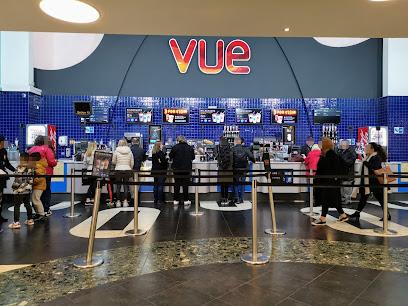
The Merrion Centre
0.3 km
Leeds' enduring retail landmark blending major brands with independent character.
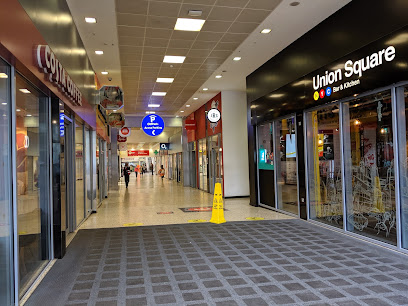
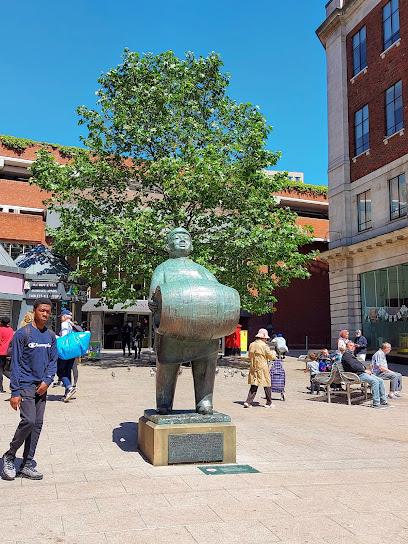
Dortmund Square
0.4 km
A bustling urban square in Leeds city centre, famed for the iconic Barrel Man statue and its cultural link to Dortmund.
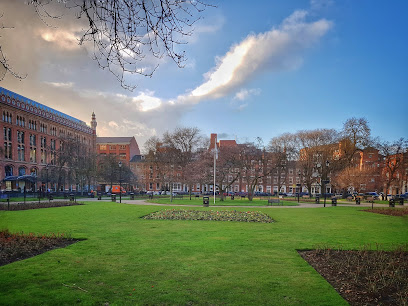
Park Square
0.4 km
A serene Georgian park in the heart of Leeds, blending historic elegance with tranquil green spaces for city escapes.
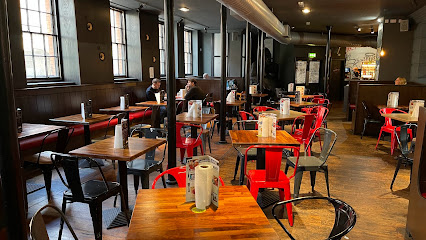
Essential places to dine

Almost Famous Leeds
0.2 km
Vibrant urban burger spot in Leeds city centre, known for juicy creative burgers and lively, graffiti-filled atmosphere.
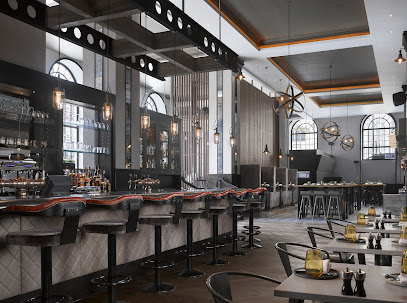
Fire Lake Grill House and Cocktail Bar, Leeds
0.2 km
Stylish city-centre grill house and cocktail bar serving smoky Josper-grilled meats and creative drinks in a vibrant Leeds setting.
The Oxford Place
0.3 km
Leeds’ only 100% gluten-free restaurant offering a cozy atmosphere and a diverse menu with vegetarian and vegan delights.
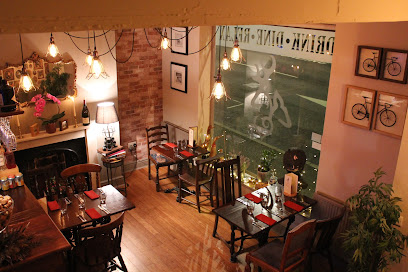
Estabulo Rodizio Bar & Grill - Leeds
0.3 km
Authentic Brazilian rodizio dining in Leeds city centre, with endless grilled meats, vibrant atmosphere, and a fresh salad bar in The Light shopping centre.
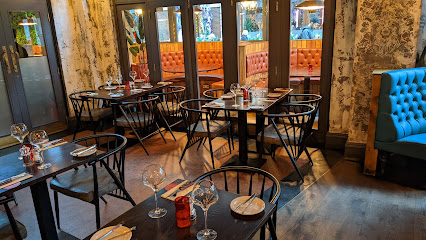
Fleur Restaurant and Bar Leeds
0.3 km
A vibrant fusion of British, Asian, and Middle Eastern flavors set in a stunning floral-themed Leeds city centre restaurant.
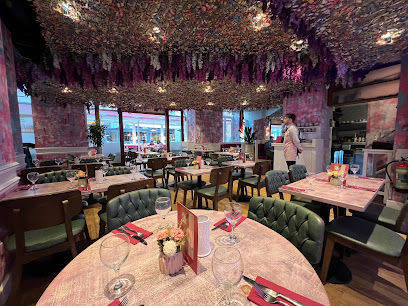
FINT
0.3 km
Scandinavian-inspired dining with vegan-friendly options and a cozy, stylish atmosphere in central Leeds.
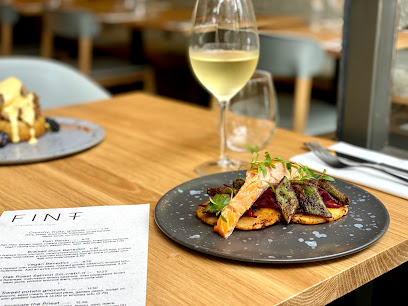
Miller & Carter Leeds Light
0.3 km
Savor expertly grilled British steaks in a stylish, welcoming setting at Miller & Carter Leeds Light, a city centre hotspot for steak lovers.
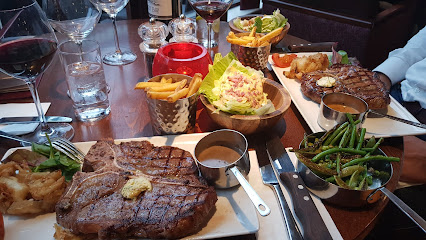
Turtle Bay Leeds
0.3 km
Experience bold Caribbean flavours, vibrant cocktails, and lively vibes at Turtle Bay Leeds in the heart of the city centre.
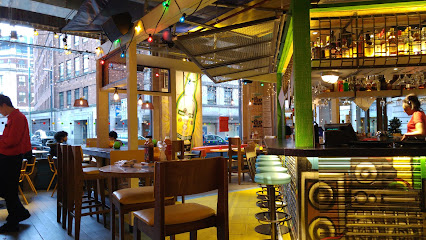
Ibérica Leeds
0.3 km
Experience authentic Spanish tapas and wines in the elegant, historic setting of Leeds’ Hepper House.
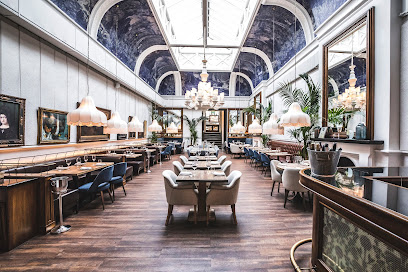
San Carlo - Leeds
0.3 km
Experience authentic Italian elegance and vibrant dining in the heart of Leeds with San Carlo’s luxurious menu and stylish ambiance.
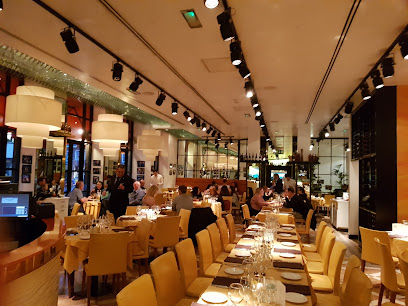
Gaucho Leeds
0.3 km
Experience premium Argentinian steaks and vibrant South American flavors in an elegant Leeds city centre setting.
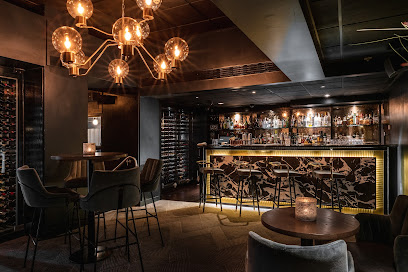
Town Hall Tavern
0.4 km
Classic Leeds gastropub serving hearty British fare and cask ales in a warm, welcoming city centre setting.
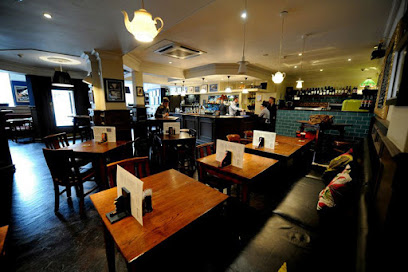
Sukhothai Restaurant
0.4 km
Experience authentic Thai cuisine and vibrant atmosphere at Sukhothai, Leeds’ flagship restaurant with over 200 dishes and stylish dining spaces.
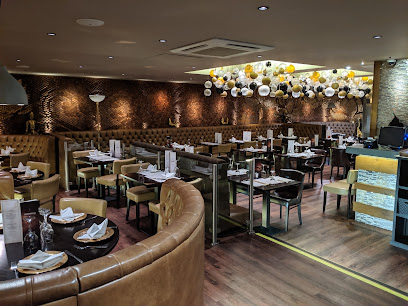
Bar Soba Leeds
0.4 km
Experience the vibrant flavors and lively atmosphere of Southeast Asian street food fusion in Leeds city center.
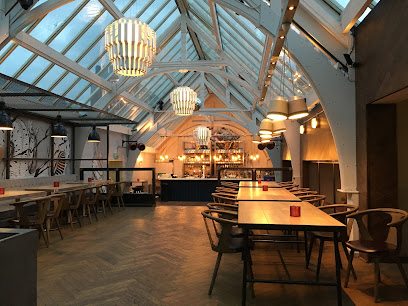
Gusto Italian
0.4 km
Experience vibrant, contemporary Italian cuisine with fresh ingredients and a lively atmosphere in the heart of Leeds city center.
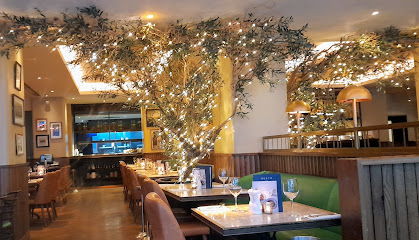
Markets, malls and hidden boutiques

Digital Shop
0.1 km
Explore unique furniture and decor at Digital Shop in Leeds, where style meets quality in a charming shopping experience.
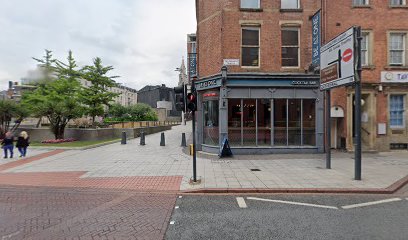
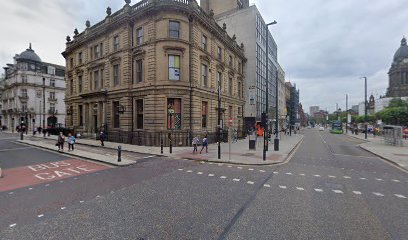
Crown Jewels Wax Melts
0.3 km
Explore Crown Jewels Wax Melts in Leeds for exquisite artisanal wax melts, candles, and unique jewelry—perfect souvenirs from your travels.
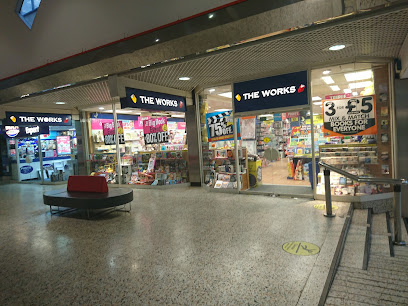
The Works
0.3 km
Affordable books, crafts, toys, and stationery in the heart of Leeds’ Merrion Shopping Centre, inspiring creativity for all ages.
Gems Leeds
0.4 km
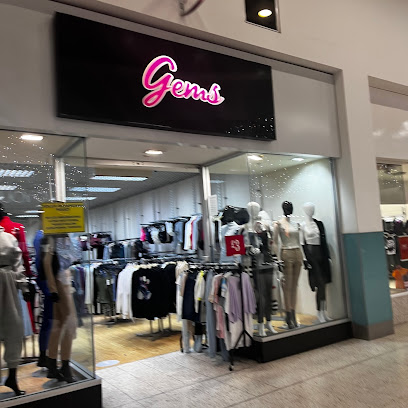
Trendy ladies' boutique in Leeds' St Johns Centre, famed for chic sets and coordinated fashion finds in a lively city shopping hub.
Celeb Boutique
0.5 km
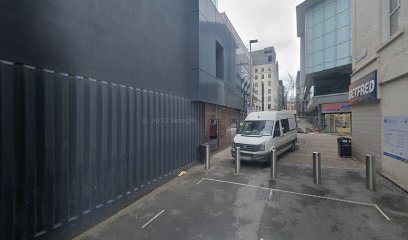
A compact Bond Street boutique in Leeds offering trend-led partywear and statement pieces in an intimate, high-impact shopping setting.
Grand Arcade
0.5 km
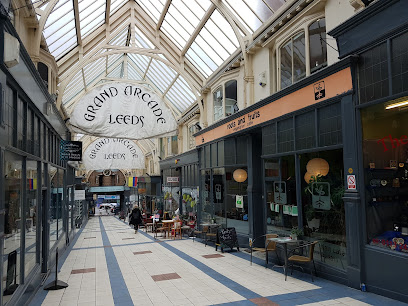
Discover Leeds’ historic Victorian arcade, a vibrant hub of independent shops, vintage cafes, and iconic clockwork charm.
Pop Boutique
0.5 km
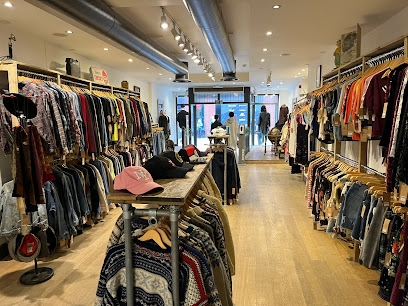
Discover timeless vintage fashion and unique retro treasures at Pop Boutique, Leeds’ beloved destination for curated vintage style from the 50s to 90s.
Open Lifestyle Store
0.5 km
Discover stylish, quality men's fashion in the historic charm of Leeds’ Thornton's Arcade at Open Lifestyle Store.
The Yorkshire Soap Company - Leeds
0.6 km
Discover handmade soaps and bath luxuries in a magical Leeds boutique blending artisan charm with Yorkshire craftsmanship.
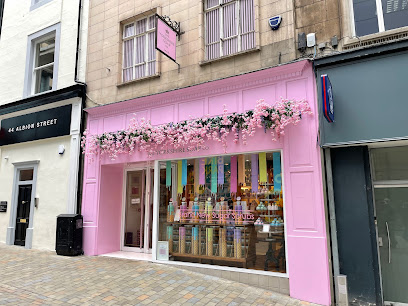
Montblanc Boutique Leeds
0.7 km
Discover timeless elegance and expert craftsmanship at Montblanc Boutique Leeds, your premier destination for luxury watches and accessories.
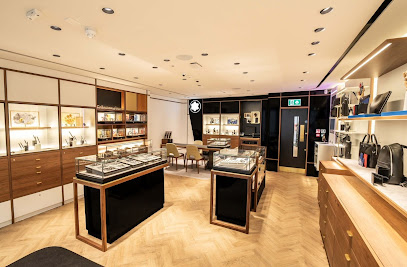
Cow Vintage
0.7 km
Explore ethical vintage fashion in Leeds’ historic County House with Cow Vintage’s curated, sustainable collection and spacious shopping experience.
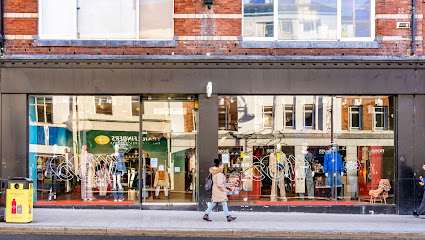
Urban Outfitters
0.7 km
Discover quirky, unique fashion and creative homewares at Urban Outfitters Leeds in Trinity Shopping Centre, a vibrant hub for youthful style and culture.
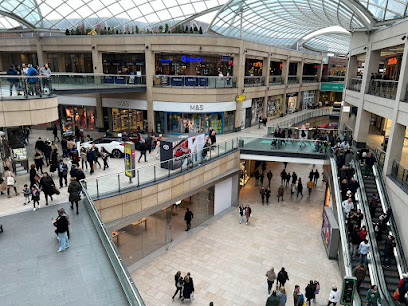
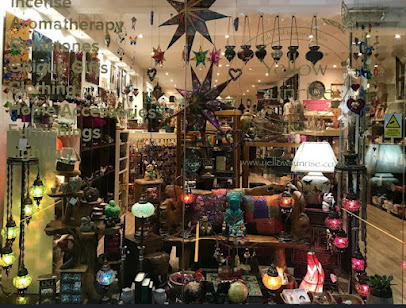
Yellow Sunrise
0.8 km
Discover Leeds’ vibrant metaphysical shop in Central Arcade, where colorful curiosities and spiritual treasures await every visitor.
Anthropologie
0.8 km
Distinctive women’s fashion and homewares in Leeds’ elegant Victoria Gate shopping district.
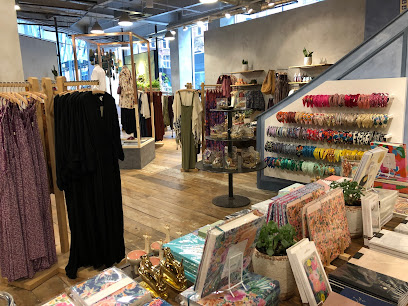
Tomorrow Store
0.8 km
Discover gender-neutral fashion and unique homewares at Leeds’ independent Tomorrow Store in the historic Central Arcade.

Essential bars & hidden hideouts

Below Stairs
0.4 km
A moody, speakeasy-style cocktail bar beneath South Parade — small tables, considered cocktails and an intimate basement vibe.
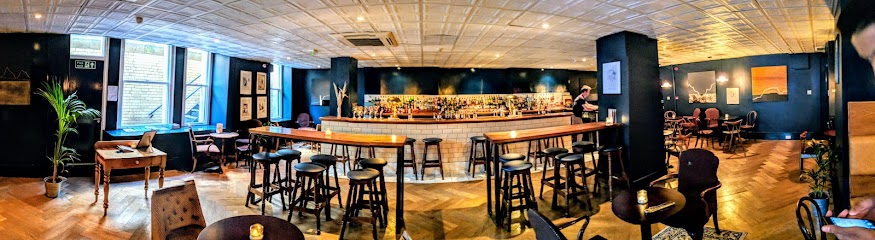
Be At One - Greek Street Leeds
0.4 km
Lively Leeds cocktail bar with 100+ expertly crafted drinks, buzzing nights, and unbeatable happy hour deals on vibrant Greek Street.
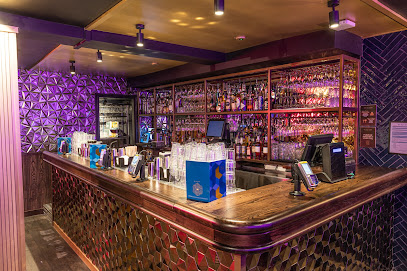
Lost & Found Leeds
0.4 km
Eclectic cocktails, global cuisine, and vibrant vibes converge at The Lost & Found, a stylish bar and restaurant in Leeds city centre.
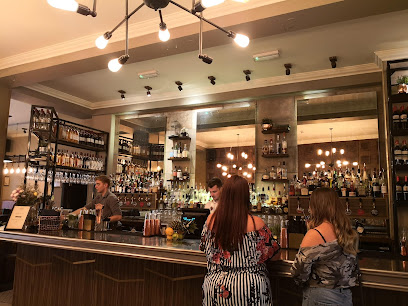
Dirty Martini - Leeds
0.5 km
Leeds' glamorous cocktail den where bespoke martinis, plush vibes, and late-night DJs craft unforgettable nights on King Street. Indulge in happy hours and bottomless brunches amid opulent surrounds. (162 characters)
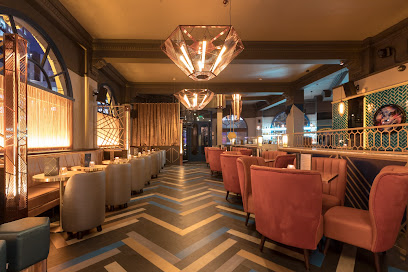
Blind Tyger
0.5 km
Leeds' clandestine cocktail den: prohibition vibes, rare spirits, and inventive mixes in a candlelit hideaway perfect for intimate evenings.
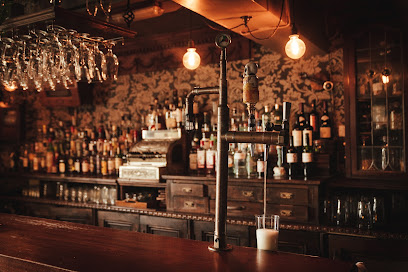
North Bar
0.5 km
Leeds’ original craft beer pioneer offering an eclectic selection of beers and cocktails in a quirky, cosy setting since 1997.
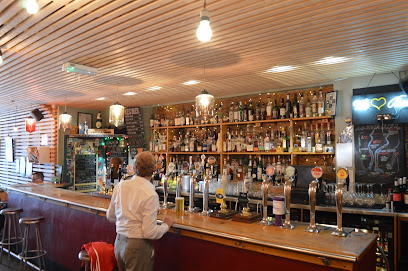
MOJO
0.6 km
Leeds' rock 'n' roll dive bar: killer cocktails, guitar anthems, and late-night grit since '96. Arm yourself for unpretentious Northern Quarter revelry.
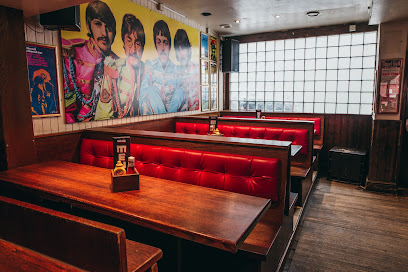
Mean-Eyed Cat Bar Leeds
0.6 km
Deep South dive bar shrine to Johnny Cash: free pizzas, dice-rolling free drinks, cocktails till 4am in Leeds' party heart.
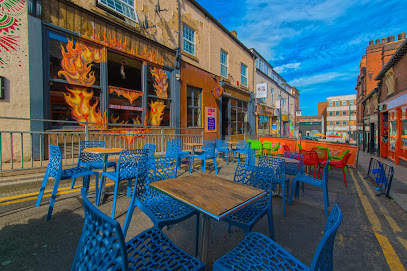
Headrow House
0.6 km
Leeds' multi-floor gem in a historic mill: unpasteurized beers, grilled seasonal feasts, rooftop skyline views, and live music beats.
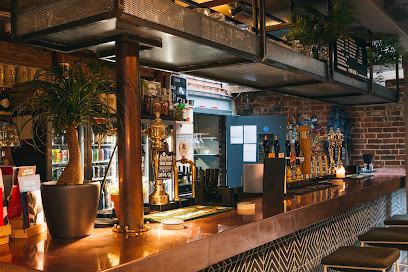
Green Room
0.7 km
A plant-filled, industrial-chic bar and rooftop terrace serving brunch by day and craft drinks by night in the heart of Leeds.
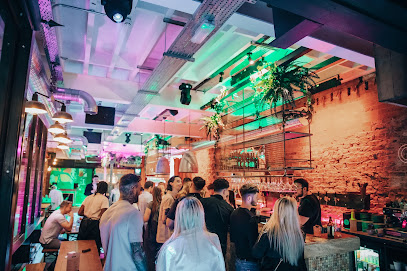
Whitelock's Ale House
0.7 km
Leeds' oldest ale house since 1715: Grade II*-listed Victorian splendor, real ales from Yorkshire taps, and hearty local grub in a hidden city yard.
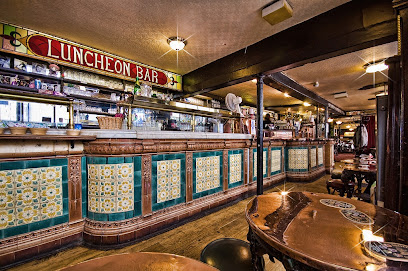
The Alchemist Trinity
0.7 km
Experience Leeds’ premier cocktail bar blending molecular mixology, stunning rooftop views, and vibrant dining at The Alchemist Trinity.
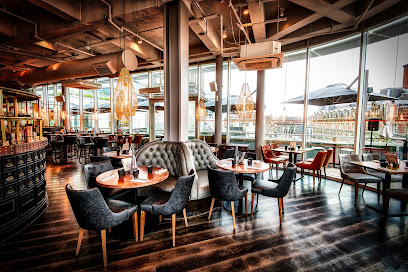
Be At One - Boar Lane Leeds
0.8 km
Lively Leeds city centre cocktail bar with 100+ drinks, daily happy hours, plush booths, and a spacious outdoor terrace.
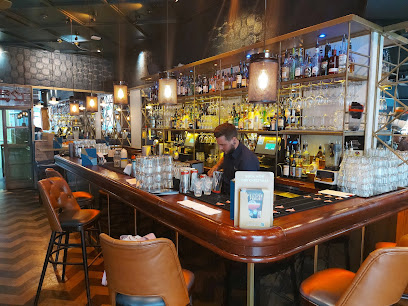
Smokestack
0.8 km
A stylish Leeds cocktail bar and live music venue blending bluesy vibes with expertly crafted drinks and lively nights out.
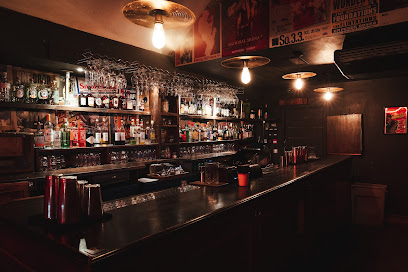
The Maven
0.9 km
Step into The Maven, Leeds’ stylish 1920s speakeasy bar where expert cocktails and lively late-night parties create unforgettable nights.
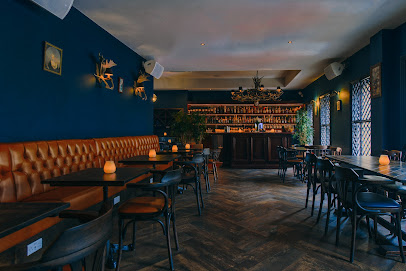
Nightclubs & after hour spots

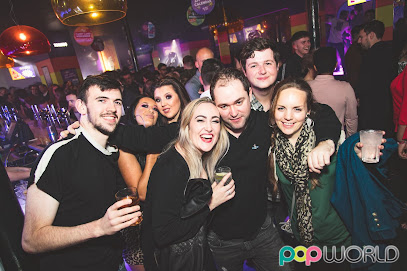
Popworld - Leeds
0.1 km
Relive noughties glory in Leeds' ultimate cheesy pop nightclub, where cocktails pop and dances don't stop till dawn.
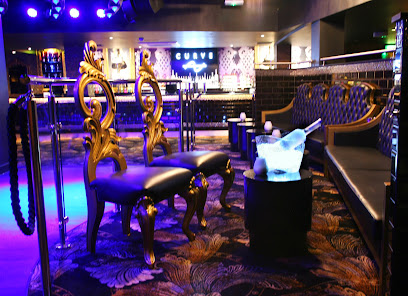
PRYZM
0.3 km
Leeds' multi-themed superclub where futuristic beats meet quirky rooms in the heart of Arena Quarter nightlife.
Home Nightclub Leeds
0.3 km
Leeds' £2.5M superclub: VOID sound, pyrotechnic spectacles, multi-room vibes from house anthems to urban grooves—pure festival energy underground.
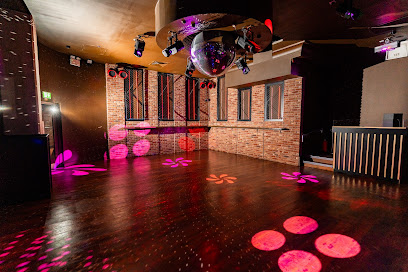
The Key Club
0.4 km
Intimate, no-frills live-music club in central Leeds where punk, indie and alternative acts play close and loud beneath Merrion Street.
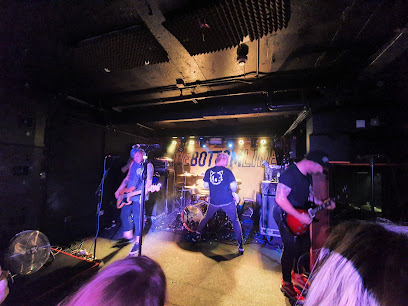
The Warehouse
0.5 km
Experience the vibrant nightlife and dynamic music scene at The Warehouse, Leeds’ energetic club destination.
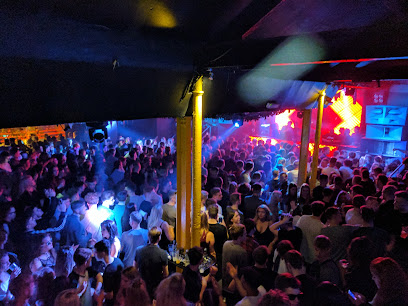
The Lab Nightclub Leeds
0.6 km
Experience Leeds' electric nightlife at The Lab Nightclub, where music flows smoothly and the party never stops in the heart of the city.
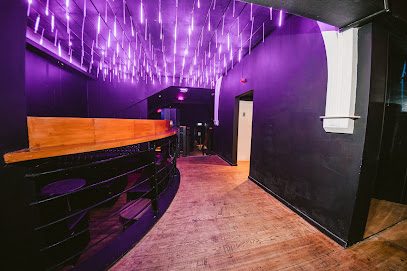
Disco Stu's
0.7 km
Pulse-pounding beats and sticky-floored euphoria on Vicar Lane—Disco Stu's delivers unfiltered Leeds nightlife with affordable drinks and all-night energy.
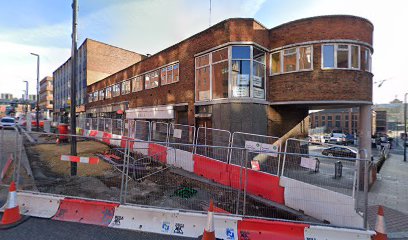
ULTRA
0.8 km
Experience Leeds’ vibrant nightlife at ULTRA, where electrifying beats and dynamic dance floors create unforgettable late-night memories.
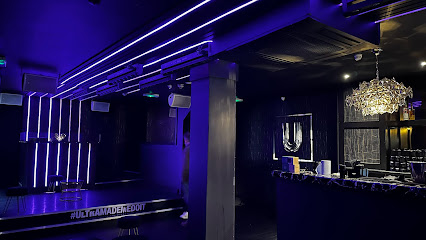
The HiFi Club
0.8 km
Leeds' underground gem for live music, comedy stardom, and late-night grooves—independent vibes since 2000.
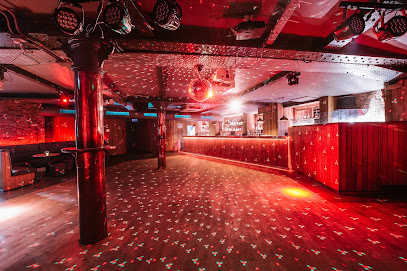
The Space
0.8 km
Dive into Leeds' basement beats at The Space, where funky house and urban rhythms fuel non-stop dancing till dawn in a sleek underground haven.
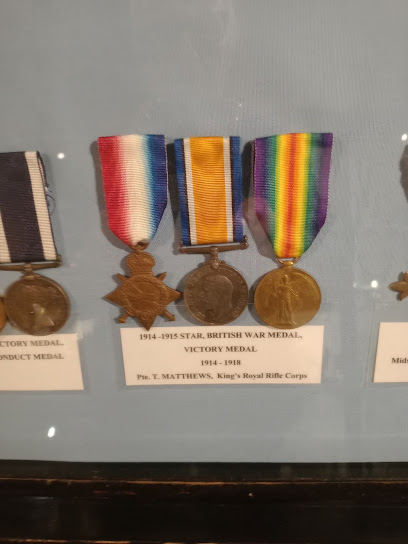
Wire
0.8 km
A compact, music-first basement club on Call Lane where tight crowds and a punchy sound system make late-night electronic parties feel immediate and intense.
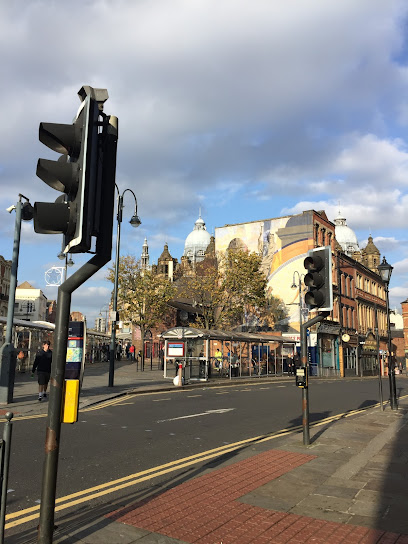
The Backroom
0.9 km
A chic speakeasy-style nightclub in Leeds with handcrafted cocktails, eclectic music, and vibrant weekend nightlife beneath a historic railway bridge.
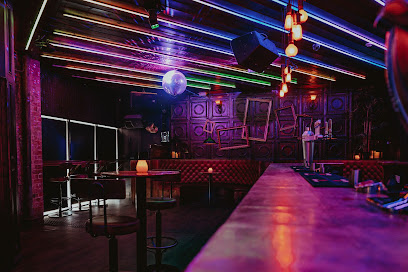
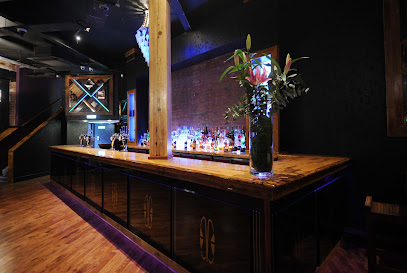
Baracoa Luxe Bar
0.9 km
Glamorous Call Lane haven blending luxe cocktails, beer garden chills, and pulsating club nights in Leeds' vibrant heart since 2010.
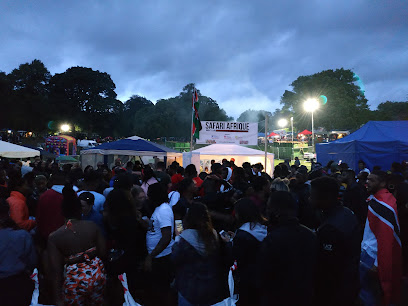
SAFARI AFRIQUE
1.0 km
A compact, high‑energy late‑night club on Assembly Street serving bass‑driven nights and lively weekend crowds.
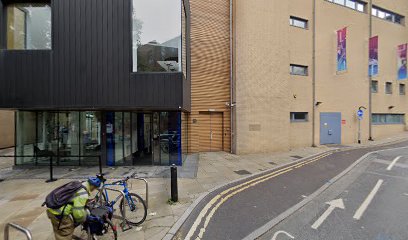
Quadrophenia Night
1.2 km
Rev up for mod anthems, live ska-soul bands, and 60s film vibes at Leeds' ultimate Quadrophenia tribute night—pure energy and rebellion on the dancefloor.
For the vibe & atmosphere seeker
- Historic
- Scenic
- Tranquil
- Unique
For the design and aesthetic lover
- Vintage Styles
- Art Deco Styles
For the architecture buff
- Historic
- Landmarks
- Sacred Sites
For the view chaser and sunset hunter
- Iconic Views
- Panoramas
For the social media creator & influencer
- Instagrammable
- Photo Spots
- Architectural Shots
For the eco-conscious traveler
- Public-Transport Accessible
- Locally Managed
For the kind of experience you’re after
- Cultural Heritage
- Myth & Legends
- Day Trip
- Weekend Getaway
For how adventurous you want the journey to be
- Easy Access
Location Audience
- Family Friendly
- Senior Friendly
- Child Friendly
- Teen Friendly
- Wheelchair Access
- Couple Friendly
- Solo Friendly


