Skeldergate Bridge, Leeds Travel Guide
A Victorian iron bridge over the River Ouse, offering scenic views and a glimpse into York’s riverside history.
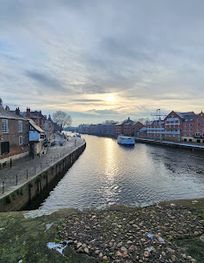
Spanning the River Ouse in York, Skeldergate Bridge is a striking Victorian iron bridge with Gothic Revival details, opened in 1881. Once a toll bridge, it now offers free pedestrian and vehicle access between the York Castle area and Bishophill. The bridge’s distinctive tower-like tollhouse, now a bar, and its views of the Ouse, historic warehouses, and riverside homes make it a quiet highlight of York’s riverscape. It’s a great spot for a riverside stroll, photography, or simply pausing to watch boats drift by.
A brief summary to Skeldergate Bridge
- River Ouse, York, York, GB
- Duration: 0.25 to 1 hours
- Free
-
 Outdoor
- Mobile reception: 5 out of 5

Know before you go
Hi, I'm Eve. Here are a few practical things to know before exploring Skeldergate Bridge.
- Visit early in the morning or late afternoon for the best light and fewer crowds; the bridge and river make excellent photo opportunities at these times.
- Take the stairs down from the east end to explore Tower Gardens and the East Bank riverside path for a more immersive riverside experience.
- Check local flood warnings before planning a riverside walk; the paths along the Ouse can be closed or muddy after heavy rain.
Do you manage this location?
Take control to get all the benefits, like improved information, better appearance, and stronger visibility across AI-powered discovery. Learn more about listing your business on Evendo
Activate your presenceOther nearby places you may find interesting
The closest places of the same kind, if this one is not quite what you had in mind.

Explore Skeldergate Bridge on the Map
A handpicked selection of must-see spots near Skeldergate Bridge, mapped for you.
Getting There
-
On foot from York city centre
From York Minster, follow the river path or city streets southeast for about 15–20 minutes to reach Skeldergate Bridge. The route is flat and well‑signposted, suitable for all ages and mobility levels.
-
By local bus
Several local bus routes serve stops near Skeldergate Bridge, with a short walk from the stop to the bridge. Journey time from the city centre is typically 10–15 minutes, depending on traffic and exact starting point.
-
By bicycle
York’s cycle network includes routes along the river and through the city centre, making it easy to reach Skeldergate Bridge by bike. There are cycle racks and shared paths nearby, and the bridge itself has a dedicated cycle lane.
For the on-the-go comforts that matter to you
-
 Restrooms
-
 Drink Options
-
 Food Options
-
 Seating Areas
-
 Trash Bins
-
 Information Boards
Discover more about Skeldergate Bridge
A Victorian Crossing Over the Ouse
Skeldergate Bridge is a handsome iron road bridge that carries traffic and pedestrians across the River Ouse in the historic city of York. Completed in 1881, it replaced a busy ferry crossing that once linked the York Castle area with Bishophill on the east bank. Designed in a Gothic Revival style by civil engineer George Gordon Page, the bridge features elegant ironwork, crenellated parapets, and a small opening span at its eastern end, originally intended to allow tall-masted ships to reach the quays between Skeldergate and Ouse Bridges. Though the bridge was last opened in 1975 and the winding mechanism has since been removed, its robust Victorian engineering has helped it withstand decades of river traffic and frequent flooding.From Toll Bridge to Free Crossing
When it first opened, Skeldergate Bridge operated as a toll bridge, with a tollhouse and machinery housed in a distinctive tower-like building on the bridge itself. The tolls were a point of civic contention, and their abolition on 1 April 1914 was celebrated so enthusiastically by York’s citizens that a regatta was held in honour of the occasion. Today, the bridge is free to cross, and the former tollhouse has been repurposed as a bar, adding a lively modern layer to its historic fabric. The bridge’s Grade II listed status recognises both its architectural quality and its role in York’s transport history, particularly as a key route for Terry’s chocolate factory workers who once cycled across from Fulford.Views and Riverside Connections
Skeldergate Bridge offers fine views along the River Ouse, framed by York’s characteristic riverside architecture. To the west, the old Bonding Warehouse and rows of brick terraced houses line the banks, while the bridge itself forms part of the city’s inner ring road, linking the castle quarter with Bishophill and the eastern suburbs. At either end, the bridge connects to pleasant riverside paths: on the east, steps lead down to Tower Gardens and the East Bank walk, while on the west, the path continues past Ouse Bridge and the city walls. These walks make the bridge a natural stop on a longer riverside promenade, especially when combined with a visit to York Minster or the castle museums.Atmosphere and Practicalities
The bridge is busy with local traffic but remains a pleasant place to pause and take in the river. Its Gothic details and iron construction give it a distinctive character among York’s bridges, and it is particularly photogenic at sunrise or sunset, when the light reflects off the water and the old brick buildings. The riverside paths can be affected by flooding of the Ouse, so it’s wise to check local conditions if planning a riverside walk. The bridge itself is fully accessible for pedestrians and vehicles, with no tolls or restrictions, and nearby amenities include cafes and pubs at both ends. It’s a functional piece of infrastructure that also serves as a quiet monument to York’s industrial and mercantile past.












Your all‑in‑one travel companion app
Explore expert travel guides, compare and book tours, experiences, hotels, and more—all from the palm of your hand. Download now for seamless trip planning wherever your wanderlust takes you.


Explore More of Leeds
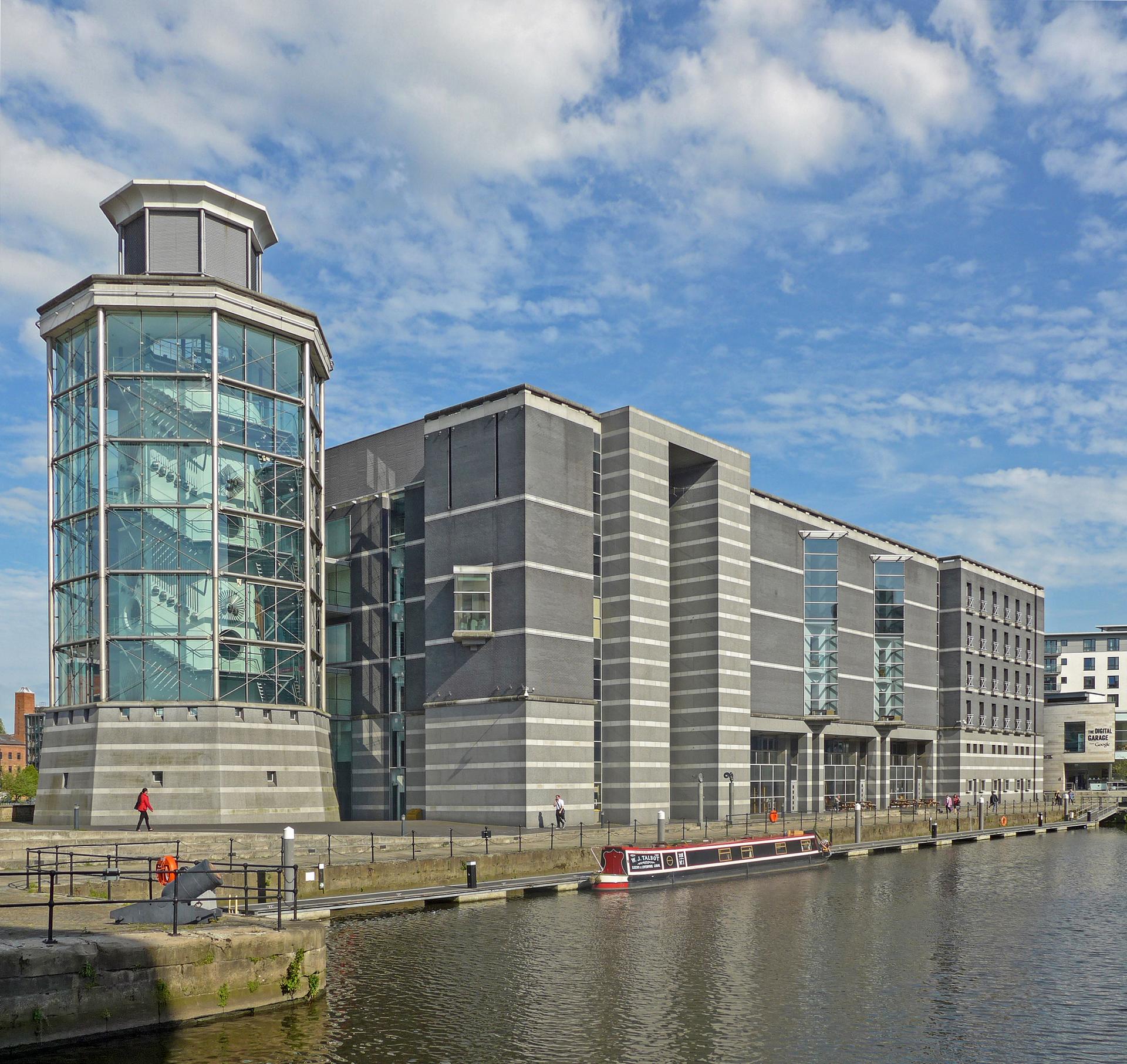
Looking beyond Skeldergate Bridge? Discover Leeds for broader travel guides, local hot-spots, and regional highlights.
Explore Leeds