

Gainsborough Old Hall: A Timeless Medieval Manor in Lincolnshire
Explore one of England’s finest medieval manor houses, where Tudor royalty once dined and history lives in every timber beam and stone.
Gainsborough Old Hall is one of England’s largest and best-preserved medieval manor houses, built in 1460 by Sir Thomas Burgh. This timber-framed manor showcases remarkable Tudor architecture, including a grand Great Hall with an intricate wooden ceiling, a medieval kitchen with original fireplaces and bread ovens, and a commanding brick tower offering panoramic views. Rich with history, it hosted royalty such as Richard III and Henry VIII, and played a role in religious dissent and the Baptist movement.
A brief summary to Gainsborough Old Hall
- Parnell St, Gainsborough, DN21 2NB, GB
- +441427677348
- Visit website
- Duration: 1 to 2 hours
- Mid ranged
-
 Outdoor
- Mobile reception: 4 out of 5
- Monday 10 am-5 pm
- Tuesday 10 am-5 pm
- Wednesday 10 am-5 pm
- Thursday 10 am-5 pm
- Friday 10 am-5 pm
- Saturday 10 am-5 pm
- Sunday 10 am-5 pm
Local tips
- Visit on weekday mornings to enjoy a quieter experience and avoid peak crowds.
- Climb the 59-step tower for panoramic views of Gainsborough and the surrounding countryside.
- Take time to explore the medieval kitchen, one of the most complete of its kind in England.
- Look out for ‘witches’ marks’—historic protective inscriptions found on the walls throughout the hall.
- Enjoy refreshments at the on-site café and stroll the quaint gardens to complete your visit.

For the on-the-go comforts that matter to you
- Restrooms
- Drink Options
- Food Options
- Seating Areas
- Information Boards
- Visitor Center
Getting There
-
Train and Bus
Take a train to Gainsborough Central from Lincoln or Sheffield, with journey times ranging from 30 to 60 minutes. From Gainsborough Central station, a local bus or taxi can take you to Gainsborough Old Hall in approximately 10 minutes. Train tickets typically cost £8-£15 one way, and local buses are around £2-£4.
-
Car
Driving from Lincoln or Sheffield takes about 30-45 minutes via A159 or A57. Gainsborough Old Hall has limited nearby parking; free parking is available on Parnell Street for up to one hour, with additional paid parking options in the town center. Note that parking spaces may be limited during weekends and events.
-
Taxi
Local taxi services from Gainsborough town center to the Old Hall take about 5-10 minutes. Taxi fares typically range from £5 to £10 depending on time and distance.
Gainsborough Old Hall location weather suitability
-
 Any Weather
-
 Clear Skies
-
 Mild Temperatures
-
 Rain / Wet Weather
Discover more about Gainsborough Old Hall
A Monument to Medieval Ambition and Tudor Grandeur
Gainsborough Old Hall stands as a magnificent testament to 15th-century English architecture and aristocratic life. Constructed beginning in 1460 by Sir Thomas Burgh, a prominent and wealthy figure, the hall was designed not only as a family residence but also as a symbol of power and status. Its timber-framed construction, characteristic of the period, presents a striking 'black and white' striped appearance. The hall’s layout comprises three ranges arranged around a courtyard, with a distinctive brick tower on the north-east corner. The Great Hall, with its soaring hammer-beam roof and ornately carved wooden ceiling, served as the social and ceremonial heart of the manor, hosting grand feasts and royal visitors.Remarkably Preserved Medieval Features
One of the hall’s most extraordinary elements is its medieval kitchen, considered possibly the most complete in England. This vast space contains two enormous open fireplaces capable of roasting an ox, two bread ovens, and original medieval fittings that vividly illustrate Tudor culinary practices. The kitchen’s preservation offers a rare glimpse into the domestic workings of a powerful household. Alongside the kitchen, the Great Hall and adjoining chambers retain much of their original character, with period furniture and tapestries enhancing the atmosphere. Visitors can also explore the private apartments in the east range and the tower, which provides sweeping views of Gainsborough and its surroundings after climbing 59 steps.Historical Significance and Royal Connections
Gainsborough Old Hall’s history is deeply intertwined with England’s royal and religious narratives. It welcomed King Richard III in 1484 and Henry VIII with Catherine Howard during their 1541 summer progress. The hall was home to Katherine Parr as a young bride and later witnessed significant religious dissent; in the early 17th century, it hosted Puritan Separatists who would go on to found the Baptist tradition abroad. The Hickman family, who acquired the hall in 1596, further enhanced the property and played notable roles in local and national politics. The hall’s layered history reflects the turbulent shifts of Tudor and Stuart England.Atmosphere and Visitor Experience Today
Today, Gainsborough Old Hall is managed by English Heritage and remains a captivating destination for history enthusiasts and cultural travelers. The building’s intimate scale allows visitors to engage closely with its architecture and stories. Knowledgeable volunteers enrich the experience with anecdotes and historical context. The hall also features interactive multimedia tours and educational programs, making it accessible for all ages. The surrounding gardens provide a peaceful retreat, and the on-site café offers refreshments. The hall’s authentic ambiance, combined with its rich tapestry of history, creates a compelling journey into England’s medieval past.Architectural Details and Unique Features
The hall’s timber framing is a masterpiece of medieval craftsmanship, complemented by brickwork additions and stone elements. The east range’s three-storey polygonal tower once housed private family chambers and offers a unique architectural focal point. Intriguing features such as ‘witches’ marks’—protective inscriptions believed to ward off evil—can be found throughout the building. The hall’s preservation owes much to dedicated volunteers and conservation efforts that have maintained its integrity over centuries. Despite some loss of original grounds and a moat, the hall’s core structure remains remarkably intact, providing an authentic Tudor courtier house experience.Legacy and Cultural Importance
Gainsborough Old Hall is more than a historic building; it is a cultural landmark embodying centuries of English history, from medieval nobility to religious reform and royal intrigue. Its connections to the Pilgrim Fathers and the Baptist movement add international significance. As a Grade I listed building, it is protected for future generations to explore and appreciate. The hall’s blend of architectural styles and historical narratives offers a rich educational resource and a captivating destination for visitors seeking to immerse themselves in England’s past.Iconic landmarks you can’t miss

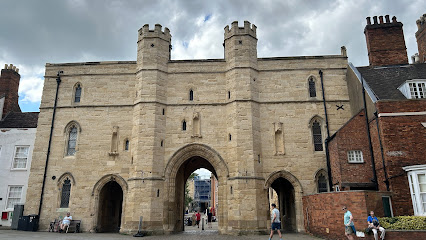
Exchequer Gate
24.4 km
Step through Exchequer Gate, a majestic 14th-century medieval archway guarding Lincoln’s historic heart between Castle and Cathedral.
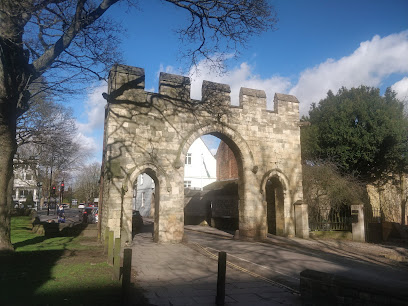
North Tower of the East Gate of the Wall of Roman Lindum Colonia (Lincoln)
24.4 km
Explore the impressive Roman North Tower of the East Gate, a gateway to Lincoln’s ancient Lindum Colonia and a testament to Roman urban grandeur.
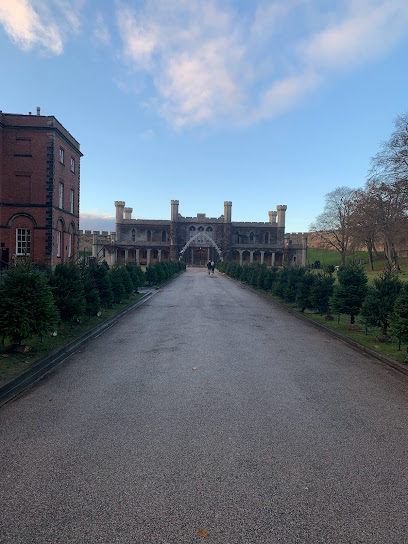
Priory Arch
24.5 km
A majestic Victorian Gothic arch marking the historic entrance to Lincoln’s cathedral quarter and the ancient Bailgate street.
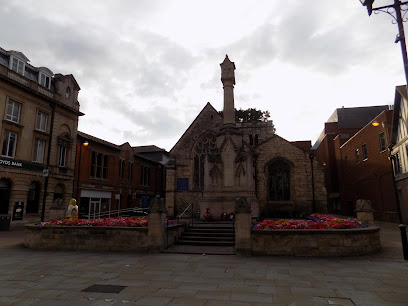
Lincoln War Memorial
24.8 km
A timeless symbol of unity and freedom, the Lincoln Memorial stands proudly at the heart of Washington, D.C.'s National Mall.
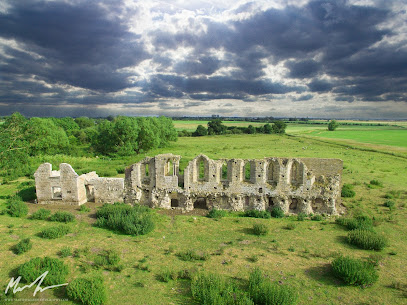
Tupholme Abbey
39.6 km
Medieval monastery transformed: where Premonstratensian canons once prayed, Tudor mansions rose and farmland endured.
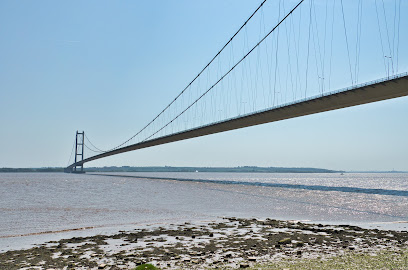
Humber Bridge
40.2 km
Walk or cycle the world's longest pedestrian-accessible suspension bridge across the Humber Estuary.
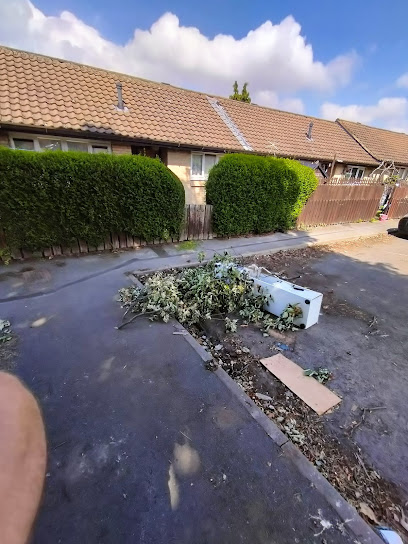
Skye Edge AveSheffield
44.2 km
Discover the stunning vistas of Skye Edge in Sheffield, a serene tourist attraction perfect for nature lovers and urban explorers alike.
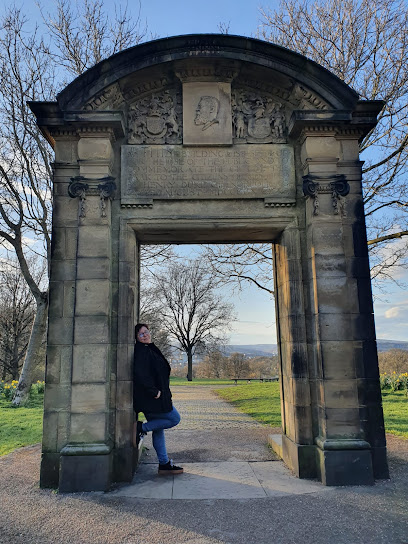
Norfolk Heritage Park
44.6 km
Discover the beauty of Norfolk Heritage Park, a serene urban oasis in Sheffield featuring lush gardens, scenic views, and endless recreational opportunities.
Victoria Quays
45.2 km
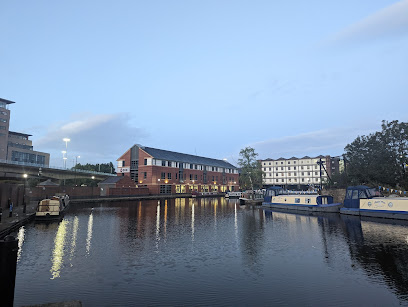
Experience the historic charm of Victoria Quays in Sheffield, where heritage meets scenic beauty along the picturesque waterfront.
Newstead Abbey
45.2 km
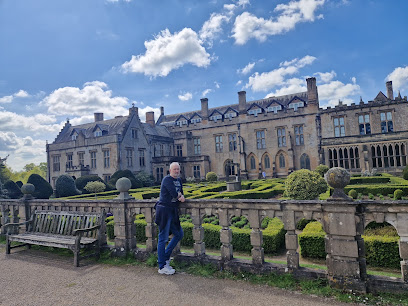
Explore the captivating beauty and rich history of Newstead Abbey, a perfect blend of culture, art, and nature in the heart of Newstead Village.
Cholera Monument Grounds and Clay Wood
45.2 km
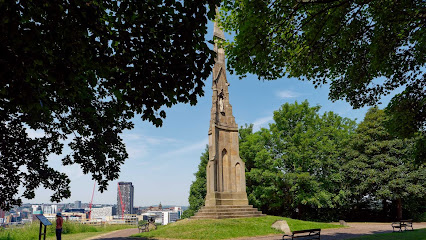
Explore the serene Cholera Monument Grounds and Clay Wood, a historical landmark in Sheffield offering beautiful nature and poignant history.
Sheffield Town Twinning, Commonwealth Bench
45.3 km
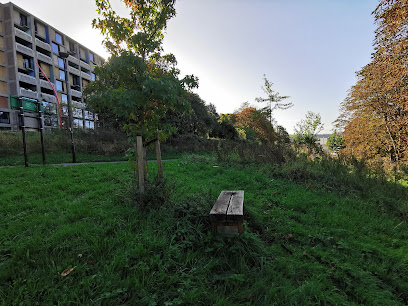
A peaceful landmark in Sheffield celebrating international friendship and the city’s enduring Commonwealth ties.
Wicker Arches
45.3 km
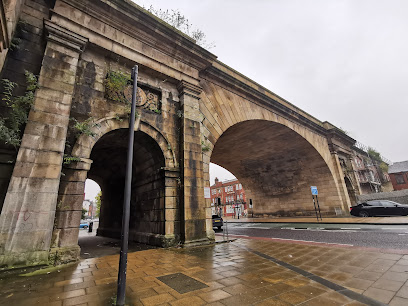
A dramatic Victorian railway viaduct running beneath Sheffield city centre, now home to workshops, bars and street art in a gritty, atmospheric urban space.
Crucible Stack
45.4 km
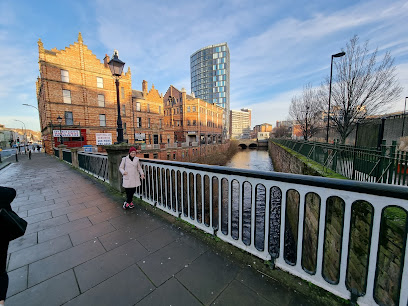
Explore Sheffield’s iconic Crucible Stack, a rare industrial landmark embodying the city’s pioneering steelmaking heritage and architectural resilience.
King Edward VII Statue
45.6 km
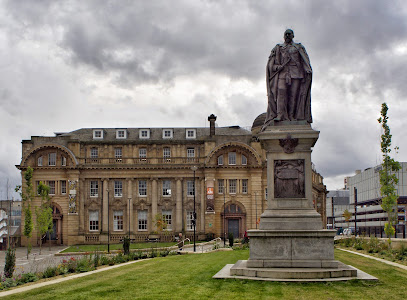
A majestic 1913 bronze statue in Sheffield’s Fitzalan Square, honoring King Edward VII with rich allegorical reliefs celebrating peace, unity, and philanthropy.
Unmissable attractions to see

Marshall's Yard
0.5 km
Gainsborough’s open-air shopping centre with big-name stores, cafés and a relaxed plaza – perfect for a day out in Lincolnshire.
Ye Olde England Tours
12.3 km
Explore England's rich heritage with Ye Olde England Tours, where history comes alive through captivating storytelling and scenic adventures.
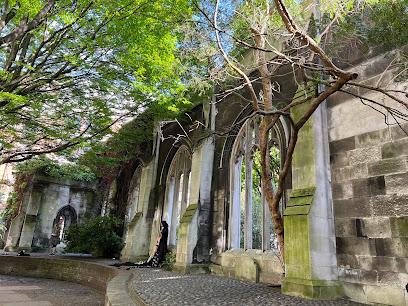
Messingham Zoo
15.4 km
Discover intimate wildlife encounters and family-friendly fun at Messingham Zoo, where animal welfare and education come first.
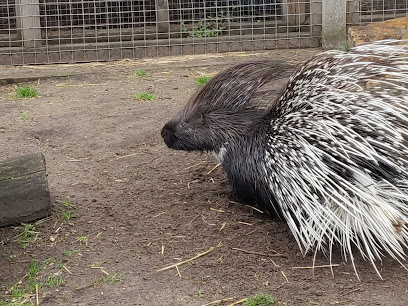
RAF Scampton heritage centre
18.9 km
The legendary home of the Dambusters, preserving a century of RAF aviation history.
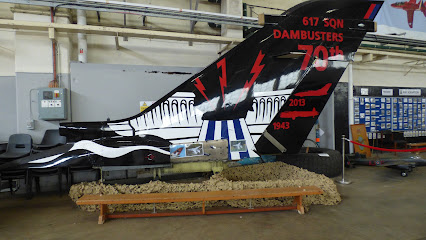
Yorkshire Wildlife Park
19.8 km
Explore Yorkshire Wildlife Park, the UK’s top walk-through wildlife adventure featuring over 70 species, immersive habitats, and family-friendly fun across 150 acres.
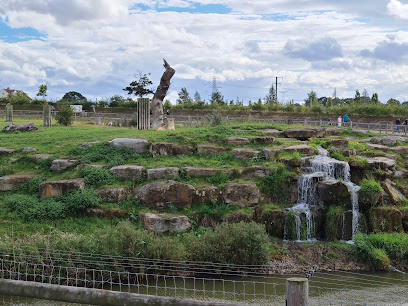
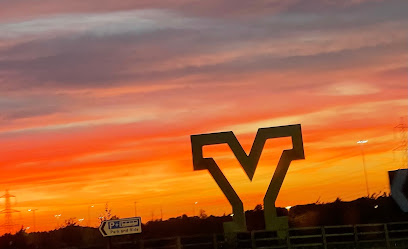
The Big Yellow Y - Gateway to Yorkshire Feature
20.4 km
A bold yellow landmark marking the gateway to Yorkshire, symbolizing regional pride and welcoming visitors with vibrant modern design.
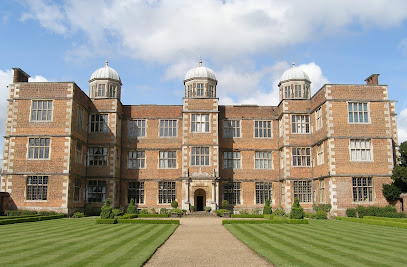
Doddington Hall & Gardens
21.7 km
Explore the timeless elegance of Doddington Hall & Gardens, an Elizabethan masterpiece with vibrant gardens and local charm near Lincoln.
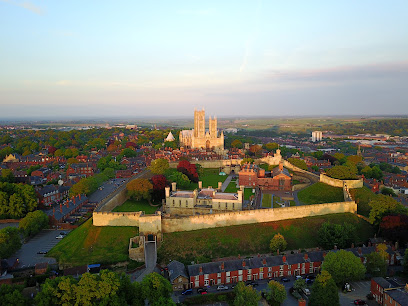
West Common
23.1 km
Historic meadow and peaceful green space offering stunning views of Lincoln Cathedral and a glimpse into the city’s racing past.
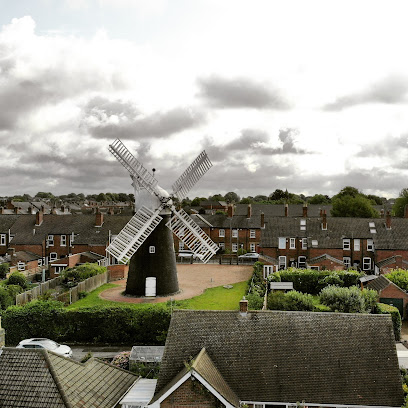
Ellis' Mill
23.8 km
Explore Ellis Mill, Lincoln’s last working windmill from 1798, a historic landmark blending industrial heritage with stunning city views.
Museum of Lincolnshire Life
23.8 km
Explore 200 years of Lincolnshire’s rich heritage through immersive exhibits, interactive family activities, and historic military collections.
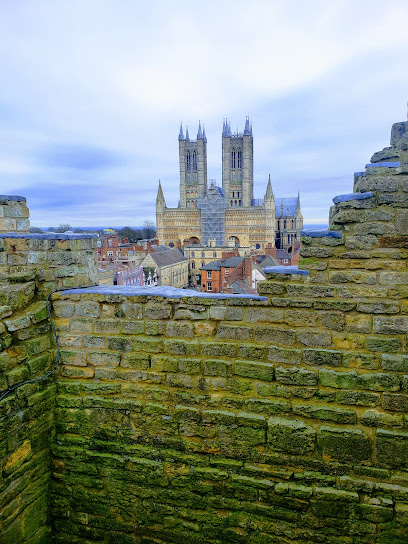
Westgate Water Tower
24.1 km
Explore the Westgate Water Tower in Lincoln, a stunning historical landmark showcasing the city's rich heritage and architectural elegance.
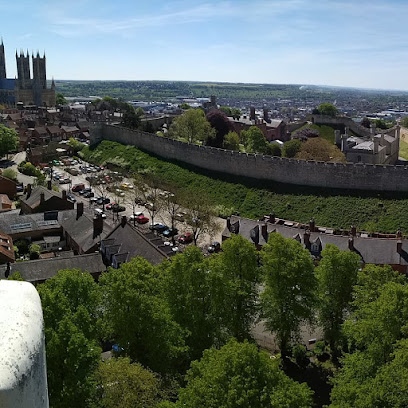
Lucy Tower
24.3 km
Explore the historic 12th-century Lucy Tower atop Lincoln Castle’s motte, offering panoramic views and a glimpse into Norman England’s medieval past.
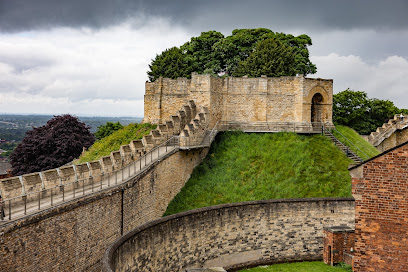
Lincoln Castle
24.3 km
Explore a millennium of history at Lincoln Castle, home to the original Magna Carta and stunning medieval ramparts.
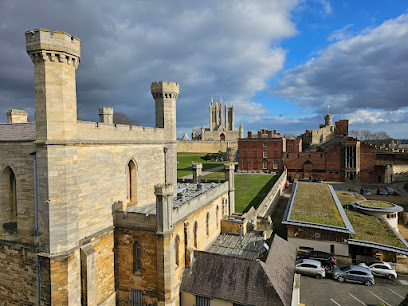
National Trust - Mr Straw's House
24.3 km
Step into a perfectly preserved 1920s grocer’s family home, frozen in time with thousands of everyday treasures.
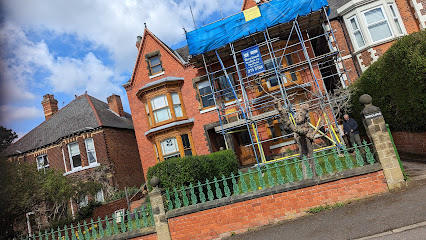
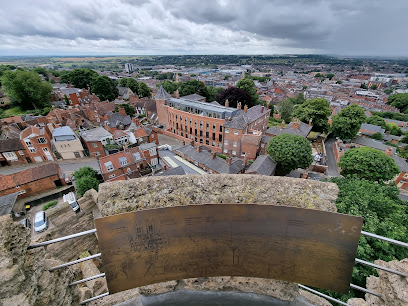
Observatory Tower
24.3 km
Discover sweeping city views and rich history atop Lincoln Castle’s iconic Observatory Tower.
Essential places to dine

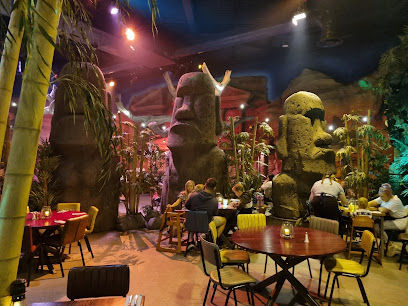
Evolution Experience Restaurant
19.8 km
Dine among animatronic dinosaurs and mythical dragons in an immersive Jurassic-themed adventure at Doncaster’s Evolution Experience Restaurant.
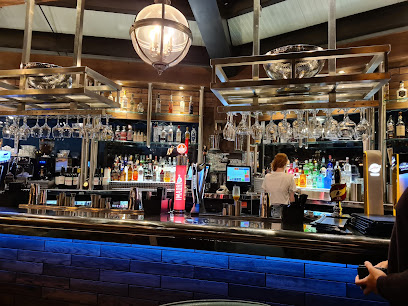
Harbour Lights
20.7 km
Chic grill and bistro at Burton Waters Marina offering stunning waterside views, refined English cuisine, and elegant event spaces near Lincoln.
The Bronze Pig
24.0 km
Michelin-guided fine dining in Lincoln's historic quarter, celebrating local ingredients and Mediterranean-inspired creativity.
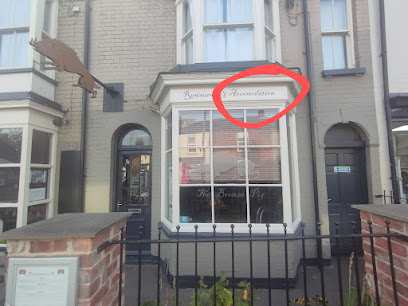
Duke William Hotel
24.2 km
Experience historic Lincoln hospitality with modern comforts, excellent British cuisine, and a welcoming atmosphere in the heart of the Cathedral Quarter.
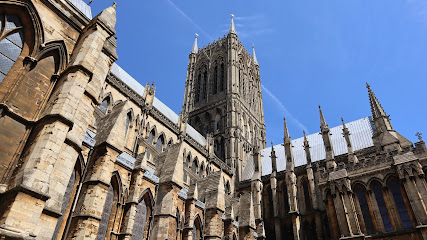
White Hart Hotel
24.4 km
Historic charm and modern luxury converge in Lincoln’s vibrant Bailgate at The White Hart Hotel, steps from cathedral and castle.

Hobbsons Restaurant and Pie Shop
24.4 km
Savor traditional British gourmet pies in a cozy, historic setting on Lincoln’s iconic Steep Hill.
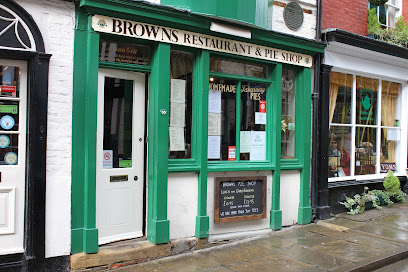
Holiday Inn Lincoln, an IHG Hotel
24.5 km
Modern comfort and scenic waterfront views converge at Holiday Inn Lincoln, your gateway to the vibrant heart of Lincoln.
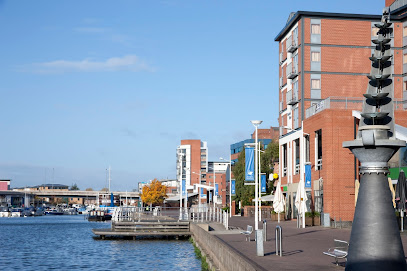
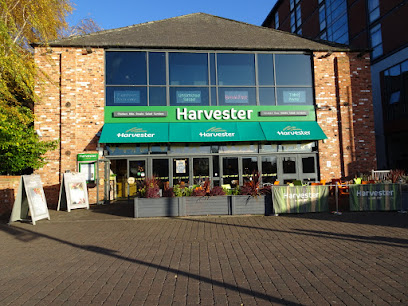
Harvester Brayford Wharf Lincoln
24.5 km
Casual British dining with a family-friendly vibe and scenic riverside views at Lincoln’s Brayford Wharf.
The Rest Hotel
24.5 km
Boutique 5-star comfort on Lincoln’s historic Steep Hill, blending modern luxury with medieval charm and a renowned coffee shop.
The Square Sail - JD Wetherspoon
24.6 km
Affordable waterfront pub in Lincoln offering classic British fare, quick service, and a relaxed atmosphere with scenic marina views.
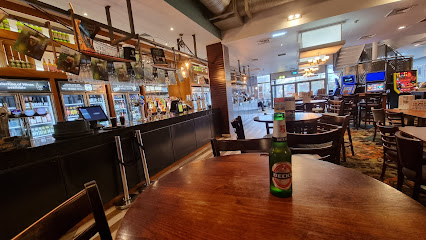
Windmill Farm - Dining & Carvery
24.7 km
A welcoming farmhouse pub and carvery in Lincoln serving hearty daily roasts and classic British dishes in a relaxed, family-friendly setting.
Premier Inn Lincoln City Centre
24.9 km
Modern comfort and friendly service in Lincoln’s historic heart, steps from the Cathedral and Castle.
Turtle Bay Lincoln
24.9 km
Experience vibrant Caribbean flavors, tropical cocktails, and reggae vibes at Turtle Bay Lincoln’s lively Central Market venue.
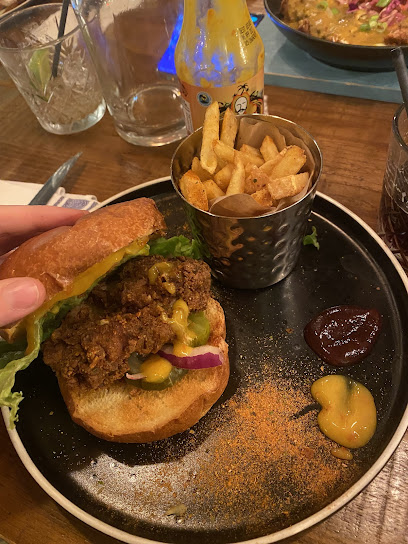
Cosy Club
24.9 km
Eclectic dining and vibrant drinks in Lincoln’s historic Corn Exchange with a quirky, vintage-inspired atmosphere.
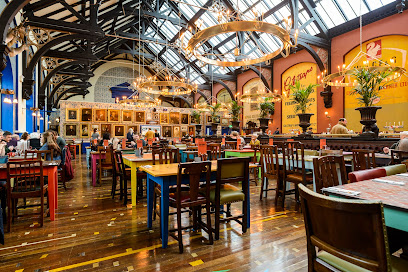
The Botanist Lincoln
25.0 km
A secret garden of botanical cocktails, seasonal cuisine, and live music in historic Lincoln.
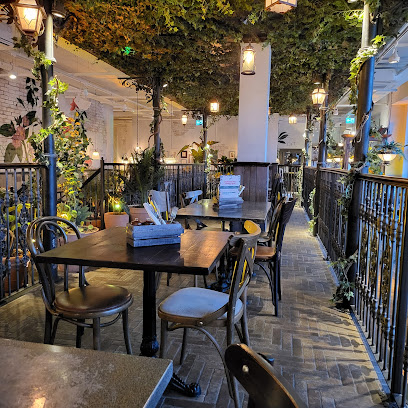
Markets, malls and hidden boutiques

The Yorkshire Hive
19.7 km
Boutique shopping, diverse dining, and family fun beside Yorkshire Wildlife Park’s wild adventures.
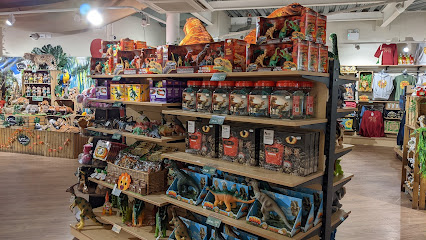
Quayside Gifts
20.7 km
Discover unique souvenirs and local treasures at Quayside Gifts in Burton Waters, Lincoln – a perfect stop for memorable gifts.
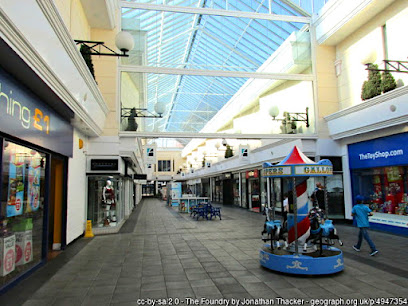
The Foundry
23.0 km
Central Scunthorpe’s welcoming shopping hub with diverse stores, cafes, and community events open seven days a week.
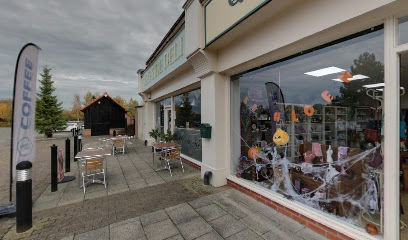
Pre-Loved From Lincolnshire
23.6 km
Discover unique handmade gifts and quality preloved treasures crafted and curated by local Lincolnshire artisans.
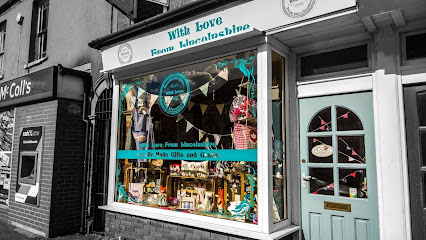
Birchwood Shopping Centre
23.8 km
A convenient and community-focused shopping destination in Lincoln’s Birchwood, offering diverse retail, dining, and essential services.
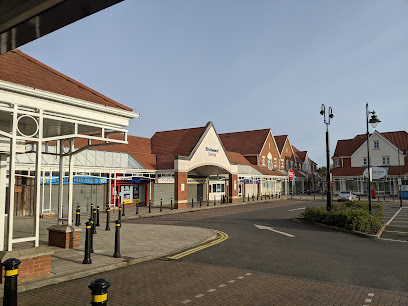
Object & line
24.3 km
Discover unique gifts and charming treats at Object & Line, Lincoln’s boutique of curated creativity and personal service.
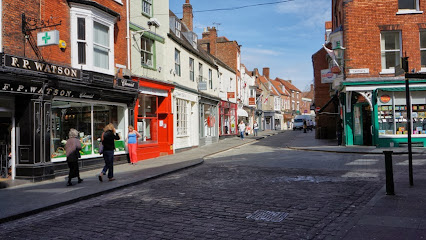
No.5 ladieswear boutique
24.3 km
Discover stylish designer ladieswear, handbags, and accessories at No.5 Ladieswear Boutique, Lincoln’s charming fashion destination.
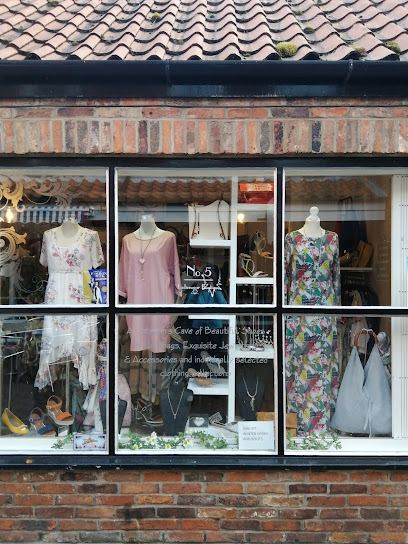
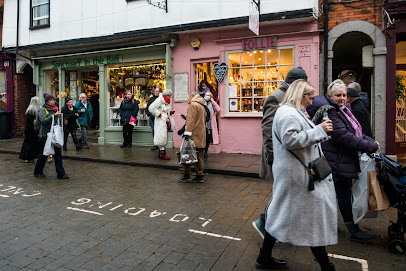
Follie
24.3 km
A charming independent gift shop in Lincoln’s historic Cathedral Quarter, offering unique home accessories, jewellery, cards and vintage-inspired finds.
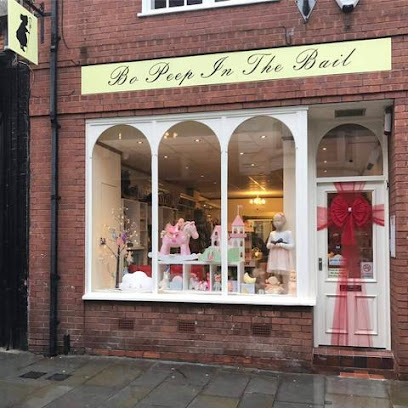
Bo Peep Boutique
24.3 km
Family-run children's clothing and toy boutique in Lincoln offering quality brands and charming gifts in a warm, historic setting.
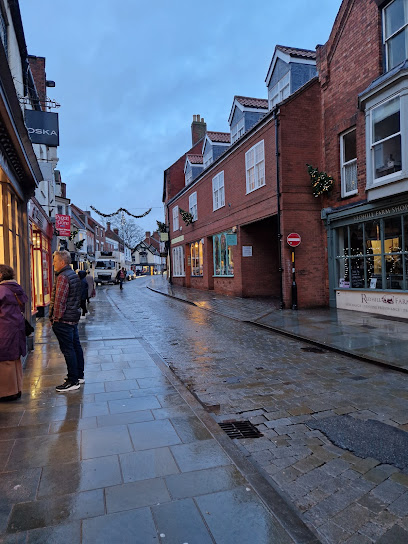
Pretty Little / Noa Noa
24.4 km
Discover unique ladies' fashion in the charming historic Bailgate district of Lincoln, blending style with personalized service.
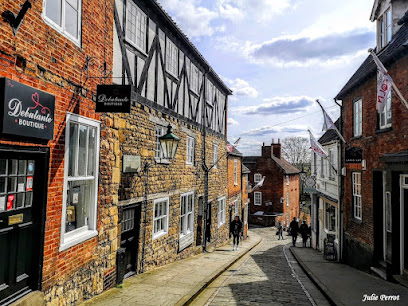
Debutante Boutique
24.5 km
Affordable, stylish ladies' clothing and accessories with French and Italian flair on Lincoln’s historic Steep Hill.
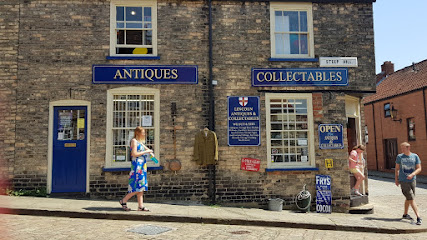
Lincoln Antiques & Collectables
24.6 km
Discover timeless treasures and vintage charm at Lincoln Antiques & Collectables, nestled on historic Steep Hill in the heart of Lincoln.
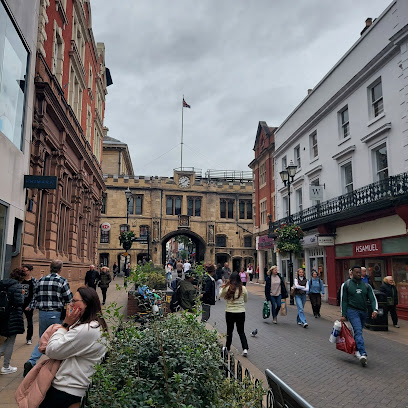
Primark
24.8 km
Discover affordable fashion and homeware for all ages in the heart of Lincoln’s vibrant High Street.
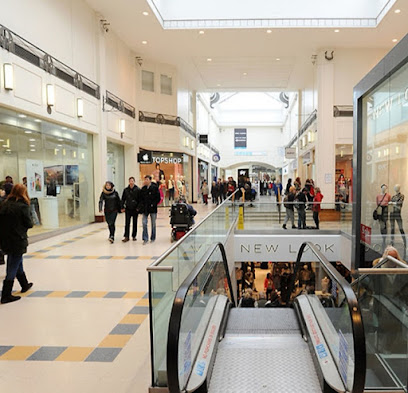
Waterside Shopping Centre
24.8 km
Compact and vibrant shopping hub in Lincoln’s city centre with popular brands, eateries, and family-friendly amenities.
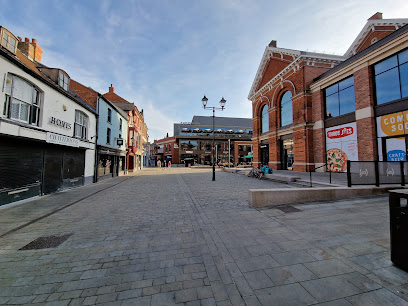
Cornhill Quarter
25.0 km
Discover Lincoln’s Cornhill Quarter, a vibrant blend of shopping, dining, culture, and entertainment at the city’s lively heart.
Essential bars & hidden hideouts

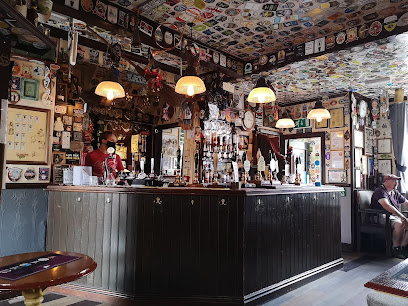
The Strugglers inn
24.1 km
A must-visit Lincoln pub famed for expertly poured cask ales, unique decor, and a warm, dog-friendly atmosphere.
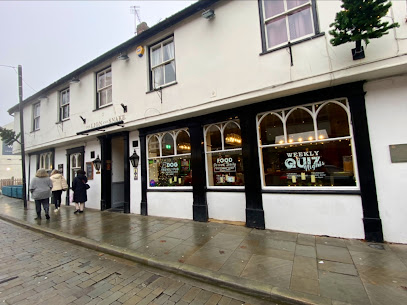
Lion & Snake
24.3 km
Experience historic charm and lively hospitality at Lincoln’s beloved Lion & Snake pub on Bailgate.
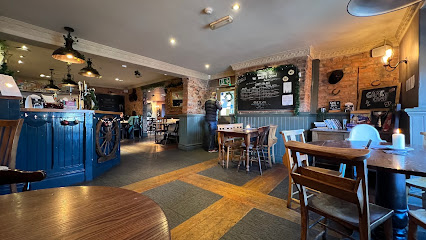
The Horse & Groom - Pub & Kitchen
24.3 km
Historic 18th-century Lincoln pub offering hearty British cuisine, local ales, and a welcoming atmosphere just steps from the city centre.
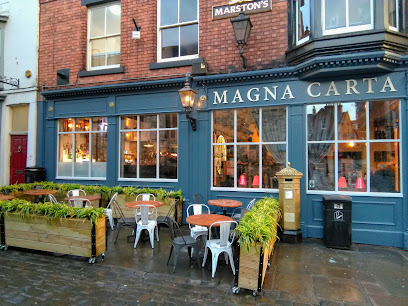
Magna Carta
24.4 km
Historic charm meets lively pub culture in Lincoln’s Magna Carta, a multi-level venue with great food, drinks, and views of the castle and cathedral.
The Electric Bar
24.4 km
Elevated waterfront cocktails and dining with panoramic views over Lincoln’s Brayford Wharf.
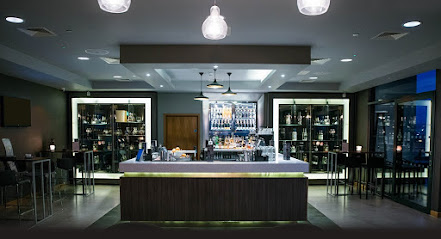
Be at One - Lincoln
24.6 km
Lively Lincoln cocktail bar with 100+ drinks, 2-for-1 happy hours, and a vibrant atmosphere on High Street.
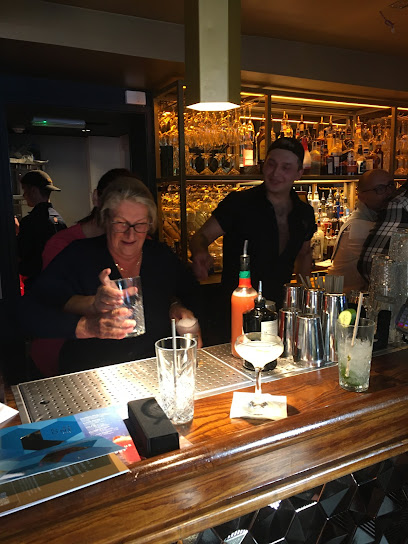
The Strait and Narrow
24.6 km
Lincoln’s quirky cocktail bar with inventive drinks, cozy nooks, and a unique social vibe featuring table phones for calling strangers.
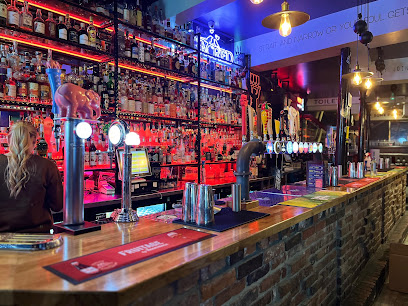
The Cardinal's Hat
24.6 km
Historic charm meets lively atmosphere at The Cardinal's Hat, Lincoln’s beloved pub with rich drinks and cozy vibes.
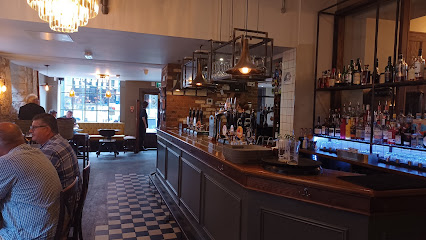
The Morning Star
24.6 km
A cozy traditional pub in Lincoln offering expertly kept ales, warm ambiance, and a prime spot near the cathedral.
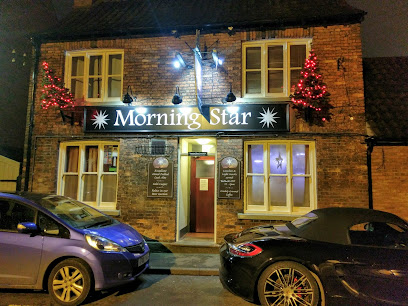
Vice & Co
24.6 km
Experience expertly crafted cocktails and a stylish speakeasy vibe at Vice & Co, Lincoln’s premier cocktail bar on Corporation Street.
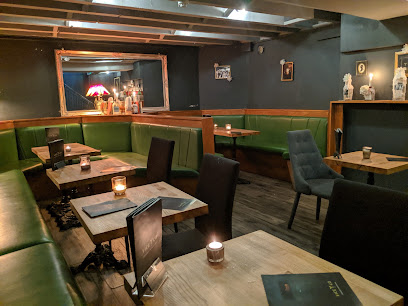
Slug & Lettuce - Lincoln
24.6 km
Lively cocktail bar and restaurant on Lincoln’s historic High Street, perfect for drinks, dining, and social nights out.
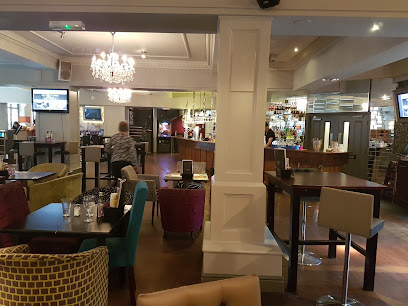
Home
24.6 km
Lincoln’s lively bar and nightclub offering great value drinks, quality food, live music, and a safe, fun atmosphere for memorable nights out.
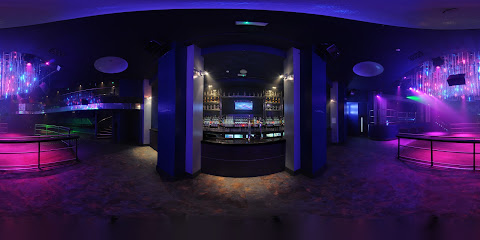
The Dandy Lion
24.6 km
Lively Lincoln pub blending craft drinks, hearty meals, and live events in a welcoming, casual setting on Newland.
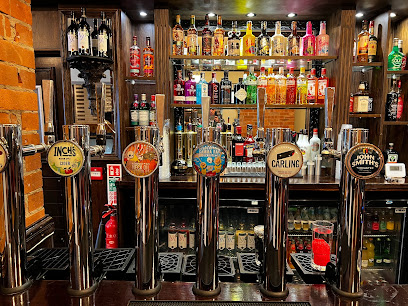
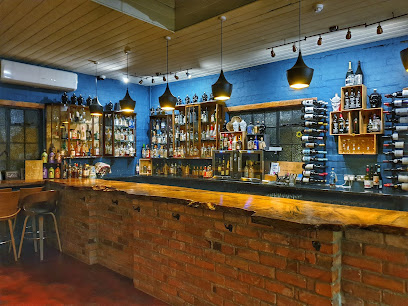
The Pessimist Gin and Wine Bar
24.6 km
Lincoln’s premier wine and gin bar offering expert pairings, locally sourced small plates, and a welcoming, stylish atmosphere.
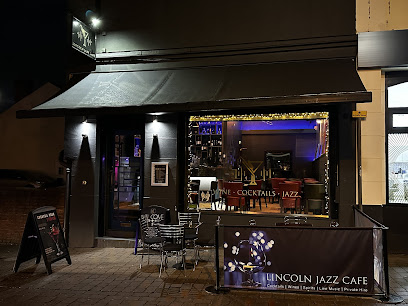
Lincoln Jazz Cafe
24.7 km
Lincoln Jazz Cafe blends intimate live jazz with masterful cocktails in a cozy vintage setting, a hidden gem in Lincoln’s heart.
Nightclubs & after hour spots

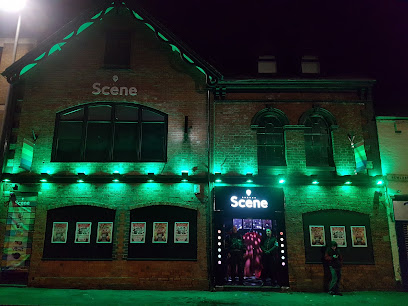
The Scene
24.5 km
Lincoln’s vibrant two-floor nightclub and LGBTQ+ venue, open nightly with diverse events and a welcoming atmosphere.
Sugarcubes Nightclub
24.6 km
Energetic and affordable nightlife in Lincoln with a unique cube-themed vibe and friendly atmosphere.

Club Desire
24.7 km
Experience Lincoln’s vibrant nightlife at Club Desire, where luxury meets affordability in a lively, welcoming gentlemen’s club setting.
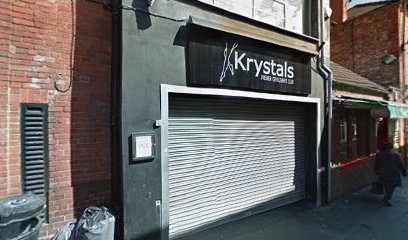
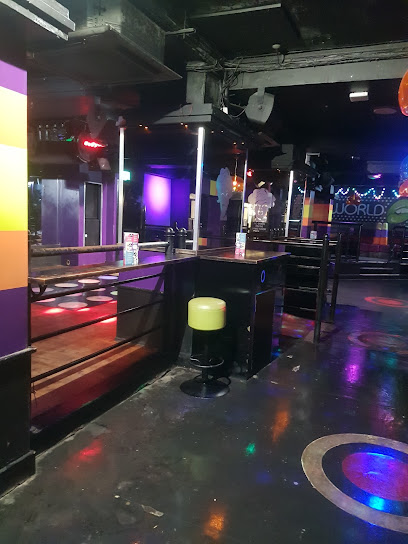
Popworld - Lincoln
24.7 km
Popworld Lincoln: Where cheesy pop hits and vibrant nightlife create unforgettable party nights on High Street.
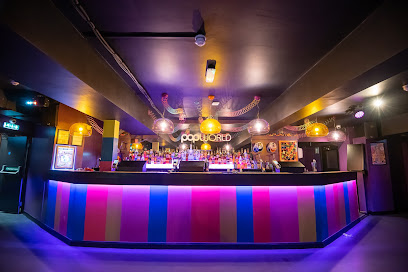
Void Nightclub
24.8 km
Lincoln’s stylish hotspot for electronic dance music, vibrant nights, and unforgettable clubbing experiences.
Lincoln Rock N Roll Club
28.2 km
A vibrant rock and roll nightspot in Waddington offering affordable drinks, energetic dancing, and a welcoming community atmosphere.
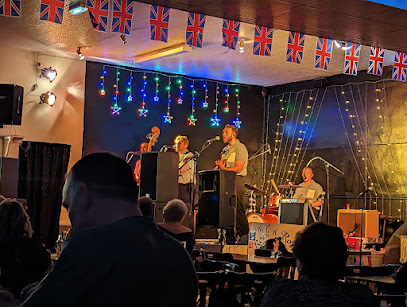
Plot 22
45.4 km
Immerse in Sheffield's underground beats at Plot 22: no phones, pure rave energy, techno to jungle in an intimate 120-cap haven.
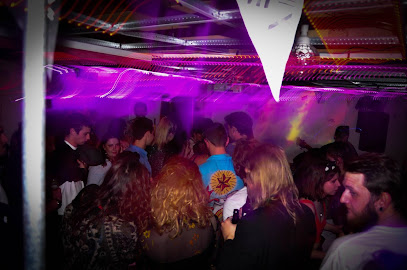
Temple Sheffield
45.6 km
Dive into Sheffield's underground heartbeat at Temple Nightclub, where beats thump till 6am, drinks flow affordably, and nights ignite with raw energy.

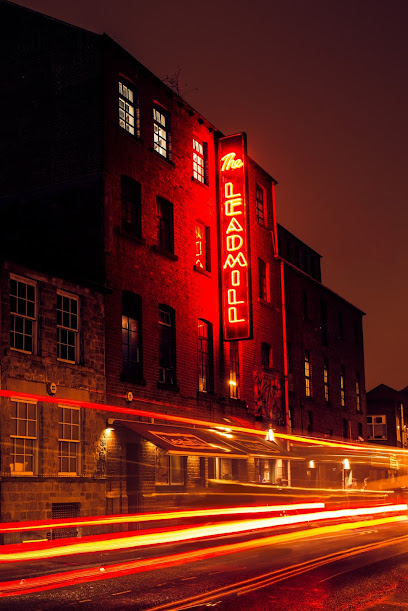
The Leadmill
45.6 km
Sheffield's 40-year heartbeat of live music, club nights, and comedy in a gritty, immersive venue near the station—where crowds roar and nights ignite.
Tank
45.6 km
A gritty, late‑night underground club on Arundel Gate — loud sound, house and techno nights, and a compact, rave‑style dancefloor.

Code Sheffield
46.0 km
Sheffield's ultimate nightclub: massive dance floor, six bars, LED lights, and epic nights till 6am—student favorites and global DJs collide in city-centre chaos.

The Viper Rooms
46.2 km
Sheffield's stylish split-level nightclub: upscale cocktails on the terrace lounge, eclectic beats on the dancefloor—dress sharp for urban nights that pulse till dawn.
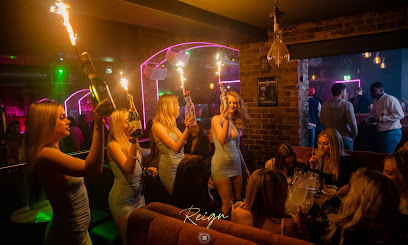
Al Ahsa Night Club
46.2 km
Dance the night away at Al Ahsa Night Club, Sheffield's premier disco destination for unforgettable nightlife experiences.
The Night Kitchen
46.2 km
Dive into Sheffield's industrial heartbeat at The Night Kitchen, where former cutlery factory walls pulse with electronic beats until dawn in a raw, inclusive nightlife haven.

Popworld - Sheffield
46.2 km
A vibrant nightclub in Sheffield city centre, Popworld offers lively pop beats, affordable drinks, and a welcoming party atmosphere every weekend.
For the vibe & atmosphere seeker
- Historic
- Tranquil
- Scenic
- Unique
For the design and aesthetic lover
- Vintage Styles
- Rustic Designs
For the architecture buff
- Historic
- Landmarks
- Heritage Neighborhoods
For the view chaser and sunset hunter
- Iconic Views
- Panoramas
- Sunset Spots
For the social media creator & influencer
- Instagrammable
- Photo Spots
- Architectural Shots
For the eco-conscious traveler
- Public-Transport Accessible
- Locally Managed
For the kind of experience you’re after
- Cultural Heritage
- Photowalk
- Day Trip
- Weekend Getaway
- Myth & Legends
For how adventurous you want the journey to be
- Easy Access
Location Audience
- Family Friendly
- Senior Friendly
- Child Friendly
- Teen Friendly
- Wheelchair Access
- Solo Friendly
- Couple Friendly
- Solo Female Friendly


