

Humber Bridge
Walk or cycle the world's longest pedestrian-accessible suspension bridge across the Humber Estuary.
The Humber Bridge is a Grade 1 listed engineering marvel spanning 1,410 metres across the Humber Estuary between East Yorkshire and Lincolnshire. Completed in 1981, it held the world record as the longest single-span suspension bridge for 16 years and remains the longest bridge in the world that pedestrians and cyclists can cross. The bridge's pioneering design and sophisticated structure earned it Grade 1 listing status in 2017. Walkers and cyclists cross free of charge, while viewing telescopes and the adjacent Humber Bridge Country Park offer scenic vistas and nature trails.
A brief summary to Humber Bridge
- A15, Barton-upon-Humber, GB
- +441482647161
- Visit website
- Duration: 0.5 to 4 hours
- Free
-
 Outdoor
- Mobile reception: 4 out of 5
Local tips
- Cross early in the morning or late afternoon to avoid peak traffic times and enjoy quieter walking conditions with softer light for photography.
- Check weather forecasts before visiting; windy conditions are noticeable on the exposed bridge, and visibility can be limited in fog or heavy rain.
- Wear comfortable walking shoes and bring water; the 2-mile crossing takes 30 to 45 minutes, and there are no facilities mid-bridge.
- Combine your bridge visit with the Humber Bridge Country Park trails and the Tourist Information Centre for a full half-day experience.
- Use the viewing telescopes positioned along the bridge to spot wildlife and gain detailed perspectives of the estuary landscape.

For the on-the-go comforts that matter to you
- Restrooms
- Drink Options
- Food Options
- Seating Areas
- Information Boards
- Visitor Center
- Picnic Areas
- Trash Bins
Getting There
-
Car with HumberTAG Toll System
Drive via the A15 to Barton-upon-Humber (north side) or via the A63 to Hessle (south side). Vehicle tolls apply; the HumberTAG electronic tolling system is standard. Tolls are approximately £1.50 per crossing. Free parking available on the north side at the main car park; paid parking at Hessle Foreshore. Journey time across the bridge is approximately 5 to 10 minutes depending on traffic.
-
Bus Service
EYMS bus routes 56, 57, 66, 155, and 156 serve the bridge area. Bus stops are located on Ferriby Road next to the Bridge car park and in Hessle Square (approximately 0.75 miles from the bridge). Service frequency varies by route; typical journey times from Hull city centre are 20 to 40 minutes depending on the route and stops. No additional charge beyond standard bus fare.
-
Walking or Cycling
Pedestrians and cyclists cross the Humber Bridge completely free of charge. The crossing distance is approximately 2 miles (3.2 kilometres). Walking typically takes 30 to 45 minutes; cycling takes 10 to 20 minutes depending on fitness level and pace. Access is available from both the Barton-upon-Humber side (north) and Hessle side (south). The Hessle Foreshore entrance provides step-free access for wheelchair users and those with mobility challenges.
-
Train to Local Station
The nearest railway station is Barton-upon-Humber, approximately 3.5 kilometres from the bridge's north entrance. From the station, local bus services (routes 56 and 57) provide connections to the bridge, or a taxi journey of approximately 10 to 15 minutes. Alternatively, the walk from the station to the bridge takes approximately 45 minutes to 1 hour via local roads.
Humber Bridge location weather suitability
-
 Any Weather
-
 Clear Skies
-
 Mild Temperatures
Discover more about Humber Bridge
Engineering Legacy and Historic Significance
The Humber Bridge stands as one of Britain's most remarkable feats of modern engineering. Spanning 1,410 metres across the Humber Estuary, this suspension bridge was completed in 1981 after centuries of campaigning and the passage of the Humber Bridge Act in 1972. For 16 years following its completion, it held the prestigious title of the world's longest single-span suspension bridge, a record that cemented its place in engineering history. Today, it remains the longest bridge in the world that allows pedestrians and cyclists to cross, a distinction that underscores its unique accessibility and design. In 2017, Historic England awarded the bridge Grade 1 listed status in recognition of its pioneering engineering and sophisticated structural design.Transformative Impact on Regional Connectivity
Before the bridge's construction, the Humber Estuary served as a significant barrier to trade and travel between East Yorkshire and Lincolnshire. The bridge has fundamentally transformed the region's connectivity, saving millions of hours of valuable travel time by eliminating the need for lengthy detours through Goole. This dramatic reduction in journey times has maximised regional trade opportunities and contributed to measurable reductions in transport-related emissions. More than 100,000 vehicles now use the bridge each week, testament to its critical role in the region's infrastructure and economic vitality.A Pedestrian and Cyclist Paradise
Unlike many major suspension bridges, the Humber Bridge welcomes walkers and cyclists at no cost, making it exceptionally accessible to visitors seeking an active experience. The approximately 2-mile crossing offers unobstructed views across the Humber Estuary and surrounding landscape, with viewing telescopes positioned throughout the bridge to enhance the experience. The gentle gradient and wide pathways make the crossing manageable for most fitness levels, though the exposed nature of the bridge means windy conditions can be noticeable. The crossing typically takes 30 to 45 minutes depending on pace and how long visitors pause to take in the views.Humber Bridge Country Park and Surrounding Amenities
Adjacent to the bridge lies the Humber Bridge Country Park, a designated Local Nature Reserve offering extensive walking trails and natural attractions. The park features the Meadow Trail (1.25 kilometres), Pond Trail (2.5 kilometres), and Cliff Trail (3 kilometres), each providing distinct perspectives of the estuary and local wildlife. Sculptural seats, a bird feeding station, an orienteering course, and a tree trail enhance the visitor experience. The Country Park Inn provides refreshments on Hessle Foreshore, while public toilets are available at both the main car park and Hessle Foreshore entrance. A Tourist Information Centre in the Humber Bridge car park promotes local events and provides comprehensive leaflets, maps, and local artwork for sale.Accessibility and Visitor Facilities
The Humber Bridge is designed to welcome visitors of all abilities. The Hessle Foreshore entrance provides step-free access for wheelchair users and those with mobility challenges, ensuring that the bridge's engineering marvel is accessible to everyone. The park is open every day of the year, with free parking available on the north side. Dogs are welcome throughout the area but must be kept under close control. The bridge's iconic status has made it a popular subject for photography, with viewing points offering spectacular vistas suitable for all skill levels.A Monument to Human Achievement
While newer suspension bridges have since surpassed its length, the Humber Bridge remains a stunning testament to 1980s engineering and a genuine piece of recent British history. Its elegant proportions and sophisticated design continue to captivate visitors and engineers alike. The bridge's Grade 1 listing ensures its preservation for future generations, securing its place as one of the United Kingdom's most significant modern landmarks. Whether experienced as a functional crossing or as a destination in its own right, the Humber Bridge offers a profound sense of connection to both the landscape and the ingenuity of human engineering.Iconic landmarks you can’t miss

Humber Bridge
0.0 km
Walk or cycle the world's longest pedestrian-accessible suspension bridge across the Humber Estuary.
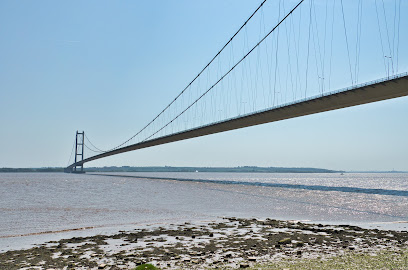
Humber
15.8 km
Experience the sublime elegance of the Humber Bridge, the world’s longest pedestrian-accessible single-span suspension bridge spanning England’s Humber Estuary.
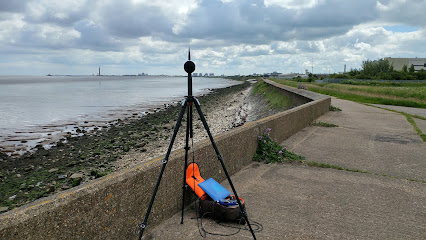
Cawood Castle Gatehouse
46.9 km
Step into medieval history at Cawood Castle Gatehouse, a beautifully restored 15th-century archiepiscopal residence with panoramic Yorkshire views.
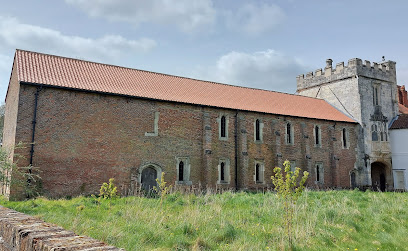
Millennium Bridge
49.3 km
Contemporary engineering meets riverside beauty—York's illuminated pedestrian bridge spanning the Ouse.
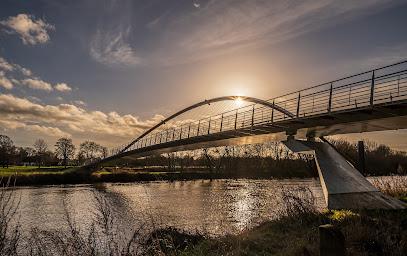
Walmgate Bar
49.3 km
York’s most complete medieval gatehouse, with the only surviving town gate barbican in England and a quirky coffee house inside its ancient walls.
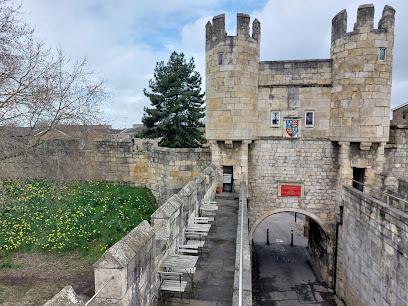
The Stonebow
49.9 km
A historic gateway blending medieval charm and architectural evolution at York’s vibrant city heart.
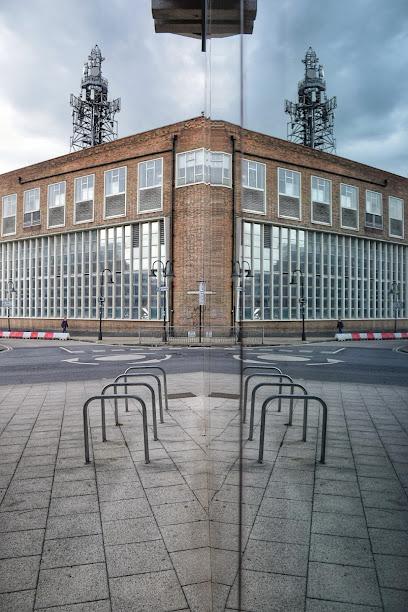
DIG: An Archaeological Adventure
50.0 km
Explore the depths of history at DIG in York, where archaeology comes alive through interactive exhibits and hands-on adventures for all ages.
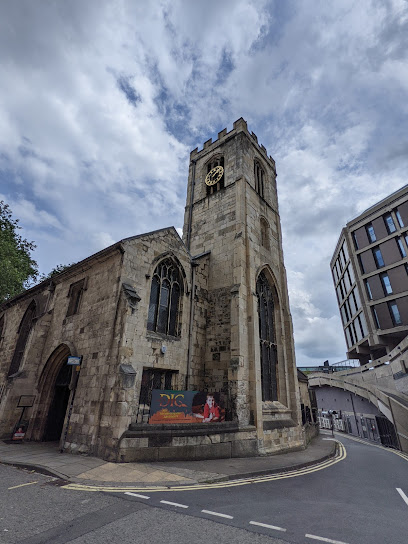
Whip-Ma-Whop-Ma-Gate Sign
50.1 km
Explore Whip-Ma-Whop-Ma-Gate, one of England's shortest streets, and immerse yourself in the quirky charm of York's rich history and vibrant culture.
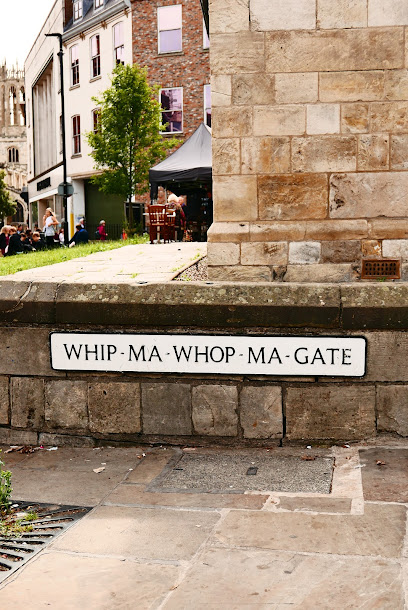
Whip-Ma-Whop-Ma Gate
50.1 km
Experience the charm and history of Whip-Ma-Whop-Ma Gate, a unique treasure in the heart of York, England.

The York Dungeon
50.1 km
Experience the chilling tales of York's past at The York Dungeon, where history, horror, and entertainment intersect for an unforgettable adventure.
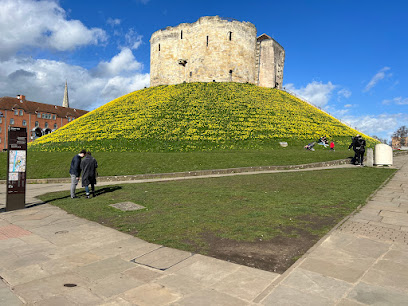
St Crux
50.1 km
Explore the echoes of medieval York at St Crux, where a grand church’s legacy lives on in a historic parish hall and poignant tales of martyrdom.
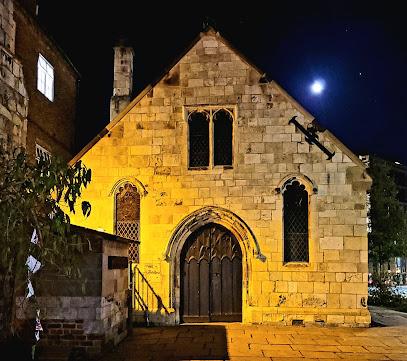
Parish of All Saints, Pavement
50.1 km
Explore the serene beauty and rich history of the Parish of All Saints, Pavement - a majestic Anglican church in the heart of York, England.
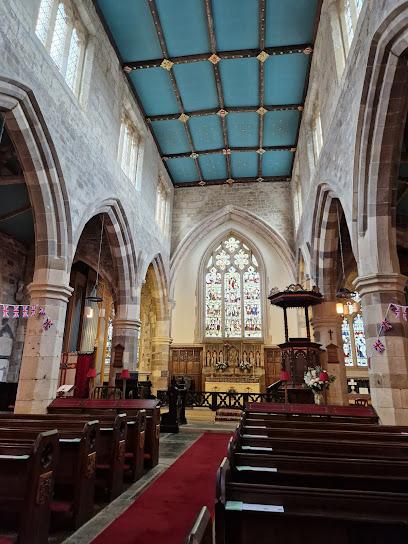
Wizard Walk of York - WINNER Best Tour and Best of York Award!
50.1 km
Experience the magic of York with the Wizard Walk, an award-winning tour that unveils the city's enchanting history and captivating tales.
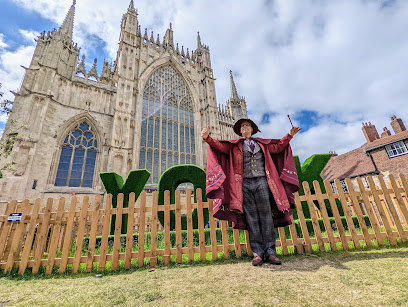
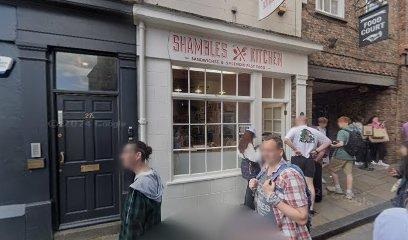
28 Shambles
50.1 km
Medieval York's most iconic street, where 900 years of history meet vibrant modern commerce.
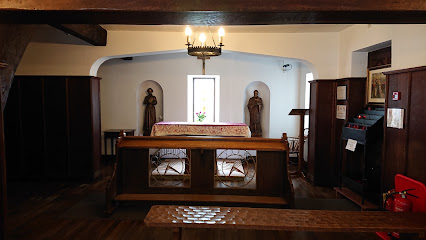
Shrine of Saint Margaret Clitherow
50.1 km
Explore the Shrine of Saint Margaret Clitherow in York, a serene sanctuary steeped in history and spiritual significance, perfect for reflection and discovery.
Unmissable attractions to see

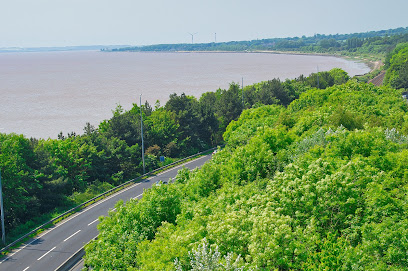
Humber Bridge Country Park
1.6 km
Explore scenic trails, chalk cliffs, and stunning Humber Bridge views at this family-friendly nature reserve in Hessle.
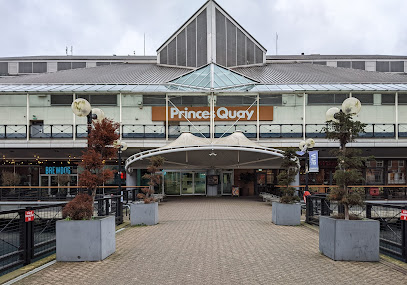
Princes Quay
8.4 km
A unique waterfront shopping and leisure destination in Hull blending retail, dining, and entertainment with scenic indoor canals.
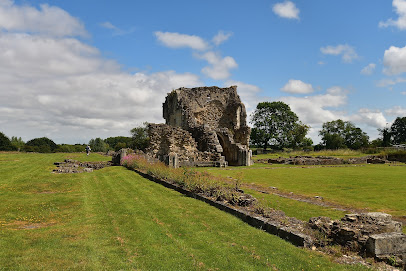
Thornton Abbey and Gatehouse
10.5 km
Explore one of England’s grandest medieval abbeys and its iconic fortified gatehouse, a masterpiece of 14th-century brick architecture.
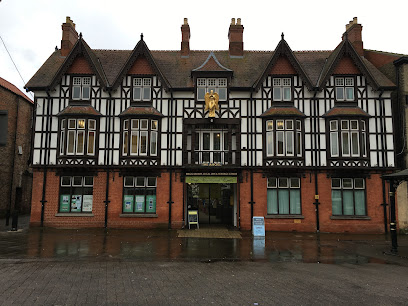
Brigg Heritage Centre
17.2 km
Discover Brigg’s ancient heritage and vibrant community spirit at the historic Angel Building’s Brigg Heritage Centre.
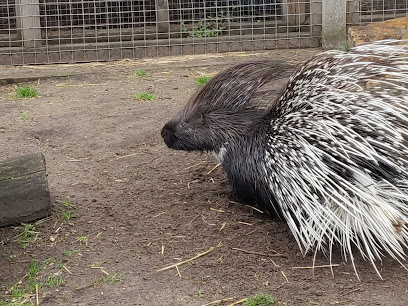
Messingham Zoo
25.2 km
Discover intimate wildlife encounters and family-friendly fun at Messingham Zoo, where animal welfare and education come first.
Hall Farm Park
26.5 km
Discover hands-on farm fun and friendly animals in the scenic Lincolnshire Wolds at Hall Farm Park, perfect for family days out.
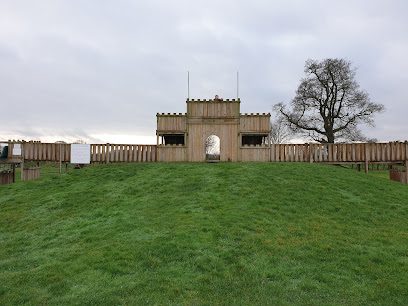
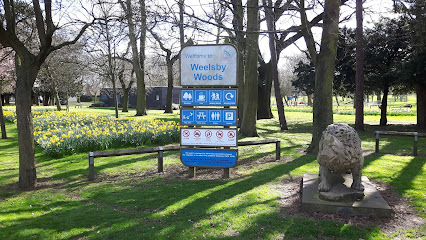
Weelsby Woods Country Park
30.7 km
A spacious woodland retreat on Grimsby's edge, offering tranquil walks, open fields, and year-round natural beauty for all ages.
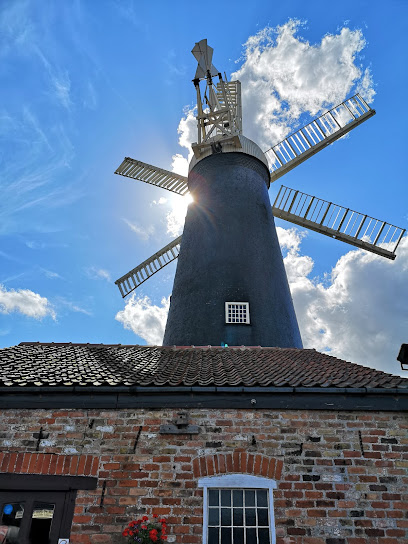
Waltham Windmill
31.5 km
Explore Waltham Windmill, a fully restored Victorian six-sail mill set on scenic Lincolnshire high ground, blending heritage, education, and family-friendly charm.
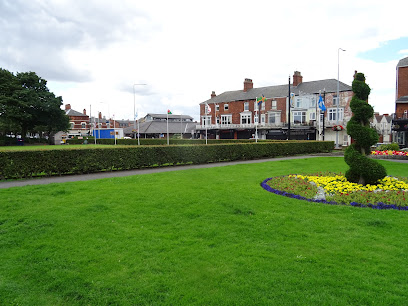
Cleethorpes Pier Gardens
32.2 km
A picturesque seaside garden offering family fun, scenic views, and classic coastal charm on Cleethorpes’ Central Promenade.
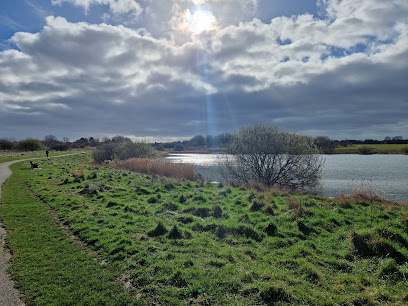
Cleethorpes Country Park
33.3 km
A tranquil 160-acre nature reserve with a scenic lake, accessible trails, and dog-friendly spaces in the heart of Cleethorpes.
Cleethorpes Boating Lake
33.7 km
A peaceful lakeside retreat in Cleethorpes offering family fun, scenic walks, and nature encounters all year round.
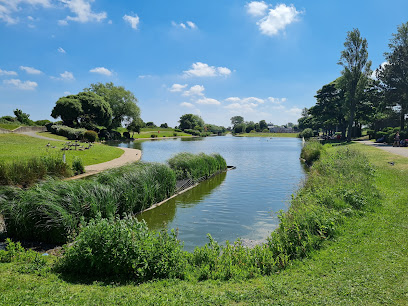
Lincolnshire coast
33.9 km
A classic British seaside bay with sandy beaches, historic charm, and vibrant family attractions on the Humber estuary.
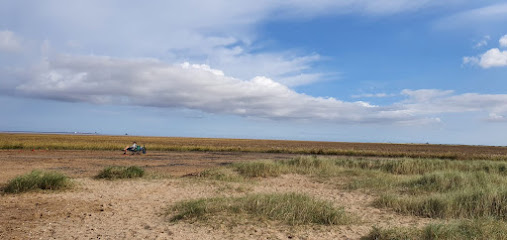
Cleethorpes Coast Light Railway
34.1 km
Historic miniature railway along the Lincolnshire coast with scenic rides, crazy golf, and the world’s smallest pub.
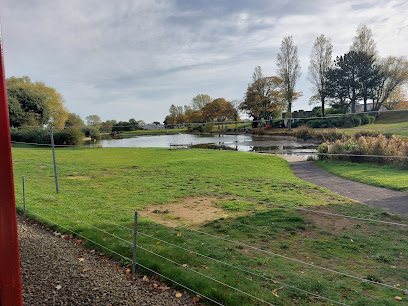
Bully Hill
35.4 km
Historic Bully Hill offers scenic views and springs that shaped Market Rasen’s industrial heritage and rural charm.
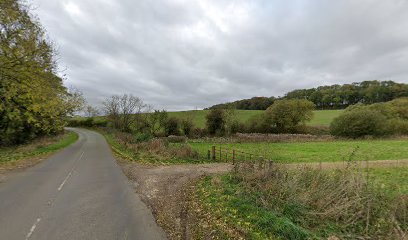
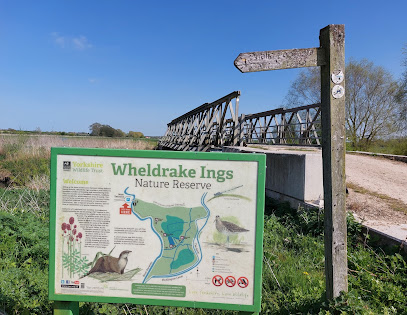
Wheldrake Ings Nature Reserve
38.6 km
A serene wetland sanctuary near York, Wheldrake Ings offers spectacular birdwatching, peaceful walks, and rich wildlife across its flood meadows and riverbanks.
Essential places to dine

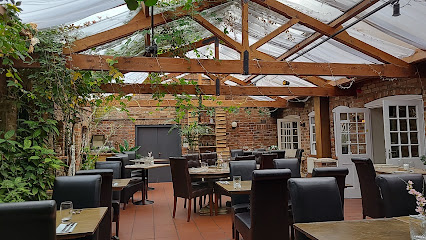
Imaginarium
2.6 km
Experience the vibrant flavors of Modern British cuisine in the heart of Barton-upon-Humber’s historic market square.
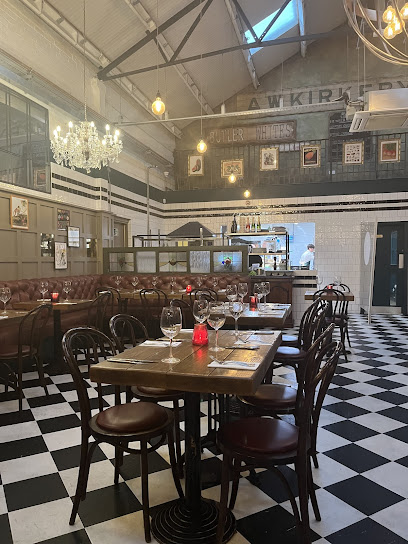
Butler Whites
8.4 km
Modern dining with gluten-free flair and lively atmosphere on Hull’s vibrant Humber Street food scene.
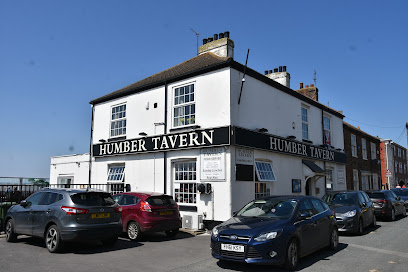
Humber Tavern
14.2 km
Traditional pub charm meets scenic Humber estuary views in Paull, offering hearty home-cooked meals and warm hospitality.
Pipe and Glass
21.9 km
A Michelin-starred Yorkshire pub blending rustic charm, hearty local cuisine, award-winning wines, and boutique luxury accommodation.
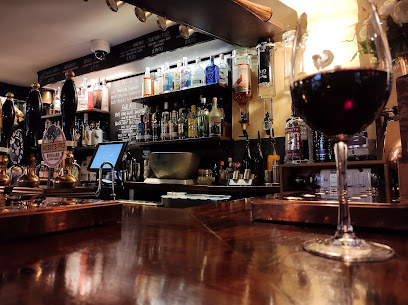
Evolution Experience Restaurant
44.5 km
Dine among animatronic dinosaurs and mythical dragons in an immersive Jurassic-themed adventure at Doncaster’s Evolution Experience Restaurant.
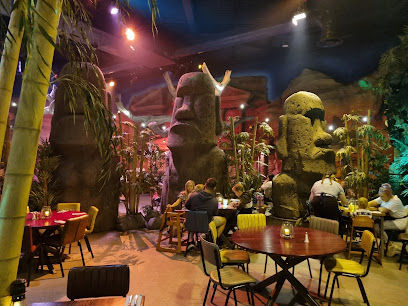
Woolpack Inn
47.9 km
Discover the heart of Louth at Woolpack Inn - where great food meets friendly faces in a cozy English pub atmosphere.
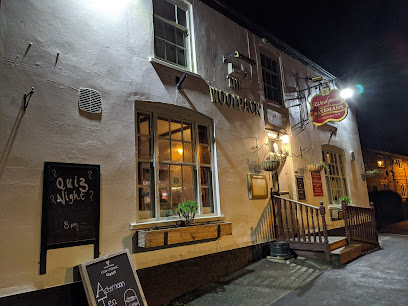
Bosun's at The Riverfront York
48.4 km
Experience award-winning riverside dining and tranquil outdoor escapes at Bosun's and The Riverfront York in Bishopthorpe.
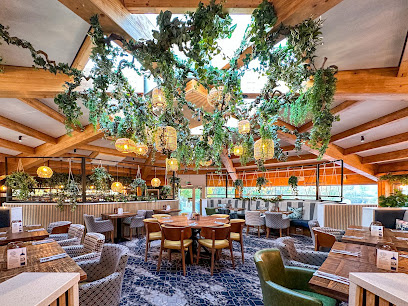
The Rythre Arms Steakhouse
49.4 km
A charming English steakhouse in Ryther offering expertly cooked steaks, warm hospitality, and a cozy countryside atmosphere.
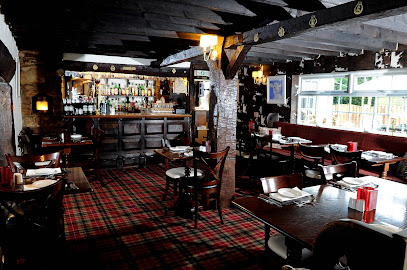
Tabanco By Ambiente
49.7 km
Experience authentic Spanish tapas and sherry in a warm, inviting atmosphere at Tabanco By Ambiente in York’s historic Walmgate.
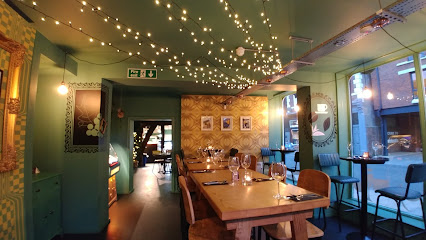
Il Paradiso Del Cibo
49.8 km
A lively, cash-only Italian gem on Walmgate, serving authentic Sardinian-style pizzas, pastas, and hearty meat dishes in a bustling, family-run setting.
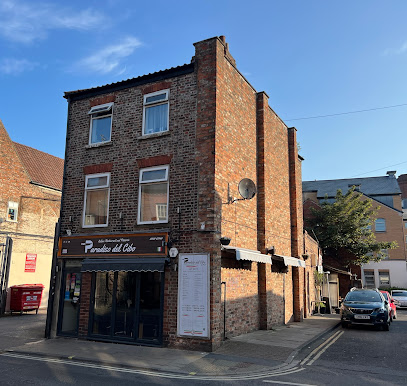
Huckleberrys American Diner
49.8 km
Classic American diner fare with a friendly vibe, hearty burgers, and a welcoming atmosphere in the heart of York.
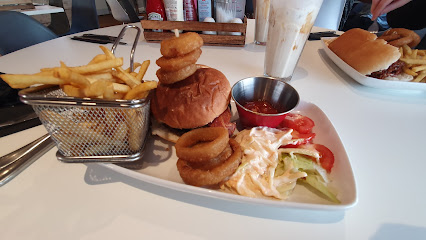
Melton's Restaurant
49.9 km
An intimate York gem offering inventive Modern British tasting menus with expert wine pairings in a warm, unpretentious setting.
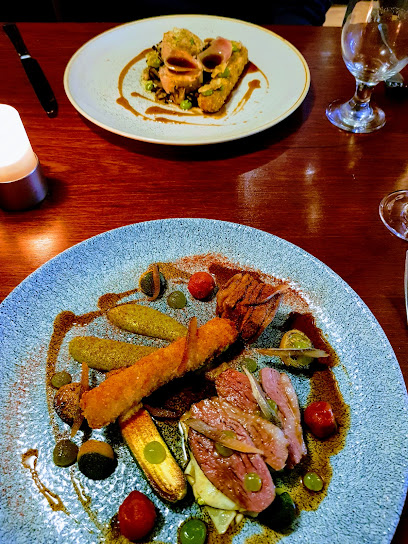
The Blue Barbakan
49.9 km
Experience hearty Polish classics and warm hospitality in York’s vibrant Fossgate at The Blue Barbakan.
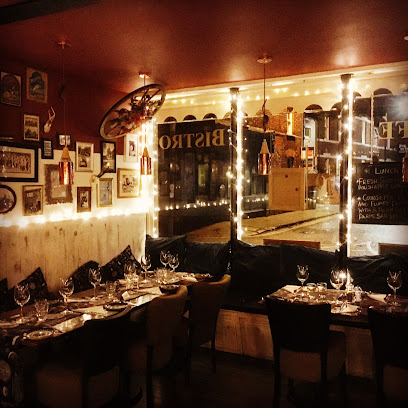
Ambiente Tapas Fossgate
49.9 km
Experience authentic Spanish tapas and vibrant atmosphere in York’s stylish Ambiente Tapas Fossgate, perfect for sharing, sipping, and socializing.
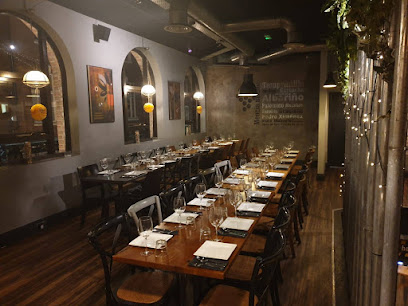
31 Castlegate Restaurant
49.9 km
Experience refined modern European dining in the historic heart of York, blending seasonal flavors with warm hospitality.
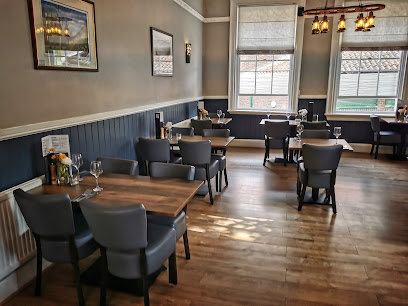
Markets, malls and hidden boutiques

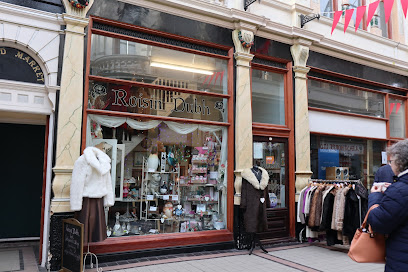
Roisin Dubh Vintage and Retro inspired clothing and gift Boutique
8.7 km
Discover timeless vintage fashion and unique gifts in the heart of Hull’s historic Hepworth's Arcade.
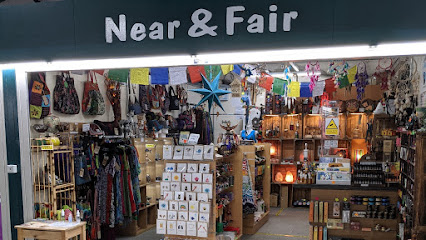
Near & Fair
8.7 km
Discover unique gifts and ethical fashion in the heart of Hull’s vibrant Trinity Market at Near & Fair.
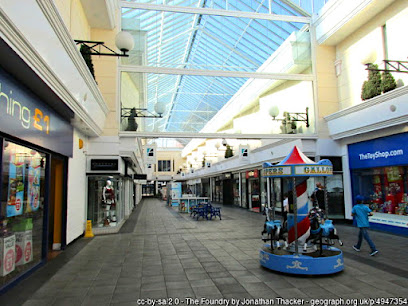
The Foundry
18.0 km
Central Scunthorpe’s welcoming shopping hub with diverse stores, cafes, and community events open seven days a week.
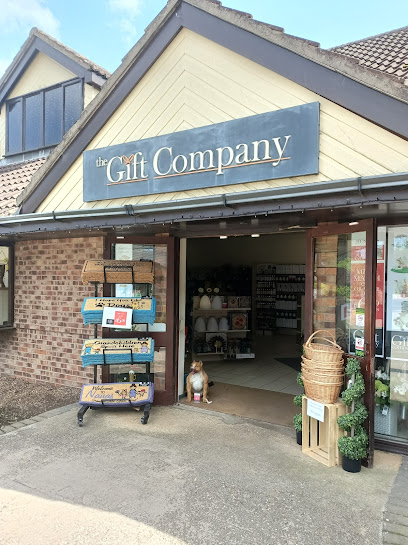
Hornsea Freeport
28.2 km
Discover the UK's first factory outlet village offering up to 50% off famous brands in a charming landscaped setting near Yorkshire’s coast.
Museum Shop
41.8 km
Explore the Museum Shop in York for unique gifts and souvenirs that celebrate the local culture and history.
The Yorkshire Hive
44.6 km
Boutique shopping, diverse dining, and family fun beside Yorkshire Wildlife Park’s wild adventures.
Expressions
49.8 km
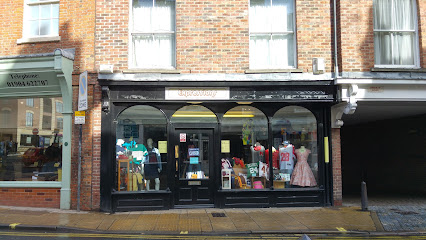
Discover unique vintage American sportswear and retro styles at Expressions, York’s friendly and authentic vintage clothing shop on historic Walmgate.
Fenwick York
49.9 km
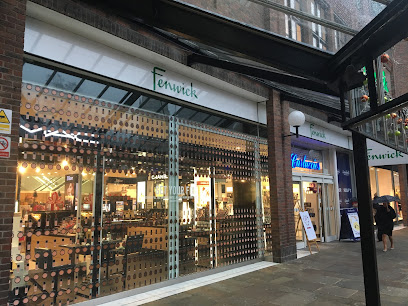
Discover luxury fashion, beauty, and homeware at Fenwick York, a boutique department store nestled in the heart of Coppergate Centre.
Flying Tiger Copenhagen
50.0 km
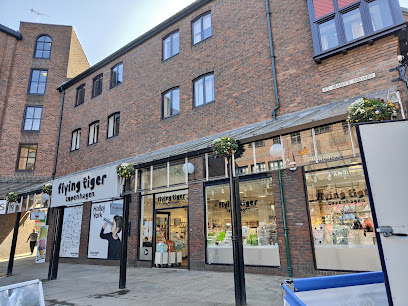
Scandinavian creativity meets quirky British charm in this beloved gift and lifestyle shop.
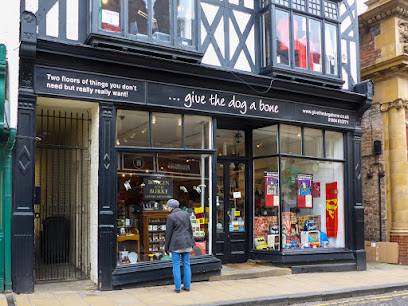
Give The Dog A Bone
50.0 km
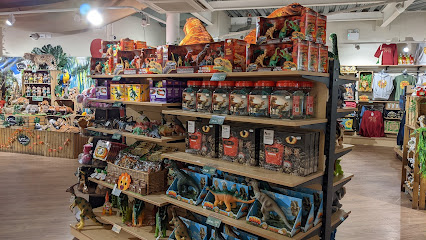
Discover York’s quirky gift haven with two floors of unique treasures, from funky homeware to pop culture collectibles on historic Fossgate.
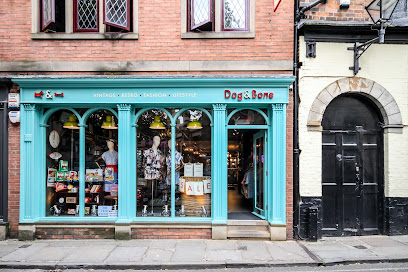
Dog & Bone Vintage
50.0 km
Discover timeless vintage fashion and unique homewares in York’s charming Dog & Bone Vintage, where style meets sustainability across two floors.
Coppergate Shopping Centre
50.1 km
Experience the vibrant shopping scene at Coppergate Shopping Centre, where unique stores meet delightful dining in the heart of historic York.
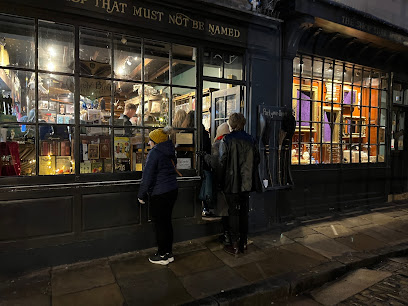
The Shop That Must Not Be Named
50.1 km
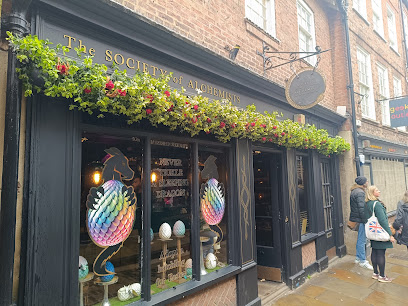
Discover a magical shopping experience at The Shop That Must Not Be Named in York, where fantasy and adventure come alive with enchanting gifts.
Gift Gallery
50.1 km
Discover unique gifts and charming souvenirs in the heart of York’s historic Shambles, where tradition meets thoughtful shopping.
The York Vikings
50.1 km
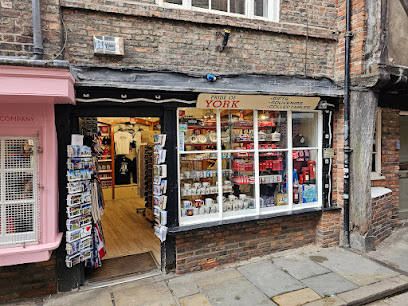
Explore The York Vikings, a unique gift shop in York offering Viking-themed merchandise in a charming historic setting.
Essential bars & hidden hideouts

Harry's Bar
2.3 km
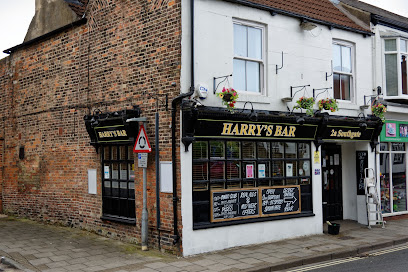
A lively Hessle bar blending live music, sports, and casual pub vibes for an affordable and fun night out.
Humber Dock Bar & Grill
8.4 km
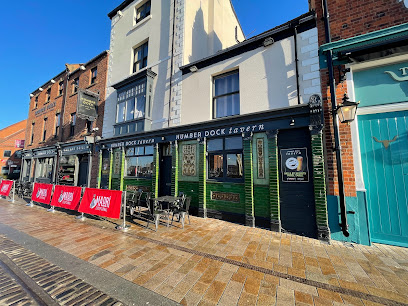
Relax by Hull’s marina at the Humber Dock Bar & Grill, where traditional ales, hearty pub food, and waterfront views create a welcoming local hub.
Furley & Co
8.5 km
Quirky dockside pub in Hull offering craft beers, hearty British fare, and a welcoming atmosphere with historic charm.
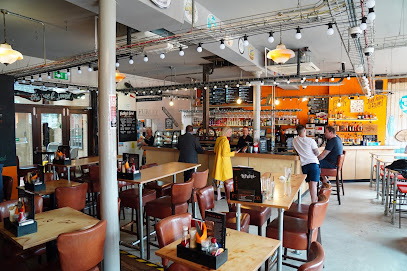
Rooftop Bar
8.5 km
Enjoy panoramic city and harbor views with crafted cocktails atop Hull’s vibrant Humber Street.
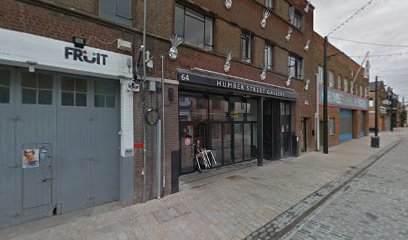
Dyls
49.9 km
Historic bridge tower café-bar in York offering riverside views, locally sourced brunch, and vegan-friendly delights in a cozy, unique setting.
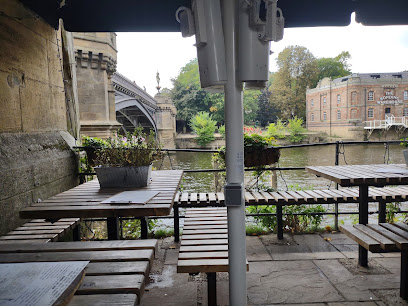
The Fossgate Social
50.0 km
A lively independent bar and coffee shop on York’s Fossgate, known for craft drinks, specialty coffee, and a welcoming atmosphere.
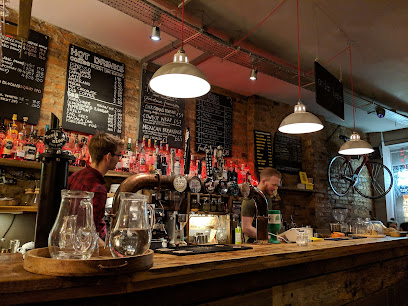
The Hop York
50.0 km
A lively York city centre bar known for its craft beers, stone-baked pizzas, and vibrant live music in a historic Victorian setting.
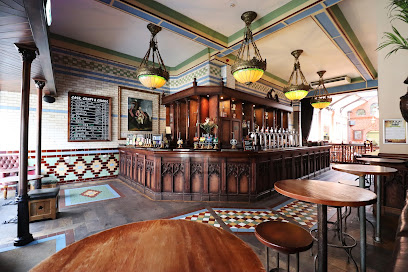
The Blue Bell
50.0 km
York’s smallest and most beloved Edwardian pub, famed for its authentic atmosphere, quality ales, and warm community spirit.
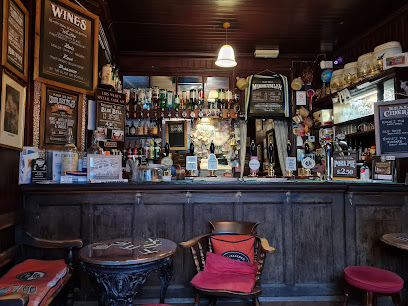
Golden Fleece York
50.0 km
York’s oldest haunted pub offering historic charm, classic ales, cozy rooms, and a lively social atmosphere in the heart of the city.
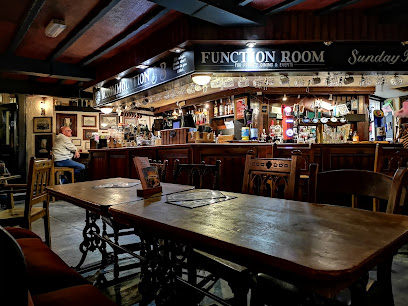
The Three Tuns
50.1 km
Step into The Three Tuns, a centuries-old timber-framed pub on Coppergate offering historic charm and hearty Yorkshire hospitality in York’s heart.
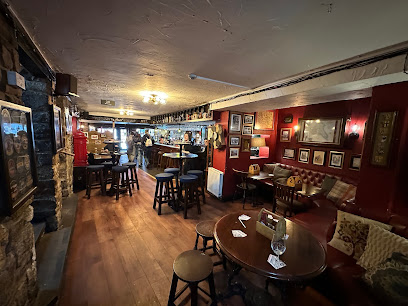
Plonkers
50.1 km
Family-run riverside wine bar and bistro in York serving home-cooked meals, fine wines, craft beers, and lively live music events since the 1980s.
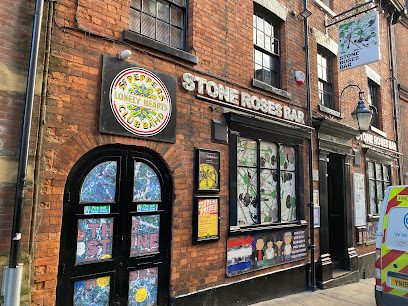
The Stone Roses Bar
50.1 km
York’s premier indie music bar, blending iconic memorabilia with lively vibes and friendly service in a central city location.
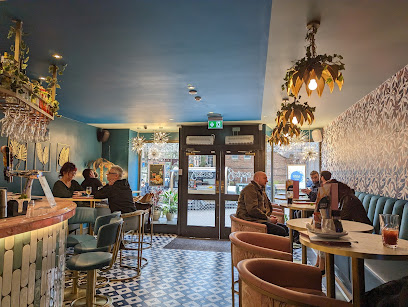
Social 8 Lounge
50.1 km
Stylish York lounge bar offering crafted cocktails, small plates, and boozy brunch in a relaxed, elegant setting with a courtyard garden.
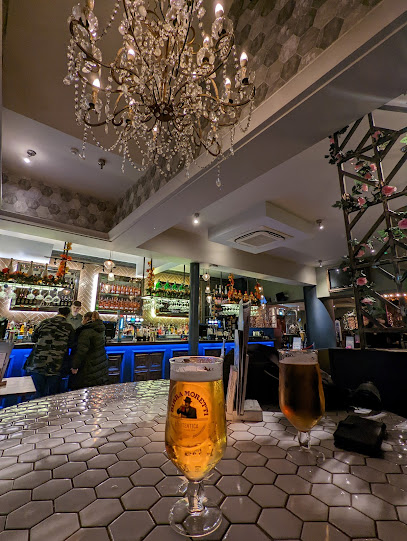
Slug & Lettuce York Riverside
50.2 km
Lively riverside bar and restaurant in York offering cocktails, casual dining, and vibrant social vibes with scenic river views.
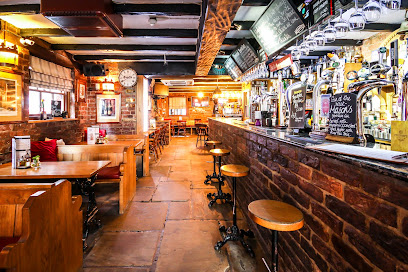
Pivní York
50.2 km
Historic 16th-century timber-framed pub in York offering an exceptional selection of local and global craft beers in a cosy, multi-floor setting.
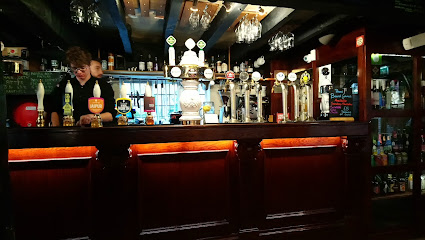
Nightclubs & after hour spots

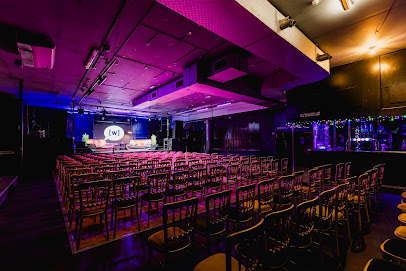
The Welly
8.6 km
Hull’s iconic alternative nightclub with over a century of live music, club nights, and a legendary atmosphere on Beverley Road.
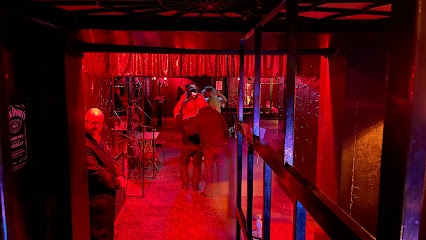
Spiders
9.5 km
Hull’s legendary alternative nightclub with decades of goth, punk, and rock heritage, vibrant atmosphere, and welcoming community spirit.
Karaoke Rooms (KTV)
49.1 km
Experience lively private karaoke rooms in the heart of York’s vibrant nightlife at Chuandao Karaoke Bar.
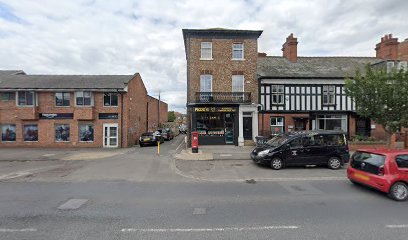
Kuda
50.1 km
York’s vibrant nightclub offering diverse music, live DJs, and a lively late-night atmosphere in the heart of the city.
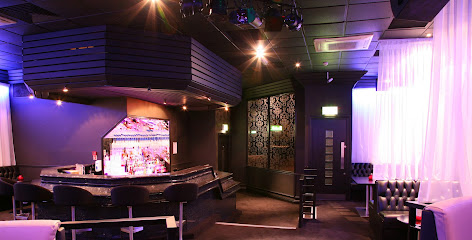
BlueBox
50.3 km
York’s premier late-night nightclub, BlueBox pulses with House, Tech House, and Disco beats until dawn in a vibrant city-center setting.

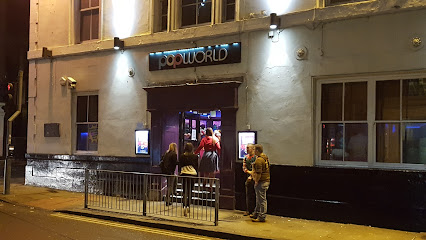
Popworld York
50.4 km
York’s lively nightclub with five decades of pop hits, a unique revolving dancefloor, and a safe, fun party atmosphere.
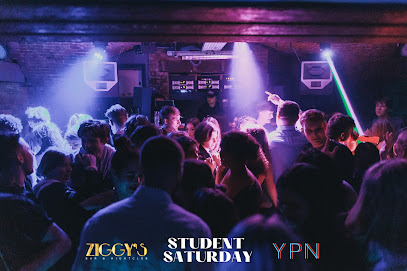
Ziggy's Bar & Nightclub
50.4 km
York’s iconic student nightclub offering energetic dance floors, affordable drinks, and a lively atmosphere since the 1980s.
Bar 55 York
50.4 km
York’s exclusive strip club offering sophisticated adult entertainment and premium nightlife in a stylish, historic setting.

Flares - York
50.4 km
Experience York’s ultimate retro nightclub with decades-spanning hits, vibrant dance floors, and an inclusive party atmosphere.
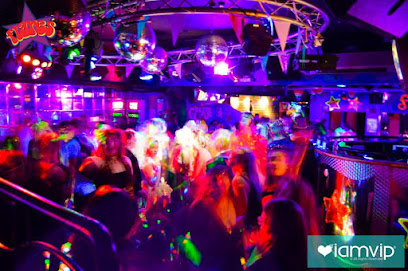
Club Salvation
50.4 km
York’s vibrant nightclub with dual music rooms, lively atmosphere, and fair-priced drinks for an unforgettable night out.
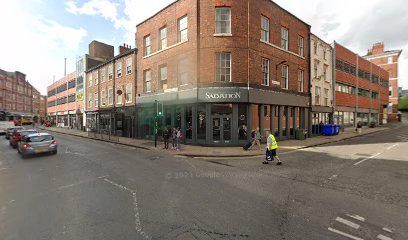
Popworld - Lincoln
53.1 km
Popworld Lincoln: Where cheesy pop hits and vibrant nightlife create unforgettable party nights on High Street.
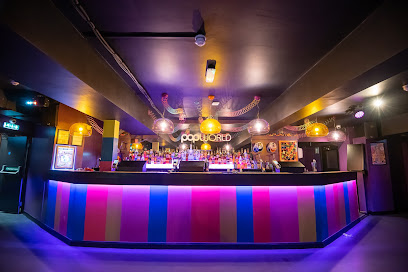
Sugarcubes Nightclub
53.1 km
Energetic and affordable nightlife in Lincoln with a unique cube-themed vibe and friendly atmosphere.
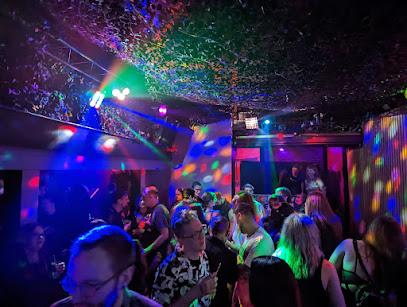
Void Nightclub
53.1 km
Lincoln’s stylish hotspot for electronic dance music, vibrant nights, and unforgettable clubbing experiences.
Club Desire
53.1 km
Experience Lincoln’s vibrant nightlife at Club Desire, where luxury meets affordability in a lively, welcoming gentlemen’s club setting.
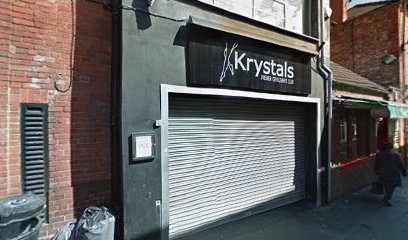
Atmosphere
53.1 km
Discover the vibrant nightlife of Lincoln at Atmosphere Karaoke Bar, where every night is a celebration of music and fun.
For the vibe & atmosphere seeker
- Scenic
- Adventurous
- Unique
- Relaxing
For the design and aesthetic lover
- Industrial Designs
- Modern Designs
For the architecture buff
- Landmarks
- Modern
- Viewpoints
For the view chaser and sunset hunter
- Iconic Views
- Panoramas
- Waterfront
For the social media creator & influencer
- Instagrammable
- Photo Spots
- Architectural Shots
For the eco-conscious traveler
- Public-Transport Accessible
- Car-Free Access
- Protected Area
For the kind of experience you’re after
- Photowalk
- Nature Escape
- Cultural Heritage
- Day Trip
For how adventurous you want the journey to be
- Easy Access
- Requires Hike
Location Audience
- Family Friendly
- Senior Friendly
- Child Friendly
- Wheelchair Access
- Pet Friendly
- Solo Friendly
- Couple Friendly
- Solo Female Friendly


