

John Rylands Research Institute and Library
A neo-Gothic architectural gem in Manchester, housing one of the UK's most treasured rare book and manuscript collections.
The John Rylands Research Institute and Library, located on Deansgate in Manchester, is a stunning late-Victorian neo-Gothic building housing one of the UK's largest special collections. Founded in memory of John Rylands by his wife Enriqueta, it opened in 1900 and now serves as a hub for scholarly research and public visits, featuring rare manuscripts, early printed books, and a rich architectural heritage.
A brief summary to John Rylands Research Institute and Library
- 150 Deansgate, Manchester, M3 3EH, GB
- +441613060555
- Visit website
- Duration: 1 to 3 hours
- Mid ranged
-
 Indoor
- Mobile reception: 4 out of 5
- Wednesday 10 am-5 pm
- Thursday 10 am-5 pm
- Friday 10 am-5 pm
- Saturday 10 am-5 pm
Local tips
- Visit on weekdays between 10am and 5pm for quieter exploration and access to exhibitions.
- Photography is allowed, but bring a camera suited for low-light conditions due to the dim interior lighting.
- Check for special exhibitions and daily printing press demonstrations to enrich your visit.
- Wear comfortable shoes as the building has several corridors and areas to explore.
- Explore the online resources and digital collections to complement your visit and research.

For the on-the-go comforts that matter to you
- Restrooms
- Drink Options
- Food Options
- Seating Areas
- Information Boards
- Visitor Center
Getting There
-
Public Transport
Take the Manchester Metrolink tram to St Peter's Square, approximately a 10-minute ride from Manchester Piccadilly. From there, it is a 10-minute walk to 150 Deansgate. Trams run frequently with tickets costing around £3-£5.
-
Bus
Several bus routes serve Deansgate, including numbers 1, 2, and 3 from Manchester city center. Travel times vary from 15 to 25 minutes depending on starting point. Single fares cost about £2.50. Buses stop within a short walking distance of the library.
-
Taxi or Rideshare
A taxi or rideshare from Manchester Piccadilly station to the library takes roughly 10 minutes depending on traffic. Estimated fare is £6-£10. Drop-off is available directly outside 150 Deansgate.
-
Walking
If staying in central Manchester, walking to the library is feasible. From Piccadilly Gardens, it’s about a 20-minute walk over mostly flat terrain. The route passes through busy city streets with pedestrian crossings.
John Rylands Research Institute and Library location weather suitability
-
 Any Weather
-
 Rain / Wet Weather
-
 Clear Skies
-
 Mild Temperatures
Discover more about John Rylands Research Institute and Library
Architectural Grandeur and Historical Legacy
The John Rylands Research Institute and Library is an iconic late-Victorian neo-Gothic masterpiece situated on Deansgate, Manchester. Founded by Enriqueta Augustina Rylands in memory of her husband John Rylands, the library opened its doors in 1900. Its architecture is distinguished by intricate Gothic detailing combined with Arts and Crafts influences, especially evident in the ornate gatehouse that commands the streetscape. The building holds Grade I listed status, recognizing its exceptional historic and architectural significance.A Treasure Trove of Rare Collections
The library is home to one of the most important special collections in the United Kingdom, including rare books, manuscripts, archives, and early printed works such as the Gutenberg Bible and Caxton prints. These collections span millennia, with manuscripts dating back to 2,000 BC. The library’s holdings support a wide range of disciplines, from humanities to sciences, making it a vital resource for researchers worldwide.Integration of Research and Scholarship
Since merging with the University of Manchester Library in 1972, the John Rylands Library has evolved into a dynamic research institute. The John Rylands Research Institute, established in 2013, fosters multidisciplinary research by collaborating with academics globally. This integration has created a unique environment where librarians, archivists, and researchers work closely to unlock the potential of the collections through innovative projects and partnerships.Modern Enhancements and Preservation Efforts
Significant refurbishment projects, including the £17 million ‘Unlocking the Rylands’ completed in 2007, have preserved the library’s historic fabric while improving facilities. Current plans under the 'John Rylands Next Chapter' aim to sensitively update the building further, ensuring it meets contemporary research and visitor needs while maintaining its heritage. These efforts underscore the commitment to safeguarding this cultural landmark for future generations.Visitor Experience and Cultural Significance
Visitors to the John Rylands Library can immerse themselves in its atmospheric interiors, featuring dim lighting that enhances the Gothic ambiance. The library functions both as a museum and a working research library, offering exhibitions, guided tours, and daily demonstrations of historic printing presses. Its role as a cultural symbol of Manchester’s industrial and academic heritage makes it a compelling destination for history enthusiasts, scholars, and tourists alike.Community and Educational Outreach
Beyond its collections, the institute actively engages with the public and academic communities through events, exhibitions, and educational programs. It fosters a collaborative spirit, nurturing expertise and scholarship that extend beyond Manchester. The library’s commitment to accessibility and research excellence continues to inspire and support diverse audiences globally.Iconic landmarks you can’t miss

Mulberry Passage
0.2 km
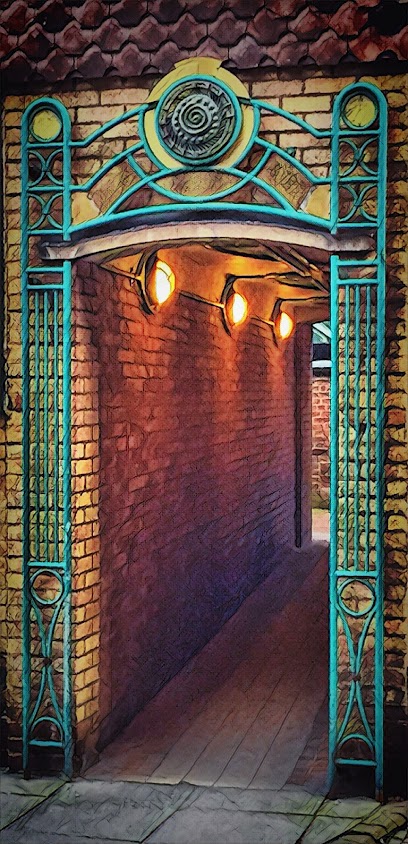
Discover Mulberry Passage, a hidden Manchester alleyway celebrating John Dalton’s atomic theory through captivating art and historic charm.
Dalton Entry
0.2 km
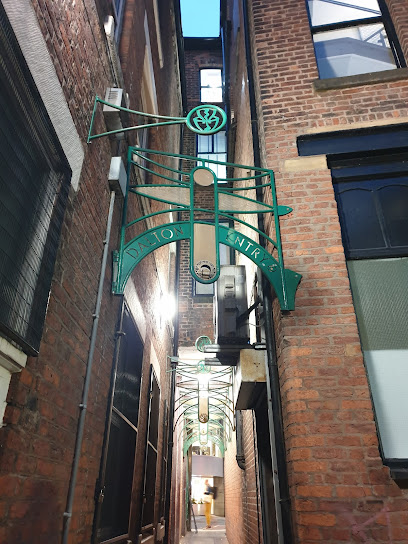
Discover Dalton Entry, a hidden Manchester alley honoring John Dalton’s atomic theory and scientific legacy through art and history.
John Bright Statue
0.3 km
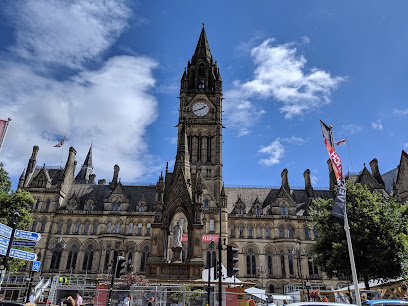
A marble tribute in Albert Square honoring John Bright’s legacy as a champion of free trade and social reform in Victorian Manchester.
Albert Memorial
0.3 km
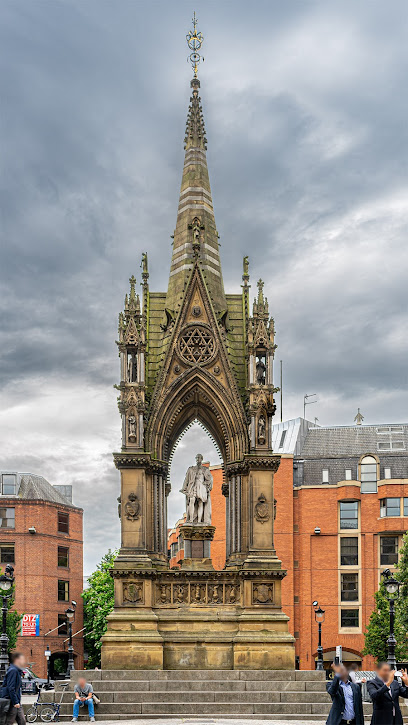
A grand Victorian Gothic monument in Albert Square celebrating Prince Albert’s legacy through art, science, and culture.
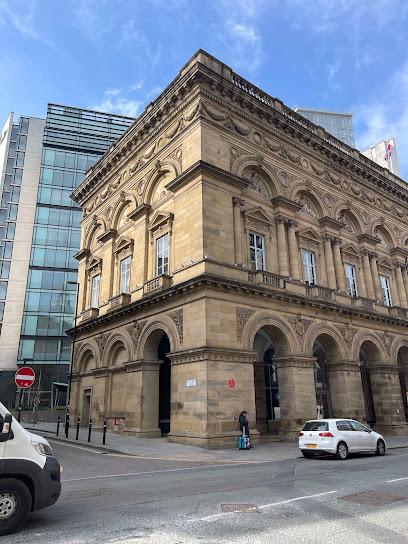
Free Trade Hall
0.3 km
Historic landmark on the Peterloo Massacre site, blending Victorian architecture with a rich legacy of music and political activism.
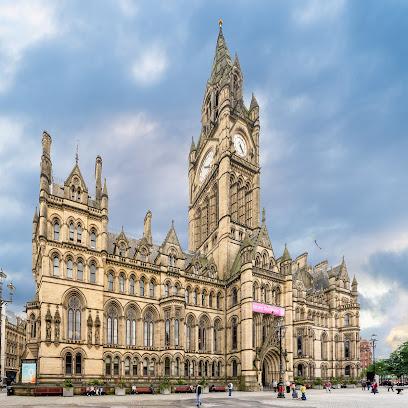
Manchester City Council
0.3 km
Manchester City Council’s majestic Town Hall in Albert Square: a Victorian Neo-Gothic masterpiece and symbol of civic heritage.
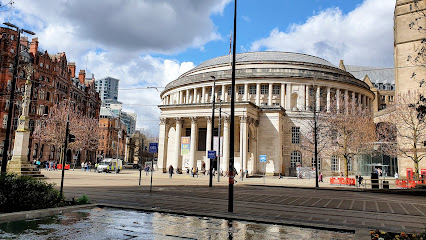
St. Peter's Square
0.4 km
Manchester’s historic St Peter's Square blends rich heritage, iconic architecture, and vibrant urban life at the heart of the city centre.
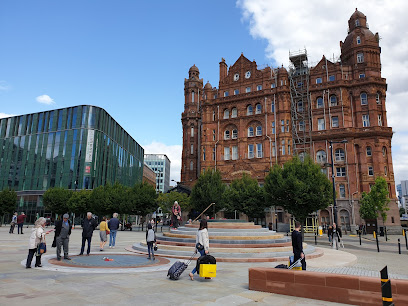
Peterloo Massacre Monument
0.5 km
A powerful stone memorial in Manchester honoring the victims of the 1819 Peterloo Massacre and the fight for democracy.
The Undamaged Red Post Box
0.5 km
A resilient symbol of hope standing where devastation once reigned on Manchester's Corporation Street.
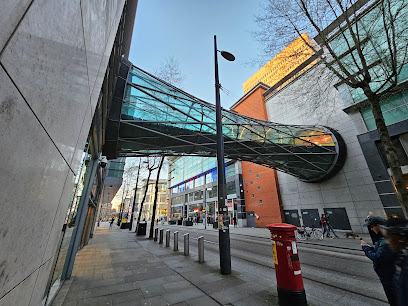
Connaught Building
0.6 km
Discover the historic Connaught Building in Manchester, a captivating landmark reflecting the city’s rich architectural heritage and vibrant urban spirit.
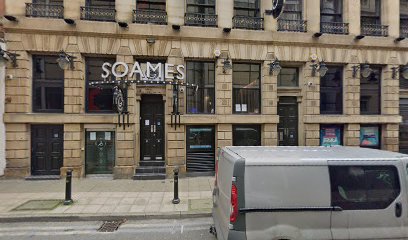
Canada House, Manchester
0.6 km
Discover Canada House, a majestic Grade II listed cotton warehouse in Manchester, embodying the city’s rich industrial heritage and architectural splendor.
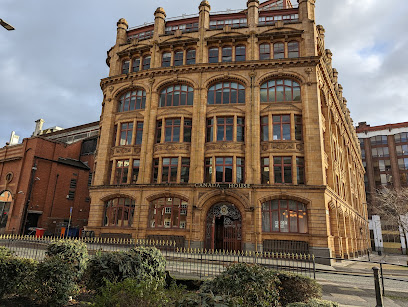
Arch of Chinatown
0.6 km
Europe's only imperial Chinese arch, a stunning gateway to Manchester's vibrant multicultural heart.
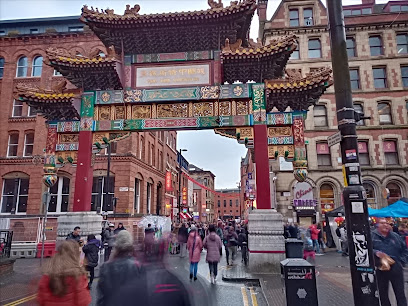
Historic England
0.6 km
Explore the rich heritage of England at Historic England in Manchester, where history meets preservation and community engagement.
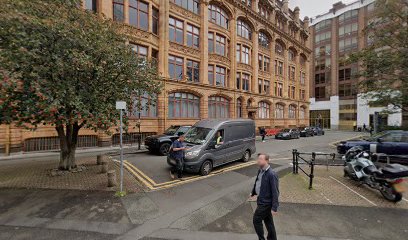
Roman Gardens
0.7 km
Discover Manchester’s Roman past through tranquil gardens featuring reconstructed fortifications and ancient pathways in the heart of Castlefield.
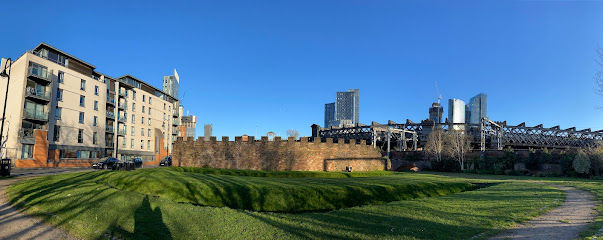
Reconstruction of Mamucium Roman Fort Wall
0.7 km
Explore Manchester’s Roman roots at Mamucium, a reconstructed fort showcasing ancient military might and early urban life.
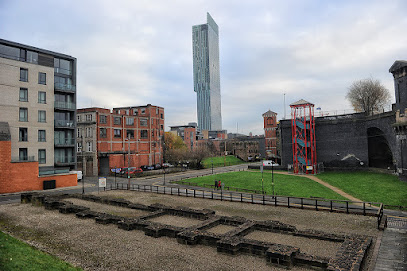
Unmissable attractions to see

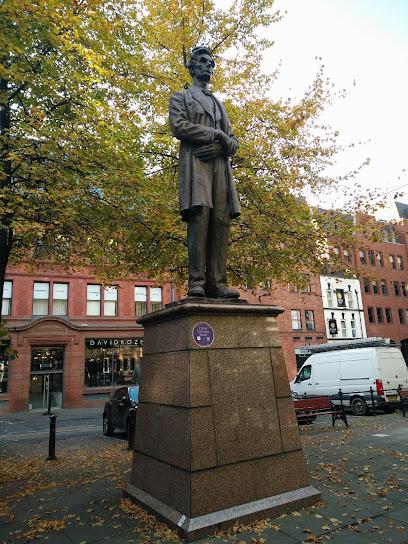
Abraham Lincoln Statue
0.1 km
A powerful bronze tribute in Manchester honoring Abraham Lincoln and the city’s courageous support for abolition during the American Civil War.
St Mary's RC Church
0.2 km
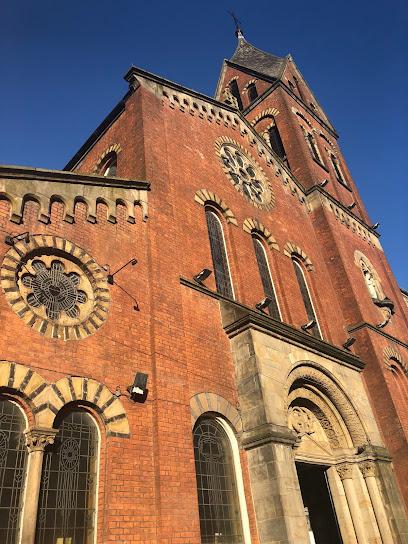
Discover St Mary's RC Church, Manchester's historic 'Hidden Gem' blending Victorian artistry and deep Catholic heritage since 1794.
House of Fraser
0.2 km
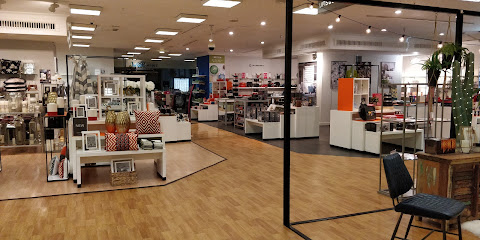
Discover luxury shopping and historic charm at House of Fraser Manchester, a premier department store on Deansgate.
Albert Square
0.2 km
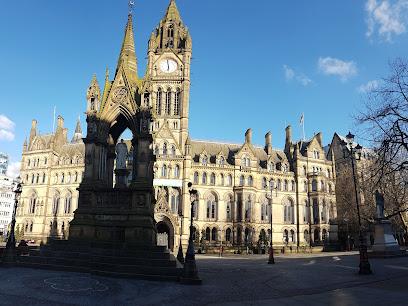
Manchester’s grand civic heart, framed by Gothic spires and alive with markets, monuments, and city life.
2 Albert Square
0.2 km
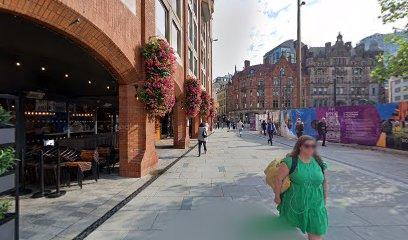
Historic Albert Square in Manchester showcases Victorian Gothic grandeur with its iconic Town Hall and Prince Albert Memorial.
Albert Hall, Manchester
0.2 km
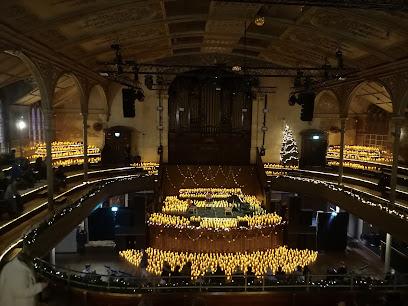
Historic Wesleyan chapel turned iconic music venue with stunning stained glass and vaulted ceilings in Manchester’s vibrant city centre.
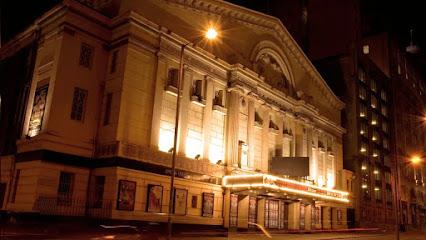
Opera House Manchester
0.2 km
A historic Edwardian theatre in Manchester offering world-class musicals, opera, and vibrant cultural performances in an elegant setting.
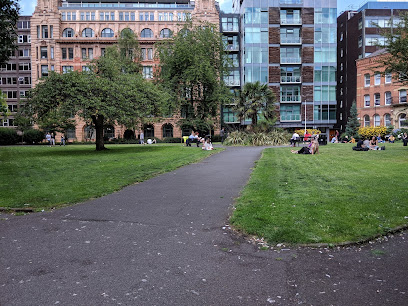
Parsonage Gardens
0.3 km
A peaceful garden oasis in central Manchester, rich with history and quiet reflection amid the city’s vibrant heart.
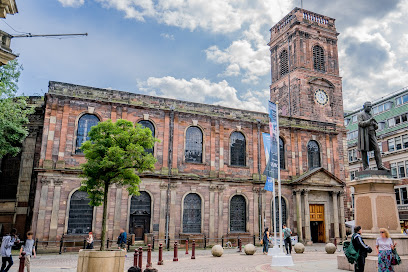
Saint Ann's Church
0.3 km
Discover St Ann's Church, Manchester’s neo-classical gem and historic city centre landmark, blending 18th-century elegance with vibrant cultural heritage.
Manchester Albert Square
0.3 km
Discover Manchester Albert Square, a stunning Victorian civic space where history, architecture, and vibrant culture converge in the city’s heart.
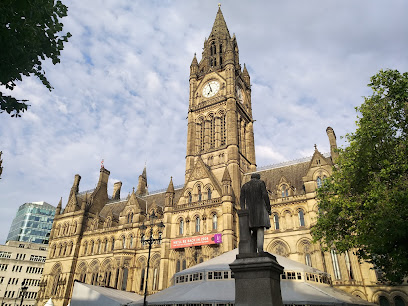
People's History Museum
0.3 km
Britain's national museum of democracy, celebrating radical stories of people fighting for a fairer world.
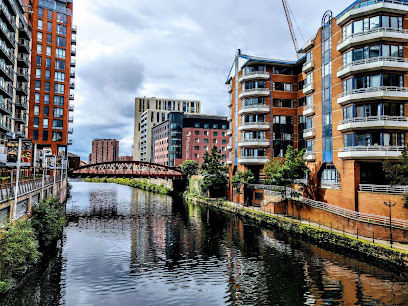
St Anns Square
0.3 km
Historic heart of Manchester blending 18th-century charm, architectural heritage, and vibrant retail life in an elegant urban square.
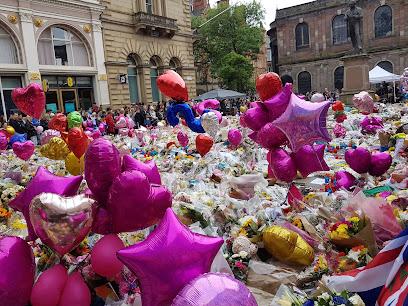
Great Northern
0.3 km
A lively blend of historic charm and modern entertainment in Manchester’s premier shopping and leisure plaza.
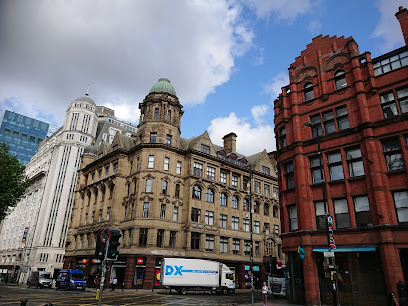
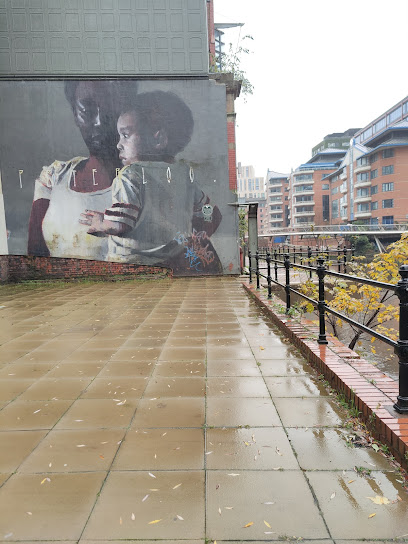
Mural - Peterloo.
0.3 km
A vivid street art mural in Manchester commemorating the 1819 Peterloo Massacre and the enduring fight for democracy.
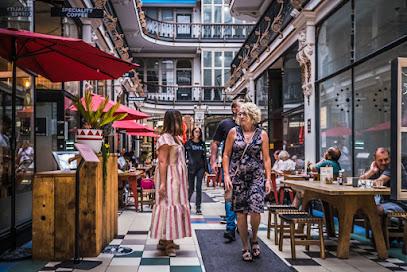
Barton Arcade
0.3 km
Step into Barton Arcade, a Victorian marvel of glass and iron, where historic elegance meets boutique shopping in the heart of Manchester.
Essential places to dine

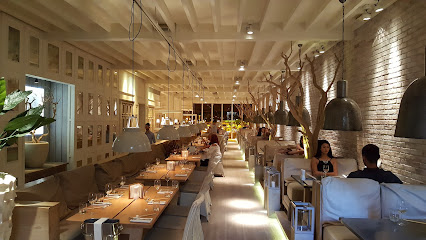
Australasia
0.0 km
Stylish Pan-Asian dining in Manchester’s Spinningfields with vibrant flavors, chic design, and a lively atmosphere for special occasions.
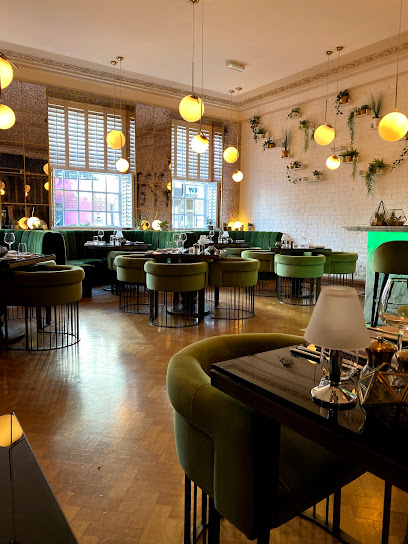
Masons
0.1 km
Elegant Modern British dining with art deco charm and a refreshingly simple menu philosophy.
Gusto Italian
0.1 km
Experience elegant Italian dining in Manchester’s historic Elliot House, where 1920s charm meets fresh, contemporary cuisine.
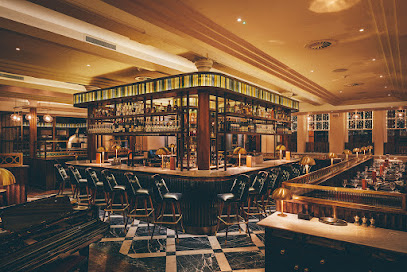
San Carlo - Manchester
0.1 km
Experience authentic regional Italian cuisine in a stylish, celebrity-frequented Manchester hotspot known for elegance and vibrant atmosphere.
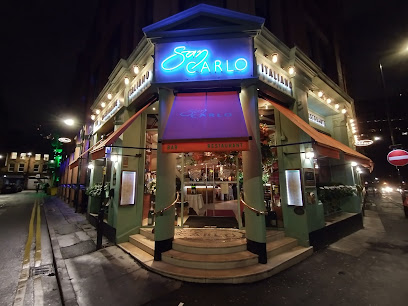
Hawksmoor Manchester
0.2 km
Experience exquisite British steaks and seafood in a historic Victorian courthouse with impeccable service and elegant private dining.
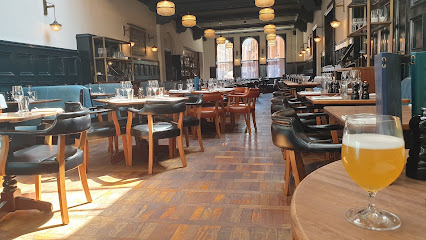
El Gato Negro Tapas Manchester
0.2 km
Stylish Spanish tapas in a historic Manchester townhouse with a vibrant bar, open kitchen dining, and a stunning rooftop terrace.
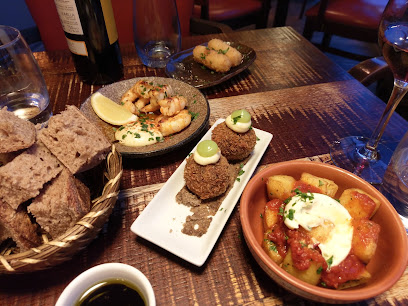
Gaucho Manchester
0.2 km
Experience premium Argentine steaks and elegant dining in a spectacular historic church setting in the heart of Manchester.
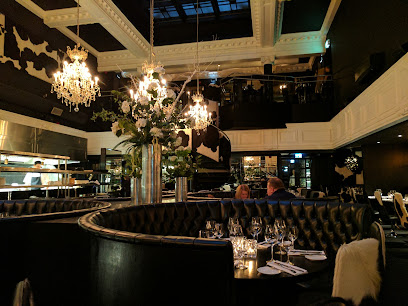
Albert's Schloss - Manchester
0.2 km
A lively Bavarian-inspired beer hall in Manchester blending hearty food, live music, and vibrant nightlife in a unique social setting.
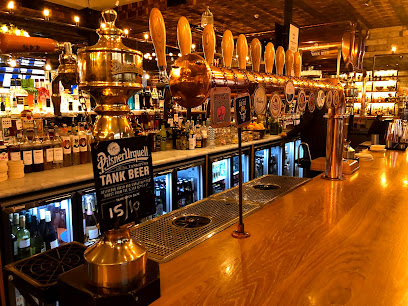
20 Stories
0.3 km
Experience Manchester’s skyline from 20 Stories, a glamorous rooftop restaurant blending Modern European cuisine with stunning city views.
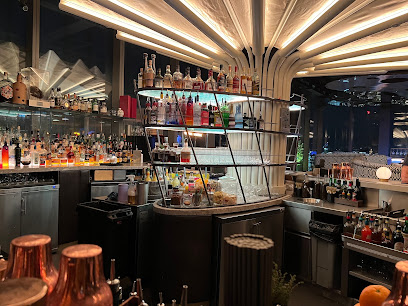
Armenian Taverna & Restaurant
0.3 km
Manchester's authentic Armenian culinary institution, recently modernized yet rooted in five decades of tradition.
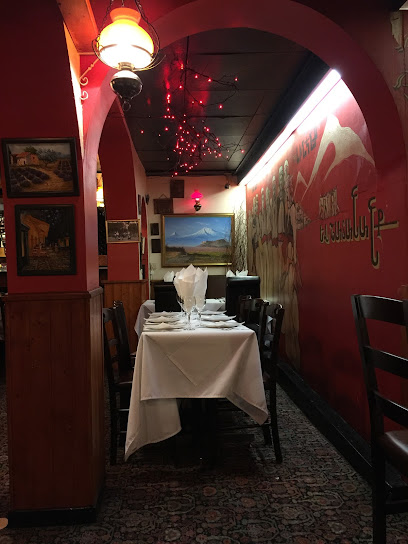
10 Tib Lane
0.3 km
A chic, intimate spot in Manchester serving refined French-inspired small plates with natural wines and craft cocktails in a historic Victorian setting.

MR THOMAS'S CHOP HOUSE
0.3 km
Historic Manchester chophouse serving hearty British classics in a warm, inviting setting since 1867.
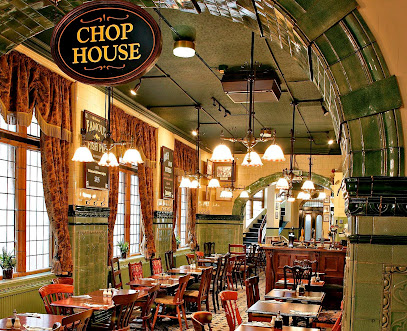
Italiana Fifty Five Great Northern
0.3 km
Experience authentic Italian flavors and warm hospitality in Manchester’s stylish Great Northern Warehouse setting.
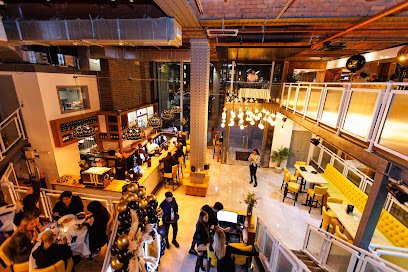
Bill's Spinningfields Restaurant
0.3 km
Cozy British dining with eclectic charm and seasonal flavors in Manchester’s lively Spinningfields district.
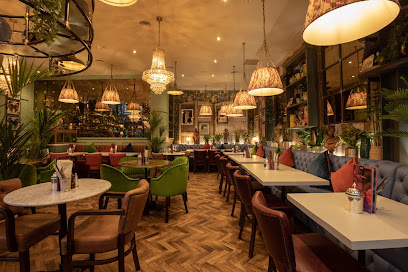
Miller & Carter Manchester
0.3 km
Classic British steakhouse on Manchester’s King Street, serving expertly aged premium steaks in a warm, elegant setting with attentive service.
Markets, malls and hidden boutiques

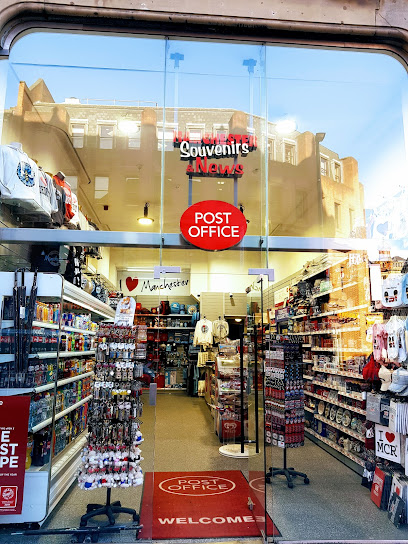
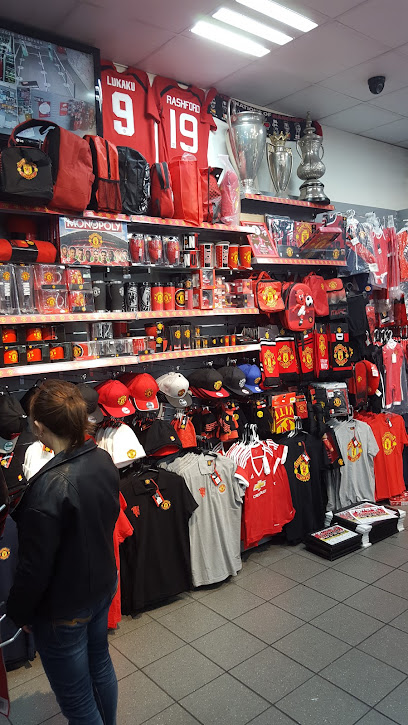
Manchester Souvenirs Gifts & Presents Geek Elf Elux Bars Luggage storage locker
0.1 km
Authentic Manchester souvenirs and gifts with local charm, plus convenient luggage storage in the heart of Deansgate.
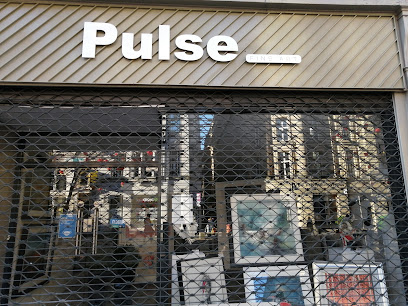
Pulse
0.3 km
Discover unique local treasures and artistic gifts in the heart of Manchester’s historic St Anne’s Square at Pulse.
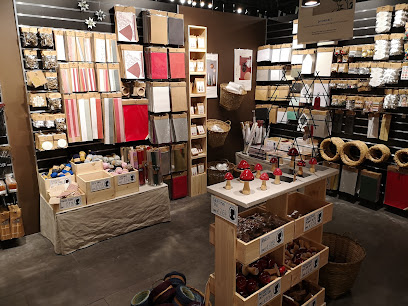
Søstrene Grene
0.4 km
Discover Danish-inspired creativity and cozy home treasures in the heart of Manchester’s vibrant city centre.
TVSeriesJackets
0.4 km
Explore TVSeriesJackets in Manchester, where iconic TV show jackets come to life, blending style with your favorite characters' adventures.
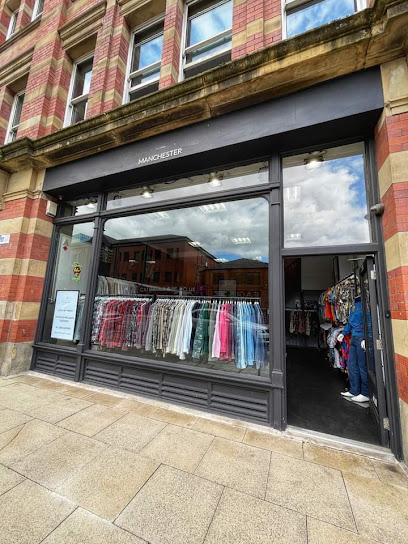
Catch my Thrift
0.5 km
Sustainable designer vintage at £25 and under – Manchester's thrift haven for slow fashion lovers in the city centre.
Rams Gift World
0.5 km
Discover unique gifts and local crafts at Rams Gift World, Manchester’s vibrant and eclectic souvenir shop on Market Street.

Science and Industry Museum Shop
0.5 km
Discover science-infused souvenirs in the heart of Manchester's industrial birthplace, where history meets hands-on innovation at the Science and Industry Museum Shop.
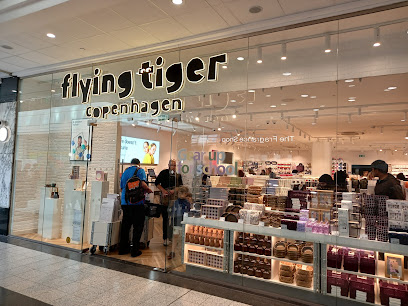
Flying Tiger Copenhagen
0.5 km
Discover playful Danish design and quirky everyday essentials at Flying Tiger Copenhagen in Manchester Arndale’s vibrant Market Street.
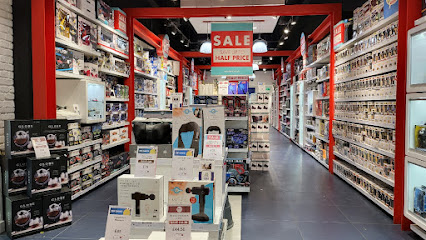
Menkind
0.6 km
Discover quirky gadgets and unique gifts at Menkind, Manchester Arndale’s vibrant destination for fun and innovative presents.
T.La Art & Craft Gallery
0.6 km
A vibrant Chinese art and craft gallery in Manchester’s Chinatown, showcasing handcrafted treasures and cultural heritage in a warm, welcoming space.
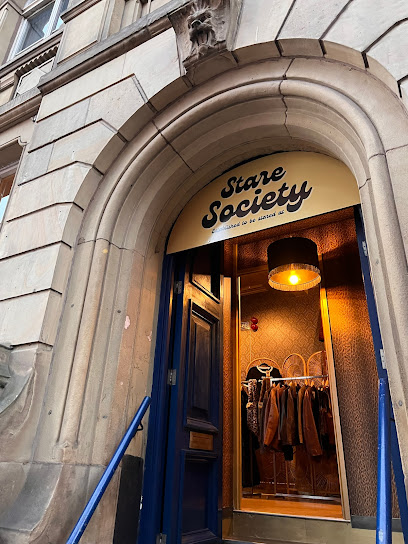
Stare Society
0.7 km
Discover curated vintage clothing and unique home furniture in Manchester’s stylish Stare Society boutique.
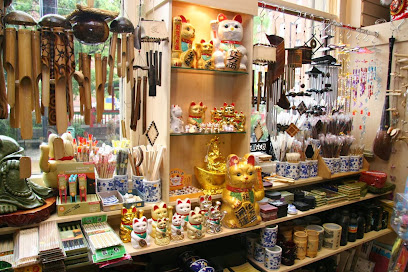
Amazonas Gifts
0.7 km
Discover unique gifts and souvenirs at Amazonas Gifts, nestled in the heart of Manchester Markets Piccadilly.
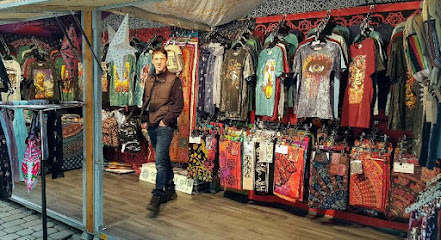
Hoot
0.8 km
Discover magical gifts and Harry Potter treasures at Hoot, a charming boutique nestled in Manchester Arndale’s vibrant shopping heart.
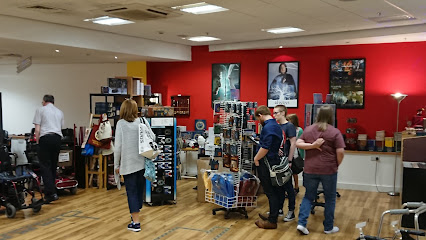
Manchester Souvenirs & Convenience Store
0.8 km
Discover authentic Manchester souvenirs and essentials in the heart of the city, blending culture, convenience, and community spirit.
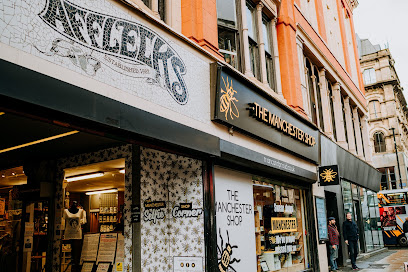
The Manchester Shop
0.8 km
Discover Manchester's soul in bee motifs, music tees, and proud souvenirs at this Northern Quarter gem within Afflecks Arcade.
Essential bars & hidden hideouts

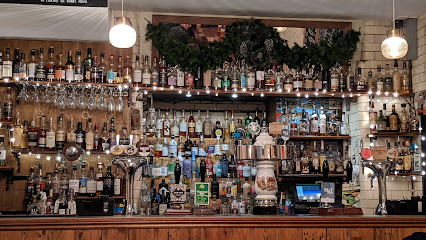
The Gas Lamp
0.1 km
Discover Manchester’s atmospheric basement pub with a rich history, exceptional craft beers, and a cozy, characterful vibe beneath Bridge Street.
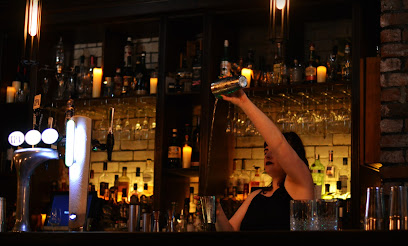
Arcane
0.1 km
Discover Arcane, a cozy Victorian-inspired cocktail bar in Manchester’s city centre, blending inventive drinks with a relaxed, intimate atmosphere.
MOJO
0.1 km
Eclectic cocktail bar in Manchester’s heart, blending creative drinks with a lively, urban nightlife vibe.
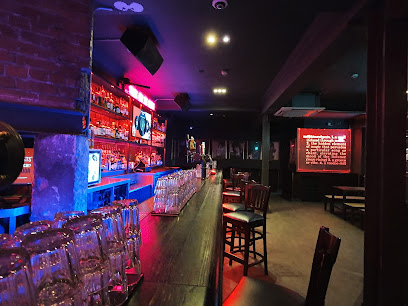
Speak In Code
0.2 km
Discover Speak In Code, Manchester’s innovative cocktail bar blending artisanal mixology, sustainable practices, and a uniquely immersive atmosphere.
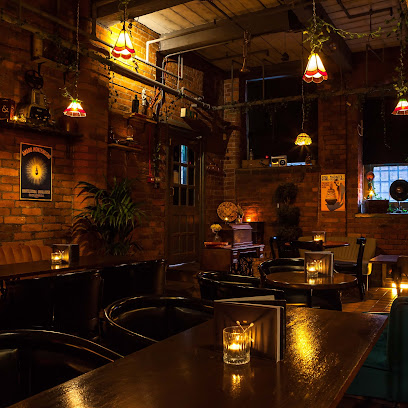
The Alchemist Spinningfields
0.2 km
Innovative cocktails and contemporary dining in Manchester’s vibrant Spinningfields district, blending theatrical flair with a lively social scene.
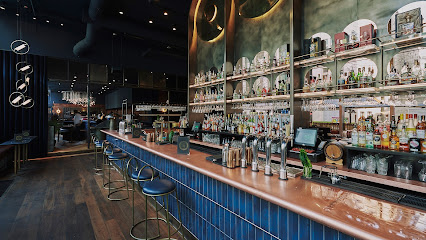
Slug & Lettuce - Albert Square Manchester
0.2 km
Vibrant cocktail bar and restaurant in Manchester’s Albert Square, perfect for lively brunches, evening drinks, and social celebrations.
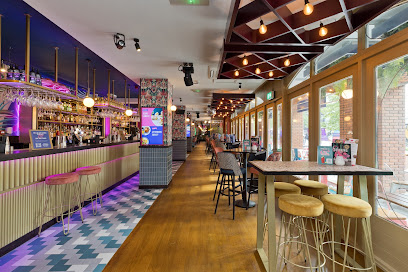
The Blues Kitchen Manchester
0.3 km
Experience authentic Southern barbecue, soulful live music, and vibrant vibes in the heart of Manchester’s Spinningfields.
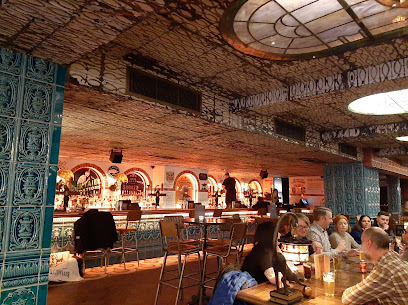
Salt Dog Slim's Manchester
0.3 km
Dive into Salt Dog Slim's Manchester for bold cocktails, American-style hot dogs, and a vibrant nightlife experience in the heart of the city.
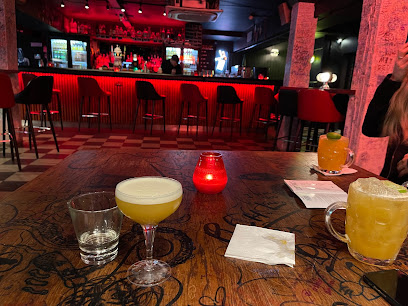
Be At One - Manchester
0.3 km
Lively cocktail bar on Deansgate with 100+ drinks, private hire rooms, and unbeatable happy hour deals in the heart of Manchester nightlife.
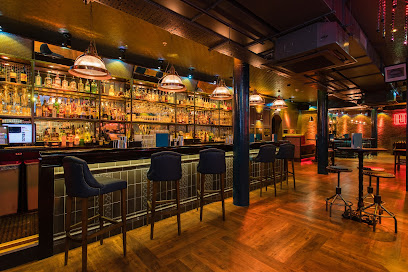
Corbieres Bar
0.3 km
Discover Corbieres Bar, Manchester’s cozy underground spot famed for its eclectic jukebox, vegan-friendly pizzas, and welcoming vibe.
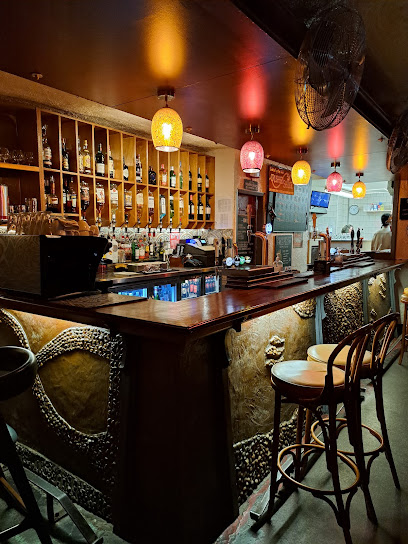
All Bar One Manchester
0.4 km
Stylish wine bar on Manchester’s King Street offering Mediterranean-inspired dishes and a lively, modern atmosphere for casual dining and drinks.
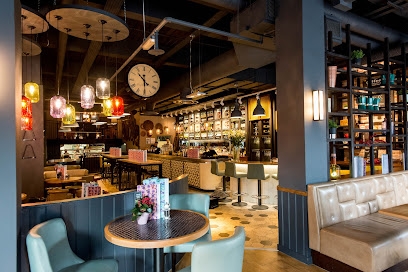
Three Little Words
0.4 km
A stylish gin distillery and cocktail bar under historic arches, blending craft cocktails, seasonal food, and immersive experiences in Manchester’s heart.
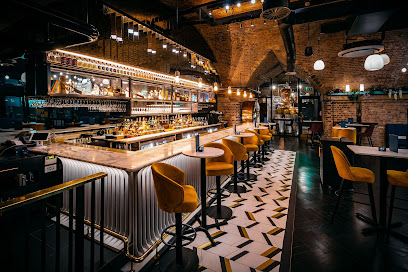
Cloud 23
0.5 km
Experience Manchester’s skyline from the stylish 23rd-floor cocktail bar with innovative drinks and panoramic city views.
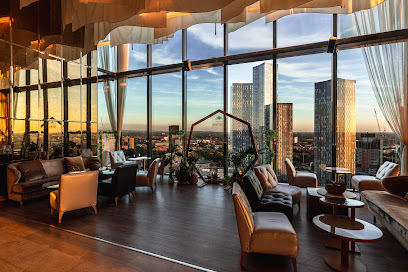
cask
0.5 km
Authentic Manchester pub pouring cask ales amid Castlefield's historic canals and warehouses—timeless brews in a revolutionary setting.
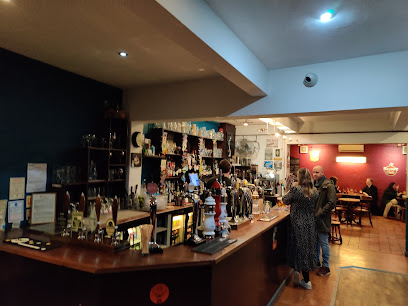
The Old Wellington
0.6 km
Step into The Old Wellington, a historic Manchester pub blending centuries-old charm with hearty ales and classic British fare in the city centre.
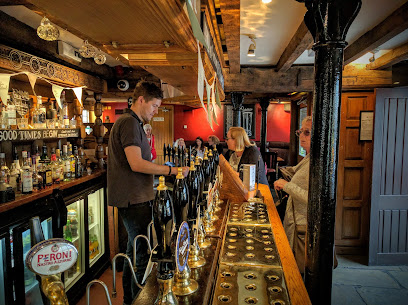
Nightclubs & after hour spots

Club Liv Manchester
0.1 km
Experience Manchester’s vibrant nightlife with exclusive VIP vibes, world-class Pan-Asian dining, and a stylish rooftop terrace at Club Liv.
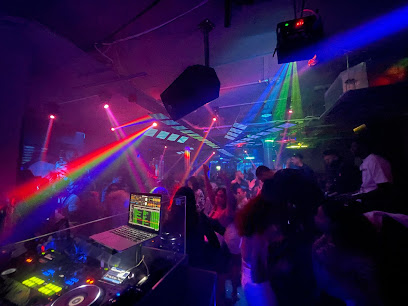
Venue Nightclub
0.2 km
Manchester's underground indie haven: cheap drinks, packed dance floors, and anthems till dawn in Deansgate's electric night scene.
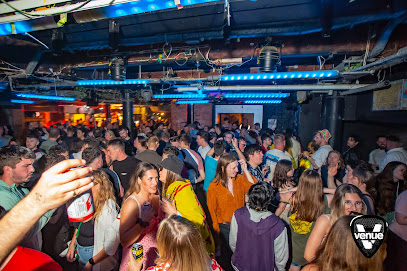
42's
0.2 km
Manchester’s iconic indie nightclub blending rich musical heritage with a lively, inclusive nightlife experience.
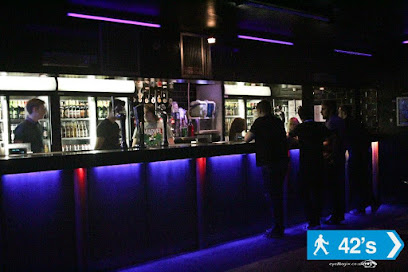
History Nightclub
0.3 km
Experience Manchester’s lively hip hop and house beats at History Nightclub, a large, energetic venue open late into the night.
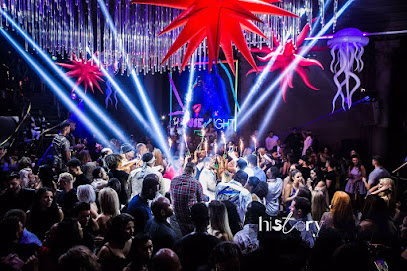
Royal Vida Night Club
0.4 km
Dive into Manchester's underground pulse at Royal Vida, where Castlefield's industrial shadows host thumping beats and endless nights from 11pm to 4am.

Bliss Club Manchester
0.6 km
Experience Manchester’s authentic late-night vibe at Bliss Club, where music and local energy blend into a spirited urban nightlife hub.

Ark Manchester
0.6 km
Multi-room beats and canal-side cocktails fuel Manchester's electric Deansgate Locks nightlife at Ark—dance, drink, repeat till dawn.
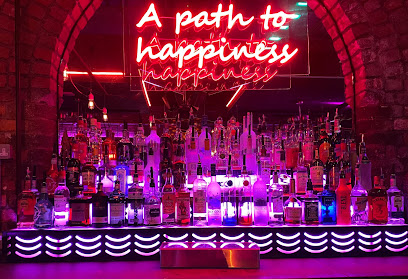
Popworld Manchester
0.6 km
Dance to cheesy pop anthems amid neon lights and poptail cocktails in Manchester's ultimate throwback nightclub.
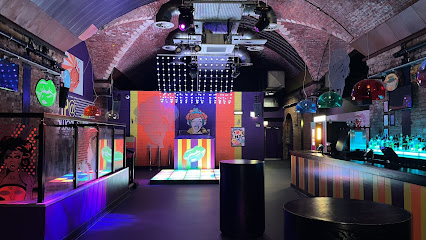
Bijou Club
0.6 km
Manchester's hidden riverside gem: celebrity vibes, secret garden terrace, and LED-lit beats in an exclusive Deansgate nightclub.
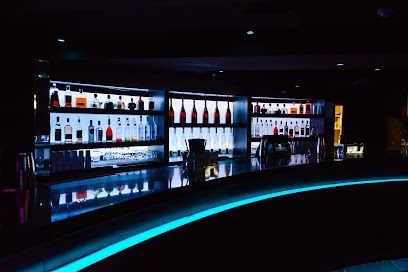
Satans Hollow
0.7 km
Manchester's infernal punk-rock abyss: demonic decor, dirt-cheap drinks, and mosh-pit mayhem for metalheads and rebels.
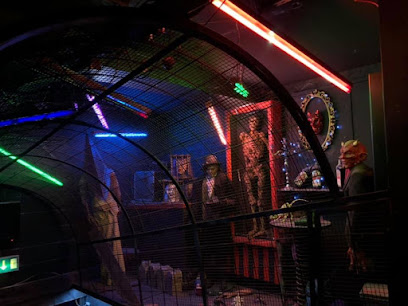
Cargo
0.7 km
Manchester's Printworks powerhouse: light-up dance floors, bottomless brunches, and non-stop beats until dawn in the city's nightlife epicenter.
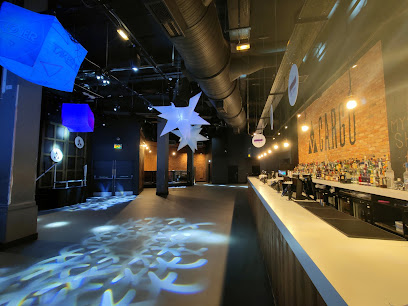
Viva Manchester
0.8 km
Compact stage-driven nightclub on Whitworth Street West — theatrical themed nights, DJ sets and group-friendly table service.
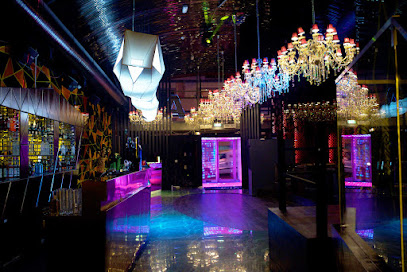
Club Tropicana
0.9 km
Dive into 1980s glamour at Manchester's premier gay nightclub, where drag, DJs, cocktails, and retro beats fuel the Gay Village's electric nightlife.
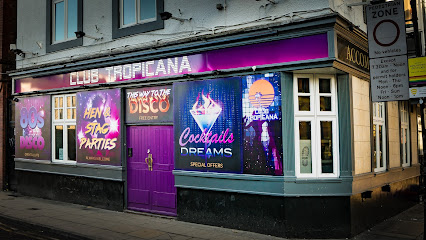
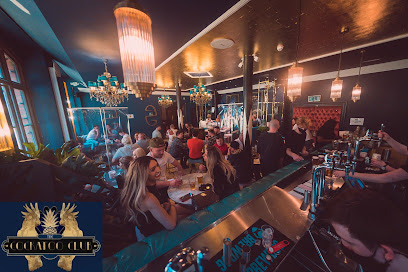
The Cockatoo Club
0.9 km
Discover the electrifying nightlife at The Cockatoo Club in Manchester, where vibrant cabaret performances meet an unforgettable atmosphere.
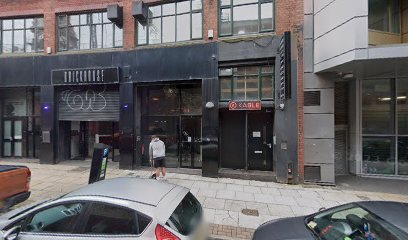
Kable
0.9 km
A compact, late‑night basement club on New Wakefield Street, favoured for punchy electronic nights and close‑up DJ sessions.
For the vibe & atmosphere seeker
- Tranquil
- Scenic
- Unique
- Casual
For the design and aesthetic lover
- Vintage Styles
- Art Deco Styles
For the architecture buff
- Historic
- Landmarks
- Art & Design
For the view chaser and sunset hunter
- Iconic Views
For the social media creator & influencer
- Instagrammable
- Photo Spots
- Architectural Shots
For the eco-conscious traveler
- Public-Transport Accessible
- Locally Managed
For the kind of experience you’re after
- Cultural Heritage
- Photowalk
- Day Trip
- Weekend Getaway
For how adventurous you want the journey to be
- Easy Access
Location Audience
- Family Friendly
- Senior Friendly
- Child Friendly
- Teen Friendly
- Wheelchair Access
- Solo Friendly
- Couple Friendly
- Solo Female Friendly


