
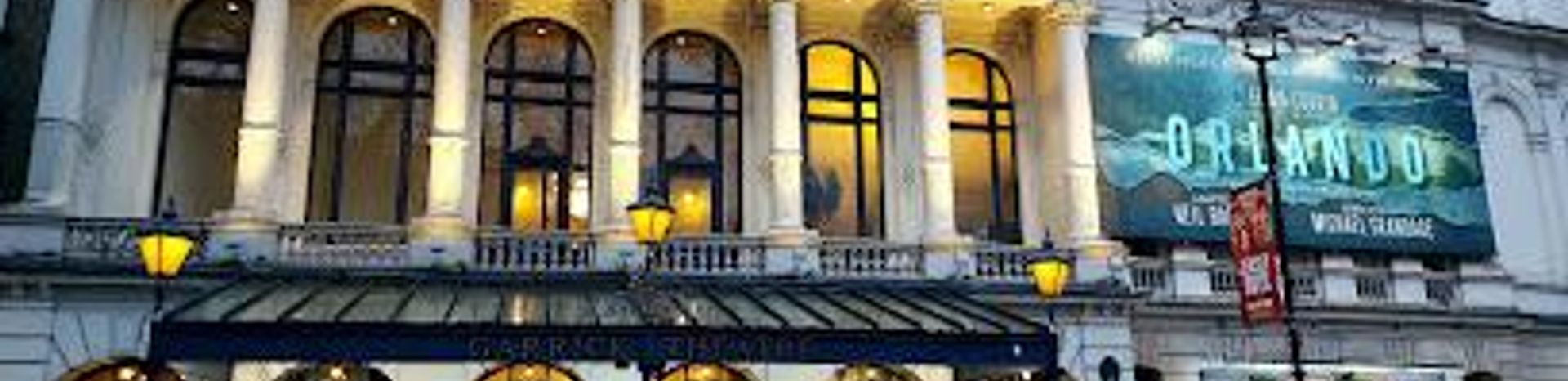
Garrick Theatre: Historic West End Gem of Comedy and Drama
Historic West End theatre renowned for intimate performances, Italian Renaissance elegance, and a legacy of comedy and drama since 1889.
The Garrick Theatre, opened in 1889 and located on Charing Cross Road in London, is a celebrated West End venue named after the famed actor David Garrick. Known for its intimate Italian Renaissance auditorium and a rich history of melodramas, comedies, and straight plays, it seats around 730 patrons across three levels: Stalls, Dress Circle, and Grand Circle. The theatre blends historic charm with modern productions, making it a key cultural landmark in London’s theatre district.
A brief summary to Garrick Theatre
- 2 Charing Cross Rd, London, WC2H 0HH, GB
- +443303334811
- Visit website
- Duration: 2 to 3.5 hours
- Mid ranged
-
 Indoor
- Mobile reception: 5 out of 5
Local tips
- For the best views, select central seats in the Stalls between rows B and L or front rows of the Dress Circle.
- Be aware that some seats in the Stalls have restricted views due to support pillars; check seating plans carefully.
- The Dress Circle offers wheelchair accessibility and excellent sightlines, suitable for visitors with mobility needs.
- Consider booking a private box for a more exclusive and comfortable theatre experience.
- Arrive early to appreciate the theatre’s ornate Italian Renaissance interior and gold leaf decorations.

For the on-the-go comforts that matter to you
- Restrooms
- Drink Options
- Food Options
- Seating Areas
- Information Boards
Getting There
-
London Underground
Take the Northern or Bakerloo lines to Charing Cross station, approximately a 5-10 minute walk to the theatre. The station is well signposted, wheelchair accessible, and trains run frequently with fares starting around £2.50.
-
Bus
Several London bus routes stop near Charing Cross Road, including routes 6, 9, 12, and 15. Buses run every 10-15 minutes, with a travel time of 15-30 minutes depending on starting point. Use an Oyster card or contactless payment for fares around £1.75.
-
Taxi or Rideshare
Taxis and rideshare services can drop you off directly outside the theatre. Travel times vary with London traffic, typically 15-30 minutes from central locations. Expect fares from £10-£25 depending on distance and time of day.
-
Walking
If staying nearby in Covent Garden or Leicester Square, walking to the Garrick Theatre takes approximately 10-15 minutes on mostly flat, paved streets. The route is accessible and scenic through central London.
Garrick Theatre location weather suitability
-
 Any Weather
-
 Rain / Wet Weather
-
 Clear Skies
-
 Mild Temperatures
Discover more about Garrick Theatre
A Storied Legacy in London’s Theatre Scene
The Garrick Theatre opened its doors in 1889, financed by the renowned playwright W. S. Gilbert and designed by Walter Emden with consulting from C. J. Phipps. Named after the influential 18th-century actor David Garrick, it was the first West End theatre to carry an actor’s name. The theatre’s construction was notably challenging due to an underground river discovered during excavation, requiring innovative planning to complete the building. Since its inaugural production of Arthur Wing Pinero’s "The Profligate," the Garrick has hosted a variety of significant plays, including melodramas, comedies, and socially provocative works that shaped London’s theatrical heritage.Architectural Elegance and Interior Design
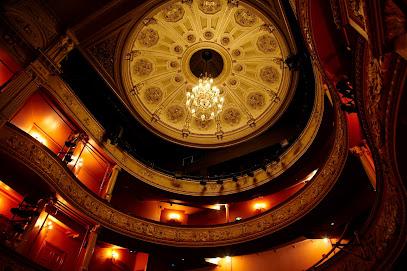
The Garrick Theatre’s auditorium is an exquisite example of Italian Renaissance style, lavishly decorated in red and cream hues with gold leaf cherubs adorning the space. Originally seating about 800 across four levels, the top gallery has since closed, reducing capacity to approximately 730 seats. The theatre features three main seating sections: the Stalls, Dress Circle, and Grand Circle, each offering distinct viewing experiences. The auditorium’s long, narrow shape provides an intimate setting, though some rear seats feel distant. A major restoration in 1986 revived the gold leaf and ornate detailing, preserving the theatre’s historic character while enhancing visitor comfort.Seating and Viewing Experience
With a seating capacity of around 730, the Garrick Theatre is among the smaller West End venues, fostering a close connection between audience and performance. The Stalls, the largest section, offer the best views, especially in the central rows B to L. The Dress Circle, elevated above the Stalls, provides excellent sightlines and wheelchair accessibility, while the Grand Circle offers a more affordable option with a good overall perspective of the stage. Support pillars in the Stalls and overhangs can obstruct views in some seats, so careful seat selection is advised. The theatre also includes six private boxes, offering a more exclusive experience.Rich History of Productions and Cultural Impact
The Garrick Theatre has been home to many notable productions over its long history. Early successes included melodramas and comedies such as "A Pair of Spectacles" and "The Notorious Mrs. Ebbsmith." In the 20th century, it hosted acclaimed plays like Ira Levin’s thriller "Deathtrap" and the long-running comedy "No Sex Please, We’re British." More recently, it has featured contemporary works including James Graham’s adaptations and new musicals. The theatre survived redevelopment threats in the late 20th century thanks to active campaigns preserving London’s theatre heritage, cementing its status as a cherished cultural institution.Atmosphere and Visitor Experience
The Garrick Theatre’s intimate size and historic ambiance create a warm, engaging atmosphere for theatre-goers. The lavish interior, combined with modern lighting and sound, enhances the theatrical experience. Patrons often notice the subtle rumble of the London Underground beneath, a reminder of the theatre’s unique urban setting. Whether attending a classic play or a contemporary hit, visitors enjoy a blend of tradition and vibrant performance art in this iconic venue.Preservation and Modern Management
Today, the Garrick Theatre is operated by Nimax Theatres, alongside several other prominent West End venues. The theatre’s Grade II listing protects its architectural heritage, ensuring that its historic features remain intact. Ongoing maintenance and periodic refurbishments balance preservation with the needs of modern productions and audiences. This stewardship guarantees that the Garrick continues to be a vital part of London’s cultural landscape for generations to come.Iconic landmarks you can’t miss

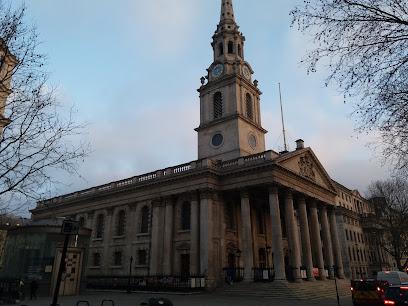
St Martin-in-the-Fields Church Path
0.2 km
Georgian masterpiece and spiritual anchor of Trafalgar Square, influencing church architecture worldwide.
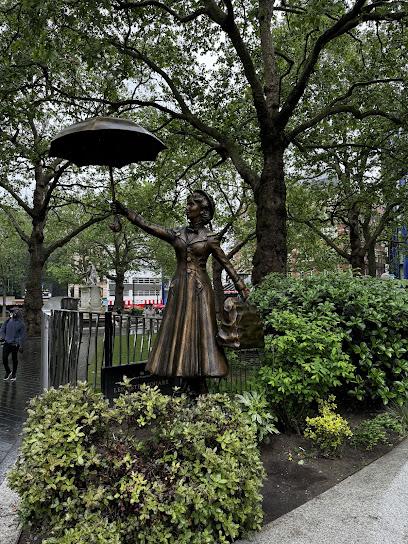
Mary Poppins Statue
0.2 km
Where cinema's most elegant nanny takes flight in the heart of London's film district.
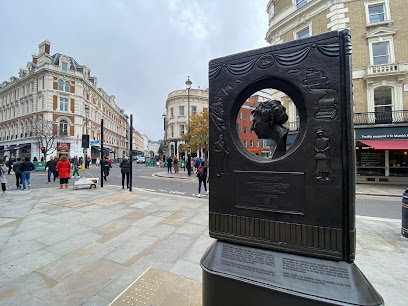
Agatha Christie memorial
0.2 km
A captivating bronze tribute to Agatha Christie, celebrating her literary genius and theatrical legacy in London's vibrant theatre district.
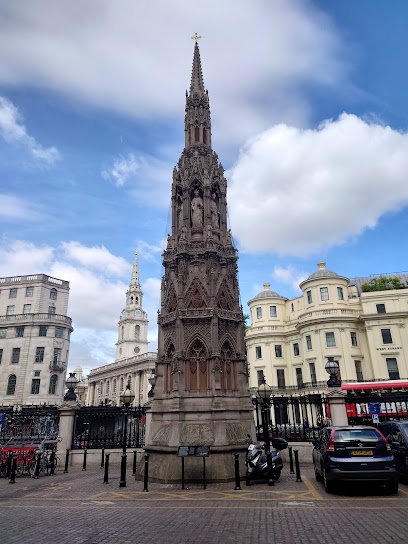
Eleanor Cross
0.3 km
A Victorian Gothic Revival monument marking the final resting place of Queen Eleanor’s funeral procession, blending medieval legacy with London’s historic heart.
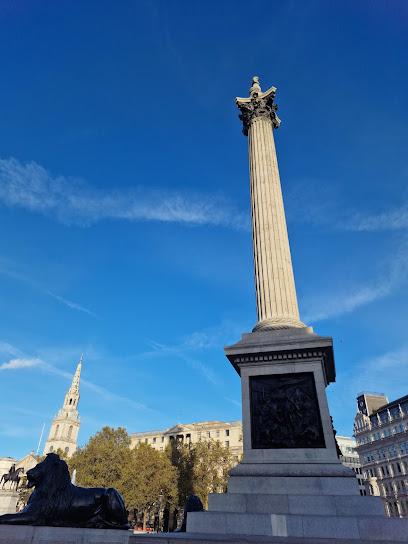
Nelson's Column
0.3 km
A towering tribute to Admiral Nelson’s naval triumph, standing proudly at the heart of London’s historic Trafalgar Square.
Obelisk Charles James Napier
0.3 km
A contested monument to a complex military figure in London's most iconic public square.

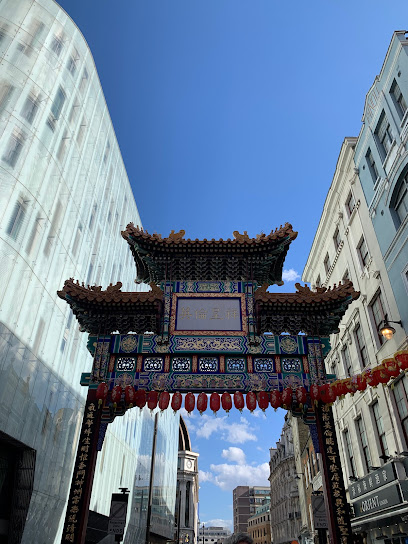
Chinatown Gate
0.3 km
Experience the vibrant spirit of London's Chinatown at the iconic Chinatown Gate, a cultural gem filled with culinary delights and rich heritage.
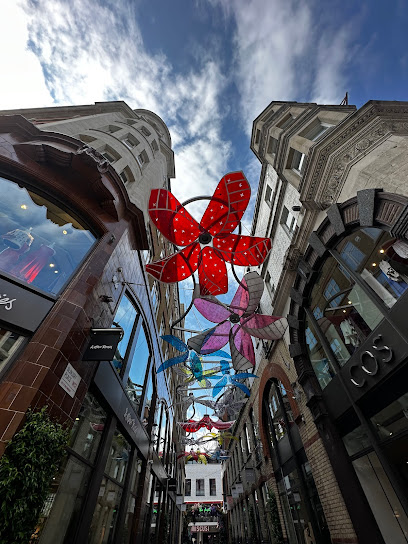
Slingsby Place
0.3 km
Explore Slingsby Place, a serene scenic point in London, offering lush greenery and stunning architecture perfect for relaxation and memorable photographs.
Charing Cross
0.3 km
Explore the vibrant Charing Cross station in London, a historic transport hub surrounded by iconic attractions and rich culture.
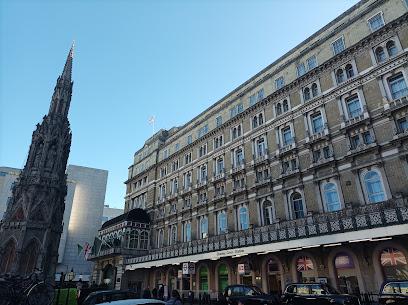
St Paul’s Church Covent Garden
0.3 km
Historic neo-classical church in Covent Garden, famed as the Actors’ Church with deep theatrical roots and an iconic classical portico.
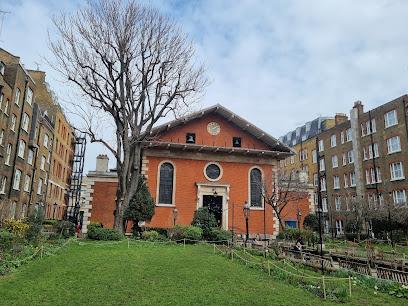
Mercer Walk
0.4 km
Experience the enchanting Mercer Walk in London, a charming alley brimming with boutique shops, cozy cafes, and artistic flair that captures the city's spirit.
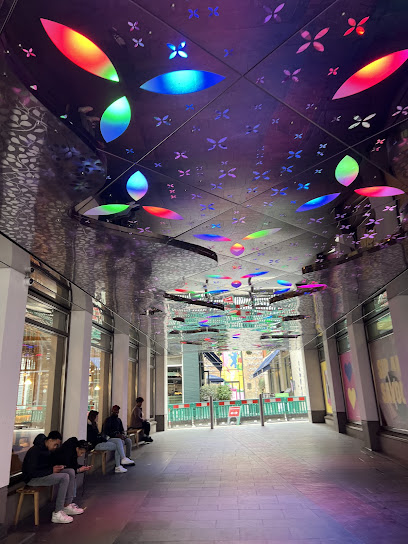
Shaftesbury Ave
0.4 km
Discover London’s vibrant Shaftesbury Avenue, the epicenter of the West End's theatre scene, offering a myriad of shows, dining, and nightlife options.
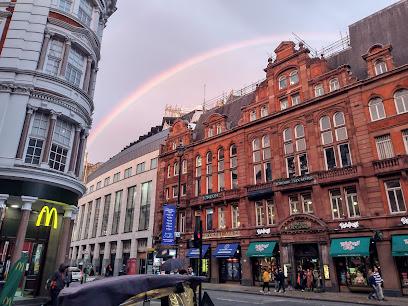
Covent Garden, street shows
0.4 km
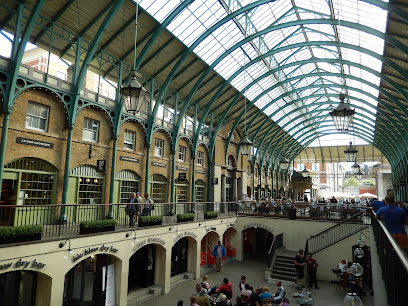
Experience the vibrant energy of Covent Garden, where street performances, shopping, and history come together in the heart of London.
Admiralty Arch
0.4 km
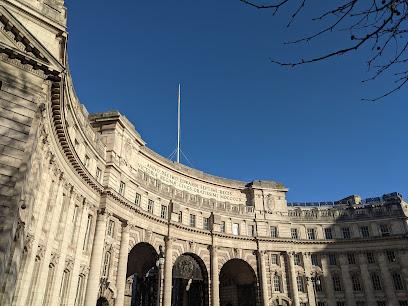
A majestic Edwardian gateway linking Trafalgar Square to Buckingham Palace, embodying Britain's royal heritage and naval history.
Huntfun Covent Garden
0.4 km
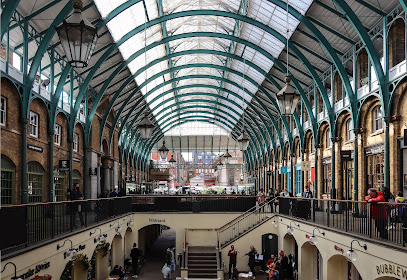
Explore the vibrant atmosphere of Huntfun Covent Garden, a premier tourist attraction in London filled with unique shops, local stalls, and street performances.
Unmissable attractions to see

Solve A Mystery - London (Pick-Up Point)
0.0 km
Unravel a historic murder mystery through iconic London streets in this immersive self-guided detective adventure.
The Duke of York's Theatre
0.1 km
Historic West End theatre on St Martin's Lane, home to iconic productions and timeless British theatrical heritage.
Cecil Court
0.1 km
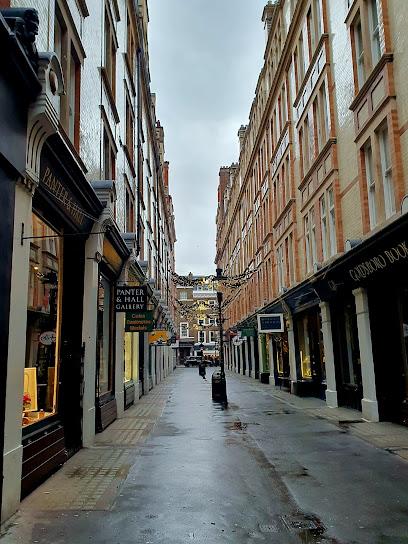
Discover Cecil Court, a historic London street famed for its Victorian charm, rare bookshops, early cinema heritage, and a brief Mozart residency.
National Portrait Gallery
0.1 km
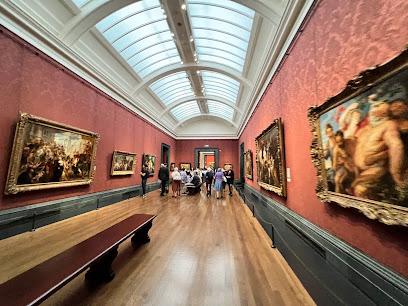
Explore the world’s largest portrait collection showcasing British history and culture in a welcoming, accessible London landmark.
London Coliseum
0.1 km
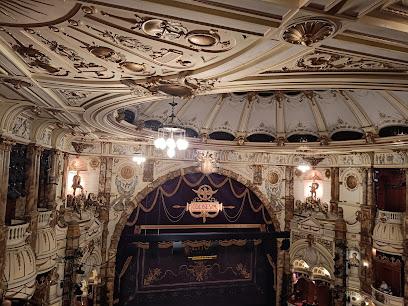
Experience grand Edwardian theatre and world-class opera and ballet at the iconic London Coliseum in the heart of London’s West End.
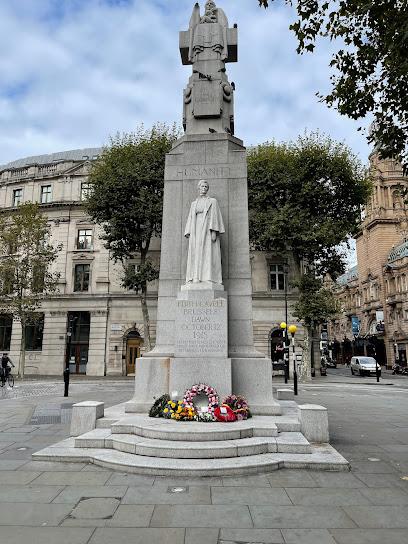
Edith Cavell Memorial
0.1 km
A solemn tribute in central London honoring Edith Cavell’s courage, compassion, and sacrifice during World War I.
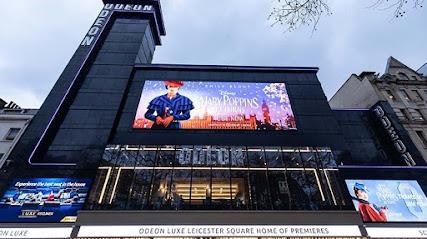
ODEON Luxe Leicester Square
0.1 km
Experience London’s iconic Art Deco cinema with luxury recliners and the UK’s first Dolby Cinema screen in the heart of Leicester Square.
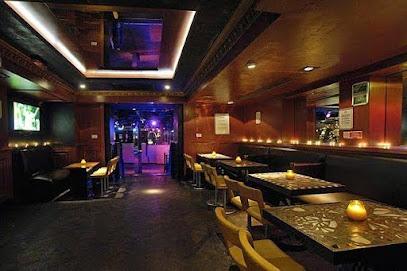
Zoo Bar & Club
0.1 km
Dive into London’s nightlife at Zoo Bar & Club, a cocktail haven offering themed parties, delicious drinks, and a vibrant atmosphere right in the city center.
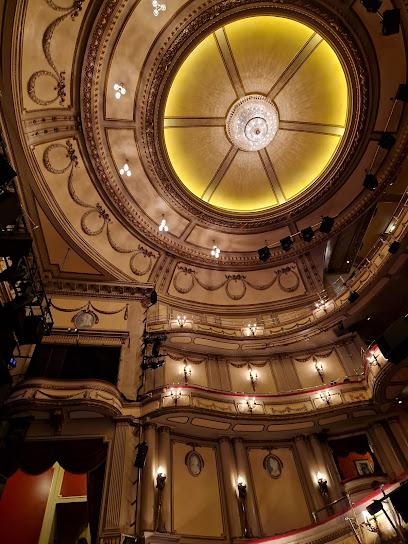
Noël Coward Theatre
0.1 km
Historic West End theatre blending classical elegance with world-class drama and comedy in the heart of London’s vibrant cultural scene.
The National Gallery
0.1 km
Home to one of the world’s greatest collections of Western European paintings, this grand London gallery offers free access to masterpieces from the 13th to the early 20th century.
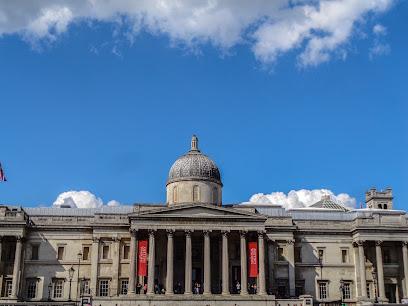
Scenes in the Square Sculpture Trail
0.1 km
Discover a century of cinema through iconic bronze statues in Leicester Square’s free, interactive film-themed sculpture trail.
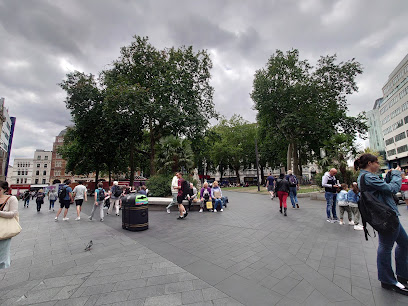
Goodwin’s Court
0.2 km
Step into Goodwin’s Court, a hidden Georgian alley in Covent Garden where history, mystery, and cinematic magic blend in timeless charm.
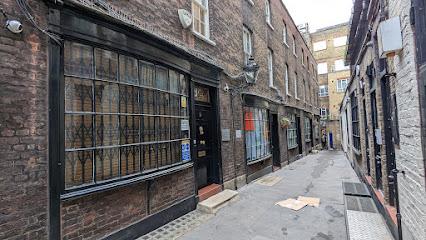
Leicester Square
0.2 km
Leicester Square pulses at the heart of London’s West End, a vibrant hub of cinema, theatre, and lively cultural heritage.
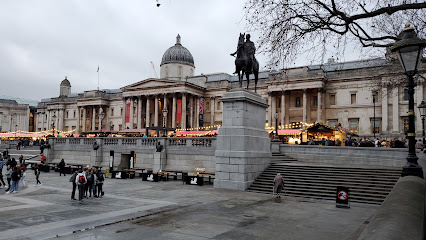
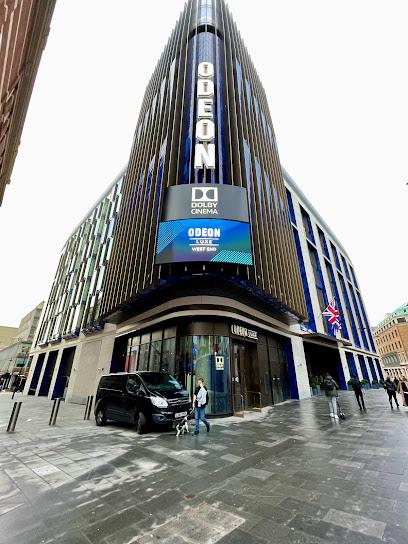
ODEON Luxe West End
0.2 km
Experience luxury cinema and vibrant West End culture at Odeon Luxe West End in the heart of Leicester Square.
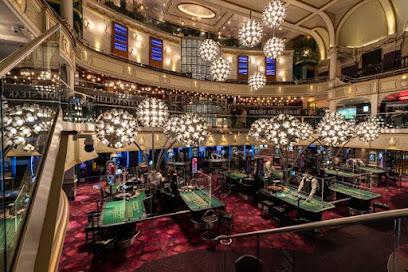
The Hippodrome Casino London
0.2 km
Experience London’s iconic Hippodrome Casino: historic grandeur meets 24/7 gaming, fine dining, and world-class live entertainment in Leicester Square.
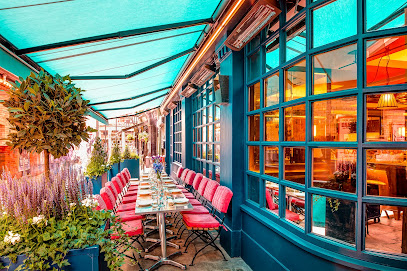
Essential places to dine

J Sheekey
0.1 km
Classic British seafood excellence in Covent Garden’s elegant, theatre-adjacent dining gem.
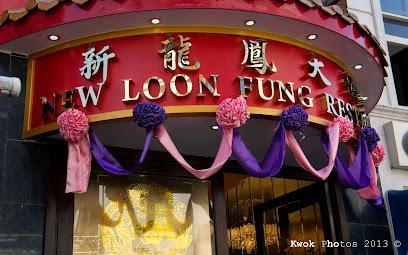
New Loon Fung Restaurant
0.3 km
Experience authentic Cantonese dim sum and classic Chinese dishes in one of Chinatown’s largest, long-standing restaurants on bustling Gerrard Street.
Flat Iron Covent Garden
0.3 km
Savor expertly crafted flat iron steaks in a historic Covent Garden setting, complete with rustic charm and a signature ice cream treat.
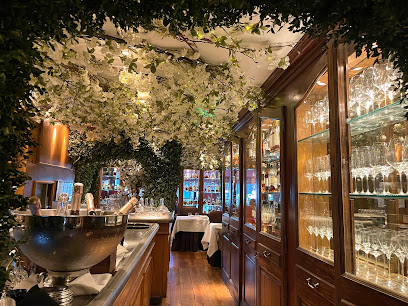
Clos Maggiore
0.3 km
Experience London’s most romantic French restaurant with enchanting blossom-filled conservatory and an award-winning wine cellar in Covent Garden.
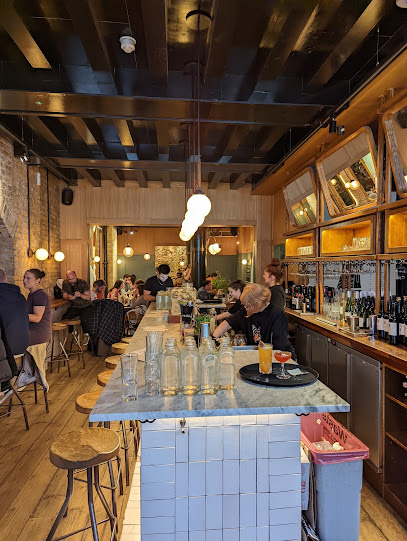
Cora Pearl Covent Garden
0.3 km
Elegant modern British dining in Covent Garden with iconic chips, soulful vibes, and a nod to a glamorous past.
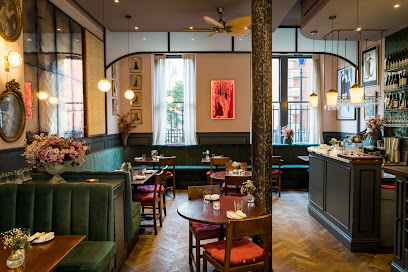
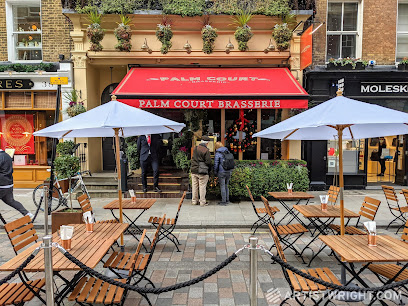
Palm Court Brasserie
0.3 km
Experience authentic Parisian charm and classic French cuisine in the vibrant heart of Covent Garden at Palm Court Brasserie.
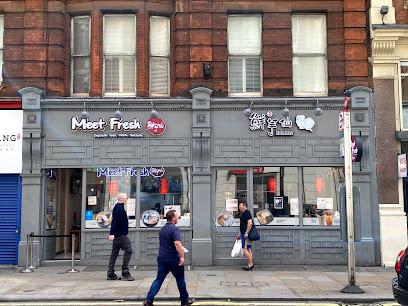
Meet Fresh
0.3 km
Authentic Taiwanese desserts in lively Soho, offering generous portions of mochi, taro balls, and refreshing fruit teas in a bustling urban setting.
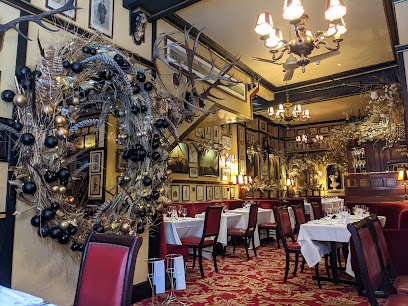
Rules
0.3 km
London’s oldest restaurant since 1798, Rules serves timeless British classics in an elegant, historic Covent Garden setting.
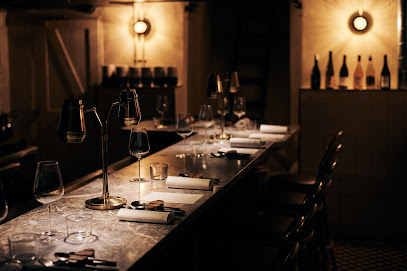
Evelyn's Table
0.3 km
Discover Evelyn's Table, a Michelin-starred, intimate dining counter in Soho offering inventive British cuisine with French and Japanese flair.
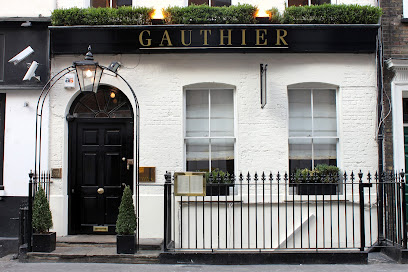
Gauthier Soho
0.4 km
Innovative vegan French fine dining in a stylish Soho townhouse, blending tradition with plant-based creativity.
Punch & Judy
0.4 km
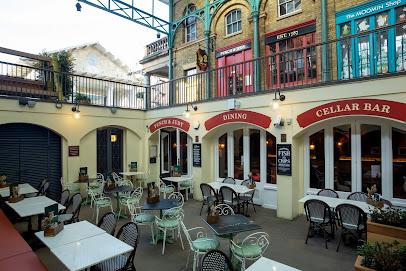
Historic Covent Garden pub blending classic British fare, lively balcony views, and family-friendly charm in the heart of London.
Chez Antoinette
0.4 km
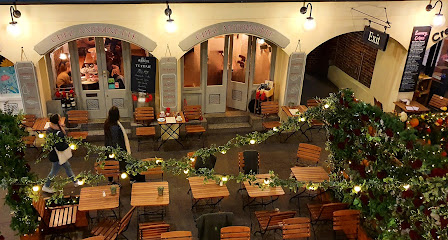
Authentic Lyon-inspired French bistro serving classic tartines and cozy café fare in the heart of Covent Garden, London.
Hawksmoor Seven Dials
0.4 km
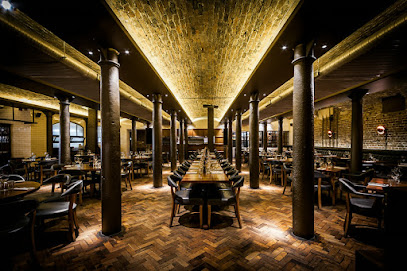
Savor expertly grilled British steaks and vibrant seafood in a historic Covent Garden brewery setting with atmospheric charm and refined cocktails.
Wild Honey St James
0.4 km
Michelin-starred French-influenced cooking in a Grade II-listed banking hall, where refined technique meets understated elegance.
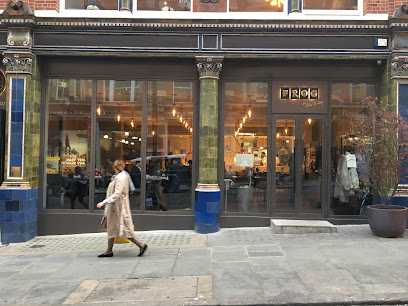
Frog by Adam Handling Restaurant Covent Garden
0.4 km
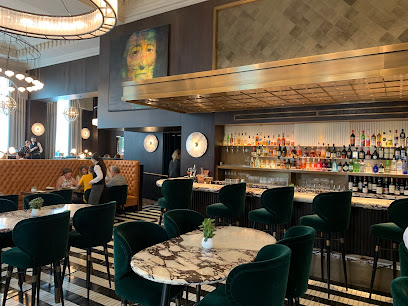
Experience Michelin-starred modern British cuisine with theatrical flair and sustainable luxury in the heart of Covent Garden.
Markets, malls and hidden boutiques

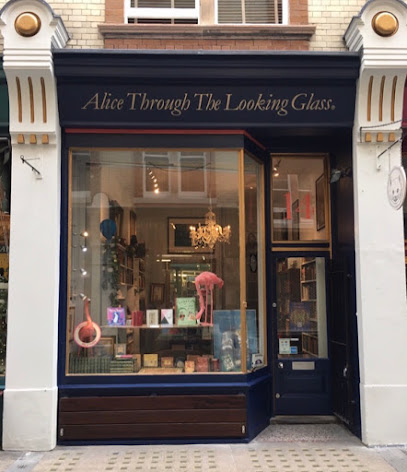
Alice Through The Looking Glass
0.1 km
Step into a whimsical world of antiques, art, and literary treasures inspired by Alice in Wonderland in the heart of London’s Cecil Court.
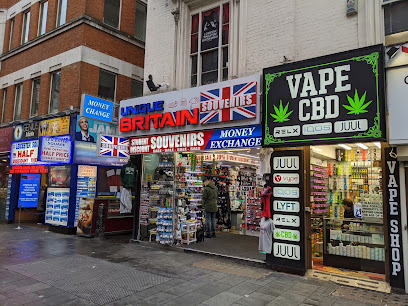
Unique Britain
0.1 km
Discover authentic British souvenirs and artistic keepsakes in the heart of London’s lively West End on historic Cranbourn Street.
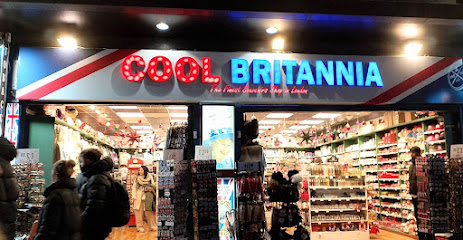
Cool Britania
0.2 km
Discover authentic British souvenirs and capture timeless memories at Cool Britannia, Leicester Square’s premier gift and photography shop.
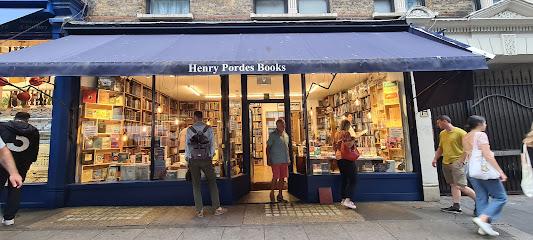
Henry Pordes Books Ltd
0.3 km
London's legendary independent rare bookshop preserving literary treasures on historic Charing Cross Road.
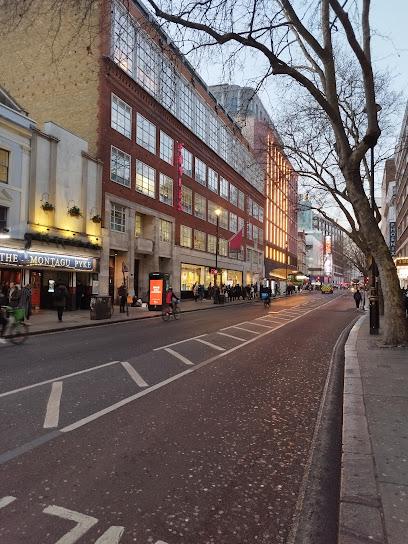
Charing Cross Rd
0.3 km
Charing Cross Road: London’s iconic street for book lovers, theatres, and vibrant urban culture in the heart of the West End.
Glorious London Gift & Souvenir
0.3 km
Discover unique souvenirs and gifts that embody the spirit of London at Glorious London Gift & Souvenir, a must-visit shopping destination.
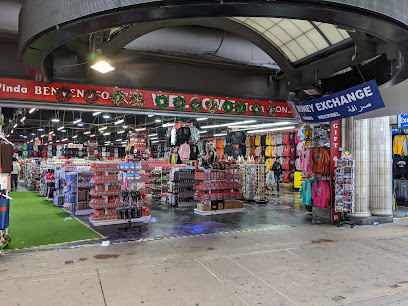
Crest of London Ltd
0.3 km
Discover authentic London souvenirs and local crafts at Crest of London Ltd, your premier gift shop in historic Whitehall.
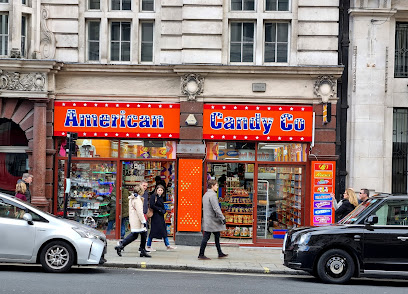
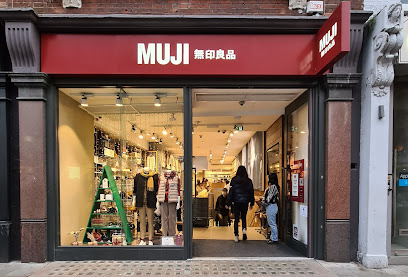
MUJI Covent Garden Store
0.4 km
Discover Japanese minimalism in Covent Garden: timeless clothing, sustainable homewares, and functional stationery for clutter-free, mindful living.
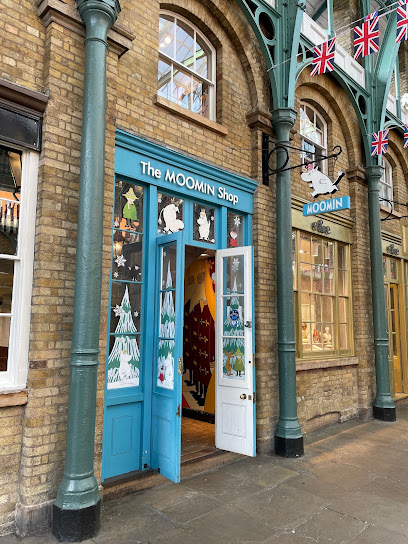
The Moomin Shop London
0.4 km
Step into the enchanting world of Moominvalley at The Moomin Shop in Covent Garden, London’s magical haven for fans of Tove Jansson’s beloved characters.
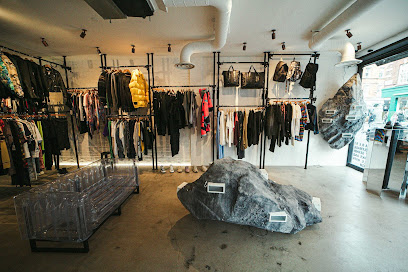
La Boutik
0.4 km
Soho's chic haven for European designer imports on buzzing Dean Street—unique fashion finds in London's creative epicenter.
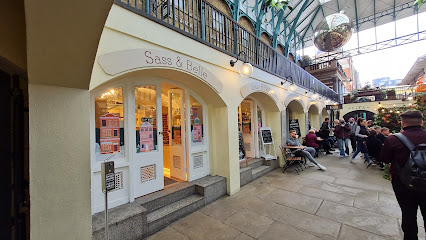
Sass & Belle Covent Garden Market
0.4 km
Quirky gifts and whimsical homeware in Covent Garden's lively market—permanently closed in-store, thriving online with cute finds for every home.
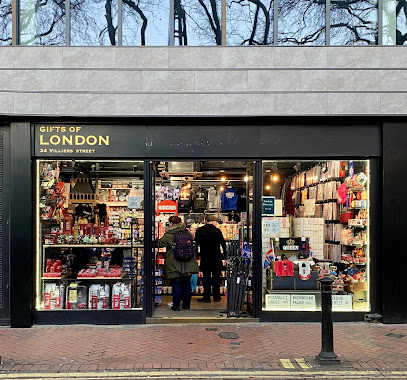
Gifts of London
0.4 km
Discover unique souvenirs and gifts that embody the spirit of London at Gifts of London, your perfect shopping destination.
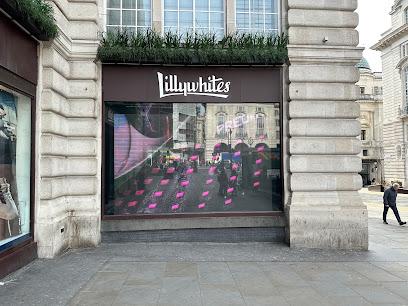
Lillywhites
0.4 km
London's iconic sports megastore at Piccadilly Circus—where athletic excellence meets retail tradition.
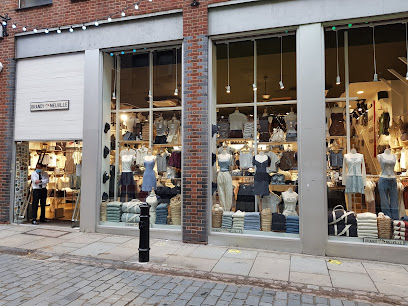
Brandy Melville - Covent Garden
0.4 km
Trendy Italian-LA fusion on Neal Street: one-size-fits-most chic for the effortless Covent Garden style seeker.
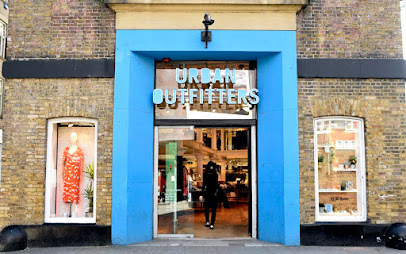
Urban Outfitters
0.5 km
Dive into Urban Outfitters' warehouse wonderland in Seven Dials, where eclectic fashion, cult beauty, and quirky homewares fuel London's youth culture vibe.
Essential bars & hidden hideouts

Blind Spot London
0.1 km
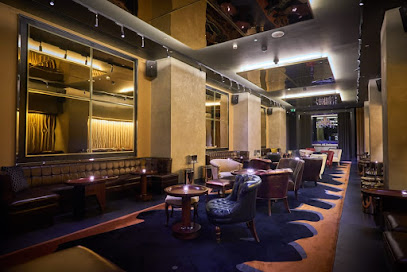
Discover a secretive speakeasy with globally inspired cocktails and intimate ambiance tucked inside St Martin’s Lane Hotel, Covent Garden.
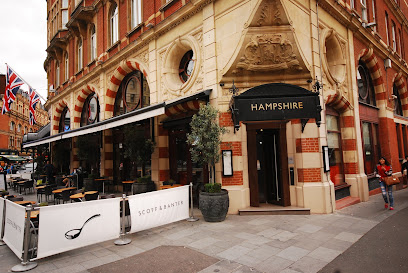
Hampshire Restaurant and Bar
0.1 km
Intimate bar and restaurant serving vibrant Mexican and Peruvian cuisine in the heart of Leicester Square’s iconic theatre district.
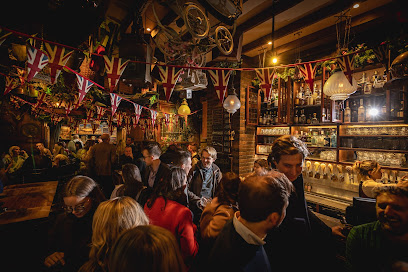
Mr Fogg's Tavern
0.1 km
Step into a Victorian-inspired tavern in Covent Garden, where inventive cocktails meet hearty British fare in an eclectic and lively setting.
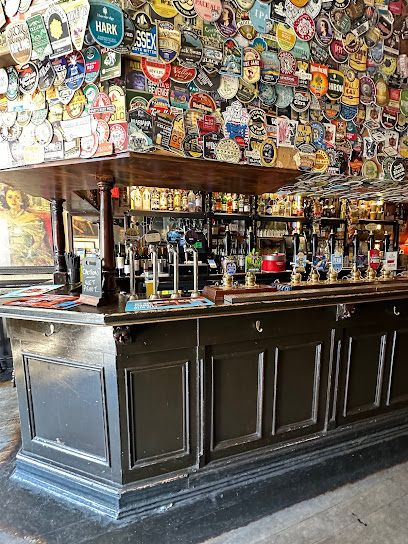
The Harp, Covent Garden
0.1 km
A historic Covent Garden pub famed for award-winning ales, traditional ciders, and a timeless, welcoming atmosphere.
The Alchemist St Martin's Lane
0.2 km
Experience theatrical cocktails and vibrant dining in the heart of Covent Garden’s iconic theatre district.
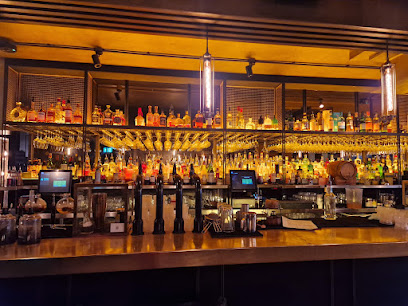
All Bar One Leicester Square
0.2 km
Stylish wine and cocktail bar in the heart of Leicester Square, perfect for socializing, dining, and private events in central London.
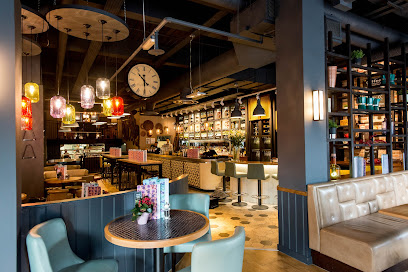
Covent Garden Social Club
0.2 km
Dive into Covent Garden's dual-world party den: prohibition cocktails below, live piano magic above—West End's ultimate nightlife hideaway for cocktails, cabaret, and endless sing-alongs. (162 characters)
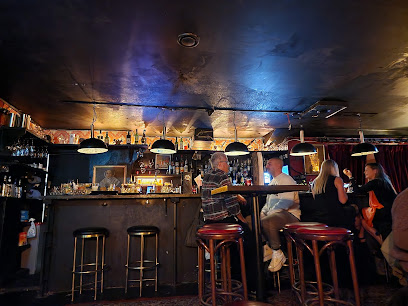
Ku Bar
0.2 km
Soho's legendary gay bar icon: three levels of inclusive vibes, cocktails, and basement beats in Chinatown's electric heart.
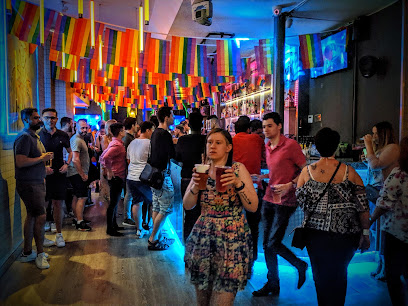
Blame Gloria - Cocktail Bar in Covent Garden
0.2 km
Dive into Blame Gloria’s neon-lit retro cocktail haven in Covent Garden, where legendary rock vibes and wild themed brunches electrify your night.
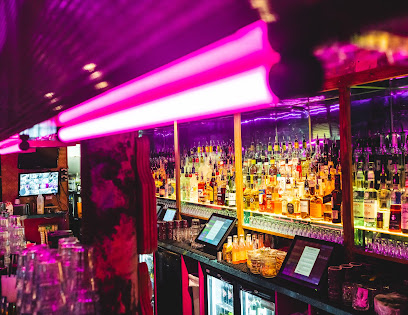
All Bar One Covent Garden
0.3 km
Stylish Covent Garden wine bar serving shareable plates, extensive wines, and cocktails in a lively West End setting—ideal for pre-theatre drinks or group gatherings.
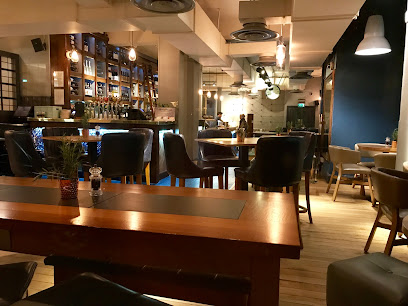
Mr Fogg's Society of Exploration
0.3 km
Step into a Victorian explorer’s world with inventive cocktails, immersive storytelling, and a mechanical mixologist in Covent Garden’s unique speakeasy.
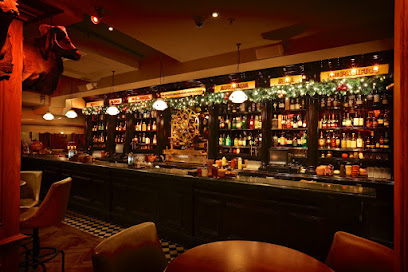
Oriole
0.3 km
Oriole invites you on a captivating global cocktail journey in Covent Garden, blending exotic flavours, elegant ambiance, and live music.
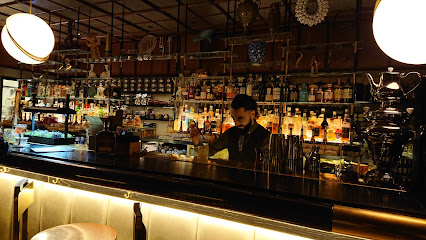
Opium Cocktail Bar - Soho
0.3 km
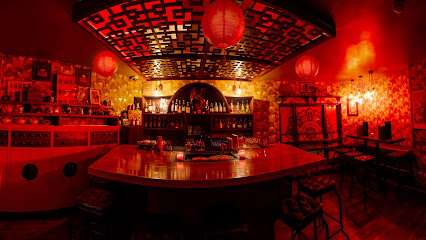
Discover a hidden Soho speakeasy blending 1920s Shanghai charm with inventive cocktails and exquisite dim sum in London’s Chinatown.
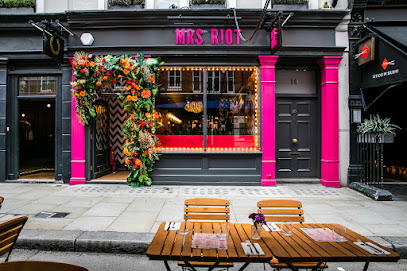
Mrs Riot
0.3 km
Covent Garden's technicolor riot: punk-pop cocktails, drag brunches, live DJs, and Kitty Clive's rebellious legacy in one explosive venue.
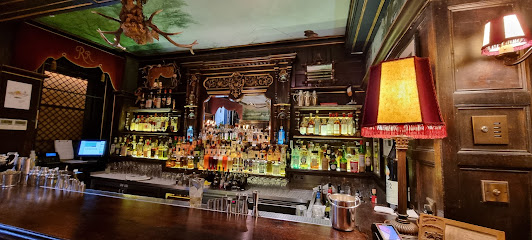
Upstairs At Rules
0.3 km
Discover Upstairs At Rules, a refined cocktail bar above London’s oldest restaurant, where Edwardian elegance meets expertly crafted drinks in Covent Garden.
Nightclubs & after hour spots

Whatdafunk Presents West End Urban Disco
0.2 km
Dive into London's grooviest urban disco beats at Whatdafunk, where Covent Garden's streets pulse with funk, soul, and non-stop dance energy in the heart of the West End.
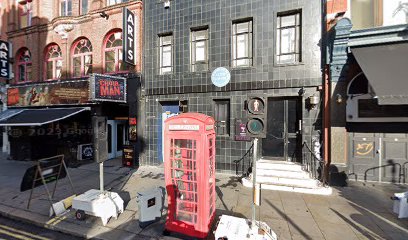
The Penthouse London
0.2 km
A compact, rooftop nightclub above Leicester Square — reached by a side lift, built for late‑night private parties and skyline glimpses.
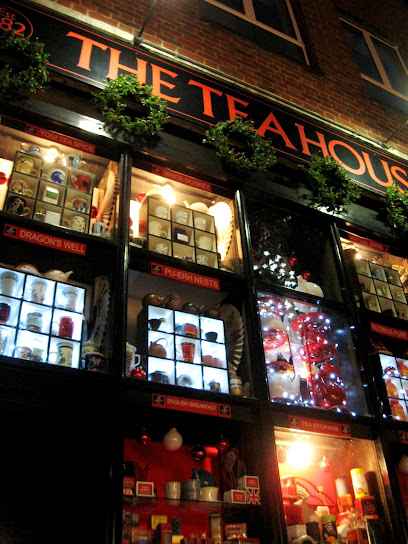
Luxe Club
0.3 km
Experience London's vibrant nightlife at Luxe Club, a central hotspot for music, dancing, and late-night entertainment.
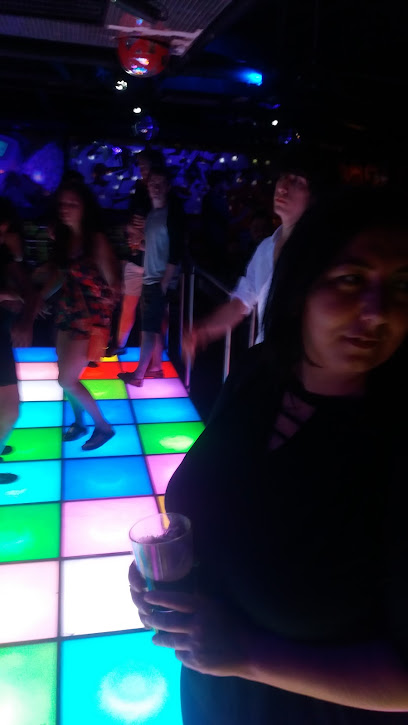
The Ivy Club
0.3 km
Art-Deco‑tinged members’ club above The Ivy — piano bars, discreet private dining and polished West End glamour.
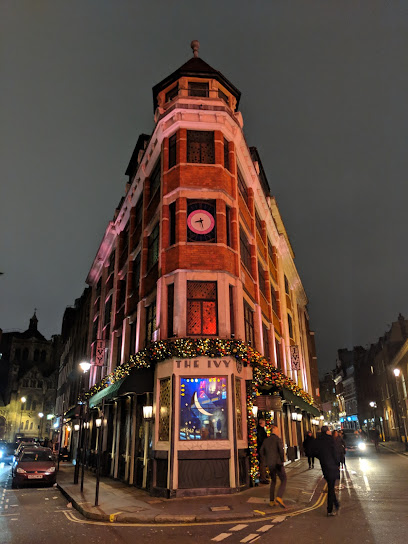
Tiger Tiger London
0.3 km
Experience London’s iconic Haymarket nightclub with six vibrant rooms, lively DJs, and a dynamic party atmosphere just moments from Piccadilly Circus.
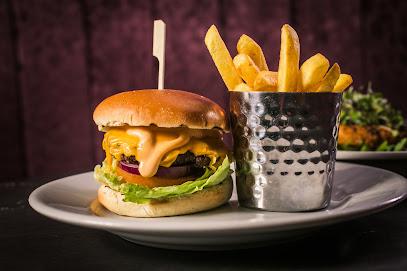
TSQ Club
0.3 km
Dive into Trafalgar Square's nightlife pulse at TSQ Club, where eclectic beats, dazzling lights, and craft cocktails fuel unforgettable weekend nights in London's heart.
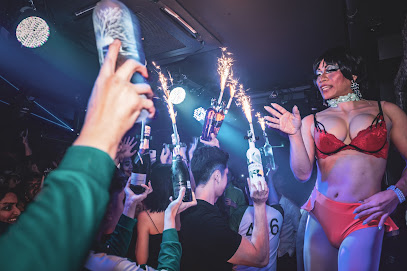
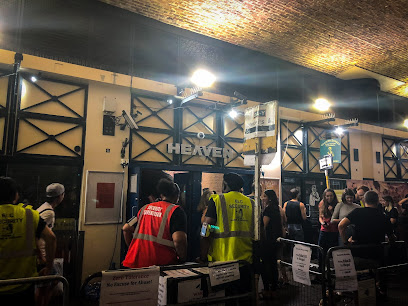
Heaven
0.3 km
London’s iconic gay superclub under the railway arches — big nights, loud music, drag, and late finishes in the heart of the West End.
Comedy Carnival Covent Garden
0.4 km
London's premier stand-up comedy venue showcasing bold, award-winning international comedians in vibrant Covent Garden.

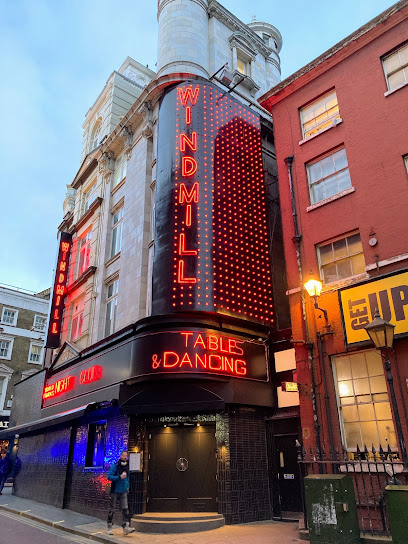
The Windmill Soho | Restaurant, Cabaret & Nightclub in Soho, London
0.5 km
Soho's legendary cabaret den revived: burlesque bites, theatrical feasts, and all-night beats in a historic hotspot of hedonism.
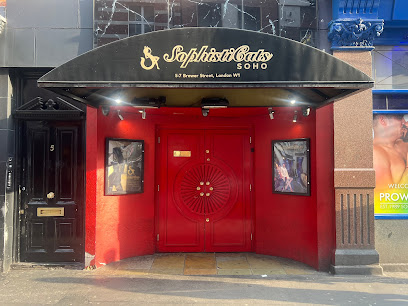
Sophisticats Soho
0.5 km
An intimate, late‑night Soho gentlemen’s club on Brewer Street offering staged performances, VIP seating and an upmarket, discreet atmosphere.
Versity Camp Nightclub
0.5 km
Dive into Soho's beating heart at Versity Camp Nightclub, where thumping bass, inventive cocktails, and an electric crowd fuel unforgettable nights until dawn.
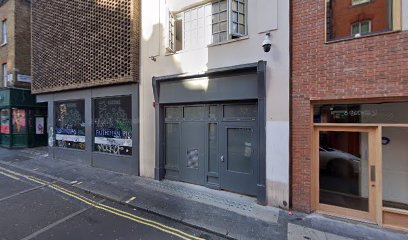
Club49Soho
0.5 km
Soho's stylish cocktail haven with DJ-fueled dancefloor energy, blending upscale drinks and classy nightlife vibes until 3am.
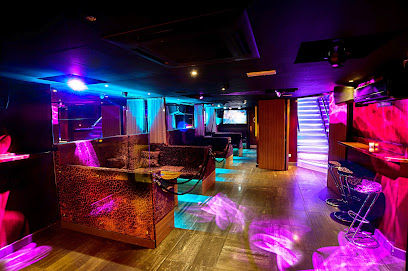
The Roxy
0.5 km
Soho's unbeatable happy hour cocktail bar by day, pulsing nightclub with live music and DJ nights till 3am—affordable vibes in London's nightlife heart.
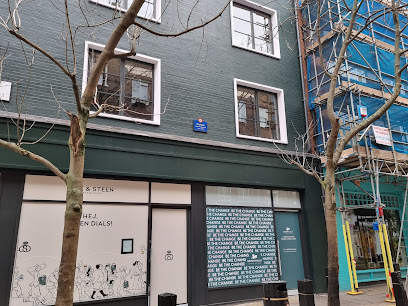
The Box Soho
0.5 km
A clandestine Soho cabaret where decadent staging, provocative shows and high‑end cocktails collide in an intense late‑night theatre.
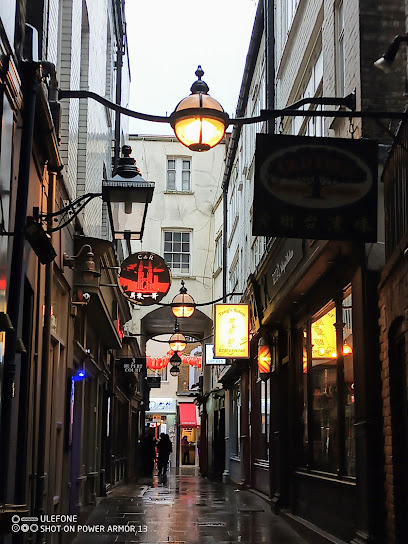
La Capannina Club
0.5 km
Discover Soho's discreet gentlemen's club: seductive stage shows, cosy vibes, and late-night allure in London's nightlife heart.
For the vibe & atmosphere seeker
- Relaxing
- Tranquil
- Scenic
- Lively
- Unique
For the design and aesthetic lover
- Vintage Styles
- Art Deco Styles
For the architecture buff
- Historic
- Landmarks
- Art & Design
- Heritage Neighborhoods
For the view chaser and sunset hunter
- Iconic Views
For the social media creator & influencer
- Instagrammable
- Photo Spots
- Architectural Shots
For the eco-conscious traveler
- Public-Transport Accessible
- Locally Managed
For the kind of experience you’re after
- Cultural Heritage
- Photowalk
- Weekend Getaway
- Festival / Event Nearby
For how adventurous you want the journey to be
- Easy Access
Location Audience
- Family Friendly
- LGBT Friendly
- Senior Friendly
- Child Friendly
- Teen Friendly
- Wheelchair Access
- Solo Friendly
- Couple Friendly
- Solo Female Friendly


