

St Martin-in-the-Fields Church
Georgian masterpiece and spiritual anchor of Trafalgar Square, influencing church architecture worldwide.
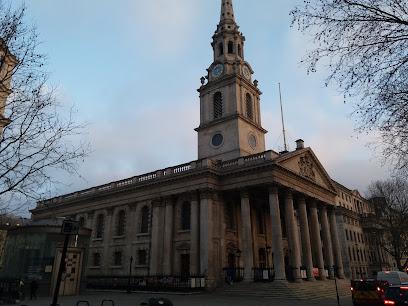
A magnificent neoclassical church anchoring the northeast corner of Trafalgar Square, St Martin-in-the-Fields stands as one of Britain's most influential ecclesiastical buildings. Designed by James Gibbs and completed in 1726, this Grade I listed landmark has served as an active parish church, concert venue, and social hub for nearly three centuries. Its elegant Georgian architecture, featuring a distinctive central steeple and classical portico, has inspired church designs across the English-speaking world. Beyond its architectural significance, the church remains deeply embedded in London's cultural and social fabric, hosting classical music performances, offering sanctuary to those in need, and pioneering innovative community services.
A brief summary to St Martin-in-the-Fields Church Path
- London, GB
- Duration: 0.75 to 2.5 hours
- Free
-
 Mixed
Mixed
- Mobile reception: 5 out of 5
Local tips
- Attend a free lunchtime classical music concert to experience the church's acoustics and soaring interior in an intimate setting.
- Visit the Prayer Garden, a hidden gem tucked away from the bustle of Trafalgar Square, ideal for quiet reflection or meditation.
- Explore the Café in the Crypt for refreshments in a unique underground setting, or try brass rubbing for a hands-on artistic experience.
- Arrive early in the morning or late afternoon to avoid peak Trafalgar Square crowds and enjoy the church's elegant architecture in relative calm.
- Take the commemorative walking tour app that revives the tradition of beating the bounds, exploring the historic parish boundaries of St Martin's.

For the on-the-go comforts that matter to you
- Restrooms
- Drink Options
- Food Options
- Seating Areas
- Sheltered Areas
- Information Boards
- Visitor Center
Getting There
-
London Underground
The nearest Underground stations are Charing Cross (Northern and Bakerloo lines) and Leicester Square (Northern and Piccadilly lines), both approximately 3–5 minutes' walk from the church. Journey times from central London locations typically range from 10–20 minutes depending on your starting point. Standard adult fares apply; consider an Oyster card or contactless payment for discounted travel.
-
Bus
Multiple bus routes serve Trafalgar Square and the surrounding area, including routes 3, 6, 9, 11, 12, 13, 15, 23, 24, 29, and 139. Buses run frequently throughout the day and evening. Journey times vary by route and starting location but typically range from 15–40 minutes. A single adult bus fare is approximately £1.75 with contactless payment or Oyster card.
-
Walking
St Martin-in-the-Fields is centrally located in Trafalgar Square, making it highly accessible on foot from most central London destinations. From Piccadilly Circus, the walk takes approximately 8–10 minutes; from Covent Garden, about 5–7 minutes; from the National Gallery, less than 2 minutes. The surrounding streets are well-lit and pedestrian-friendly, though Trafalgar Square itself can be crowded during peak hours.
-
Taxi or Rideshare
Taxis and rideshare services (Uber, Bolt) are readily available throughout central London. Journey times to St Martin-in-the-Fields from most central locations range from 5–20 minutes depending on traffic. Fares typically range from £8–20 for journeys within central London. Note that Trafalgar Square has limited vehicle access; taxis may drop you at nearby streets such as the Strand or Northumberland Avenue.
St Martin-in-the-Fields Church Path location weather suitability
-
 Any Weather
Discover more about St Martin-in-the-Fields Church Path
From Medieval Fields to Georgian Masterpiece
The history of St Martin-in-the-Fields stretches back over eight centuries, with the earliest documented reference appearing in 1222 when a dispute arose between the Bishop of London and the Abbot of Westminster over control of the church. The Archbishop of Canterbury ruled in Westminster's favour, and the monks of Westminster Abbey subsequently used the church as their own. The church's unusual name reflects its medieval origins—when first established, the site lay literally in open farmland beyond the boundaries of London and Westminster, far removed from the urban centre it now occupies. Henry VIII rebuilt the church in 1542, motivated by a pragmatic concern: he wished to prevent plague victims and funeral processions from passing through his Palace of Whitehall. By extending the parish boundaries, he transformed St Martin's into a principal parish church and spared himself the grim spectacle of corpses being carried past his royal residence. This Tudor structure served the growing congregation for nearly two centuries, though by the early 17th century, as Westminster's population expanded dramatically, the building had become inadequate. In 1606, King James I granted an additional acre of land to the west for a new churchyard, and the building was enlarged eastwards, increasing its length by approximately half.Architectural Innovation and Global Influence
By 1710, a survey revealed the aging structure in a state of decay. Parliament passed an act in 1720 authorizing the rebuilding of the church with a budget of up to £22,000. The rebuilding commissioners selected James Gibbs, a talented Scottish architect renowned for the Radcliffe Library in Oxford, to design the new church. Gibbs initially proposed an ambitious circular nave with a domed ceiling, but the commissioners deemed this scheme too expensive. He then produced a simpler, rectilinear plan that was accepted. The foundation stone was laid on 19 March 1722, and the final stone of the spire was positioned in December 1724. The completed building, finished in 1726, cost £33,661 including the architect's fees. Gibbs' design proved revolutionary. The church features a rectangular plan with Corinthian pillars, a monumental portico on the west front, and a striking 59-metre steeple positioned centrally behind the pediment—an unconventional arrangement that initially attracted criticism but ultimately proved hugely influential. This innovative combination of classical portico and traditional steeple became a template for churches throughout the English-speaking world, profoundly shaping ecclesiastical architecture in colonial North America and beyond. St Paul's Chapel in Manhattan and countless New England meetinghouses drew inspiration from Gibbs' design, making St Martin-in-the-Fields one of the most consequential architectural works of the 18th century.Sacred Ground Through the Ages
Archaeological excavations at the site have revealed that St Martin-in-the-Fields occupies ground sacred for far longer than previously imagined. A Roman sarcophagus weighing 1.5 tonnes, containing a human skeleton and dating from the late 4th or 5th century, was discovered during excavations—evidence that Roman London extended well beyond previously known boundaries. A Roman tile kiln dating from AD 400–450 indicates that significant Roman structures once stood near the site. Anglo-Saxon burial remains from the early 7th century further attest to the location's ancient spiritual significance. The buried Roman may have been a contemporary of the church's patron saint, St Martin of Tours, a 4th-century soldier who converted to Christianity and became renowned for his charity—most famously, cutting his cloak in half to share with a beggar.A Living Church in the Heart of London
More than three centuries after Gibbs' completion, St Martin-in-the-Fields remains one of Britain's most important ecclesiastical buildings and a visual anchor of Trafalgar Square. The church is fully operational, hosting approximately 20 services per week and maintaining an active role in London's spiritual and cultural life. It has become celebrated for its openness to all faiths and its commitment to social justice. During World War I, Vicar Dick Sheppard opened the church doors to provide refuge for soldiers, establishing a tradition of sanctuary that continues today. The church pioneered London's first free lending library and played a founding role in The Big Issue and Amnesty International. In the 1960s, recognizing the needs of new arrivals in the emerging Chinatown, St Martin's welcomed a Chinese congregation, and the Ho Ming Wah Chinese People's Day Centre now provides vital services for the Chinese community.Music, Art, and Contemporary Renewal
The church's soaring interior, with its beautiful plasterwork and understated elegance, provides an exceptional setting for classical music performances. St Martin-in-the-Fields hosts an impressive program of concerts, including free lunchtime recitals that draw music lovers from across London. The church also offers brass rubbing, a meditative Prayer Garden, and a renowned Café in the Crypt. A recent £36-million refurbishment has restored historic spaces and created new ones, including light wells that flood natural light throughout the building and crypt. For the first time in its history, the church is now fully wheelchair accessible. The building's Grade I listed status reflects its designation as a structure of the highest heritage importance, yet it remains a vibrant, working church rather than a museum piece—a living testament to continuous innovation in response to changing social needs.Iconic landmarks you can’t miss

St Martin-in-the-Fields Church Path
0.0 km
Georgian masterpiece and spiritual anchor of Trafalgar Square, influencing church architecture worldwide.
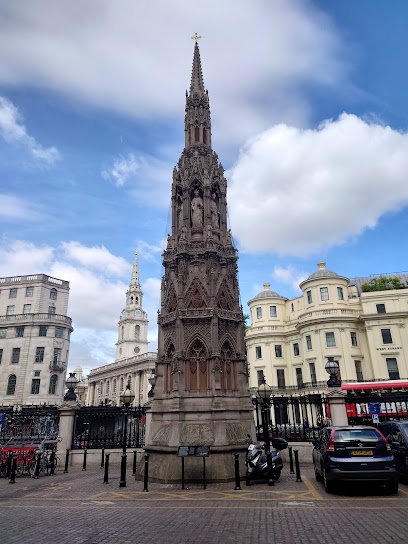
Eleanor Cross
0.1 km
A Victorian Gothic Revival monument marking the final resting place of Queen Eleanor’s funeral procession, blending medieval legacy with London’s historic heart.
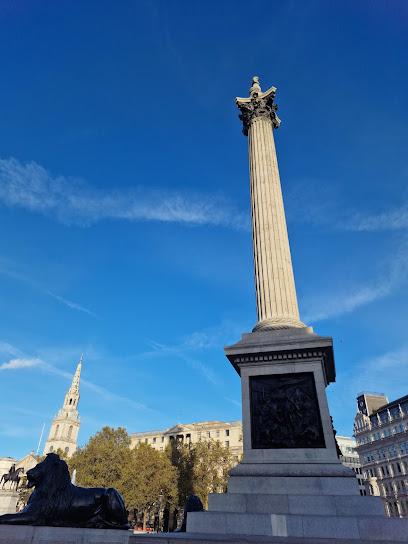
Nelson's Column
0.2 km
A towering tribute to Admiral Nelson’s naval triumph, standing proudly at the heart of London’s historic Trafalgar Square.
Obelisk Charles James Napier
0.2 km
A contested monument to a complex military figure in London's most iconic public square.

John Adam St & Adam St
0.3 km
Explore John Adam Street & Adam Street, heart of the Adam brothers’ neoclassical Adelphi development, blending Georgian elegance with modern London vibrancy.
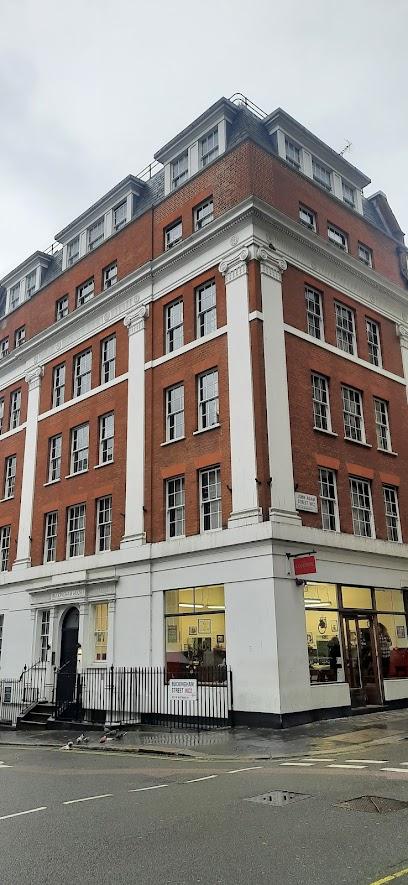
16-18 Whitehall
0.3 km
Explore 16-18 Whitehall, the historic site of England’s grandest royal palace and home to the stunning Banqueting House, a masterpiece of classical architecture.
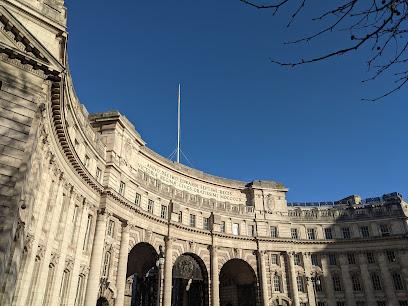
Admiralty Arch
0.3 km
A majestic Edwardian gateway linking Trafalgar Square to Buckingham Palace, embodying Britain's royal heritage and naval history.
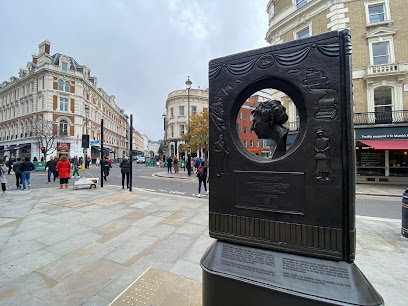
Agatha Christie memorial
0.3 km
A captivating bronze tribute to Agatha Christie, celebrating her literary genius and theatrical legacy in London's vibrant theatre district.
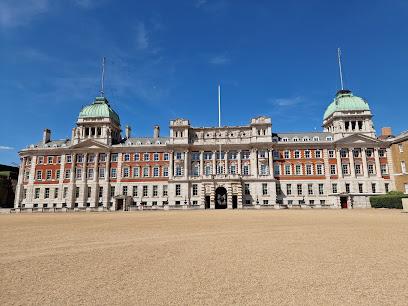
Old Admiralty Building
0.3 km
Historic heart of Britain’s naval command, blending grand architecture with pivotal moments in London’s maritime legacy.
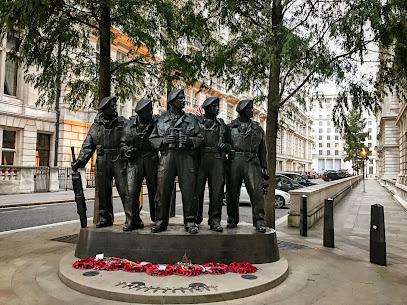
Royal Tank Regiment Memorial Statue
0.3 km
A commanding bronze tribute in Whitehall honoring the bravery and teamwork of the Royal Tank Regiment’s WWII Comet tank crews.
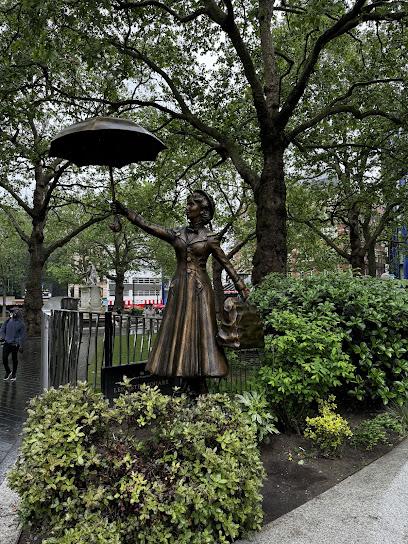
Mary Poppins Statue
0.3 km
Where cinema's most elegant nanny takes flight in the heart of London's film district.
Plaque: David Garrick
0.4 km
Honoring David Garrick, the 18th-century actor and theatre innovator, with a commemorative plaque in London’s historic theatre district.
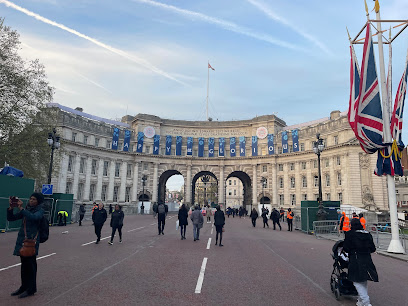
Royal Marines Memorial
0.4 km
A stirring bronze tribute on The Mall honoring Royal Marines’ sacrifice in China and South Africa, blending art and history in London’s ceremonial heart.
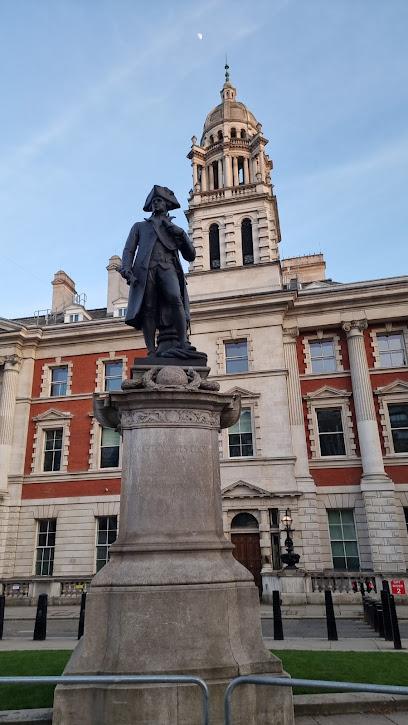
Captain James Cook
0.4 km
Bronze tribute to the explorer who charted the Pacific and shaped the British Empire
Major-General Lord Cheylesmore Monument
0.4 km
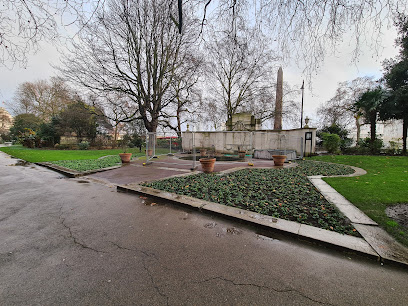
A serene stone tribute in Victoria Embankment Gardens honoring Major-General Lord Cheylesmore’s military and civic legacy.
Unmissable attractions to see

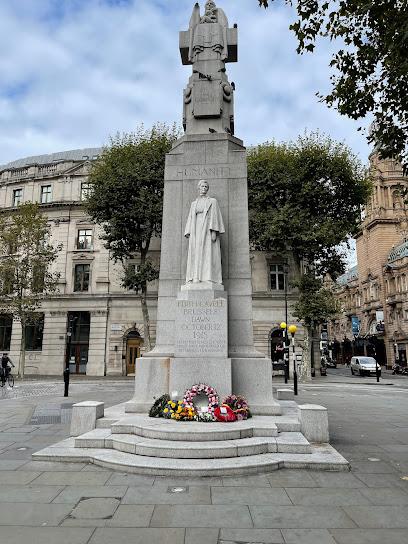
Edith Cavell Memorial
0.1 km
A solemn tribute in central London honoring Edith Cavell’s courage, compassion, and sacrifice during World War I.
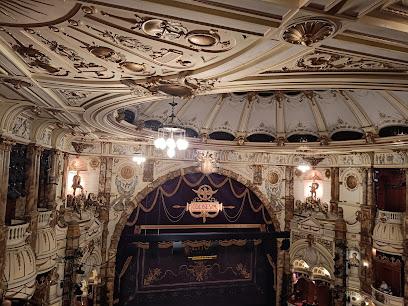
London Coliseum
0.1 km
Experience grand Edwardian theatre and world-class opera and ballet at the iconic London Coliseum in the heart of London’s West End.
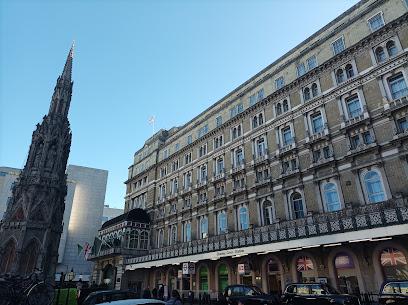
Charing Cross
0.1 km
Charing Cross and the Strand: a historic London gateway blending culture, theatre, and vibrant city life along a legendary riverside street.
National Portrait Gallery
0.1 km
Explore the world’s largest portrait collection showcasing British history and culture in a welcoming, accessible London landmark.
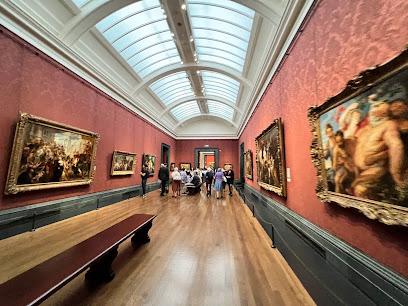
London by Night Tours
0.1 km
Discover London’s iconic landmarks aglow with night lights on an engaging open-top bus tour departing from historic Trafalgar Square.
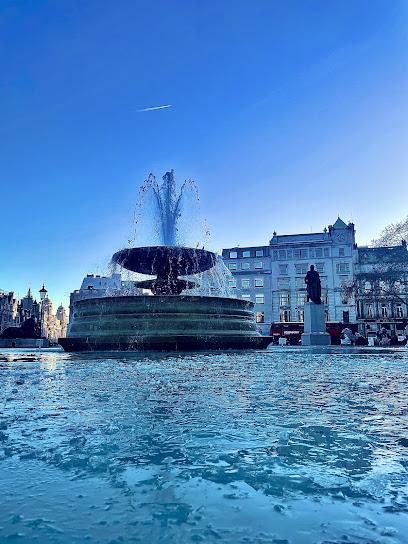
Grand Building
0.1 km
A grand Victorian landmark on the Strand, transformed from a luxury hotel into a vibrant cultural and community hub in the heart of London.
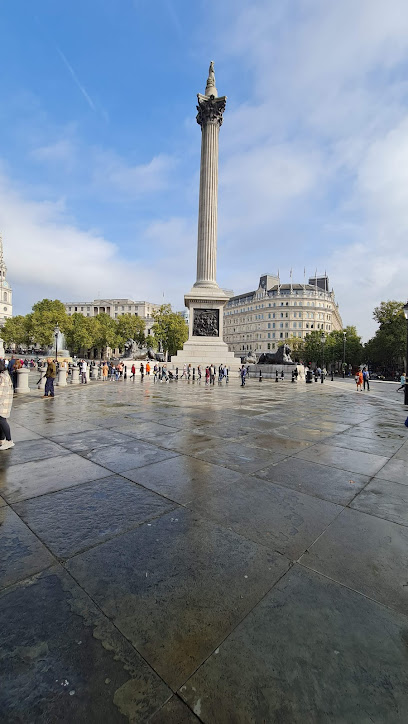
The National Gallery
0.1 km
Home to one of the world’s greatest collections of Western European paintings, this grand London gallery offers free access to masterpieces from the 13th to the early 20th century.
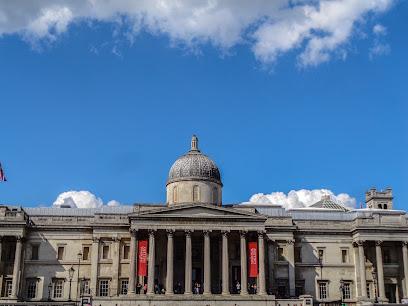
The Duke of York's Theatre
0.2 km
Historic West End theatre on St Martin's Lane, home to iconic productions and timeless British theatrical heritage.
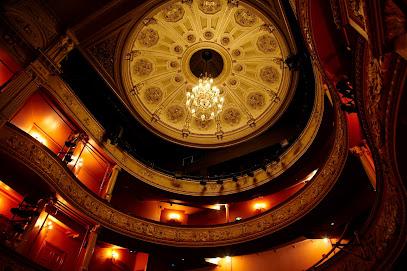
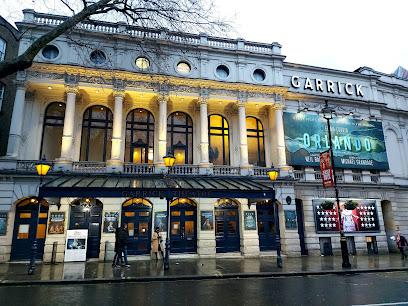
Garrick Theatre
0.2 km
Experience timeless West End theatre in the intimate, historic Garrick Theatre, where classic charm meets captivating performances.
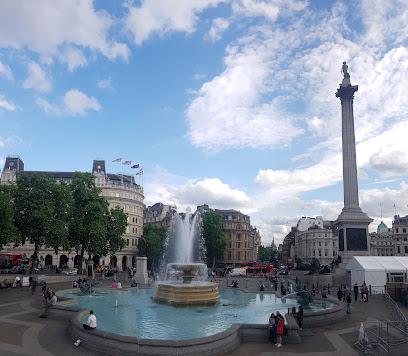
Trafalgar Square
0.2 km
Experience the vibrant culture and rich history at Trafalgar Square, London's iconic public square and cultural hub.
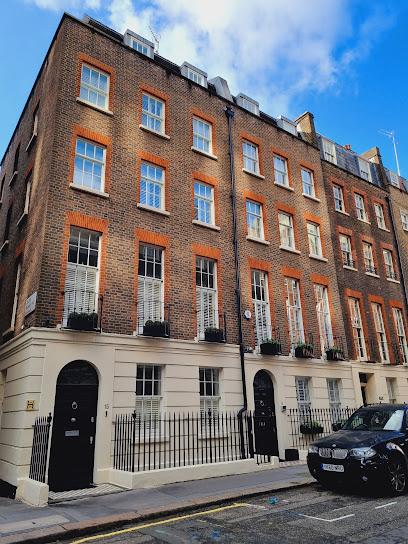
Benjamin Franklin House
0.2 km
Step inside the only surviving home of Benjamin Franklin and experience 18th-century London through immersive tours and rich history.
5 Trafalgar Sq
0.2 km
London’s iconic Trafalgar Square: a historic public plaza celebrating naval triumphs and vibrant civic life in the city’s heart.
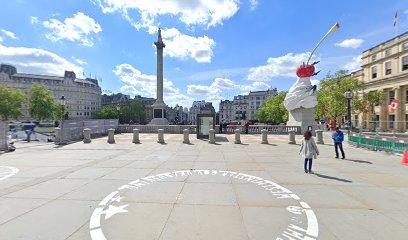
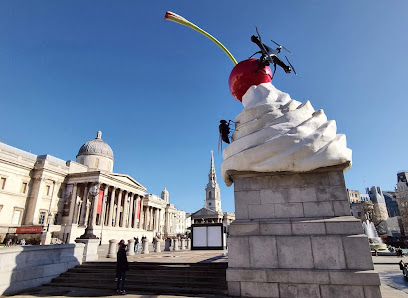
The Fourth Plinth
0.2 km
A historic plinth transformed into a world-famous stage for cutting-edge contemporary art in the heart of London’s Trafalgar Square.
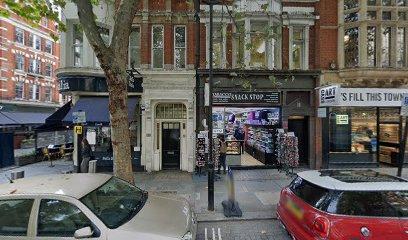
Solve A Mystery - London (Pick-Up Point)
0.2 km
Unravel a historic murder mystery through iconic London streets in this immersive self-guided detective adventure.
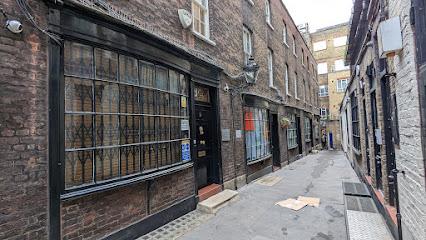
Goodwin’s Court
0.2 km
Step into Goodwin’s Court, a hidden Georgian alley in Covent Garden where history, mystery, and cinematic magic blend in timeless charm.
Essential places to dine

J Sheekey
0.2 km
Classic British seafood excellence in Covent Garden’s elegant, theatre-adjacent dining gem.
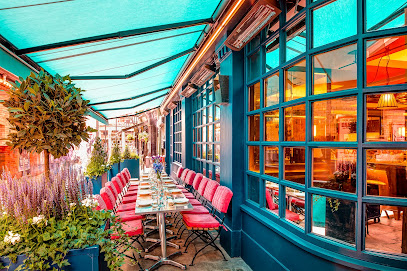
Flat Iron Covent Garden
0.2 km
Savor expertly crafted flat iron steaks in a historic Covent Garden setting, complete with rustic charm and a signature ice cream treat.
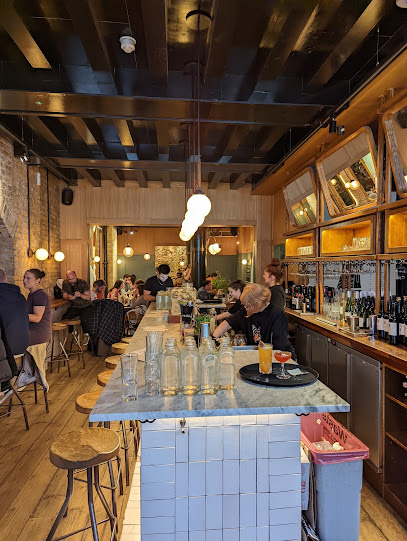
Ekstedt at The Yard
0.3 km
Experience Nordic wood-fired cuisine by Michelin-starred chef Niklas Ekstedt in the historic Great Scotland Yard Hotel, blending ancient fire cooking with British seasonal ingredients.
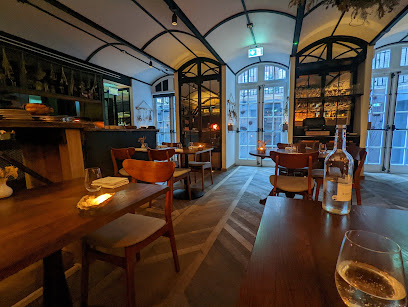
Rules
0.3 km
London’s oldest restaurant since 1798, Rules serves timeless British classics in an elegant, historic Covent Garden setting.
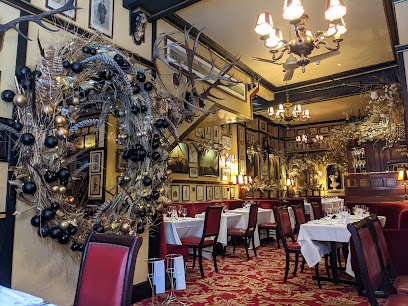
The Northall
0.3 km
Refined British dining with seasonal flair in a grand, elegant setting at Corinthia London’s distinguished restaurant.
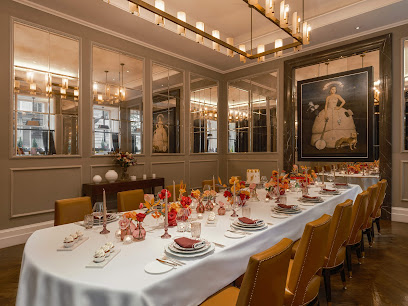
The Garden
0.3 km
A Mediterranean-inspired garden oasis offering refined seafood and elegant dining in the heart of London’s Corinthia Hotel.
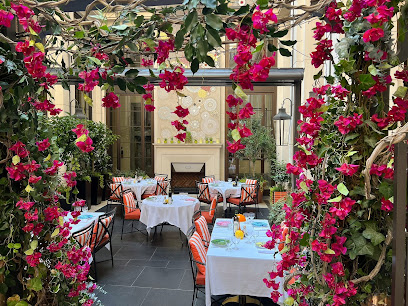
Cora Pearl Covent Garden
0.3 km
Elegant modern British dining in Covent Garden with iconic chips, soulful vibes, and a nod to a glamorous past.
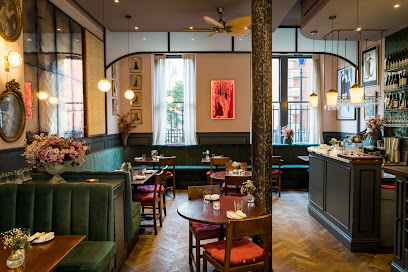
Clos Maggiore
0.3 km
Experience London’s most romantic French restaurant with enchanting blossom-filled conservatory and an award-winning wine cellar in Covent Garden.
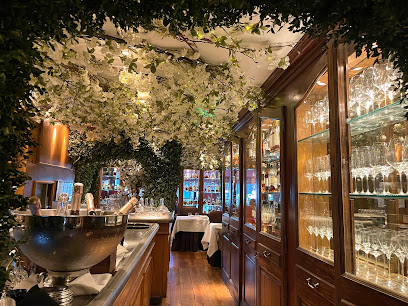
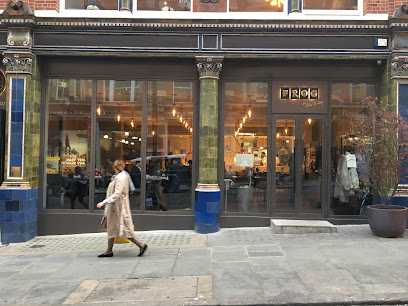
Frog by Adam Handling Restaurant Covent Garden
0.3 km
Experience Michelin-starred modern British cuisine with theatrical flair and sustainable luxury in the heart of Covent Garden.
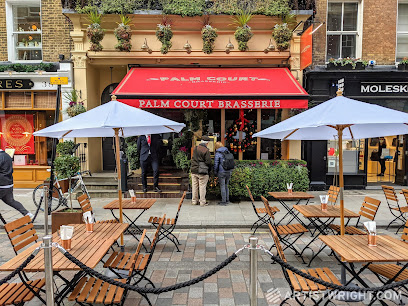
Palm Court Brasserie
0.4 km
Experience authentic Parisian charm and classic French cuisine in the vibrant heart of Covent Garden at Palm Court Brasserie.
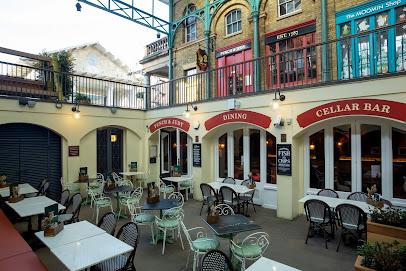
Punch & Judy
0.4 km
Historic Covent Garden pub blending classic British fare, lively balcony views, and family-friendly charm in the heart of London.
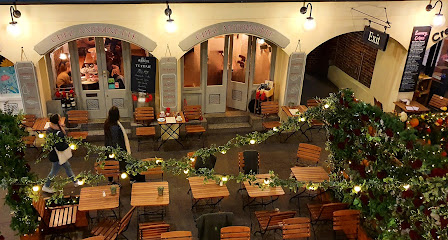
Chez Antoinette
0.4 km
Authentic Lyon-inspired French bistro serving classic tartines and cozy café fare in the heart of Covent Garden, London.
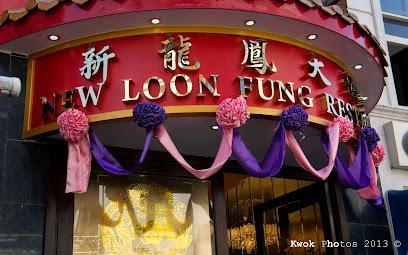
New Loon Fung Restaurant
0.4 km
Experience authentic Cantonese dim sum and classic Chinese dishes in one of Chinatown’s largest, long-standing restaurants on bustling Gerrard Street.
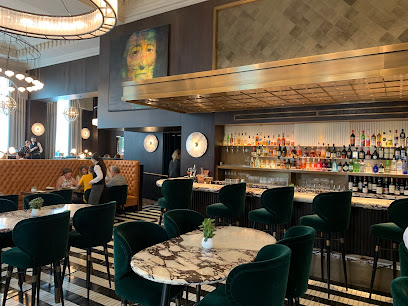
Wild Honey St James
0.4 km
Michelin-starred French-influenced cooking in a Grade II-listed banking hall, where refined technique meets understated elegance.
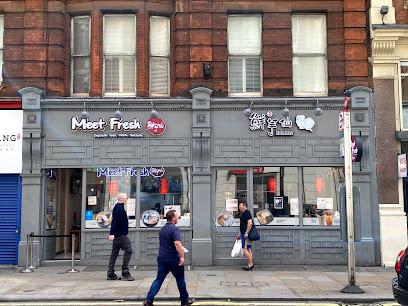
Meet Fresh
0.5 km
Authentic Taiwanese desserts in lively Soho, offering generous portions of mochi, taro balls, and refreshing fruit teas in a bustling urban setting.
Markets, malls and hidden boutiques

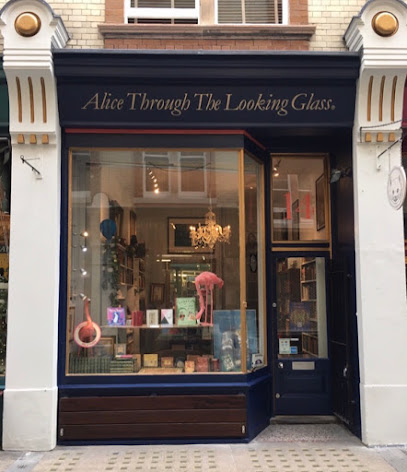
Alice Through The Looking Glass
0.2 km
Step into a whimsical world of antiques, art, and literary treasures inspired by Alice in Wonderland in the heart of London’s Cecil Court.
Crest of London Ltd
0.2 km
Discover authentic London souvenirs and local crafts at Crest of London Ltd, your premier gift shop in historic Whitehall.
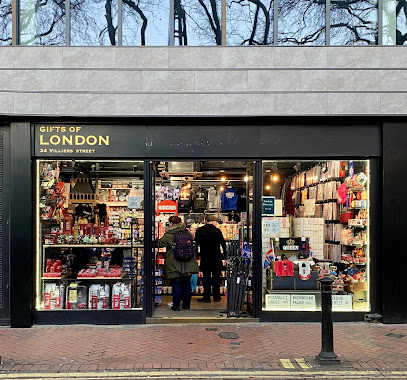
Gifts of London
0.3 km
Discover unique souvenirs and gifts that embody the spirit of London at Gifts of London, your perfect shopping destination.
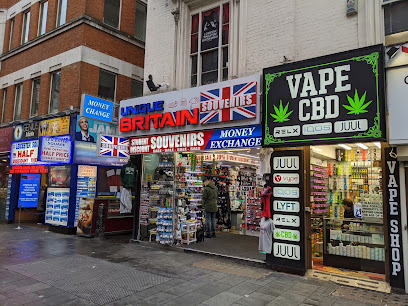
Unique Britain
0.3 km
Discover authentic British souvenirs and artistic keepsakes in the heart of London’s lively West End on historic Cranbourn Street.
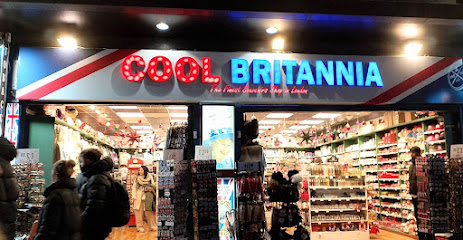
Cool Britania
0.4 km
Discover authentic British souvenirs and capture timeless memories at Cool Britannia, Leicester Square’s premier gift and photography shop.
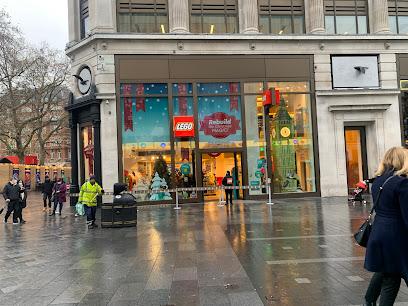
The LEGO® Store Leicester Square
0.4 km
Explore the world’s largest LEGO® Store in Leicester Square, London—two floors of interactive fun, iconic models, and endless creativity.
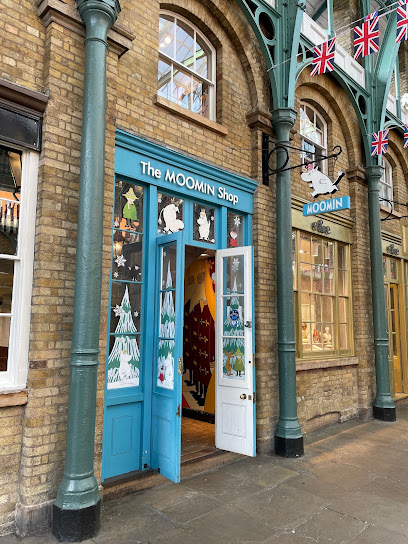
The Moomin Shop London
0.4 km
Step into the enchanting world of Moominvalley at The Moomin Shop in Covent Garden, London’s magical haven for fans of Tove Jansson’s beloved characters.
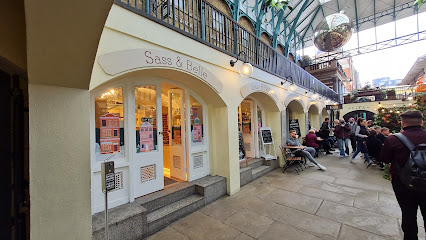
Sass & Belle Covent Garden Market
0.4 km
Quirky gifts and whimsical homeware in Covent Garden's lively market—permanently closed in-store, thriving online with cute finds for every home.
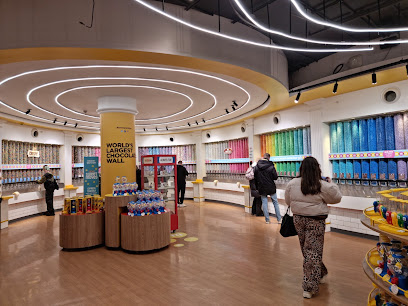
M&M'S London
0.4 km
Experience the colorful world of M&M'S London, where candy dreams come true with personalized treats and vibrant merchandise.
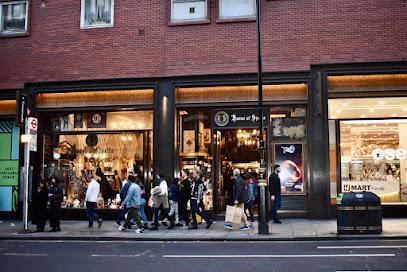
House of Spells
0.4 km
Step into a world of magic and fandom at House of Spells, London’s enchanting emporium for Harry Potter and fantasy collectibles.
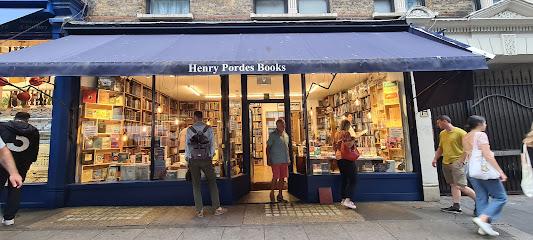
Henry Pordes Books Ltd
0.4 km
London's legendary independent rare bookshop preserving literary treasures on historic Charing Cross Road.
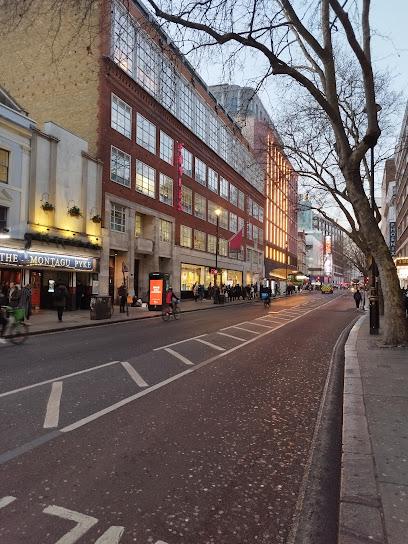
Charing Cross Rd
0.4 km
Charing Cross Road: London’s iconic street for book lovers, theatres, and vibrant urban culture in the heart of the West End.
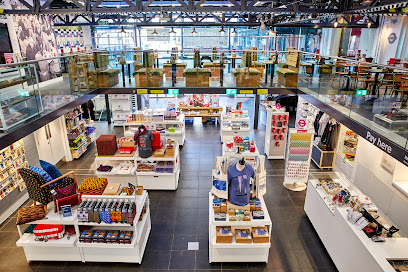
London Transport Museum - Shop
0.4 km
Discover unique transport-themed gifts and iconic London memorabilia at the London Transport Museum Shop in Covent Garden.
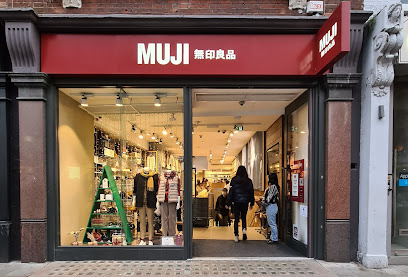
MUJI Covent Garden Store
0.4 km
Discover Japanese minimalism in Covent Garden: timeless clothing, sustainable homewares, and functional stationery for clutter-free, mindful living.
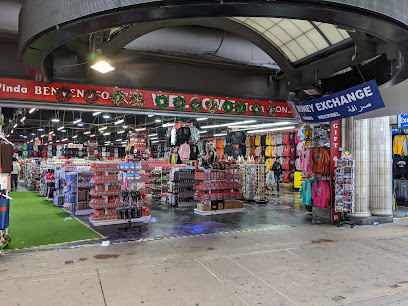
Glorious London Gift & Souvenir
0.5 km
Discover unique souvenirs and gifts that embody the spirit of London at Glorious London Gift & Souvenir, a must-visit shopping destination.
Essential bars & hidden hideouts

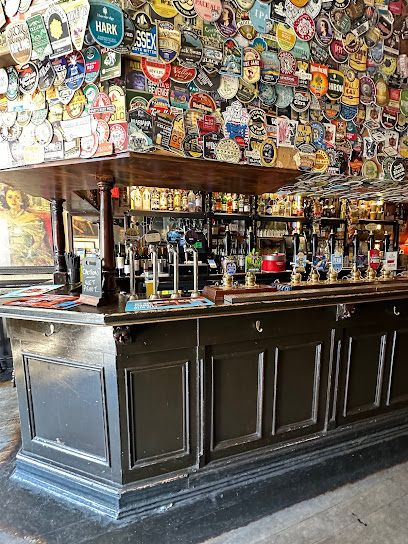
The Harp, Covent Garden
0.1 km
A historic Covent Garden pub famed for award-winning ales, traditional ciders, and a timeless, welcoming atmosphere.
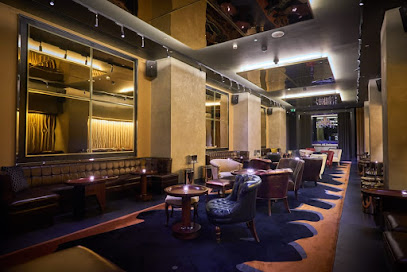
Blind Spot London
0.2 km
Discover a secretive speakeasy with globally inspired cocktails and intimate ambiance tucked inside St Martin’s Lane Hotel, Covent Garden.
Mr Fogg's Society of Exploration
0.2 km
Step into a Victorian explorer’s world with inventive cocktails, immersive storytelling, and a mechanical mixologist in Covent Garden’s unique speakeasy.
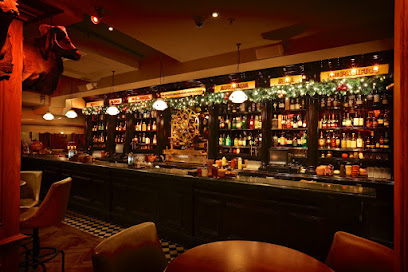
Blame Gloria - Cocktail Bar in Covent Garden
0.2 km
Dive into Blame Gloria’s neon-lit retro cocktail haven in Covent Garden, where legendary rock vibes and wild themed brunches electrify your night.
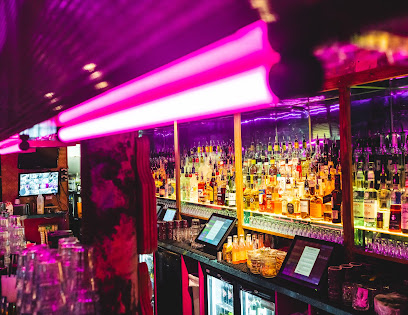
Mr Fogg's Tavern
0.2 km
Step into a Victorian-inspired tavern in Covent Garden, where inventive cocktails meet hearty British fare in an eclectic and lively setting.
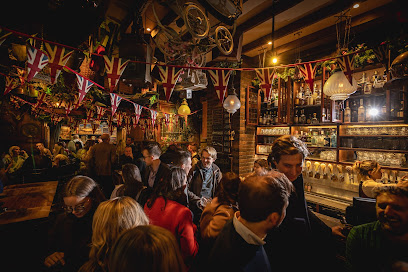
All Bar One Covent Garden
0.2 km
Stylish Covent Garden wine bar serving shareable plates, extensive wines, and cocktails in a lively West End setting—ideal for pre-theatre drinks or group gatherings.
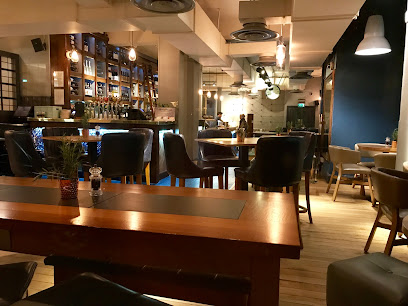
Hampshire Restaurant and Bar
0.3 km
Intimate bar and restaurant serving vibrant Mexican and Peruvian cuisine in the heart of Leicester Square’s iconic theatre district.
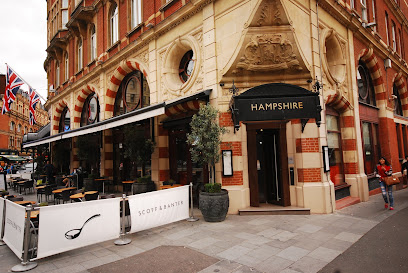
The Alchemist St Martin's Lane
0.3 km
Experience theatrical cocktails and vibrant dining in the heart of Covent Garden’s iconic theatre district.
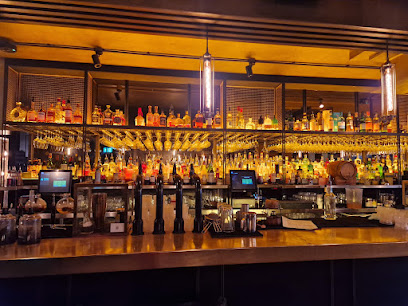
Upstairs At Rules
0.3 km
Discover Upstairs At Rules, a refined cocktail bar above London’s oldest restaurant, where Edwardian elegance meets expertly crafted drinks in Covent Garden.
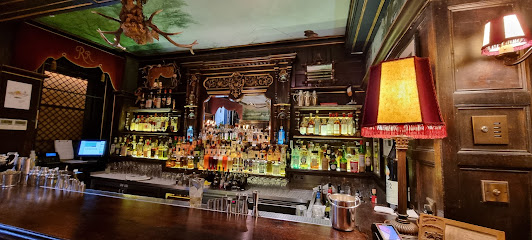
Old Shades
0.3 km
Historic Whitehall pub pouring cask ales and pub classics since 1898, steps from Trafalgar Square—a true taste of London tradition.
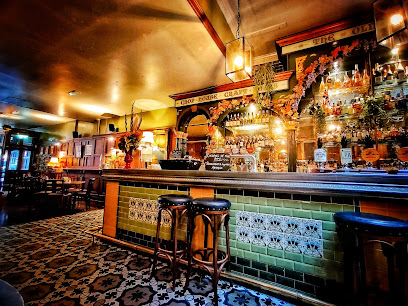
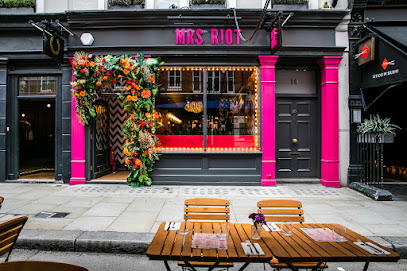
Mrs Riot
0.3 km
Covent Garden's technicolor riot: punk-pop cocktails, drag brunches, live DJs, and Kitty Clive's rebellious legacy in one explosive venue.
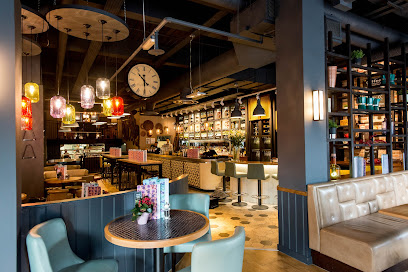
All Bar One Leicester Square
0.3 km
Stylish wine and cocktail bar in the heart of Leicester Square, perfect for socializing, dining, and private events in central London.
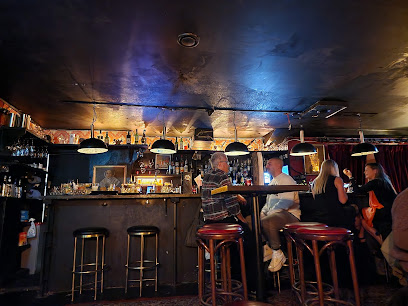
Covent Garden Social Club
0.3 km
Dive into Covent Garden's dual-world party den: prohibition cocktails below, live piano magic above—West End's ultimate nightlife hideaway for cocktails, cabaret, and endless sing-alongs. (162 characters)
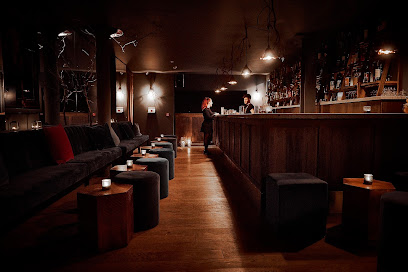
Eve Bar Covent Garden
0.3 km
Subterranean Covent Garden cocktail bar tempting with zero-waste elixirs, decadent snacks, and Eden-inspired glamour beneath a Michelin-starred haven.
The Spy Bar
0.4 km
Step into London’s secret subterranean bar where espionage history meets masterful cocktails and exclusive, no-photos privacy.
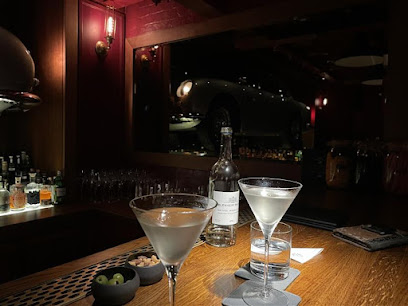
Nightclubs & after hour spots

Heaven
0.2 km
London’s iconic gay superclub under the railway arches — big nights, loud music, drag, and late finishes in the heart of the West End.
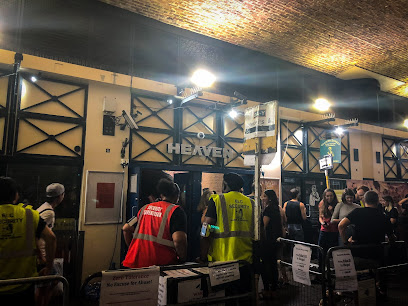
TSQ Club
0.3 km
Dive into Trafalgar Square's nightlife pulse at TSQ Club, where eclectic beats, dazzling lights, and craft cocktails fuel unforgettable weekend nights in London's heart.

Whatdafunk Presents West End Urban Disco
0.3 km
Dive into London's grooviest urban disco beats at Whatdafunk, where Covent Garden's streets pulse with funk, soul, and non-stop dance energy in the heart of the West End.
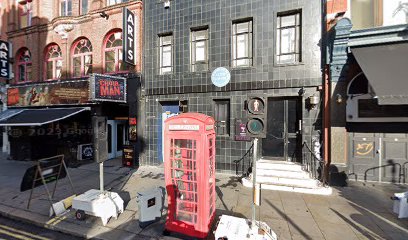
The Penthouse London
0.4 km
A compact, rooftop nightclub above Leicester Square — reached by a side lift, built for late‑night private parties and skyline glimpses.
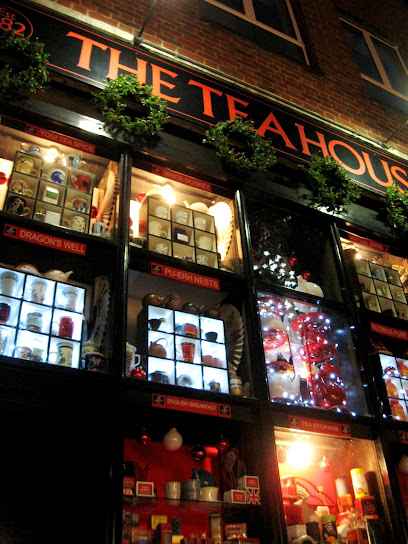
Tiger Tiger London
0.4 km
Experience London’s iconic Haymarket nightclub with six vibrant rooms, lively DJs, and a dynamic party atmosphere just moments from Piccadilly Circus.

Luxe Club
0.5 km
Experience London's vibrant nightlife at Luxe Club, a central hotspot for music, dancing, and late-night entertainment.

The Ivy Club
0.5 km
Art-Deco‑tinged members’ club above The Ivy — piano bars, discreet private dining and polished West End glamour.
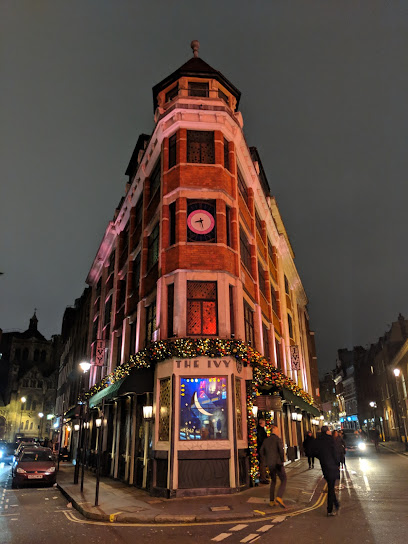
Comedy Carnival Covent Garden
0.5 km
London's premier stand-up comedy venue showcasing bold, award-winning international comedians in vibrant Covent Garden.

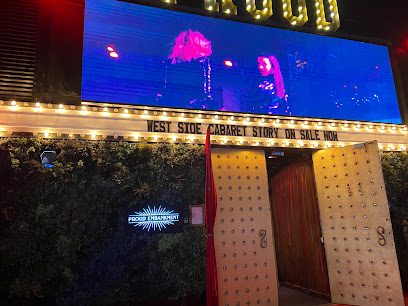
Proud Late
0.6 km
Dive into two-storey glamour under Waterloo Bridge: cabaret acrobatics, burlesque dazzle, supper feasts, and non-stop clubbing till 5am in London's West End nightlife epicenter.
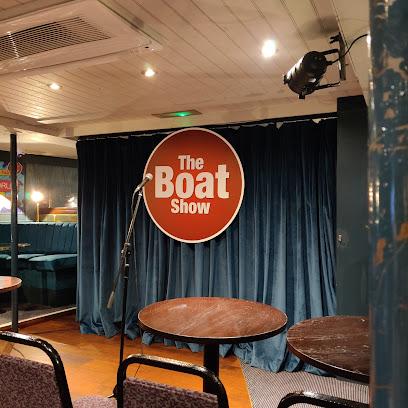
The Boat Show Comedy Club
0.6 km
London’s premier floating comedy club aboard the historic Tattershall Castle, blending laughter with iconic riverside views and vibrant nightlife.
The Roxy
0.6 km
Soho's unbeatable happy hour cocktail bar by day, pulsing nightclub with live music and DJ nights till 3am—affordable vibes in London's nightlife heart.
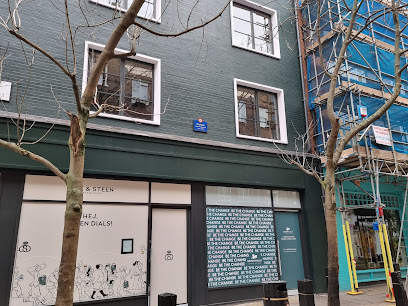
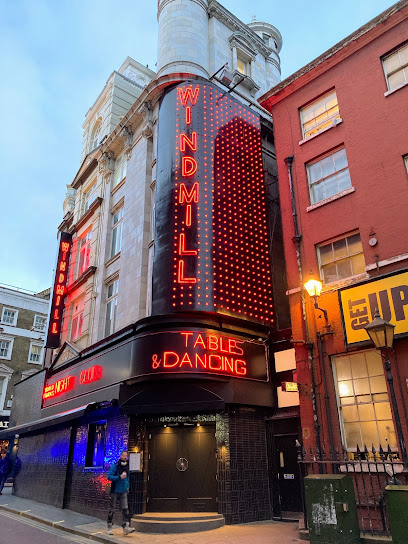
The Windmill Soho | Restaurant, Cabaret & Nightclub in Soho, London
0.6 km
Soho's legendary cabaret den revived: burlesque bites, theatrical feasts, and all-night beats in a historic hotspot of hedonism.
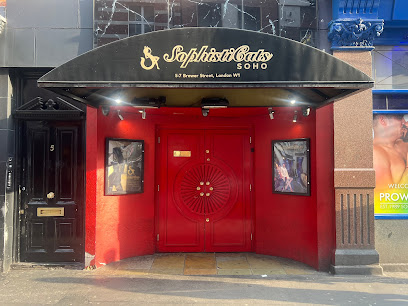
Sophisticats Soho
0.6 km
An intimate, late‑night Soho gentlemen’s club on Brewer Street offering staged performances, VIP seating and an upmarket, discreet atmosphere.
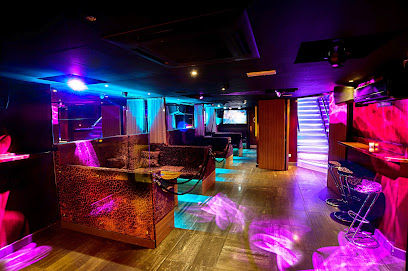
Club49Soho
0.7 km
Soho's stylish cocktail haven with DJ-fueled dancefloor energy, blending upscale drinks and classy nightlife vibes until 3am.
Versity Camp Nightclub
0.7 km
Dive into Soho's beating heart at Versity Camp Nightclub, where thumping bass, inventive cocktails, and an electric crowd fuel unforgettable nights until dawn.
For the vibe & atmosphere seeker
- Romantic
- Tranquil
- Scenic
- Unique
- Lively
For the design and aesthetic lover
- Minimalist Designs
- Modern Designs
- Vintage Styles
For the architecture buff
- Historic
- Landmarks
- Art & Design
- Sacred Sites
For the view chaser and sunset hunter
- Iconic Views
- Panoramas
For the social media creator & influencer
- Instagrammable
- Photo Spots
- Architectural Shots
For the eco-conscious traveler
- Public-Transport Accessible
- Locally Managed
For the kind of experience you’re after
- Mindfulness
- Meditation Spot
- Spiritual / Energy Spot
- Myth & Legends
- Cultural Heritage
- Photowalk
- Day Trip
For how adventurous you want the journey to be
- Easy Access
Location Audience
- Family Friendly
- LGBT Friendly
- Senior Friendly
- Child Friendly
- Teen Friendly
- Wheelchair Access
- Solo Friendly
- Couple Friendly
- Solo Female Friendly
- Vegetarian Friendly
- Vegan Friendly


