
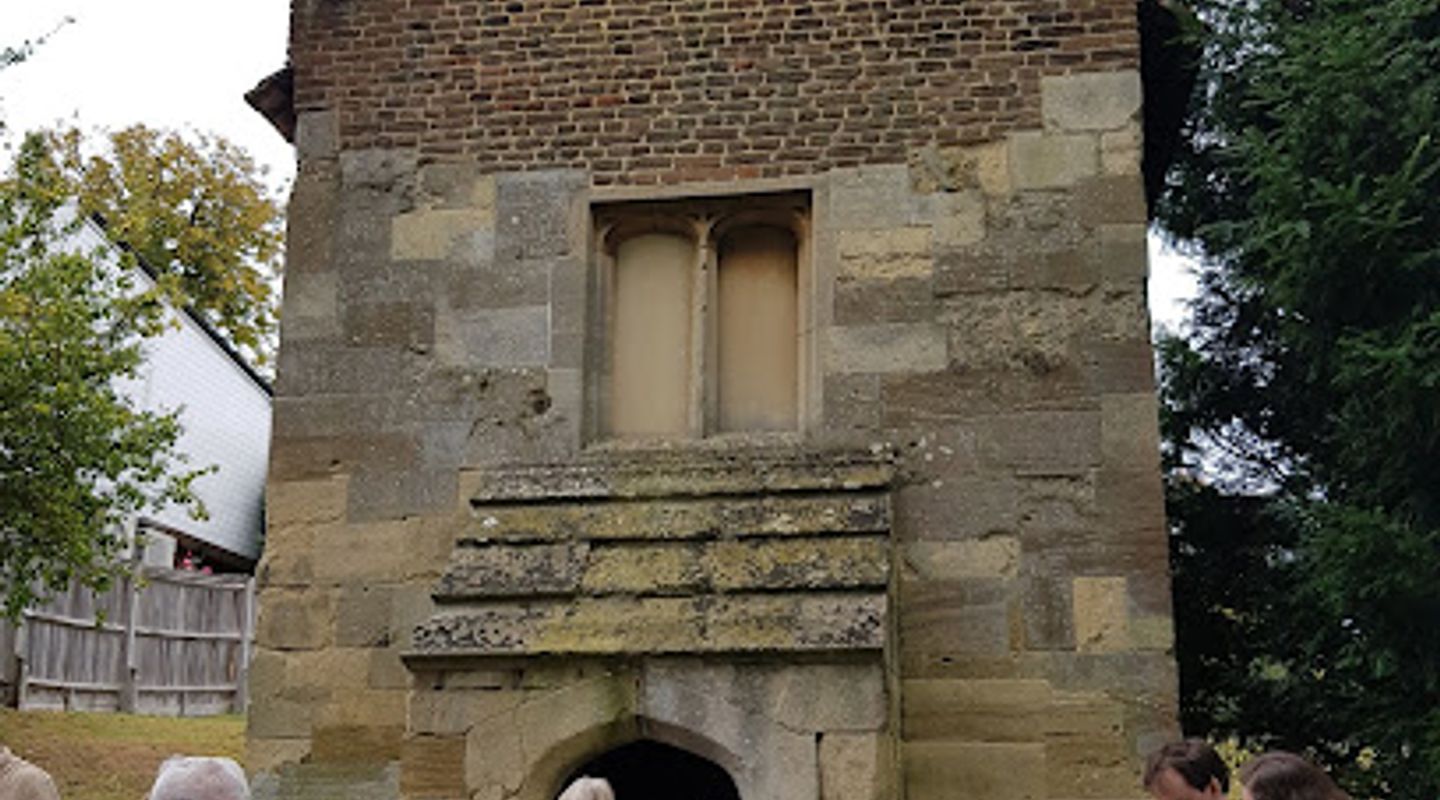
Coombe Conduit, Surrey Travel Guide
Explore Coombe Conduit, a Tudor-era waterworks marvel that supplied Hampton Court Palace for centuries, hidden within Kingston’s suburban landscape.
Coombe Conduit is a rare surviving Tudor-era water conduit house built around 1540 to supply fresh spring water to Hampton Court Palace. Located in Kingston upon Thames, it formed part of an ingenious 5.5 km lead pipe system that operated for over 350 years. The site features underground vaulted chambers and cisterns, showcasing early modern hydraulic engineering amidst a suburban residential setting.
A brief summary to Coombe Conduit
- Coombe Ln W, Kingston upon Thames, KT2 7HE, GB
- Click to display
- Click to display
- Duration: 0.5 to 1.5 hours
- Budget
-
 Outdoor
- Mobile reception: 4 out of 5

Know before you go
Hi, I'm Eve. Here are a few practical things to know before exploring Coombe Conduit.
- Visit during the summer open days (June to October) when the conduit is accessible to the public.
- Wear sturdy shoes due to uneven, sloping terrain and steps inside the conduit chambers.
- There are no facilities on site; plan accordingly and use nearby amenities such as Norbiton railway station toilets.
- Photography enthusiasts will appreciate the atmospheric underground chambers and Tudor engineering details.
Do you manage this location?
Take control to get all the benefits, like improved information, better appearance, and stronger visibility across AI-powered discovery. Learn more about listing your business on Evendo
Activate your presenceOther nearby places you may find interesting
The closest places of the same kind, if this one is not quite what you had in mind.



Explore Coombe Conduit on the Map
A handpicked selection of must-see spots near Coombe Conduit, mapped for you.
Getting There
-
Public Transport
Take a train to Norbiton railway station, approximately 1.5 km from Coombe Conduit. From there, a 20-minute walk through residential streets leads to the site. Trains run frequently from London Waterloo, with fares around £5-£7 one way.
-
Bus
Bus routes 281 and K3 serve Coombe Lane West, stopping near Lord Chancellor Walk. The journey from Kingston town center takes about 15-20 minutes. Tickets cost approximately £2-£3 per ride.
-
Car
Driving to Coombe Conduit is possible, but there is no dedicated parking. Unrestricted on-street parking is available on Lord Chancellor Walk. Expect moderate traffic during peak hours. Use of a GPS navigation system is recommended.
For the on-the-go comforts that matter to you
-
 Restrooms
-
 Seating Areas
-
 Information Boards
Discover more about Coombe Conduit
An Ingenious Tudor Engineering Marvel
Coombe Conduit stands as a remarkable survival of Tudor hydraulic engineering, constructed circa 1540 during the reign of Henry VIII. It was part of a sophisticated water supply system designed to channel fresh spring water from Coombe Hill to Hampton Court Palace, spanning approximately 5.5 kilometres through lead pipes. The system operated for over three centuries, ensuring running water reached the palace’s upper floors with adequate pressure thanks to a carefully calculated gradient of nearly 40 metres over 4.8 kilometres.Structure and Functionality of the Conduit
The conduit originally comprised two chambers—upper and lower—connected by an underground vaulted passage about 20 metres apart. Water from the spring collected in a tank in the upper chamber, then flowed through a pipe into a sediment-settling tank in the lower chamber before entering the main conduit pipe to the palace. Intermediate tanks with stopcocks allowed sections of the piping to be isolated for maintenance. The surviving structure includes a sunken gabled chamber with a lead-lined tank recessed into the floor, evocative of a grotto and reflecting its dual role as a functional and ornamental feature in later years.Historical Context and Ownership Changes
Initially attributed to Cardinal Thomas Wolsey, recent research suggests the system was installed during Henry VIII’s residence at Hampton Court, after 1529. The lands belonged to Merton Priory until the Reformation, after which they passed to the Crown. The conduit system remained operational until 1876, with ownership transferring to the Duke of Cambridge by 1896. The conduit houses and piping were eventually sold, and the site became part of a residential garden in the 1970s. Despite damage during World War II, including a bomb-damaged elm tree falling on the upper conduit house, restoration efforts preserved the structure.Present-Day Setting and Access
Today, Coombe Conduit is nestled within a suburban residential area in Kingston upon Thames, enclosed within the garden of a private property on Lord Chancellor Walk. The site is accessible to the public during limited open days in summer, offering a glimpse into Tudor water management technology. The terrain is sloping and uneven, with steps leading down into the chambers, limiting wheelchair access. There are no on-site facilities, but nearby amenities include public toilets at Norbiton railway station.Architectural and Cultural Significance
Though architecturally modest inside, Coombe Conduit’s significance lies in its role as a crucial infrastructure component for one of England’s most famous royal palaces. It exemplifies early modern engineering ingenuity and the Tudor monarchy’s investment in comfort and innovation. The structure also reflects layers of history, from its original utilitarian purpose to later ornamental adaptations by owners such as author John Galsworthy.Conservation and Visitor Experience
The conduit has been carefully conserved as a historical landmark under English Heritage’s guardianship. Visitors can experience the atmospheric chambers and subterranean passages, witnessing water still dripping through the ancient system. The site offers a unique, tranquil encounter with Tudor heritage amid a modern suburban landscape, inviting reflection on the evolution of urban infrastructure and royal patronage.












Your all‑in‑one travel companion app
Explore expert travel guides, compare and book tours, experiences, hotels, and more—all from the palm of your hand. Download now for seamless trip planning wherever your wanderlust takes you.


Explore More of Surrey
Looking beyond Coombe Conduit? Discover Surrey for broader travel guides, local hot-spots, and regional highlights.
Explore Surrey
Discover vibrant arts and historic charm at the Landmark Arts Centre, a cultural gem housed in a stunning 19th-century French Gothic former church in Teddington.

A central Kingston bowling and entertainment complex with arcade games, laser tag, pool, karaoke, and food in one indoor venue.
